
Rigid Mine Dumper Market Outlook: Electrification, Ore Demand, and Fleet Plans





The rigid mine dumper market is being shaped less by headline equipment specifications and more by a harder operational question: can a haulage fleet move the required tonnes reliably while its energy system, road design, maintenance capacity, and dispatch logic change around it? Rising demand for copper, iron ore, lithium-bearing materials, and other strategic minerals is supporting new mine development and expansion. At the same time, pressure to reduce diesel use is moving electrification from a long-range ambition into near-term fleet planning.
That does not mean every open-pit mine should immediately replace diesel trucks with battery-electric alternatives. The market is moving toward a mixed decision environment. Conventional mechanical-drive and electric-drive rigid dumpers remain central to production, while trolley-assist routes, battery-electric platforms, regenerative braking, autonomous haulage systems, and upgraded fleet-management software are changing how operators evaluate the next truck purchase.
The most useful market outlook is therefore not a single demand forecast. It is an assessment of where ore demand, mine geometry, power availability, and fleet renewal cycles intersect.
Ore demand supports replacement, but mine plans determine truck demand
Commodity demand matters because higher production targets eventually create pressure on loading and hauling capacity. Yet ore demand alone does not determine whether a mine needs more rigid dumpers. A site can increase output through better dispatch, improved shovel availability, shorter haul distances, crusher relocation, road upgrades, or autonomous operation before it adds trucks.
The rigid mine dumper market is strongest where several conditions occur together: an open-pit operation has a long remaining life, material movement is rising, existing haul units are approaching replacement age, and the mine plan requires sustained high-volume hauling rather than short-term peak capacity. Greenfield projects create equipment demand, but brownfield fleet replacement can be equally important because older machines may become less economical to maintain, less compatible with digital systems, or poorly suited to a changing energy strategy.
Fleet planners should avoid treating annual ore production as the only sizing input. The practical requirement is total material moved, including waste rock, overburden, ore, stockpile rehandling, and construction-related haulage. A mine with stable ore output may still need substantially more haulage capacity if its stripping ratio rises or its pit deepens. Conversely, a higher-grade orebody may increase metal output without creating the same increase in truck hours.
Payload class also needs to follow the loading and haulage system, not a preference for the largest available unit. Larger rigid dumpers can reduce truck count on wide, high-volume routes served by appropriately sized shovels or loaders. They can be a poor fit where benches are tight, loading tools are smaller, road geometry is constrained, or destinations create long queueing cycles. Under-matched loading equipment creates uneven passes and payload variability; both reduce the value of a high-capacity truck.
Electrification is becoming a mine-system decision
Electrification is one of the clearest forces influencing new rigid dumper plans, but its commercial value varies sharply by duty cycle. A truck is not simply a diesel vehicle with a different power source. Its feasibility depends on where it travels, how long it climbs, how often it stops, how much downhill energy is available to recover, and whether the mine can provide dependable power at the right location.
Long uphill hauls with repeated cycles are often where diesel consumption and heat load become most visible. These routes can make trolley-assist systems attractive when road corridors and electrical infrastructure support overhead lines. Battery-electric haulage may be more compelling where charging or energy exchange can be integrated without compromising cycle time. Downhill operation can also improve the case for electrified haulage when regenerative braking can recover energy rather than dissipating it as heat.
The mistake is to compare only truck purchase price with fuel cost. A credible electrification decision includes mine power supply, substations, cable or trolley infrastructure, charging strategy, road segmentation, maintenance tools, operator training, software integration, and production contingencies. It must also address what happens when a truck cannot access its planned energy source during a disruption.

Electric haulage can reduce dependence on diesel and support emissions objectives, but it can introduce new operational constraints. Power quality, peak demand, thermal conditions, dust, equipment access, and charging or trolley availability all affect production. In many cases, a phased program is more workable than a complete conversion: electrify the highest-energy haul segment first, retain a flexible conventional fleet where routes change frequently, and use operating data to refine the next investment stage.
Where electrification is less straightforward
Short-life pits, highly variable haul roads, remote operations with limited grid capacity, and mines still redesigning their ultimate pit can face a weaker near-term case. That does not remove the need to prepare. It changes the sequence of decisions. A site may prioritize trucks with suitable electrical architecture, improve dispatch data quality, reserve corridor space for future trolley lines, and ensure that road upgrades do not block later electrification options.
Electrification should also be separated from autonomy in the business case. They can reinforce each other, particularly when predictable routes allow both automated operation and managed energy use. But one does not require the other. A mine can gain value from electric assistance without deploying autonomous trucks, and it can automate diesel haulage before its power infrastructure is ready for a major energy transition.
Autonomous fleets change the value of consistency
Autonomous haulage is changing buyer expectations in the rigid mine dumper market because it places greater value on repeatable operating conditions. The technology can support consistent speed control, route adherence, and dispatch execution, but its performance depends on disciplined mine design and operating practices. Road condition, berms, intersections, loading-zone control, communications coverage, and interaction with manned equipment all become part of the fleet decision.
This has an important consequence for procurement. The truck should not be assessed in isolation from the mine’s digital environment. Fleet-management systems, high-precision positioning, onboard health monitoring, connectivity, collision-avoidance functions, and maintenance planning need to work together. A low acquisition cost may lose its appeal if the equipment creates integration gaps or requires a separate data workflow that supervisors cannot use effectively.
For a mixed fleet, interoperability deserves special attention. Mines often operate equipment from different purchasing cycles, and a transition to autonomy or electric haulage rarely happens all at once. A practical fleet plan identifies which units will remain in service, which routes they will use, and how dispatch will manage different operating capabilities without increasing congestion or maintenance complexity.
Lifecycle cost is more revealing than a unit-price comparison
Rigid dumpers are capital-intensive assets, but the buying decision should be based on the cost and risk of moving material over the planned operating period. Fuel or electricity, tyres, maintenance labor, component life, road maintenance, idle time, production losses, and residual fleet flexibility all belong in the comparison.
Tyres remain a particularly important operating constraint. A payload target that looks acceptable on paper can produce higher tyre stress if road heat, speed, haul distance, loading practice, and site conditions are not controlled. Road quality affects more than travel time: it influences suspension loading, structural fatigue, fuel use, tyre life, and operator comfort. Fleet expansion without a parallel road-maintenance plan can quickly reduce the expected benefit of additional capacity.
Availability should be evaluated carefully. A truck with a high nominal payload does not necessarily move more material over a month if it has long repair intervals, weak parts access, or incompatible maintenance requirements. The appropriate measure is productive tonnes delivered through the full system, not truck capacity during an ideal cycle. This is why haulage planning must involve mine operations, maintenance, energy, finance, and digital teams before a supplier selection is finalized.
There is also a difference between equipment flexibility and fleet flexibility. A versatile truck may work across several routes, but a fleet becomes flexible only when the mine has enough spare capacity, trained personnel, maintenance coverage, and dispatch visibility to absorb breakdowns or route changes. Over-optimizing truck count around an average cycle can leave little protection against rain, congestion, shovel downtime, or a longer-than-planned haul.
Fleet plans should begin with routes, not truck models
The most defensible procurement process starts with a route-by-route view of the mine plan. Map expected payload, distance, grade, elevation change, loading source, dumping destination, road condition, queueing points, and shift pattern. Then compare those operating profiles against available truck and energy configurations. This sequence prevents a common error: choosing a preferred technology first and trying to force the mine plan to justify it afterward.
A useful planning sequence is:
- Define material movement by route, including waste movement and peak-period variability.
- Test whether loading tools, roads, dumps, crushers, and workshops can support the intended payload class.
- Model cycle time with realistic queueing, gradients, weather disruption, and maintenance allowances.
- Assess diesel, trolley-assist, battery-electric, and hybrid transition options against the specific route profile.
- Set a fleet replacement schedule that avoids concentrating too many aging units or unproven technologies in the same period.
- Build the digital, electrical, service, and training requirements into the capital plan rather than treating them as later add-ons.
This approach also helps distinguish a strategic fleet purchase from a short-term production response. Leasing, contract hauling, or selective refurbishment may solve a temporary capacity gap. A long-life expansion, deepening pit, or decarbonization program usually calls for a more integrated fleet decision with infrastructure commitments that will shape the mine for years.
What the market outlook means for near-term decisions
Demand for rigid mining trucks will continue to be tied to commodity cycles and project pipelines, but the market is no longer defined by payload alone. Buyers are placing more weight on energy compatibility, digital readiness, supportability, and the ability to operate through changing mine conditions. Equipment suppliers that can support the full operating system, rather than only deliver a truck, are better aligned with this shift.
For intelligence teams tracking this transition, platforms such as Global Underground Tunnelling & Mining Dynamics can be useful for connecting mine-expansion activity with broader developments in smart transport, regenerative braking, and zero-emission heavy equipment. The practical value lies in relating technology trends to actual haul profiles and asset plans, rather than treating electrification announcements as automatic evidence of fleet suitability.
The next fleet decision should therefore begin with three questions: where will tonnes move over the mine life, where is energy consumed or recovered on those routes, and which operating constraints could prevent the planned trucks from delivering their expected availability? Clear answers to those questions produce a more reliable basis for selecting rigid dumpers, sequencing electrification, and protecting production capacity through the next phase of mine development.
Related News
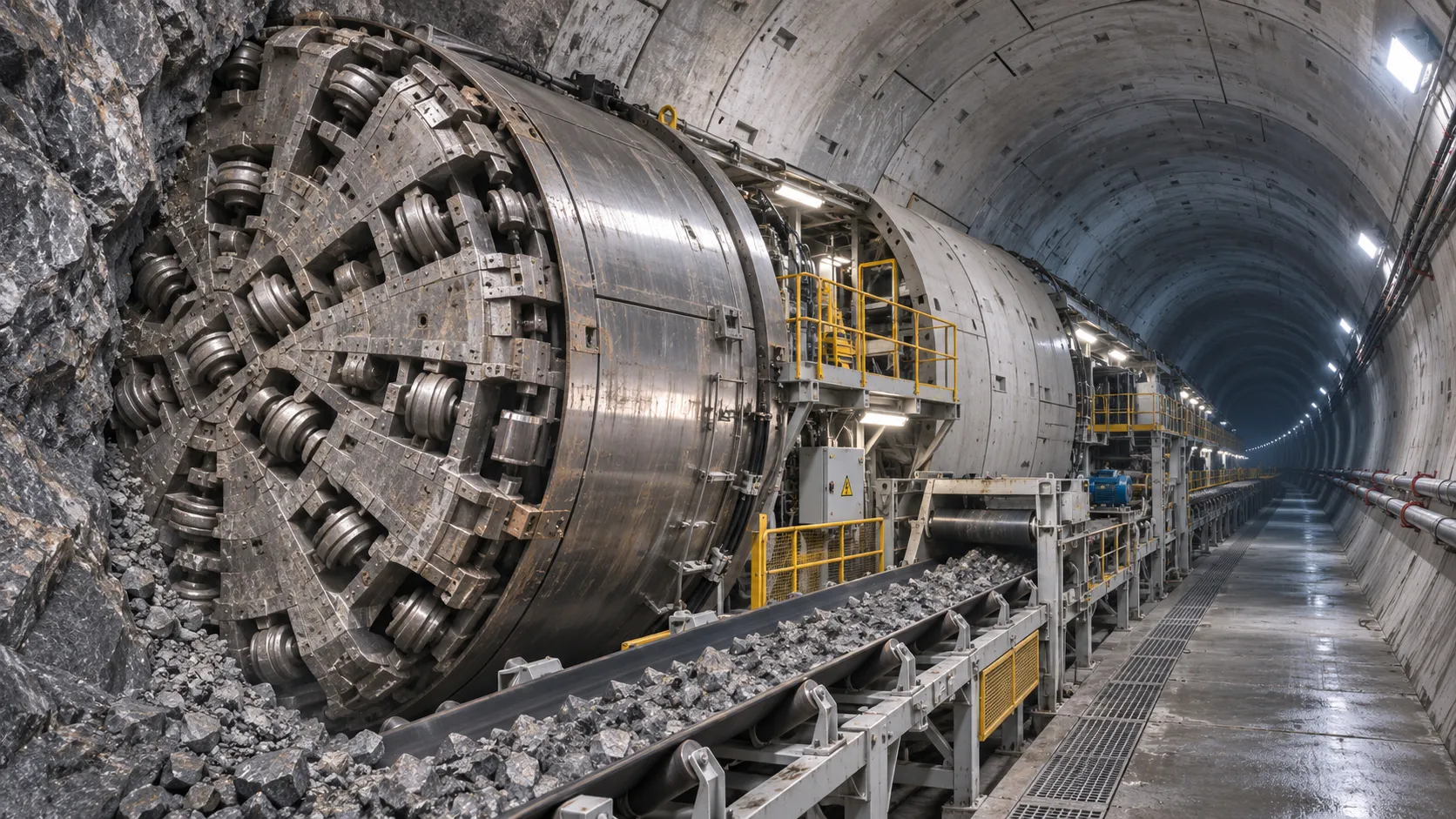
How TBM Excavation Works in Rock and Soft Ground: A Practical Guide
TBM Excavation in rock and soft ground explained: compare machine types, ground support, spoil removal, and the factors that guide smarter project planning.
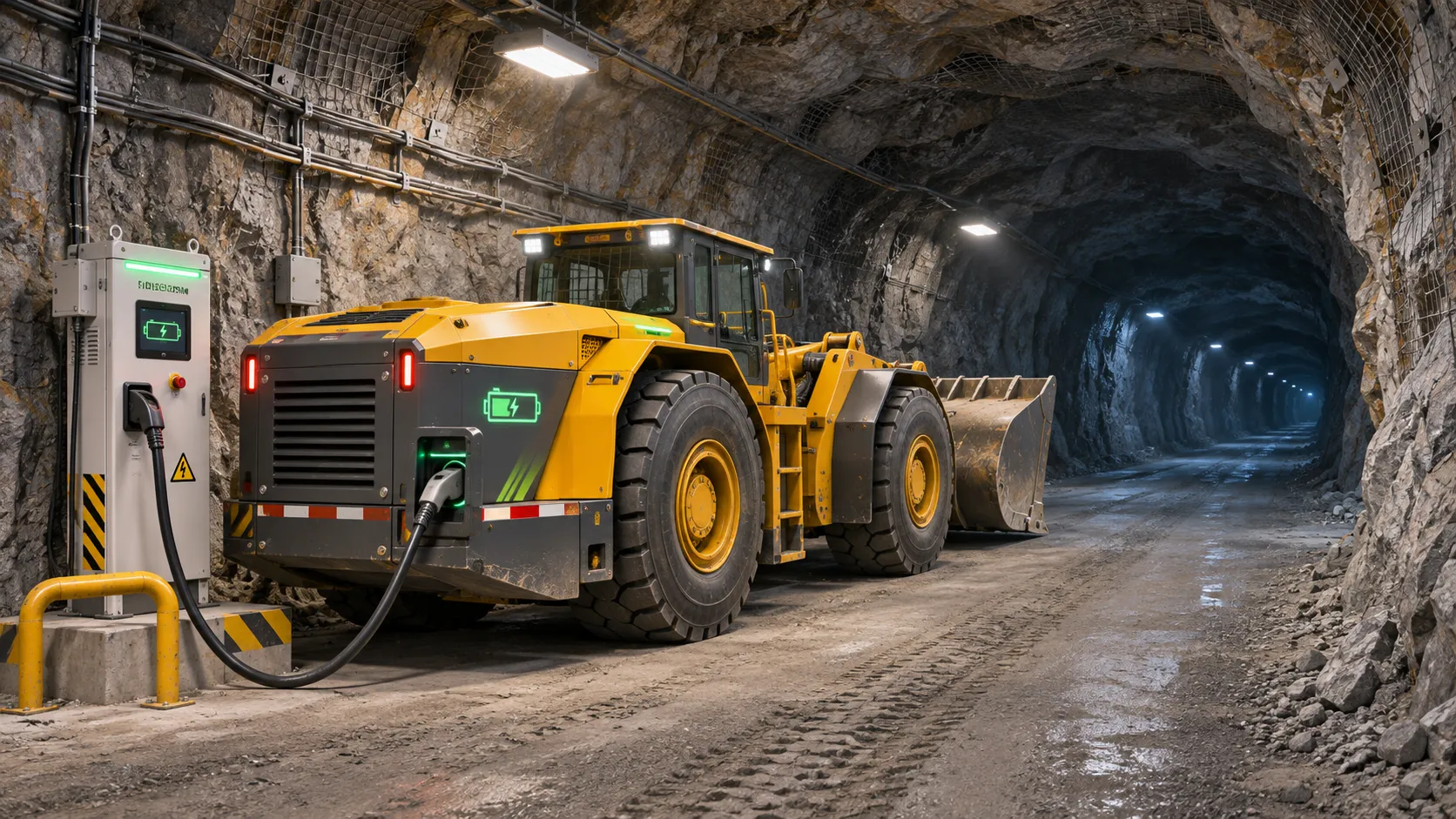
Choosing a Zero-Emission Underground Equipment Supplier: What to Check
Choosing a zero emission underground equipment supplier? Compare duty-cycle performance, charging, safety, total costs and support before you commit.
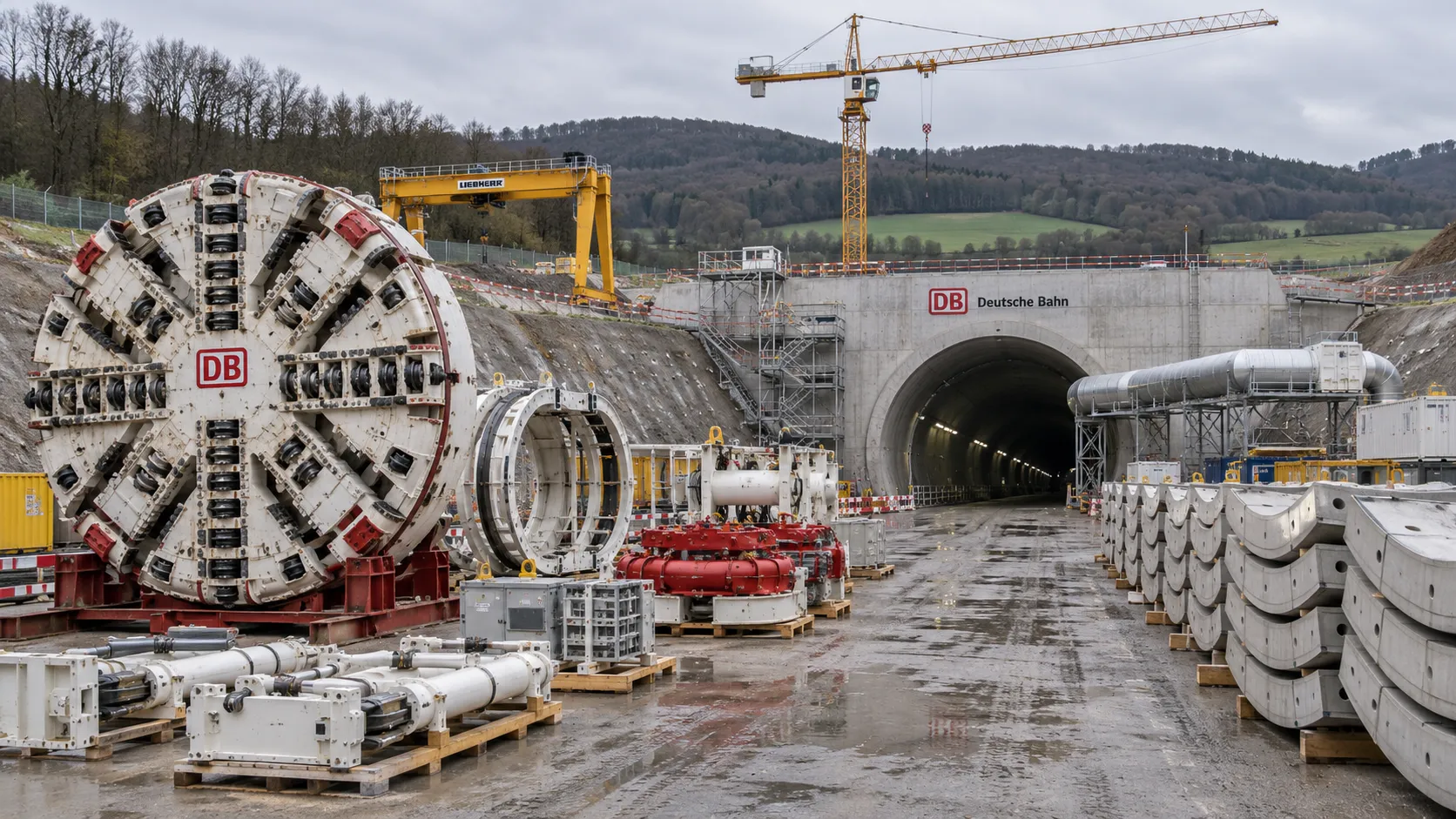
Construction Starts on Germany's Pfaffensteig Rail Tunnel, With Two TBMs Planned
Pfaffensteig rail tunnel construction is underway in Germany. Discover how two planned TBMs will support the 11-kilometre project near Stuttgart.
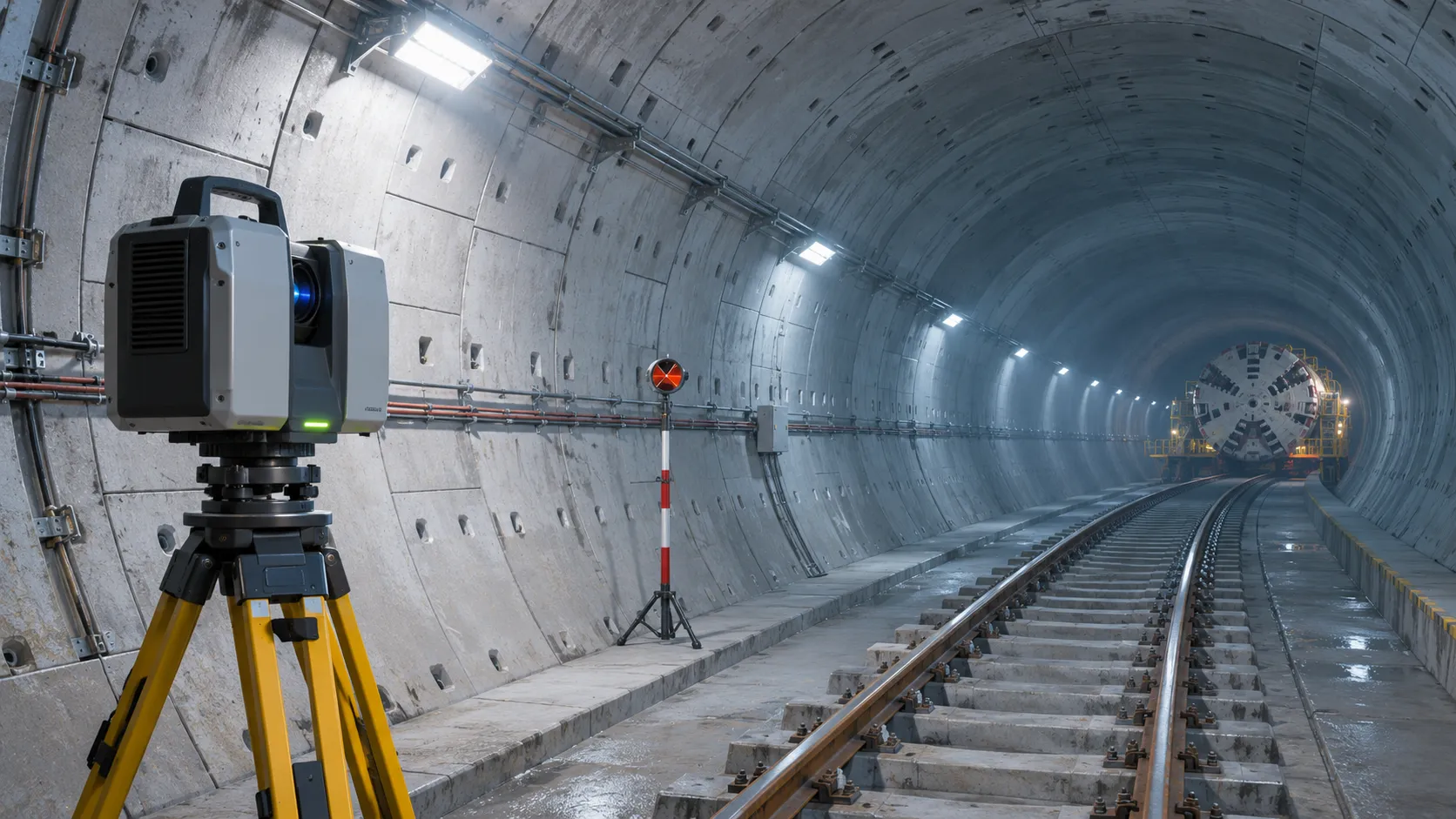
How Real-Time Underground Mapping Systems Work in Tunneling
Discover how real-time underground mapping systems guide tunneling teams, integrate sensor data, and support confident decisions with verified accuracy.
First Mechanized Tunnel Crossing Beneath the Panama Canal Completed
Panama Canal tunnel crossing: Explore the reported Metro Line 3 milestone and what it could mean for future underwater tunneling projects.
Underground Utility Construction Equipment: Choosing by Ground Conditions
Choose underground utility construction equipment with confidence. Compare trenching, HDD, microtunnelling and TBMs by ground conditions, risk and cost.
China Sets Tunnel Boring Machine Export Controls as India Pushes Local Production
China tunnel boring machine export controls could reshape procurement as India pushes local production. Explore potential supply and project impacts.
Choosing a Trenchless Pipeline Installation Contractor: Key Qualifications
Choose a trenchless pipeline installation contractor with confidence. Learn how to assess experience, equipment, safety, costs, and project risks before you hire.
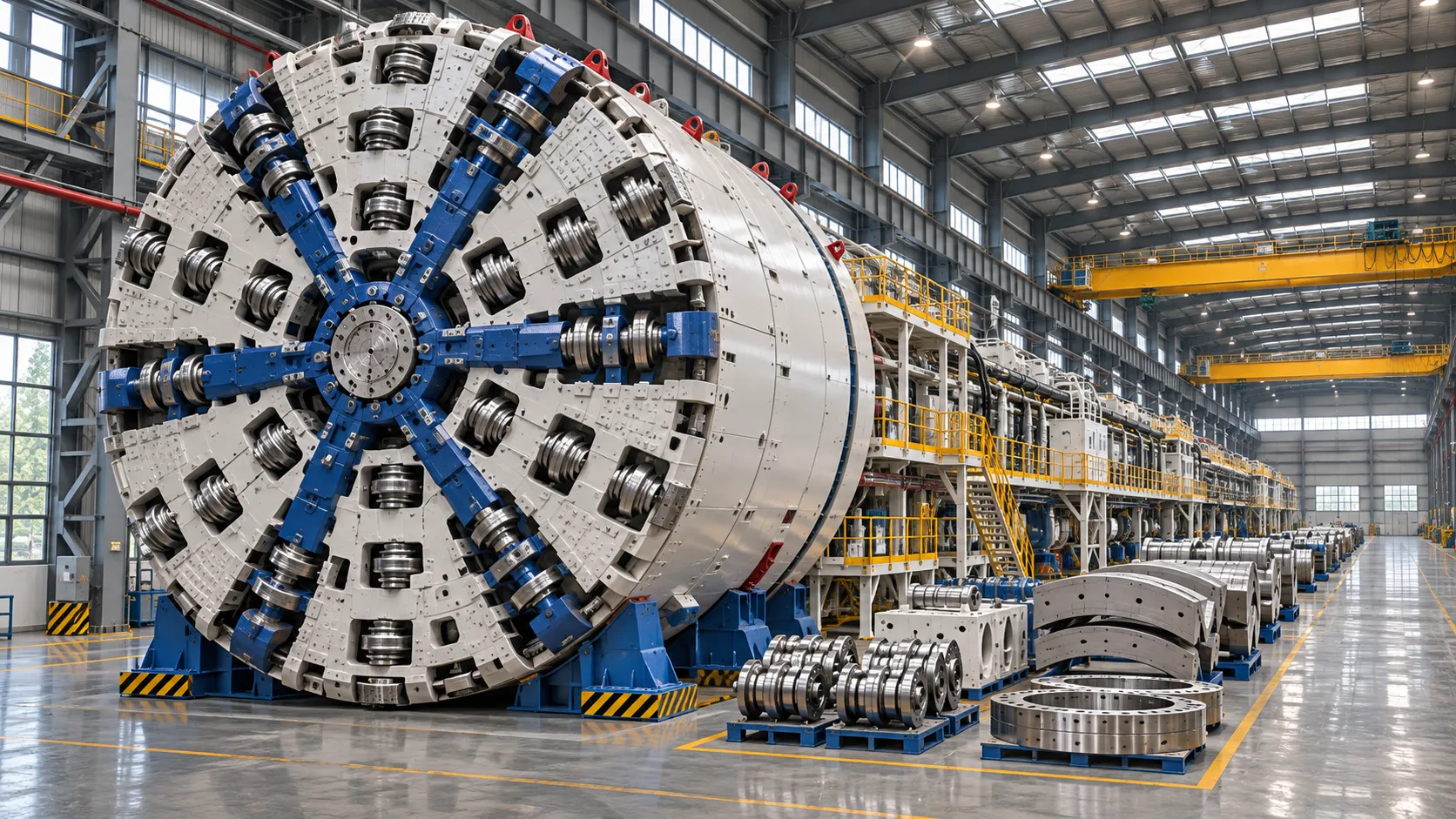
China's 70% TBM Share and Export Controls Challenge India's Local Production
China's TBM export controls could challenge India's local production and infrastructure sourcing. Explore the potential risks and procurement options.
Related News
- 00
0000-00
How TBM Excavation Works in Rock and Soft Ground: A Practical Guide - 00
0000-00
Choosing a Zero-Emission Underground Equipment Supplier: What to Check - 00
0000-00
Construction Starts on Germany's Pfaffensteig Rail Tunnel, With Two TBMs Planned - 00
0000-00
How Real-Time Underground Mapping Systems Work in Tunneling - 00
0000-00
First Mechanized Tunnel Crossing Beneath the Panama Canal Completed
Weekly Insights
Stay ahead with our curated technology reports delivered every Monday.