
What Should a Rigid Mine Dumper Market Report Reveal Before You Invest?





A headline growth rate is not an investment case
A rigid mine dumper market report is useful only if it explains how future equipment demand converts into defendable revenue, service opportunity, and asset utilisation. A projected market value or compound annual growth rate may indicate direction, but it does not show whether demand is tied to a durable mine plan, a short-cycle commodity expansion, a fleet replacement event, or a technology transition that could change the value of conventional trucks.
For capital allocation, supplier assessment, distribution planning, or market-entry decisions, the critical question is not simply whether open-pit mining will require more haulage capacity. It is whether a specific class of rigid dumpers will be purchased, deployed, supported, and retained economically within identifiable mining regions and operating conditions. A credible report must expose the assumptions behind that conclusion.
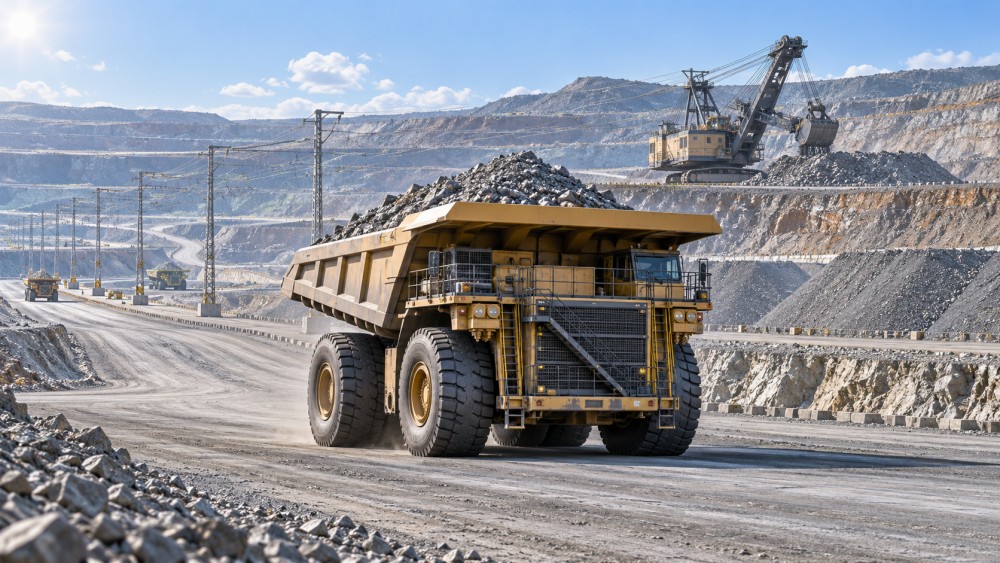
Rigid dumpers occupy a distinct position in mine transport. Their value is highest where haul roads, payload requirements, loading tools, gradients, cycle distances, and fleet-management systems support high-volume production. This makes the market closely connected to mine design and operating strategy. It also means broad construction-equipment or general heavy-vehicle demand should not be used as a proxy for rigid mining truck demand.
Demand should be traced back to mine plans, not equipment announcements
The starting point of a useful rigid mine dumper market report is a clear separation between new mine development, expansion of existing open pits, replacement of ageing fleets, and fleet modernisation. These demand sources have different timing, procurement behaviour, financing conditions, and technology requirements.
New mine projects can create substantial truck demand, but their schedules are vulnerable to permitting, infrastructure constraints, financing availability, commodity-price changes, and engineering revisions. A report that counts announced projects as near-term equipment demand without distinguishing feasibility-stage projects from fully funded developments can materially overstate the addressable market.
Expansion demand is more nuanced. An existing operation may increase ore movement, deepen a pit, extend haul distances, or add stripping capacity. None of these conditions automatically requires a proportional increase in truck numbers. Operators may improve dispatching, alter loading arrangements, add crushing capacity, change haul-road design, or raise utilisation before purchasing additional units. The report should explain the operational mechanism linking each expansion to incremental fleet requirements.
Replacement demand is often more investable than greenfield demand because it is anchored in an operating fleet. Yet even this category requires scrutiny. Replacement timing depends on physical condition, availability targets, maintenance cost escalation, rebuild options, emissions requirements, and the mine’s remaining life. A truck approaching an internal replacement threshold may be rebuilt rather than replaced if capital expenditure is constrained or if the mine has limited remaining reserves.
The most informative reports map demand to the mine production lifecycle: pre-stripping, ramp-up, steady-state operation, pit deepening, late-life production, and closure. That framing reveals whether equipment demand is likely to be concentrated in a narrow procurement window or sustained through a broader operating cycle.
Regional analysis must go beyond a country-level market split
Country and regional shares are often presented as if they were sufficient indicators of opportunity. They are not. A large mining jurisdiction can contain very different demand conditions across iron ore, copper, coal, gold, lithium, oil sands, phosphate, and other bulk or hard-rock operations. Haulage intensity, payload preference, road conditions, fuel logistics, power availability, and procurement practices vary materially between mines.
A strong regional section should identify the commodity mix supporting haulage demand and the mining methods used in the relevant areas. It should also distinguish between mature mining districts, where replacement and service support may dominate, and developing districts, where project execution and dealer capability can be more decisive.
Import dependence deserves equal attention. In markets where rigid dumpers, major components, or high-capacity tyres are imported, the practical cost of a truck is affected by shipping lead times, customs procedures, exchange-rate exposure, local assembly arrangements, and access to trained service personnel. A market may appear attractive on fleet volume but remain difficult to enter if the installed base is strongly tied to established service networks.
Infrastructure is another regional variable that changes the economic case. Remote mines may face limited road access, long parts-delivery times, weak grid connections, or constrained fuel supply. These conditions influence whether an operator prioritises mechanical simplicity, modular components, onsite inventory, fuel efficiency, battery capability, trolley-assist compatibility, or autonomous-operation readiness. A report should not treat all open-pit mines within a region as comparable demand pools.
Payload categories reveal where competition actually occurs
“Rigid mine dumper” is too broad a label for investment analysis unless payload segments are defined carefully. Demand for mid-capacity trucks can be driven by different mine geometries and loading fleets than demand for ultra-class haul trucks. The supplier base, customer concentration, capital intensity, service model, and barriers to entry also change across these categories.
Payload classification should be linked to operating context rather than presented as a standalone specification. Relevant questions include:
- What excavator or shovel classes are loading the trucks?
- How long are the haul cycles, and how much time is spent on grade?
- Are roads designed for high-capacity fleets or for more flexible truck movements?
- Does the mine require selective mining that favours smaller units?
- Are tyre availability, axle loads, and road maintenance limiting fleet size?
- Can the mine absorb the consequence of a single large unit being unavailable?
These variables affect fleet productivity and risk concentration. A larger truck can reduce unit counts and potentially lower labour and operating costs per tonne, but it may also require more robust loading equipment, wider roads, specialised maintenance facilities, and greater resilience in parts supply. The investment implication is that higher payload does not automatically mean a more attractive market segment. It may indicate a narrower buyer base with longer sales cycles and stronger incumbent relationships.
Reports should also identify whether stated demand represents original-equipment purchases, fleet additions, used-equipment transactions, rebuild programmes, or conversions. These activities all influence market value but create different opportunities for manufacturers, distributors, component suppliers, tyre producers, automation providers, and aftermarket businesses.
Electrification must be assessed as a mine-system decision
Electrification is one of the most important variables reshaping the rigid dumper market, but it is frequently reduced to a comparison between diesel and battery-electric vehicles. That approach is insufficient for open-pit haulage.
The commercial viability of an electric haulage solution depends on the entire energy and production system: haul profile, elevation change, duty cycle, charging or energy-transfer strategy, grid capacity, power quality, site generation, battery-life assumptions, maintenance capabilities, and planned mine life. Regenerative braking can be particularly relevant on long downhill loaded hauls, but its value depends on the mine’s route design and the ability to manage recovered energy within the site system.
Trolley-assist systems, battery-electric trucks, hybrid architectures, and alternative fuel pathways should therefore be evaluated separately. They have different infrastructure requirements and different implications for capital expenditure. A report that combines them under a single “electric truck” category risks masking the practical hurdles of deployment.
It is equally important to identify which fleet type is likely to be displaced. Technology adoption may first affect new mine designs, large expansion projects, or selected high-energy haul routes rather than the whole installed base. Existing diesel fleets may continue to operate where the remaining mine life is short, power infrastructure is unavailable, or conversion economics are unfavourable.
The relevant investment question is not whether zero-emission haulage is strategically important. It is whether a given market forecast recognises the difference between technology interest, pilot deployment, commercial procurement, and fleet-wide conversion.
Autonomy changes the value chain, not only the truck specification
Autonomous haulage can influence truck demand, but its greater significance lies in how it redistributes value across equipment, onboard controls, communications networks, fleet-management software, site preparation, and long-term support. The truck is only one component of an autonomous haulage system.
A credible market analysis should separate autonomy-ready hardware from fully integrated autonomous operation. Installing sensors or control interfaces does not mean a mine can operate an autonomous fleet. The site must also establish operating zones, communications coverage, traffic-management rules, equipment interoperability, maintenance procedures, control-room capability, and emergency-response protocols.
Interoperability is especially relevant where fleets include multiple truck brands, mixed generations of equipment, or loading and auxiliary machines supplied by different vendors. A market report that assumes autonomous technology will lead directly to broad replacement demand may overlook a more likely near-term pattern: operators may preserve mechanically sound trucks while investing in selected automation layers, fleet upgrades, or digitally connected support systems.
For investors and market participants, this creates a useful distinction. The value opportunity may sit less in unit sales and more in retrofit packages, communications infrastructure, data integration, remote-support services, and lifecycle contracts. The report should make clear which revenue pools it includes and which it excludes.
Competitive positioning requires an installed-base view
Market-share charts are incomplete when they measure only annual deliveries. Rigid dumpers are long-life capital assets, and a supplier’s competitive position is heavily influenced by its installed fleet, dealer coverage, component availability, rebuild capability, digital platform, and relationship with mine operators.
In mining, procurement decisions are often shaped by more than purchase price. A truck that has a lower acquisition cost can become commercially unattractive if it lacks reliable field support, requires excessive parts inventory, has weak resale prospects, or cannot be integrated with the mine’s maintenance and fleet-management practices.
A market report should examine competitive strength through operating realities: availability support, planned-maintenance requirements, engine and drivetrain service access, tyre-management capability, diagnostic tools, warranty structure, and response time in remote locations. It should also distinguish global original equipment manufacturers from regional suppliers and rebuild specialists. Their roles may overlap in some markets but differ sharply in high-payload, high-utilisation applications.
Supplier concentration can create both opportunity and risk. A concentrated market may offer pricing discipline and strong aftermarket economics, while making entry difficult. A fragmented market may appear accessible but can have uneven quality, weak service economics, and high competitive pressure. Neither condition is inherently favourable without examining the customer’s switching costs and the supplier’s ability to support equipment through its useful life.
Lifecycle economics matter more than the quoted truck price
Rigid dumper procurement is commonly evaluated through total cost of ownership, but reports often fail to show which cost elements drive the result. Fuel or electricity is important, yet it is only one part of the equation. Tyres, maintenance labour, overhaul intervals, unplanned downtime, payload management, road condition, operator practices, and parts logistics can materially affect cost per tonne moved.
Productivity must be measured in the context of the mine plan. A truck’s rated payload is not the same as productive material moved. Underloading wastes capacity; overloading can accelerate structural wear, tyre damage, braking stress, and maintenance requirements. Long queue times at shovels, crushers, and dumps can erase theoretical benefits from a higher-speed or larger-capacity truck.
Reports should therefore state whether cost comparisons are based on purchase cost, operating cost, cost per tonne, availability, or life-of-mine economics. These measures answer different questions. A fleet choice that reduces operating expense may still be unattractive if infrastructure spending is excessive. Conversely, a higher-cost technology may be justified where it reduces diesel dependence, ventilation requirements in adjacent operations, or exposure to future carbon-related cost pressure.
What a report should disclose before capital is committed
The most reliable market intelligence is transparent about its boundaries. It should disclose the geographic scope, truck payload definitions, forecast period, treatment of used equipment, inclusion or exclusion of aftermarket revenue, and assumptions about mine-project probability. It should identify whether demand estimates are based on announced projects, operating mine fleets, production plans, or supplier interviews, rather than presenting a single market figure without traceable logic.
It should also test sensitive assumptions. Commodity prices, exchange rates, equipment financing, energy availability, permitting outcomes, and high-capacity tyre supply can all alter procurement timing. The point is not to predict each variable precisely; it is to identify which assumptions could change the investment conclusion.
A dependable rigid mine dumper market report does more than describe an expanding equipment category. It reveals where demand is operationally necessary, where it is merely possible, and where technology or infrastructure constraints could delay conversion into orders. That distinction is the basis for judging whether an apparent market opportunity can support durable returns.
Related News
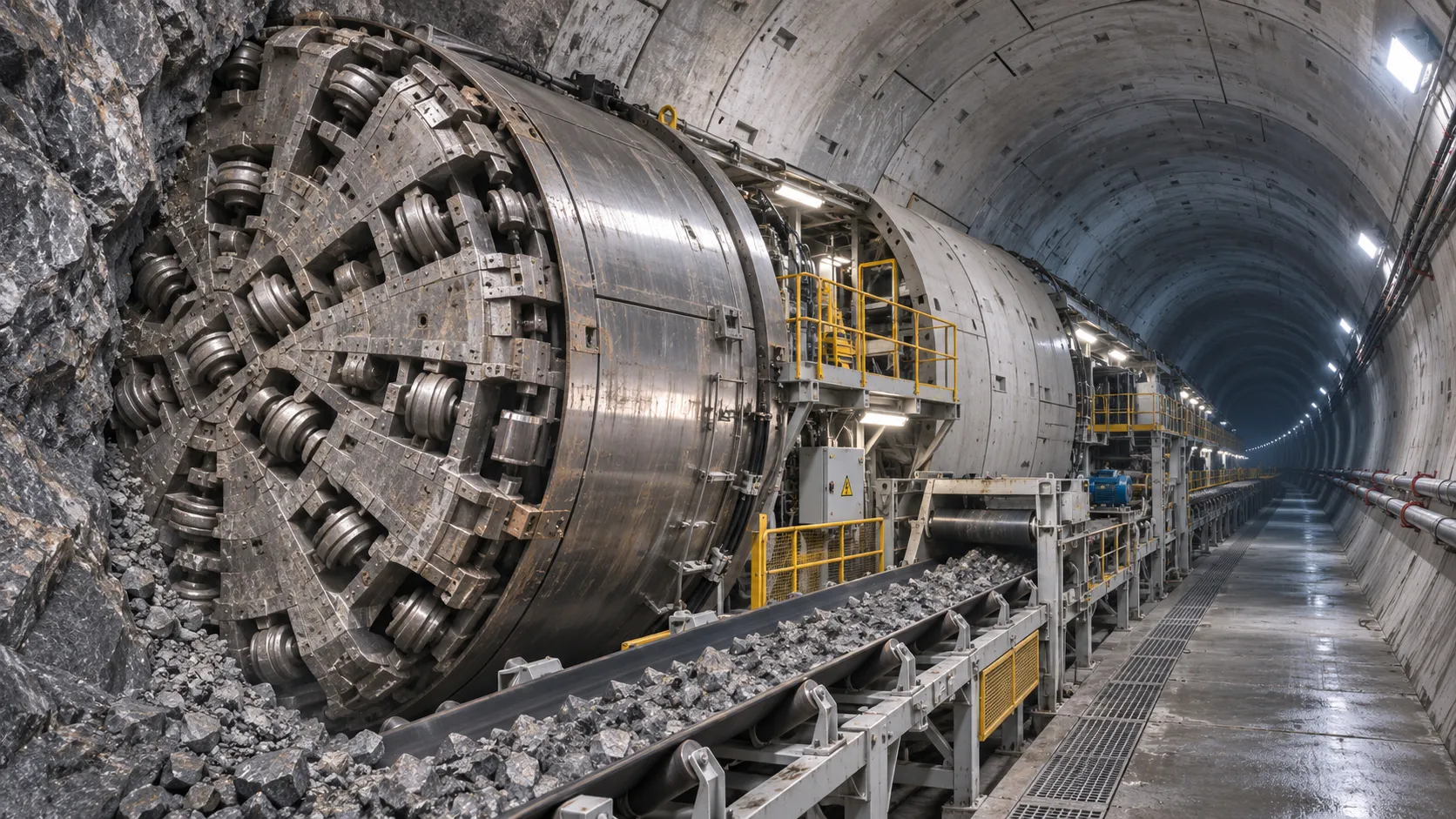
How TBM Excavation Works in Rock and Soft Ground: A Practical Guide
TBM Excavation in rock and soft ground explained: compare machine types, ground support, spoil removal, and the factors that guide smarter project planning.
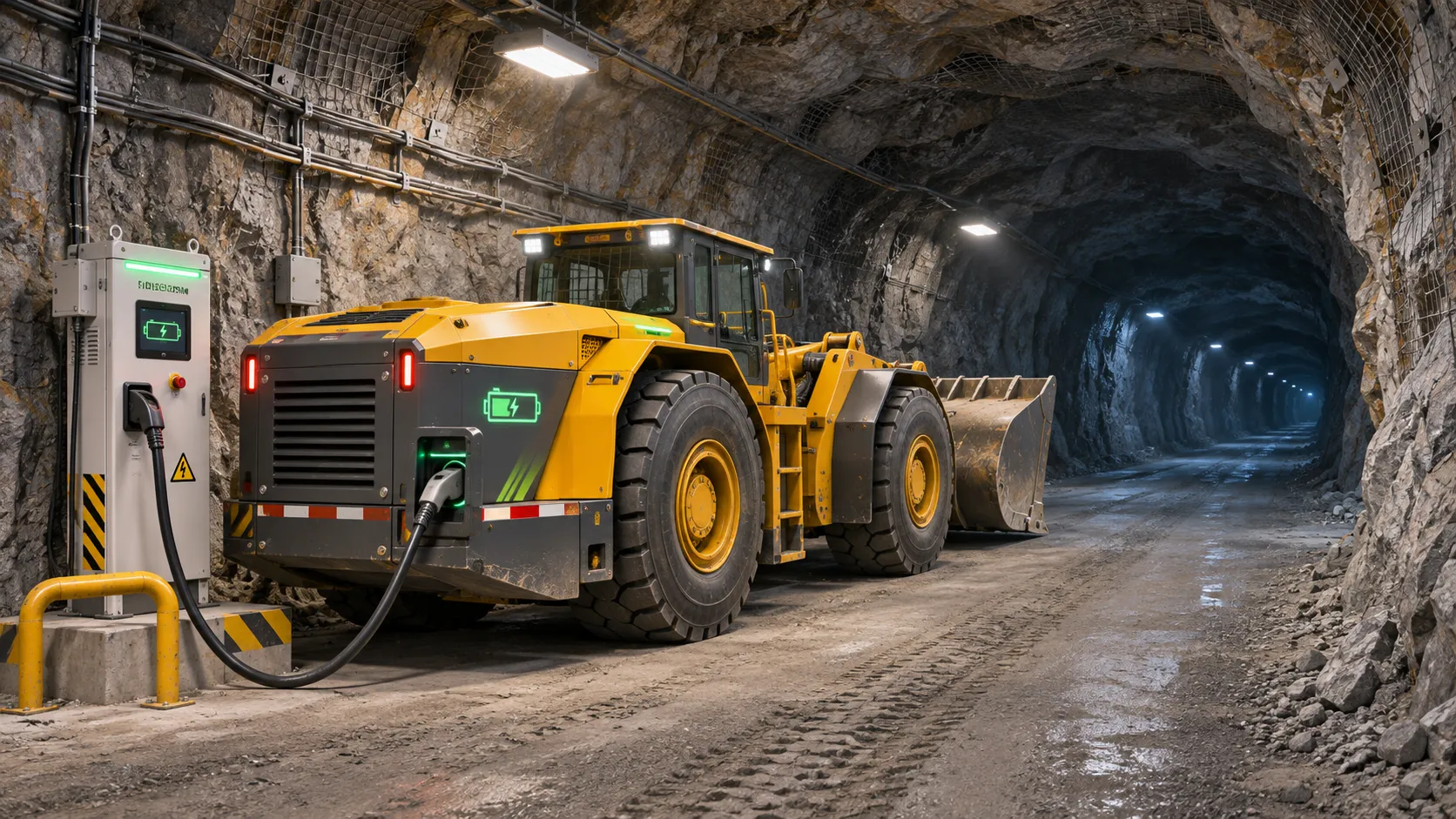
Choosing a Zero-Emission Underground Equipment Supplier: What to Check
Choosing a zero emission underground equipment supplier? Compare duty-cycle performance, charging, safety, total costs and support before you commit.
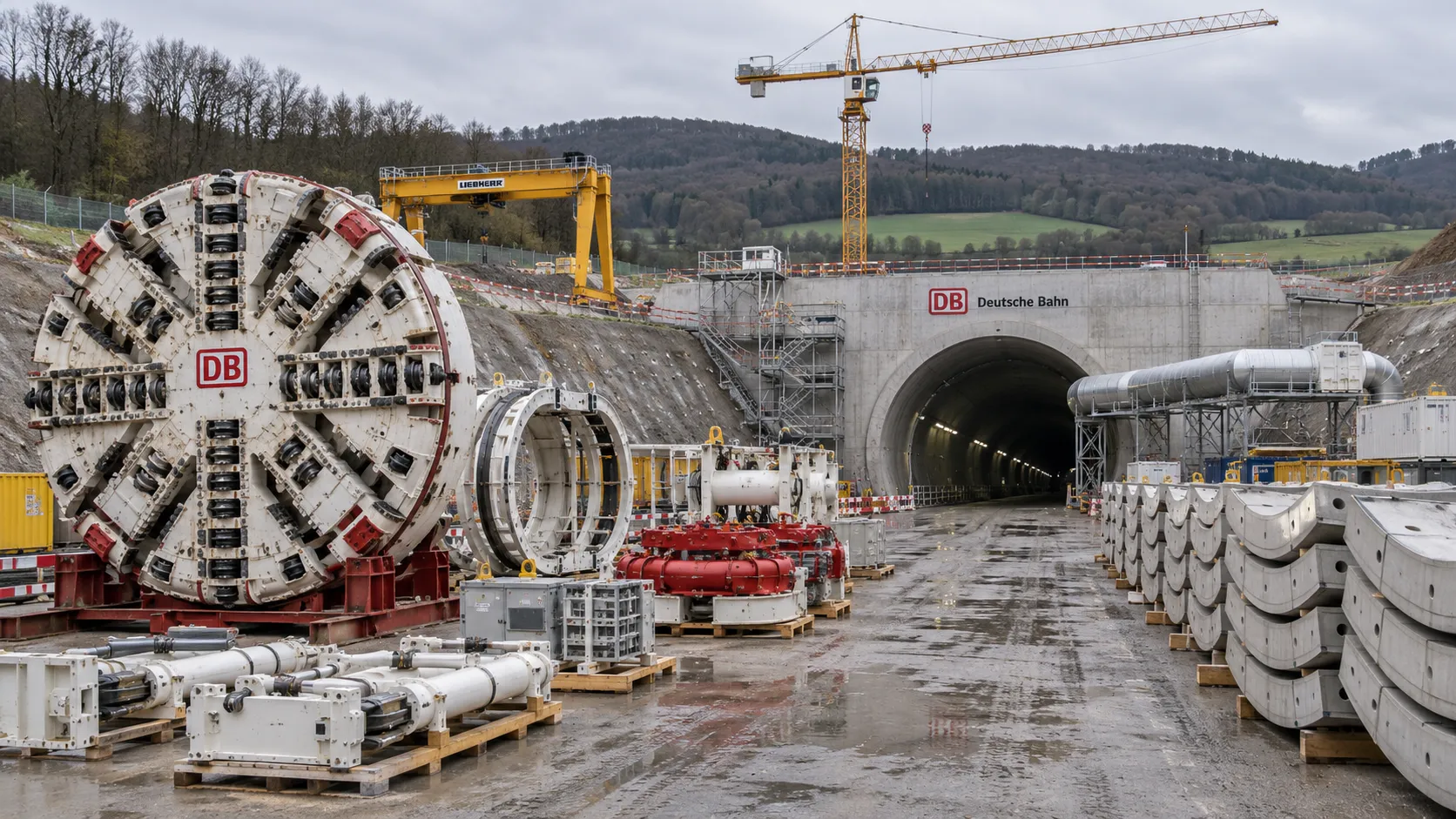
Construction Starts on Germany's Pfaffensteig Rail Tunnel, With Two TBMs Planned
Pfaffensteig rail tunnel construction is underway in Germany. Discover how two planned TBMs will support the 11-kilometre project near Stuttgart.
How Real-Time Underground Mapping Systems Work in Tunneling
Discover how real-time underground mapping systems guide tunneling teams, integrate sensor data, and support confident decisions with verified accuracy.
First Mechanized Tunnel Crossing Beneath the Panama Canal Completed
Panama Canal tunnel crossing: Explore the reported Metro Line 3 milestone and what it could mean for future underwater tunneling projects.
Underground Utility Construction Equipment: Choosing by Ground Conditions
Choose underground utility construction equipment with confidence. Compare trenching, HDD, microtunnelling and TBMs by ground conditions, risk and cost.
China Sets Tunnel Boring Machine Export Controls as India Pushes Local Production
China tunnel boring machine export controls could reshape procurement as India pushes local production. Explore potential supply and project impacts.
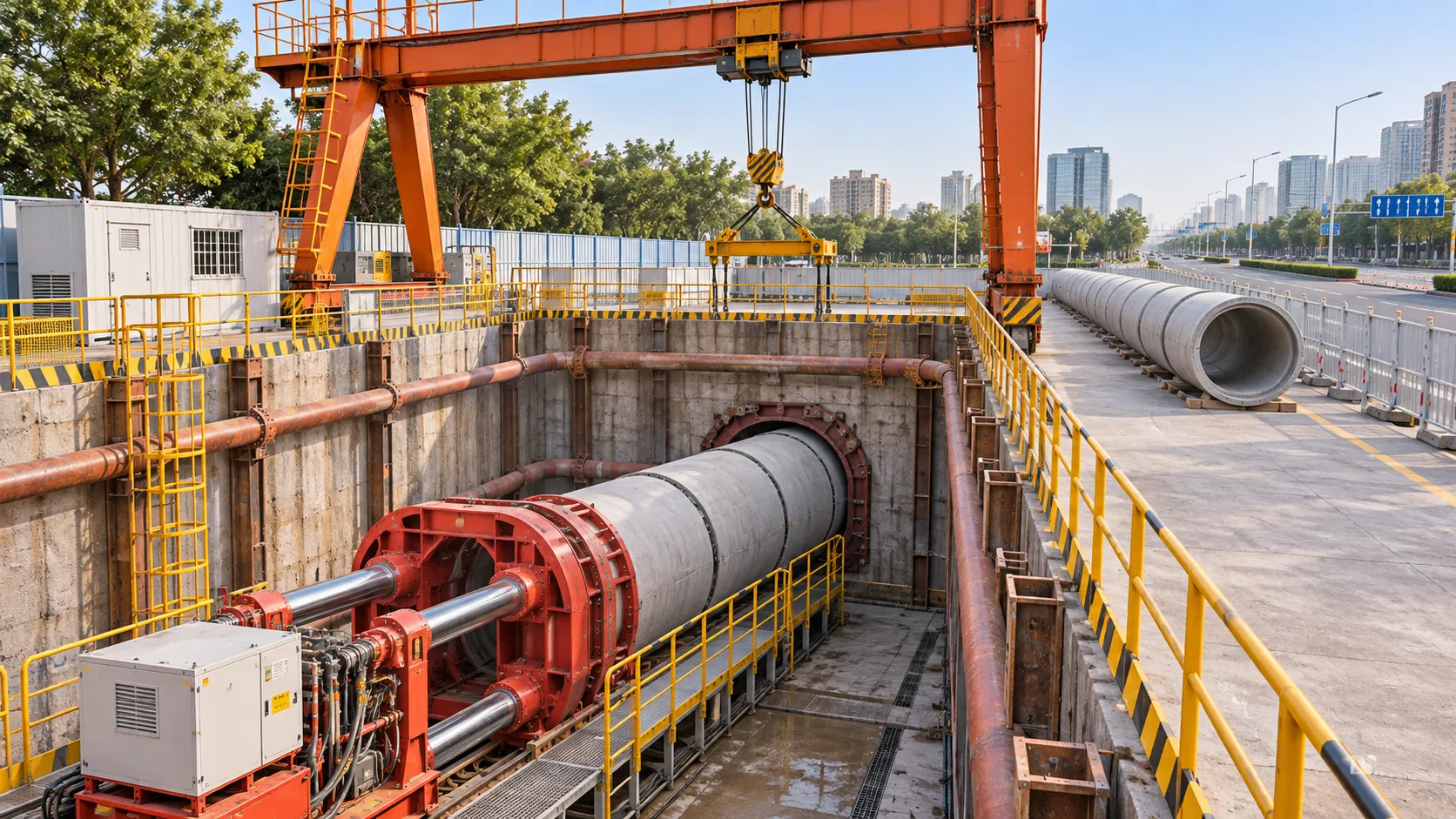
Choosing a Trenchless Pipeline Installation Contractor: Key Qualifications
Choose a trenchless pipeline installation contractor with confidence. Learn how to assess experience, equipment, safety, costs, and project risks before you hire.
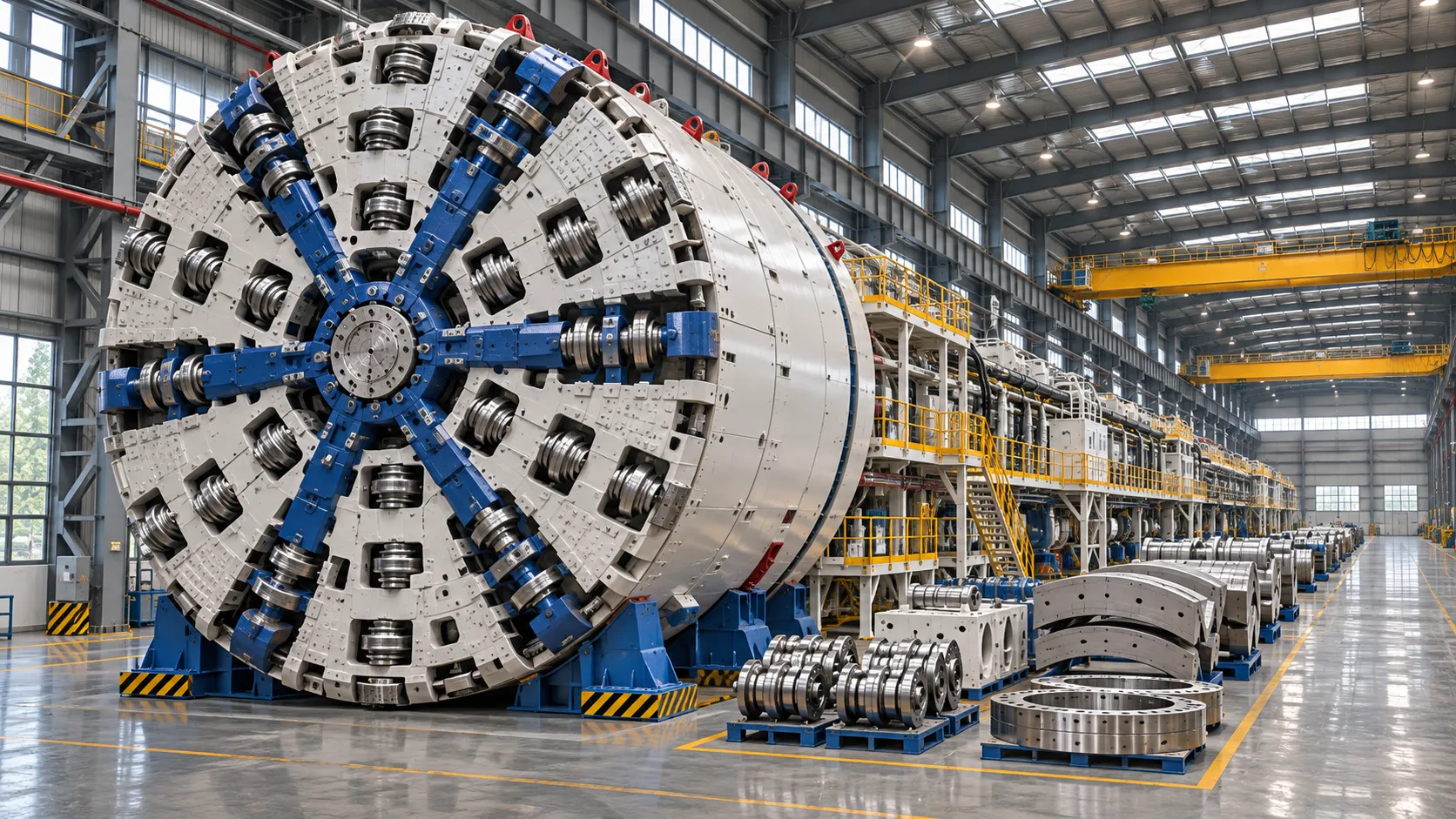
China's 70% TBM Share and Export Controls Challenge India's Local Production
China's TBM export controls could challenge India's local production and infrastructure sourcing. Explore the potential risks and procurement options.
Related News
- 00
0000-00
How TBM Excavation Works in Rock and Soft Ground: A Practical Guide - 00
0000-00
Choosing a Zero-Emission Underground Equipment Supplier: What to Check - 00
0000-00
Construction Starts on Germany's Pfaffensteig Rail Tunnel, With Two TBMs Planned - 00
0000-00
How Real-Time Underground Mapping Systems Work in Tunneling - 00
0000-00
First Mechanized Tunnel Crossing Beneath the Panama Canal Completed
Weekly Insights
Stay ahead with our curated technology reports delivered every Monday.