
What to verify before selecting a mining haulage truck manufacturer





Start with the haul profile, not the brochure
A mining haulage truck can look suitable on paper and still be a poor fit for the mine that will operate it. Payload class, engine output, and body volume are useful starting points, but they do not establish whether the truck will deliver the planned tonnes per hour with acceptable availability and operating cost.
Before selecting a mining haulage truck manufacturer, technical evaluators should first define the duty cycle the supplier must support. That means documenting haul distance, grade profile, rolling resistance, loading-tool match, material density, road condition, ambient temperature, altitude, shift structure, and target production rate. A manufacturer should be able to respond to this operating profile with an application-specific recommendation rather than a generic machine specification.
The most useful early question is simple: has the manufacturer supported trucks in a duty cycle materially similar to this one? Similar payload alone is insufficient. A truck working short flat hauls from a well-maintained loading area faces a very different thermal, braking, tire, structural, and drivetrain demand from a truck descending loaded on long ramps, operating in deep mud, or climbing continuously at altitude.
Ask suppliers to explain the assumptions behind their productivity calculation. The calculation should show how payload, loading time, travel speed, queue time, dumping time, and availability combine. If the production estimate depends on unusually high road speeds, perfect dispatching, or an availability figure disconnected from the proposed maintenance model, it should not be treated as a reliable basis for fleet sizing.
Verify the truck as a system, not as a collection of headline specifications
A capable mining haulage truck manufacturer should be able to demonstrate how the truck’s major systems are matched to each other: engine or electric drive, transmission or traction system, retardation, braking, cooling, frame, suspension, tires, body, and onboard controls. Weakness at one interface often becomes a fleet-level availability problem.
For conventional diesel trucks, evaluators should examine the relationship between engine power, torque delivery, transmission gearing, cooling capacity, and retarding performance. A high engine rating does not automatically produce better cycle time if the transmission spends too much time hunting between gears, temperatures rise under sustained load, or retardation limits downhill speed.
For electric or hybrid configurations, the assessment needs to go further. Battery capacity alone says little about operational suitability. The supplier should define expected energy use across the actual route, charging or battery-exchange strategy, charging-window assumptions, thermal management limits, derating behavior, and the recovery of braking energy on downhill sections. Long downhill hauls can favor regenerative systems, but only when the energy storage and control strategy can absorb the recovered energy without forcing mechanical braking or reducing operating speed.
Brake and retarder capacity deserve special attention on mines with sustained descents. A truck may meet nominal payload requirements while operating close to thermal limits during loaded downhill travel. Request the manufacturer’s route-based braking analysis, including worst-case ambient conditions, payload condition, haul-road grade, travel speed, and contingency assumptions. The review should distinguish between service braking, secondary braking, parking capability, and continuous retarding performance.
Frame and body design should also be assessed against the material being hauled. Abrasive rock, oversize fragmentation, high-impact loading, wet sticky material, and uneven dumping surfaces create different risks. The body should be matched to density and loading method so that the truck is neither volume-limited on light material nor routinely overloaded on dense material. Body liner choices, heating arrangements where relevant, spill management, and the truck-to-loader pass match all influence cycle consistency.
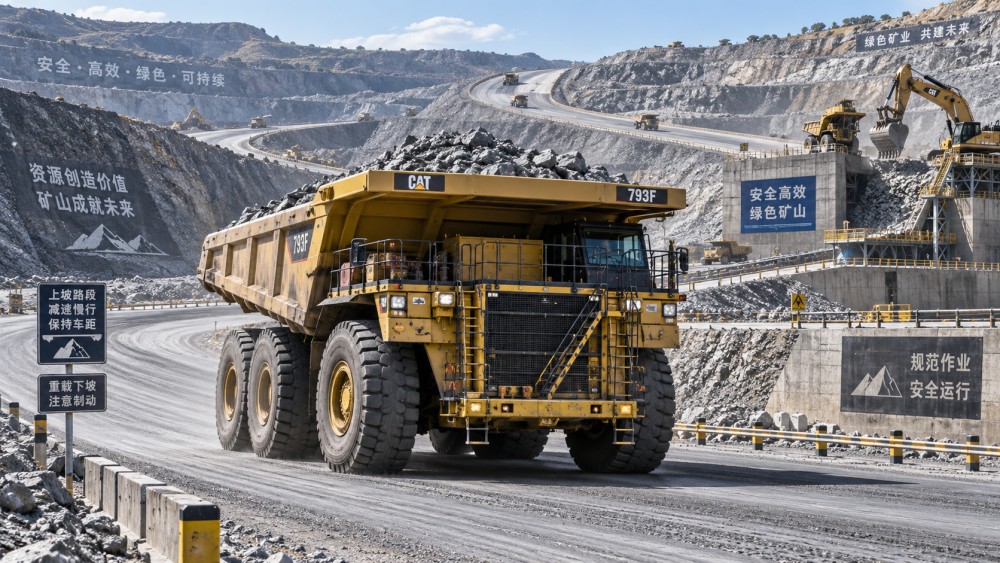
Demand evidence of reliability in the conditions that matter
Reliability claims are difficult to compare unless they are linked to operating conditions and maintenance practices. A supplier presentation that cites broad fleet experience may be useful, but an evaluator should separate fleet size from evidence that the proposed configuration has survived comparable loads, grades, temperatures, and road quality.
Focus the technical review on failure modes that can stop production or create a safety exposure: drivetrain overheating, brake wear or fading, electrical faults, hydraulic leaks, cracked structural members, suspension damage, tire failures, steering issues, and sensor or control-system faults. The purpose is not to expect a truck with no failures. It is to understand how failures are detected, how frequently major components are expected to be inspected, what can be repaired at site, and how long a machine is likely to remain unavailable when a component does fail.
Ask for the maintenance intervals and replacement logic for critical components, then test whether the proposed site can perform the work. Some designs reduce routine service effort but require specialist diagnostic tools, proprietary software access, lifting equipment, or factory-trained technicians for major intervention. Those dependencies can be acceptable where local support is strong. They become problematic where a remote mine has limited workshop capacity or difficult logistics.
A credible manufacturer should also be transparent about operating limits. Every machine has them. The useful supplier is the one that identifies where payload, speed, ambient temperature, altitude, road condition, or operator behavior may require a different configuration or operating rule.
Assess service capacity as part of the machine selection
For a production fleet, service support is not a commercial appendix to the truck purchase. It is part of the equipment’s practical design. A technically strong truck with slow access to parts, weak field support, or unclear diagnostic authority can create more downtime than a less sophisticated model backed by a competent local organization.
Evaluate the manufacturer’s proposed support model in operational terms:
- Where will routine and critical spare parts be stocked, and what replenishment path applies when inventory is exhausted?
- Which components can be rebuilt locally, and which must be returned to a regional facility or factory?
- Who has access to software diagnostics, fault-code interpretation, calibration tools, and control-system updates?
- What response structure applies outside normal working hours?
- What training will be provided for maintenance personnel, operators, planners, and dispatch teams?
- How will the manufacturer support the fleet during commissioning, ramp-up, and the first major maintenance cycle?
Parts lists should be reviewed beyond the initial recommended package. A manufacturer may provide adequate consumables for commissioning while leaving the mine exposed to long lead times for higher-value failure items. Technical evaluators should identify components whose absence would immobilize a truck, estimate reasonable on-site holding requirements, and determine whether those holdings are commercially and physically feasible.
Service capability also affects standardization decisions. A mine may prefer a particular truck architecture, but a mixed fleet can sometimes be justified if a supplier has strong support close to the operation and offers a dependable common maintenance process. Conversely, adding a new manufacturer to an established fleet should be treated as an operational change, not just a purchase decision. It introduces new training, tooling, spares, software, and safety procedures.
Examine safety and automation claims at the mine-interface level
Modern haul trucks can include fatigue monitoring, collision awareness, speed management, payload monitoring, tire-pressure monitoring, remote diagnostics, and varying levels of autonomous operation. These functions can be valuable, but their contribution depends on integration with mine roads, traffic rules, communications infrastructure, dispatch systems, and workforce procedures.
Safety features should therefore be reviewed as scenarios. For example, how does the truck behave during loss of communications, sensor obstruction, degraded positioning, brake-system fault, excessive speed on descent, or proximity to light vehicles and personnel? Does the proposed system provide warnings only, intervene automatically, or transition the truck to a controlled stop? Technical teams should ensure that these behaviors are compatible with the site’s safety case and operating rules.
Automation readiness is especially easy to overstate. A truck may be equipped with sensors and control hardware that can support autonomous functions, yet the mine may still need road preparation, network coverage, high-accuracy positioning, control-room capacity, maintenance competence, and revised traffic segregation before autonomous deployment is realistic. For a fleet expected to remain in service for many years, it is prudent to verify whether the manufacturer offers an upgrade path, how hardware and software versions are managed, and whether autonomy functions can coexist with manually operated equipment.
Compare lifecycle exposure, not only acquisition price
The initial purchase price remains important, but it is rarely the most informative comparison point for a mining haulage truck fleet. Fuel or energy use, tire consumption, maintenance labor, parts pricing, rebuild requirements, downtime exposure, residual value, and infrastructure needs can move the lifecycle result substantially.
Supplier comparisons should use a common operating model. Each bidder should receive the same haul profile, annual operating hours, payload target, road assumptions, maintenance philosophy, and energy assumptions. Without a common model, one supplier may appear more economical simply because its proposal uses different cycle-time, availability, or consumption assumptions.
Pay particular attention to exclusions. An attractive operating-cost estimate may omit charging equipment, electrical distribution upgrades, workshop tooling, telematics subscriptions, specialist labor, body liners, tire-management support, or inventory carrying cost. A diesel proposal may similarly understate fuel handling, emissions-related requirements, or the cost of managing extended engine and aftertreatment maintenance in remote locations.
Contract structure should not obscure technical accountability. Warranties, availability commitments, component-life expectations, and response obligations should state the operating conditions under which they apply. If productivity commitments rely on mine-controlled factors such as road maintenance, loading practice, or dispatch discipline, those responsibilities should be explicit. This avoids treating a production shortfall as a truck defect when it is actually an interface issue between the machine and the operation.
Use the evaluation to test the manufacturer’s engineering discipline
The final choice should reflect more than the truck being offered. It should reflect the quality of the manufacturer’s engineering process. A disciplined supplier asks for detailed route and material information, identifies constraints early, documents assumptions, and explains where the proposed configuration may need modification. A supplier that quickly promises maximum payload, low energy use, and high availability without requesting mine-specific information creates a decision risk.
Technical evaluators should leave the selection process with a documented answer to four questions: whether the truck can meet the required duty cycle, whether its safety and control systems fit the operating environment, whether support can sustain the planned availability, and whether lifecycle assumptions remain credible when site infrastructure is included.
That approach produces a more defensible selection than comparing nominal payloads across brochures. The preferred mining haulage truck manufacturer is the one whose truck, support model, and operating assumptions remain technically credible after the mine’s real constraints are applied.
Related News
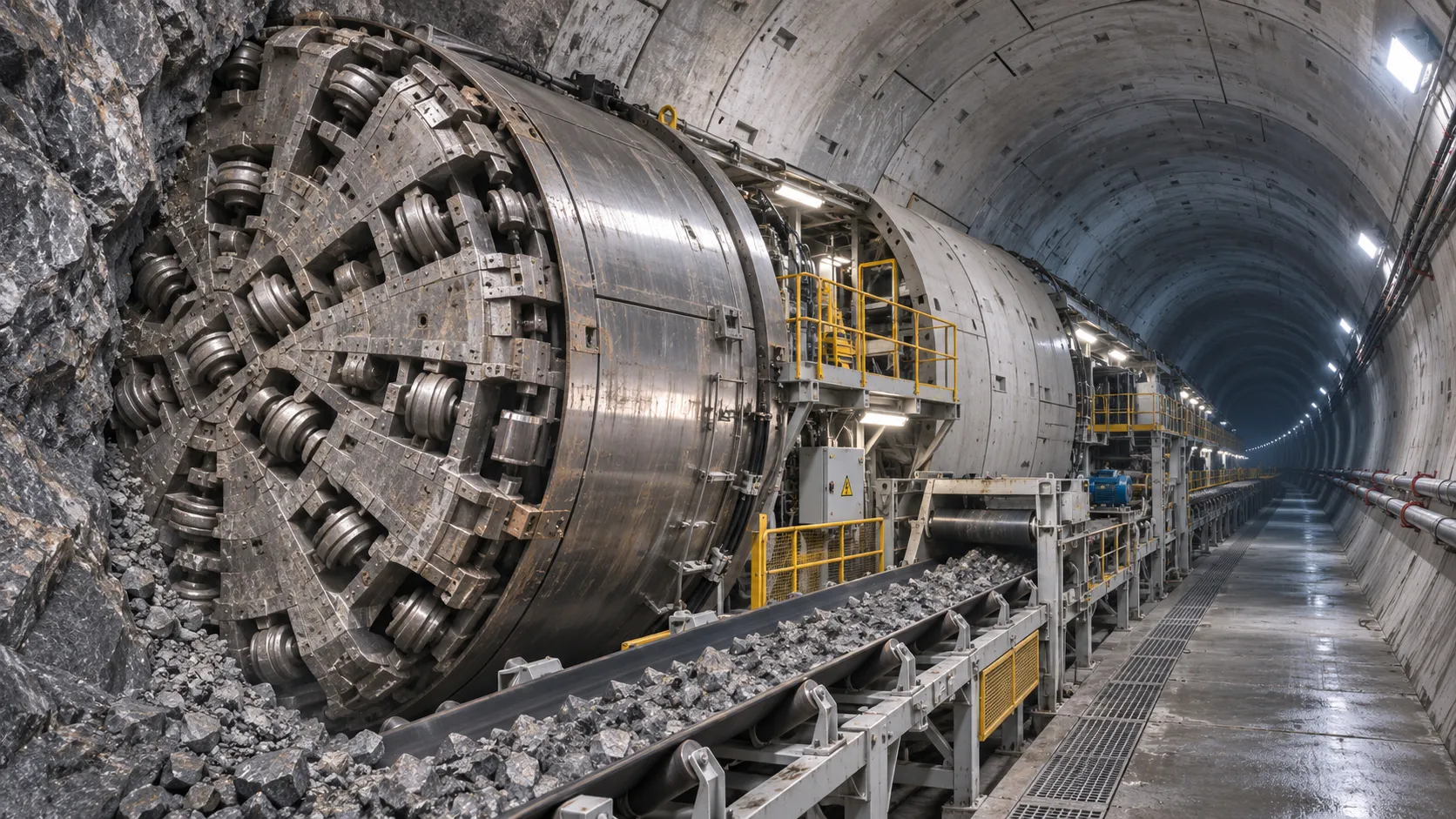
How TBM Excavation Works in Rock and Soft Ground: A Practical Guide
TBM Excavation in rock and soft ground explained: compare machine types, ground support, spoil removal, and the factors that guide smarter project planning.
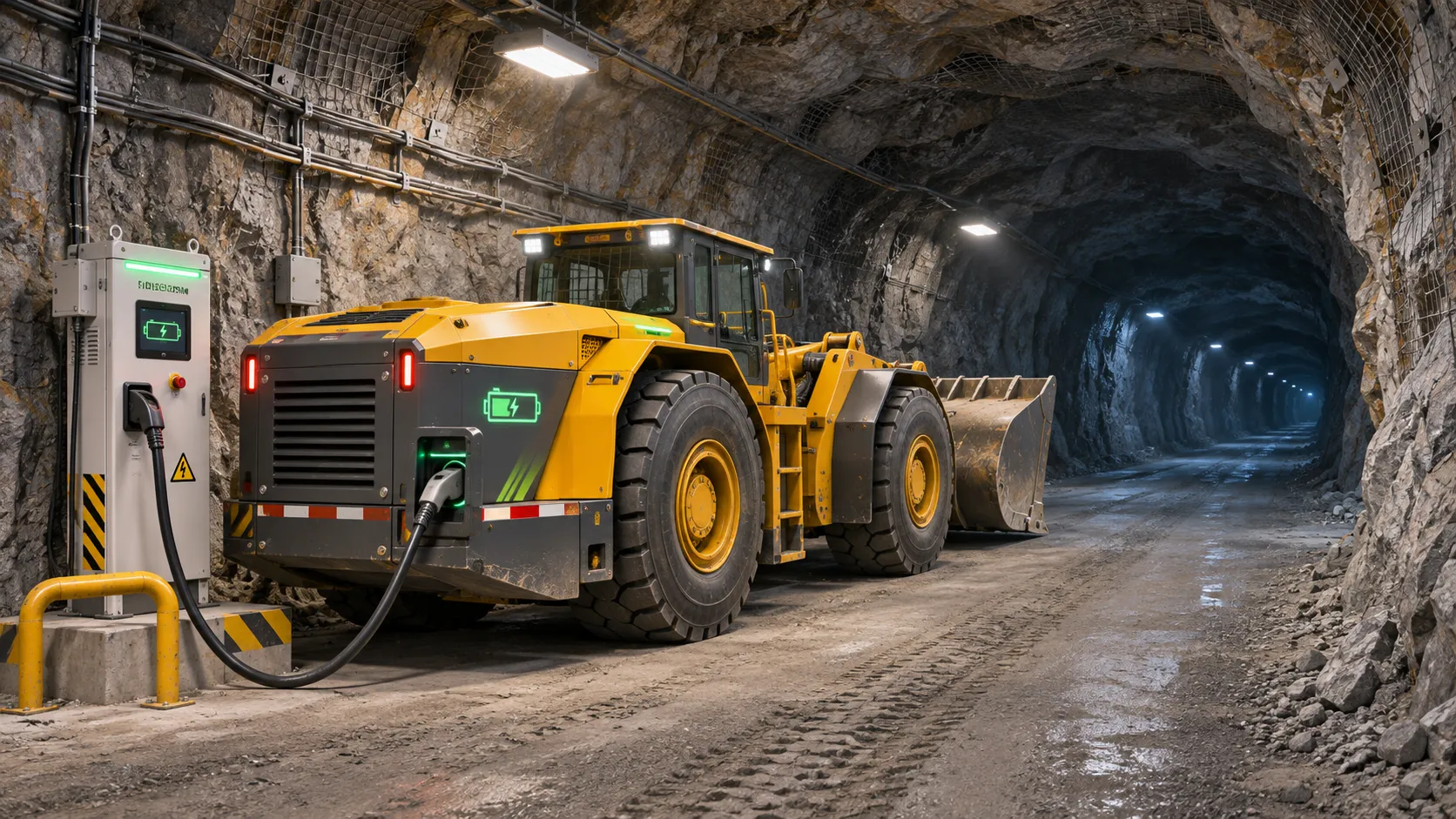
Choosing a Zero-Emission Underground Equipment Supplier: What to Check
Choosing a zero emission underground equipment supplier? Compare duty-cycle performance, charging, safety, total costs and support before you commit.
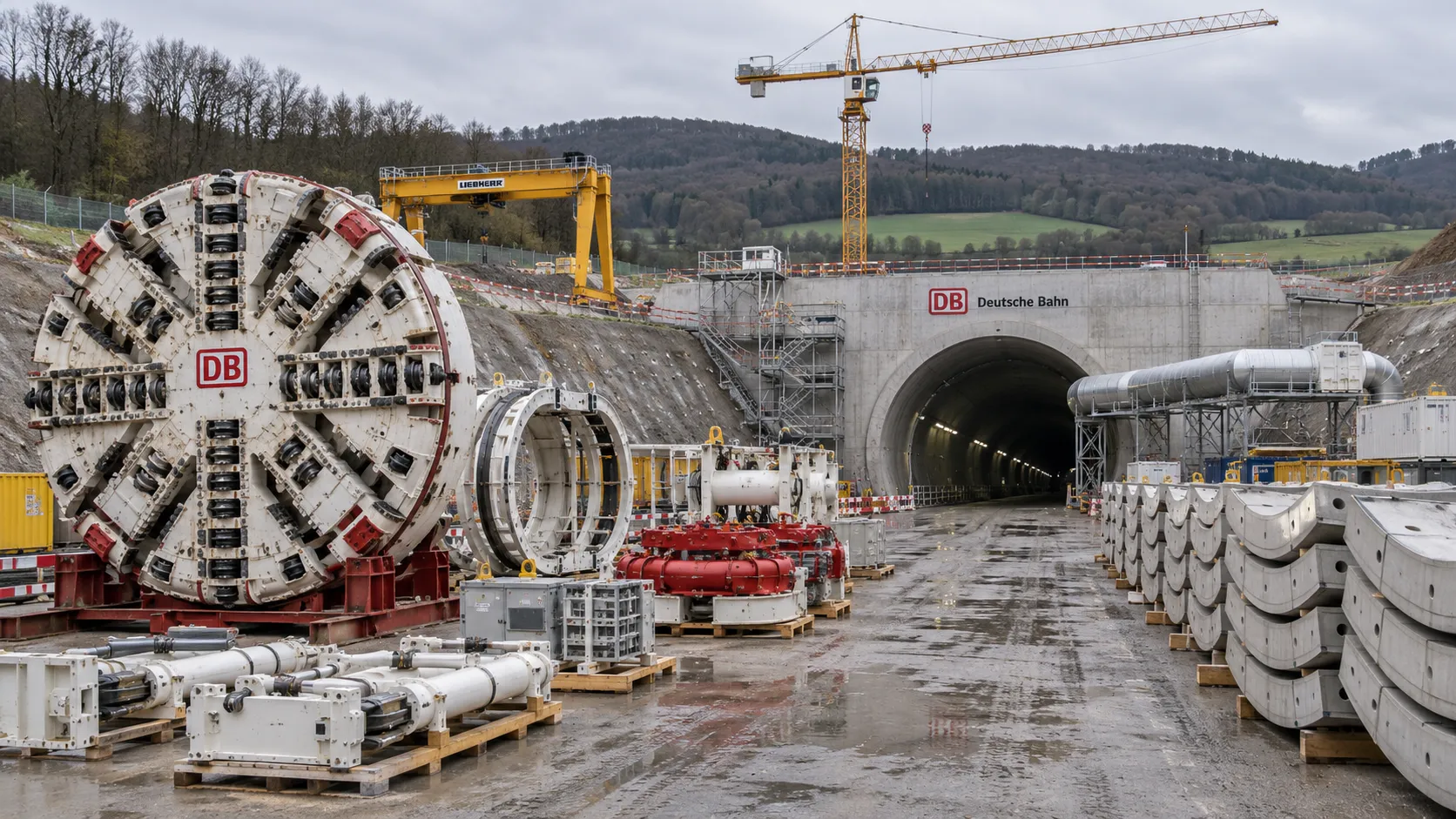
Construction Starts on Germany's Pfaffensteig Rail Tunnel, With Two TBMs Planned
Pfaffensteig rail tunnel construction is underway in Germany. Discover how two planned TBMs will support the 11-kilometre project near Stuttgart.
How Real-Time Underground Mapping Systems Work in Tunneling
Discover how real-time underground mapping systems guide tunneling teams, integrate sensor data, and support confident decisions with verified accuracy.
First Mechanized Tunnel Crossing Beneath the Panama Canal Completed
Panama Canal tunnel crossing: Explore the reported Metro Line 3 milestone and what it could mean for future underwater tunneling projects.
Underground Utility Construction Equipment: Choosing by Ground Conditions
Choose underground utility construction equipment with confidence. Compare trenching, HDD, microtunnelling and TBMs by ground conditions, risk and cost.
China Sets Tunnel Boring Machine Export Controls as India Pushes Local Production
China tunnel boring machine export controls could reshape procurement as India pushes local production. Explore potential supply and project impacts.
Choosing a Trenchless Pipeline Installation Contractor: Key Qualifications
Choose a trenchless pipeline installation contractor with confidence. Learn how to assess experience, equipment, safety, costs, and project risks before you hire.
China's 70% TBM Share and Export Controls Challenge India's Local Production
China's TBM export controls could challenge India's local production and infrastructure sourcing. Explore the potential risks and procurement options.
Related News
- 00
0000-00
How TBM Excavation Works in Rock and Soft Ground: A Practical Guide - 00
0000-00
Choosing a Zero-Emission Underground Equipment Supplier: What to Check - 00
0000-00
Construction Starts on Germany's Pfaffensteig Rail Tunnel, With Two TBMs Planned - 00
0000-00
How Real-Time Underground Mapping Systems Work in Tunneling - 00
0000-00
First Mechanized Tunnel Crossing Beneath the Panama Canal Completed
Weekly Insights
Stay ahead with our curated technology reports delivered every Monday.