
Codelco Opens Fast-Track Micro-Tunnelling Procurement





On July 9, 2026, Chile’s state-owned copper producer Codelco opened a fast-track procurement channel for Micro-tunnelling equipment and began global supplier prequalification, a move that immediately draws attention from equipment manufacturers, cross-border suppliers, and mining-support engineering participants. The development matters because it combines three unusually specific signals in one procurement window: demand tied to high-water-pressure, water-rich ground conditions, a compressed delivery requirement of within 14 weeks, and acceptance of ISO 21670:2025 compatibility verification in place of CE certification.
What the procurement notice confirms
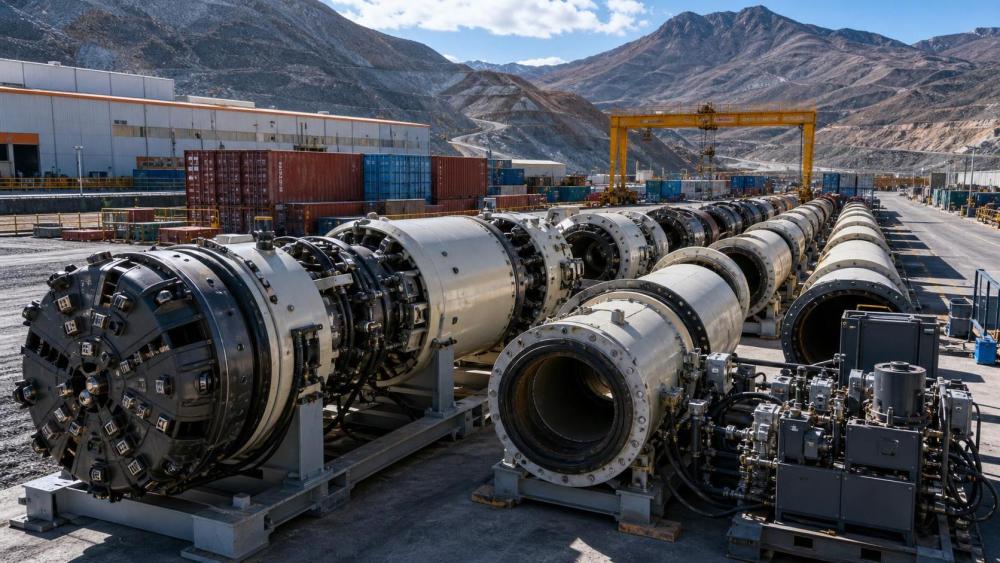
Confirmed information shows that Codelco launched a dedicated rapid procurement channel for Micro-tunnelling equipment on July 9, 2026. The prequalification process is open to global suppliers. The targeted equipment is micro-tunnelling pipe jacking systems in the φ600-1200mm range designed for high-water-pressure and water-rich geological conditions. The stated delivery requirement is shortened to within 14 weeks. The procurement also accepts ISO 21670:2025 compatibility verification as an alternative to CE certification. Based on the event summary provided, this move signals urgent import demand in South America for high-precision Micro-tunnelling equipment serving infrastructure and mining-support engineering.
Where the immediate pressure is likely to appear
Equipment makers and export-oriented suppliers
From an industry perspective, this group is likely to feel the impact first because the procurement terms are directly tied to technical suitability, qualification readiness, and delivery speed. The most relevant business links are product matching for high-water-pressure, water-rich formations, preparation for global prequalification, and the ability to organize shipment within the compressed lead time. What deserves closer attention is whether suppliers can present compatibility materials clearly enough for ISO 21670:2025-based review.
Trading and channel participants handling imported machinery
Analysis shows that traders and channel companies may be affected through bid support, document coordination, and supply matching rather than only through price discussions. In this case, the core issue is not broad market demand but whether they can quickly align product specifications, qualification documents, and delivery commitments with the buyer’s stated conditions. They should watch for any refinement in prequalification rules or documentation expectations.
Supply chain and delivery service providers
Observably, logistics and supply chain service firms may see pressure in scheduling, cross-border coordination, and delivery assurance because the procurement requirement explicitly shortens the lead time to 14 weeks. Their role becomes more important where suppliers need support in shipment planning, handover timing, and fulfillment visibility. The practical change to monitor is whether urgent procurement terms translate into tighter execution requirements across transport and project delivery interfaces.
Mining-support engineering participants and procurement-side teams
For engineering contractors, procurement teams, and related service providers, the key relevance lies in equipment applicability and project readiness. The specified diameter range and ground-condition focus suggest that technical fit will matter as much as commercial responsiveness. These participants should pay attention to how equipment selection, supplier qualification, and delivery timing are coordinated in actual procurement activity.
What companies should monitor now
Qualification language and any follow-up rule adjustments
What deserves closer attention is whether later official wording further clarifies the prequalification scope, document standards, or review sequence. The current signal is clear on fast-track access and alternative verification, but companies still need to distinguish between a procurement opening and the detailed rules that govern practical entry.
Technical fit for the specified working conditions
Suppliers should focus on whether their Micro-tunnelling systems are demonstrably suited to high-water-pressure and water-rich ground conditions within the φ600-1200mm range. This is not only a catalog issue; it is a communication issue that affects how technical capability is presented during prequalification.
Delivery credibility under the 14-week requirement
The shortened delivery window is likely to become a central screening factor. Companies involved should review production scheduling, shipment planning, and internal response times so that delivery claims remain defensible. Analysis shows that a short lead time can become a qualification issue as much as a logistics issue.
Documentation strategy around ISO 21670:2025 compatibility
The acceptance of ISO 21670:2025 compatibility verification in place of CE certification deserves specific attention. Companies should prepare for document review, customer explanation, and internal compliance checks around this substitution. The practical task is to ensure that technical and commercial teams describe the verification basis consistently during supplier communication.
Why this should be read as a market signal, not a finished outcome
Analysis shows that this development is more appropriately understood as a near-term procurement signal with wider strategic implications, rather than as proof of a fully realized market shift. The confirmed facts point to urgent demand conditions and a willingness to broaden qualification pathways for Micro-tunnelling imports. At the same time, the information provided does not establish final purchasing volume, contract awards, or long-term supplier outcomes. That is why the industry should treat this as an actionable signal that still requires continued observation.
How to read the development at this stage
At this stage, the event indicates that high-precision Micro-tunnelling equipment has become a time-sensitive procurement category within South American infrastructure and mining-support engineering linked to copper expansion activity. The clearest takeaway is not a definitive market conclusion, but a practical warning that technical suitability, qualification readiness, and delivery speed are moving to the front of supplier competition. It is more appropriate to understand this as a concrete short-term procurement shift that may also carry longer-term significance if similar requirements continue to appear.
Basis of this article and points for continued verification
This article is based on the user-provided news title, event date, and event summary. For this type of development, commonly relevant source categories may include official company announcements, corporate procurement notices, industry association updates, authoritative media coverage, and standards organization documents. A specific official source link was not provided in the input, so the exact original publication path still needs continued verification. Follow-up attention should remain on any later official clarification regarding prequalification rules, document requirements, delivery conditions, and the practical use of ISO 21670:2025 compatibility verification.
Related News
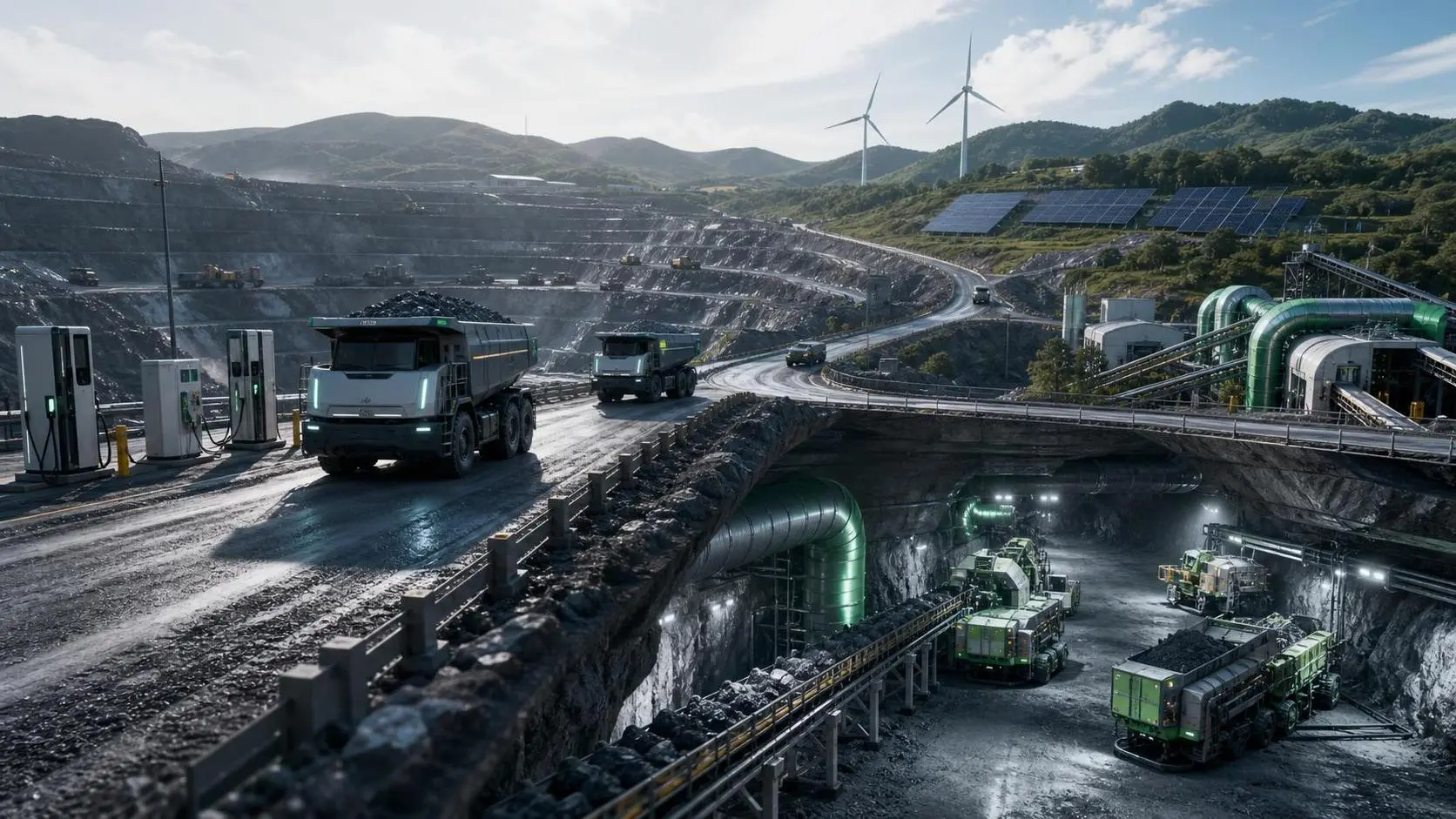
What Should a Mine Decarbonization Roadmap Include to Cut Emissions Without Hurting Output?
Mine decarbonization roadmap essentials: learn how to cut mining emissions with phased electrification, ventilation planning, and infrastructure readiness—without sacrificing output.
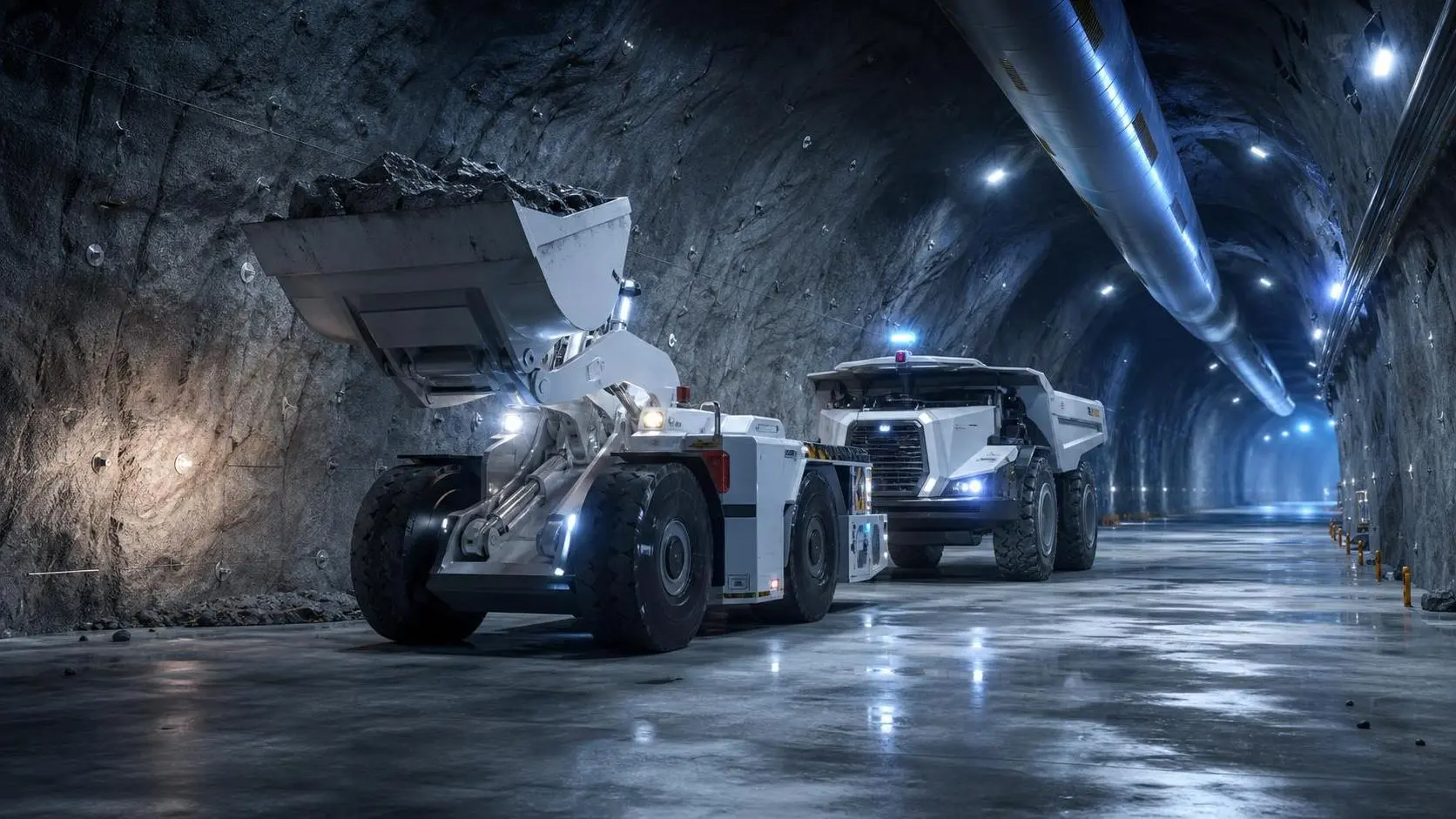
How to Evaluate Underground Mine Automation Companies for Safety and ROI
Underground mine automation companies vary widely in safety, interoperability, and ROI. Learn how to compare vendors, reduce deployment risk, and choose a scalable solution.
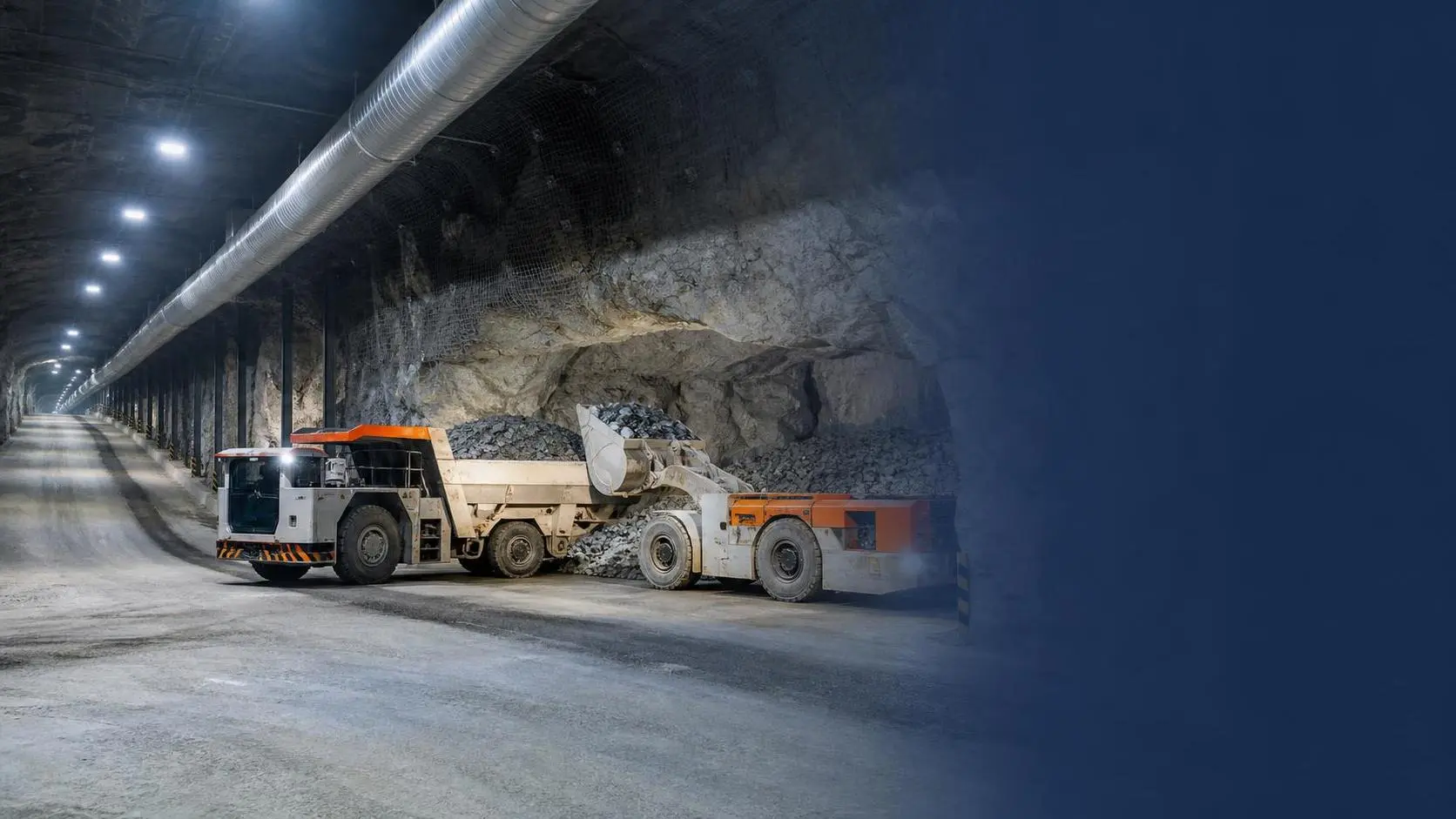
How to Evaluate Underground Haulage Systems for Ore Output, Ramp Grade, and Ventilation Limits
Underground haulage systems should be evaluated by ore output, ramp grade, and ventilation limits—not brochures. Learn how to compare trucks, LHDs, and electric options for smarter mine planning.
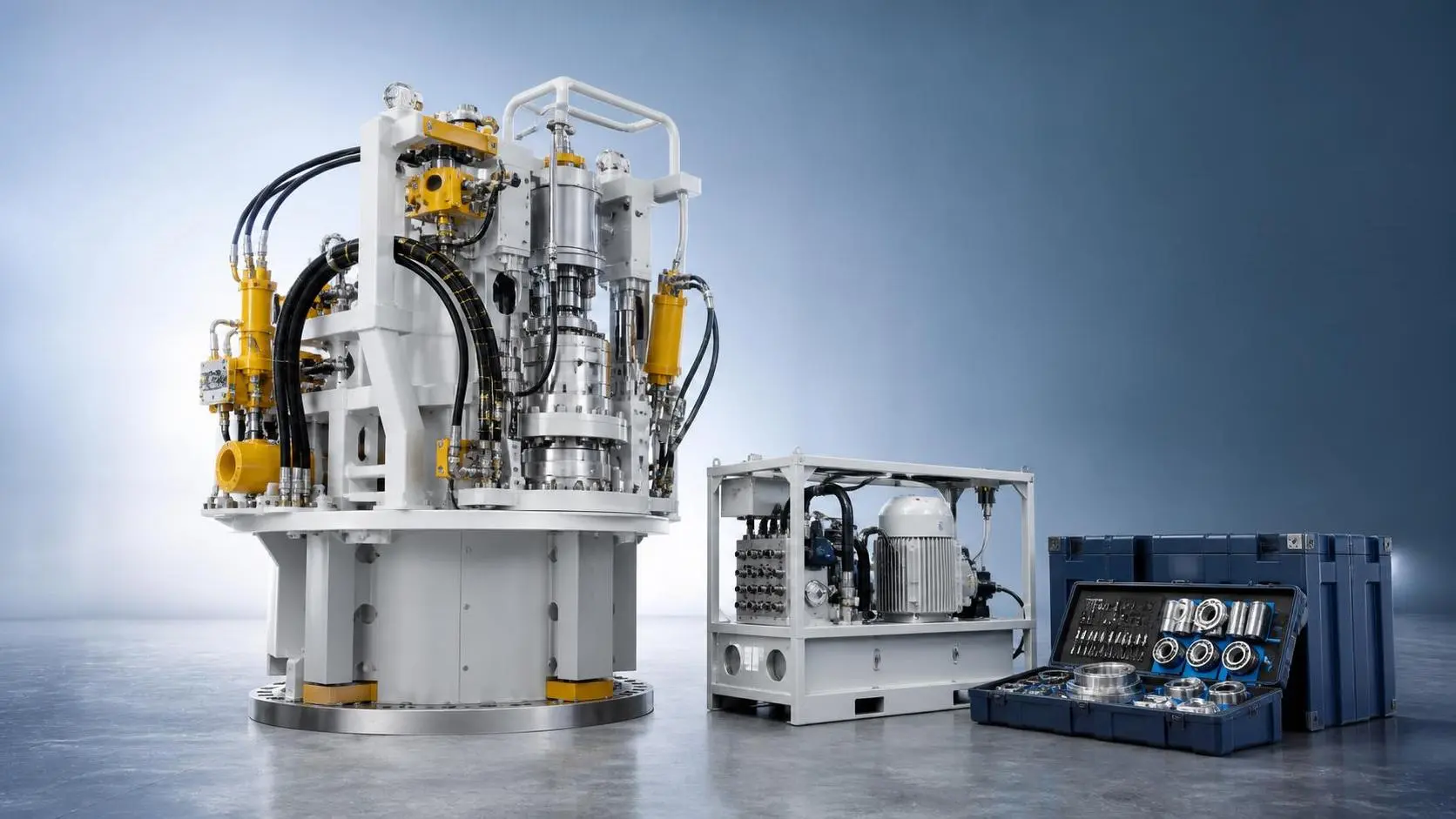
How to Evaluate a Pipe Jacking Equipment Distributor for Project Support and Uptime
Pipe jacking equipment distributor evaluation made practical: learn how to assess parts support, service response, training, and technical readiness to reduce downtime and protect project uptime.
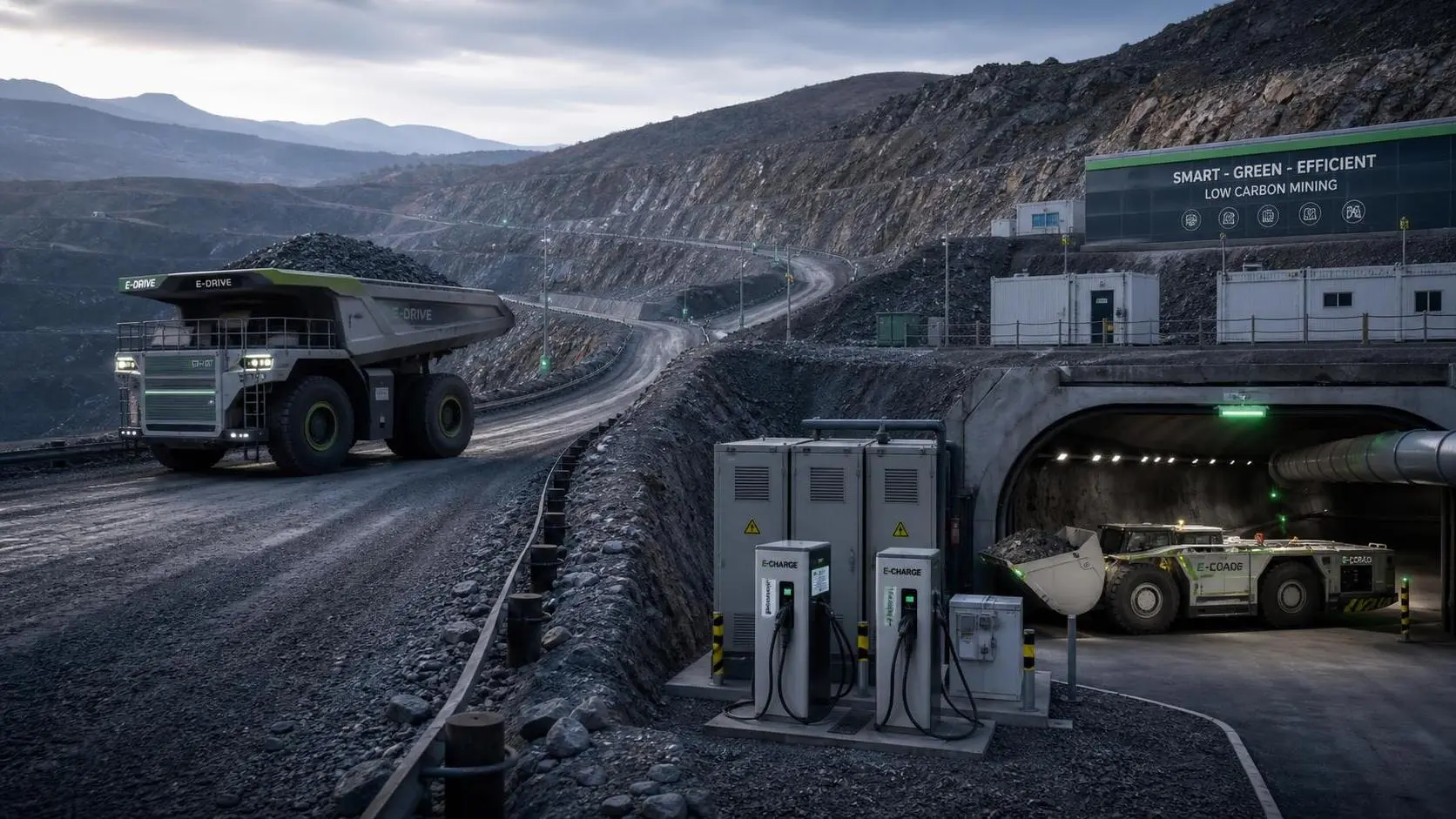
How to Build a Mining Decarbonization Strategy That Balances Emissions, Cost, and Fleet Reality
Mining decarbonization strategy starts with fleet reality. Learn how to cut emissions, control cost, and align power, ventilation, and production for a practical mine transition.
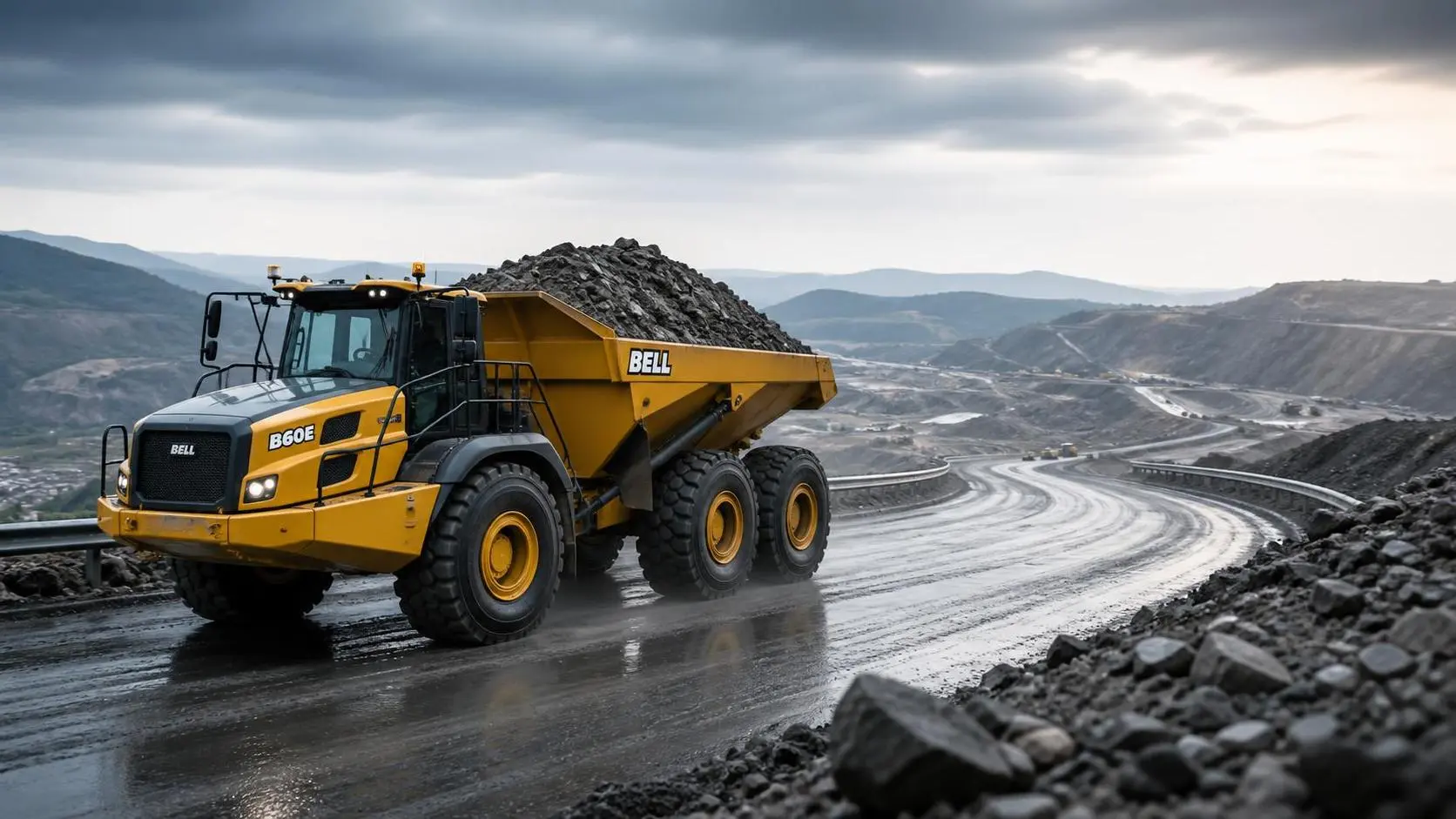
How to Evaluate Articulated Dump Trucks Payload for Haul Road Conditions and Cycle Efficiency
Articulated Dump Trucks payload evaluation starts with real haul road conditions, not brochure numbers. Learn how to balance payload, traction, grades, and cycle efficiency for safer, higher output.
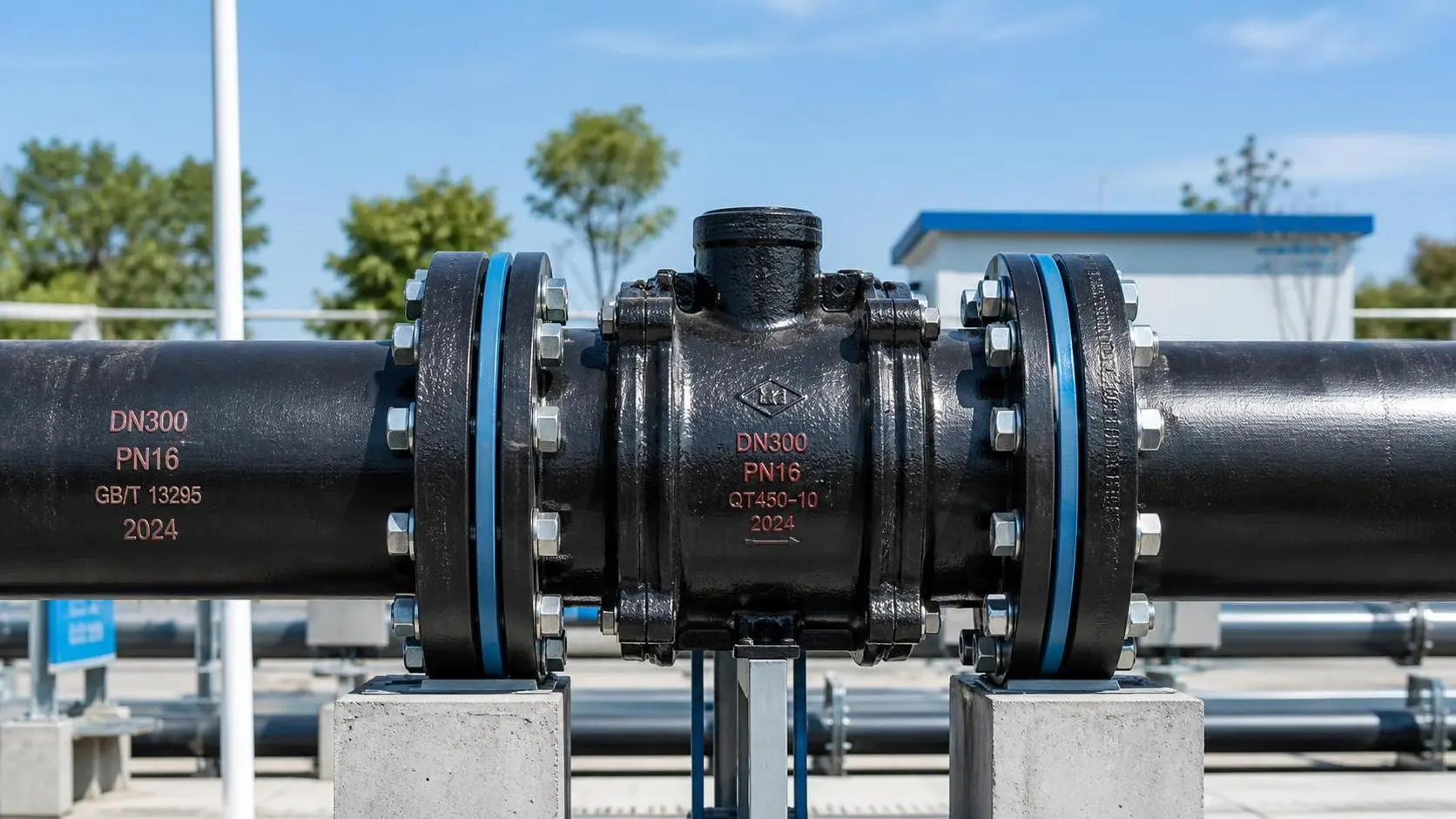
How Pipe Fittings Material and Pressure Class Affect Water Line Selection
Pipe fittings selection starts with material and pressure class. Learn how these factors affect water line reliability, corrosion resistance, installation, and long-term cost.
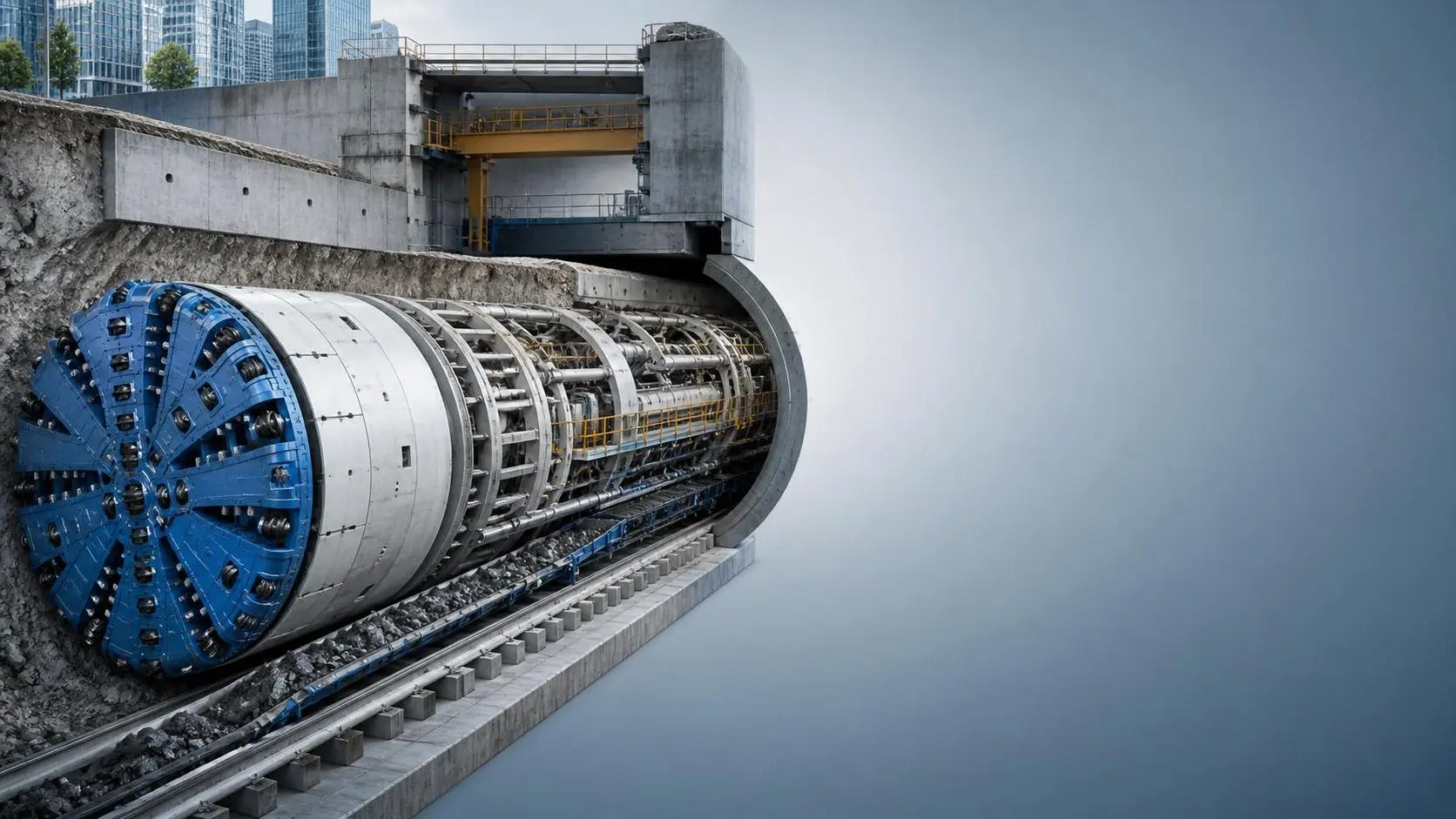
What Drives TBM Excavation Cost in Urban Tunneling Projects?
tbm excavation cost in urban tunneling depends on geology, shafts, segment lining, logistics, and risk. Discover the key cost drivers and compare bids with greater confidence.
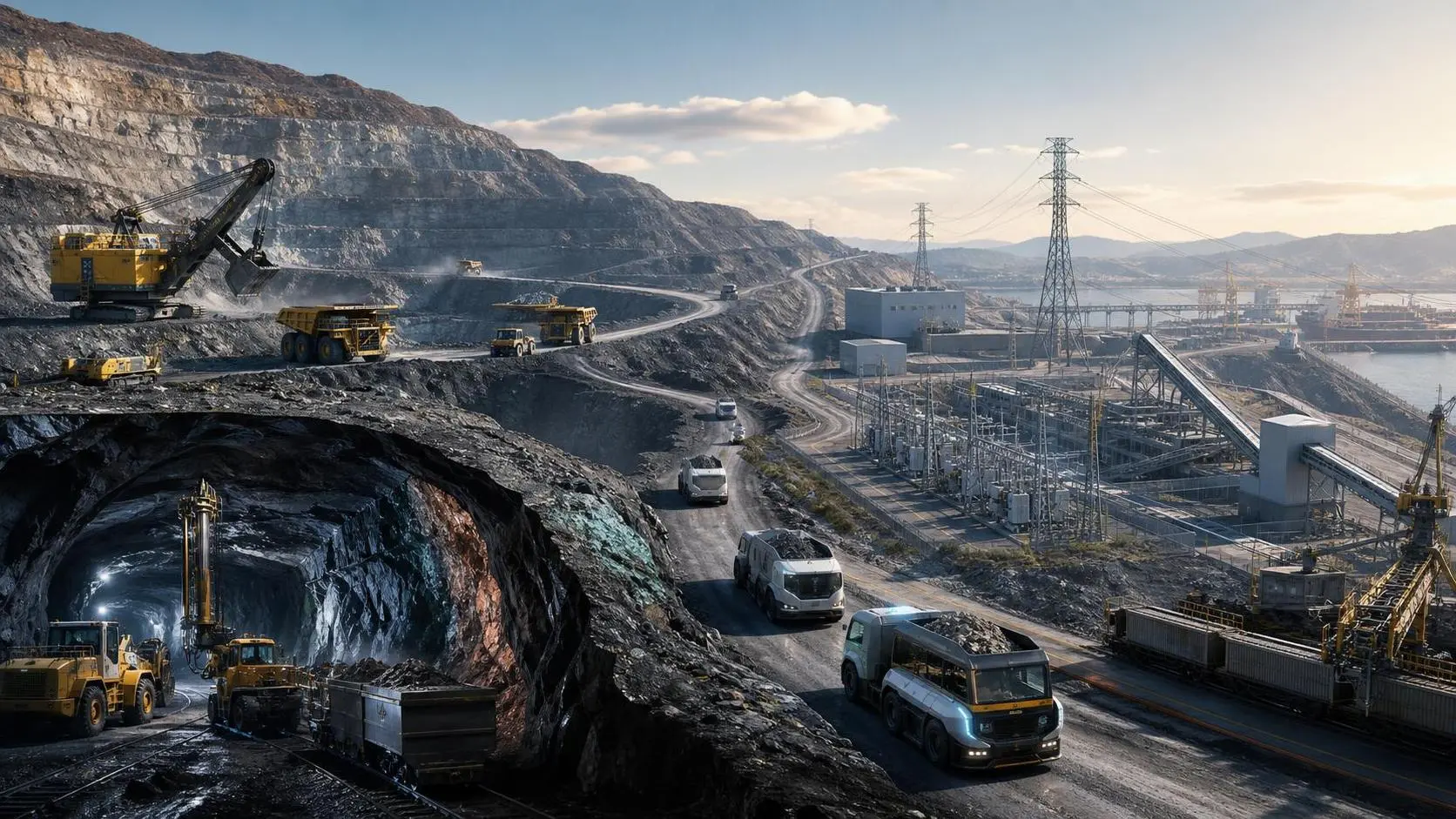
What Does Energy Metals Mining in Australia Mean for Supply, Cost, and Project Risk?
Energy metals mining Australia is reshaping supply, cost, and project risk. Discover what it means for buyers, investors, and operators.
Related News
- 00
0000-00
What Should a Mine Decarbonization Roadmap Include to Cut Emissions Without Hurting Output? - 00
0000-00
How to Evaluate Underground Mine Automation Companies for Safety and ROI - 00
0000-00
How to Evaluate Underground Haulage Systems for Ore Output, Ramp Grade, and Ventilation Limits - 00
0000-00
How to Evaluate a Pipe Jacking Equipment Distributor for Project Support and Uptime - 00
0000-00
How to Build a Mining Decarbonization Strategy That Balances Emissions, Cost, and Fleet Reality
Weekly Insights
Stay ahead with our curated technology reports delivered every Monday.