
PSA Opens Fast-Track Lane for Micro-tunnelling Equipment





On July 7, 2026, Singapore's PSA introduced a dedicated clearance channel for qualifying micro-tunnelling equipment, linking faster inspections to compliance with ISO 11611:2026 Class 1A and an electronic declaration process. For equipment traders, project suppliers, logistics providers, and cross-border procurement teams, the update is worth watching because it directly changes inspection timing, fee treatment, and, for some China-based exporters, the way declarations can be submitted.
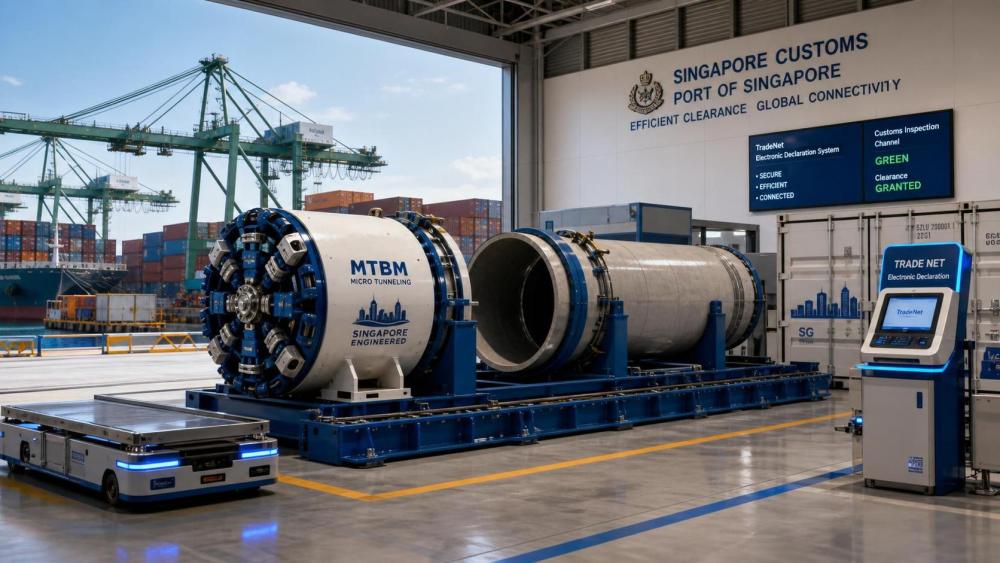
What PSA Has Confirmed
PSA began implementing the "Smart Tunneling Green Lane" on July 7, 2026 for micro-tunnelling equipment that meets the ISO 11611:2026 Class 1A protection level.
Under the arrangement, eligible applicants that submit an electronic compliance declaration can have average customs inspection time reduced from seven days to within 48 hours.
PSA has also stated that no expedited handling surcharge will apply under this channel. In addition, the declaration interface has been opened for direct connection to enterprises holding advanced AEO certification from the General Administration of Customs of China.
Where the Operational Impact May Appear First
Equipment exporters and importers will focus on eligibility
From an industry perspective, the most immediate effect is on companies directly moving micro-tunnelling equipment through Singapore. The potential impact sits in pre-shipment qualification, documentation review, and inspection scheduling. What deserves closer attention is whether a shipment can clearly demonstrate alignment with the stated ISO requirement and whether the electronic compliance declaration is prepared in a form that supports fast processing.
Supply chain service providers may need to adjust timelines
For freight forwarders, customs brokers, and other logistics service providers, the change may affect booking assumptions, handover timing, and client communication around expected release windows. Analysis shows that a shorter inspection cycle can alter planning discipline, but only for shipments that actually meet the stated conditions. In practice, service providers will need to distinguish between green-lane eligible cargo and cargo that still follows ordinary procedures.
Procurement and project delivery teams will watch reliability, not just speed
For buyers and project-facing delivery teams, the practical issue is not only whether clearance can be completed within 48 hours, but whether that improvement can be relied on for shipment planning and site coordination. Observably, the announcement matters most where equipment arrival timing affects installation sequencing, subcontractor scheduling, or customer commitments. The key variable remains confirmed eligibility rather than headline transit expectations alone.
What Companies Should Check Now
Confirm whether products fall within the stated scope
Companies handling micro-tunnelling equipment should first verify whether the equipment being declared is intended to use this channel and whether the relevant compliance basis can be matched to the ISO 11611:2026 Class 1A requirement cited by PSA. The operational benefit depends on qualification, so scope interpretation is a first-order issue.
Review declaration readiness before shipment
The new lane is tied to an electronic compliance declaration. That makes document readiness a practical checkpoint for exporters, importers, and service providers. Current attention should stay on whether internal teams and external agents can submit the necessary declaration consistently and without last-minute gaps that could offset the time advantage.
Separate policy signal from day-to-day execution
Analysis shows that a stated 48-hour inspection window and fee waiver are clear policy signals, but execution still depends on how the process works in live shipments. Companies should therefore treat the announcement as an operational opportunity that requires process verification, rather than assuming all micro-tunnelling cargo will immediately move on the same timeline.
China AEO-certified enterprises should watch interface use closely
For enterprises with advanced AEO certification from the General Administration of Customs of China, the direct declaration interface is a concrete point of attention. The practical question is how this access changes filing workflow, coordination with service providers, and internal responsibility for submission accuracy. The advantage may be meaningful, but it depends on actual use in routine declarations.
Why This Looks More Like a Process Signal Than a Broad Market Shift
Observably, this update is best read as a targeted facilitation measure around a defined equipment category rather than as a broad change across all industrial cargo. It signals PSA's willingness to combine compliance-based screening, digital declaration, and faster inspection handling for specific goods. At the same time, the current information does not by itself prove a wider structural shift in trade flows, project volumes, or demand conditions.
From an industry perspective, the longer-term value of the announcement will depend on whether the lane delivers repeatable execution, whether participation expands, and whether similar mechanisms appear for adjacent categories. For now, it remains a concrete but narrow operational development that deserves continued monitoring.
How the Update Should Be Understood at This Stage
The clearest takeaway is that PSA has introduced a more time-efficient and fee-free inspection route for qualifying micro-tunnelling equipment, with a direct filing path available to a defined group of China-based AEO-certified enterprises. It is more appropriate to understand this as an actionable short-term operating change with possible longer-term signaling value, rather than as a confirmed market-wide turning point.
Basis of This Article and What Still Needs Verification
This article is based on the user-provided news title, event date, and summary. Information of this kind is typically cross-checked against official notices, company announcements, industry association updates, authoritative media reporting, and relevant standards documentation.
A specific official source link was not provided in the input, so the exact wording and later implementation details still require ongoing verification. What deserves closer attention next includes any further official clarification on scope, declaration requirements, and how the direct interface is used in practice.
Related News
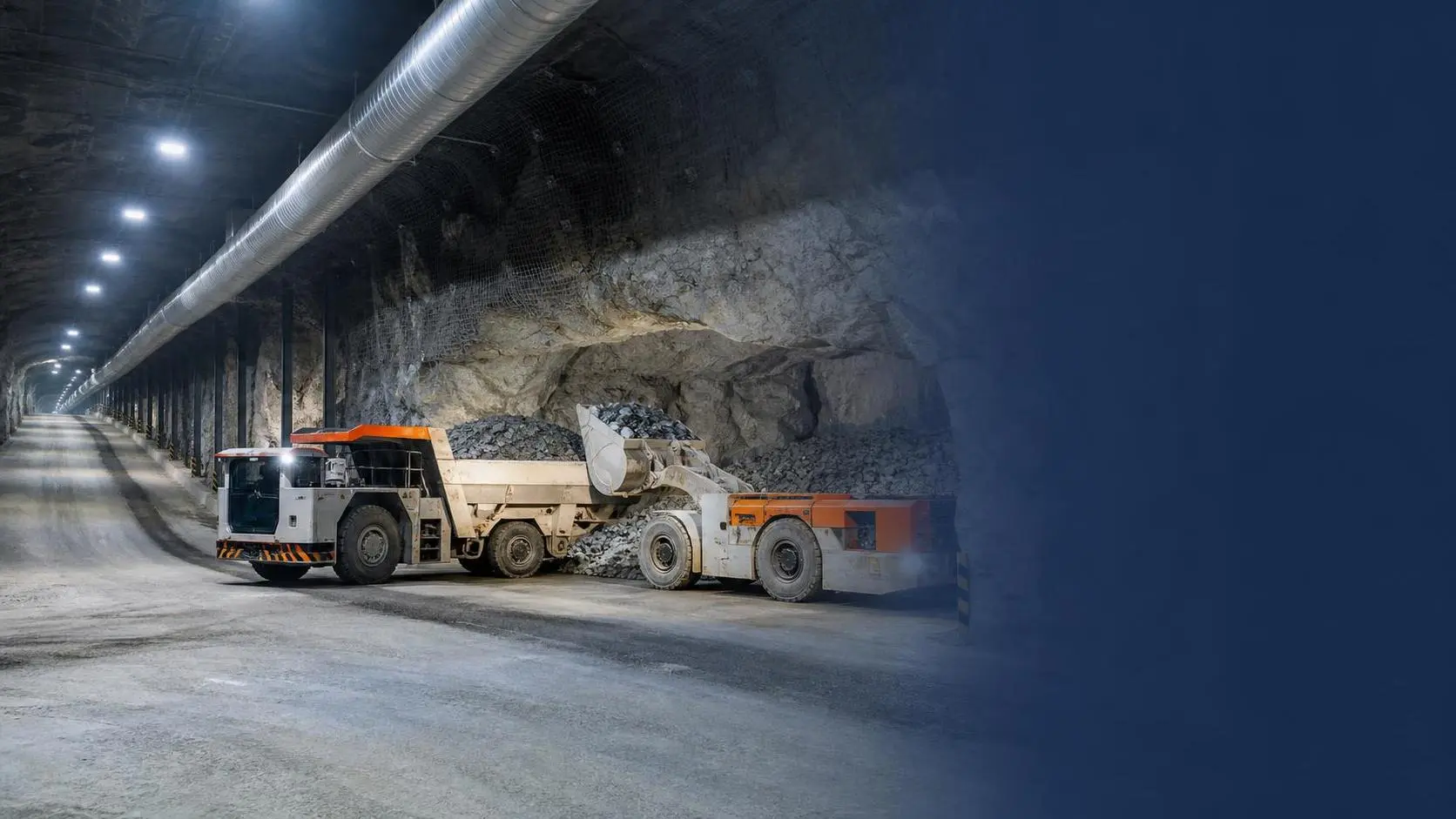
How to Evaluate Underground Haulage Systems for Ore Output, Ramp Grade, and Ventilation Limits
Underground haulage systems should be evaluated by ore output, ramp grade, and ventilation limits—not brochures. Learn how to compare trucks, LHDs, and electric options for smarter mine planning.
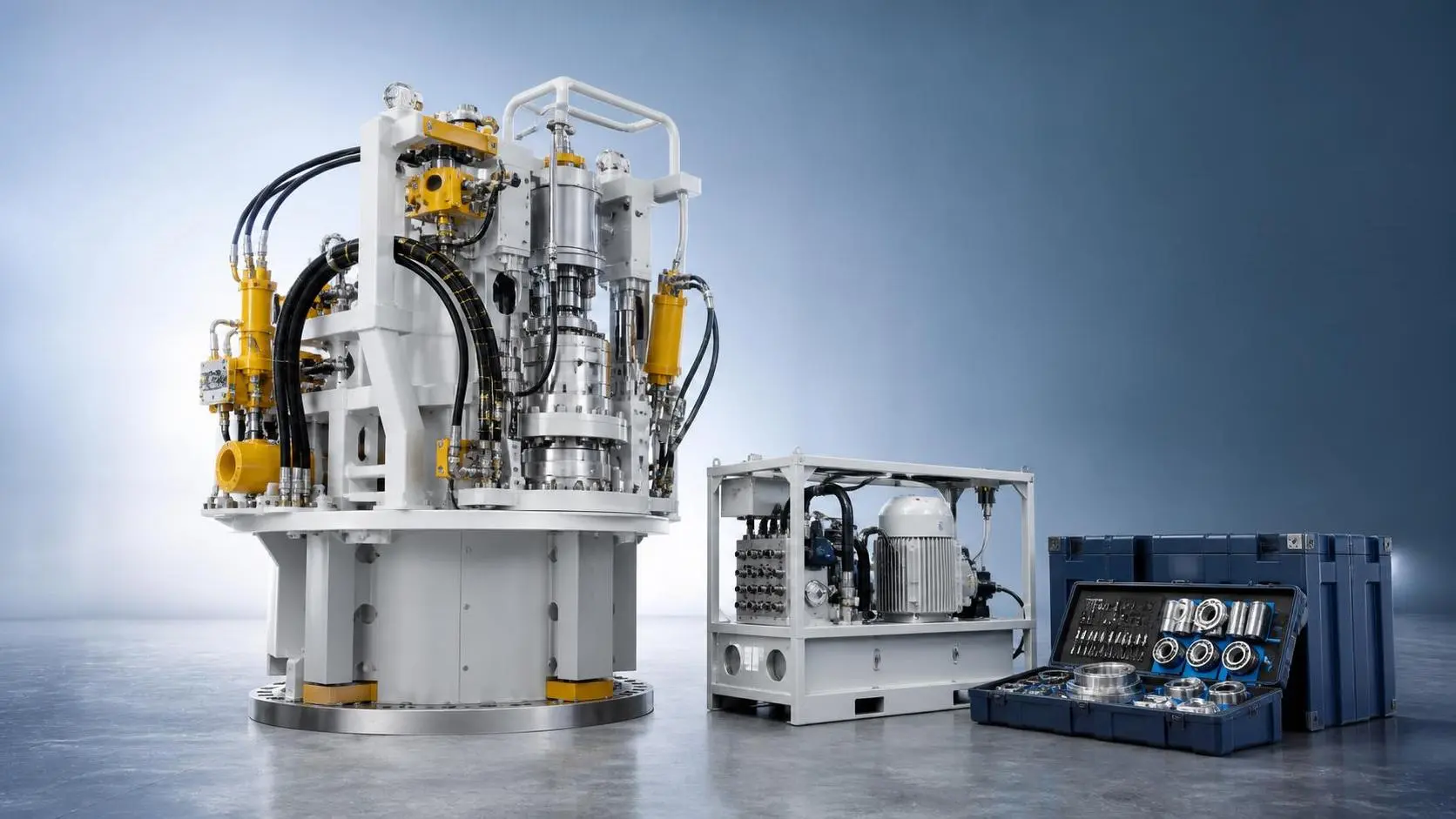
How to Evaluate a Pipe Jacking Equipment Distributor for Project Support and Uptime
Pipe jacking equipment distributor evaluation made practical: learn how to assess parts support, service response, training, and technical readiness to reduce downtime and protect project uptime.
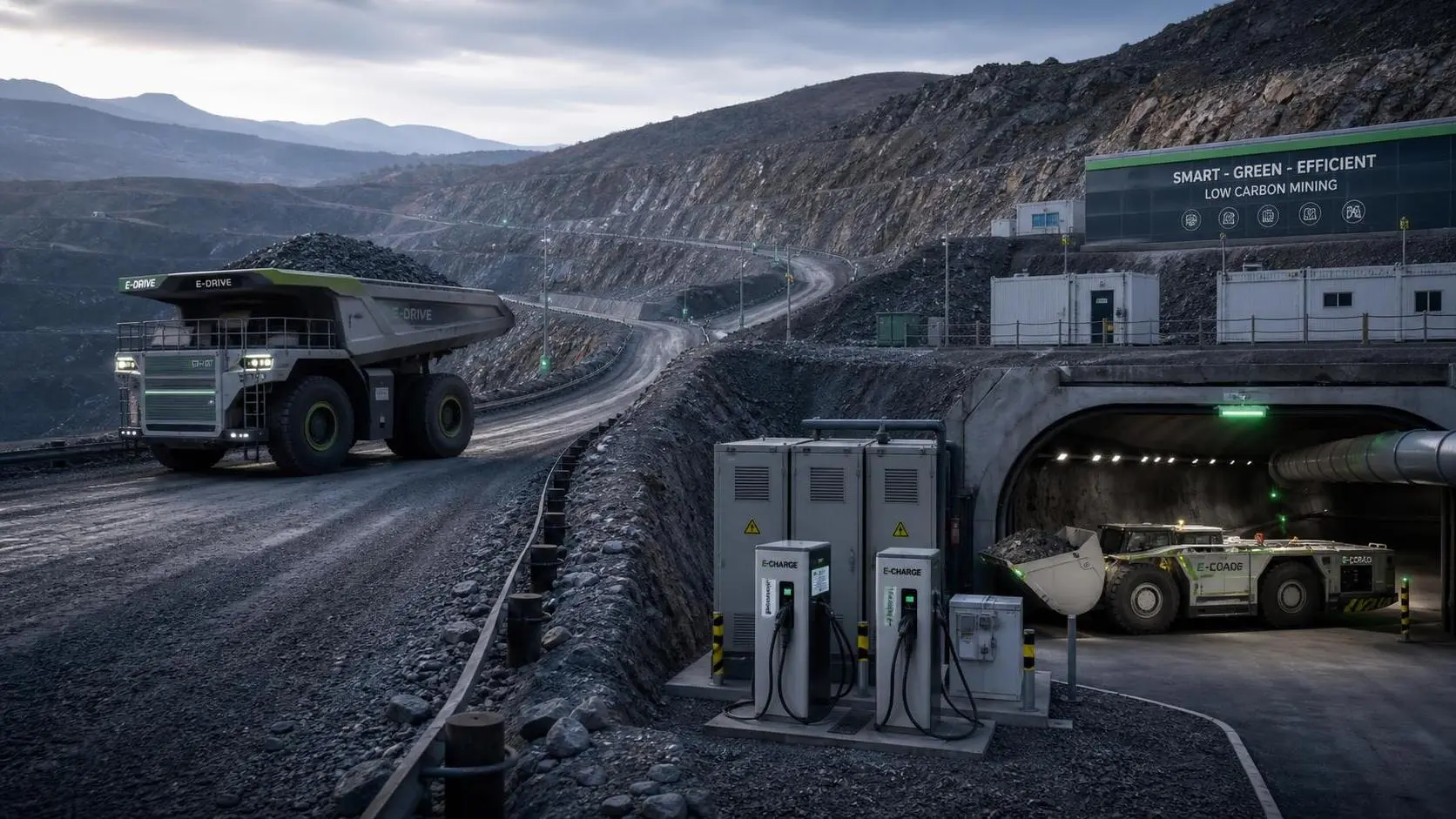
How to Build a Mining Decarbonization Strategy That Balances Emissions, Cost, and Fleet Reality
Mining decarbonization strategy starts with fleet reality. Learn how to cut emissions, control cost, and align power, ventilation, and production for a practical mine transition.
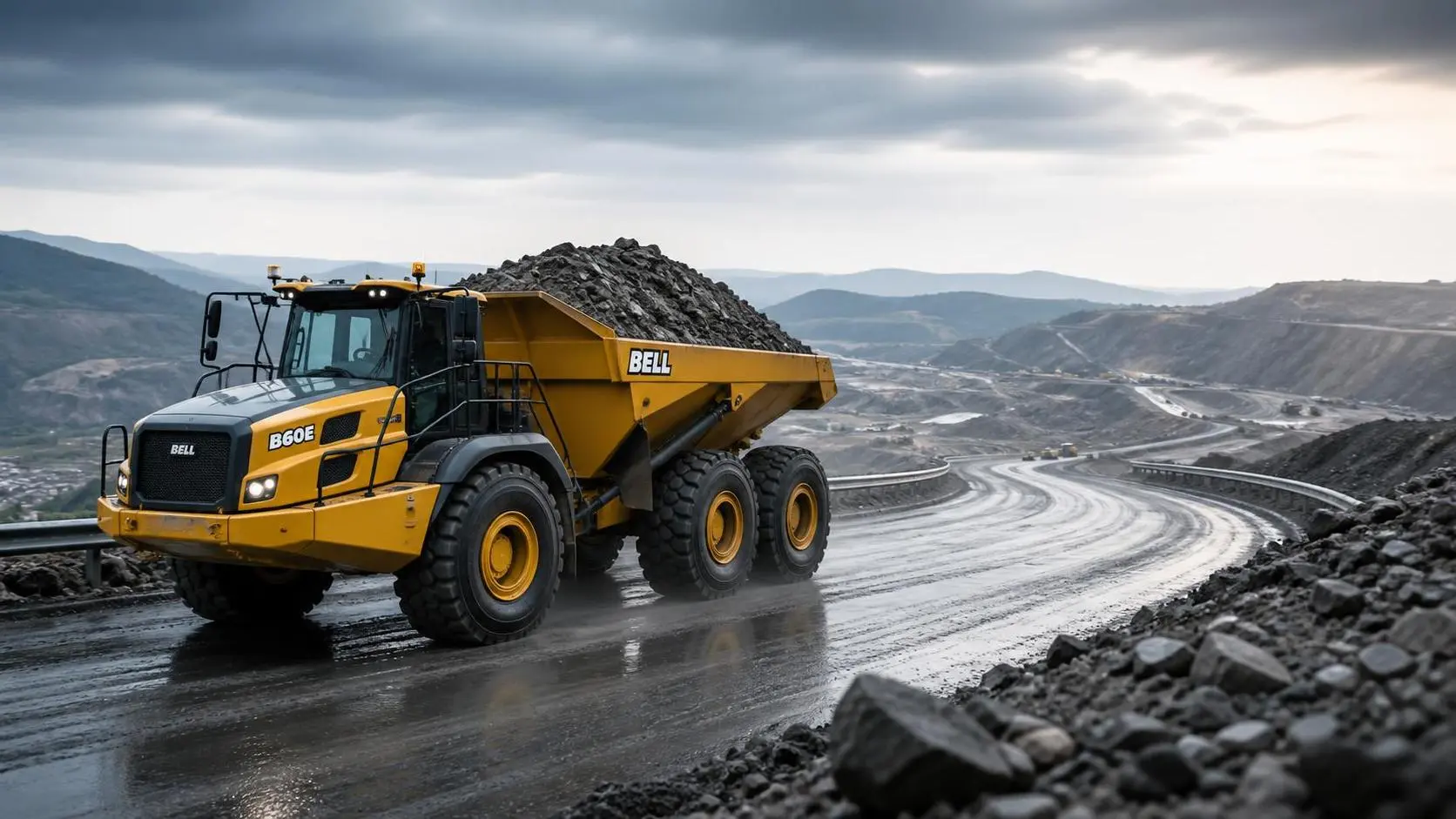
How to Evaluate Articulated Dump Trucks Payload for Haul Road Conditions and Cycle Efficiency
Articulated Dump Trucks payload evaluation starts with real haul road conditions, not brochure numbers. Learn how to balance payload, traction, grades, and cycle efficiency for safer, higher output.
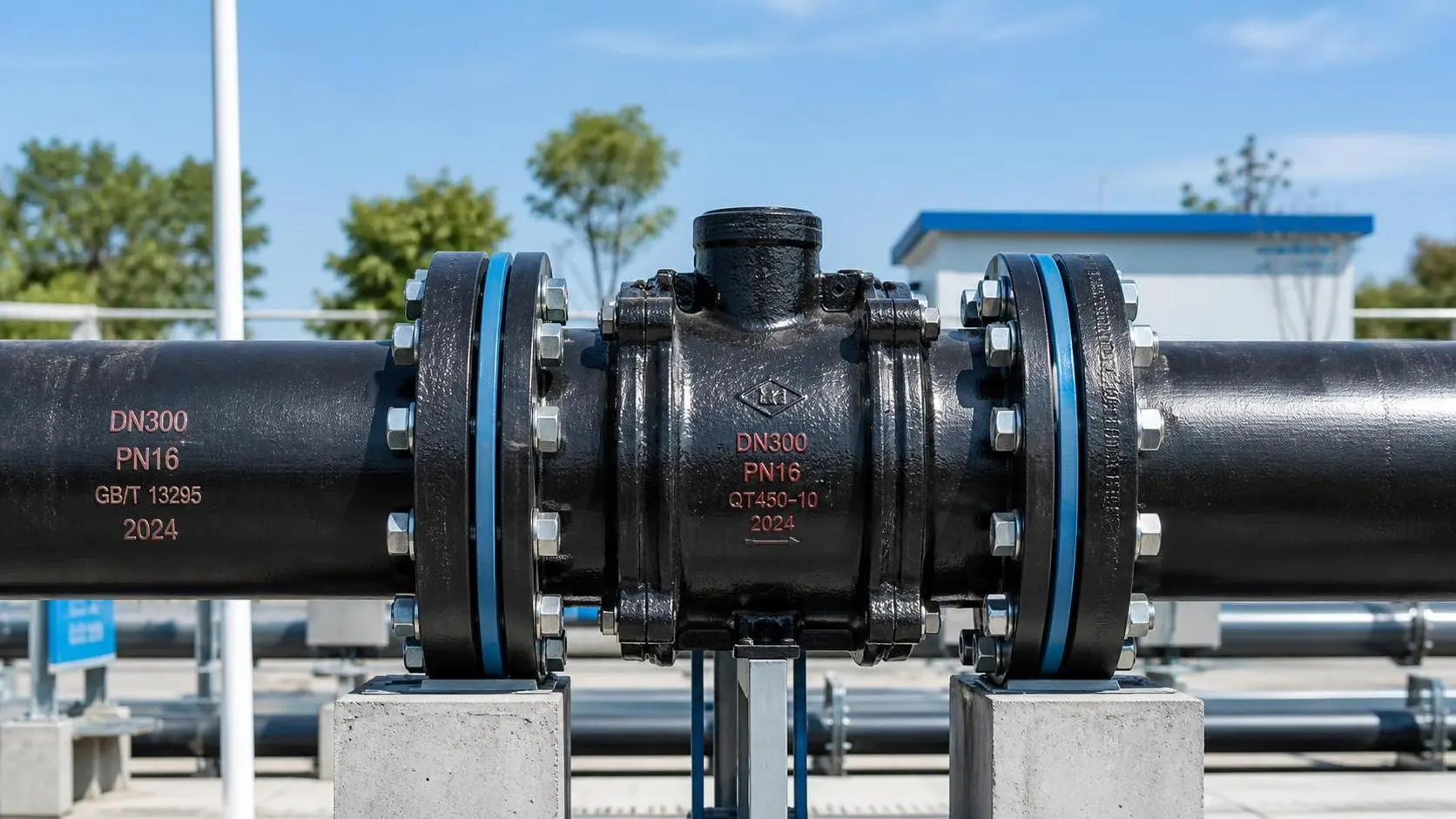
How Pipe Fittings Material and Pressure Class Affect Water Line Selection
Pipe fittings selection starts with material and pressure class. Learn how these factors affect water line reliability, corrosion resistance, installation, and long-term cost.
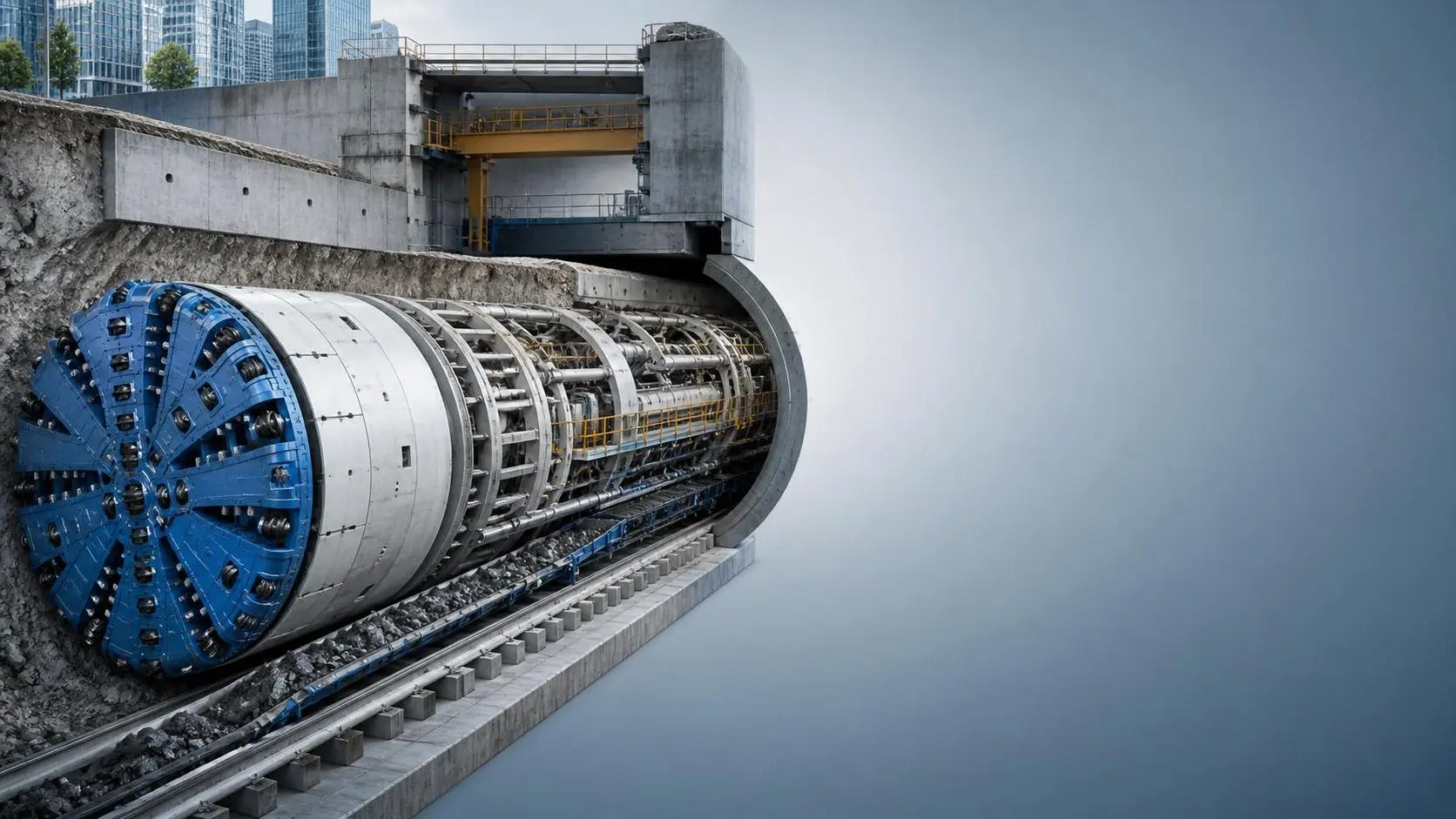
What Drives TBM Excavation Cost in Urban Tunneling Projects?
tbm excavation cost in urban tunneling depends on geology, shafts, segment lining, logistics, and risk. Discover the key cost drivers and compare bids with greater confidence.

What Does Energy Metals Mining in Australia Mean for Supply, Cost, and Project Risk?
Energy metals mining Australia is reshaping supply, cost, and project risk. Discover what it means for buyers, investors, and operators.
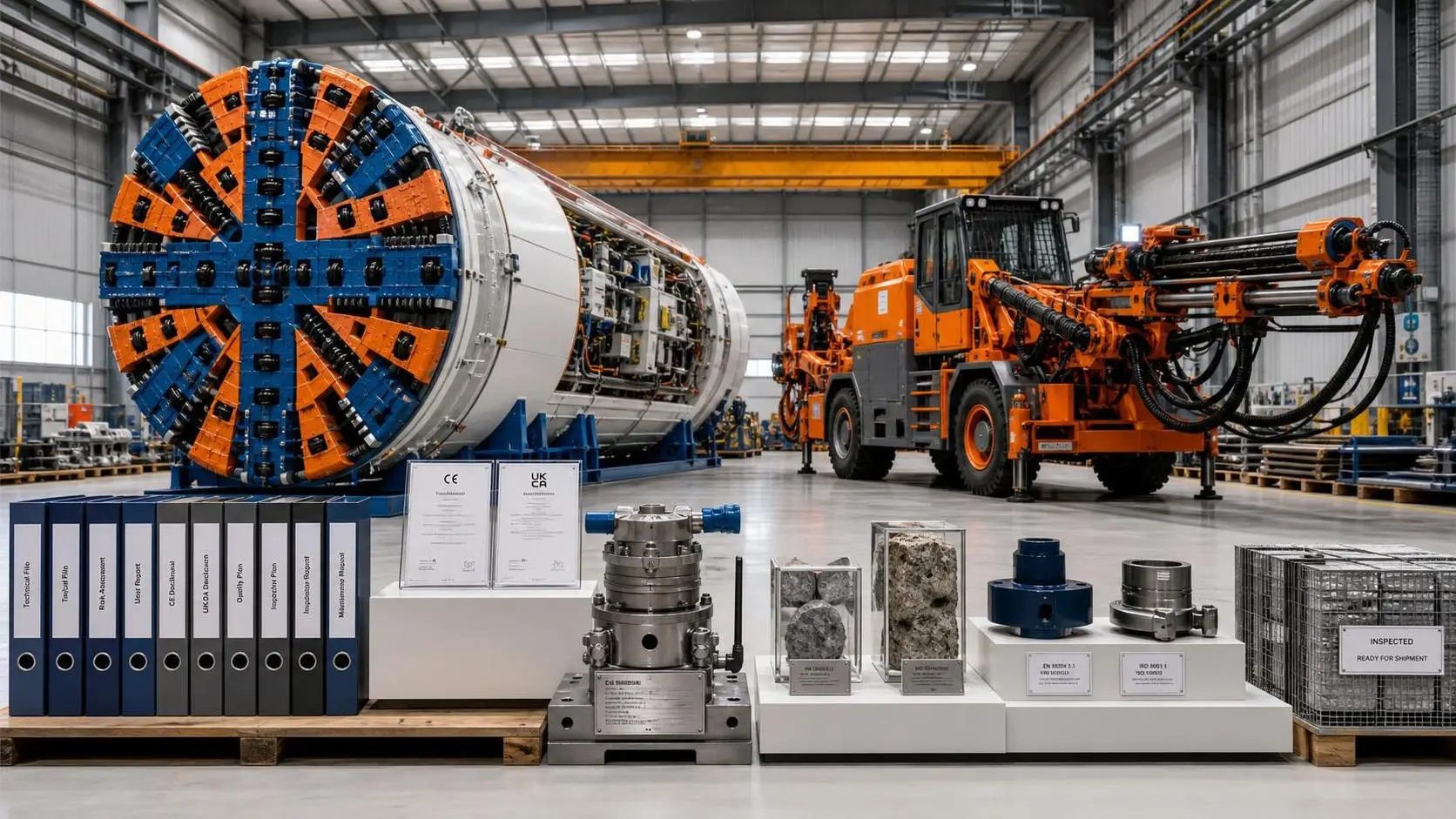
EU Eases Dual CE and UKCA Path for Chinese Tunnel Boring Equipment
EU eases CE and UKCA certification for Chinese tunnel boring equipment, cutting compliance time and helping importers move faster.
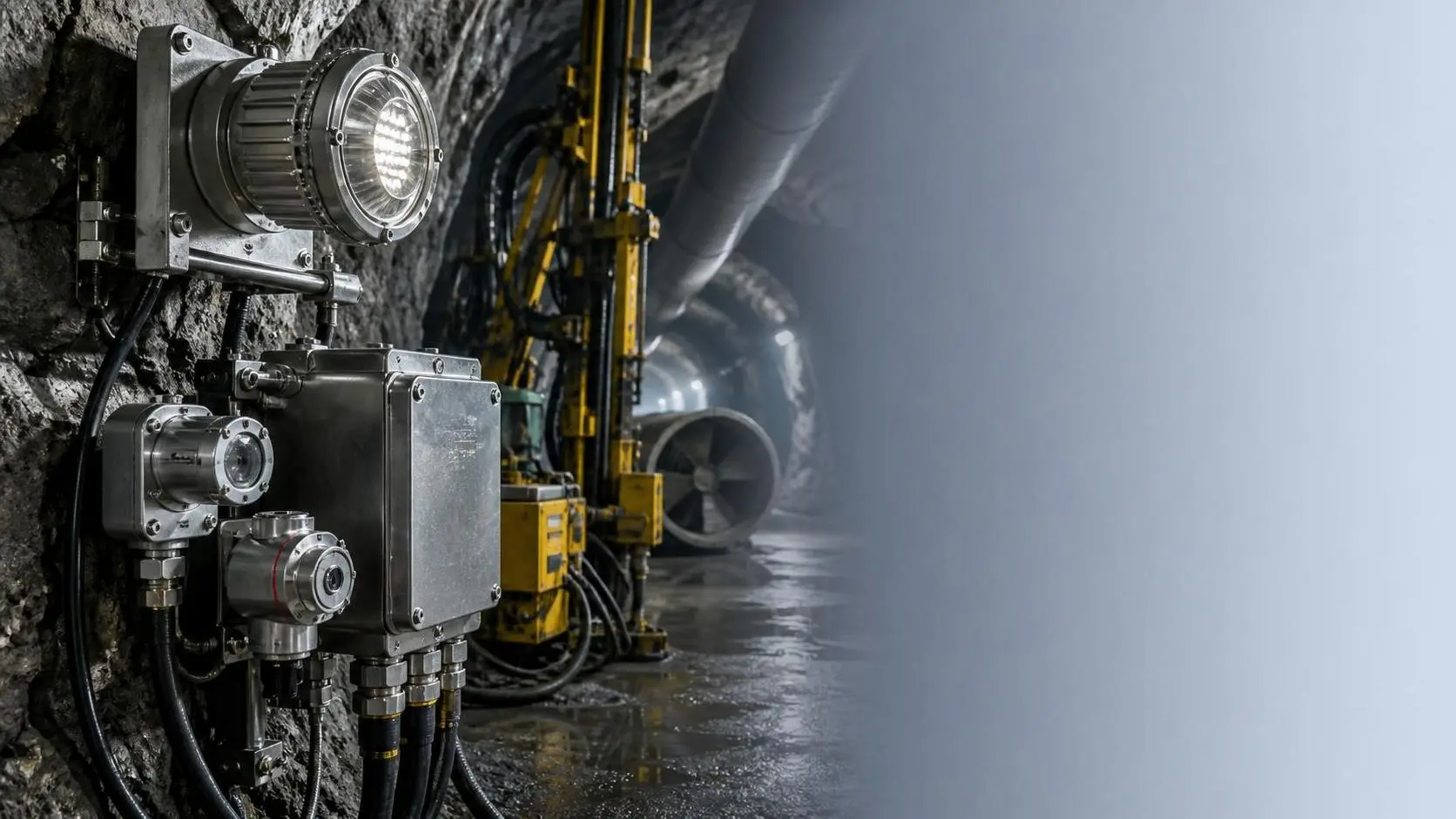
Flameproof Underground Safety Equipment: What Mine Teams Should Check Before Buying
Underground Safety Equipment flameproof buying guide: learn how mine teams should verify certification, durability, serviceability, and supplier support before purchase.
Related News
- 00
0000-00
How to Evaluate Underground Haulage Systems for Ore Output, Ramp Grade, and Ventilation Limits - 00
0000-00
How to Evaluate a Pipe Jacking Equipment Distributor for Project Support and Uptime - 00
0000-00
How to Build a Mining Decarbonization Strategy That Balances Emissions, Cost, and Fleet Reality - 00
0000-00
How to Evaluate Articulated Dump Trucks Payload for Haul Road Conditions and Cycle Efficiency - 00
0000-00
How Pipe Fittings Material and Pressure Class Affect Water Line Selection
Weekly Insights
Stay ahead with our curated technology reports delivered every Monday.