
Peru Launches 2026 Copper Mine Phase II Tender





On July 10, 2026, Peru’s Ministry of Energy and Mines (MINEM) formally opened an international tender for the Phase II deep ventilation system works at the Antamina and Las Bambas copper mines. For companies involved in micro-tunnelling equipment, mine engineering, industrial procurement, and compliance documentation, the tender stands out because equipment purchasing takes a large share of the budget and supplier access is tied directly to certification and energy-efficiency thresholds rather than price alone.
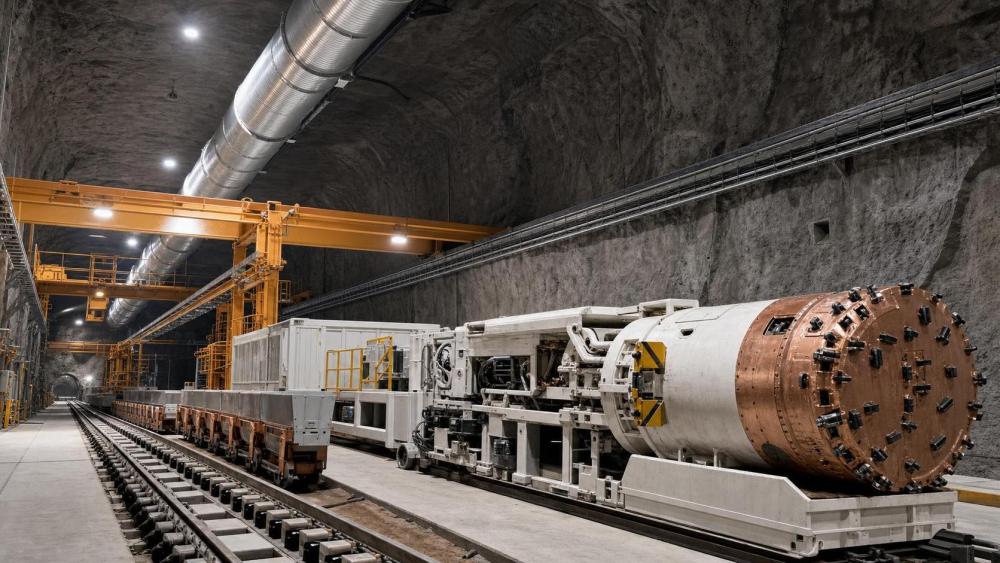
What the tender confirms
According to the information provided, MINEM launched the tender on July 10, 2026, for Phase II deep ventilation system construction at the Antamina and Las Bambas copper mines. The total budget is US$210 million, and 41% of that amount is allocated to micro-tunnelling equipment procurement. The tender documents state that bidders must hold both CE certification and ISO 50001 energy management certification. They also require equipment energy efficiency, measured in kW/m3·min, to exceed the industry benchmark by 15%.
Where the immediate pressure falls across the market
Equipment makers face a narrower entry window
From an industry perspective, manufacturers of micro-tunnelling equipment are likely to feel the most direct effect because the tender assigns a significant share of project value to this category. The immediate impact is not only on product supply, but also on qualification readiness. Companies that cannot present both CE and ISO 50001 credentials may face a restricted path into bidding or subcontracting discussions, while those that can document energy performance clearly may be better positioned in early screening.
Procurement teams will need to compare technical compliance more tightly
For procurement-side participants, the event shifts attention toward technical verification and documentation review. Because the tender combines certification requirements with a defined energy-efficiency threshold, purchasing decisions may depend more heavily on whether suppliers can prove conformity in measurable terms. What deserves closer attention is how procurement teams organize bid comparisons, validate certificates, and interpret whether claimed efficiency performance is sufficiently supported for tender purposes.
Supply chain and delivery service providers may see higher coordination demands
Analysis shows that logistics, documentation, and project support service providers may also be affected, even though the tender is centered on mine ventilation construction. When qualification requirements are explicit, supporting business functions usually become more documentation-sensitive. The practical effect may appear in shipment readiness, technical file preparation, handover timing, and communication between suppliers and project-side buyers.
What companies should track now
Watch for any further clarification in tender language
Companies reviewing the opportunity should pay close attention to whether subsequent official wording clarifies how certification scope, validity, and supporting evidence will be assessed. The current signal is clear on dual certification and energy-efficiency performance, but the operational meaning for bid preparation depends on how these requirements are checked in practice.
Prepare proof around energy-efficiency claims early
For suppliers and technical teams, the most practical issue is not just meeting an efficiency target, but presenting it in a form that procurement reviewers can assess without ambiguity. Observably, this makes test records, specification sheets, and consistency between commercial and technical documents more important in the bidding process.
Separate market interest from actual qualification status
Analysis shows that the headline increase in micro-tunnelling demand may attract broad commercial interest, but interest alone does not equal eligibility. Companies need to distinguish between being commercially relevant to the project and being formally aligned with the tender’s certification and efficiency conditions. That distinction matters for sales planning, partner selection, and resource allocation.
Review delivery and coordination risks before engagement deepens
For firms considering direct bids, partnerships, or supply support roles, it is worth reviewing whether internal teams can sustain the documentation, communication, and delivery rhythm that a standards-driven tender usually requires. In practical terms, qualification files, timeline control, and customer communication may become as important as the equipment offer itself.
Why this looks like more than a routine equipment purchase
As an observation, this tender is better understood as a procurement signal with technical filtering built into it, rather than as a simple expansion notice. The combination of budget concentration in micro-tunnelling equipment, dual certification requirements, and a defined efficiency threshold suggests that supplier selection may hinge on documented performance and management systems. That said, it is still not a final market outcome. Bid evaluation, supplier responses, and any later clarifications remain important to watch before drawing stronger conclusions.
How to read the signal at this stage
At this stage, it is more appropriate to understand the development as a near-term commercial opening with longer-term implications for qualification standards in project participation. The immediate significance lies in who can realistically enter the tender under the stated rules. The broader significance, still subject to further observation, is whether certification and energy-efficiency requirements of this kind become a more prominent gatekeeping factor in similar mining project procurement.
Basis of this article
This article is based on the user-provided news title, event date, and event summary. For this type of industry update, relevant source categories typically include official ministry announcements, company disclosures, industry association materials, authoritative media coverage, and standards-related documentation. No specific official source link was provided in the input, so the exact primary link remains to be verified on an ongoing basis. Further follow-up should focus on any official tender clarifications, bidder qualification details, and subsequent procurement developments.
Related News
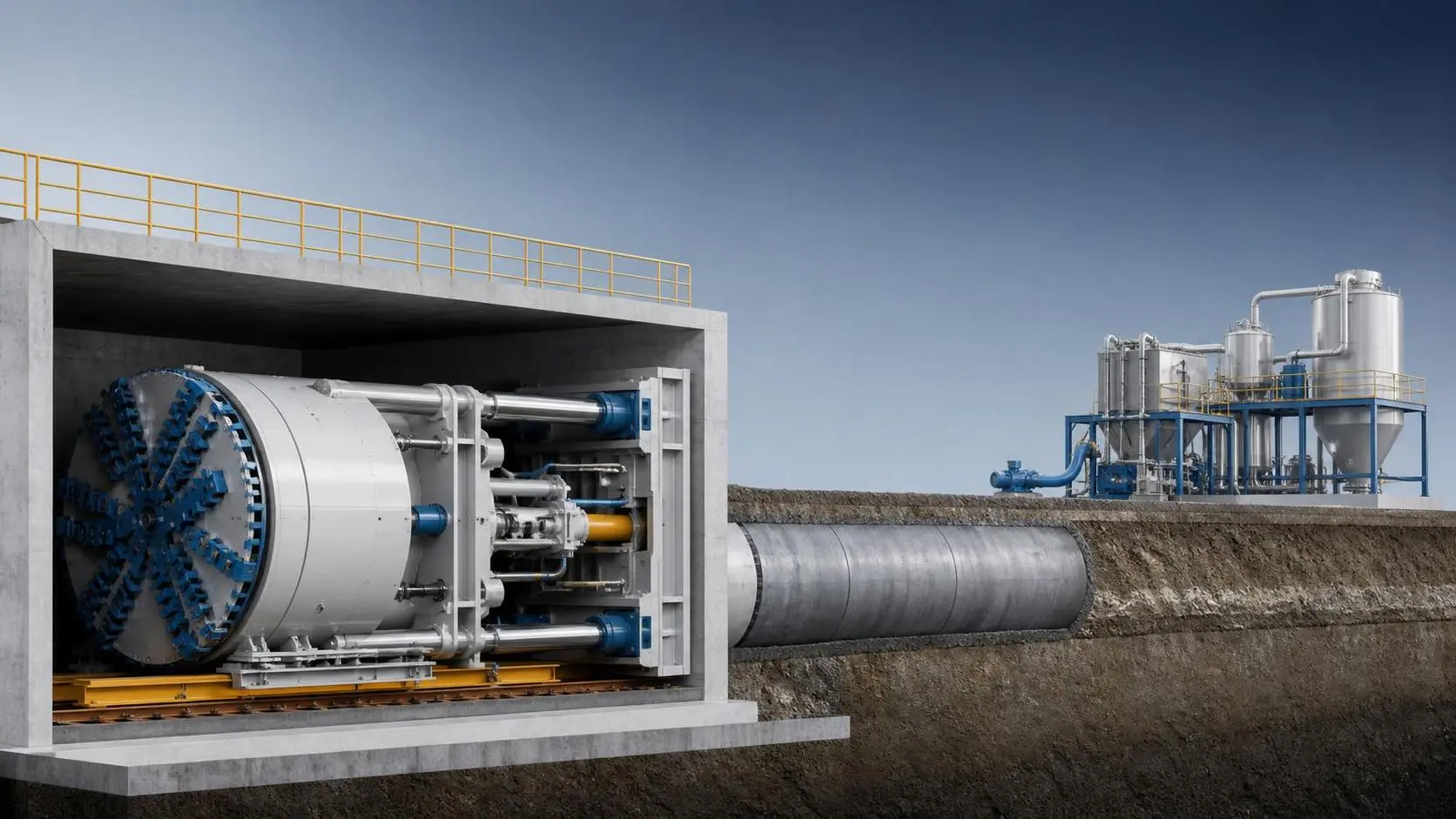
How to Evaluate Pipe Jacking Equipment for Municipal Sewer and Utility Projects
Pipe jacking equipment for municipal projects: learn how to compare machine type, steering, spoil handling, safety, and lifecycle cost for reliable sewer and utility installation.
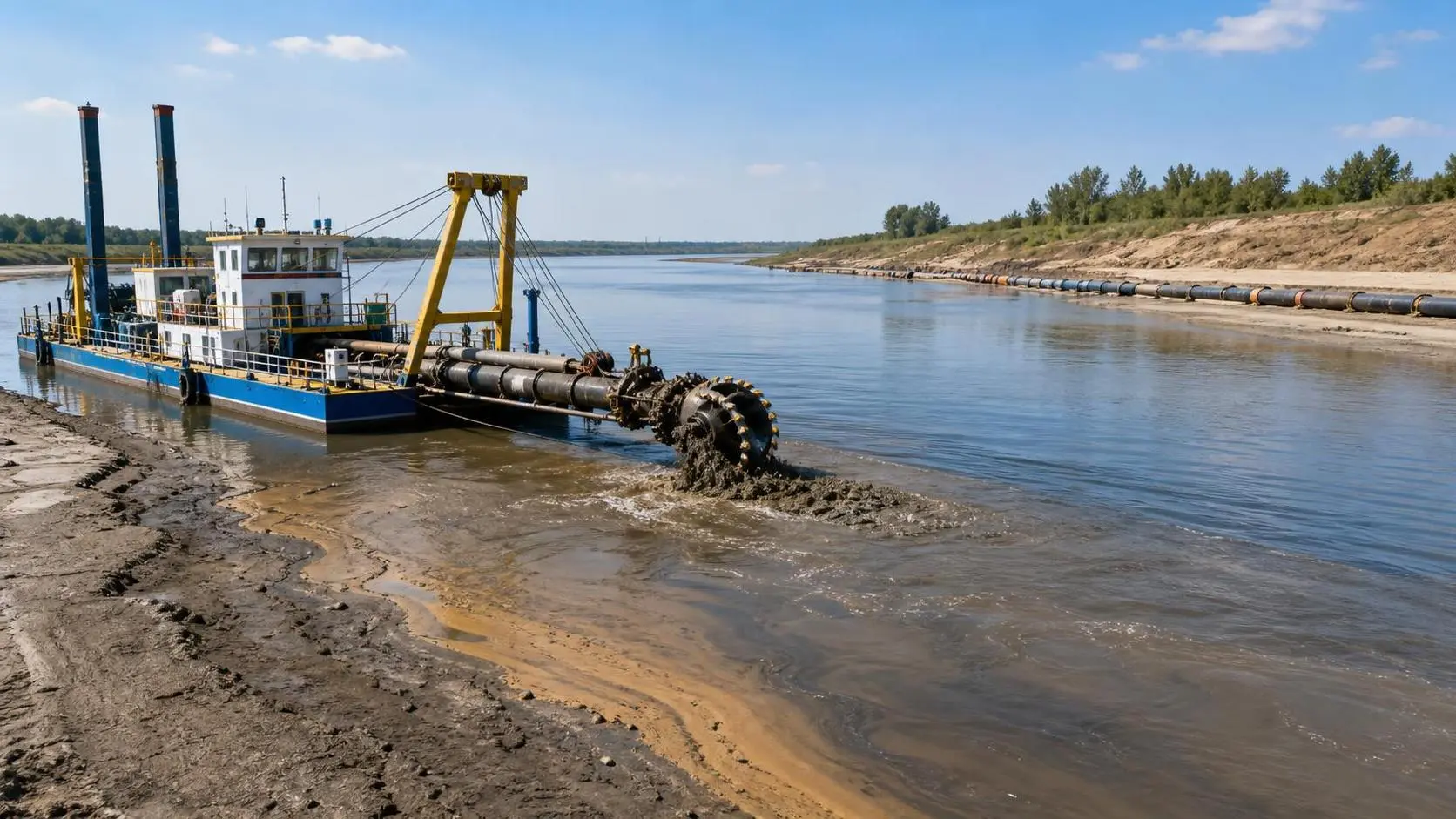
How YLCSD300 Cutter Suction Dredger Parameters Affect River Dredging Output
YLCSD300 cutter suction dredger output depends on cutter, pump, pipe, depth, and hull balance. Learn how river conditions shape real dredging performance before you buy.
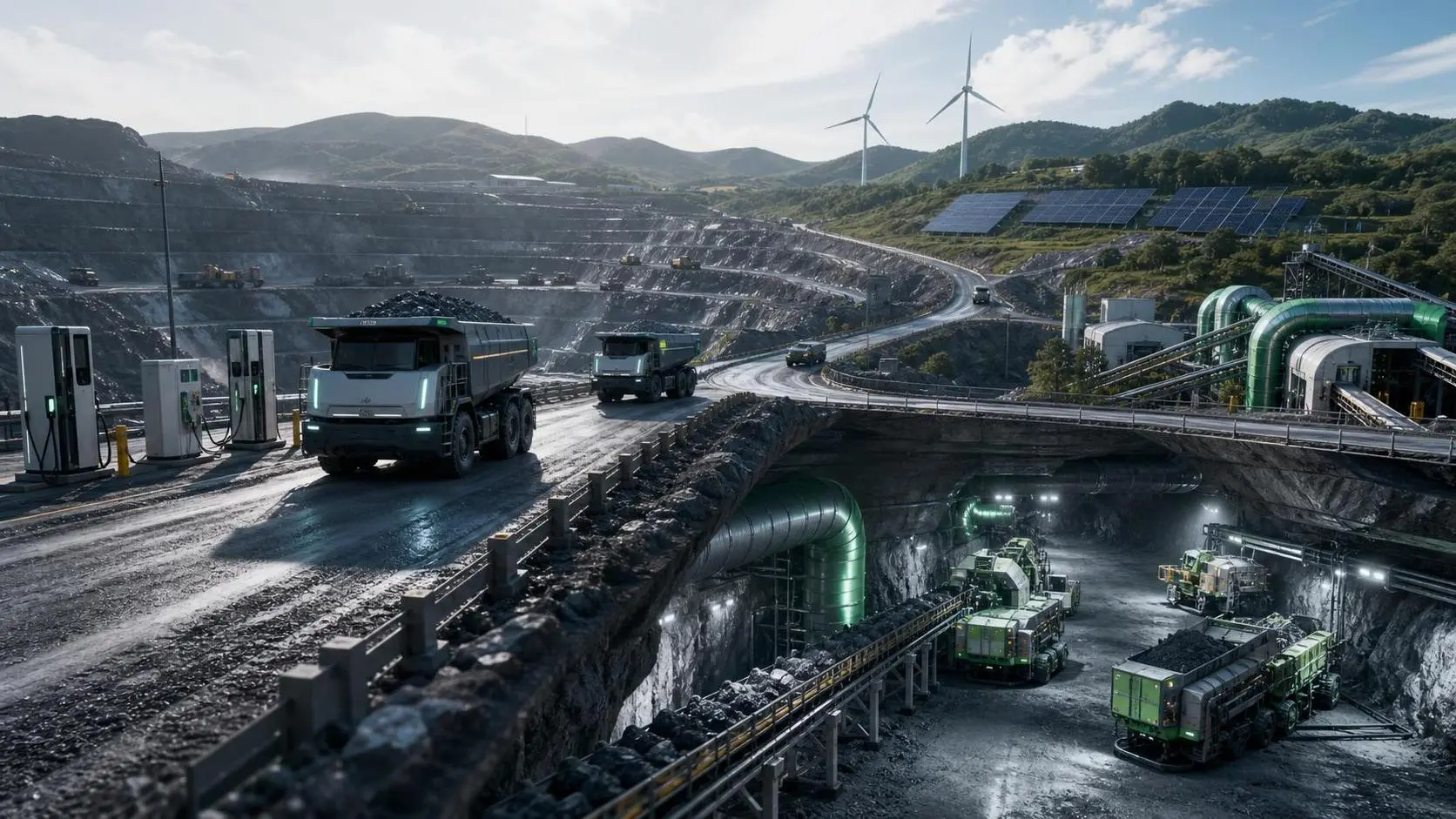
What Should a Mine Decarbonization Roadmap Include to Cut Emissions Without Hurting Output?
Mine decarbonization roadmap essentials: learn how to cut mining emissions with phased electrification, ventilation planning, and infrastructure readiness—without sacrificing output.
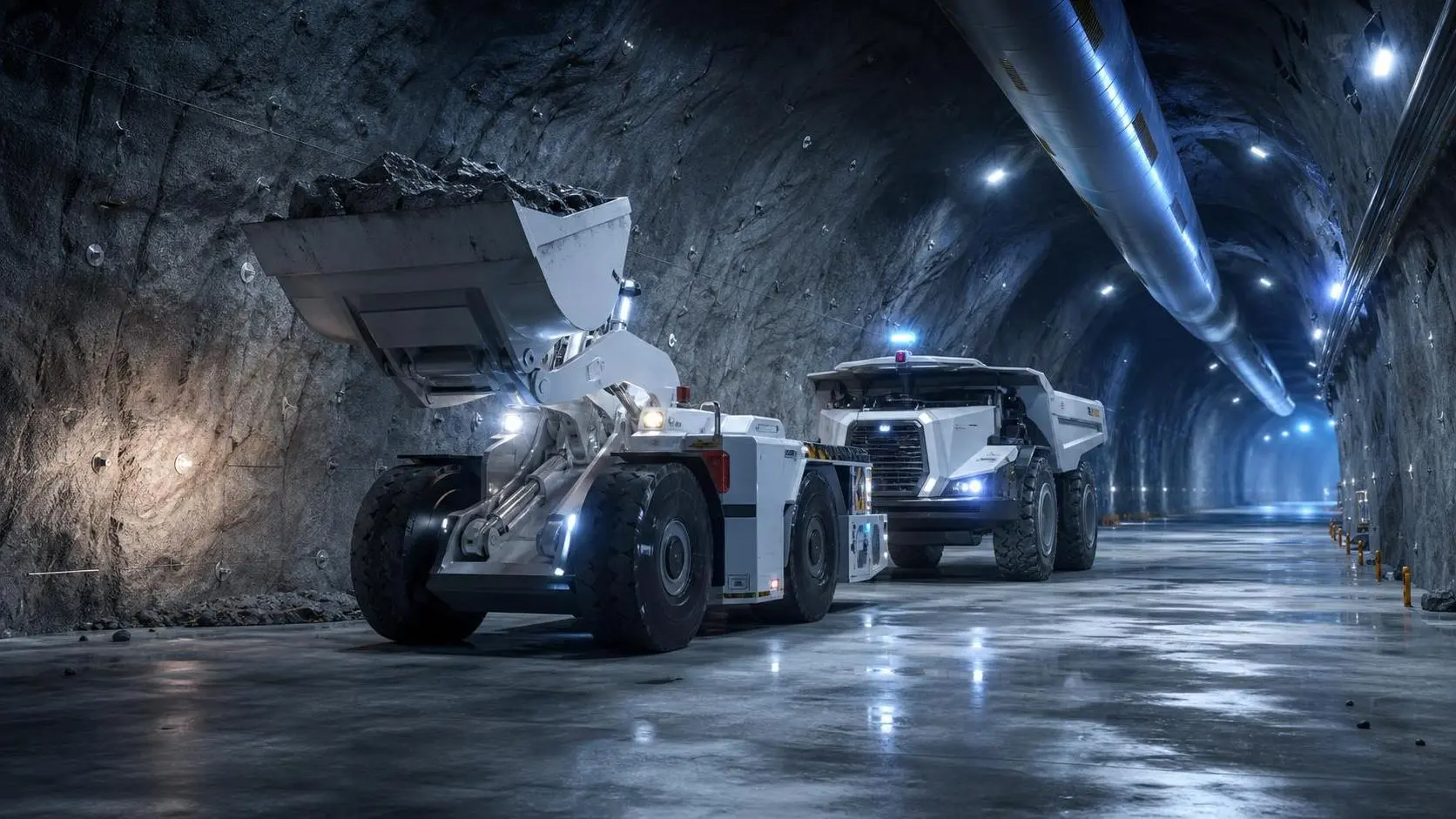
How to Evaluate Underground Mine Automation Companies for Safety and ROI
Underground mine automation companies vary widely in safety, interoperability, and ROI. Learn how to compare vendors, reduce deployment risk, and choose a scalable solution.
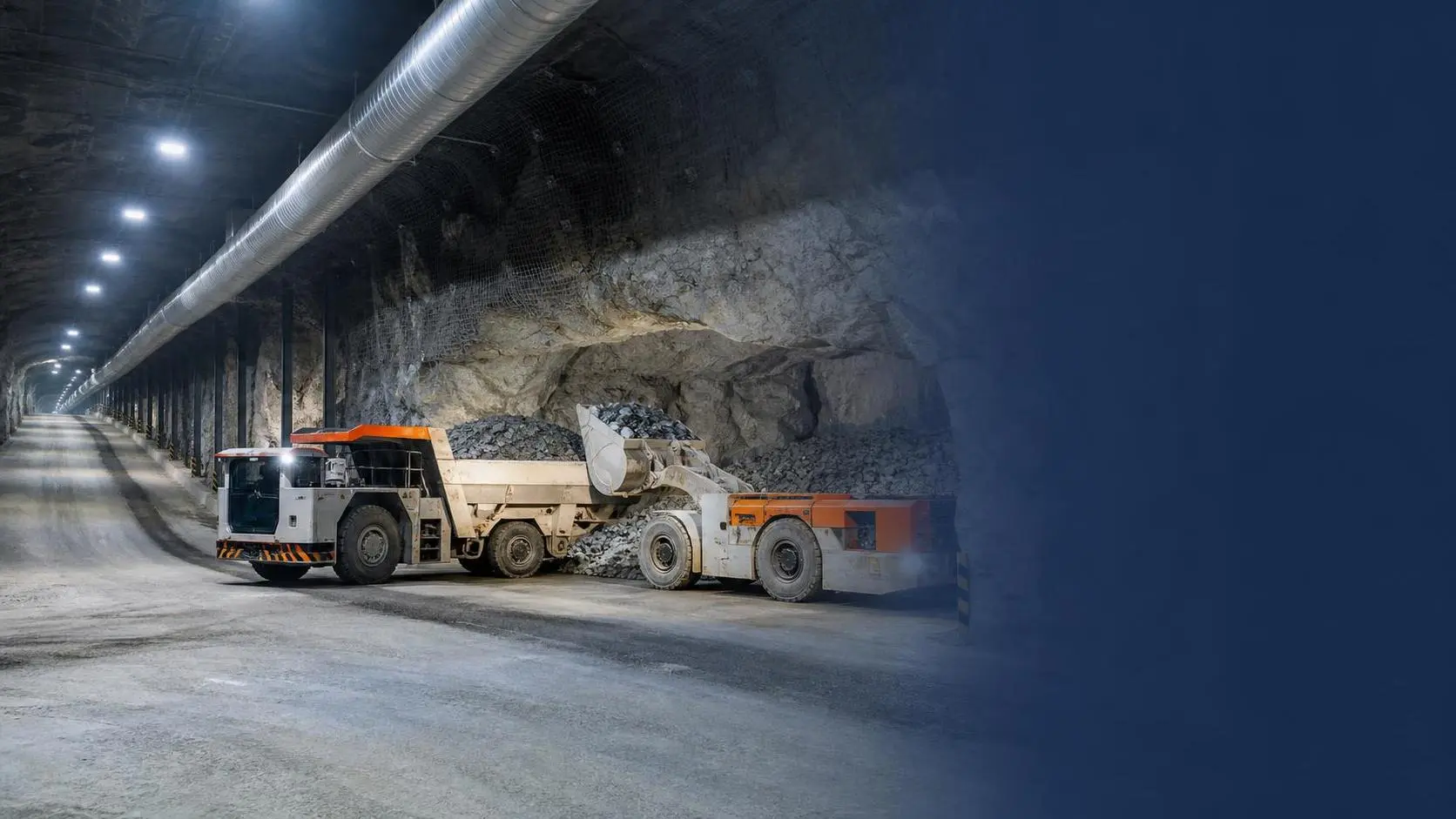
How to Evaluate Underground Haulage Systems for Ore Output, Ramp Grade, and Ventilation Limits
Underground haulage systems should be evaluated by ore output, ramp grade, and ventilation limits—not brochures. Learn how to compare trucks, LHDs, and electric options for smarter mine planning.
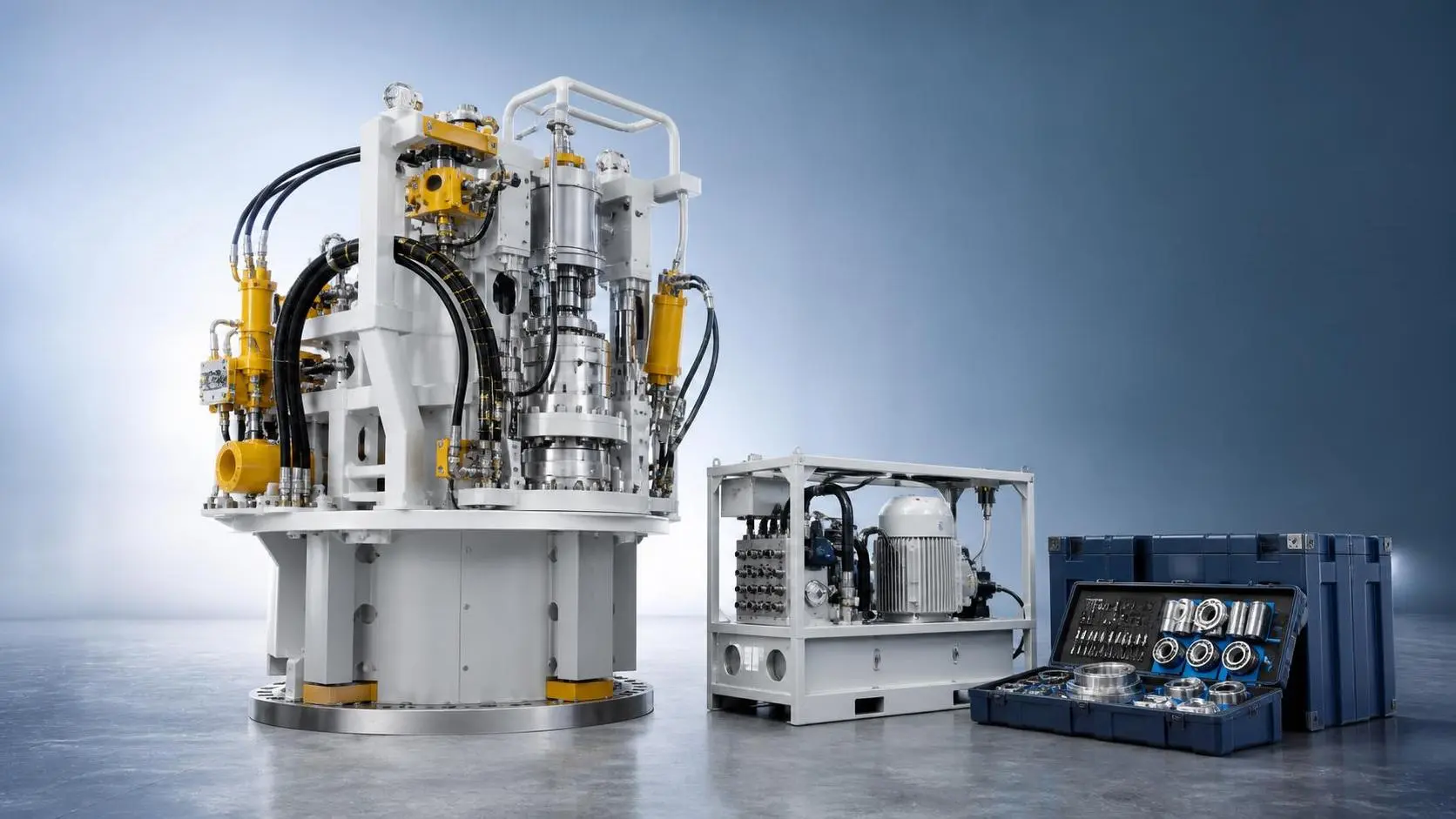
How to Evaluate a Pipe Jacking Equipment Distributor for Project Support and Uptime
Pipe jacking equipment distributor evaluation made practical: learn how to assess parts support, service response, training, and technical readiness to reduce downtime and protect project uptime.
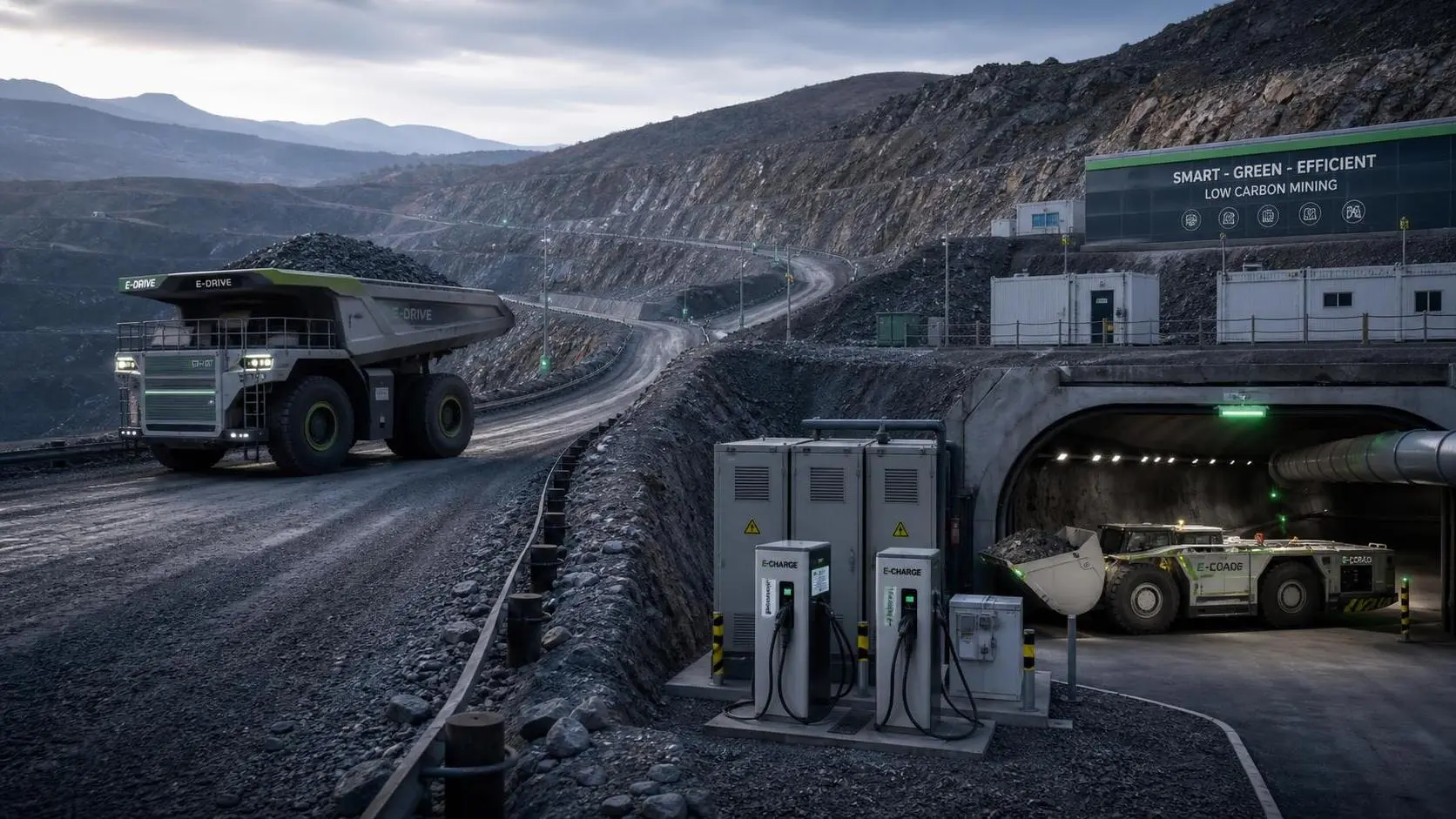
How to Build a Mining Decarbonization Strategy That Balances Emissions, Cost, and Fleet Reality
Mining decarbonization strategy starts with fleet reality. Learn how to cut emissions, control cost, and align power, ventilation, and production for a practical mine transition.
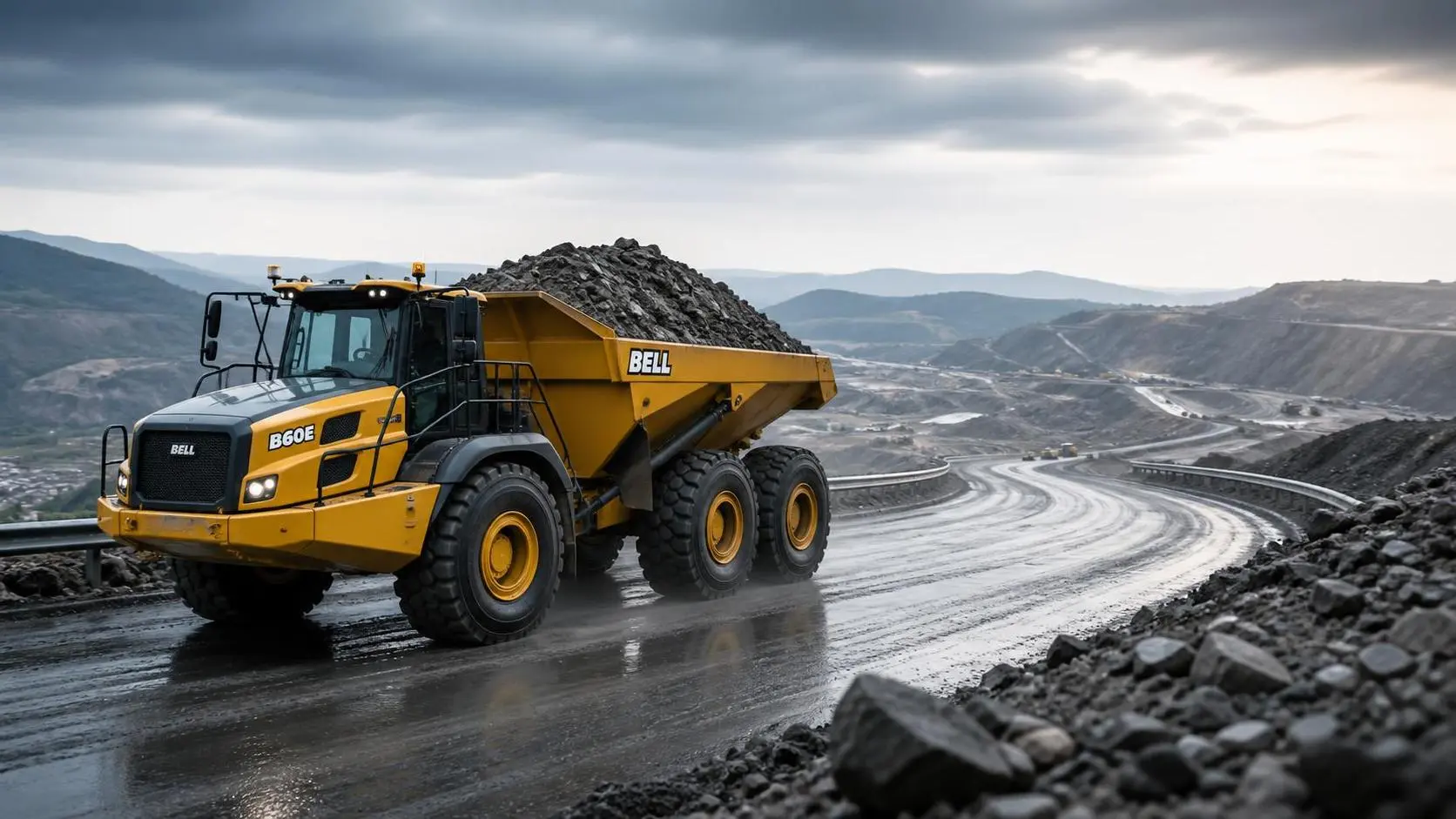
How to Evaluate Articulated Dump Trucks Payload for Haul Road Conditions and Cycle Efficiency
Articulated Dump Trucks payload evaluation starts with real haul road conditions, not brochure numbers. Learn how to balance payload, traction, grades, and cycle efficiency for safer, higher output.
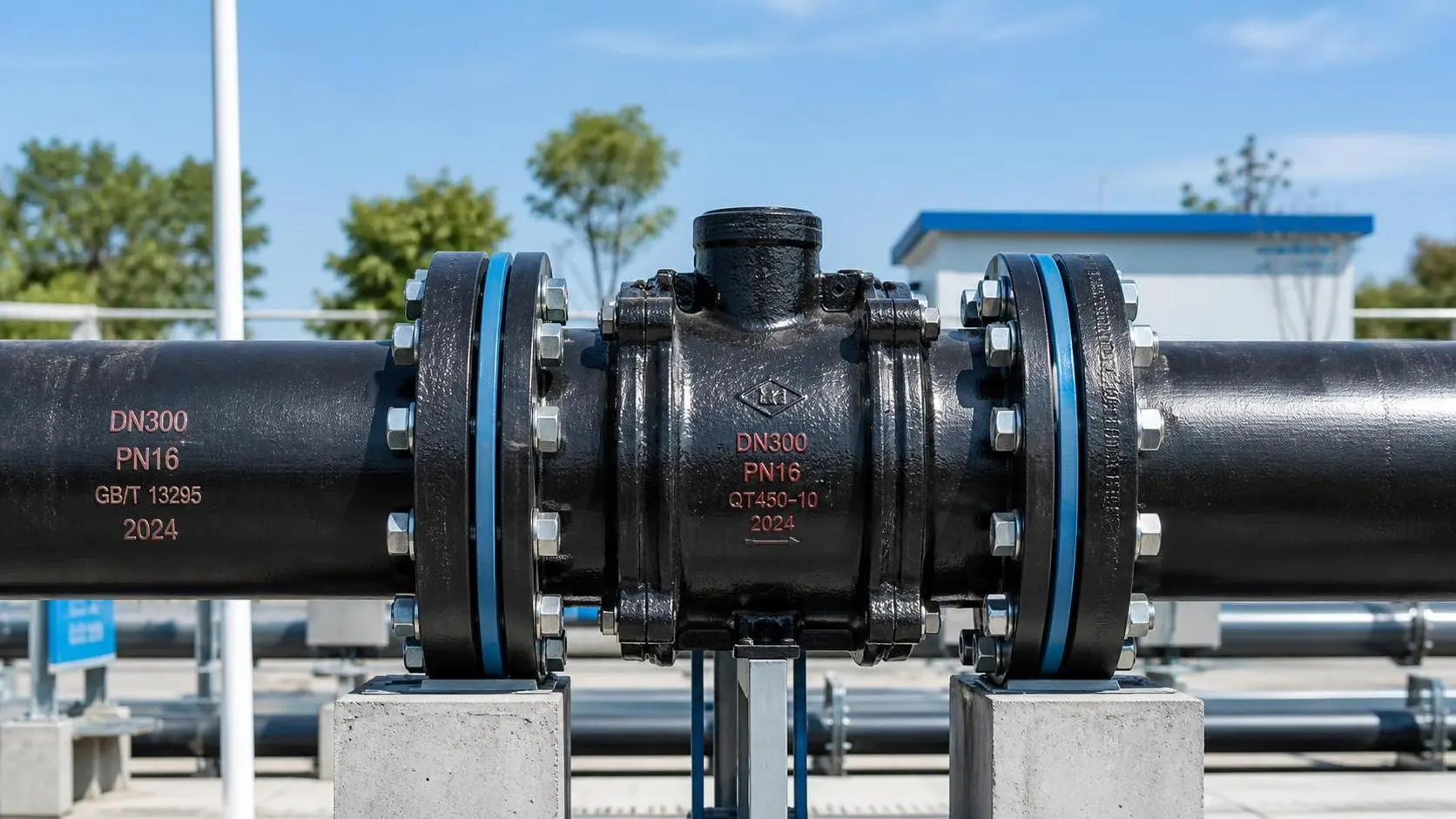
How Pipe Fittings Material and Pressure Class Affect Water Line Selection
Pipe fittings selection starts with material and pressure class. Learn how these factors affect water line reliability, corrosion resistance, installation, and long-term cost.
Related News
- 00
0000-00
How to Evaluate Pipe Jacking Equipment for Municipal Sewer and Utility Projects - 00
0000-00
How YLCSD300 Cutter Suction Dredger Parameters Affect River Dredging Output - 00
0000-00
What Should a Mine Decarbonization Roadmap Include to Cut Emissions Without Hurting Output? - 00
0000-00
How to Evaluate Underground Mine Automation Companies for Safety and ROI - 00
0000-00
How to Evaluate Underground Haulage Systems for Ore Output, Ramp Grade, and Ventilation Limits
Weekly Insights
Stay ahead with our curated technology reports delivered every Monday.