
How Does Trenchless Technology Minimize Surface Disruption in Cities?





How Does Trenchless Technology Minimize Surface Disruption in Cities?
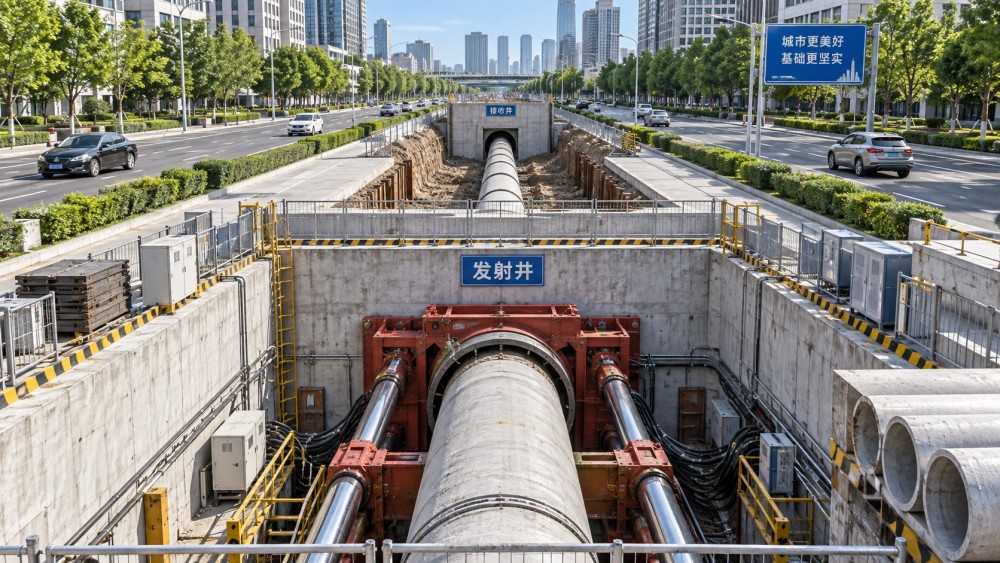
How does trenchless technology minimize surface disruption in cities? It moves most of the construction activity underground, using small launch and reception shafts rather than opening a continuous trench along the full pipe route. That simple change matters enormously in dense urban areas, where a conventional excavation can affect traffic lanes, bus routes, storefront access, sidewalks, buried utilities, tree roots, and emergency-service movement all at once.
For municipalities, the value is not merely that the road stays visually intact. A well-planned trenchless project can reduce the number of work zones, limit the duration of lane closures, protect existing pavement structures, and avoid repeated reinstatement of curbs, landscaping, and public spaces. For contractors, the challenge shifts from surface excavation to underground accuracy: ground conditions, alignment control, cutterhead selection, jacking forces, slurry management, and utility records become decisive.
That distinction is often missed. Trenchless construction is not “digging without consequences.” It is a different construction discipline, one that exchanges broad surface disturbance for concentrated, carefully controlled underground work.
The Core Principle: Build From Access Pits, Not Open Trenches
Traditional open-cut installation requires a trench wide enough for excavation, pipe placement, bedding, safety measures, backfilling, and road restoration. On a quiet greenfield site, that may be practical. In a city center, it can quickly become disruptive. A single utility corridor may already contain water, wastewater, gas, power, telecommunications, district heating lines, and undocumented legacy services installed decades earlier.
Trenchless methods reduce the affected footprint by creating access points only where equipment must enter or exit the ground. Between those points, the pipe or tunnel advances below the surface. Depending on the project, the method may install a new utility, replace a failing line, rehabilitate an existing pipe, or create a small underground crossing beneath a road, railway, waterway, or sensitive public area.
The most suitable access-pit layout depends on depth, pipe diameter, drive length, local groundwater conditions, and available staging space. A compact pit is attractive, but it is not automatically the better engineering decision. If the pit is too constrained for safe shaft support, pipe handling, slurry equipment, spoil removal, or jacking-frame operation, surface disruption can simply reappear as longer setup times and more complicated logistics.
Pipe Jacking: A Practical Urban Workhorse
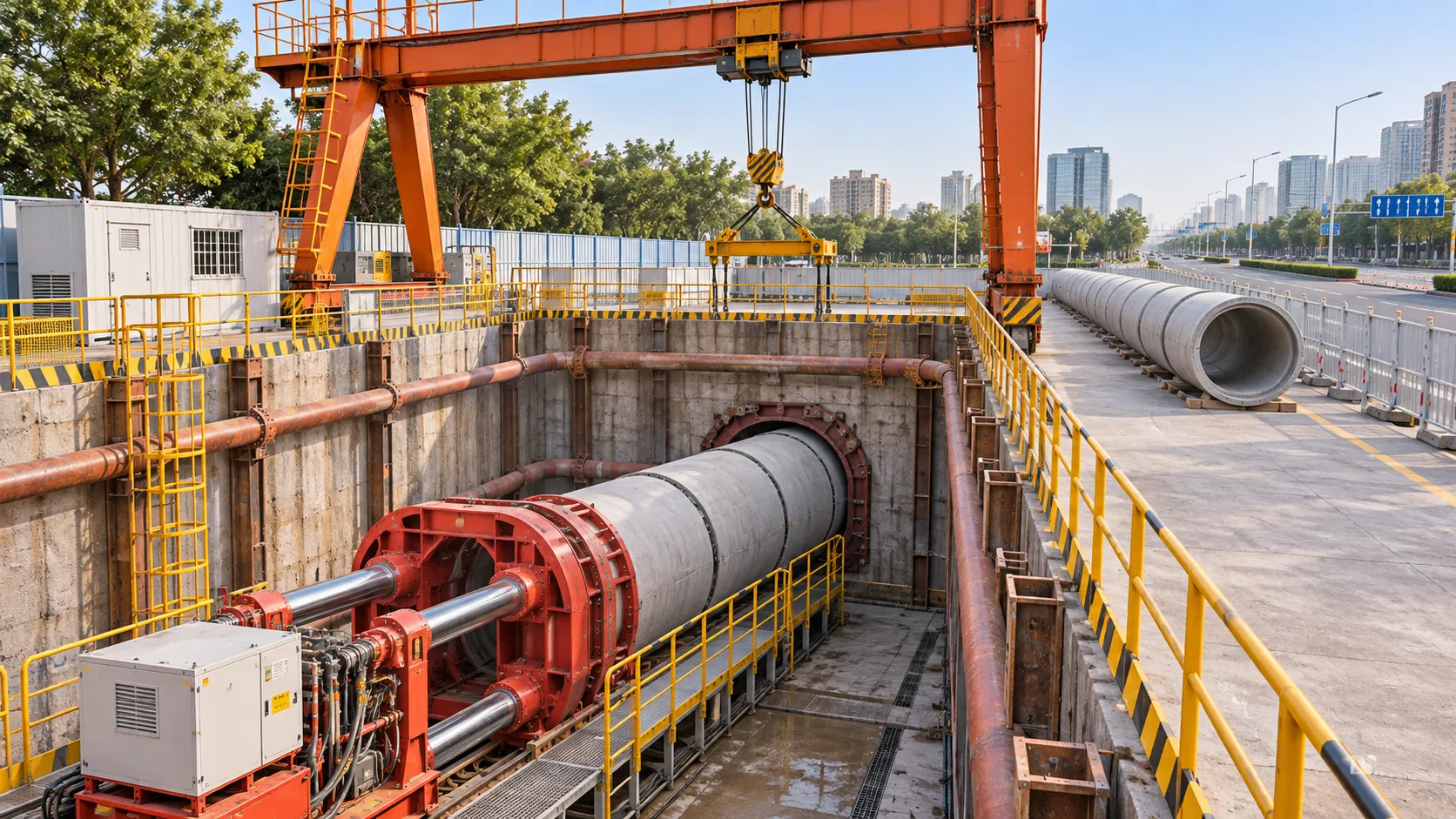
Pipe jacking is among the most recognizable trenchless techniques for urban utility delivery. A jacking machine excavates from a launch shaft while hydraulic jacks push pipe sections forward from behind. As each section advances, the next is added, creating a continuous underground line without opening the route above.
In competent hands, pipe jacking can pass beneath busy roads with only localized activity at the shafts. It is particularly useful where traffic closure would be politically difficult, commercially damaging, or unsafe. The method can also be chosen to avoid disturbing a recently rebuilt boulevard, a protected streetscape, a rail corridor, or a narrow street where open-cut excavation would leave little room for vehicles and pedestrians.
However, “minimal excavation” does not mean “minimal planning.” Jacking force must be anticipated, particularly in longer drives or challenging geology. Pipe lubrication, overcut control, face pressure, and the behavior of the annular gap all influence whether the drive remains stable. In soft or variable ground, poor control can lead to ground loss, settlement, or alignment problems—exactly the outcomes an urban project is trying to prevent.
Which Trenchless Methods Are Used in City Streets?
“Trenchless technology” covers several methods, and they should not be treated as interchangeable. The right choice is dictated by what the project needs to accomplish underground, not by a general preference for low-impact construction.
Microtunnelling and pipe jacking are frequently preferred where line and grade are critical, especially for gravity systems that cannot tolerate significant deviations. Horizontal directional drilling is often more flexible for pressurized utilities and cable routes, but it requires careful management of drilling fluids and subsurface conditions. Rehabilitation methods may be the least disruptive option of all when the existing pipe remains a viable host, although service connections and structural defects need close assessment.
Why Cities Feel the Difference
The clearest benefit is traffic continuity. Rather than closing a long stretch of roadway and moving the work front block by block, a trenchless project can concentrate equipment at designated shafts or compounds. That does not eliminate traffic management, but it can make it more predictable. A city may be able to maintain lanes, preserve intersection access, or schedule work around peak periods more effectively than it could with a long open trench.
Business access is another practical consideration. Restaurants, clinics, delivery-dependent retailers, hotels, and schools do not experience disruption in the same way. A blocked loading area for several weeks can be more damaging than a short, controlled construction zone nearby. Trenchless work gives planners more freedom to locate major activity where its impact is manageable, provided the underground alignment still works.
There is also a less obvious benefit: reduced exposure to the unknowns beneath the pavement. Open-cut work regularly encounters conflicts with existing services. Trenchless methods do not remove that risk, but a properly designed bore path can pass below or around known congested utility zones. This makes high-quality utility surveys, record reviews, trial holes where justified, and geotechnical investigation central to the project—not paperwork to be completed after the method has already been selected.
Precision Underground Is What Protects the Surface
Surface disruption is minimized only when the underground operation is controlled. For a guided pipe jacking drive, that means the operator needs reliable positional feedback and a clear understanding of the required tolerance. Laser guidance, navigation systems, machine sensors, and monitoring data help maintain line and grade, but no system compensates for inadequate ground investigation or an unrealistic alignment.
Ground behavior deserves particular attention in urban settings. Mixed-face conditions, boulders, old foundations, variable fill, groundwater, and buried obstructions can all change how the machine performs. In some locations, vibration and settlement monitoring may be appropriate because nearby buildings, utilities, or rail assets are sensitive to movement. The monitoring plan should be tied to actual project risks; placing instruments on a site without agreed response procedures provides little protection.
Spoil handling is also part of the surface equation. A project may avoid a long trench yet still create disruption if trucks queue around a launch shaft, slurry treatment occupies a poorly chosen site, or material removal conflicts with local delivery windows. Urban trenchless construction succeeds when the logistics plan is as deliberate as the boring plan.
The Common Mistake: Choosing Trenchless Too Late
A frequent mistake is to design a route for open-cut construction and consider trenchless only after community objections or traffic restrictions appear. By that stage, shaft locations may be impractical, the proposed alignment may have bends unsuitable for the selected method, and the available site area may not support pipe storage or support systems.
The better approach is to compare methods early, while route depth, pipe material, connection points, and staging areas are still adjustable. The question is not simply, “Can this be installed trenchlessly?” A more useful question is, “Which parts of this route create the greatest public, operational, or asset risk if excavated?” Sometimes a hybrid plan is the sensible answer: conventional excavation in low-impact sections, trenchless crossings beneath major obstacles, and rehabilitation where existing assets can be retained.
Does Trenchless Construction Always Cost Less?
Not necessarily. Specialized equipment, shaft construction, guidance systems, slurry processing, and technical crews can make direct construction costs higher than a simple open-cut option on an unconstrained site. It is misleading to claim that trenchless is automatically cheaper.
The stronger comparison considers the whole disruption profile. Road restoration, traffic control, utility diversions, business-access measures, environmental constraints, schedule exposure, and the risk of excavating around congested services can materially change the decision. A short route with open ground may not justify a trenchless solution. A similar-length route beneath an arterial road or beside a rail line may look very different once those indirect impacts are considered.
It is also worth separating technical feasibility from delivery capability. A method can be feasible on paper but difficult to execute if the contractor lacks experience with the expected ground, required drive length, or available guidance and recovery procedures. Procurement teams should examine method statements, risk allocation, and contingency planning—not just the headline price.
What Project Teams Should Confirm Before Committing
Before deciding on a trenchless approach, project teams usually need a defensible view of the ground, the existing utility environment, and the operational constraints above ground. The following questions tend to reveal whether the concept is mature enough to move forward:
- Is the proposed alignment compatible with the required line, grade, depth, and connection geometry?
- What is known—and still uncertain—about soil, rock, groundwater, fill, obstructions, and historic structures?
- Can launch and reception shafts be built safely within the available footprint?
- Which nearby structures, utilities, roads, or transit assets are sensitive to settlement or vibration?
- How will spoil, slurry, pipe sections, equipment, and workers move through an already constrained streetscape?
- What happens if the machine encounters an obstruction, loses guidance, or requires intervention?
These are not theoretical questions. They determine whether trenchless work remains a low-disruption solution or becomes a difficult recovery operation beneath a busy city.
A Broader View of Underground Construction Intelligence
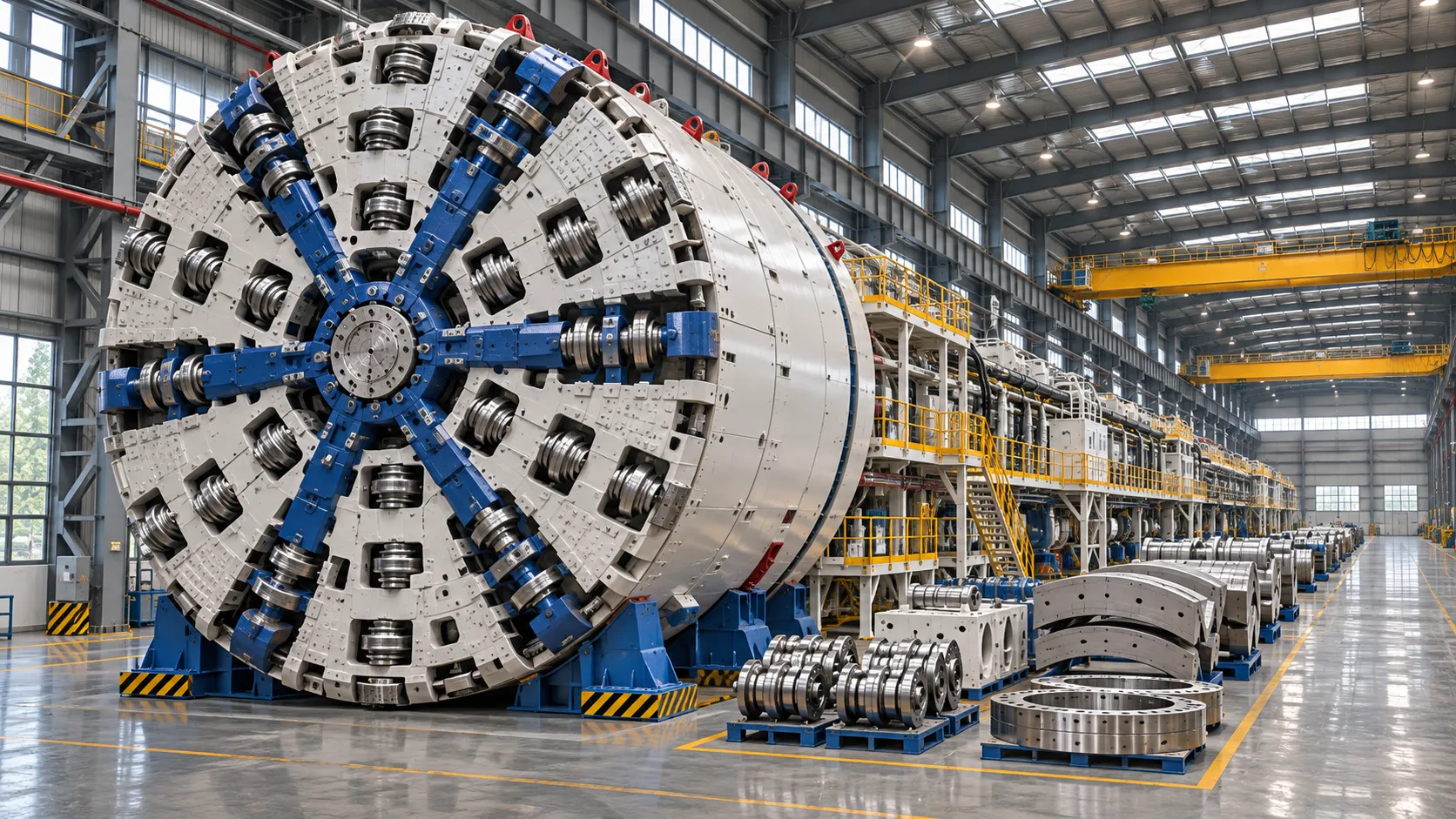
The same engineering mindset behind urban trenchless delivery also appears in larger underground works. Full-face tunnel boring machines, pipe jacking systems, drilling jumbos, underground loaders, and electrified haulage equipment all depend on an accurate reading of the environment in which they operate. The scale changes, but the underlying priorities remain familiar: machine reliability, ground response, energy use in confined spaces, operator safety, and the ability to make decisions from timely field data.
For Global Underground Tunnelling & Mining Dynamics (UTMD), trenchless engineering sits within that wider shift toward more intelligent underground construction. Tracking pipe jacking equipment, TBM technology, guidance systems, and the operational lessons from complex underground projects helps connect urban utility work with the broader evolution of mechanized excavation, automation, and lower-emission equipment strategies.
In cities, the best trenchless projects are rarely the ones that attract attention. They are the ones where water, wastewater, power, or communications capacity is delivered beneath a functioning street, and the public experiences only a contained work zone rather than months of broken pavement. Achieving that outcome depends less on the label “trenchless” than on early investigation, realistic method selection, disciplined monitoring, and crews that understand what can happen below the surface.
Related News
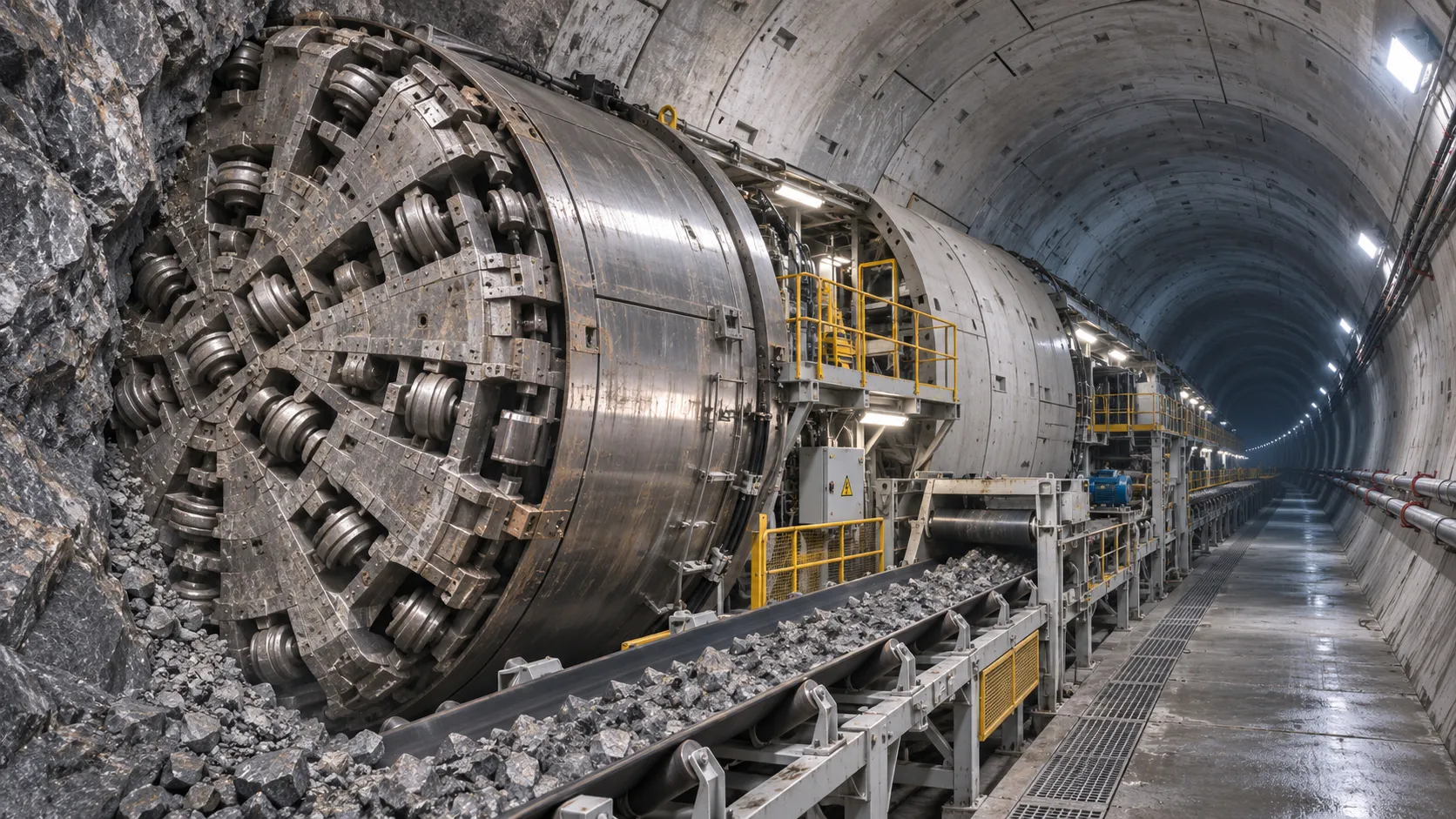
How TBM Excavation Works in Rock and Soft Ground: A Practical Guide
TBM Excavation in rock and soft ground explained: compare machine types, ground support, spoil removal, and the factors that guide smarter project planning.
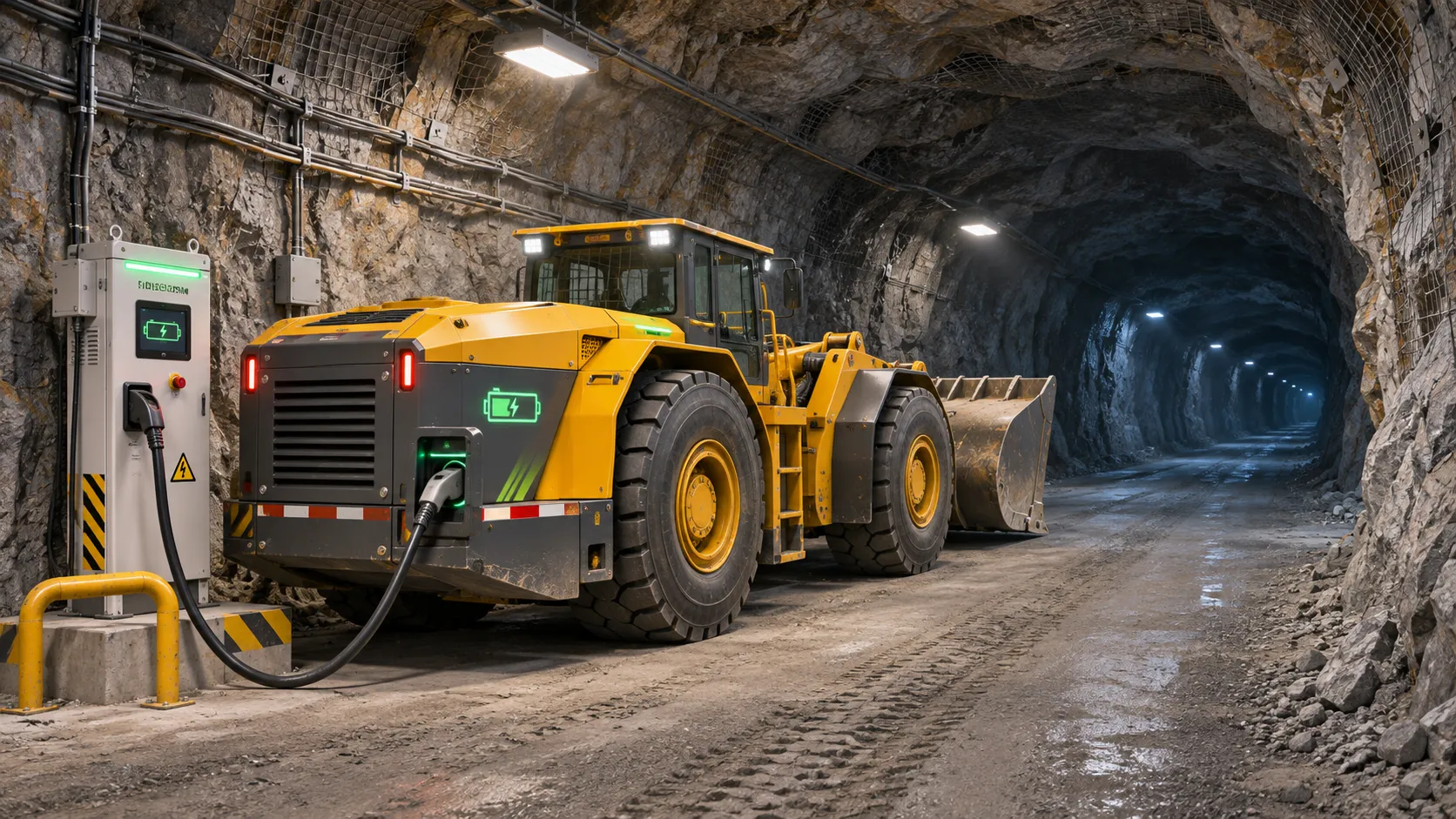
Choosing a Zero-Emission Underground Equipment Supplier: What to Check
Choosing a zero emission underground equipment supplier? Compare duty-cycle performance, charging, safety, total costs and support before you commit.
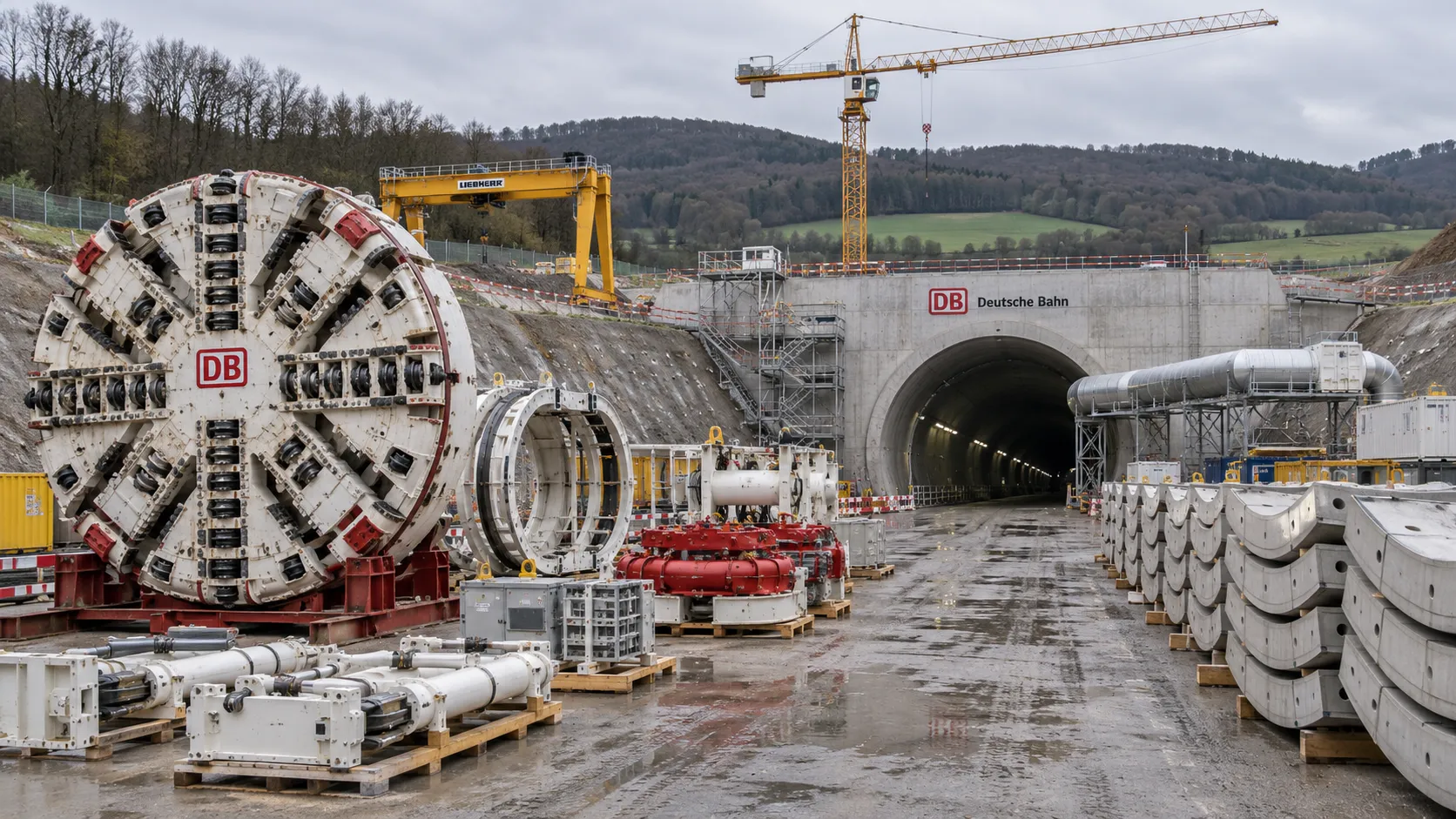
Construction Starts on Germany's Pfaffensteig Rail Tunnel, With Two TBMs Planned
Pfaffensteig rail tunnel construction is underway in Germany. Discover how two planned TBMs will support the 11-kilometre project near Stuttgart.
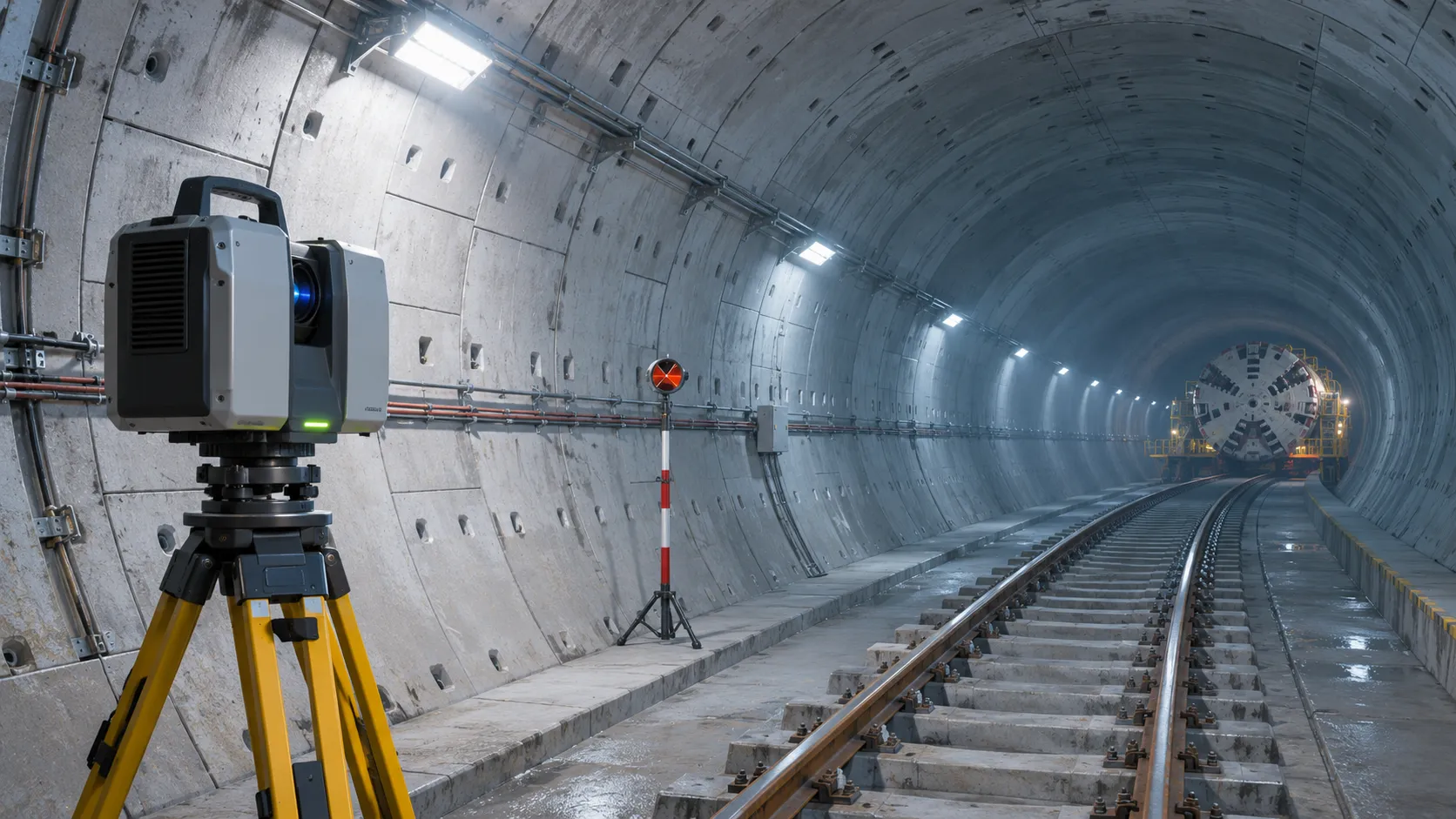
How Real-Time Underground Mapping Systems Work in Tunneling
Discover how real-time underground mapping systems guide tunneling teams, integrate sensor data, and support confident decisions with verified accuracy.
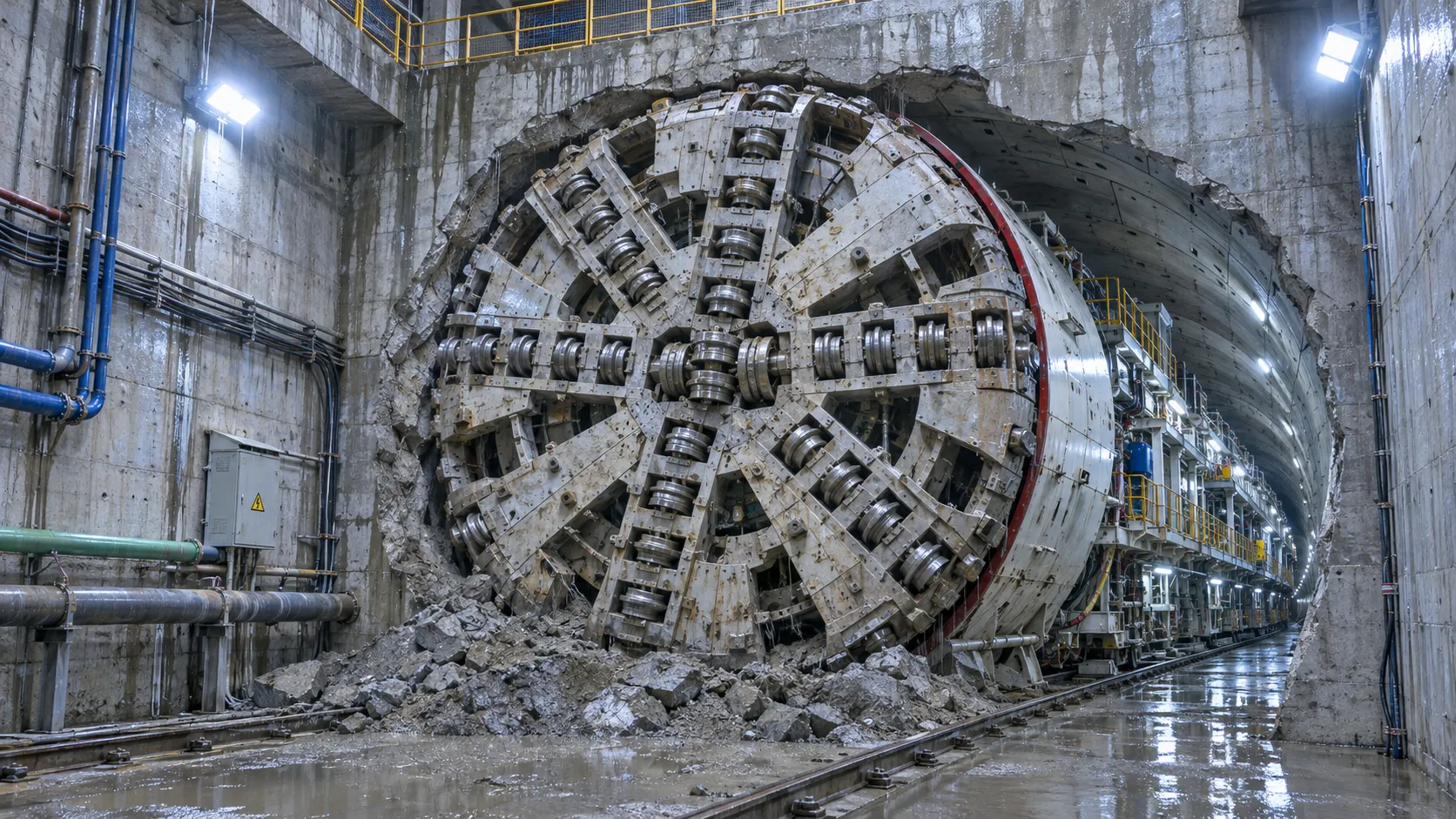
First Mechanized Tunnel Crossing Beneath the Panama Canal Completed
Panama Canal tunnel crossing: Explore the reported Metro Line 3 milestone and what it could mean for future underwater tunneling projects.
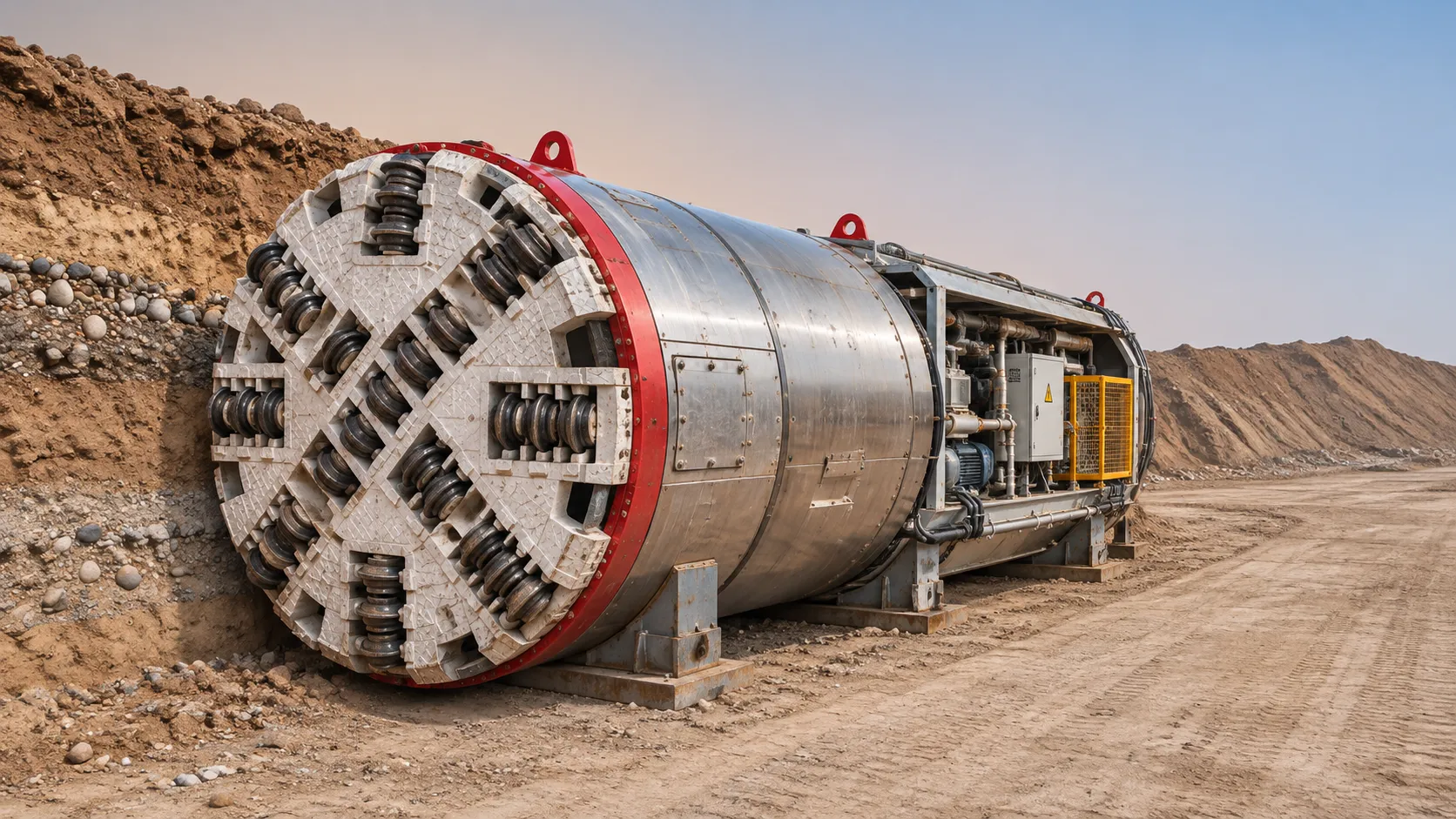
Underground Utility Construction Equipment: Choosing by Ground Conditions
Choose underground utility construction equipment with confidence. Compare trenching, HDD, microtunnelling and TBMs by ground conditions, risk and cost.
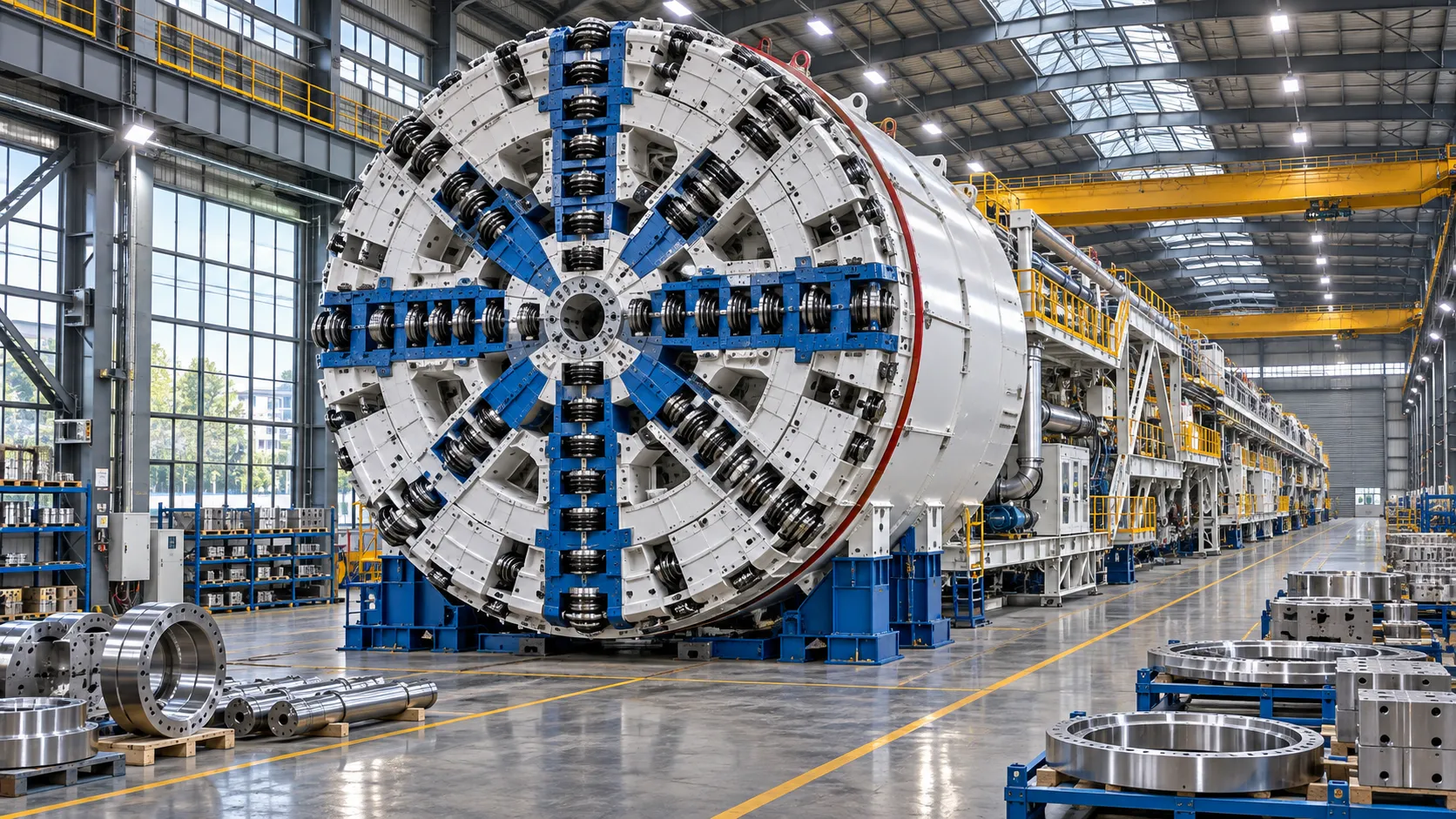
China Sets Tunnel Boring Machine Export Controls as India Pushes Local Production
China tunnel boring machine export controls could reshape procurement as India pushes local production. Explore potential supply and project impacts.
Choosing a Trenchless Pipeline Installation Contractor: Key Qualifications
Choose a trenchless pipeline installation contractor with confidence. Learn how to assess experience, equipment, safety, costs, and project risks before you hire.
China's 70% TBM Share and Export Controls Challenge India's Local Production
China's TBM export controls could challenge India's local production and infrastructure sourcing. Explore the potential risks and procurement options.
Related News
- 00
0000-00
How TBM Excavation Works in Rock and Soft Ground: A Practical Guide - 00
0000-00
Choosing a Zero-Emission Underground Equipment Supplier: What to Check - 00
0000-00
Construction Starts on Germany's Pfaffensteig Rail Tunnel, With Two TBMs Planned - 00
0000-00
How Real-Time Underground Mapping Systems Work in Tunneling - 00
0000-00
First Mechanized Tunnel Crossing Beneath the Panama Canal Completed
Weekly Insights
Stay ahead with our curated technology reports delivered every Monday.