
Australia Makes Energy Ratings a Bid Gate for Micro-tunnelling





On June 28, 2026, the Australian Mining Association (MAA) announced a procurement rule change that shifts energy efficiency from a technical preference to a pre-qualification requirement in state-funded municipal micro-tunnelling tenders. Starting in Q3 2026, bids tied to water, wastewater, and fiber projects will need to address the energy efficiency grade of Micro-tunnelling equipment under AS/NZS 5100.12:2026, making this a practical issue for equipment exporters, project bidders, testing partners, and procurement teams that serve the Australian market.
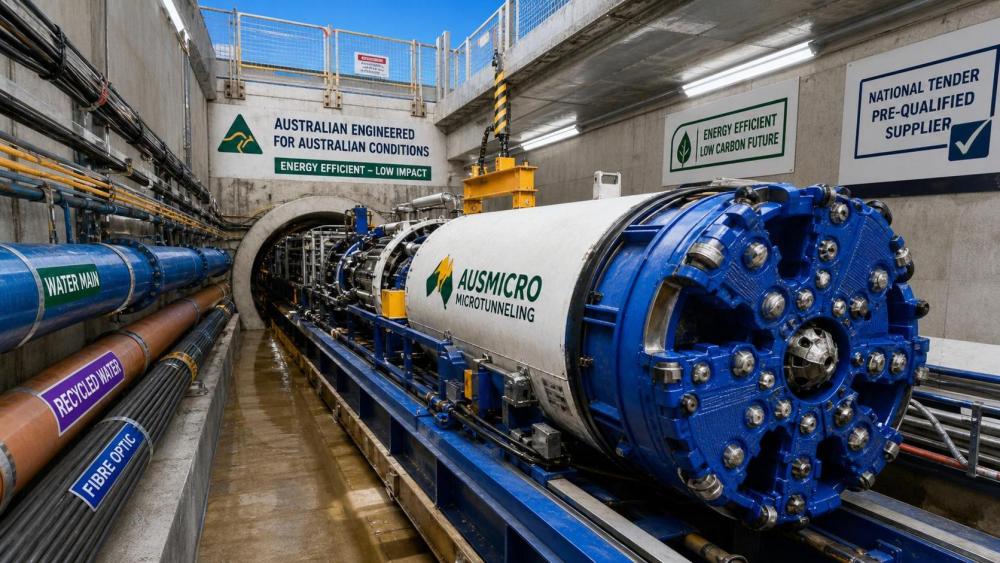
What the new tender requirement confirms
According to the information provided, MAA stated on June 28, 2026 that from Q3 2026 onward, all state government-funded municipal micro-tunnelling project tenders in Australia will treat the energy efficiency grade of Micro-tunnelling equipment as a mandatory pre-qualification item. The requirement applies to project categories including water supply, wastewater, and fiber infrastructure.
The applicable benchmark cited in the announcement is AS/NZS 5100.12:2026. For Chinese export companies, the provided information further states that complete-machine energy efficiency testing under cyclic operating conditions must be completed through a laboratory in Australia that is accredited by NATA.
Where the impact is likely to be felt first
For equipment exporters, market access now starts earlier
From an industry perspective, exporters of Micro-tunnelling equipment may be affected at the front end of business development rather than only at delivery. Because the energy efficiency grade is becoming a pre-qualification item, the issue is not simply whether a machine can be sold, but whether it can enter the tender review process at all. What deserves closer attention is the timing needed for testing, documentation, and tender matching.
For project bidders, qualification risk moves into procurement preparation
Contractors and bidding entities involved in state-funded municipal projects may see a more rigid screening step during tender preparation. Analysis shows that teams pursuing water, wastewater, or fiber micro-tunnelling work will need to verify whether the equipment proposed for bidding can satisfy the stated energy efficiency requirement before submission, rather than treating compliance as a later-stage technical clarification.
For testing and compliance service providers, documentation may become more central
Service providers that support certification, testing coordination, and tender documentation may see greater involvement in bid readiness. Observably, the requirement for Chinese exporters to use NATA-accredited Australian laboratories points to a more formal compliance path, which may affect scheduling, document completeness, and communication between manufacturers, local partners, and tender teams.
For public-sector buyers, technical screening is becoming more structured
On the buyer side, the confirmed change indicates that energy efficiency is being embedded into eligibility review for state-funded municipal micro-tunnelling projects. This matters because procurement teams and evaluation bodies may now use equipment energy grading as an initial filter, especially in the specified infrastructure segments covered by the announcement.
What companies should watch in the next stage
Track how tender language adopts the requirement
What deserves closer attention is how individual tenders in Q3 2026 and after describe the pre-qualification threshold in practice. The announcement establishes the rule direction, but companies should closely review how bid documents refer to energy efficiency grades, supporting materials, and the role of AS/NZS 5100.12:2026 in formal eligibility checks.
Check testing readiness against bid timelines
For Chinese exporters in particular, the stated requirement to use NATA-accredited Australian laboratories means testing readiness may become a scheduling issue as much as a technical one. Companies involved in export, bid support, or distributor coordination should pay attention to whether testing lead time and document issuance align with live tender deadlines.
Review complete-machine data and submission materials
Because the provided information refers to complete-machine cyclic operating condition energy efficiency testing, businesses should focus on whether their current technical files, product data, and bid materials can support that form of assessment. Analysis shows this is likely to matter most at the point where engineering claims have to be translated into tender-usable evidence.
Separate policy wording from operational execution
Observably, there is a difference between a rule being announced and companies being fully prepared for its operational use in bids. Procurement teams, exporters, and local market partners should therefore watch both the formal requirement and the practical issues around testing arrangements, supporting documents, and customer communication.
Why this looks like more than a one-off notice
Analysis shows that the announcement is better understood as a procurement-access signal than as a simple technical update. The immediate confirmed fact is narrow: energy efficiency grading is becoming a mandatory pre-qualification item for the specified Australian tenders. But from an industry perspective, the more important implication is that compliance evidence is moving closer to the beginning of the sales and bidding cycle. That does not yet establish broader market outcomes beyond the scope of the provided information, but it does indicate a shift in where competitive readiness will be assessed.
How the market may need to frame this change
At this stage, it is more appropriate to understand the MAA announcement as a concrete short-term bidding change with possible longer-term signaling value. The confirmed requirement already matters for companies tied to Australian state-funded municipal micro-tunnelling projects, especially where export equipment and tender qualification intersect. At the same time, the broader commercial effect still needs continued observation through actual tender implementation, testing workflows, and market response.
Basis of this article and points for continued verification
This article is based on the user-provided news title, event date, and event summary. For developments of this kind, commonly relevant source types may include official notices, industry association releases, company announcements, authoritative media reporting, and standard-setting documents. A specific official source link was not provided in the input, so the exact wording and any subsequent implementation details still require ongoing verification. Follow-up attention should focus on later tender documents, any clarifying statements around AS/NZS 5100.12:2026 application, and practical requirements related to NATA-accredited laboratory testing.
Related News
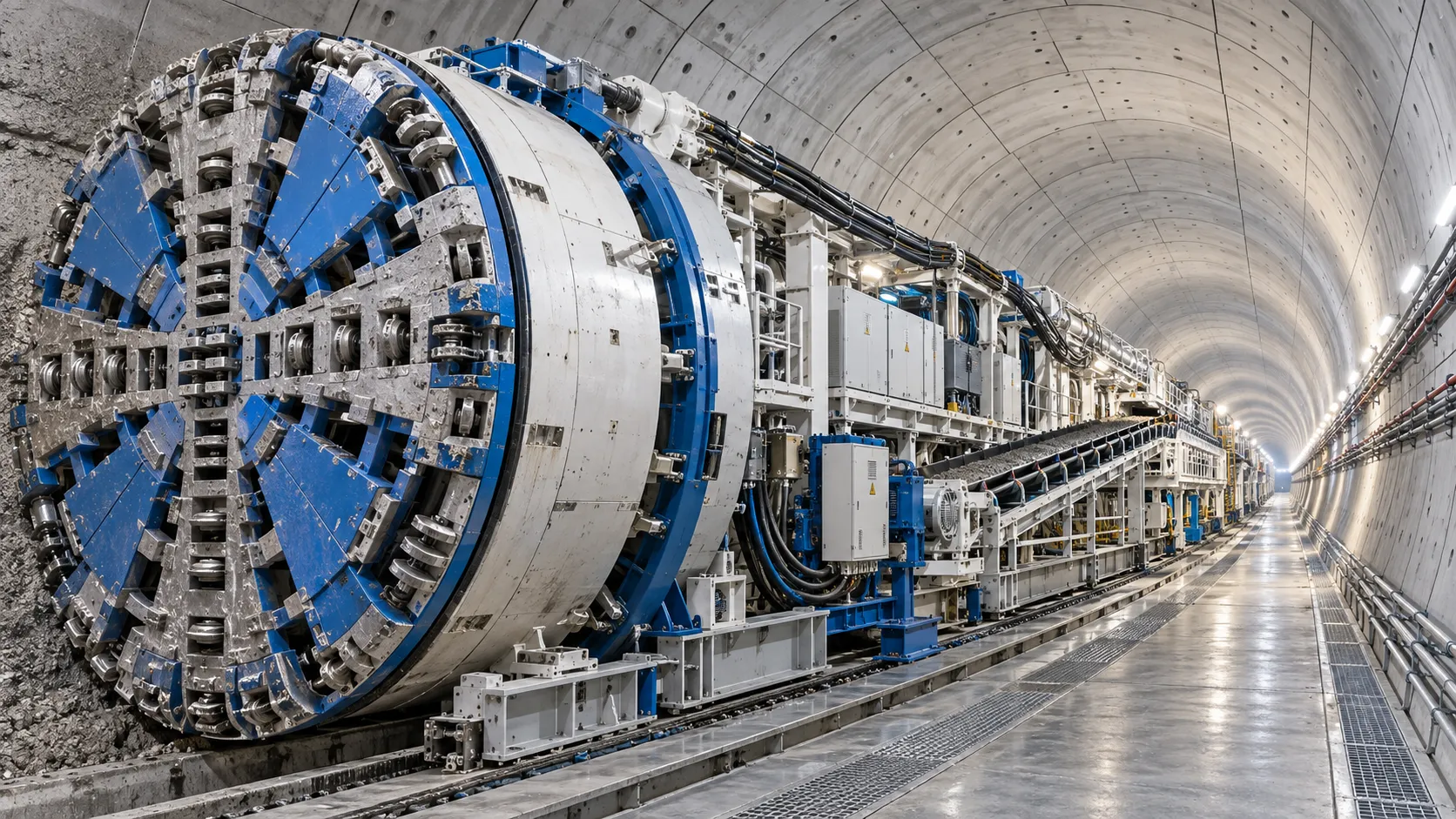
Tunnel Boring Machine Costs: Budgeting for Purchase, Operation, and Project Risk
Tunnel Boring Machines cost more than purchase price. Learn how to budget lifecycle costs, downtime, logistics, wear, and project risk for smarter TBM decisions.
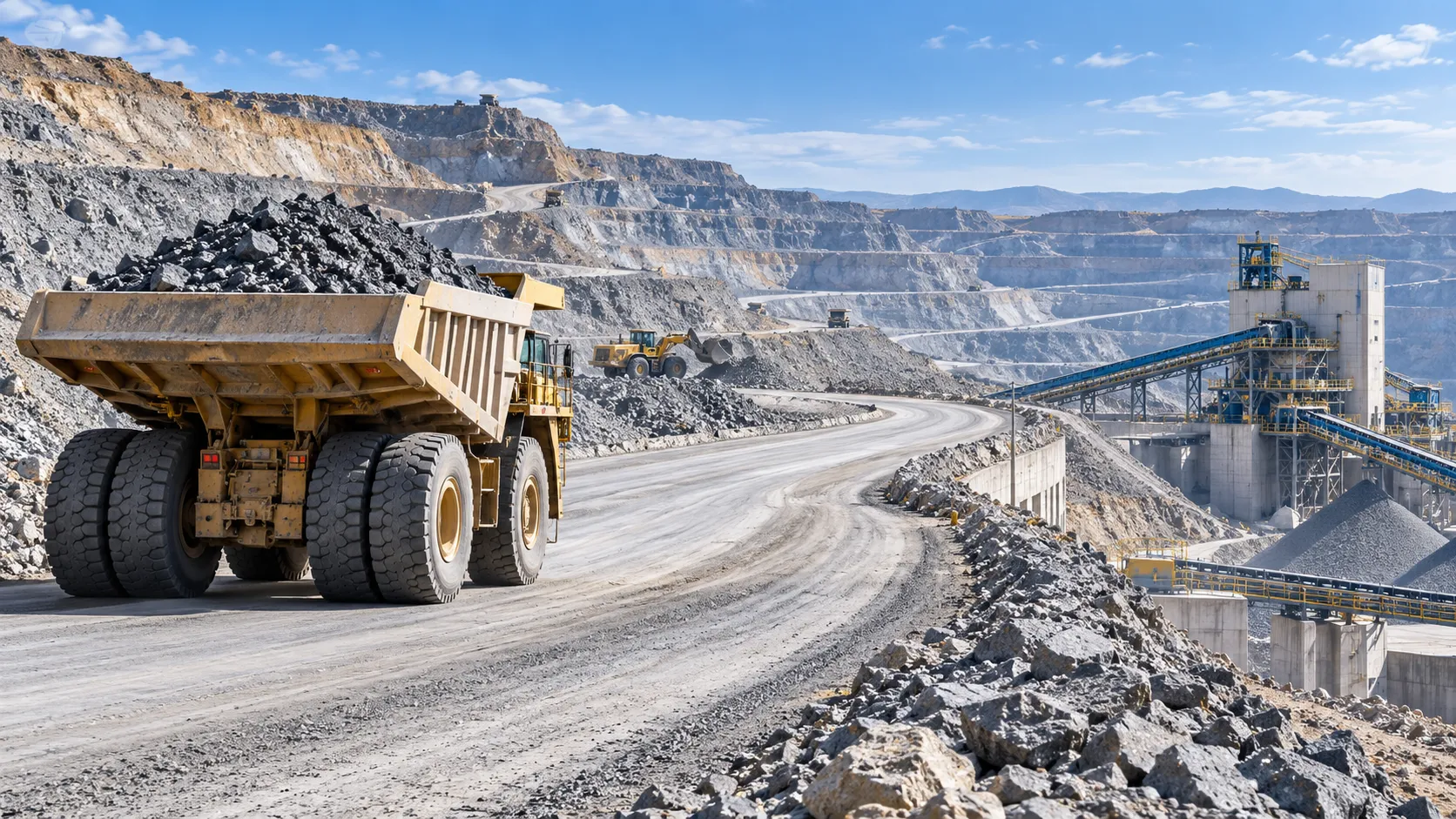
Open-Pit Haulage Cost Analysis: How Mine Managers Can Cut Cost per Tonne
Open pit haulage cost analysis: discover practical ways to reduce cost per tonne through payload control, cycle-time optimization, road performance, and smarter fleet decisions.
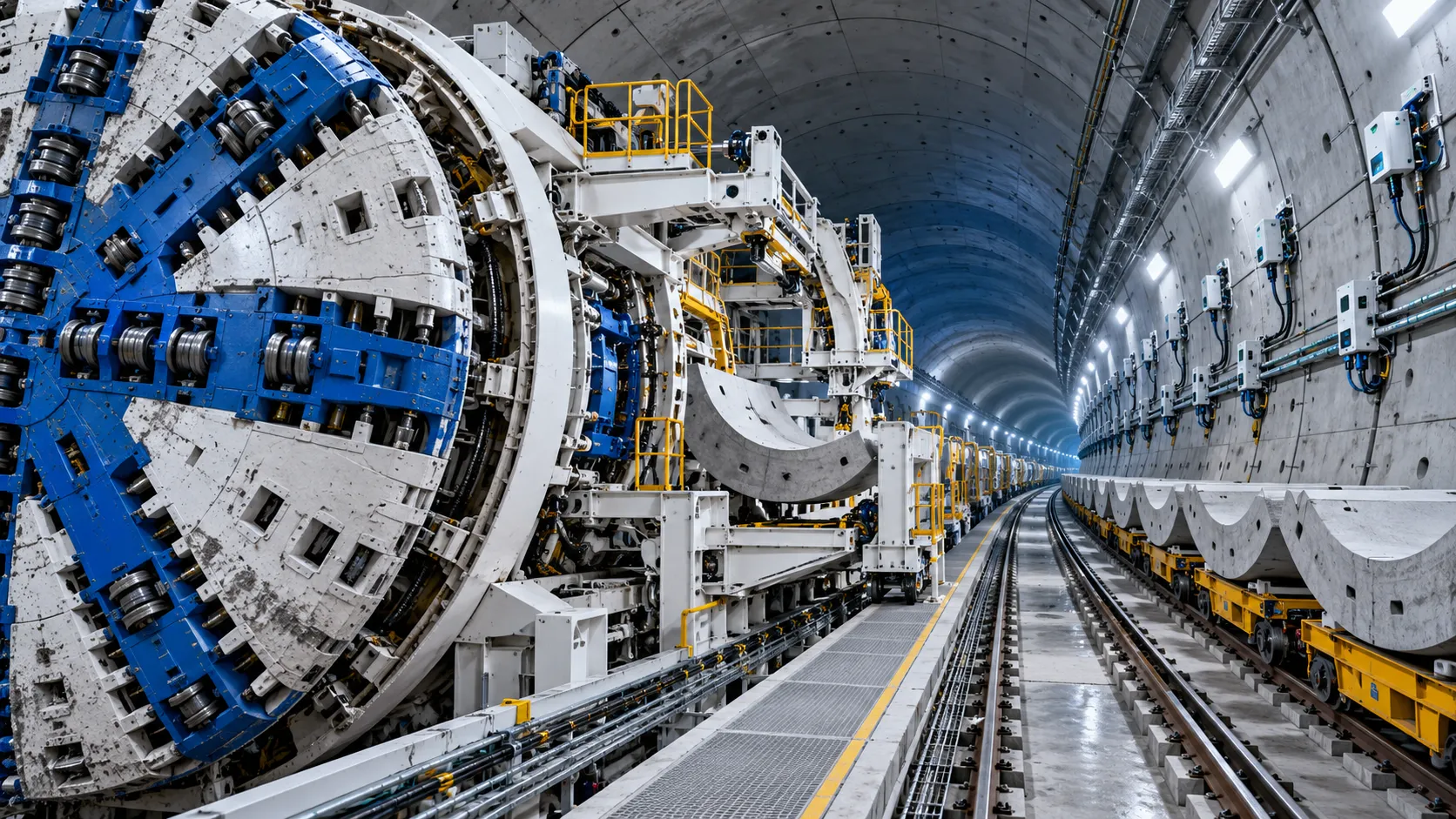
Tunnel Construction Innovations That Reduce Risk and Schedule Delays on Urban Projects
Tunnel construction innovation for urban projects: discover smarter TBMs, real-time monitoring, trenchless methods, and automation that reduce risk and protect schedules.
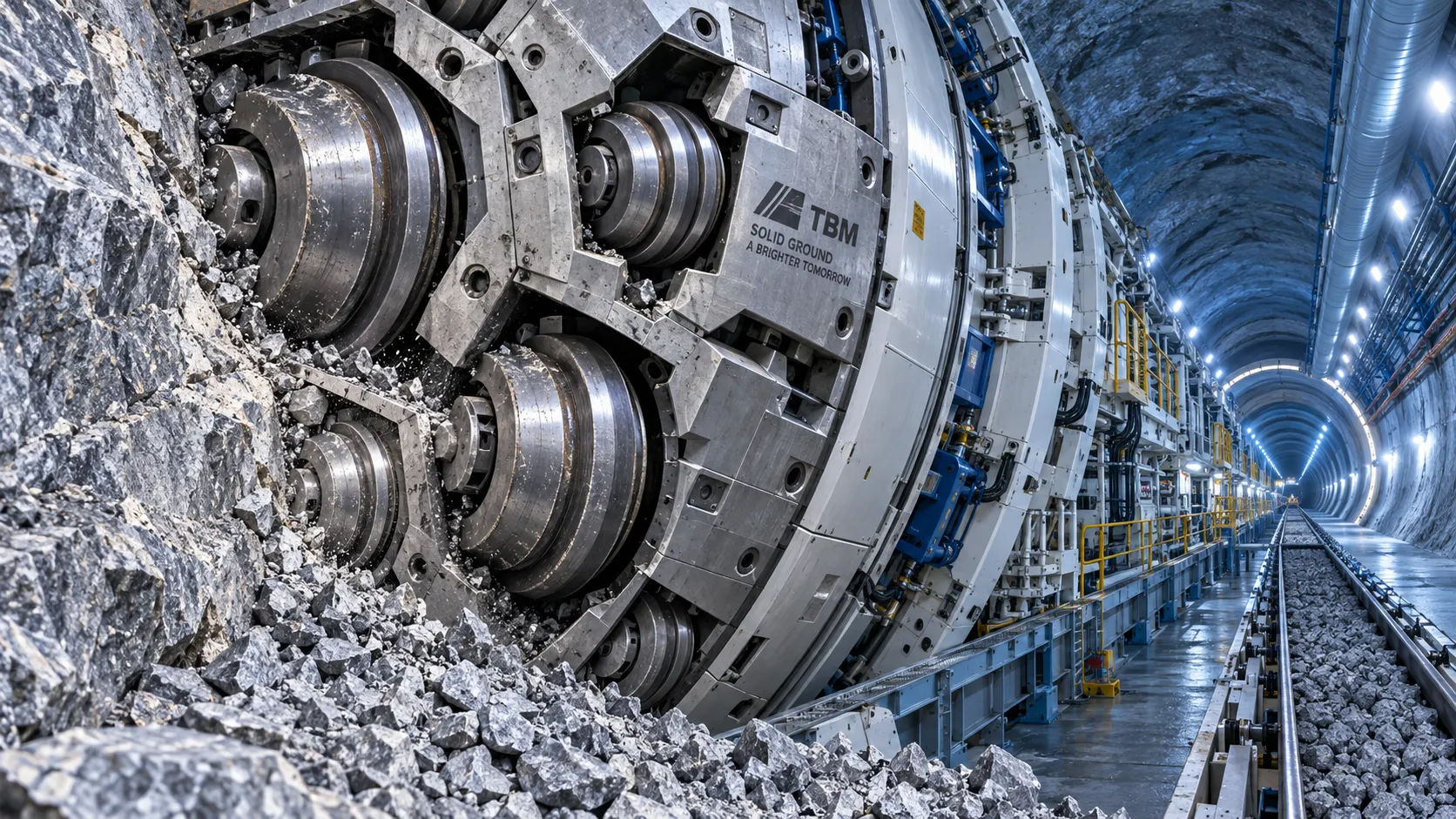
TBM Disc Cutter Design: Key Geometry and Load Factors for Hard Rock Tunnelling
TBM disc cutter design explained: explore geometry, spacing, load distribution and maintenance factors for reliable, efficient hard-rock tunnelling performance.
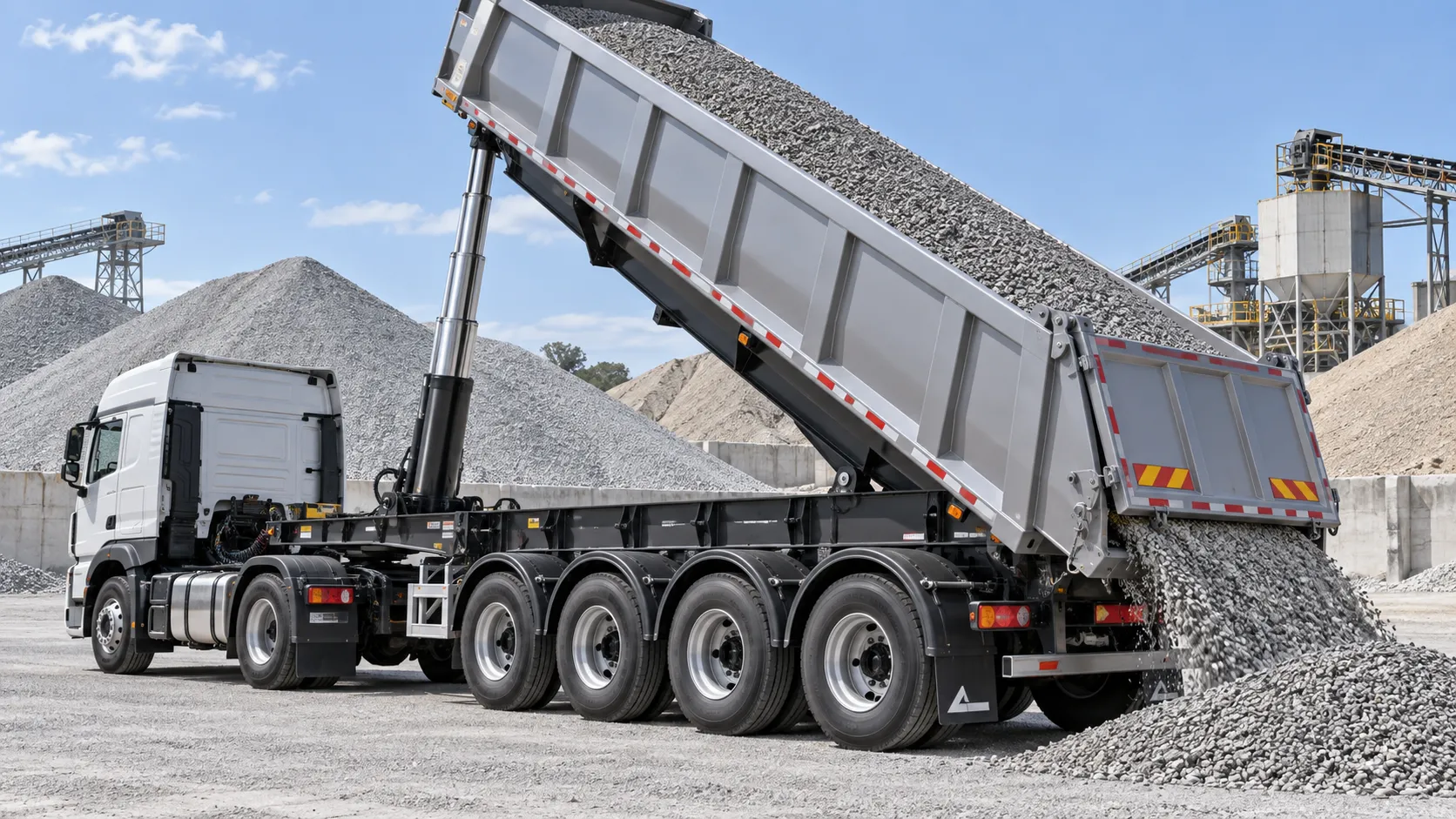
Hydraulic Tipping Stability Risks in Multi-Axle Dump Special Trailers
Dump special trailers: discover key hydraulic tipping stability risks, multi-axle load dynamics, and practical safety controls for safer, smarter bulk hauling.
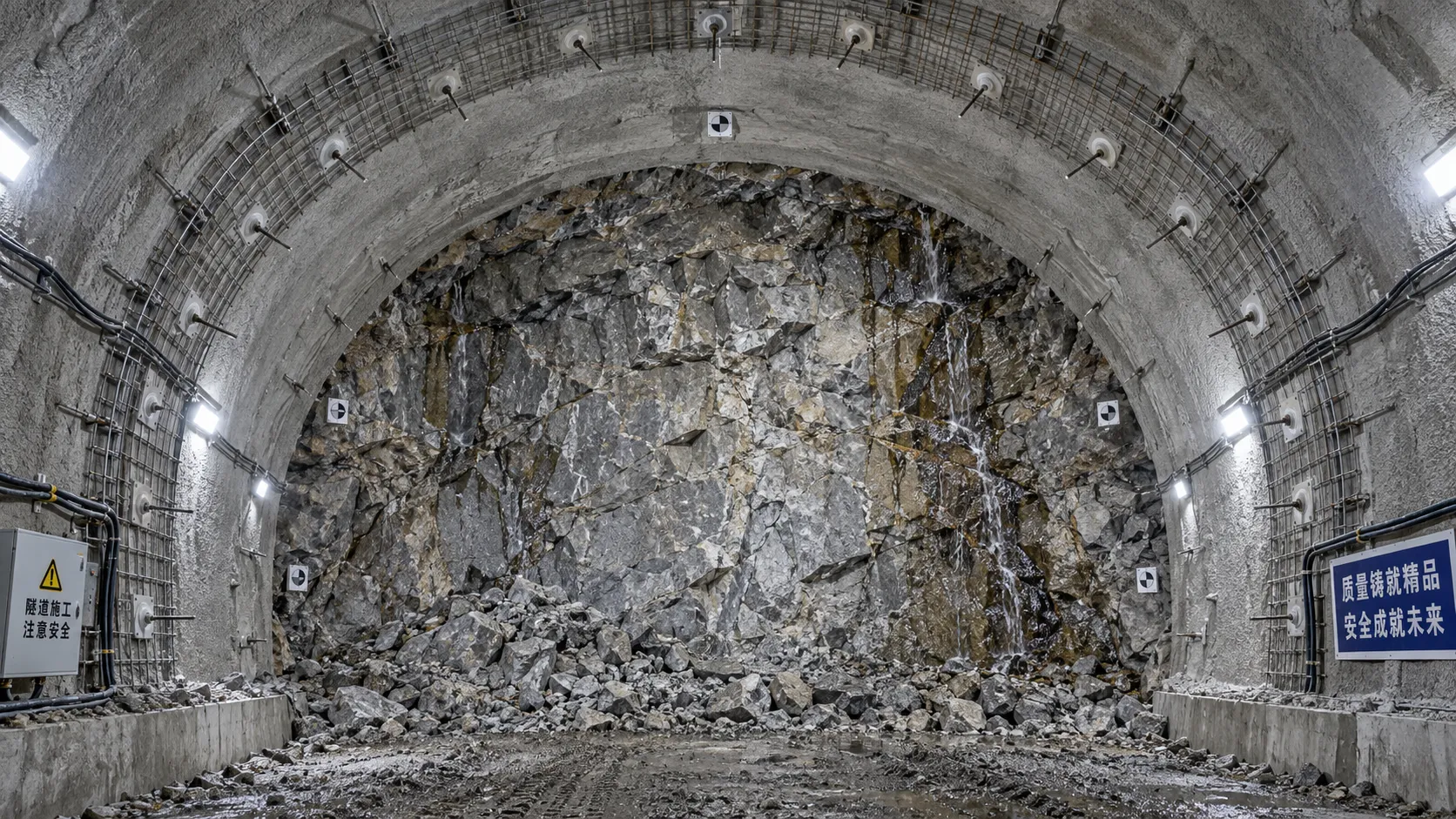
When rock reinforcement in tunnel construction must change after blasting
Rock reinforcement in tunnel construction must change when blasting reveals overbreak, weak joints, water inflow, or deformation. Discover key post-blast support decisions.
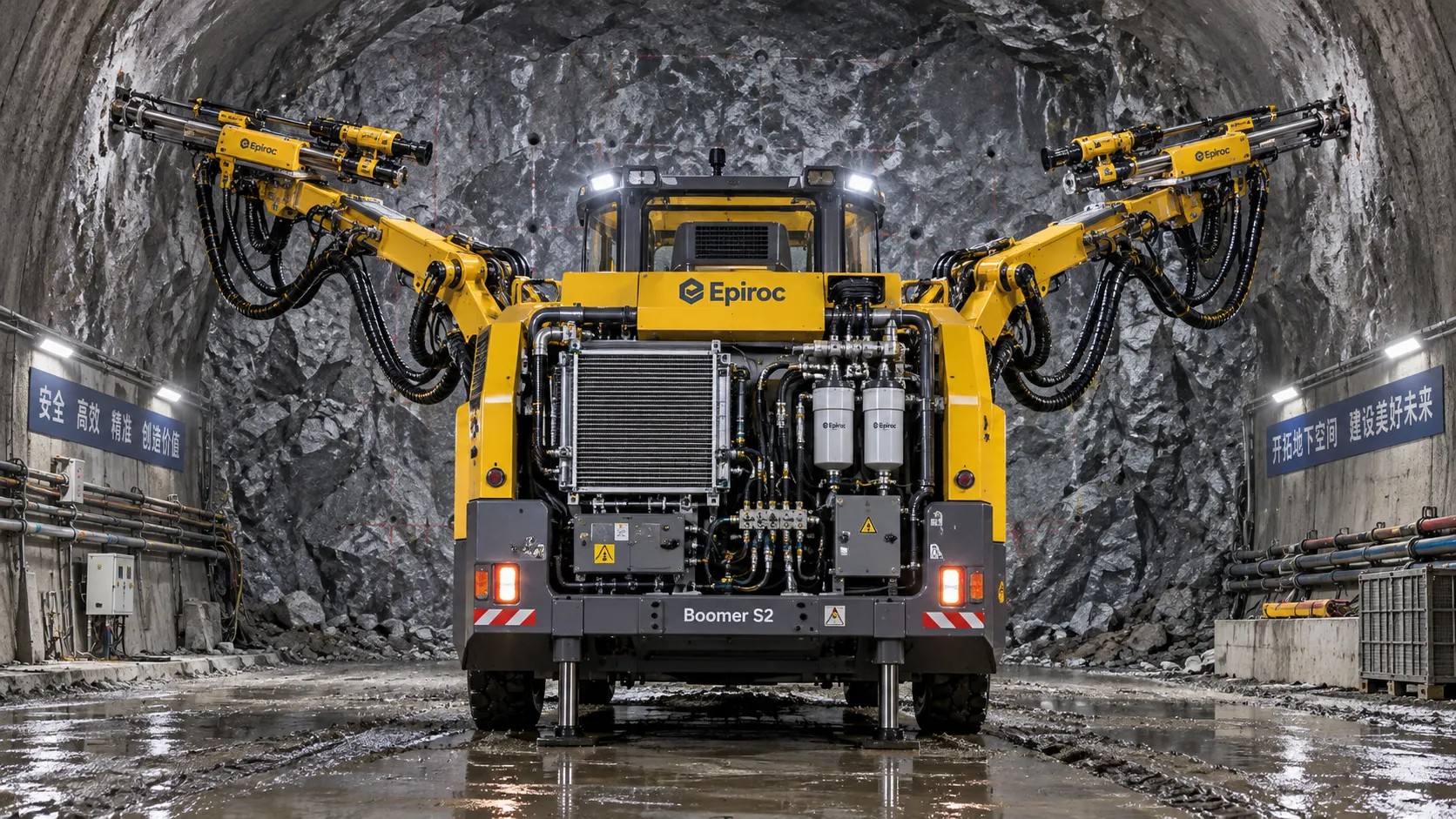
How tunnel hydraulic systems influence drill jumbo uptime underground
Tunnel hydraulic systems directly influence drill jumbo uptime. Explore how stable pressure, clean oil, cooling, and maintainable design reduce underground downtime.
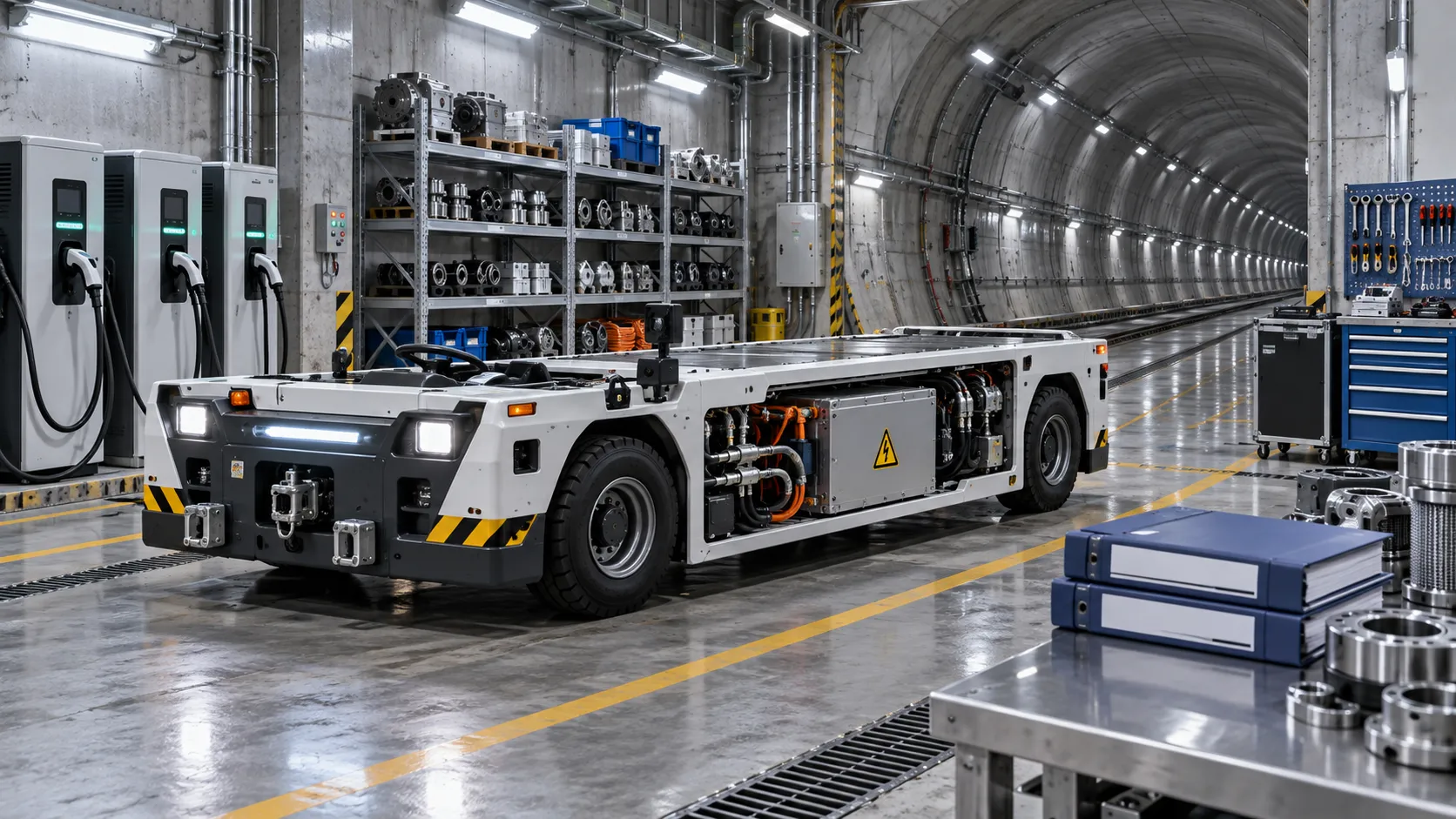
What to verify before appointing a tunneling vehicles manufacturer
Choosing a tunneling vehicles manufacturer? Verify application fit, reliability, compliance, parts support, training, and channel terms before appointing a partner.
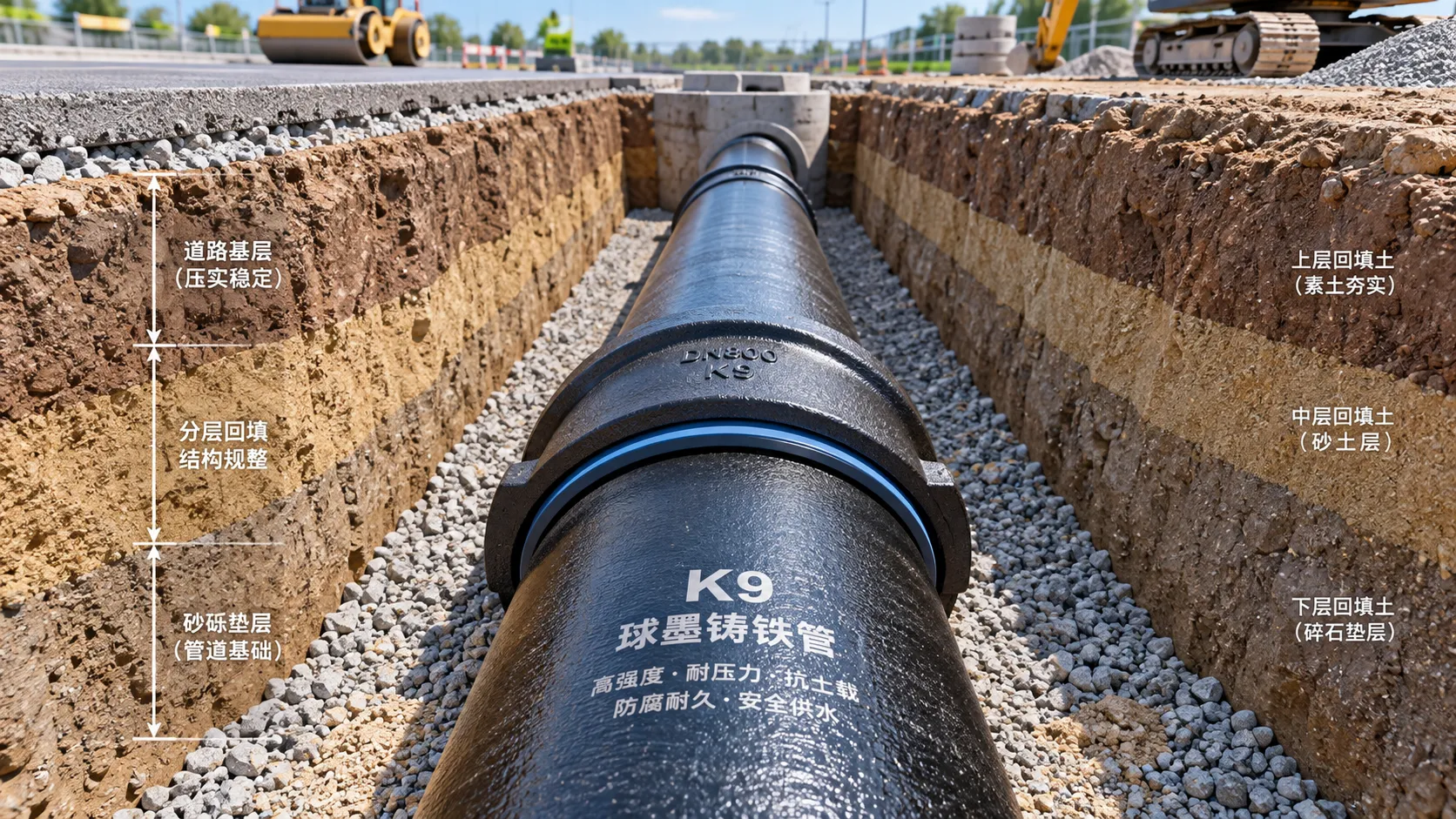
Selecting K9 Ductile Iron Pipe for Buried Water Pipeline Conditions
K9 ductile iron pipe selection for buried water pipelines: compare pressure duty, joints, soil loads, corrosion protection, and installation controls for reliable long-term performance.
Related News
- 00
0000-00
Tunnel Boring Machine Costs: Budgeting for Purchase, Operation, and Project Risk - 00
0000-00
Open-Pit Haulage Cost Analysis: How Mine Managers Can Cut Cost per Tonne - 00
0000-00
Tunnel Construction Innovations That Reduce Risk and Schedule Delays on Urban Projects - 00
0000-00
TBM Disc Cutter Design: Key Geometry and Load Factors for Hard Rock Tunnelling - 00
0000-00
Hydraulic Tipping Stability Risks in Multi-Axle Dump Special Trailers
Weekly Insights
Stay ahead with our curated technology reports delivered every Monday.