
Microtunneling Contractors: What to Compare Before Bidding a Utility Crossing Project





Microtunneling Contractors: What to Compare Before Bidding a Utility Crossing Project
Choosing among microtunneling contractors requires more than comparing bid prices.
For a utility crossing project, the real gap often appears after the contract is signed.
One team may promise a low number, yet struggle with mixed ground, line control, or shaft logistics.
Another may price higher, but deliver steadier progress, fewer claims, and less disruption to the owner.
That is why comparing microtunneling contractors should be a risk review, not just a bid comparison.
The best decision usually comes from checking technical fit, project controls, safety history, and total delivery confidence together.
Start With Technical Fit, Not Price
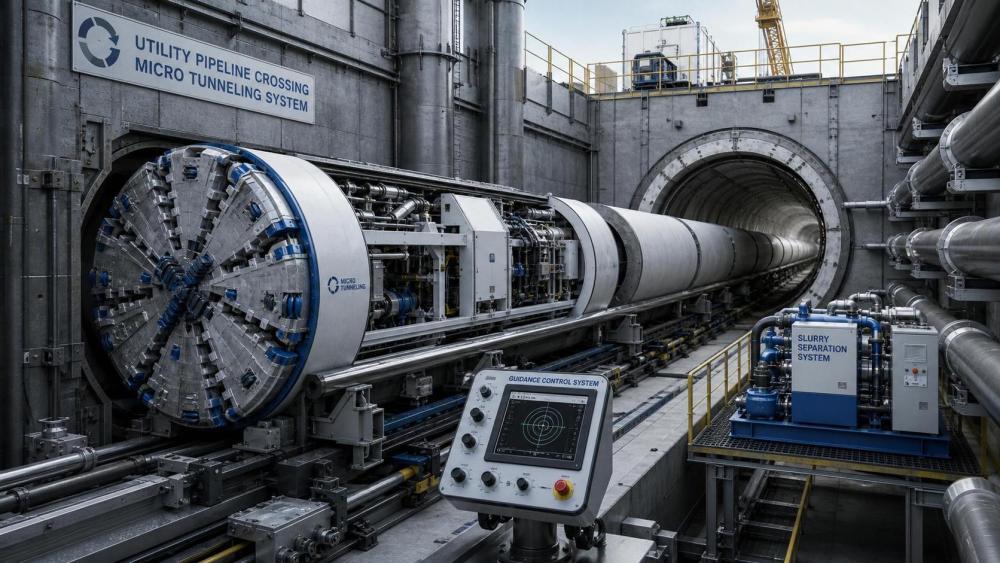
The first screen for microtunneling contractors is technical suitability for the actual crossing conditions.
A contractor can be experienced, but still be wrong for a specific alignment.
Review whether the proposed microtunneling system matches pipe diameter, drive length, groundwater pressure, and expected geology.
Pay close attention to mixed-face conditions, cobbles, boulders, abrasive soils, and zones with settlement sensitivity.
These factors often separate capable microtunneling contractors from those relying on generic trenchless experience.
Questions worth asking early
- What machine type is proposed, and why is it suitable for the ground model?
- Has the team completed similar drives in similar geology and groundwater conditions?
- What guidance accuracy can they demonstrate on comparable crossings?
- How will they manage lubrication, spoil separation, and jacking loads?
- What contingency plan exists if actual ground differs from the baseline?
From a procurement view, this is where weak proposals begin to show their limits.
Compare Relevant Experience, Not Just Years in Business
Many microtunneling contractors promote total years in operation or total installed footage.
That information matters, but it is not enough for a utility crossing decision.
The better comparison is relevance.
Look for projects with similar diameter, similar drive length, similar environmental constraints, and similar third-party interface complexity.
A rail crossing, highway crossing, river crossing, and dense urban crossing each create different execution pressures.
The stronger microtunneling contractors can show case histories where those pressures were managed successfully.
What to request in past project evidence
- Ground profile and water conditions
- Installed pipe material and diameter
- Drive length and achieved tolerance
- Unplanned stoppages and recovery methods
- Settlement monitoring results and community impact records
This level of detail gives a more reliable picture than polished reference lists.
Look Closely at Risk Control and Ground Response Planning
Ground uncertainty is one of the biggest reasons utility crossing projects drift off budget or schedule.
That makes risk planning a core comparison point among microtunneling contractors.
The strongest teams do not hide uncertainty.
They identify likely failure modes and show how they would respond before those issues become claims.
In practice, that includes face pressure control, settlement response thresholds, shaft stability checks, and spare critical components.
It also includes a realistic view of what happens if the machine meets obstruction, inflow, or excessive torque.
Signs of a mature risk approach
- A clear risk register tied to the actual alignment.
- Defined trigger levels for settlement, pressure loss, and production instability.
- Escalation paths with named decision makers.
- Recovery methods that have been used before, not just suggested in theory.
This also means fewer surprises for owners, engineers, and nearby stakeholders.
Assess Schedule Certainty and Resourcing Depth
A competitive bid can still become expensive if the crossing misses a possession window or service deadline.
That is why schedule confidence deserves the same attention as price and equipment.
Ask microtunneling contractors how they build the sequence from shafts to drive completion to final connection works.
Check crew availability, shift strategy, specialist subcontractor dependencies, and maintenance support for the proposed machine spread.
A thinly resourced contractor may still win the bid, but struggle when the first disruption appears.
More importantly, schedule risk often sits in support systems rather than the microtunneling drive itself.
Review these schedule drivers
- Permits, access restrictions, and utility coordination
- Shaft construction readiness
- Spoil handling and disposal capacity
- Slurry plant performance and backup arrangements
- Pipe supply chain and jacking pipe quality control
When microtunneling contractors can explain these links clearly, schedule promises become more credible.
Safety Performance Should Be Read Beyond Incident Rates
Safety records matter, but headline metrics alone do not tell the whole story.
For microtunneling contractors, the more useful question is how safety is managed in confined, pressurized, and logistics-heavy environments.
Look at training routines, permit systems, lifting plans, shaft access controls, and emergency response arrangements.
A mature contractor can describe leading indicators, not only past accident counts.
That includes near-miss reporting, audit closure rates, toolbox discipline, and supervisor presence during critical activities.
This is especially important on crossings near roads, railways, or sensitive public infrastructure.
Compare Commercial Value Across the Full Project Lifecycle
A low bid may look efficient in procurement, but become expensive after variations, delays, and remedial works.
That is why microtunneling contractors should be compared on lifecycle value, not bid total alone.
Check what is included in temporary works, monitoring, testing, dewatering support, and post-drive closeout.
Review exclusions carefully.
Some bids appear lean because risks are pushed back to the owner through assumptions that may not hold in the field.
More experienced microtunneling contractors usually state their assumptions openly, which supports cleaner commercial alignment.
A practical comparison table
Use a Structured Shortlist Before Final Award
In real procurement work, decisions improve when comparisons are scored in a consistent framework.
That prevents one impressive presentation or one low price from distorting the full picture.
A practical shortlist for microtunneling contractors should combine technical, operational, safety, and commercial criteria.
Weight the factors according to the crossing consequences.
For example, an urban rail crossing may deserve heavier weighting on settlement control and schedule certainty.
A long outfall crossing may place more weight on drive length capability and intermediate jacking strategy.
A simple decision framework
- Confirm technical compliance and remove weak-fit bids.
- Score comparable project experience.
- Test risk responses through clarification meetings.
- Review schedule logic and crew availability.
- Normalize commercial assumptions before final comparison.
This process makes it easier to identify which microtunneling contractors are genuinely prepared for the crossing.
It also creates a stronger audit trail for internal approval and post-award governance.
Before bidding a utility crossing project, compare microtunneling contractors on the issues that shape outcomes underground: technical fit, proven relevance, risk control, schedule resilience, safety discipline, and lifecycle value. That approach usually leads to better delivery, fewer disputes, and a more defensible investment decision.
Related News
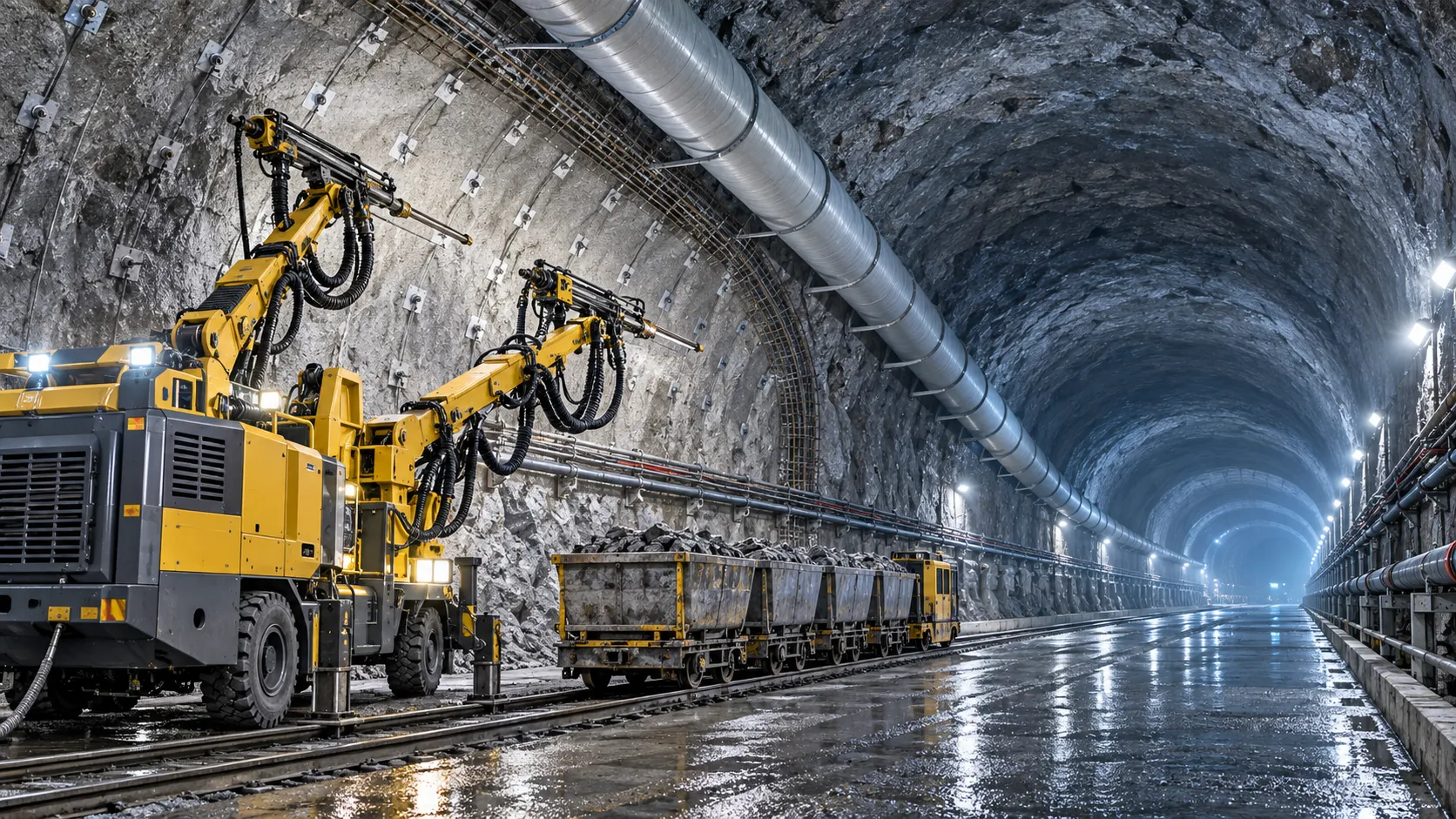
How to Evaluate European Drill-and-Blast Tunnelling Contractors for Complex Projects
Drill and blast tunnelling contractors Europe: learn how to assess geology expertise, blast control, equipment reliability, safety, and programme resilience for complex projects.
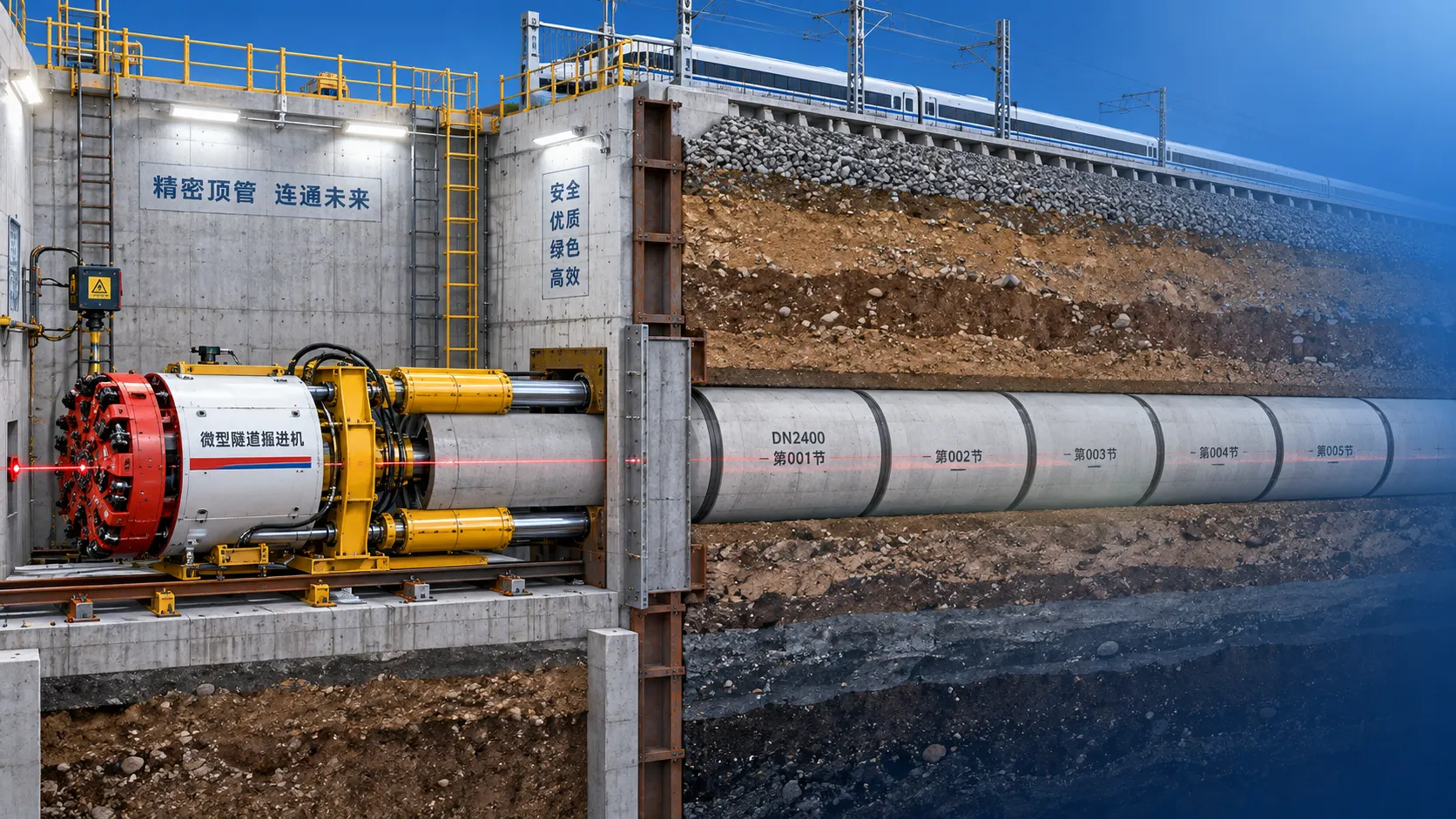
Which Trenchless Construction Technique Fits Your Utility Crossing Conditions?
Trenchless construction techniques compared for utility crossings: choose HDD, microtunnelling, pipe jacking, or auger boring based on ground, accuracy, access, and risk.
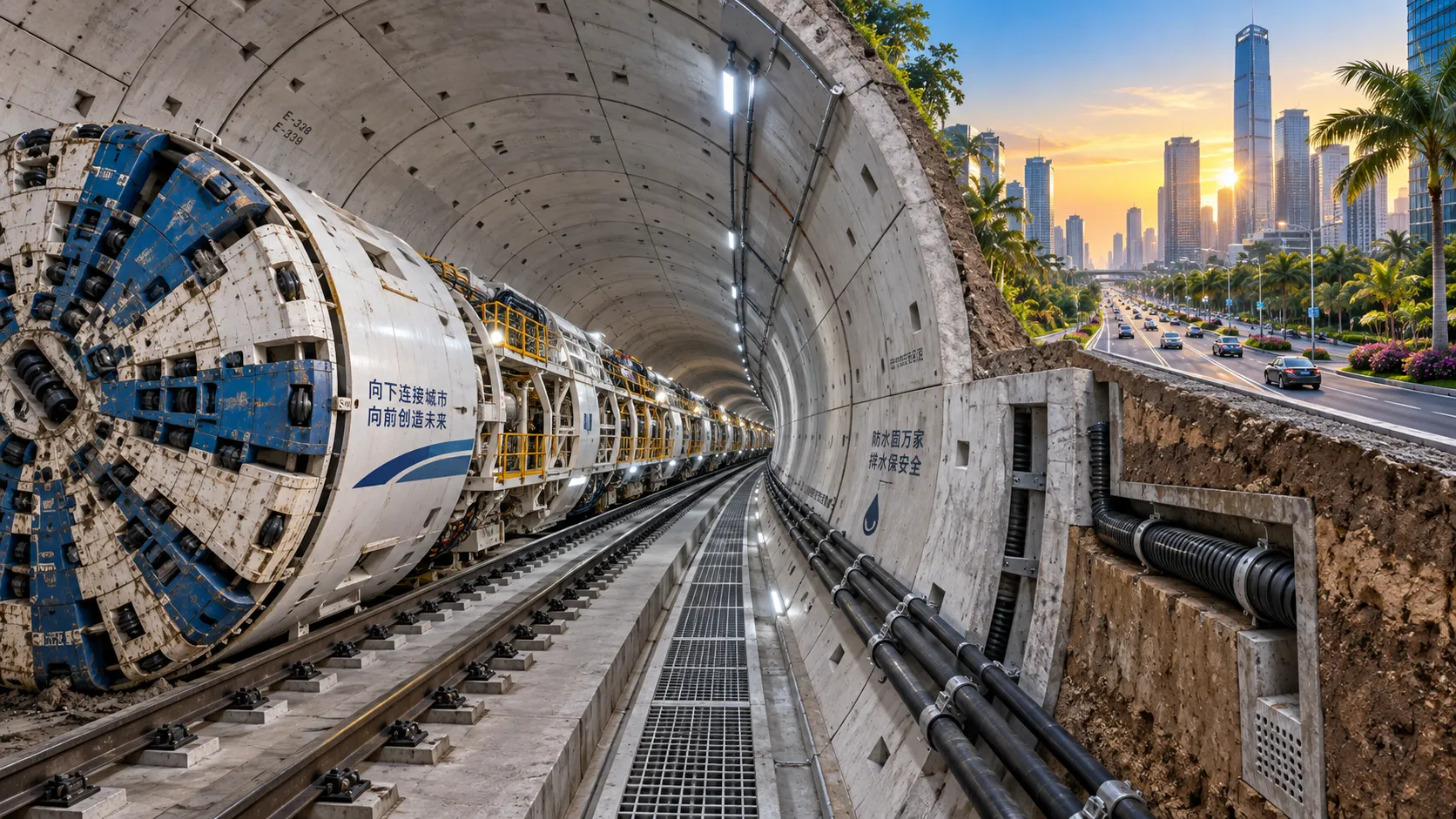
What Is Driving Metro Tunnelling Demand Across Southeast Asia’s Major Cities?
Metro tunnelling Southeast Asia is accelerating as major cities tackle congestion, flooding, and connectivity. Explore the market forces, technical risks, and opportunities shaping demand.
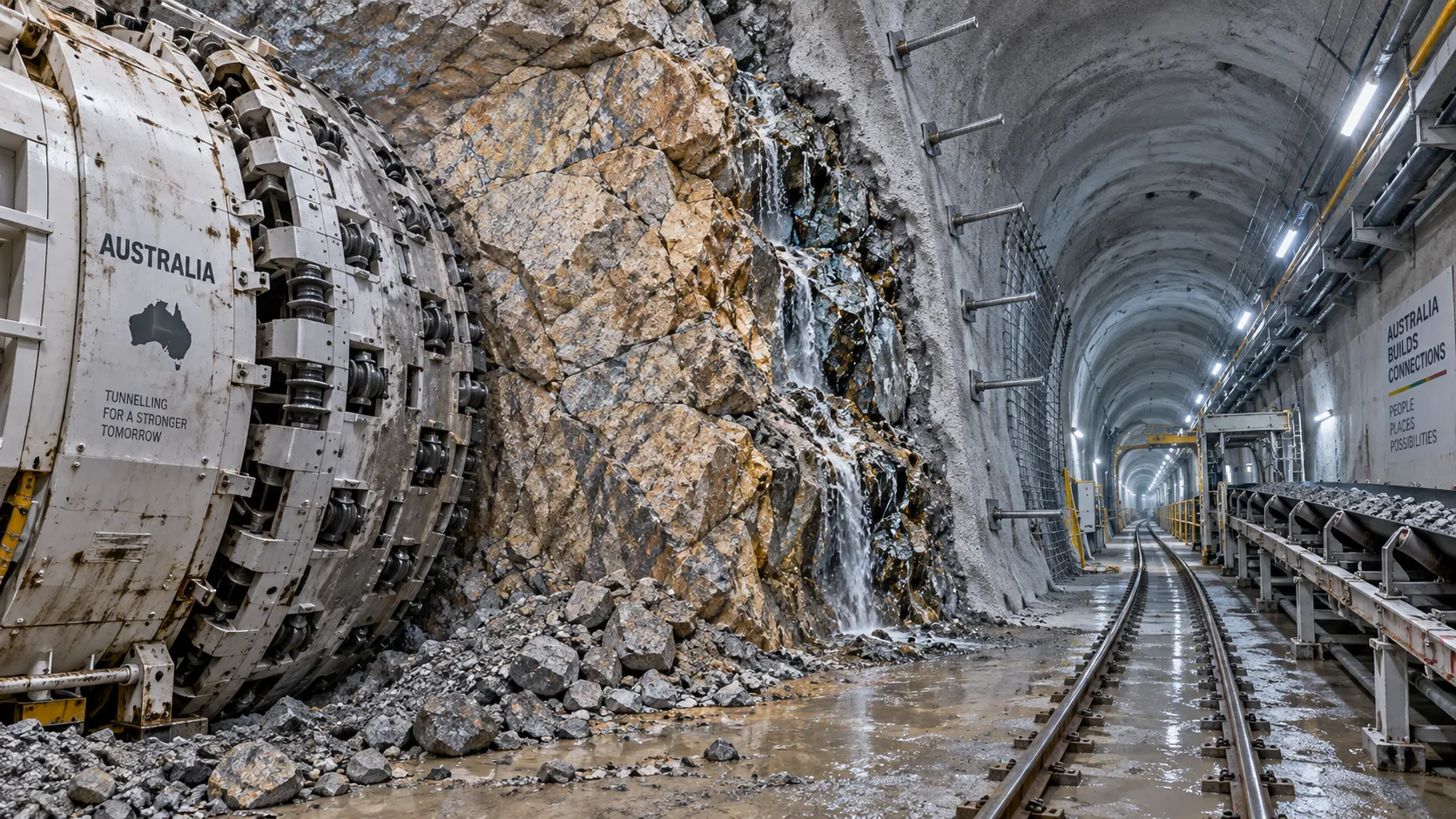
Hard Rock Tunnelling in Australia: Selecting Methods for Variable Ground Conditions
Hard rock tunnelling in Australia: compare TBM, drill-and-blast and hybrid methods to manage variable ground, reduce risk and protect project costs.
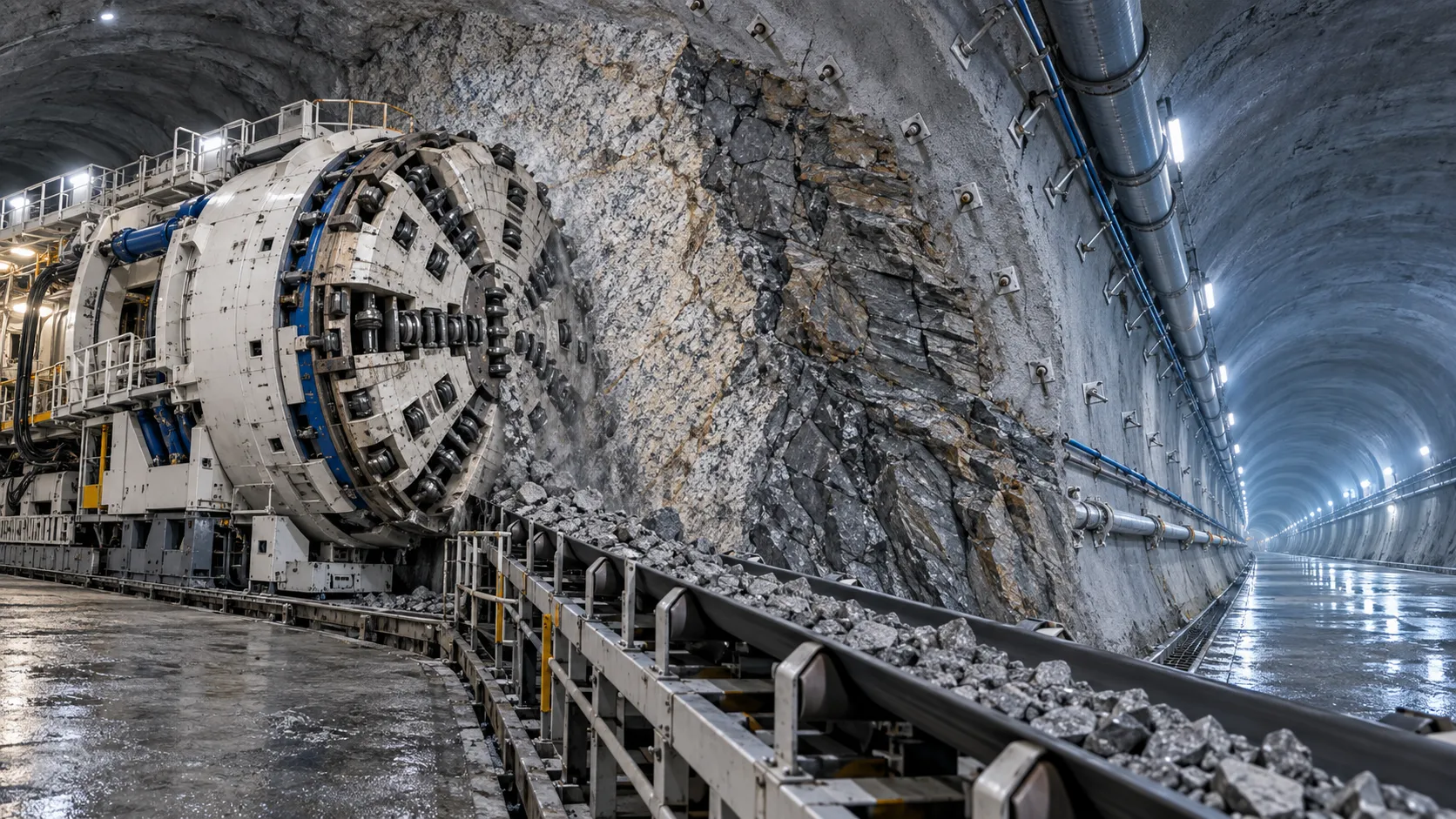
Hydropower Tunnel Excavation: Selecting Methods for Variable Rock Conditions
Hydropower tunnel excavation methods for variable rock conditions: compare TBM, drill-and-blast, and hybrid strategies to improve safety, progress, and project control.
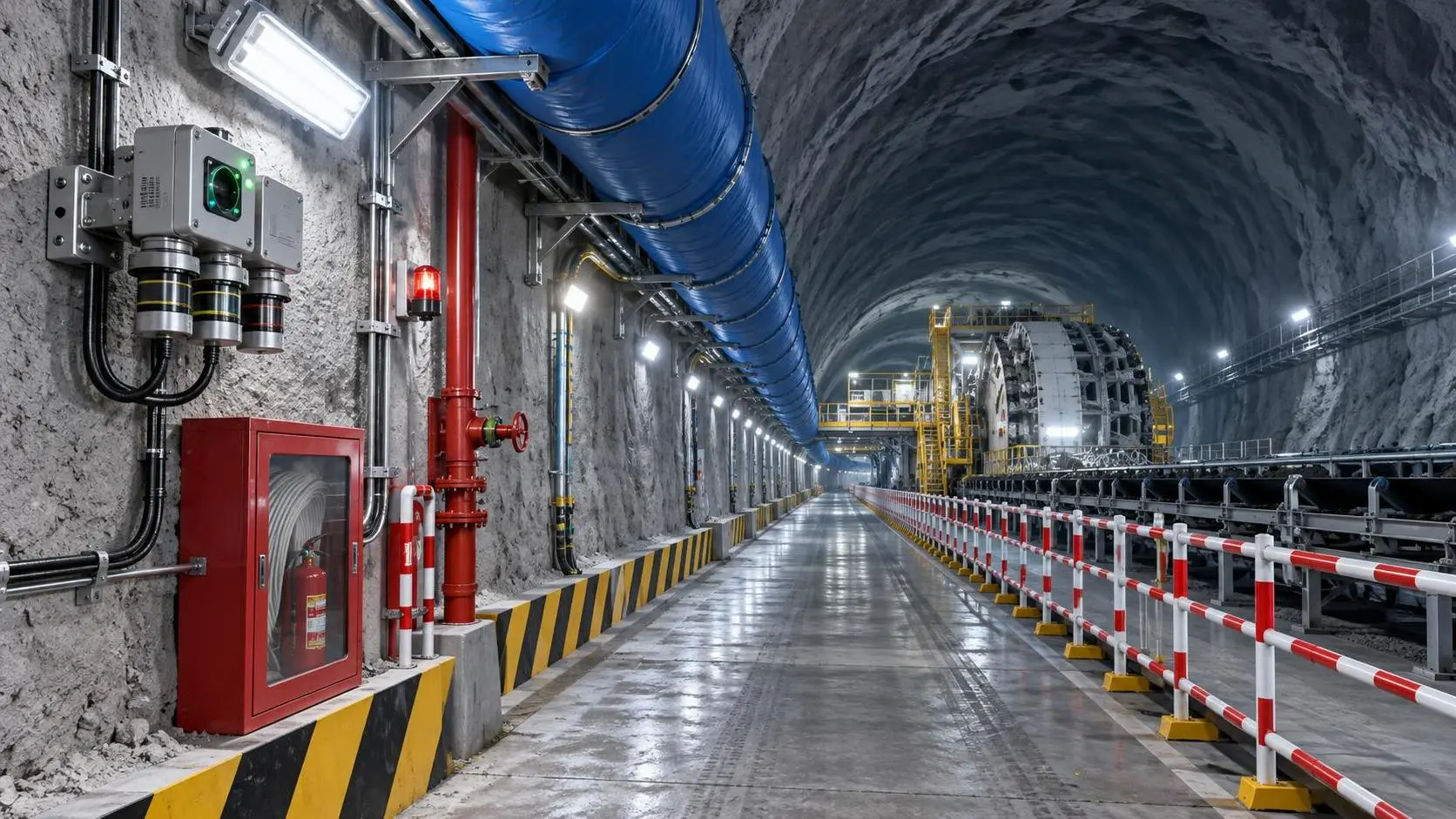
How to Select Underground Safety Equipment for Tunnelling by Hazard and Work Zone
Underground Safety Equipment for tunnelling: match protection to hazards, work zones, compliance, and emergency needs with this practical selection guide.
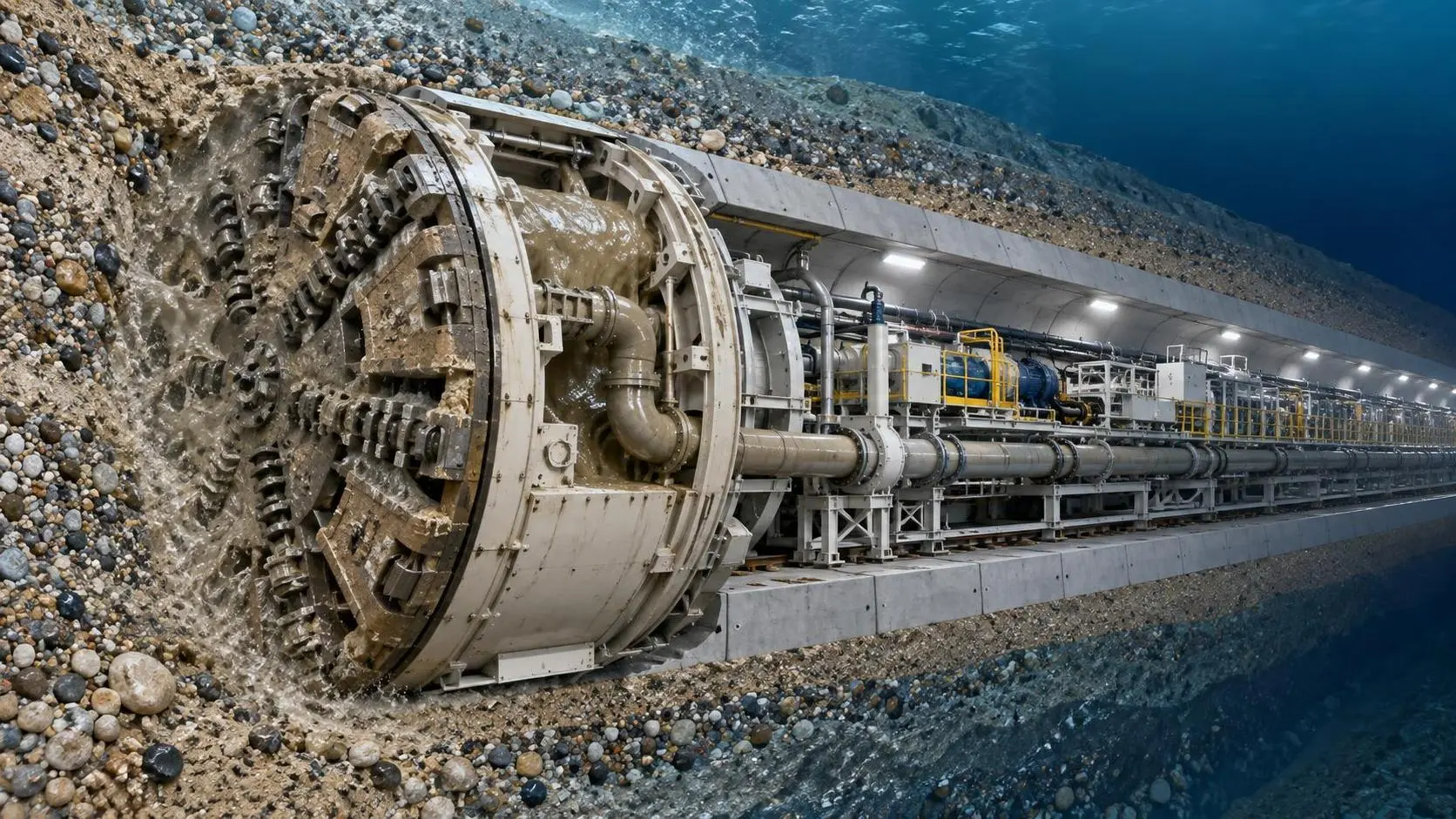
EPB or Slurry Shield? Selecting Soft-Ground Tunnelling Equipment by Soil Conditions
Tunnel Excavation Equipment for soft ground: compare EPB and slurry shields by soil, groundwater, settlement risk, and project logistics to choose confidently.
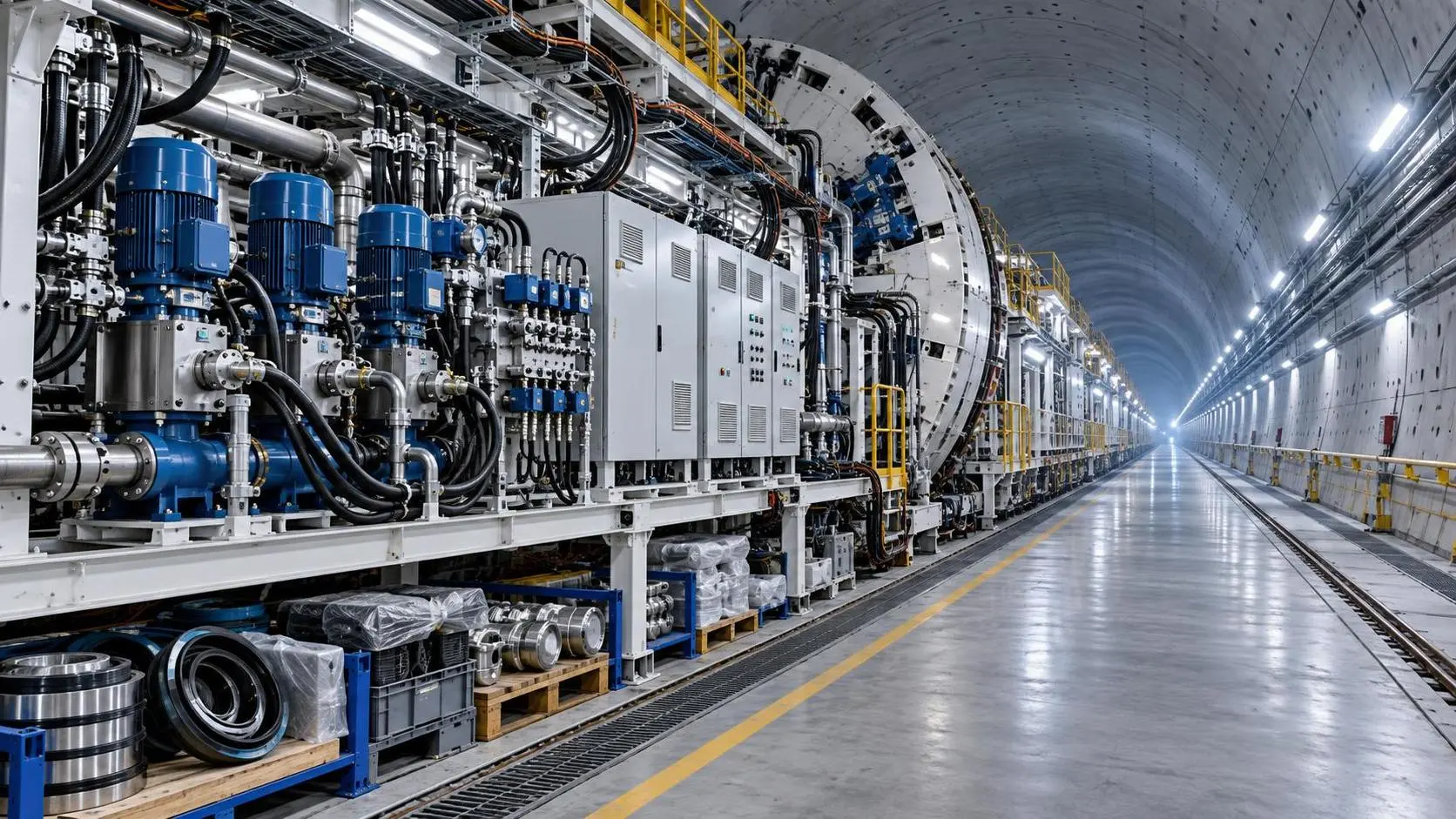
How to Specify TBM Backup System Parts for Reliable Long-Distance Tunnelling
TBM backup system parts: learn how to specify reliable spares for long-distance tunnelling, reduce downtime, ensure compatibility, and speed underground recovery.
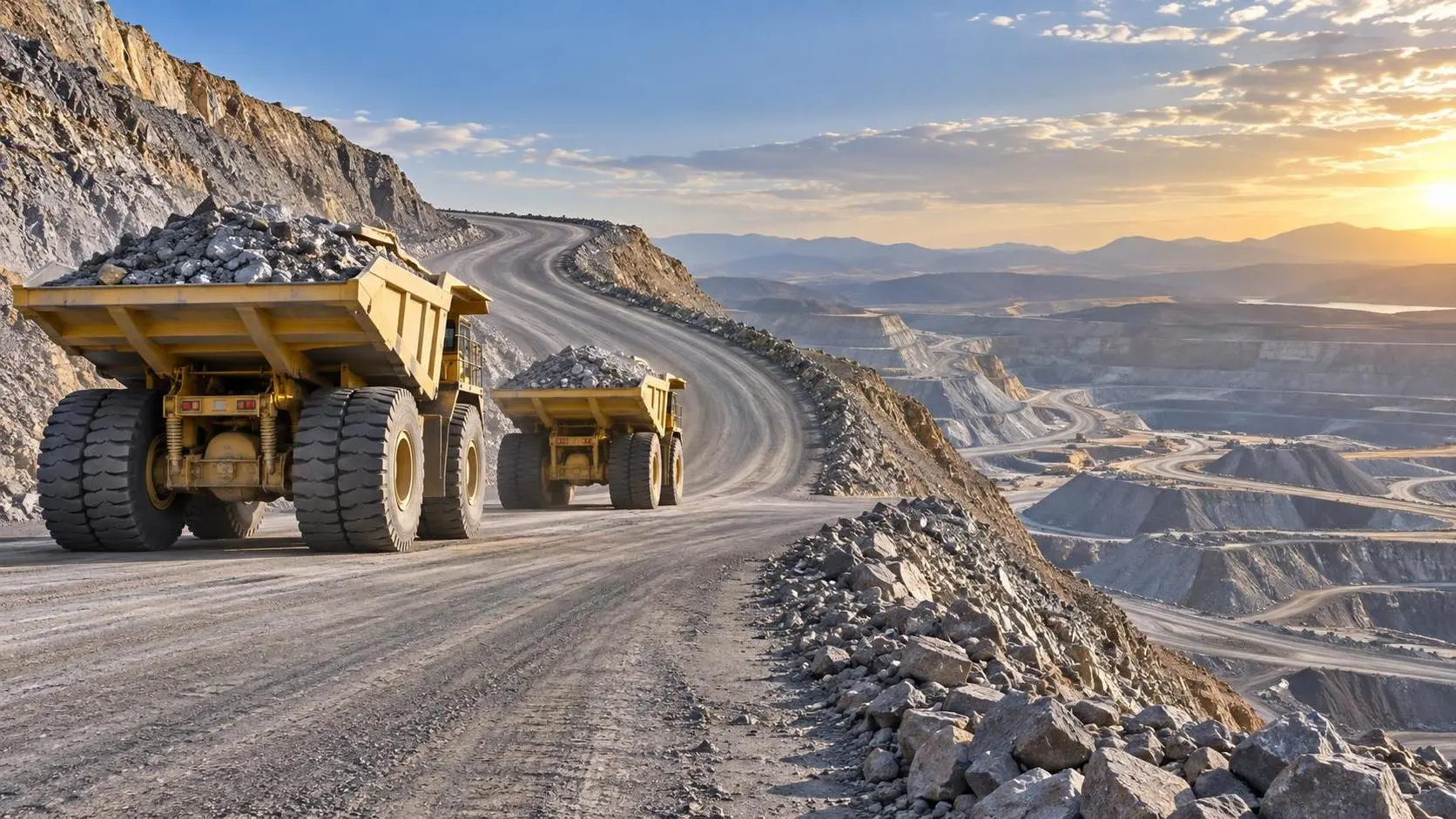
How to Size Open Pit Mining Trucks for Haul Distance, Grade, and Payload?
Open Pit Mining Trucks: learn how to match payload, haul distance, grade, road resistance, and loading capacity for safer, lower-cost mine operations.
Related News
- 00
0000-00
How to Evaluate European Drill-and-Blast Tunnelling Contractors for Complex Projects - 00
0000-00
Which Trenchless Construction Technique Fits Your Utility Crossing Conditions? - 00
0000-00
What Is Driving Metro Tunnelling Demand Across Southeast Asia’s Major Cities? - 00
0000-00
Hard Rock Tunnelling in Australia: Selecting Methods for Variable Ground Conditions - 00
0000-00
Hydropower Tunnel Excavation: Selecting Methods for Variable Rock Conditions
Weekly Insights
Stay ahead with our curated technology reports delivered every Monday.