
Shanghai Port Rates Jump 23% as Micro-tunnelling Lead Times Stretch





The timing of the underlying disruption was not clearly specified in the available information, but data released by the Shanghai Shipping Exchange on July 11, 2026 shows a sharp weekly increase in container freight rates for routes relevant to modular micro-tunnelling equipment exports. For companies involved in underground equipment manufacturing, export execution, project procurement, and cross-border logistics, the development is worth close attention because it links transport cost pressure directly with longer delivery cycles for new orders.
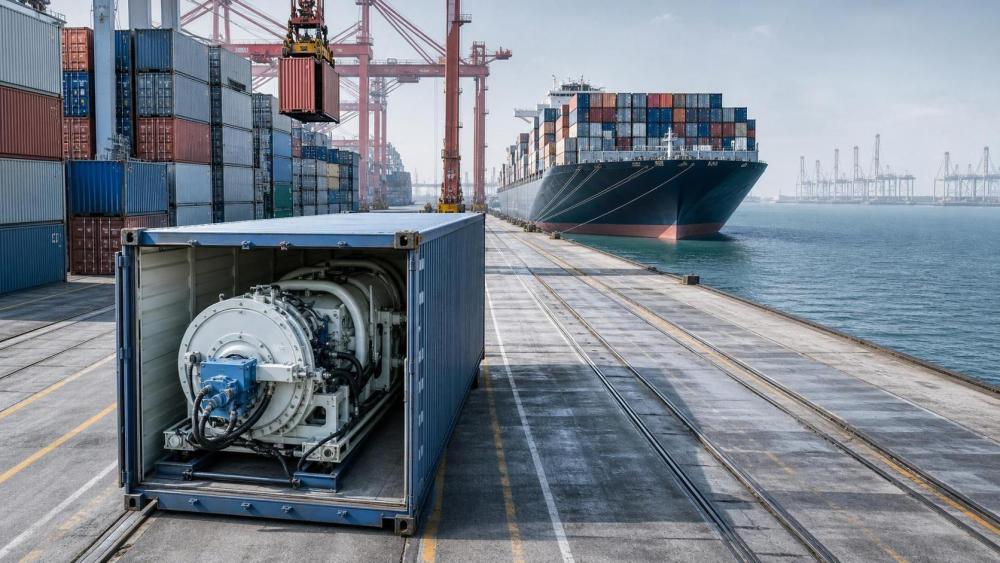
Freight pressure and longer delivery windows are now visible in export flows
According to the Shanghai Shipping Exchange data dated July 11, 2026, the freight rate for a 40HQ container from Shanghai Port to Rotterdam and Singapore reached $4,850, up 23% week on week. The information provided notes that 40HQ containers are used for the modular transportation of micro-tunnelling equipment.
The reported drivers behind the increase are Red Sea rerouting and port strikes in Europe. In parallel, multiple micro-tunnelling equipment exporters reported that, starting in July, delivery lead times for new orders have generally extended to 12-14 weeks. Some customers have already started evaluating alternative logistics options.
Where the immediate pressure may be felt across the chain
Export equipment suppliers face tighter delivery commitments
From an industry perspective, manufacturers and exporters of micro-tunnelling equipment may feel the first impact in quotation validity, shipment planning, and delivery commitment management. When container rates move sharply within a single week and lead times extend at the same time, the risk is not only higher logistics cost but also weaker predictability in contract execution. What deserves closer attention is whether existing delivery promises, especially for new July orders, remain realistic under current shipping conditions.
Project buyers may need to revisit installation and procurement sequencing
For procurement teams and project-side buyers, the issue is less about freight rates alone and more about schedule coordination. If modular equipment shipments are delayed, downstream installation, commissioning, or site mobilization plans may need adjustment. Analysis shows that buyers will need to watch whether logistics uncertainty begins to affect acceptance milestones, supplier coordination, or the timing of supporting services tied to equipment arrival.
Logistics providers are under pressure to offer workable alternatives
Supply chain service providers may be affected through route planning, booking stability, and customer communication. Since some customers have already begun assessing alternative logistics arrangements, the immediate business focus may shift toward the feasibility of different transport plans, the availability of suitable container capacity, and the clarity of transit expectations. Observably, the ability to provide timely and realistic delivery scenarios may become as important as price.
What companies should monitor now
Recheck lead times in all new quotations and contracts
Companies handling new orders should closely review whether quoted delivery windows still reflect the current shipping environment. The reported extension to 12-14 weeks suggests that standard lead time assumptions may need immediate updating in commercial documents and client discussions.
Separate transport cost changes from execution risk
What deserves closer attention is the distinction between a higher freight rate and a broader fulfillment risk. A weekly rate increase can be priced into a deal more directly, but longer and less predictable delivery cycles may affect order acceptance, customer expectation management, and internal production-release timing in a more complex way.
Assess alternative logistics plans before they become urgent
Because some customers have already started evaluating substitute logistics options, exporters and buyers may need to review contingency arrangements earlier in the sales or procurement cycle. Analysis shows that this is less about assuming disruption will worsen and more about reducing decision time if the current pressure persists.
Keep customer communication tied to verifiable shipping conditions
In the current situation, communication discipline matters. Companies should pay attention to how they explain lead time revisions, freight changes, and route-related uncertainty, especially when the causes cited in the available information are external shipping disruptions rather than equipment-side changes.
How this development is best understood at this stage
Observably, this update should not yet be treated as proof of a long-term structural reset in micro-tunnelling equipment exports. The confirmed facts point to an acute logistics cost increase and a clear extension in new-order delivery cycles, both linked to current shipping disruptions. It is more appropriate to understand this as a significant short-term operating signal with potential knock-on effects for export planning, rather than as a settled long-term market outcome.
At the same time, the issue is not minor. Analysis shows that when freight volatility and lead-time extension appear together, the commercial impact can move quickly from logistics teams to sales, procurement, and project execution functions. That is why the development merits continued monitoring even though the full duration of the disruption remains unclear.
Why the market should keep watching this signal
In practical terms, the current information points to a period in which transport conditions are affecting both cost and timing for heavy underground equipment exports from Shanghai. For the industry, the most balanced reading is that this is a live operational pressure point: confirmed enough to influence current planning, but not yet clear enough to define a longer-term trend without further evidence. Continued attention should focus on whether freight rates remain elevated, whether 12-14 week lead times persist for new orders, and whether the use of alternative logistics arrangements expands.
Basis of this article and points still requiring verification
This article is based on the user-provided news title, the note that the event timing was not clearly specified, and the provided event summary. The confirmed information used here includes the July 11, 2026 Shanghai Shipping Exchange data, the reported 40HQ freight rate level and weekly increase, the cited causes of Red Sea rerouting and European port strikes, the reported extension of new-order lead times to 12-14 weeks from July, and the note that some customers are assessing alternative logistics options.
For this type of industry update, source categories typically relevant to further verification include official exchange releases, company announcements, industry association updates, and reporting by authoritative trade media. A specific official source link was not provided in the input, so continued verification is still needed. Follow-up observation should focus on subsequent shipping data, any updated statements from exporters, and whether logistics alternatives move from evaluation into wider operational use.
Related News
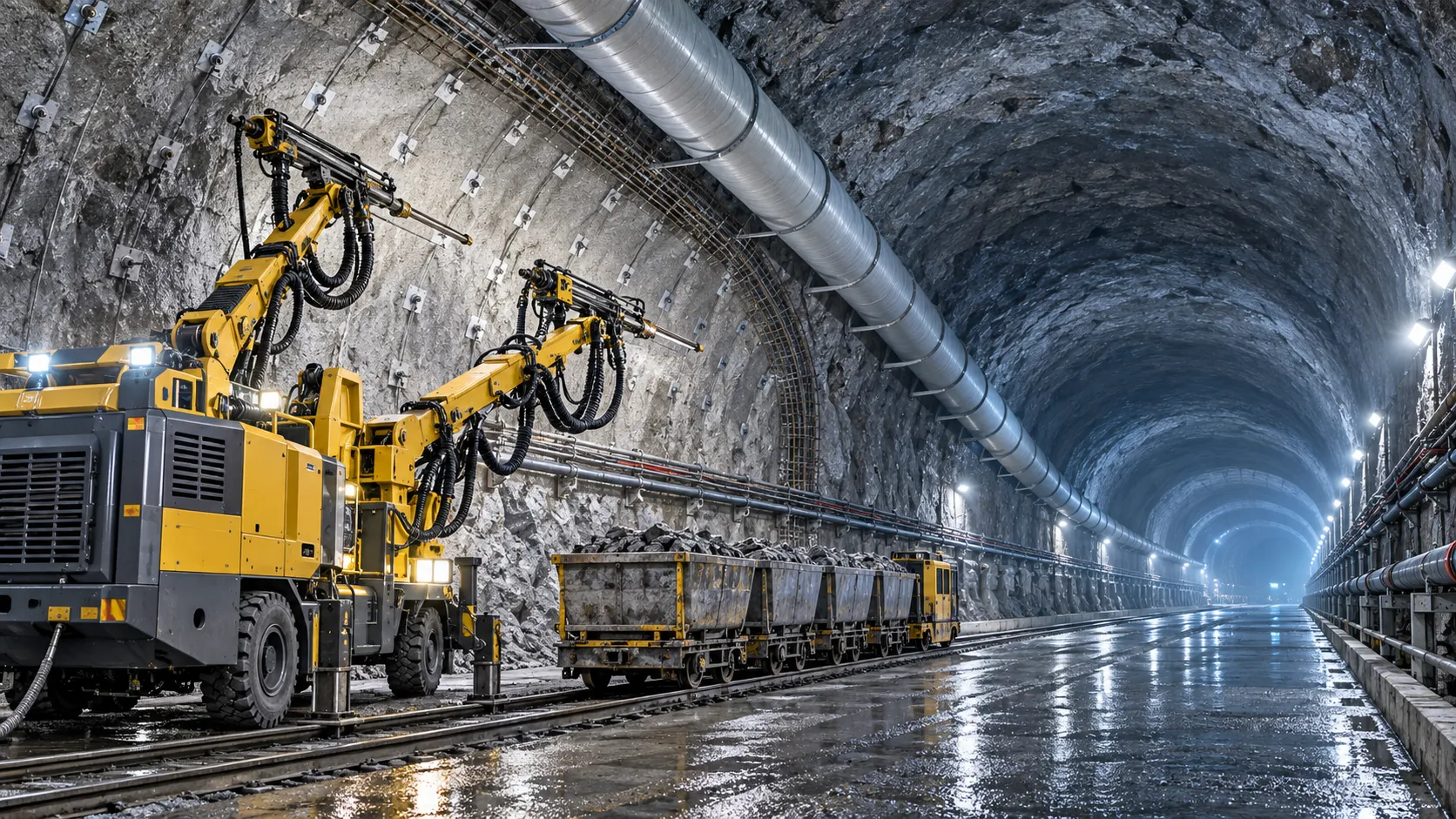
How to Evaluate European Drill-and-Blast Tunnelling Contractors for Complex Projects
Drill and blast tunnelling contractors Europe: learn how to assess geology expertise, blast control, equipment reliability, safety, and programme resilience for complex projects.
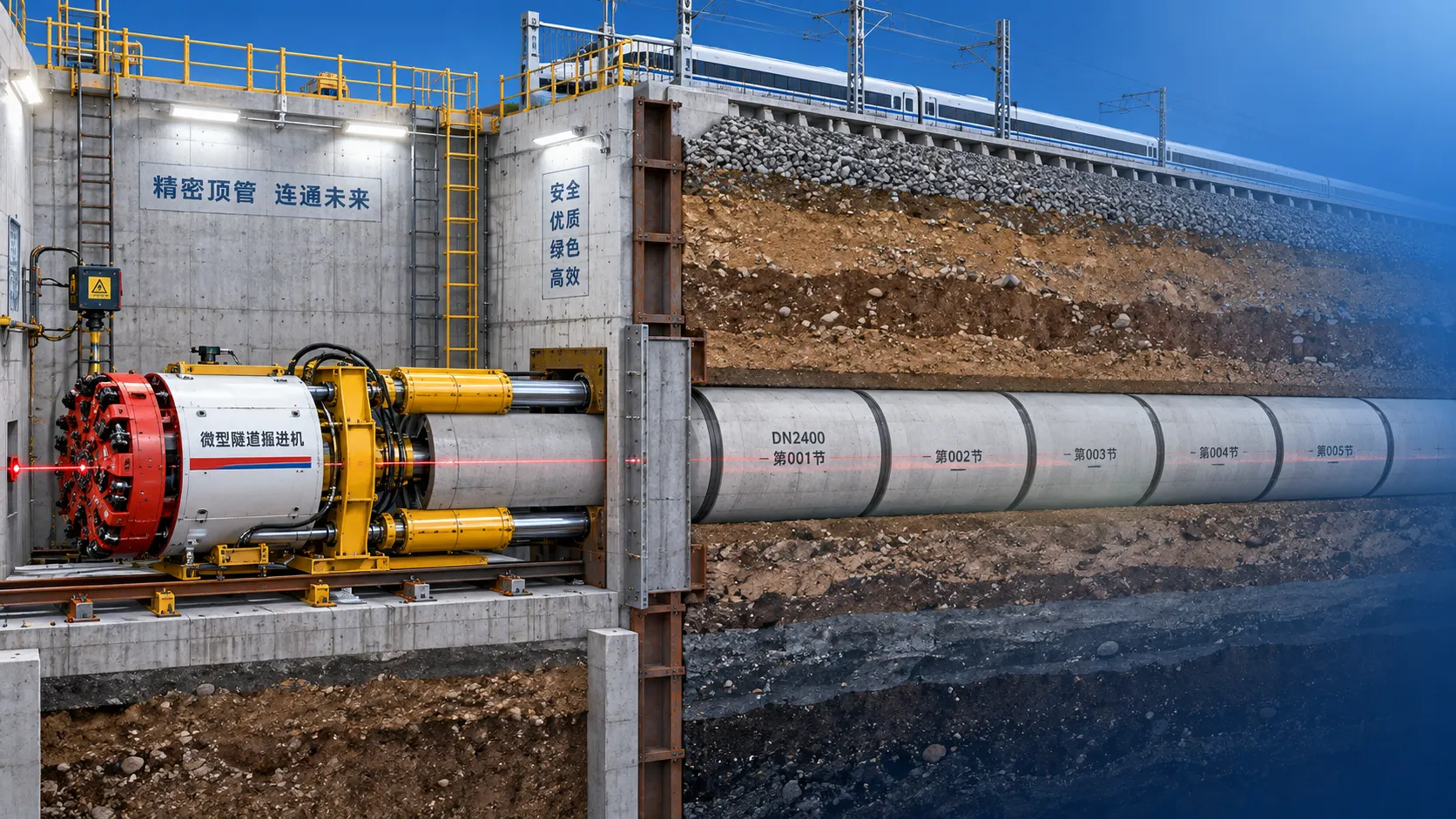
Which Trenchless Construction Technique Fits Your Utility Crossing Conditions?
Trenchless construction techniques compared for utility crossings: choose HDD, microtunnelling, pipe jacking, or auger boring based on ground, accuracy, access, and risk.
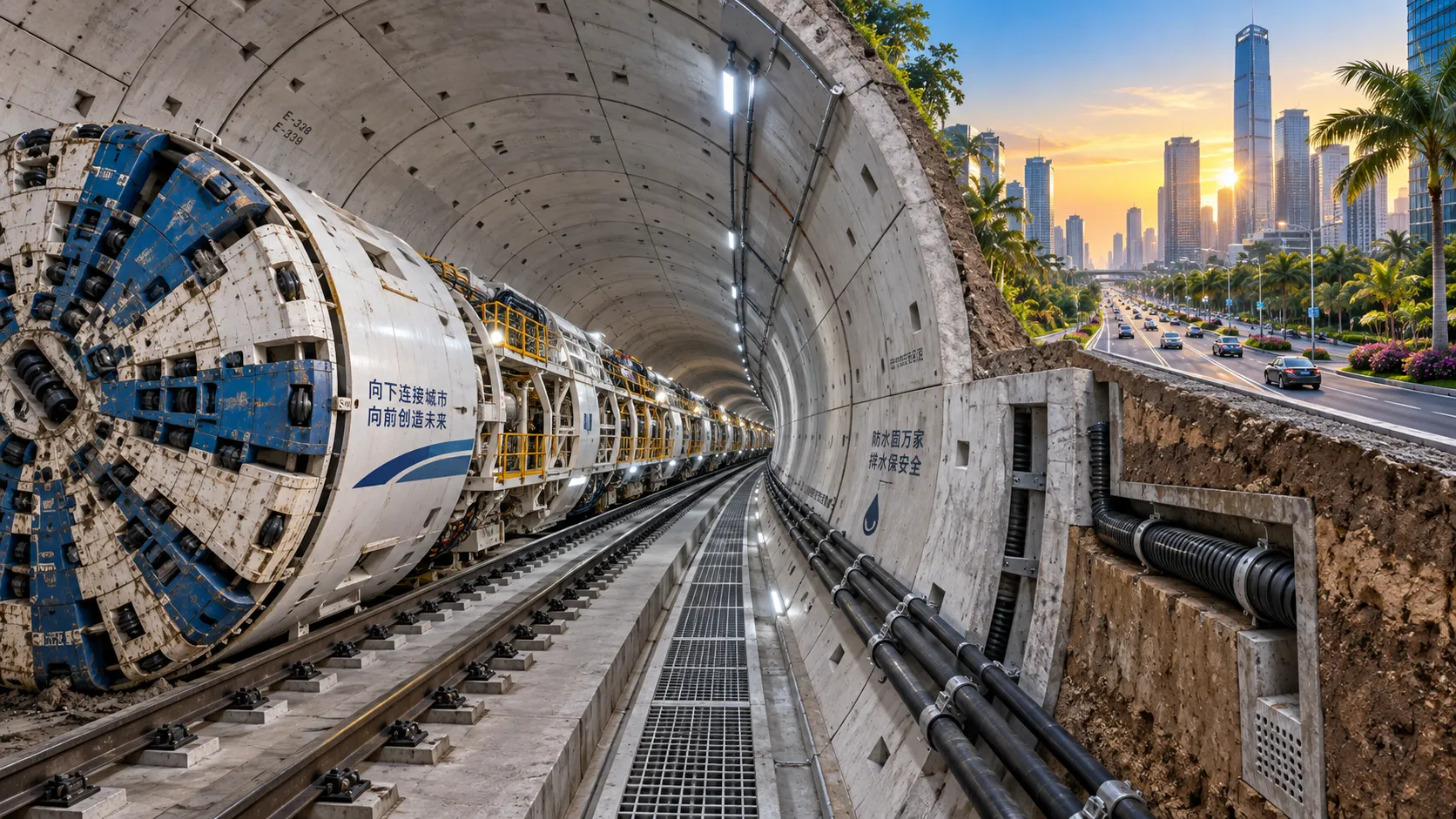
What Is Driving Metro Tunnelling Demand Across Southeast Asia’s Major Cities?
Metro tunnelling Southeast Asia is accelerating as major cities tackle congestion, flooding, and connectivity. Explore the market forces, technical risks, and opportunities shaping demand.
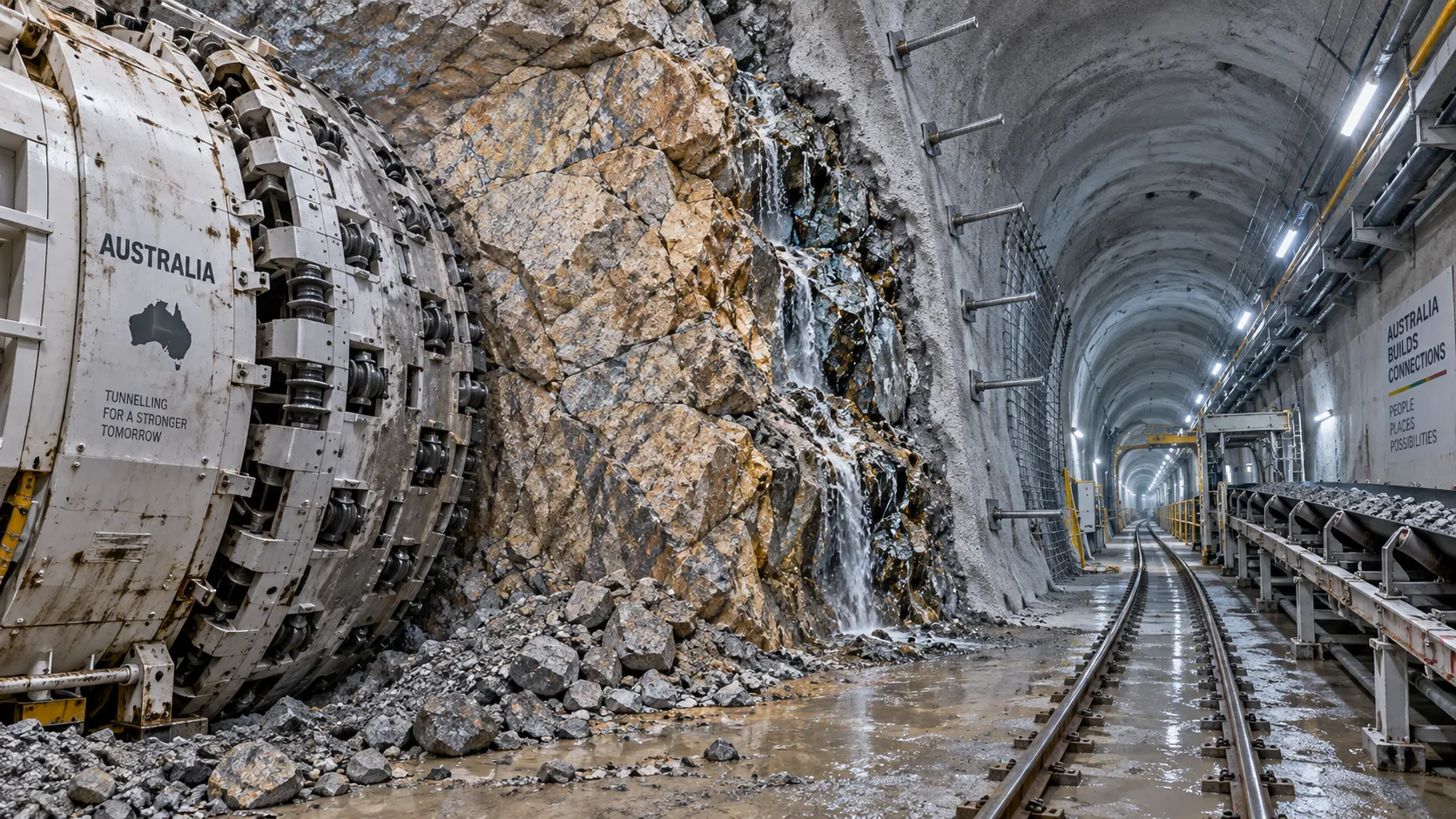
Hard Rock Tunnelling in Australia: Selecting Methods for Variable Ground Conditions
Hard rock tunnelling in Australia: compare TBM, drill-and-blast and hybrid methods to manage variable ground, reduce risk and protect project costs.
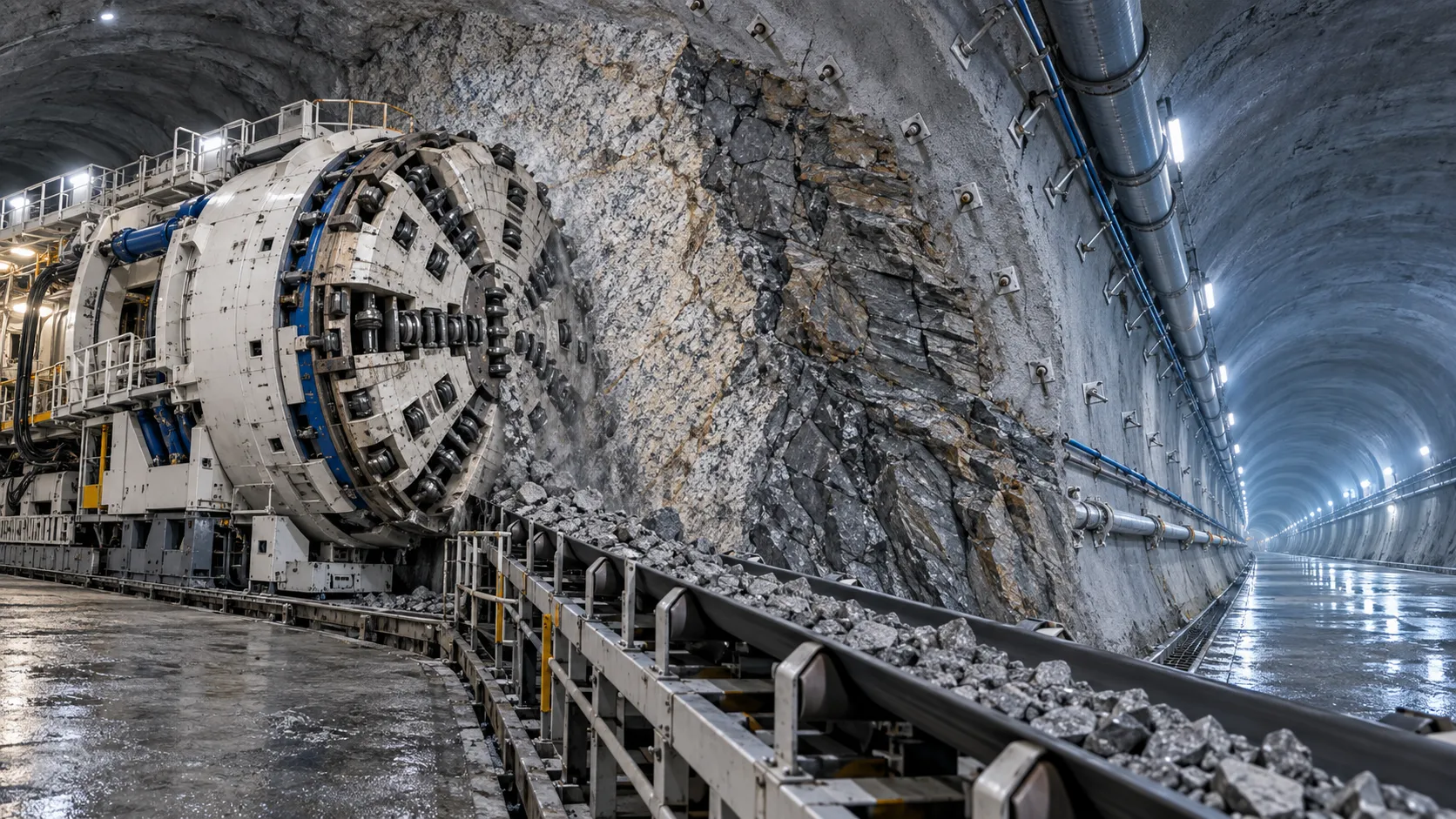
Hydropower Tunnel Excavation: Selecting Methods for Variable Rock Conditions
Hydropower tunnel excavation methods for variable rock conditions: compare TBM, drill-and-blast, and hybrid strategies to improve safety, progress, and project control.
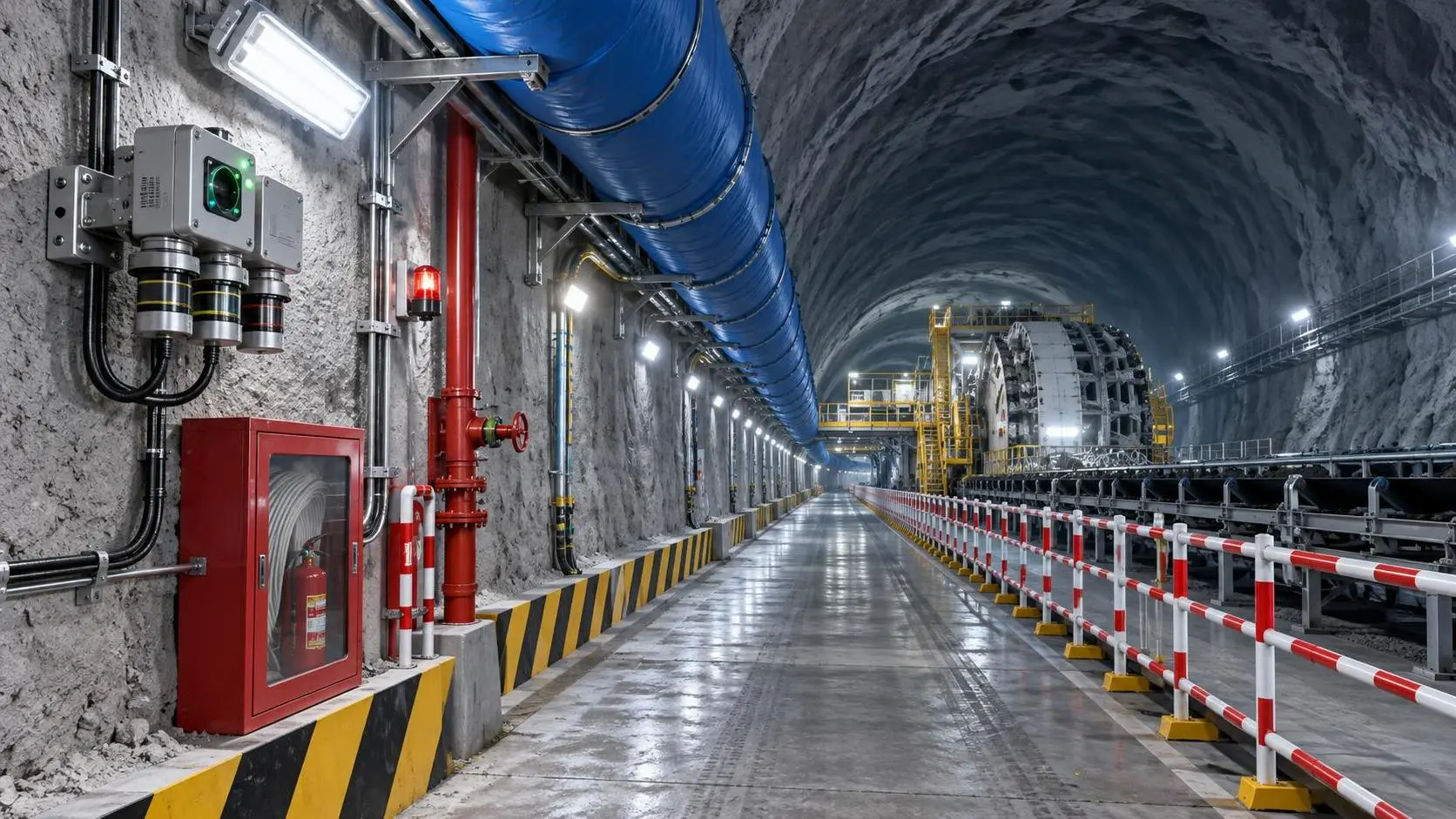
How to Select Underground Safety Equipment for Tunnelling by Hazard and Work Zone
Underground Safety Equipment for tunnelling: match protection to hazards, work zones, compliance, and emergency needs with this practical selection guide.
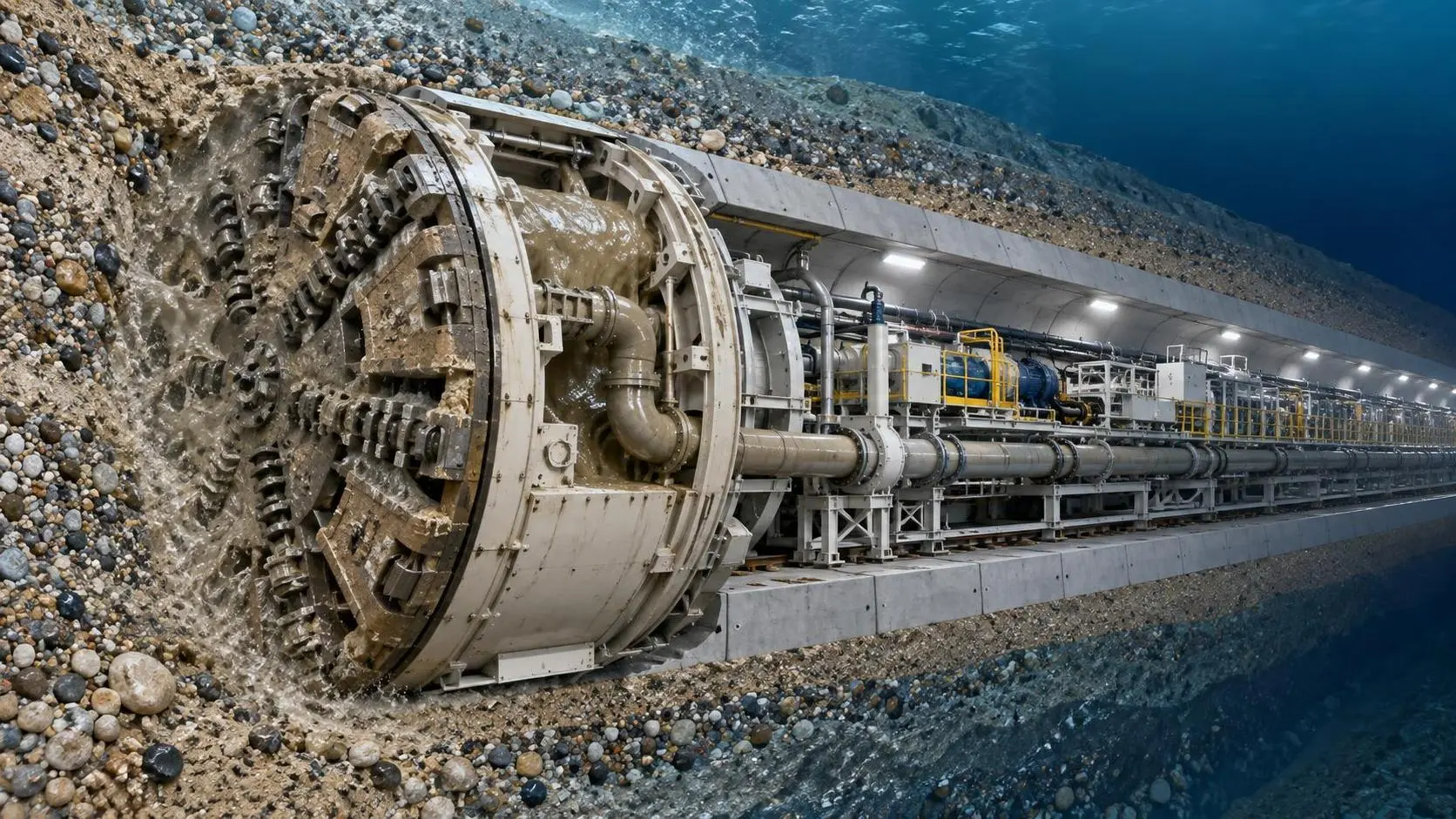
EPB or Slurry Shield? Selecting Soft-Ground Tunnelling Equipment by Soil Conditions
Tunnel Excavation Equipment for soft ground: compare EPB and slurry shields by soil, groundwater, settlement risk, and project logistics to choose confidently.
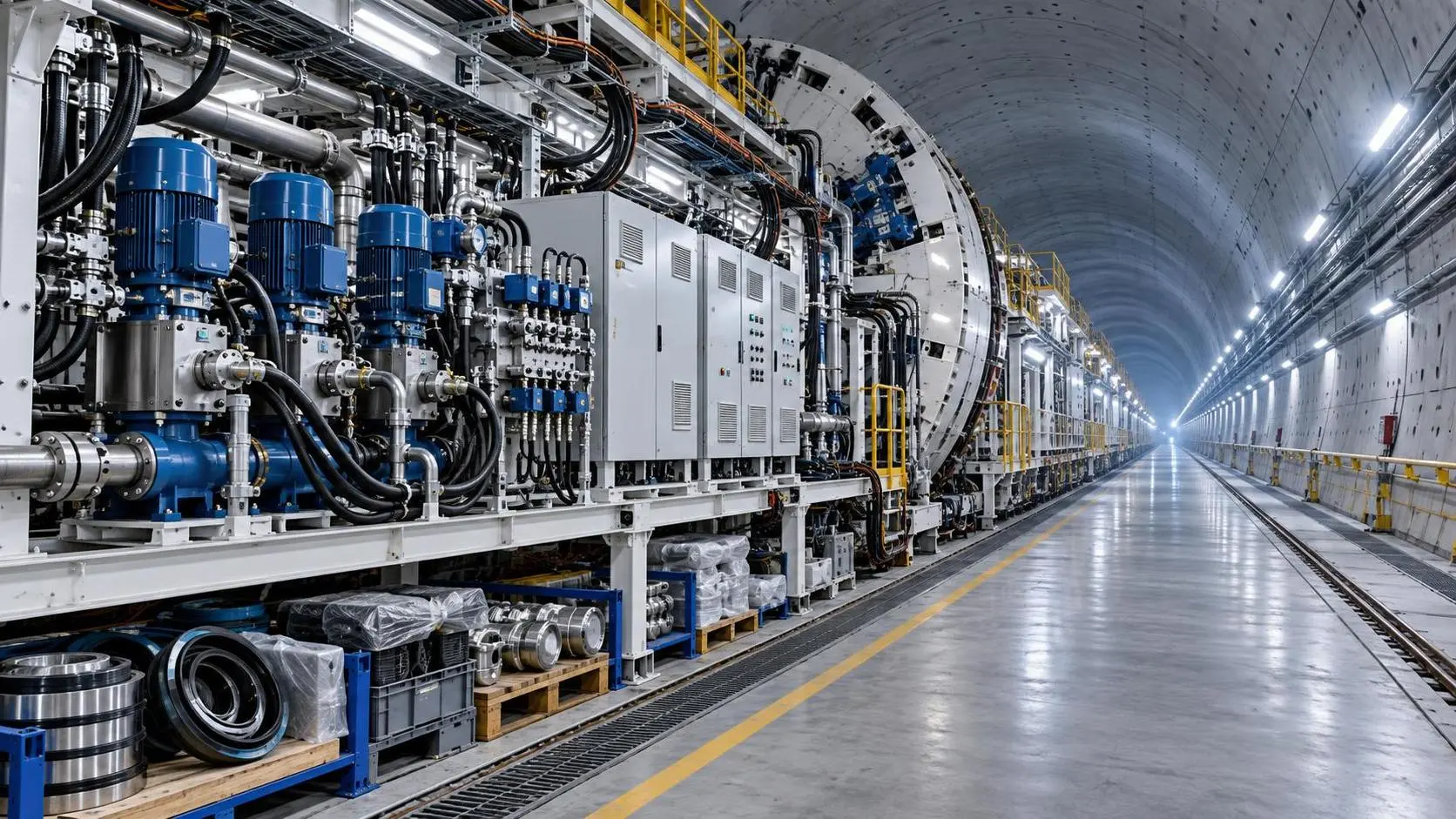
How to Specify TBM Backup System Parts for Reliable Long-Distance Tunnelling
TBM backup system parts: learn how to specify reliable spares for long-distance tunnelling, reduce downtime, ensure compatibility, and speed underground recovery.

How to Size Open Pit Mining Trucks for Haul Distance, Grade, and Payload?
Open Pit Mining Trucks: learn how to match payload, haul distance, grade, road resistance, and loading capacity for safer, lower-cost mine operations.
Related News
- 00
0000-00
How to Evaluate European Drill-and-Blast Tunnelling Contractors for Complex Projects - 00
0000-00
Which Trenchless Construction Technique Fits Your Utility Crossing Conditions? - 00
0000-00
What Is Driving Metro Tunnelling Demand Across Southeast Asia’s Major Cities? - 00
0000-00
Hard Rock Tunnelling in Australia: Selecting Methods for Variable Ground Conditions - 00
0000-00
Hydropower Tunnel Excavation: Selecting Methods for Variable Rock Conditions
Weekly Insights
Stay ahead with our curated technology reports delivered every Monday.