
PSA Jurong Island Launches 12-Hour Green Lane for Micro-tunnelling Equipment





From July 1, 2026, PSA has opened a dedicated green clearance lane at Jurong Island Terminal in Singapore for complete Micro-tunnelling equipment sets, including guidance systems, pipe jacking main stations, and grouting units. The move stands out because it ties faster release procedures to two specific conditions: an IEC 61850-90-15:2026 communication protocol compliance declaration and prior filing by a locally authorized service provider. For manufacturers, service partners, buyers, and supply chain operators involved in specialized equipment delivery, the development is worth tracking as a practical change in import handling rather than a broad policy shift.
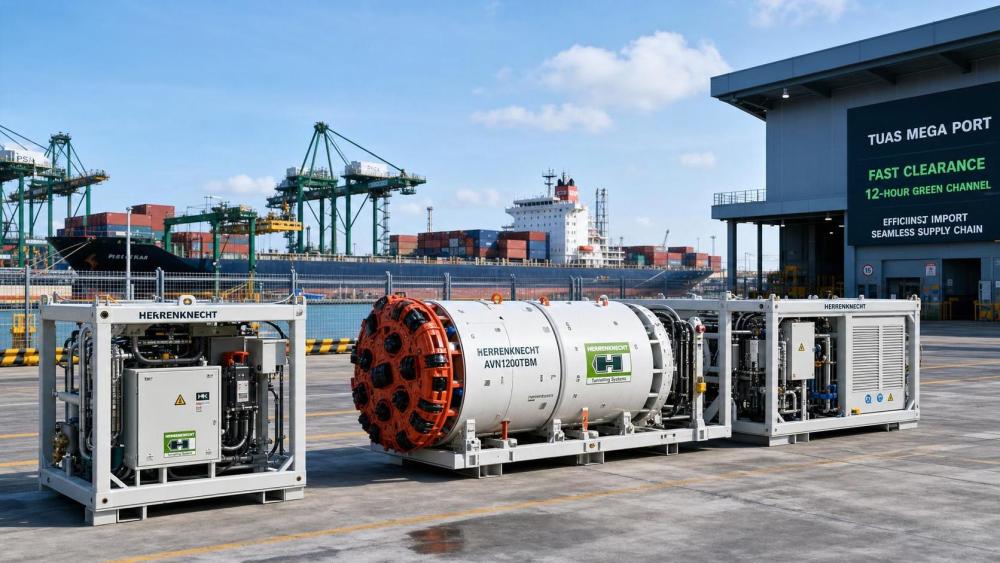
What Has Been Confirmed at Jurong Island Terminal
According to the provided information, the dedicated channel took effect on July 1, 2026 at PSA's Jurong Island Terminal. It applies to complete Micro-tunnelling equipment, specifically including guidance systems, pipe jacking main stations, and grouting units.
The channel is designed around a "inspect on arrival, release after inspection" process, with customs clearance time compressed to 12 hours. Eligibility depends on two stated conditions: submission of an IEC 61850-90-15:2026 communication protocol compliance declaration, and advance registration through a locally authorized service provider.
The arrangement is not open to all manufacturers. It is limited to manufacturers that have registered local service partners in Singapore.
Where the Immediate Impact May Be Felt
Equipment manufacturers with Singapore-facing shipments
From an industry perspective, this change may matter first to manufacturers shipping complete Micro-tunnelling systems into Singapore through Jurong Island Terminal. The likely impact is concentrated in pre-shipment preparation, documentation readiness, and partner qualification. What deserves closer attention is that the faster timeline appears linked to compliance paperwork and local partner pre-filing, meaning access to the lane may depend as much on organizational readiness as on the cargo itself.
Local authorized service partners move closer to the transaction core
Analysis shows that locally authorized service providers are not peripheral in this arrangement. Their pre-filing role suggests they may become a more important operational link between overseas manufacturers and terminal-side execution. For service firms, the key business impact may fall on registration accuracy, filing coordination, and response speed when equipment arrives.
Buyers and project-side procurement teams
For procurement teams sourcing specialized tunnelling equipment, the relevance is less about headline speed and more about delivery predictability. A 12-hour clearance path, where applicable, could influence handover timing and installation planning. At the same time, buyers need to distinguish between a route that exists in principle and a route their suppliers are actually qualified to use.
Supply chain and customs handling participants
Observably, freight coordinators and customs-facing logistics teams may need to adjust operational checks before vessel arrival. The immediate effect is likely to be felt in documentation sequencing, partner verification, and exception handling. Because the lane is restricted to eligible manufacturers, shipment screening at the planning stage may become more important than reactive troubleshooting after arrival.
What Companies Should Watch Now
Whether eligibility can be demonstrated without delay
Companies involved in these shipments should focus on whether the IEC 61850-90-15:2026 compliance declaration is prepared in a form that supports clearance without avoidable clarification cycles. The practical issue is not only having a declaration, but ensuring it is ready for use in the actual import process.
How local partner registration affects shipment planning
The requirement for a registered local service partner makes partner status a commercial and operational checkpoint. Manufacturers that have not completed this step may not be able to access the green lane even if their equipment otherwise fits the stated category.
The difference between a faster process and a universal process
What deserves closer attention is that the announced arrangement should not automatically be read as a blanket acceleration for all related imports. The available information points to a conditional mechanism tied to specific documentation and partner registration. For customer communication and delivery commitments, that distinction matters.
Possible follow-up changes in official wording or scope
Companies should also keep watching for any later clarification on operational details, covered equipment boundaries, filing standards, or implementation language. The current information confirms the lane and its main conditions, but day-to-day execution often depends on how such conditions are interpreted in practice.
Why This Looks More Like an Operational Signal Than a Broad Market Shift
Analysis shows that this update is best understood first as an operational signal inside a specialized equipment flow. It indicates that faster entry handling may be available where compliance declarations and local service structures are already in place. That is meaningful for execution planning, but it does not by itself confirm wider changes in market demand, procurement volume, or sector expansion.
It is more appropriate to understand this as a targeted facilitation measure with clear entry thresholds. The industry should continue watching whether the model remains narrowly applied to eligible Micro-tunnelling equipment manufacturers or becomes a reference point for similar cargo categories later on. At this stage, the information supports attention, but not broad conclusions.
How the Industry May Best Read This Development
In practical terms, the PSA Jurong Island Terminal green lane matters because it connects shorter clearance time with defined compliance and service-partner requirements. For the industry, the core takeaway is not simply that clearance can be faster, but that access to speed is being structured through documentation standards and local support registration.
For now, this is more appropriately read as a near-term procedural development with potential longer-term signaling value. Its importance will depend on how consistently it is implemented and how many eligible manufacturers are positioned to use it under the stated conditions.
Basis of This Article and What Still Needs Verification
This article is based on the user-provided news title, event date, and event summary. In coverage of this type, commonly relevant source categories may include official port or operator announcements, company notices, industry association updates, authoritative media reports, and standards organization documents.
No specific official source link was provided in the input, so the underlying wording and any later implementation details still require ongoing verification. Follow-up attention should remain on any official clarification regarding scope, filing practice, eligible manufacturer conditions, and whether the announced process remains limited to manufacturers with registered local service partners in Singapore.
Related News
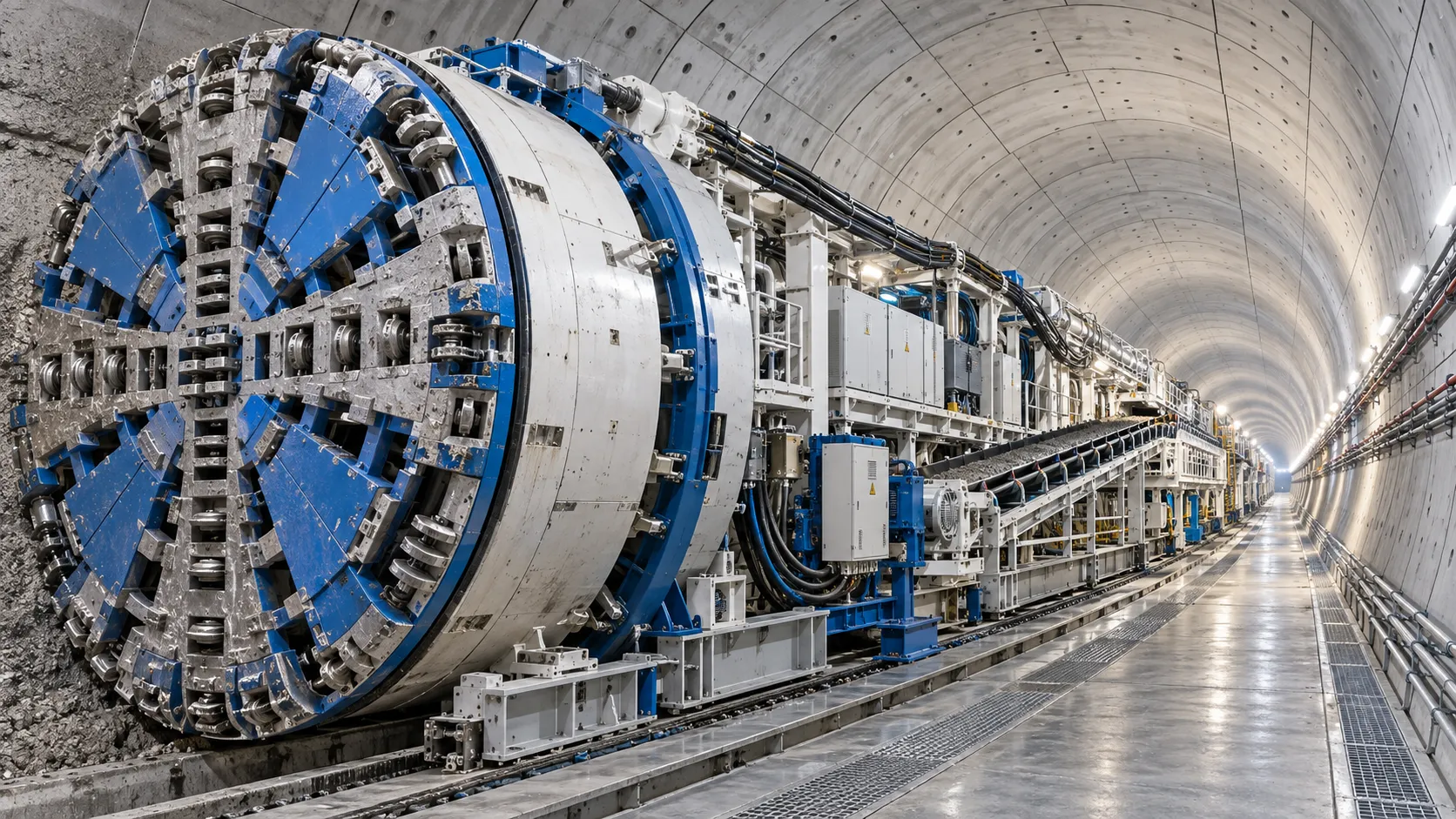
Tunnel Boring Machine Costs: Budgeting for Purchase, Operation, and Project Risk
Tunnel Boring Machines cost more than purchase price. Learn how to budget lifecycle costs, downtime, logistics, wear, and project risk for smarter TBM decisions.

Open-Pit Haulage Cost Analysis: How Mine Managers Can Cut Cost per Tonne
Open pit haulage cost analysis: discover practical ways to reduce cost per tonne through payload control, cycle-time optimization, road performance, and smarter fleet decisions.

Tunnel Construction Innovations That Reduce Risk and Schedule Delays on Urban Projects
Tunnel construction innovation for urban projects: discover smarter TBMs, real-time monitoring, trenchless methods, and automation that reduce risk and protect schedules.

TBM Disc Cutter Design: Key Geometry and Load Factors for Hard Rock Tunnelling
TBM disc cutter design explained: explore geometry, spacing, load distribution and maintenance factors for reliable, efficient hard-rock tunnelling performance.
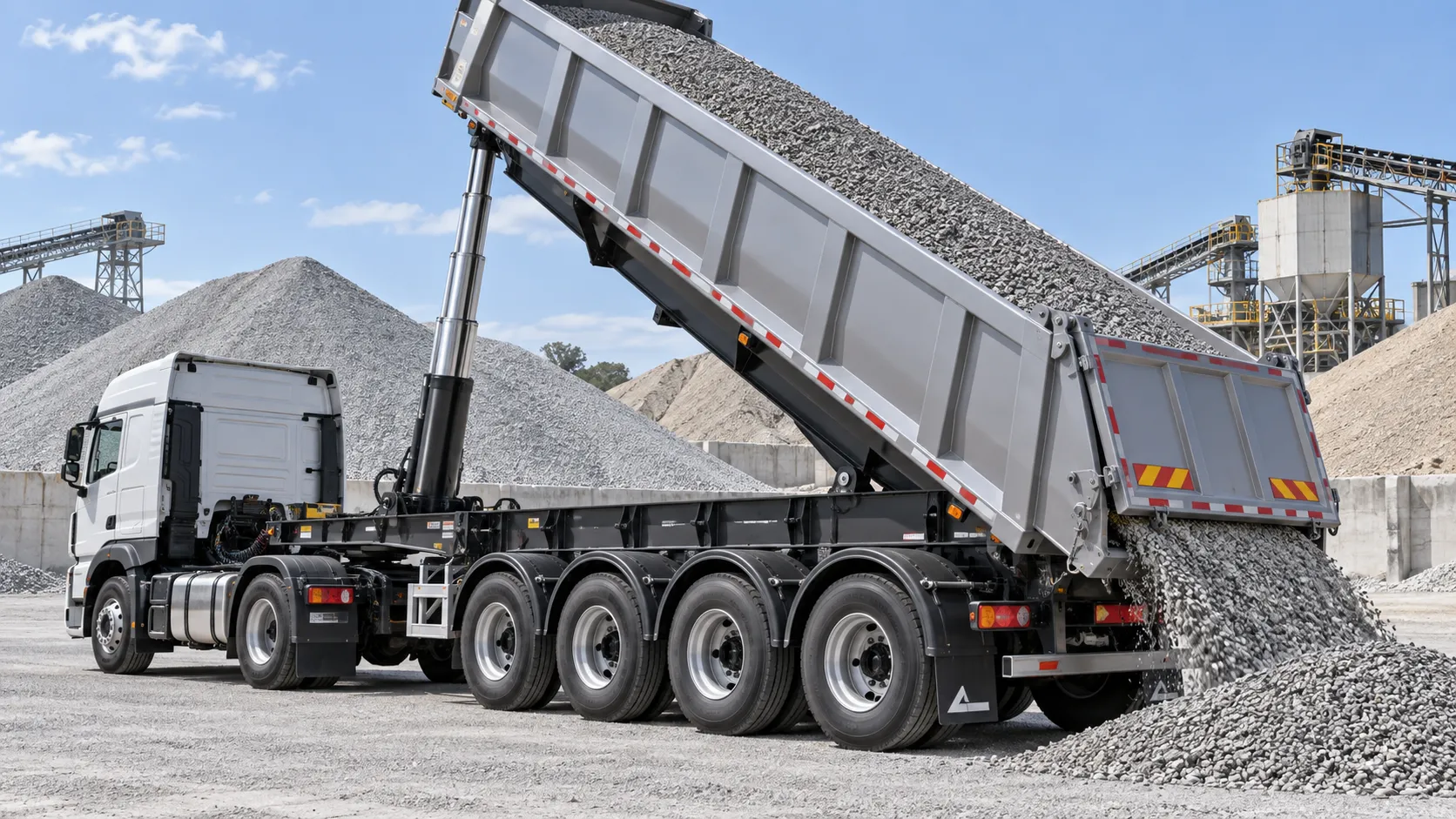
Hydraulic Tipping Stability Risks in Multi-Axle Dump Special Trailers
Dump special trailers: discover key hydraulic tipping stability risks, multi-axle load dynamics, and practical safety controls for safer, smarter bulk hauling.
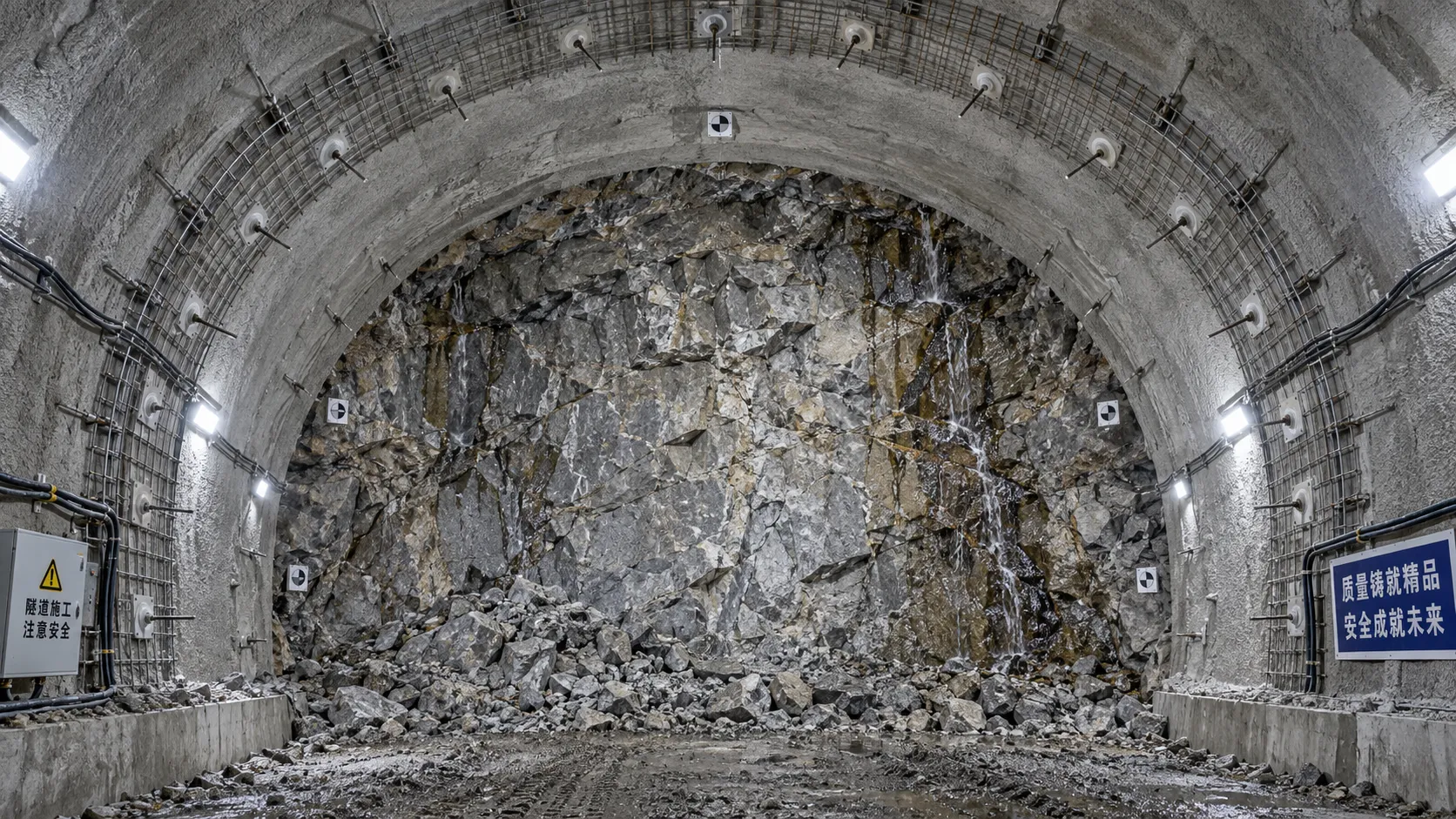
When rock reinforcement in tunnel construction must change after blasting
Rock reinforcement in tunnel construction must change when blasting reveals overbreak, weak joints, water inflow, or deformation. Discover key post-blast support decisions.
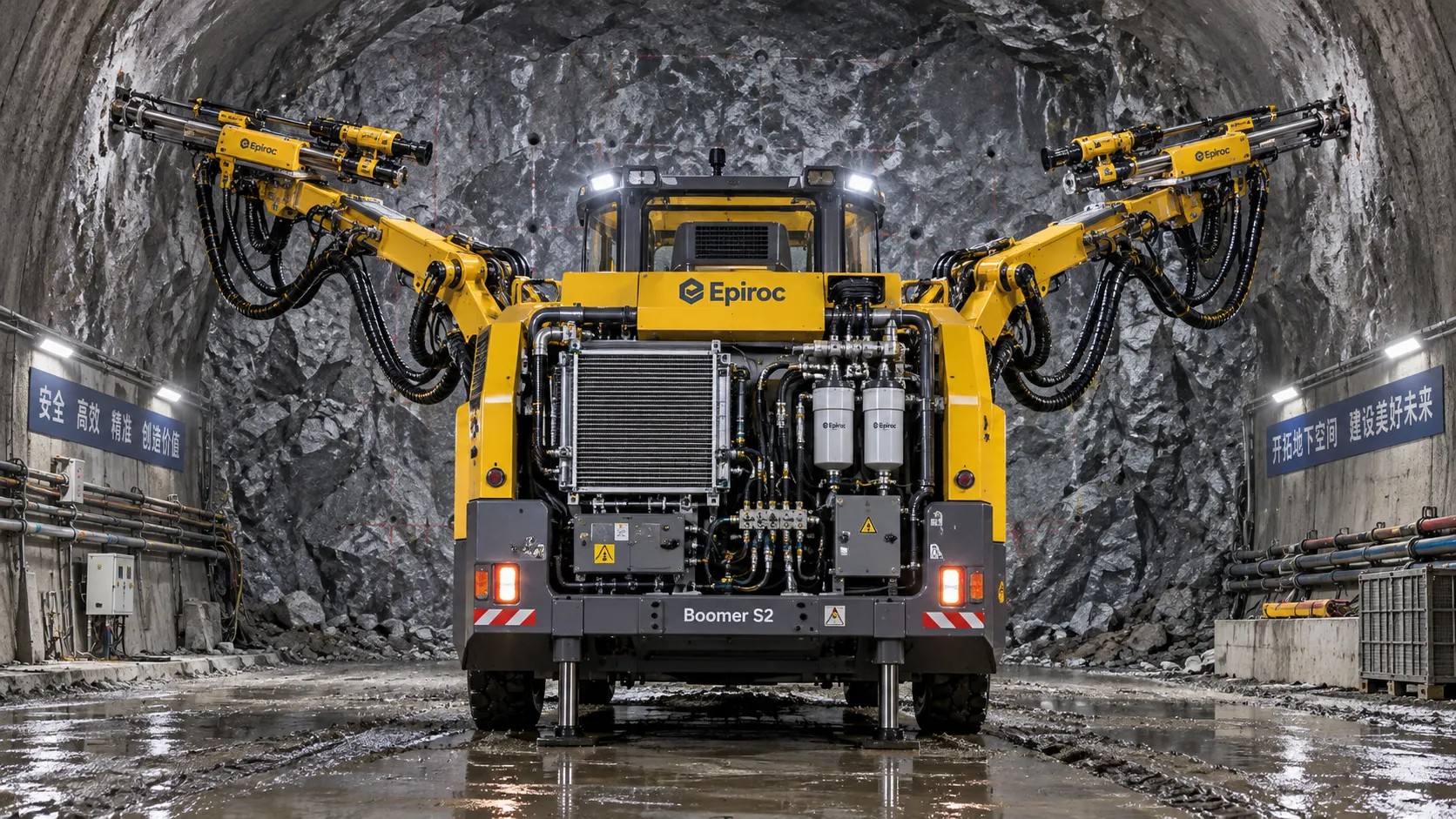
How tunnel hydraulic systems influence drill jumbo uptime underground
Tunnel hydraulic systems directly influence drill jumbo uptime. Explore how stable pressure, clean oil, cooling, and maintainable design reduce underground downtime.
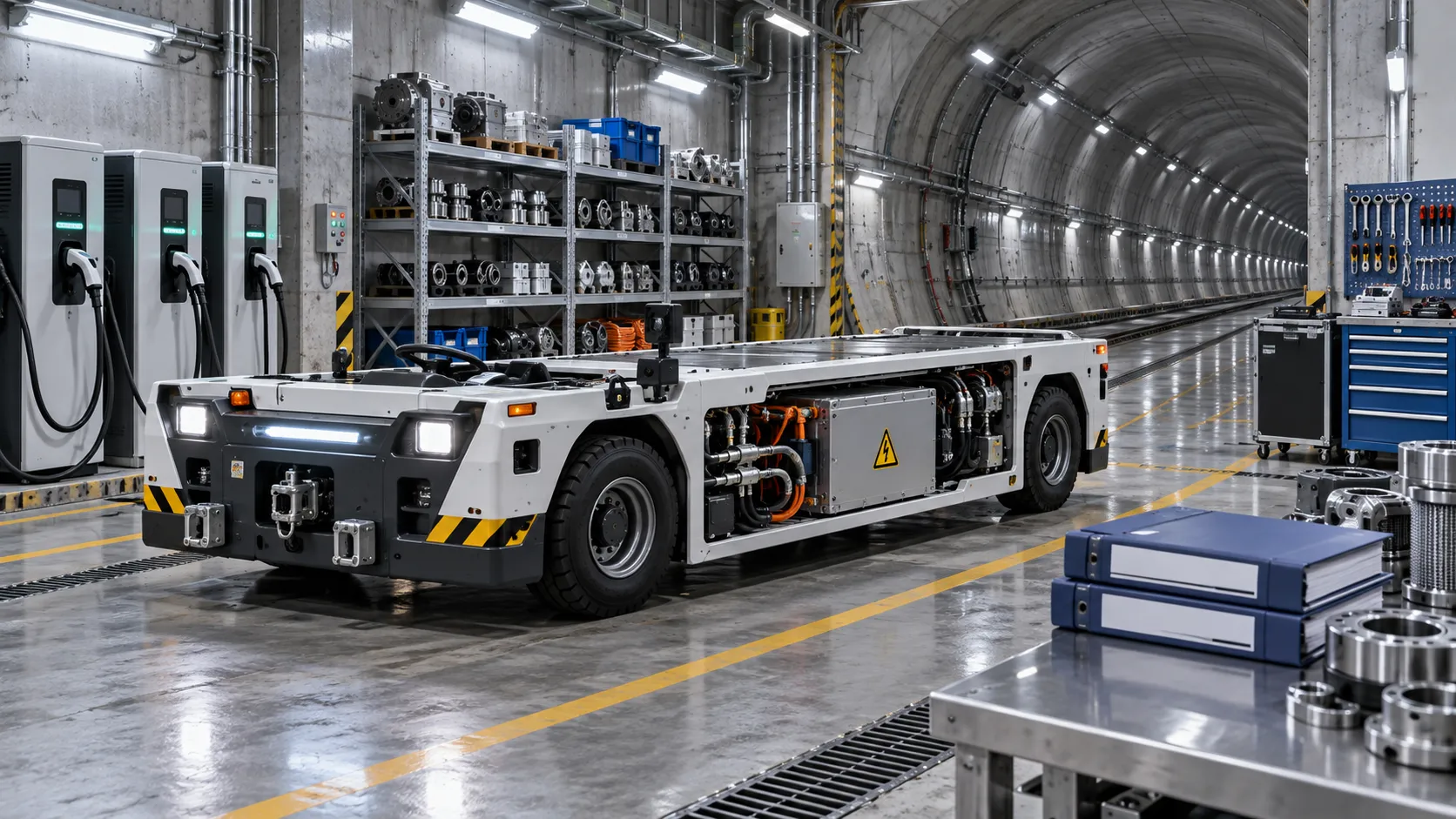
What to verify before appointing a tunneling vehicles manufacturer
Choosing a tunneling vehicles manufacturer? Verify application fit, reliability, compliance, parts support, training, and channel terms before appointing a partner.
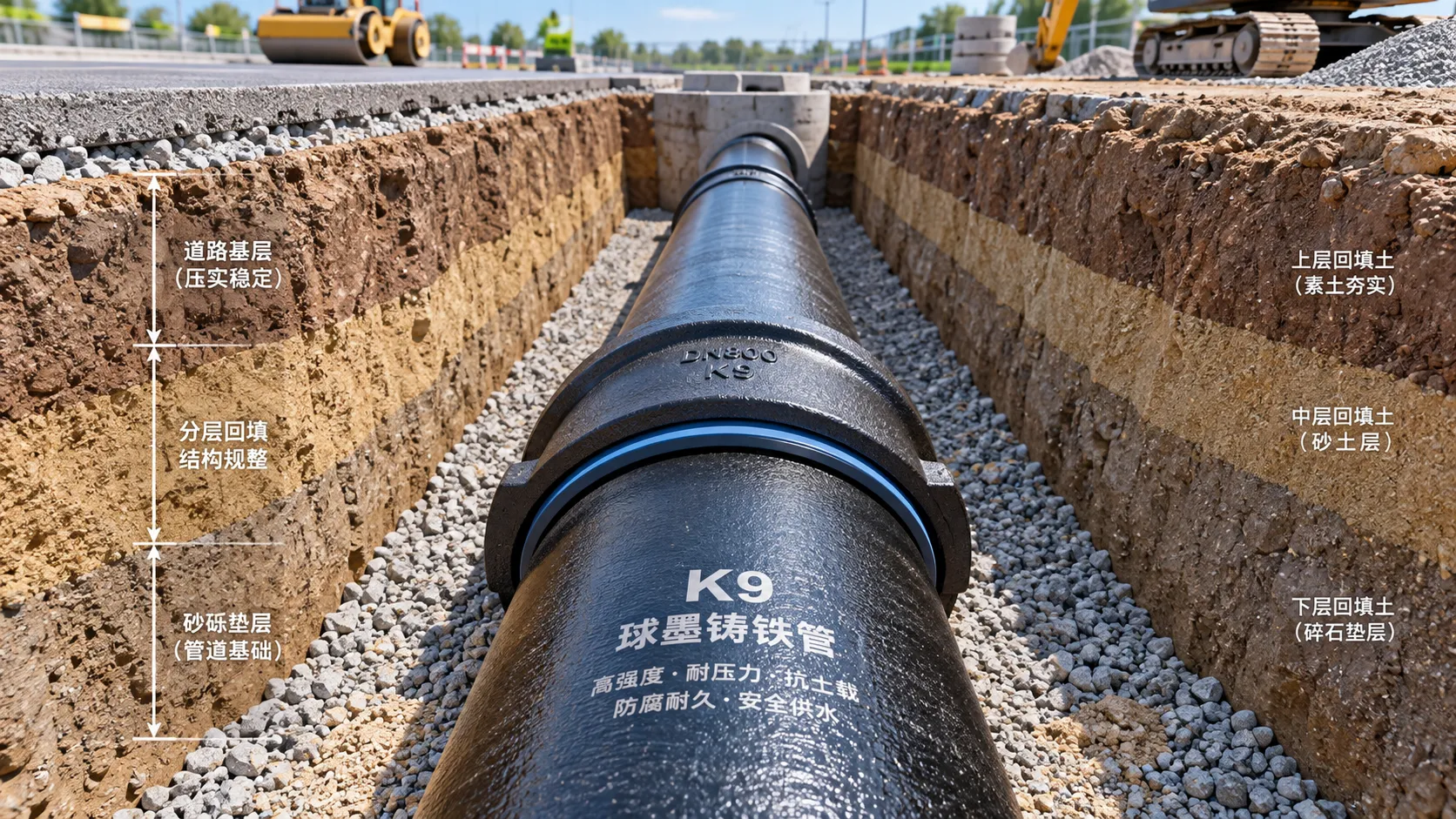
Selecting K9 Ductile Iron Pipe for Buried Water Pipeline Conditions
K9 ductile iron pipe selection for buried water pipelines: compare pressure duty, joints, soil loads, corrosion protection, and installation controls for reliable long-term performance.
Related News
- 00
0000-00
Tunnel Boring Machine Costs: Budgeting for Purchase, Operation, and Project Risk - 00
0000-00
Open-Pit Haulage Cost Analysis: How Mine Managers Can Cut Cost per Tonne - 00
0000-00
Tunnel Construction Innovations That Reduce Risk and Schedule Delays on Urban Projects - 00
0000-00
TBM Disc Cutter Design: Key Geometry and Load Factors for Hard Rock Tunnelling - 00
0000-00
Hydraulic Tipping Stability Risks in Multi-Axle Dump Special Trailers
Weekly Insights
Stay ahead with our curated technology reports delivered every Monday.