
PSA Trials Zero-Touch Clearance for Tunnelling Equipment





On June 29, 2026, PSA announced a pilot at Jurong Island Terminal that changes how certain high-precision Micro-tunnelling equipment is cleared: instead of physical crate opening, the process relies on AI-based document verification and IoT-linked equipment identity binding. For manufacturers, exporters, buyers, and supply chain service providers involved in guided drilling rigs and pipe-jacking measurement systems, this matters less as a routine port update and more as an execution signal around trade handling, documentation integrity, traceability, and delivery planning.
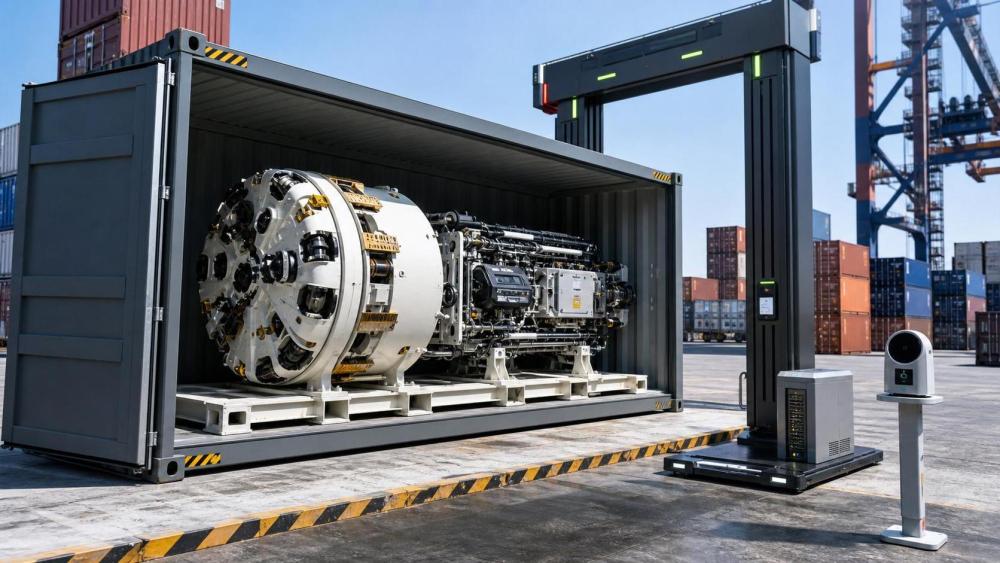
What the PSA pilot confirms at this stage
PSA stated on June 29, 2026 that Jurong Island Terminal has launched a "Zero-Touch Clearance" pilot for high-precision equipment including Micro-tunnelling guided drilling rigs and pipe-jacking measurement systems. The pilot is based on AI document verification and IoT device identity binding, allowing clearance without physical unpacking inspection. The first manufacturers covered include XCMG Foundation and Northern Heavy Industries. According to the announced information, average clearance time was reduced from 72 hours to within 18 hours.
Where the operational impact is likely to appear first
For exporters of high-precision equipment
From an industry perspective, exporters may feel the impact first because the pilot places more weight on whether shipment documents, equipment identity records, and product information can support a non-intrusive clearance path. The immediate effect is likely to be seen in pre-shipment preparation, document consistency, and handover accuracy rather than in production itself. What deserves closer attention is whether product files, shipping documents, and equipment identifiers remain fully aligned throughout export and delivery.
For buyers and project procurement teams
Buyers and procurement teams may be affected through scheduling and acceptance planning. If a shipment can move through clearance in a shorter window, internal procurement timelines, site readiness, and installation sequencing may need adjustment. Analysis shows that the practical issue is not simply faster customs handling, but whether procurement documents and delivery expectations are updated to reflect a clearance model that depends more heavily on digital verification and traceability.
For logistics and supply chain service providers
Supply chain service providers may need to pay closer attention to data integrity across transport, port handling, and final delivery coordination. Observably, a zero-touch model shifts part of the operational burden from physical inspection readiness to information accuracy and equipment identity continuity. That can affect booking preparation, shipment documentation review, and exception handling when records do not match the bound device identity.
What companies should monitor in practice
Document quality and consistency
Analysis shows that companies involved in these shipments should review whether commercial, technical, and shipping documents describe the equipment in a way that is consistent across all submitted records. In a process built around AI verification, inconsistencies that might previously have been clarified during manual inspection could become more visible at the document review stage.
Equipment identity traceability
What deserves closer attention is the role of IoT-based identity binding. The announced pilot indicates that equipment identity is part of the clearance logic, so companies should monitor how serial, device, or system-level identification is managed in export files, delivery records, and after-sales traceability materials. The input does not provide detailed execution rules, so this should be treated as a monitoring point rather than a confirmed compliance checklist.
Delivery planning for covered product categories
For the equipment categories already named in the pilot, companies may need to reassess delivery windows, handover planning, and buffer time assumptions. It is more appropriate to understand this as a change in operational timing for eligible shipments, not yet as a universal rule for all industrial equipment moving through the port.
Follow-up wording and scope of application
Observably, the current announcement is framed as a pilot. Companies should therefore watch for later clarification on scope, qualifying conditions, accepted documentation formats, and whether the same approach remains limited to specific product types or named manufacturers. Until such details are available, firms should avoid assuming that all similar cargo will automatically receive identical treatment.
Why this looks like an execution signal more than a full rule reset
Analysis shows that this development is best read as a concrete execution signal in port-side trade handling rather than a fully settled market-wide rule change. The operational shift is real in the sense that PSA has announced a live pilot with named equipment types, named manufacturers, and a stated reduction in clearance time. At the same time, the absence of broader implementation detail means the market still needs to watch how consistently the model is applied, what exceptions arise, and whether related documentation standards become more formalized.
How the market should read this update now
At this stage, the most balanced interpretation is that PSA's pilot points to a more traceability-driven and document-dependent clearance path for certain high-precision industrial equipment. The development is relevant to export execution, procurement timing, and supply chain coordination, but it should not yet be overstated as a blanket change across all categories or routes. For industry participants, the practical significance lies in preparing for tighter linkage between technical documentation, equipment identity, and delivery performance.
Basis of this article and what still needs verification
This article is based on the user-provided news title, event date, and event summary. For developments of this type, commonly relevant source categories may include official port announcements, regulatory or trade authority releases, customs or trade administration information, industry association updates, standard-setting documents, and reporting by authoritative media. A specific official source link was not provided in the input, so the underlying official publication path still requires follow-up verification. What still needs continued observation includes any detailed implementation rules, the practical compliance standard for AI document review and IoT identity binding, possible changes in tender or procurement documentation, market feedback from participating companies, and whether the pilot scope is adjusted over time.
Related News

Tunnel Boring Machine Costs: Budgeting for Purchase, Operation, and Project Risk
Tunnel Boring Machines cost more than purchase price. Learn how to budget lifecycle costs, downtime, logistics, wear, and project risk for smarter TBM decisions.

Open-Pit Haulage Cost Analysis: How Mine Managers Can Cut Cost per Tonne
Open pit haulage cost analysis: discover practical ways to reduce cost per tonne through payload control, cycle-time optimization, road performance, and smarter fleet decisions.

Tunnel Construction Innovations That Reduce Risk and Schedule Delays on Urban Projects
Tunnel construction innovation for urban projects: discover smarter TBMs, real-time monitoring, trenchless methods, and automation that reduce risk and protect schedules.

TBM Disc Cutter Design: Key Geometry and Load Factors for Hard Rock Tunnelling
TBM disc cutter design explained: explore geometry, spacing, load distribution and maintenance factors for reliable, efficient hard-rock tunnelling performance.
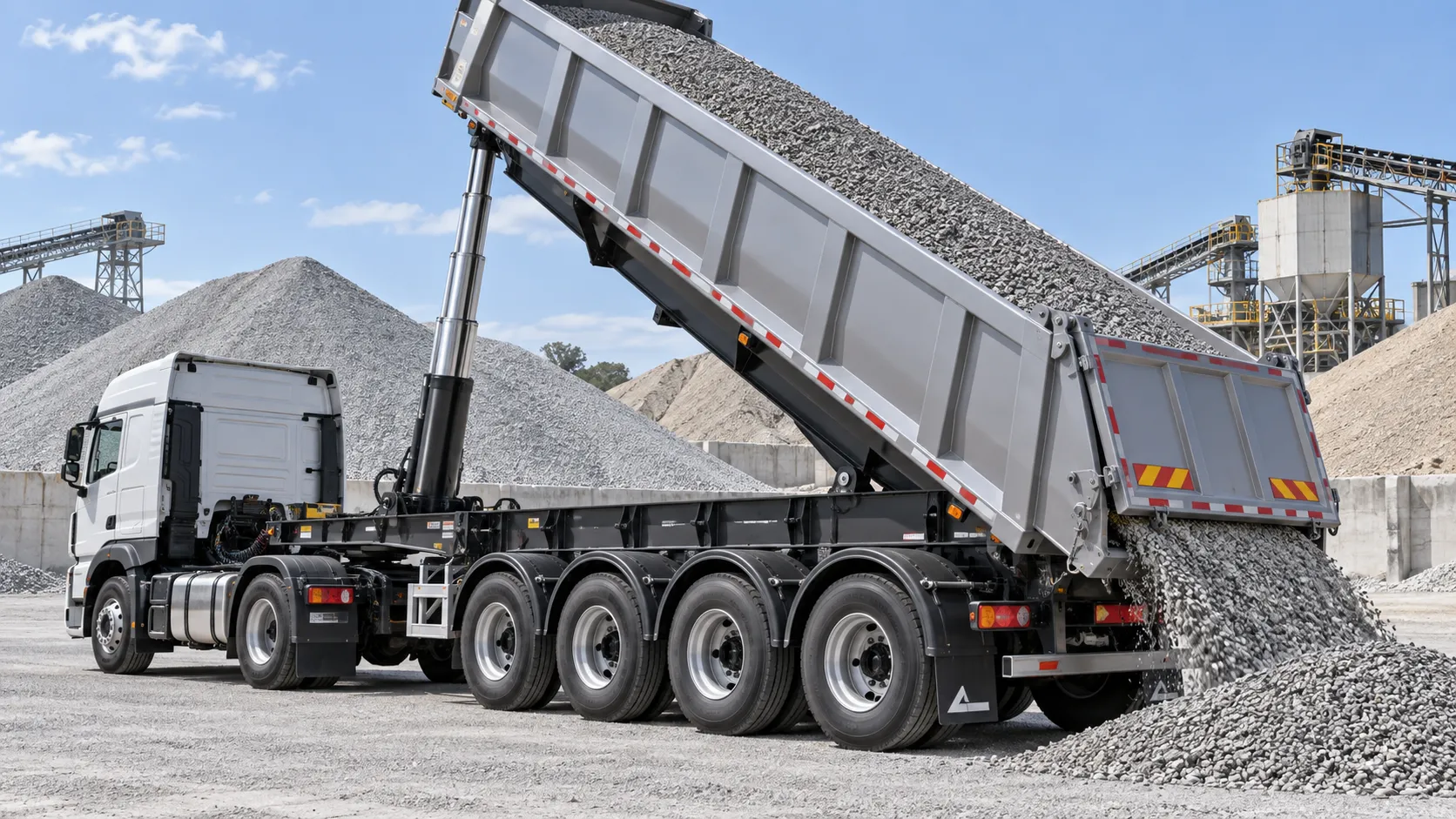
Hydraulic Tipping Stability Risks in Multi-Axle Dump Special Trailers
Dump special trailers: discover key hydraulic tipping stability risks, multi-axle load dynamics, and practical safety controls for safer, smarter bulk hauling.
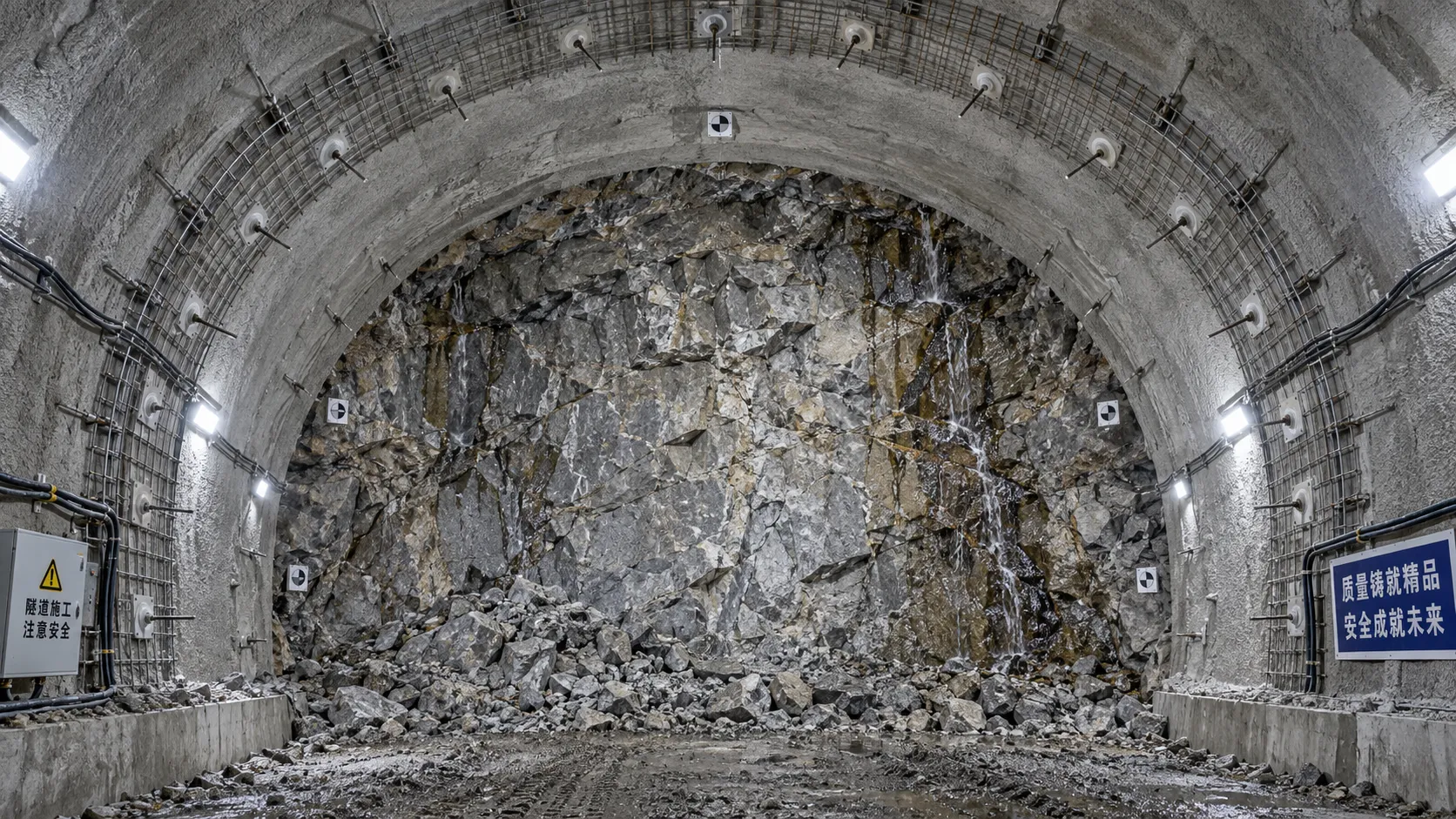
When rock reinforcement in tunnel construction must change after blasting
Rock reinforcement in tunnel construction must change when blasting reveals overbreak, weak joints, water inflow, or deformation. Discover key post-blast support decisions.
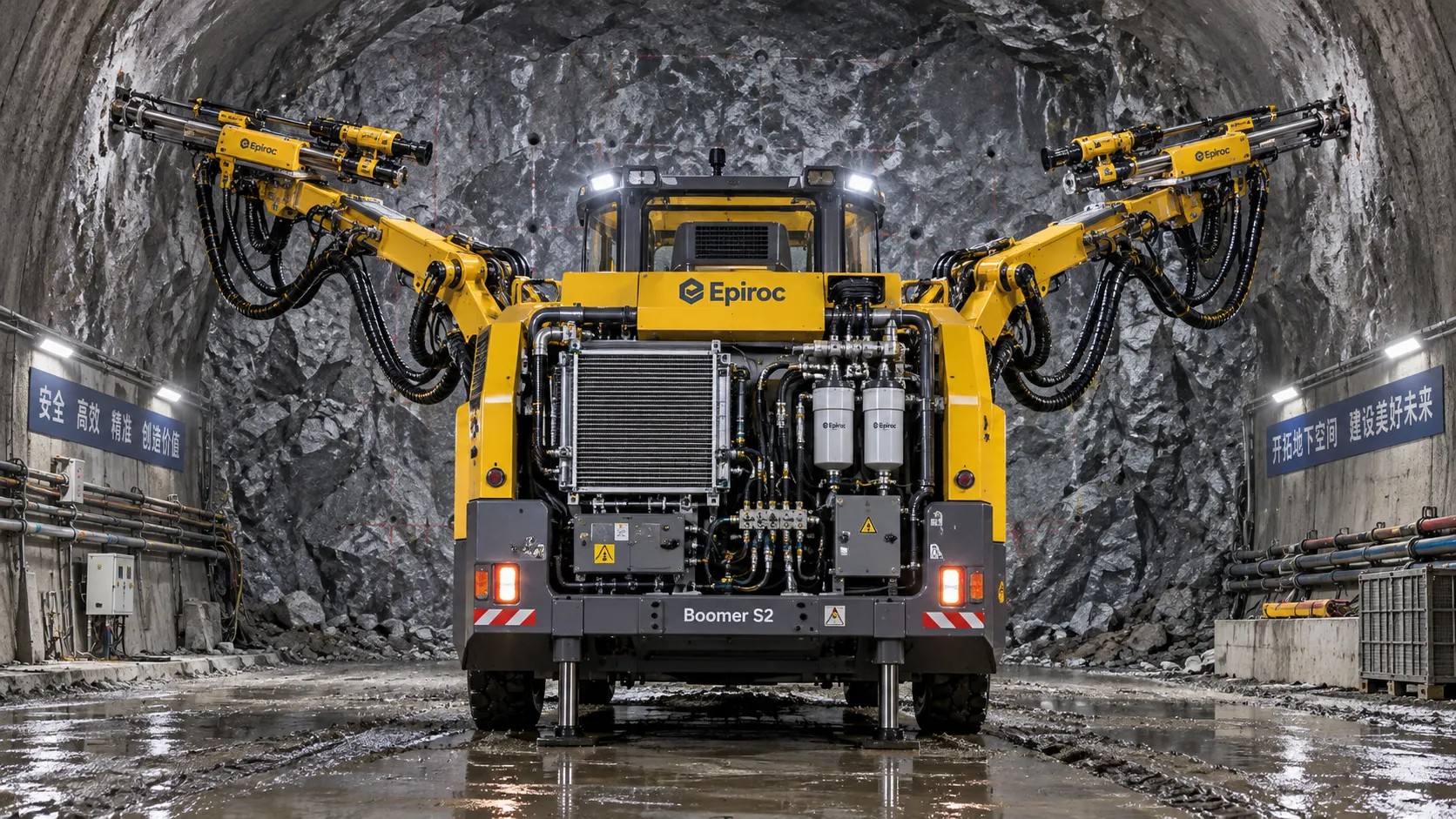
How tunnel hydraulic systems influence drill jumbo uptime underground
Tunnel hydraulic systems directly influence drill jumbo uptime. Explore how stable pressure, clean oil, cooling, and maintainable design reduce underground downtime.
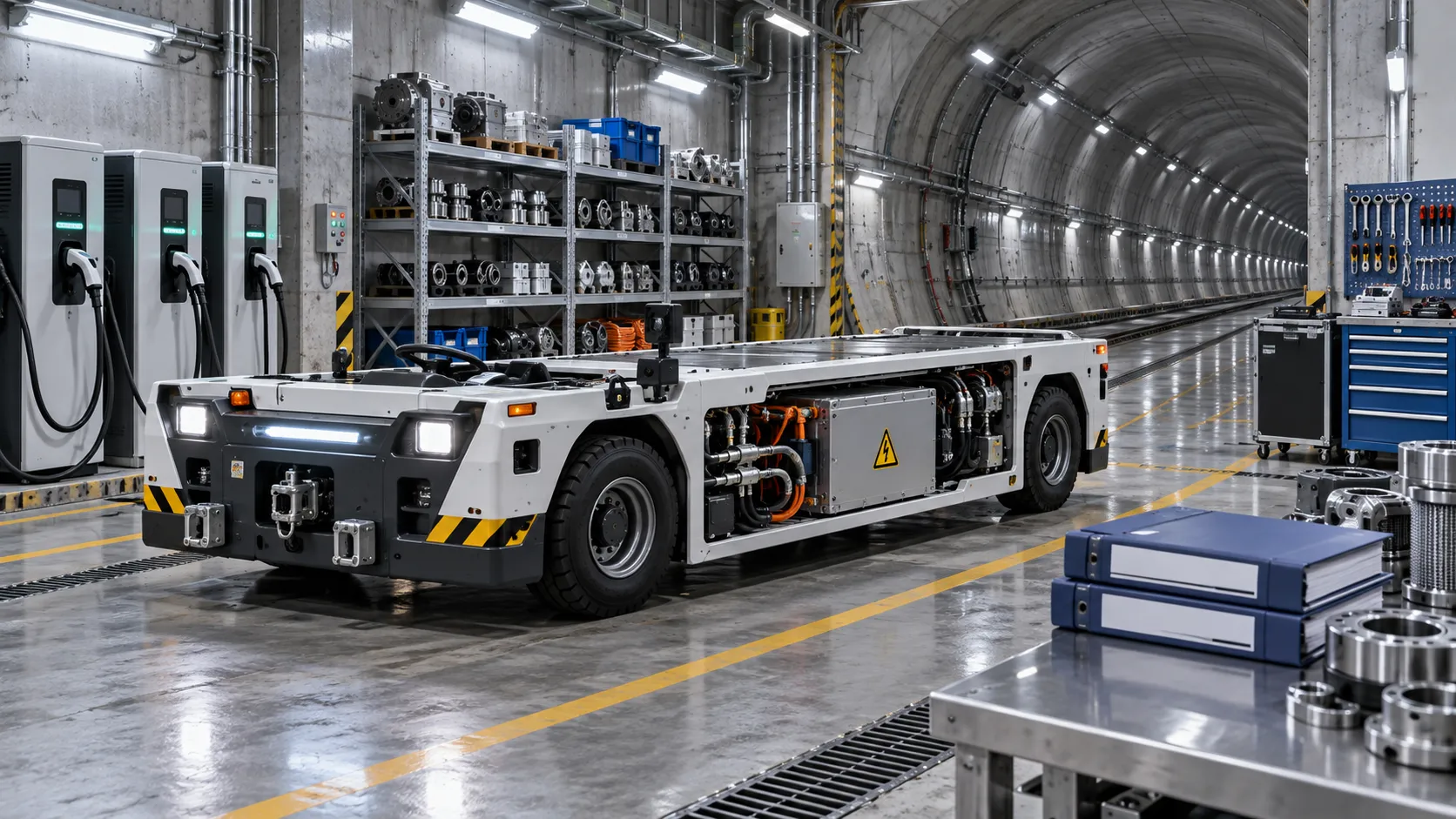
What to verify before appointing a tunneling vehicles manufacturer
Choosing a tunneling vehicles manufacturer? Verify application fit, reliability, compliance, parts support, training, and channel terms before appointing a partner.
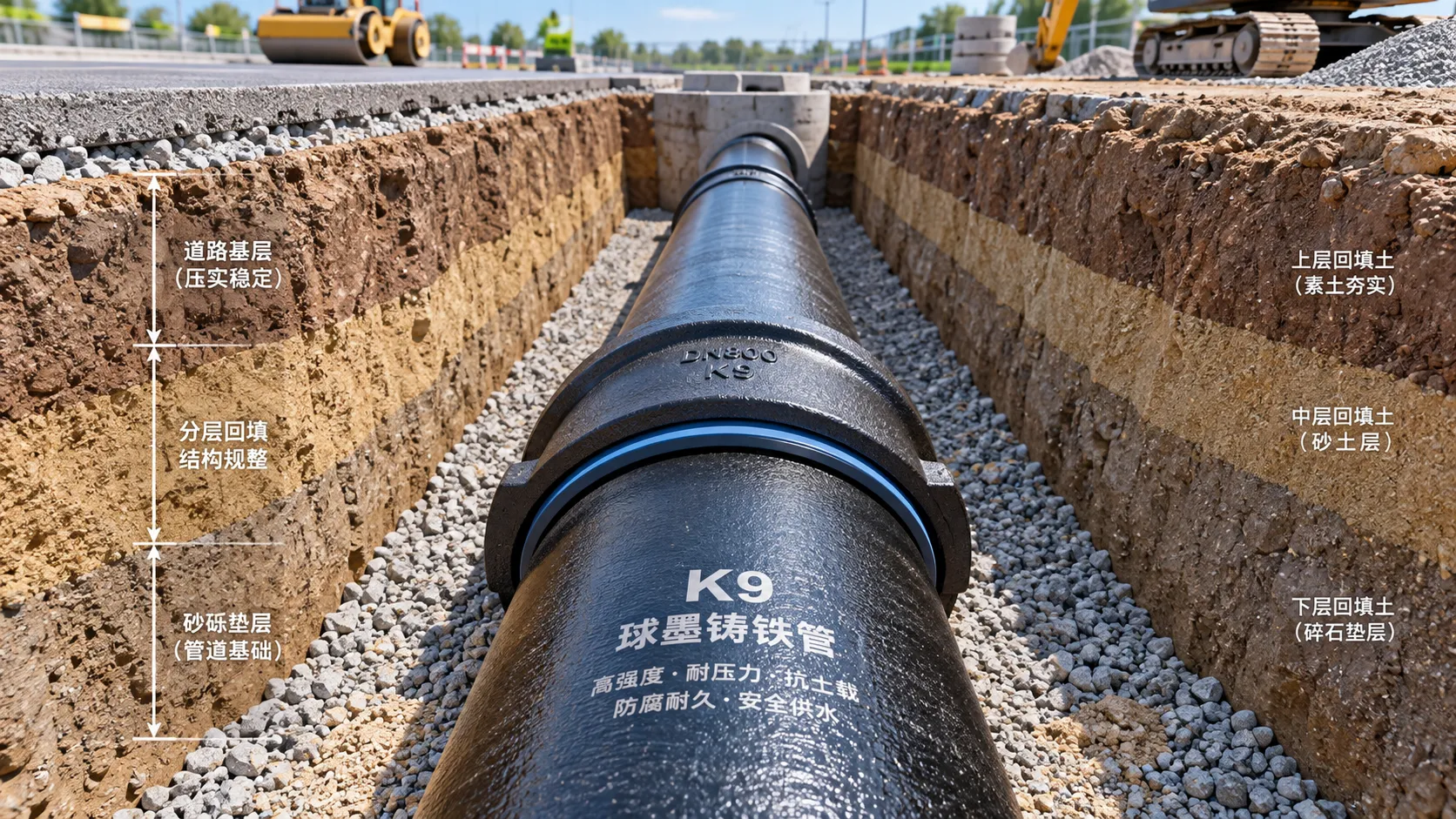
Selecting K9 Ductile Iron Pipe for Buried Water Pipeline Conditions
K9 ductile iron pipe selection for buried water pipelines: compare pressure duty, joints, soil loads, corrosion protection, and installation controls for reliable long-term performance.
Related News
- 00
0000-00
Tunnel Boring Machine Costs: Budgeting for Purchase, Operation, and Project Risk - 00
0000-00
Open-Pit Haulage Cost Analysis: How Mine Managers Can Cut Cost per Tonne - 00
0000-00
Tunnel Construction Innovations That Reduce Risk and Schedule Delays on Urban Projects - 00
0000-00
TBM Disc Cutter Design: Key Geometry and Load Factors for Hard Rock Tunnelling - 00
0000-00
Hydraulic Tipping Stability Risks in Multi-Axle Dump Special Trailers
Weekly Insights
Stay ahead with our curated technology reports delivered every Monday.