
China TBM Lead Times Fall to 8 Months as Overseas Buying Window Opens





The timing of this development is not explicitly stated in the source text, but the update matters because it points to an operational rule change in how overseas tunnel equipment procurement may be evaluated. According to the information provided, Chinese hard rock TBMs are now reaching export delivery in less than eight months on average, down from 14 months in 2024, driven by core component localization above 95% and wider use of modular assembly. For contractors, exporters, procurement teams, and project delivery partners, the practical significance lies in bid responsiveness, supply planning, technical documentation readiness, and compliance review during a period when metro and water diversion tunnel demand is said to be concentrating in Q3 and Q4 across parts of the Middle East, Southeast Asia, and Latin America.
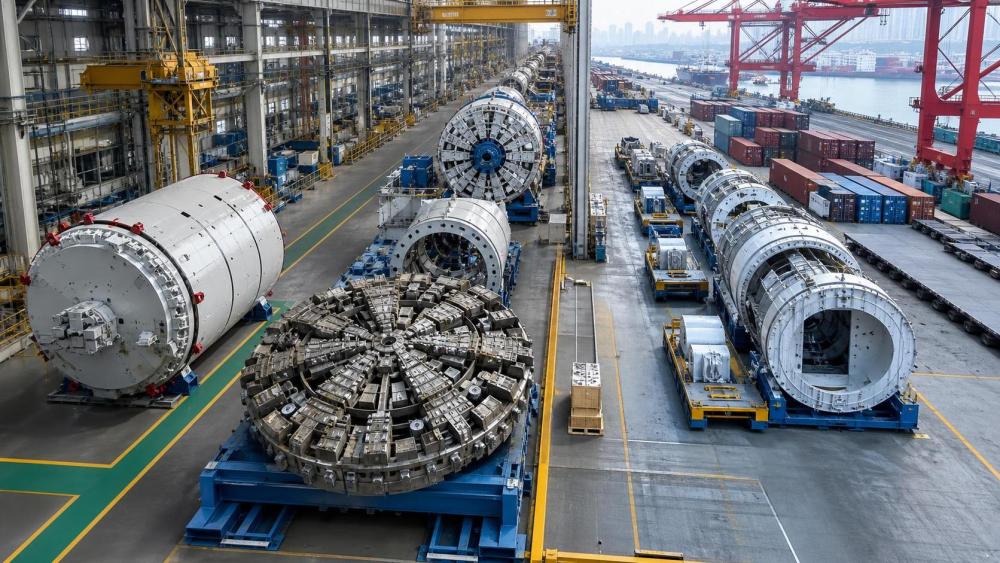
A shorter delivery cycle now forms part of the tender equation
According to a notice referenced as coming from the China Construction Machinery Association on August 12, 2026, the average export delivery cycle for Chinese hard rock TBMs has been reduced from 14 months in 2024 to within eight months at present.
The stated drivers are a core component localization rate exceeding 95% and the broader adoption of modular final assembly processes.
The same information indicates that this change improves the ability of overseas contractors to respond to tenders involving Chinese equipment, especially where procurement demand for metro and water diversion tunnel projects is being released in Q3 and Q4 in the Middle East, Southeast Asia, and Latin America.
Where the change may alter procurement and trade execution
Contractors may revisit bid timing and equipment sourcing assumptions
Analysis shows that overseas contractors are among the first affected because TBM lead time is directly tied to tender participation and project scheduling. A shorter delivery window may affect how bidders prepare equipment availability statements, delivery commitments, and technical bid alignment. What deserves closer attention is whether tender files, employer requirements, or project-specific approval processes begin to reflect tighter delivery expectations rather than older procurement assumptions.
Export suppliers may face stricter scrutiny on document readiness
From an industry perspective, a compressed lead time does not reduce the need for complete export, technical, and compliance documentation. Manufacturers and export trading entities may need to pay closer attention to product specifications, quality records, test materials, and contract delivery terms, because a faster production-to-shipment cycle can expose gaps in paperwork more quickly during bid review, contract award, and pre-shipment coordination.
Supply chain and service partners may need to align with faster project mobilization
Observably, logistics coordinators, installation support teams, and after-sales service providers may also be affected. If buyers move faster during the overseas infrastructure purchasing season, these participants may need to align delivery sequencing, site support preparation, spare parts planning, and quality traceability processes with shorter procurement cycles. The operational issue is less about headline speed and more about whether downstream execution can keep pace without creating compliance or handover risk.
Practical points companies should watch now
Keep certification and technical review materials current
Analysis shows that faster delivery becomes commercially useful only if technical files, product descriptions, and compliance materials are ready for tender and contract review. Companies involved in export offers should pay attention to whether buyers or project owners request updated technical dossiers, inspection records, or other supporting documents as part of shortened procurement decision cycles.
Watch for changes in tender language and delivery commitments
It is more appropriate to understand this update as a signal that procurement expectations may be shifting. Companies should therefore monitor whether tender documents begin placing greater weight on lead time, modular delivery capability, or supplier response speed. The source material does not provide detailed execution rules, so this remains a point for continued observation rather than a confirmed market-wide standard.
Review supplier qualification and handover discipline
From an execution perspective, shorter export lead times may place more emphasis on supplier qualification, contract clarity, and acceptance procedures. Exporters, procurement teams, and project partners should pay attention to the consistency of supplier credentials, quality traceability records, and delivery interfaces, particularly where multiple parties are involved in manufacturing, shipment, and on-site support.
Prepare for trade risk beyond manufacturing speed
Observably, an improvement in factory delivery does not automatically resolve risks in trade execution. Companies should continue watching shipment coordination, after-sales responsibilities, and documentation completeness, because these elements often determine whether a shorter production cycle actually translates into usable project delivery performance.
Why this looks more like an execution signal than a policy announcement
Analysis shows that this development is best read as an execution-side signal rather than a newly published regulation or formal policy measure in the narrow sense. The reported reduction in lead time reflects manufacturing and assembly changes that can influence procurement rules in practice, especially in tender responsiveness and delivery commitments. At the same time, the available information does not set out new certification rules, mandatory trade procedures, or revised regulatory text, so the market still needs to watch how buyers, tender issuers, and project delivery chains respond.
What deserves closer attention is whether this shorter cycle begins to appear in actual bid conditions, supplier prequalification expectations, and downstream service arrangements. That is where operational rule change becomes visible in a concrete way.
How the market may reasonably read the update
This update points to a meaningful change in delivery capability, and that matters because lead time often functions as a practical threshold in export equipment procurement. For the industry, the immediate significance is not simply that Chinese hard rock TBMs can be shipped faster, but that procurement planning, tender response strategy, and compliance preparation may need to adjust around that capability.
At present, it is more appropriate to understand this as a market execution signal with clear commercial relevance, while reserving judgment on how broadly it will reshape project requirements until more tender language, buyer behavior, and delivery feedback become visible.
Basis of this article and what still needs verification
This article is generated from the user-provided news title, event timing note, and event summary. The specific official source link was not provided in the input and still needs to be verified on an ongoing basis.
For developments of this kind, relevant source categories typically include official notices, regulator releases, trade or customs authority information, industry association updates, standards organization materials, and reporting from established industry media. Further observation is still needed on detailed execution language, certification interpretation, tender document changes, market feedback, and how companies implement delivery and service commitments in practice.
Related News

Tunnel Boring Machine Costs: Budgeting for Purchase, Operation, and Project Risk
Tunnel Boring Machines cost more than purchase price. Learn how to budget lifecycle costs, downtime, logistics, wear, and project risk for smarter TBM decisions.

Open-Pit Haulage Cost Analysis: How Mine Managers Can Cut Cost per Tonne
Open pit haulage cost analysis: discover practical ways to reduce cost per tonne through payload control, cycle-time optimization, road performance, and smarter fleet decisions.

Tunnel Construction Innovations That Reduce Risk and Schedule Delays on Urban Projects
Tunnel construction innovation for urban projects: discover smarter TBMs, real-time monitoring, trenchless methods, and automation that reduce risk and protect schedules.

TBM Disc Cutter Design: Key Geometry and Load Factors for Hard Rock Tunnelling
TBM disc cutter design explained: explore geometry, spacing, load distribution and maintenance factors for reliable, efficient hard-rock tunnelling performance.

Hydraulic Tipping Stability Risks in Multi-Axle Dump Special Trailers
Dump special trailers: discover key hydraulic tipping stability risks, multi-axle load dynamics, and practical safety controls for safer, smarter bulk hauling.
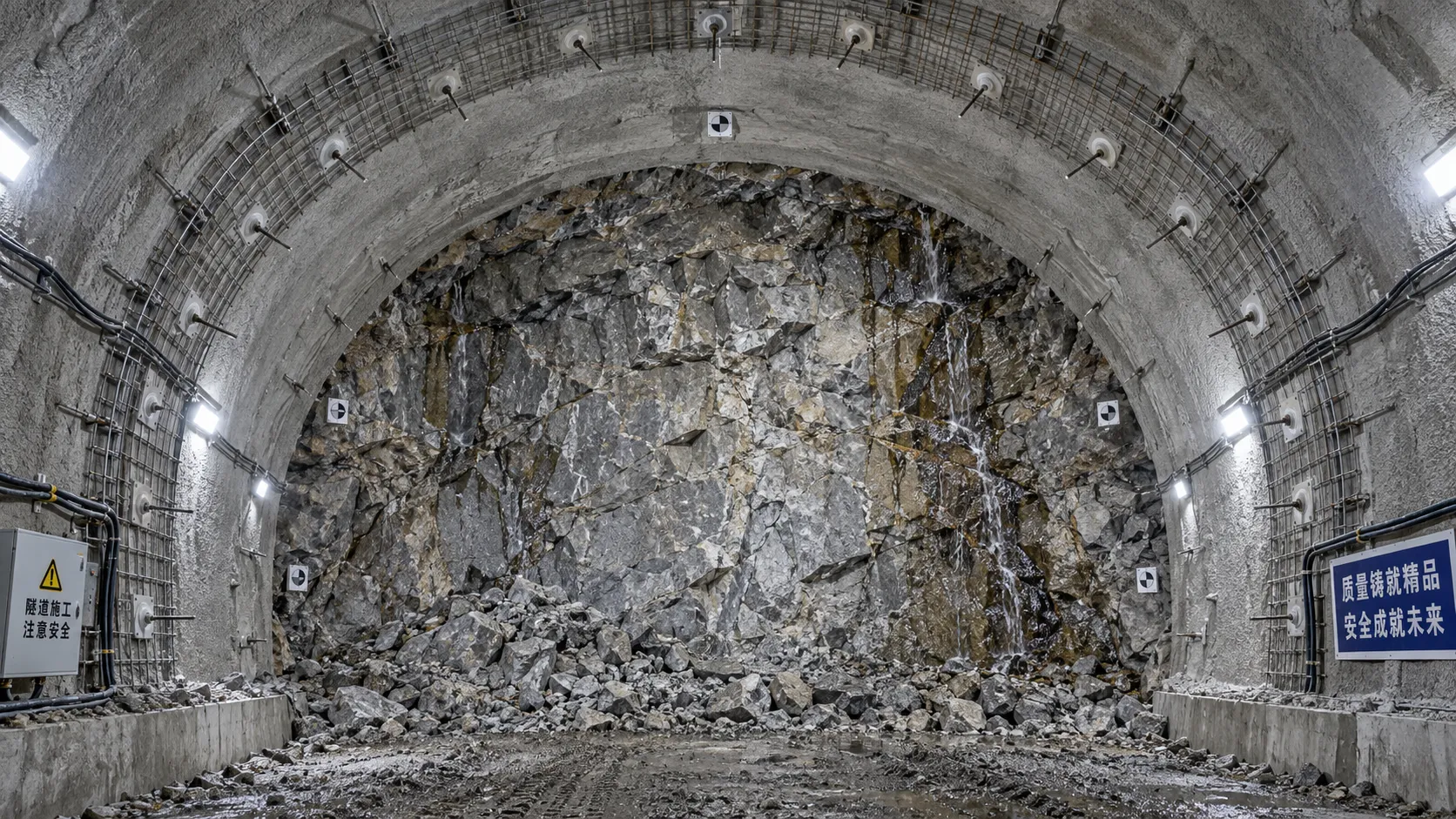
When rock reinforcement in tunnel construction must change after blasting
Rock reinforcement in tunnel construction must change when blasting reveals overbreak, weak joints, water inflow, or deformation. Discover key post-blast support decisions.
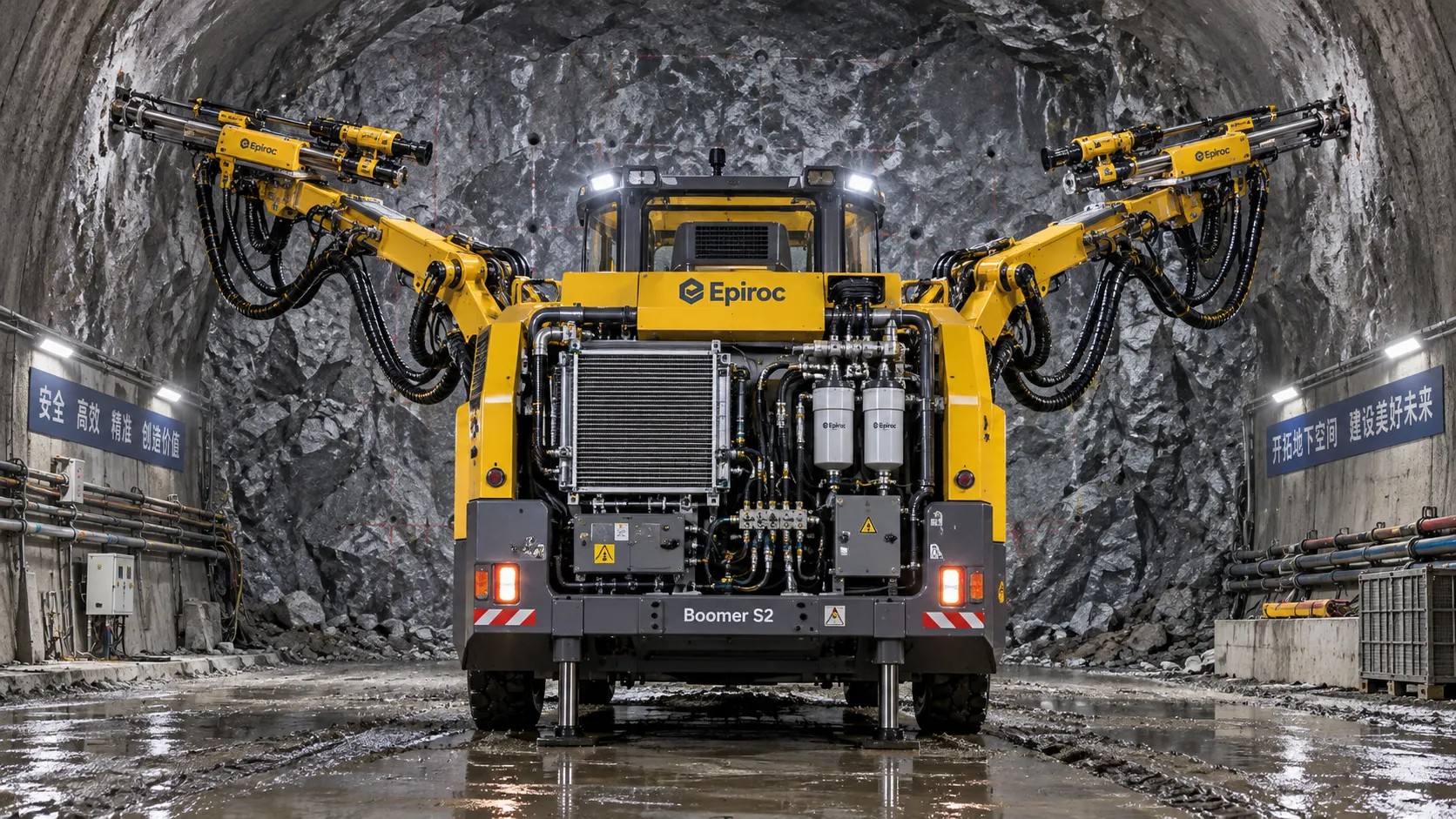
How tunnel hydraulic systems influence drill jumbo uptime underground
Tunnel hydraulic systems directly influence drill jumbo uptime. Explore how stable pressure, clean oil, cooling, and maintainable design reduce underground downtime.

What to verify before appointing a tunneling vehicles manufacturer
Choosing a tunneling vehicles manufacturer? Verify application fit, reliability, compliance, parts support, training, and channel terms before appointing a partner.
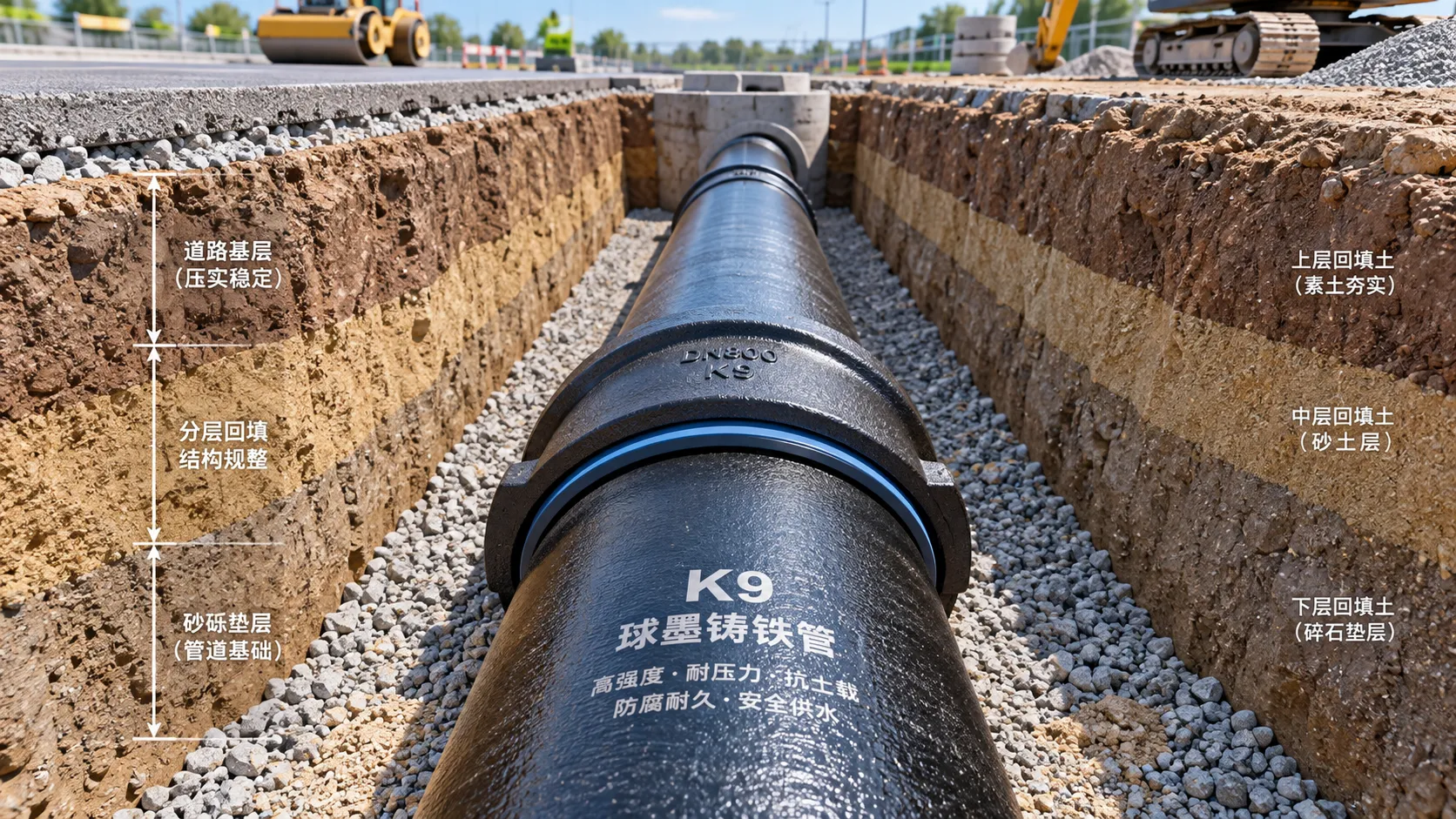
Selecting K9 Ductile Iron Pipe for Buried Water Pipeline Conditions
K9 ductile iron pipe selection for buried water pipelines: compare pressure duty, joints, soil loads, corrosion protection, and installation controls for reliable long-term performance.
Related News
- 00
0000-00
Tunnel Boring Machine Costs: Budgeting for Purchase, Operation, and Project Risk - 00
0000-00
Open-Pit Haulage Cost Analysis: How Mine Managers Can Cut Cost per Tonne - 00
0000-00
Tunnel Construction Innovations That Reduce Risk and Schedule Delays on Urban Projects - 00
0000-00
TBM Disc Cutter Design: Key Geometry and Load Factors for Hard Rock Tunnelling - 00
0000-00
Hydraulic Tipping Stability Risks in Multi-Axle Dump Special Trailers
Weekly Insights
Stay ahead with our curated technology reports delivered every Monday.