
PSA Jurong Island Opens 12-Hour Green Lane





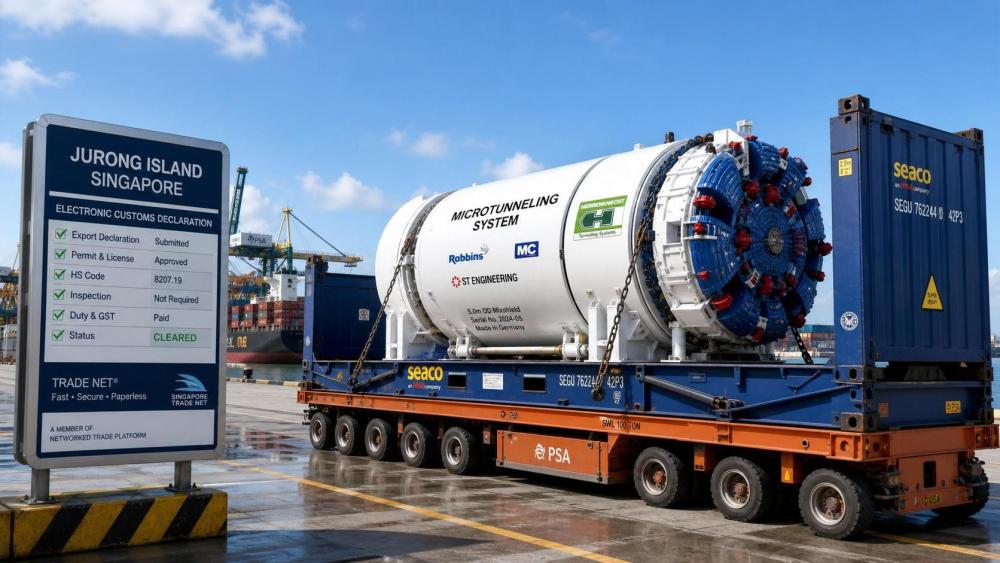
From July 2, 2026, PSA has put a dedicated green customs clearance lane for Micro-tunnelling equipment into operation at Jurong Island Terminal in Singapore, linking faster release to compliance with ISO 21448 (SOTIF) functional safety certification and the SG-MicroTun standard. For exporters, equipment suppliers, procurement teams, certification-related service providers, and delivery planners, this is worth attention because the change does not only shorten average clearance time from 72 hours to within 12 hours, but also ties customs efficiency more directly to document readiness and recognized compliance status.
What has formally changed at Jurong Island Terminal
According to the provided event information, PSA officially launched a green clearance channel for Micro-tunnelling equipment at Jurong Island Terminal on July 2, 2026. The arrangement applies to equipment that meets ISO 21448 (SOTIF) functional safety certification requirements and the SG-MicroTun standard.
The clearance model for eligible equipment is described as “no unpacking inspection plus electronic document pre-review.” Based on the same provided information, the average customs clearance time has been reduced from 72 hours to within 12 hours.
The first batch of eligible equipment has also been opened for record filing with the China Construction Machinery Association (CCMA), according to the event summary provided.
Where the operational impact is likely to be felt first
Export shipments may become more document-driven
From an industry perspective, exporters and equipment suppliers are among the first groups likely to feel the effect of this change because access to the green lane is linked to defined certification and standard conditions. The direct impact is likely to appear in pre-shipment preparation, technical file completeness, and alignment between cargo eligibility and submitted electronic documents.
What deserves closer attention is whether product files, certification materials, and shipment documentation are prepared in a way that supports pre-review. Even without additional execution details, the event clearly signals that compliance status is becoming part of the practical path to faster delivery.
Procurement and project scheduling may adjust around shorter release windows
For buyers, project contractors, and procurement teams handling Micro-tunnelling equipment, the rule change may affect delivery planning and handover expectations. A shorter average customs timeline can influence equipment arrival assumptions, but only for cargo that falls within the applicable scope and satisfies the stated certification and standard requirements.
Analysis shows that procurement teams should pay attention not only to lead times promised by suppliers, but also to whether the equipment is included in the applicable filing scope and whether compliance evidence is ready early enough to support electronic document pre-review.
Certification and compliance service providers may face tighter timing demands
Certification-related firms, testing support providers, and technical documentation teams may also be affected because the new arrangement connects customs treatment with recognized compliance conditions. Their role is likely to become more time-sensitive in the stages before shipment, especially where certification status, standard alignment, or supporting technical documents must be confirmed before cargo arrival.
Observably, the practical issue is less about adding a new abstract requirement and more about whether compliance materials can be organized in a form that supports faster border processing.
Supply chain coordinators will need closer control of handover records
Supply chain service providers and delivery coordinators may need to watch document flow, cargo identification, and filing consistency more closely. Because the stated mechanism includes electronic document pre-review and no-unpacking treatment for eligible cargo, any mismatch between equipment status and submitted records could matter more in execution.
It is more appropriate to understand this as an operational compliance issue across shipment preparation, customs documentation, and delivery scheduling, rather than as a pure logistics speed upgrade.
What companies should watch in the near term
Check whether equipment eligibility can be demonstrated clearly
Companies involved in exports, procurement, or delivery should first focus on whether the relevant equipment can clearly demonstrate compliance with ISO 21448 (SOTIF) and the SG-MicroTun standard, because those conditions are directly tied to access to the green lane in the provided information.
Prepare electronic documentation with pre-review in mind
Because the announced process includes electronic document pre-review, firms should pay close attention to the completeness and internal consistency of technical documents, certification records, and shipment paperwork. The event summary does not provide a full execution checklist, so this remains an area that requires close monitoring rather than assumption.
Track filing scope and any follow-up execution wording
The opening of the first batch of eligible equipment for filing with CCMA is a practical point to monitor. Analysis shows that companies should watch how the applicable equipment scope is described in subsequent notices, filing practices, or procurement documents, since those details can shape whether faster clearance is available in actual transactions.
Review delivery promises and contract assumptions carefully
Shorter average customs timing may affect delivery commitments, but companies should avoid treating the 12-hour figure as an unconditional baseline for all shipments. What deserves closer attention is how sales teams, logistics coordinators, and buyers reflect the stated conditions in contracts, schedules, and supplier qualification checks.
Why this looks like an execution signal more than a broad policy statement
Analysis shows that this development is better read as a concrete execution signal tied to a specific terminal, a defined equipment category, and explicit compliance conditions. The combination of no-unpacking treatment, electronic pre-review, and named certification or standard requirements indicates that customs facilitation is being linked to documented product qualification in a more operational way.
At the same time, observably, the information currently provided is still limited in scope. It does not establish how broadly the arrangement will expand, how detailed the filing review will be, or how consistently the process will be reflected across procurement practice and shipment execution. For that reason, the market should treat this as a landed change with immediate practical relevance, while still watching for further clarification in implementation.
How the market may best interpret this stage
At this stage, the most balanced reading is that PSA’s move at Jurong Island Terminal creates a real compliance-linked efficiency pathway for eligible Micro-tunnelling equipment, rather than a general simplification for all cargo. The reduction from 72 hours to within 12 hours matters, but its practical value depends on whether exporters, suppliers, and buyers can align certification status, filing scope, and electronic documentation with the stated requirements.
From an industry perspective, this is less a broad market conclusion than a specific operational signal: compliance readiness is becoming more directly connected to customs speed. That makes the announcement relevant for trade execution, procurement planning, and technical document management, while leaving room for continued observation on how the rule will be applied in practice.
Basis of this article and what still needs verification
This article is based on the user-provided news title, event date, and event summary. For developments of this kind, commonly relevant source types may include official operator announcements, regulator releases, customs or trade authority information, industry association notices, standard-setting documents, and reporting by authoritative media.
No specific official source link was provided in the input, so the exact official publication path still requires further verification. Observably, the market should continue to monitor any later clarification on implementation details, certification interpretation, filing practice, procurement document changes, industry feedback, and actual company execution.
Related News
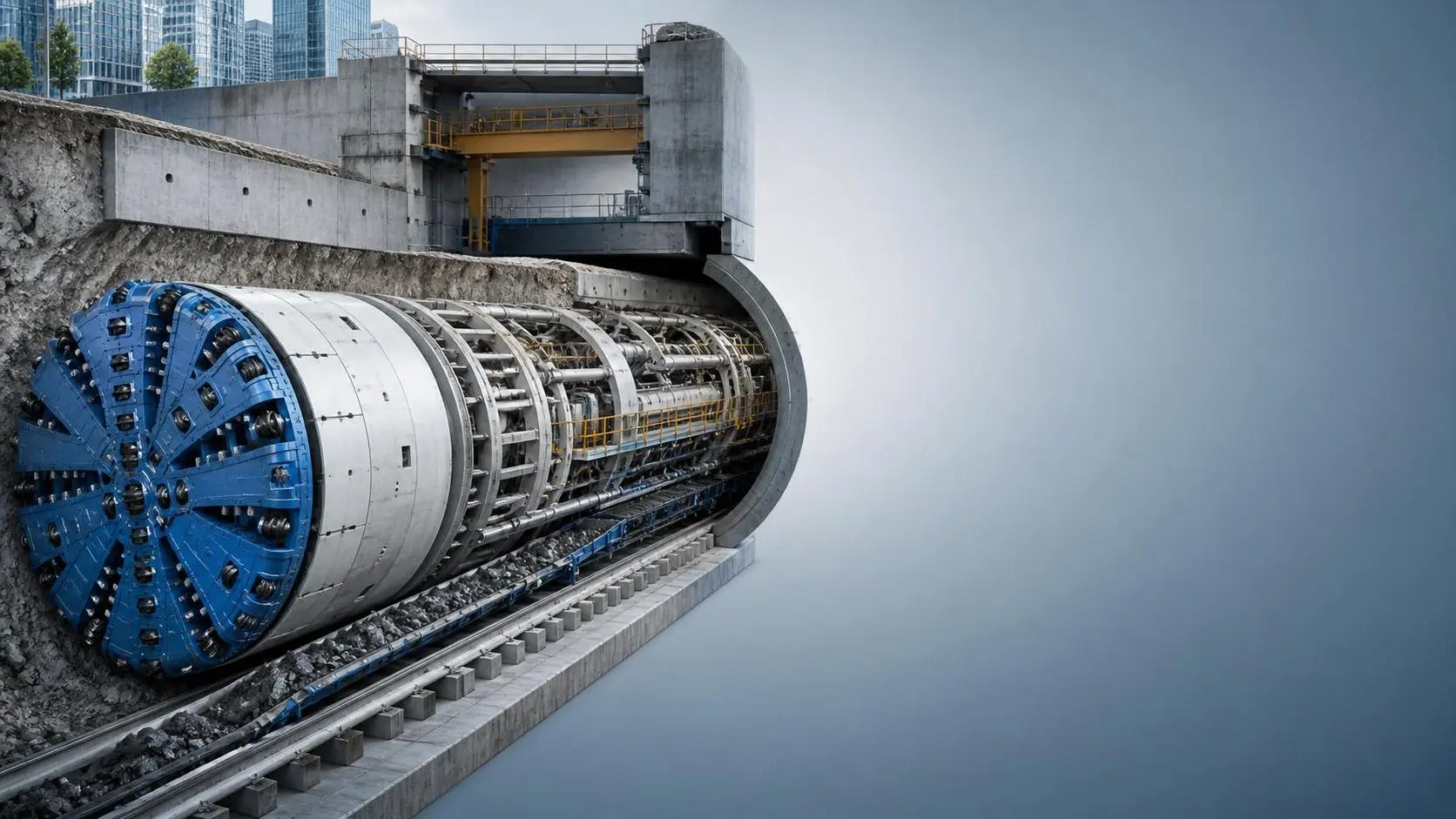
What Drives TBM Excavation Cost in Urban Tunneling Projects?
tbm excavation cost in urban tunneling depends on geology, shafts, segment lining, logistics, and risk. Discover the key cost drivers and compare bids with greater confidence.

What Does Energy Metals Mining in Australia Mean for Supply, Cost, and Project Risk?
Energy metals mining Australia is reshaping supply, cost, and project risk. Discover what it means for buyers, investors, and operators.

EU Eases Dual CE and UKCA Path for Chinese Tunnel Boring Equipment
EU eases CE and UKCA certification for Chinese tunnel boring equipment, cutting compliance time and helping importers move faster.
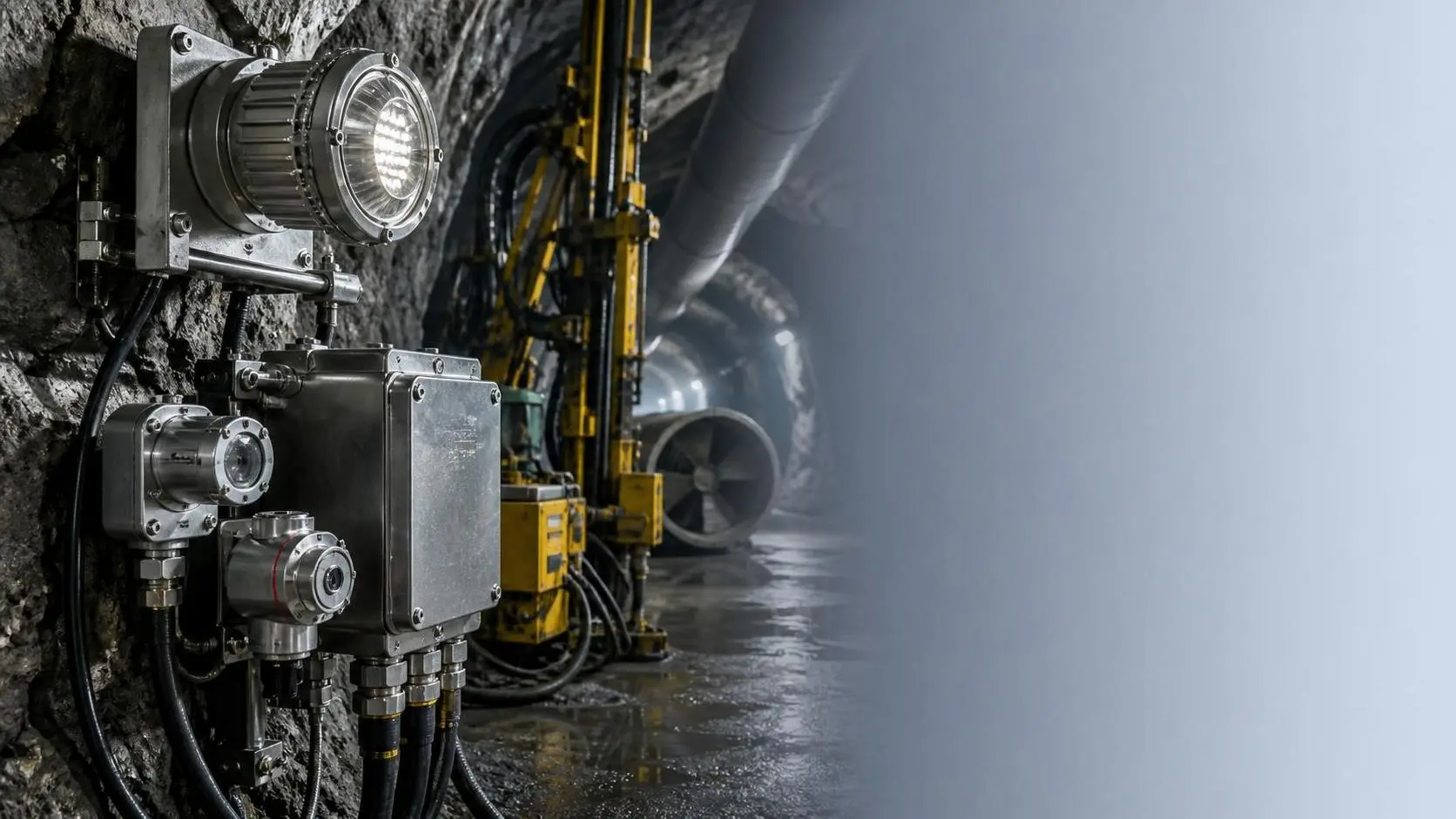
Flameproof Underground Safety Equipment: What Mine Teams Should Check Before Buying
Underground Safety Equipment flameproof buying guide: learn how mine teams should verify certification, durability, serviceability, and supplier support before purchase.
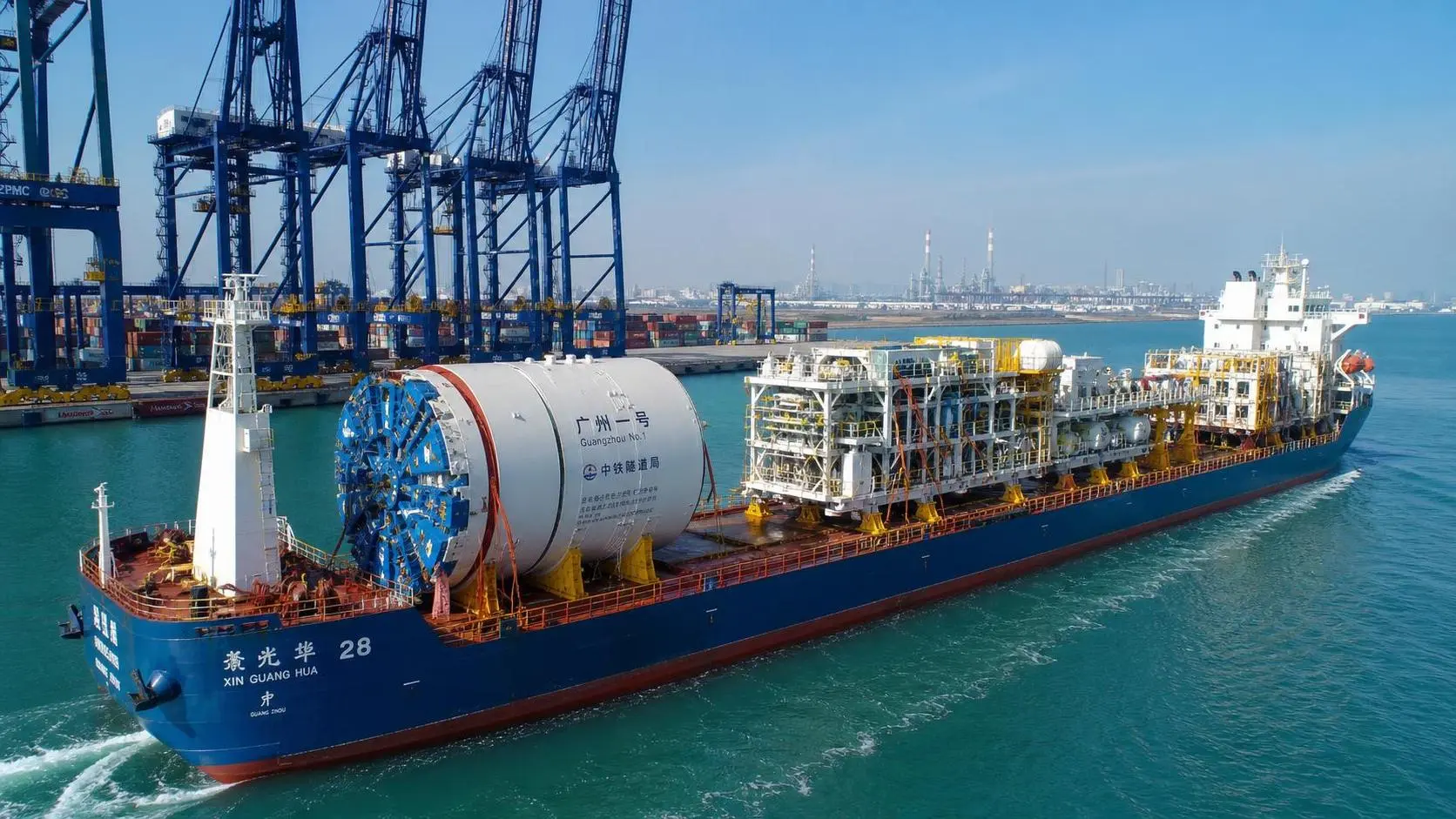
China-UAE Direct Sea Route Cuts TBM and Large Tunneling Equipment Lead Times
China-UAE direct sea route shortens TBM and large tunneling equipment lead times by 12–15 days, improving delivery predictability for major infrastructure projects. Read the full impact.
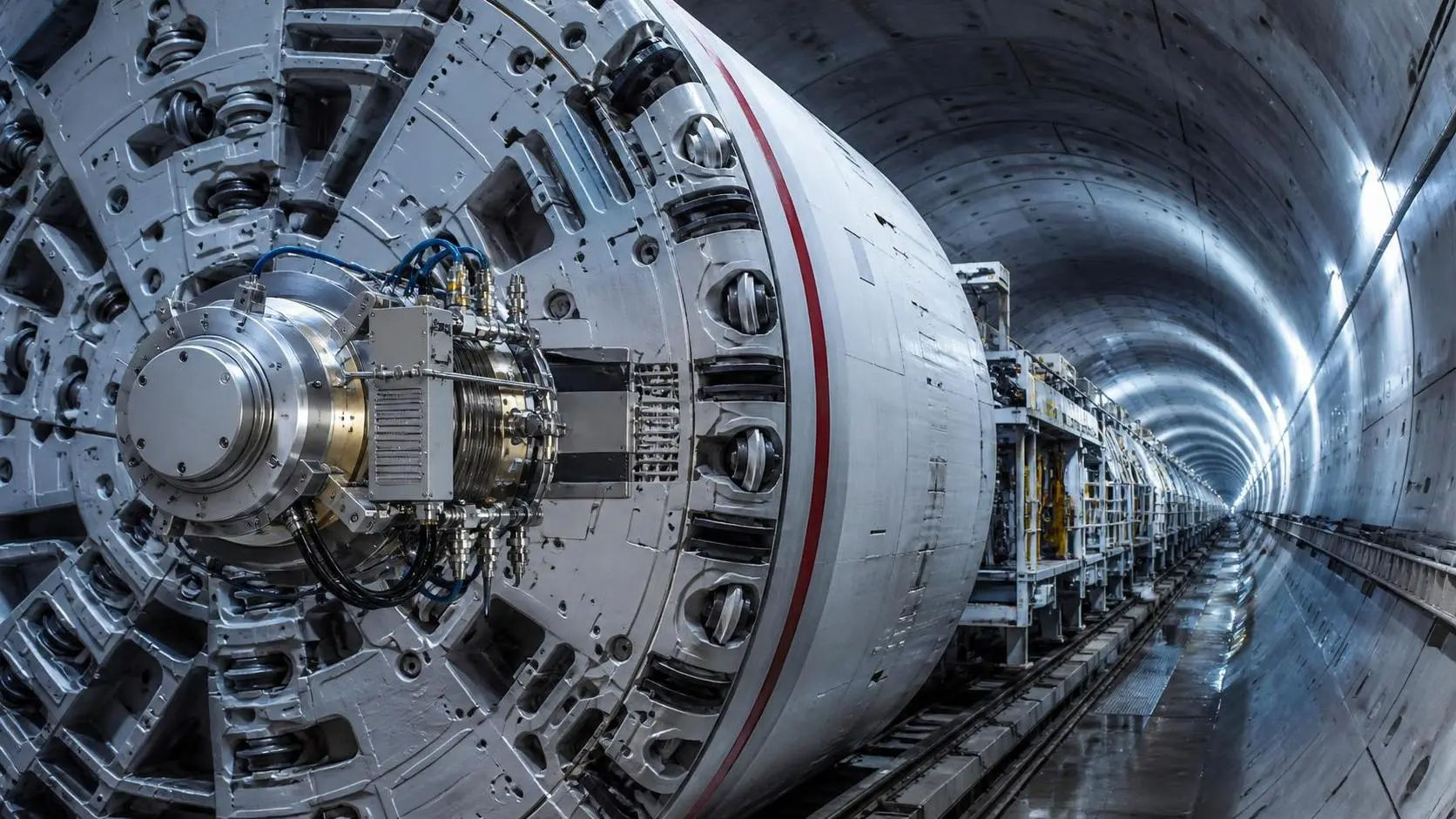
What Is a TBM Guidance System Gyroscope, and Why Does It Matter Underground?
TBM Guidance Systems gyroscope improves underground accuracy, reduces drift, and helps tunnel boring machines stay on line in harsh conditions.

China to Roll Out Nationwide Local and Foreign Currency Cash Pools for Multinationals on Sept. 14
China will roll out nationwide local and foreign currency cash pools for multinationals on Sept. 14, streamlining cross-border treasury management and boosting liquidity efficiency.
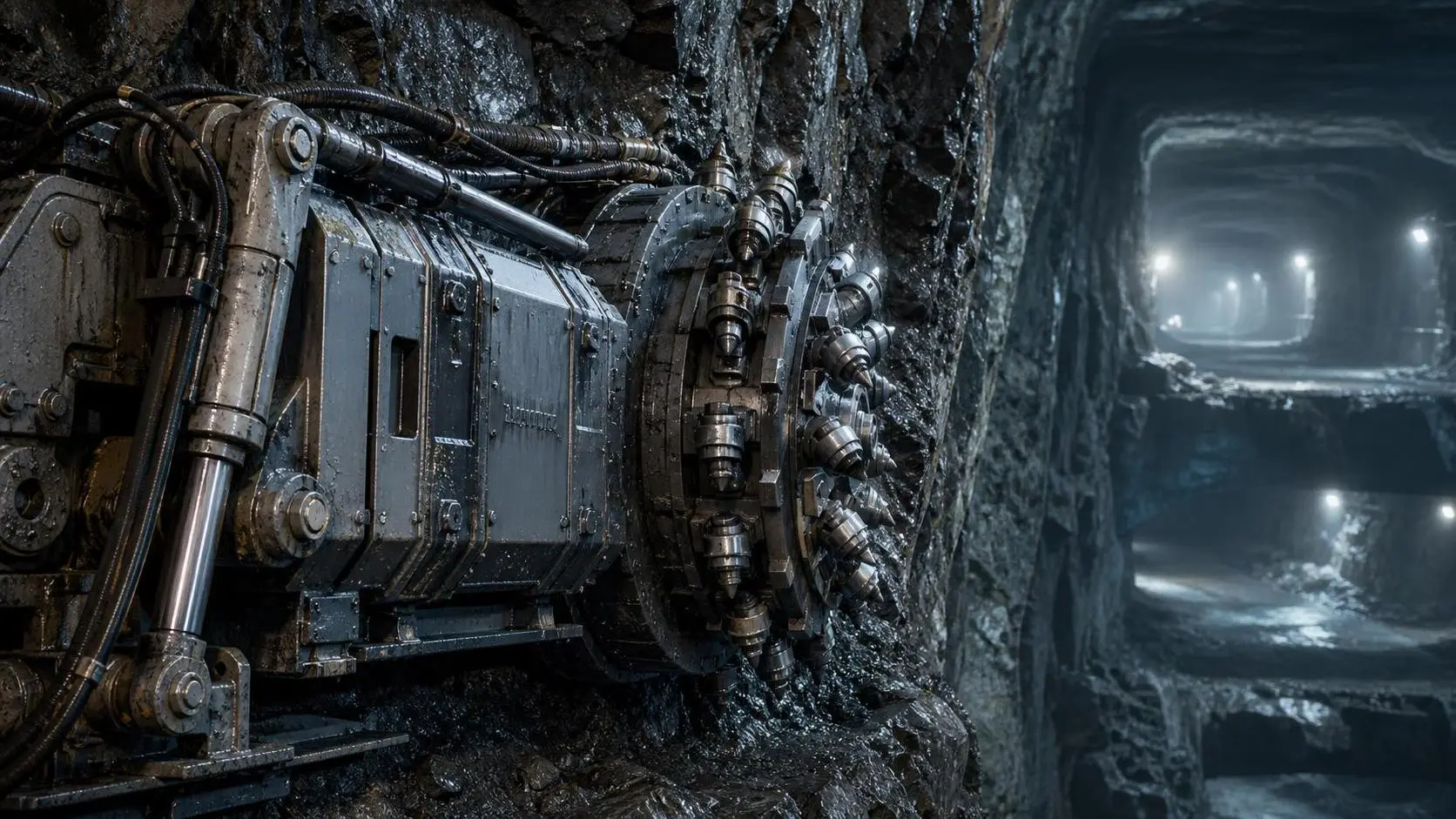
How to Choose a Reliable Underground Mining Equipment Supplier for Harsh Site Conditions
Find a reliable underground mining equipment supplier for harsh site conditions with rugged, maintainable solutions that boost uptime, reduce risk, and support long-term production.
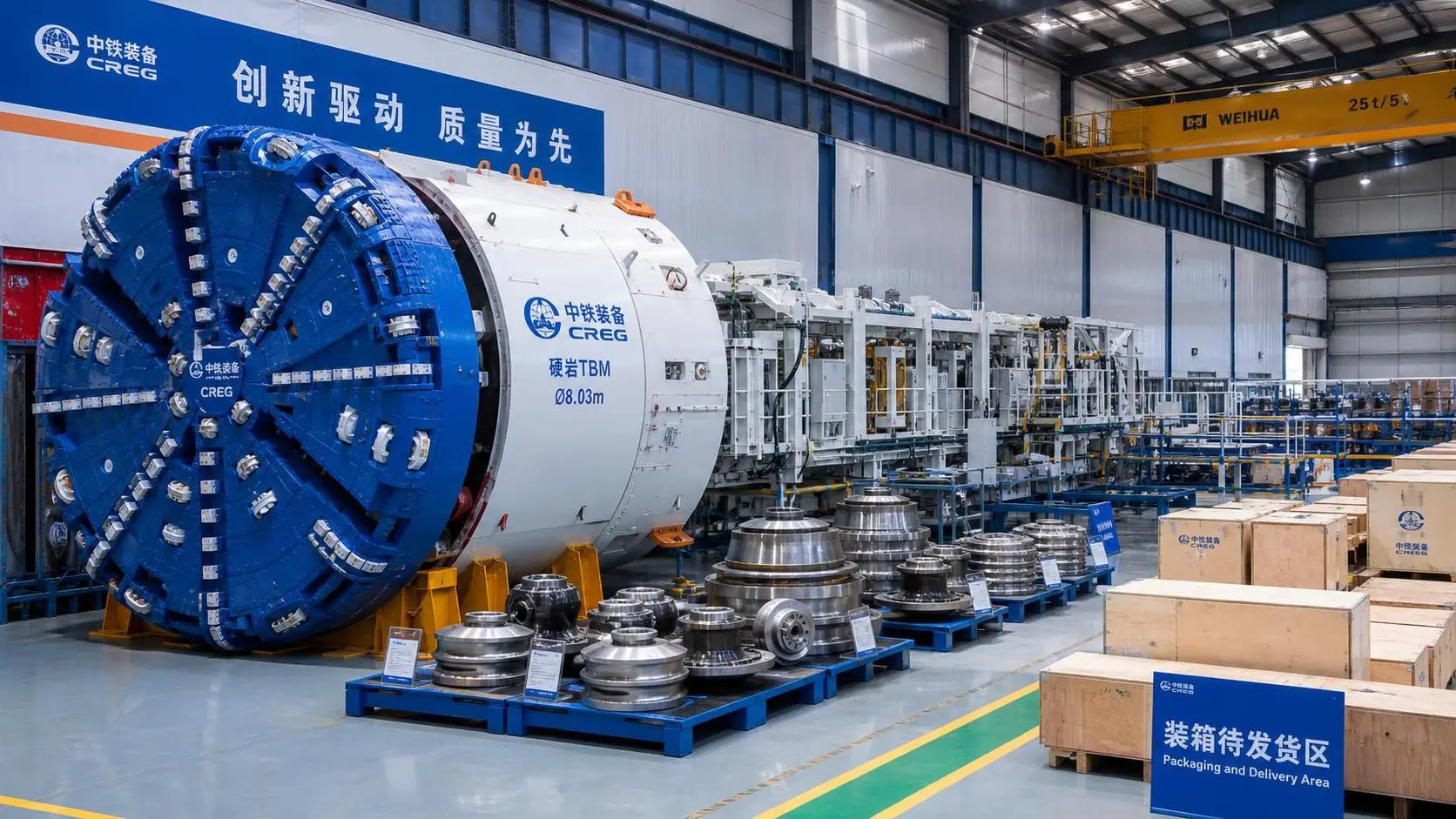
China Customs Tightens TBM Export Checks from Aug. 16
China Customs tightens TBM export checks from Aug. 16, 2026. Learn how new mandatory inspections may affect tunnelling equipment shipments, compliance, and delivery plans.
Related News
- 00
0000-00
What Drives TBM Excavation Cost in Urban Tunneling Projects? - 00
0000-00
What Does Energy Metals Mining in Australia Mean for Supply, Cost, and Project Risk? - 00
0000-00
EU Eases Dual CE and UKCA Path for Chinese Tunnel Boring Equipment - 00
0000-00
Flameproof Underground Safety Equipment: What Mine Teams Should Check Before Buying - 00
0000-00
China-UAE Direct Sea Route Cuts TBM and Large Tunneling Equipment Lead Times
Weekly Insights
Stay ahead with our curated technology reports delivered every Monday.