
PSA Opens 12-Hour Green Lane for Micro-tunnelling Gear





On July 4, 2026, PSA launched a dedicated green customs clearance lane at Jurong Island Terminal for Micro-tunnelling equipment, turning compliance credentials and document readiness into a direct factor in delivery speed. For exporters, project suppliers, procurement teams, certification-related service providers, and logistics operators handling key tunnelling components, the development is worth close attention because it links customs treatment to specific approval documents, carbon-footprint disclosure, and digital filing through TradeX rather than treating clearance as a purely port-side process.
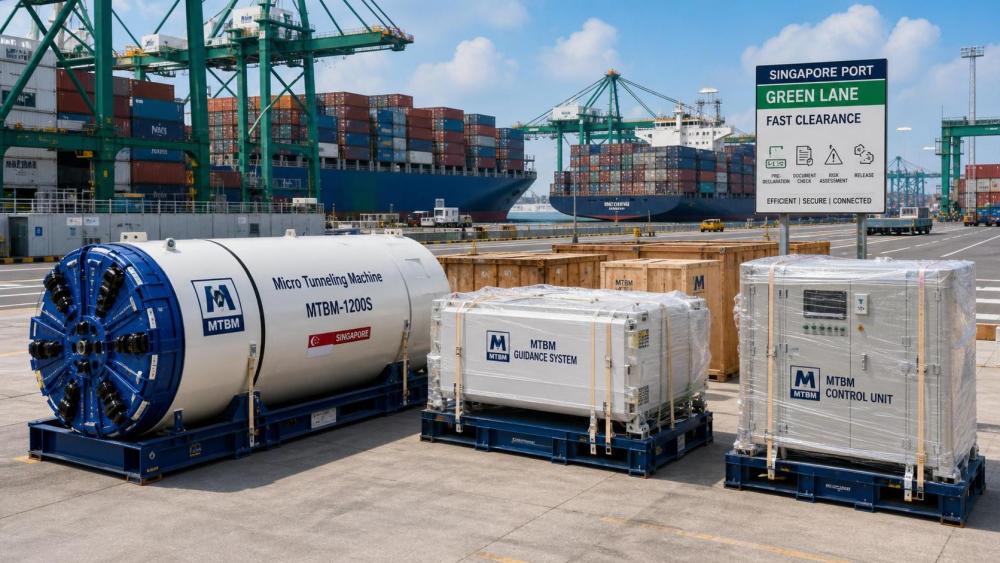
A clearance channel tied to defined eligibility
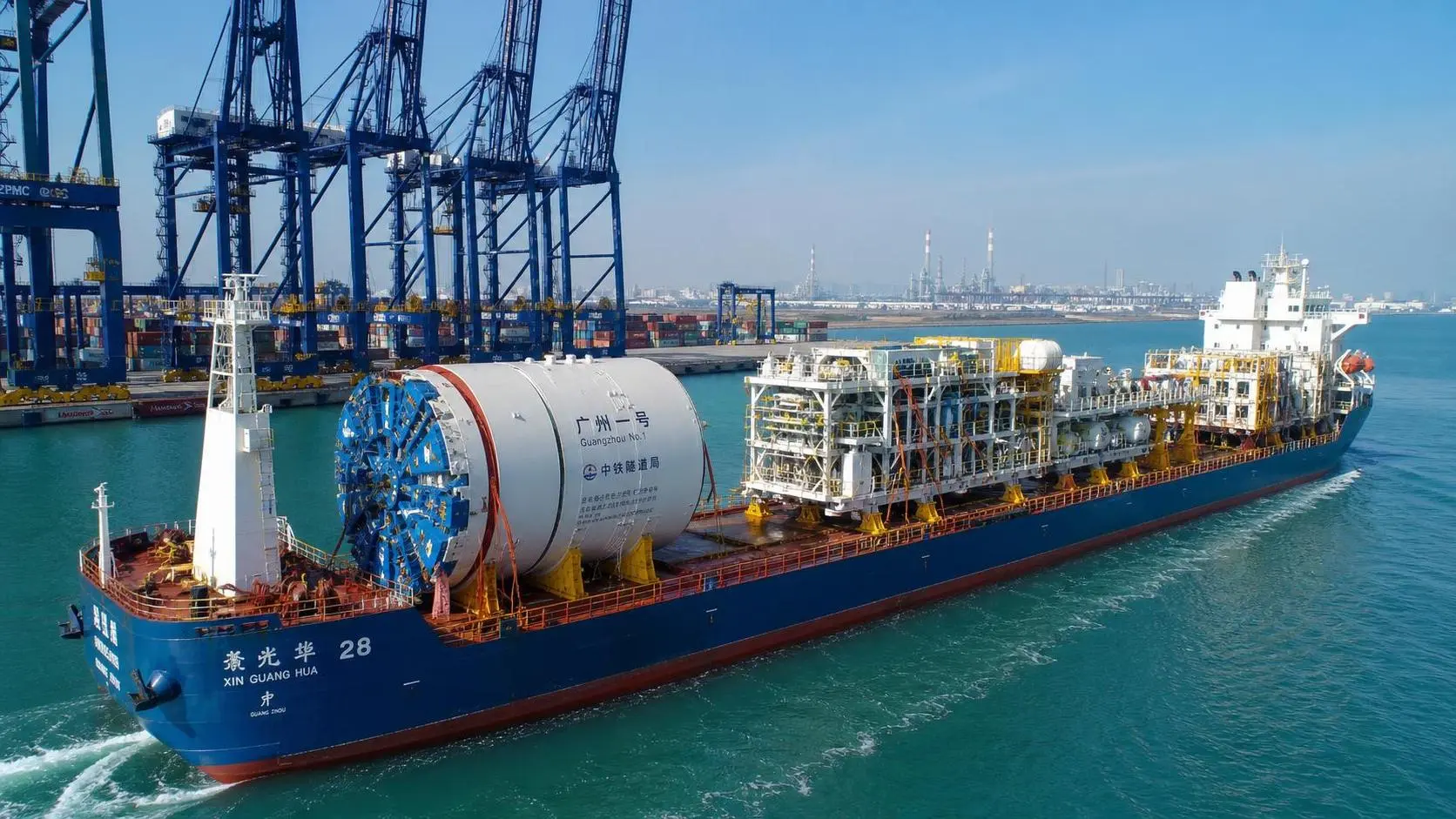
According to the provided event summary, PSA formally activated the green lane on July 4, 2026 for Micro-tunnelling-specific equipment at Jurong Island Terminal. The scope covers key components including the main pipe-jacking machine unit, guidance systems, and micro-excavation control units.
The same summary states that qualifying equipment can receive exemption from inspection, priority document review, and completion of the full customs clearance process within 12 hours. Eligibility is described as including CE/SGS type approval and a carbon-footprint declaration.
The channel is also connected to Singapore's TradeX platform, allowing Chinese exporters to upload compliance documents through a one-click process.
Where the operational effect is likely to be felt first
Export documentation becomes part of delivery performance
From an industry perspective, exporters of covered Micro-tunnelling equipment may be affected first because the reported fast-track treatment is tied to whether the shipment can present the required compliance set in a usable form. The impact is likely to show up in pre-shipment document preparation, internal compliance review, and handoff to customs and logistics teams. What deserves closer attention is whether CE/SGS type approval files and carbon-footprint declarations are prepared in a form that can be uploaded cleanly through TradeX.
Procurement teams may start screening suppliers differently
For buyers and project procurement teams, the rule change matters because customs speed is no longer only a transport issue; it may also depend on whether a supplier can meet the stated qualification threshold. The practical impact may appear in tender documentation, supplier onboarding, and delivery planning. Analysis shows that procurement teams will need to pay closer attention to whether supplier files already include the relevant type-approval evidence and supporting compliance records before shipment is booked.
Logistics and supply-chain operators face a document-handling shift
Supply-chain service providers and customs support teams may also see a workflow change. If the green lane operates on the basis described in the event summary, the value of logistics execution may increasingly depend on early document validation, platform submission accuracy, and coordination between exporter, forwarder, and consignee. In practice, the sensitive points are likely to be document completeness, submission timing, and whether shipment files are aligned with the product category covered by the lane.
Certification and testing support may move closer to the shipment stage
Certification-related firms and testing support providers may be indirectly affected because the reported eligibility conditions mention CE/SGS type approval and a carbon-footprint declaration. Observably, this can shift some commercial attention toward how quickly these materials can be assembled, verified, and delivered in a format accepted for customs processing. That does not change the underlying approvals by itself, but it can change how urgently customers treat them in export preparation.
Practical points companies should track now
Check whether the product falls within the covered equipment scope
The current notice refers to dedicated Micro-tunnelling equipment and identifies several key component categories. Companies should therefore focus first on product classification in commercial and technical documents, especially where shipments combine major units, control modules, or related systems. The immediate issue is not broad market access in general, but whether the shipped item is clearly documented as part of the covered equipment scope.
Treat approvals and carbon declarations as pre-clearance documents
Analysis shows that the practical value of the green lane depends on document readiness before arrival. Exporters and suppliers should review whether CE/SGS type approval materials and carbon-footprint declarations are internally complete, consistent across technical files, and ready for submission alongside shipping documents. Where execution details are still limited in the provided information, it is more appropriate to treat this as a compliance-preparation requirement rather than assume automatic fast-track access.
Prepare for digital filing discipline through TradeX
Because the channel is connected to TradeX and supports one-click upload for Chinese exporters, companies should watch the filing side as closely as the certification side. The key operational point is whether internal teams, brokers, or service partners can submit the correct file set without mismatch between product description, compliance evidence, and shipment paperwork. This is especially relevant for firms that have treated customs documentation and technical compliance files as separate workflows.
Watch for later clarification in execution language
The provided information confirms the launch and the stated benefits, but it does not provide full detail on every execution condition. Companies should therefore continue tracking how the eligibility standard is described in later official wording, whether any format expectations emerge around carbon-footprint declarations, and whether project tenders or purchasing documents begin referring directly to the green-lane qualification set.
Why this looks like an execution signal rather than a broad policy reset
Observably, this update is more than a routine port-efficiency announcement because it links clearance treatment to defined compliance materials and a digital submission path. At the same time, it should not yet be read as a blanket change to all heavy equipment trade or a universal customs simplification measure. It is more appropriate to understand this as an execution-level signal: for the covered Micro-tunnelling categories, customs speed may increasingly depend on whether regulatory, certification, and disclosure files are organized in a form that fits the port's processing pathway.
From an industry perspective, the point that deserves closer attention is the combination of three elements in one process: type approval, carbon-footprint declaration, and digital upload. That combination may influence how suppliers prepare bids, how buyers review vendor readiness, and how logistics providers structure pre-clearance support. Still, the market will need to observe how consistently the mechanism is applied in practice and whether downstream documents begin to reflect it more explicitly.
How this development is best understood at this stage
At this stage, the PSA move is best read as a concrete operational change for eligible Micro-tunnelling equipment rather than a fully settled market-wide rule outcome. The confirmed facts point to a narrower but meaningful development: faster customs treatment is being tied to defined approvals, carbon disclosure, and digital document submission. For companies active in this equipment segment, the immediate implication is to review qualification files, shipment paperwork, and supplier readiness with delivery timing in mind, while keeping later execution details under observation.
Basis of this article and what still needs verification
This article is based on the user-provided news title, event date, and event summary. For events of this kind, relevant source types would typically include official port operator announcements, customs or trade administration information, regulatory notices, industry association updates, standard or certification body documents, and reporting by established industry media.
No specific official source link was provided in the input, so the original official publication path still needs to be verified on an ongoing basis. What still warrants follow-up includes later policy detail, execution language for eligibility, certification interpretation in practice, changes in tender or procurement documents, industry feedback, and how companies implement the required document package in actual shipments.
Related News

How to Evaluate Articulated Dump Trucks Payload for Haul Road Conditions and Cycle Efficiency
Articulated Dump Trucks payload evaluation starts with real haul road conditions, not brochure numbers. Learn how to balance payload, traction, grades, and cycle efficiency for safer, higher output.
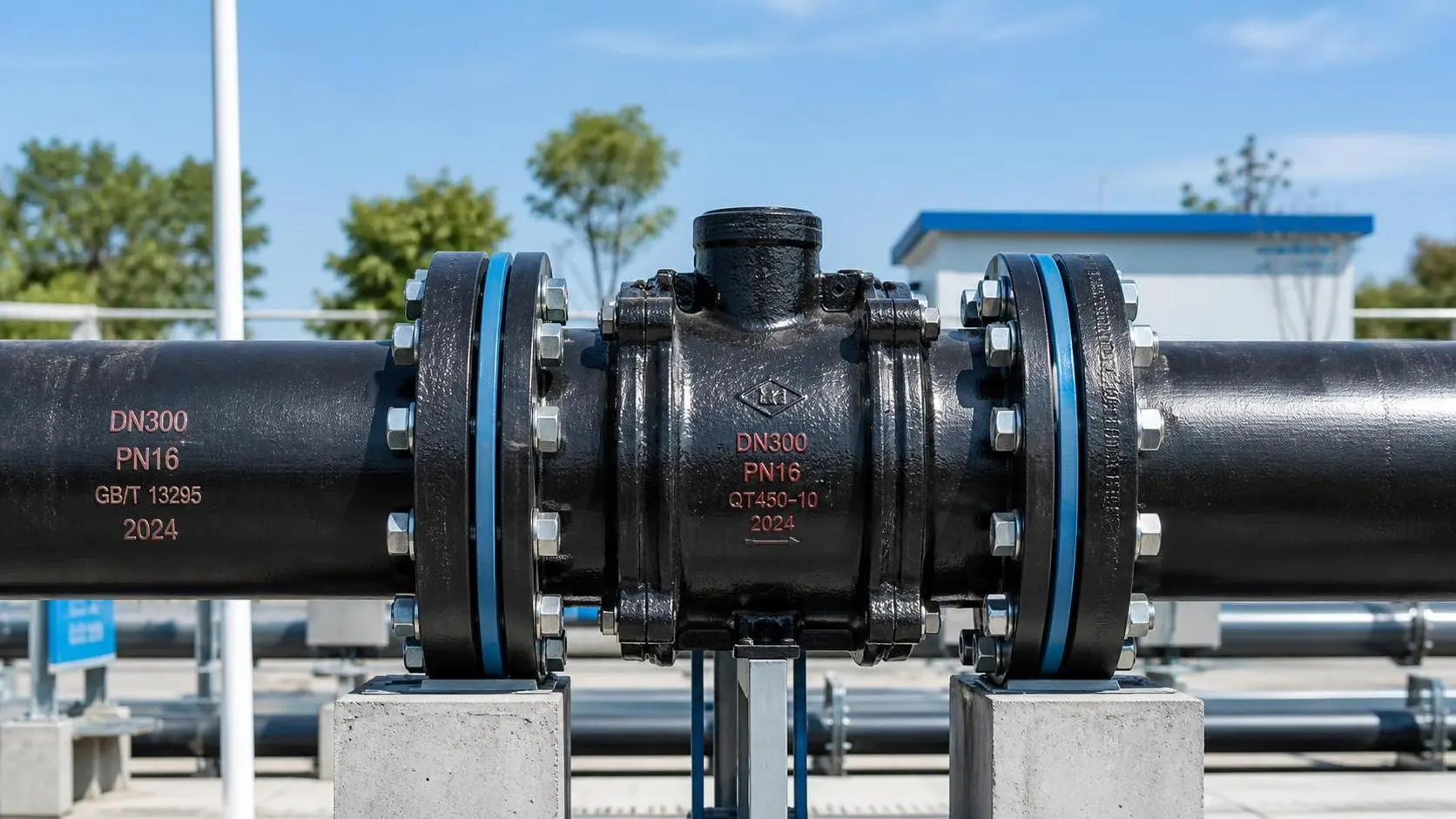
How Pipe Fittings Material and Pressure Class Affect Water Line Selection
Pipe fittings selection starts with material and pressure class. Learn how these factors affect water line reliability, corrosion resistance, installation, and long-term cost.
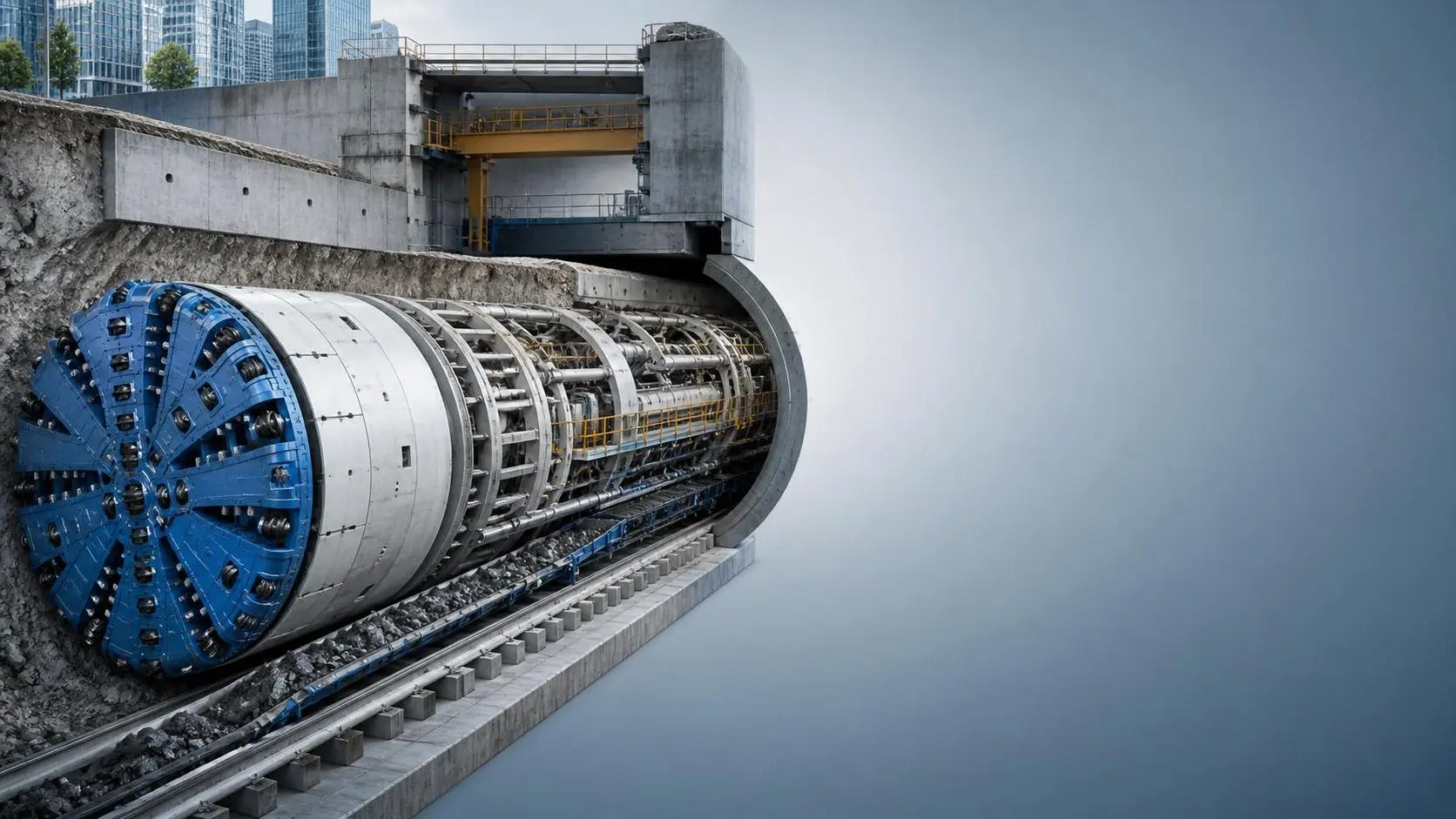
What Drives TBM Excavation Cost in Urban Tunneling Projects?
tbm excavation cost in urban tunneling depends on geology, shafts, segment lining, logistics, and risk. Discover the key cost drivers and compare bids with greater confidence.

What Does Energy Metals Mining in Australia Mean for Supply, Cost, and Project Risk?
Energy metals mining Australia is reshaping supply, cost, and project risk. Discover what it means for buyers, investors, and operators.

EU Eases Dual CE and UKCA Path for Chinese Tunnel Boring Equipment
EU eases CE and UKCA certification for Chinese tunnel boring equipment, cutting compliance time and helping importers move faster.
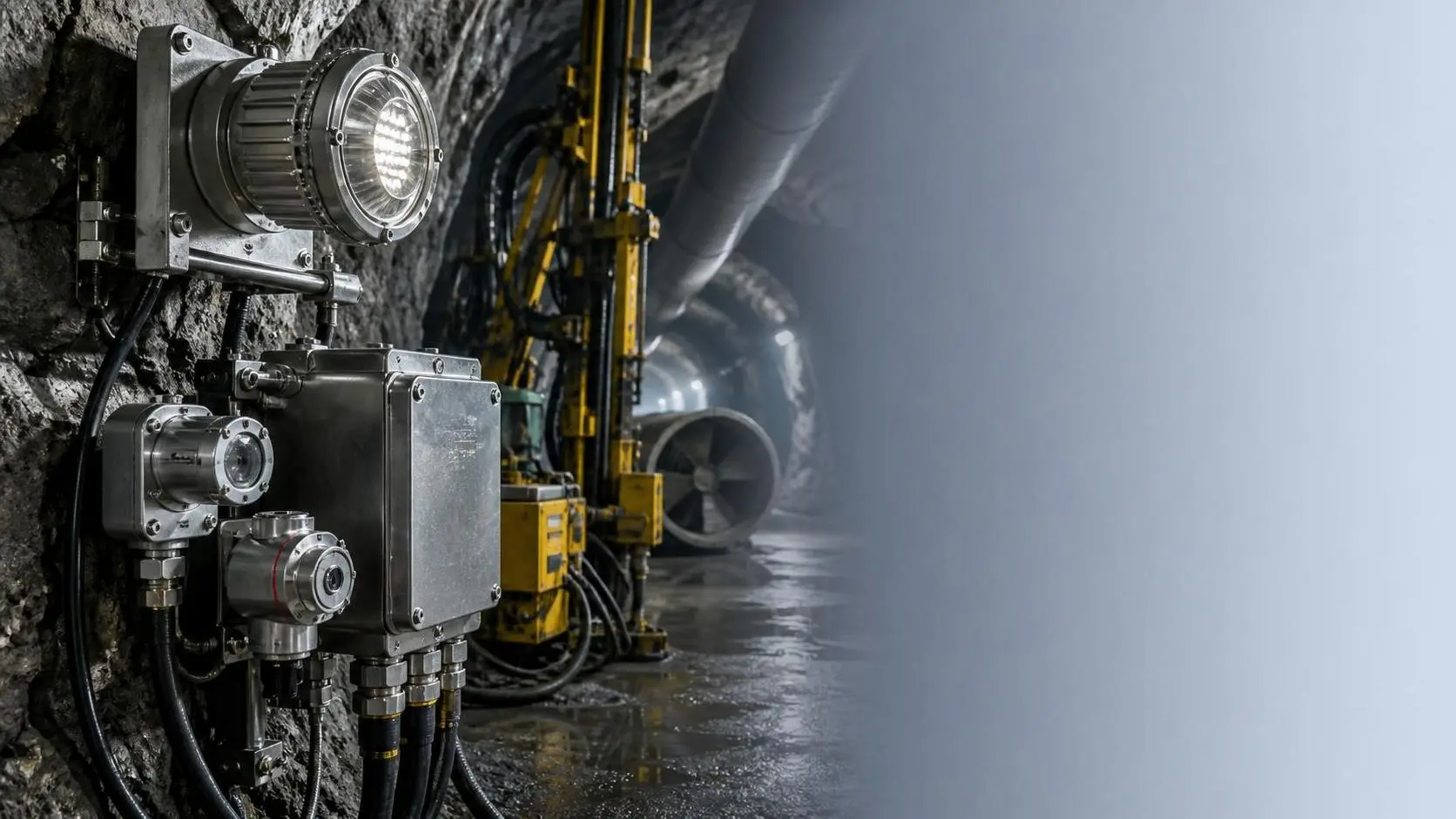
Flameproof Underground Safety Equipment: What Mine Teams Should Check Before Buying
Underground Safety Equipment flameproof buying guide: learn how mine teams should verify certification, durability, serviceability, and supplier support before purchase.
China-UAE Direct Sea Route Cuts TBM and Large Tunneling Equipment Lead Times
China-UAE direct sea route shortens TBM and large tunneling equipment lead times by 12–15 days, improving delivery predictability for major infrastructure projects. Read the full impact.

What Is a TBM Guidance System Gyroscope, and Why Does It Matter Underground?
TBM Guidance Systems gyroscope improves underground accuracy, reduces drift, and helps tunnel boring machines stay on line in harsh conditions.

China to Roll Out Nationwide Local and Foreign Currency Cash Pools for Multinationals on Sept. 14
China will roll out nationwide local and foreign currency cash pools for multinationals on Sept. 14, streamlining cross-border treasury management and boosting liquidity efficiency.
Related News
- 00
0000-00
How to Evaluate Articulated Dump Trucks Payload for Haul Road Conditions and Cycle Efficiency - 00
0000-00
How Pipe Fittings Material and Pressure Class Affect Water Line Selection - 00
0000-00
What Drives TBM Excavation Cost in Urban Tunneling Projects? - 00
0000-00
What Does Energy Metals Mining in Australia Mean for Supply, Cost, and Project Risk? - 00
0000-00
EU Eases Dual CE and UKCA Path for Chinese Tunnel Boring Equipment
Weekly Insights
Stay ahead with our curated technology reports delivered every Monday.