
When Trenchless Engineering Beats Open-Cut Construction on Urban Projects





In dense urban environments, Trenchless Engineering often outperforms open-cut construction by reducing traffic disruption, surface damage, utility conflicts, and project risk. For business evaluators assessing cost, schedule, ESG impact, and long-term asset value, understanding when trenchless methods deliver a stronger return is essential. This article examines the practical conditions, commercial trade-offs, and strategic advantages that make trenchless solutions the smarter choice on modern city projects.
Why business evaluators should use a checklist first
For urban pipeline, utility, transport, and municipal tunnel projects, the wrong construction method can lock in hidden costs long before excavation starts. A simple unit-price comparison rarely captures the full picture. Open-cut construction may look cheaper at the bid stage, yet traffic management, road restoration, claims from adjacent businesses, utility relocation, environmental controls, and schedule overruns can quickly reverse that assumption.
That is why Trenchless Engineering should be evaluated through a structured checklist. It helps commercial teams, investment reviewers, and procurement decision-makers identify where subsurface methods create measurable value: less surface disruption, fewer social impacts, reduced rework, and stronger delivery certainty. In city projects with tight right-of-way, live utilities, and political sensitivity, the best option is often the one that protects operations above ground while improving predictability below it.
First-pass decision checklist: when Trenchless Engineering is likely to beat open-cut
Before reviewing equipment, contractors, or final budgets, start with these priority checks. If several are true, Trenchless Engineering usually deserves serious preference.
- The project corridor passes under high-traffic roads, rail lines, airports, hospitals, schools, or dense commercial districts where closures would create major economic or political pressure.
- The surface includes premium pavement, landscaped boulevards, historic streetscapes, or recently completed urban renewal assets that would be costly to remove and restore.
- The underground environment is congested with power, telecom, sewer, water, gas, and district energy lines, making utility relocation slow, expensive, and risky.
- The alignment needs to cross rivers, highways, sensitive campuses, industrial sites, or operational facilities where continuous service must be maintained.
- The owner faces strict schedule commitments tied to public service continuity, concession obligations, development milestones, or funding windows.
- ESG targets, carbon reporting, noise limits, dust control, and community acceptance are important procurement criteria rather than secondary concerns.
- The project has a high cost of delay, high reputational exposure, or a strong need to minimize claims, stakeholder conflict, and business interruption.
If only one of these factors applies, open-cut may still remain competitive. If four or more apply, trenchless methods often move from technical alternative to strategic advantage.
Core evaluation criteria: what to compare beyond headline construction cost
1. Surface disruption and continuity of city operations
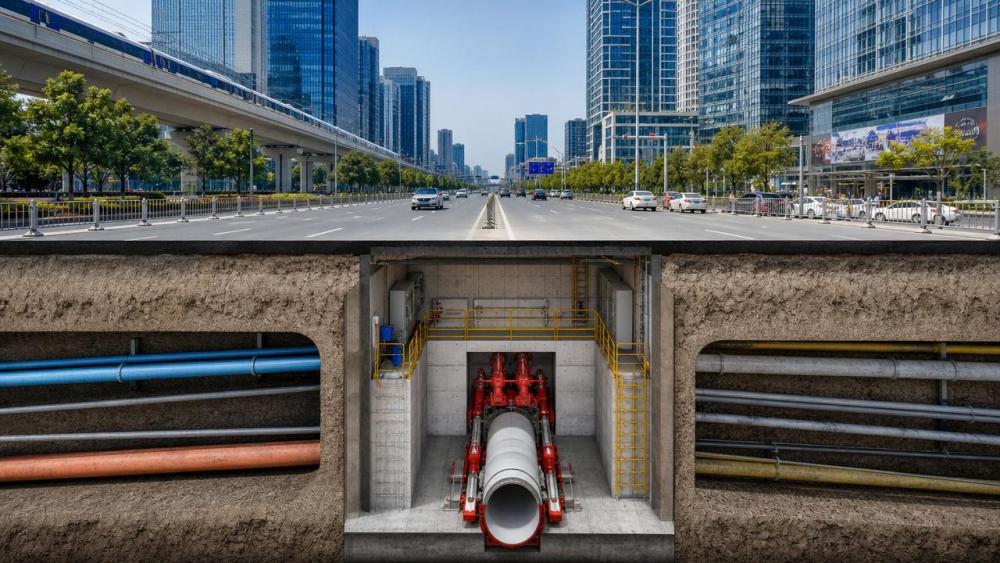
A business case for Trenchless Engineering strengthens when keeping the city moving has monetary value. Open-cut works usually require wider work zones, traffic diversions, lane reductions, noise barriers, spoil handling, and long restoration sequences. Trenchless delivery, especially with pipe jacking or microtunnelling, compresses the surface footprint into launch and reception shafts. That changes the commercial equation for urban owners who must protect public mobility, retail trade, and emergency access.
2. Utility conflict exposure
In older city centers, record drawings are often incomplete, inaccurate, or outdated. Open-cut construction exposes every crossing and parallel service to conflict. By contrast, Trenchless Engineering can pass below or between existing assets, reducing relocation scope and coordination complexity. For evaluators, this means fewer third-party interfaces, lower permit risk, and less dependence on external utility owners whose timelines are hard to control.
3. Schedule certainty rather than theoretical speed
Open-cut can appear fast on paper when the route is simple and unrestricted. In real urban conditions, however, traffic staging, utility relocation, weather exposure, reinstatement approvals, and community complaints often fragment progress. Trenchless Engineering can require more planning and specialized setup, but once shafts and systems are ready, production is typically less exposed to above-ground interruptions. For business evaluation, certainty can be more valuable than raw excavation speed.
4. Whole-life cost and restoration burden
The correct question is not “Which method has the lower excavation cost?” but “Which method has the lower total delivered cost?” Open-cut projects often inherit pavement replacement, sidewalk rebuilding, landscaping repair, utility reinstatement, settlement remediation, and long-term maintenance liabilities. Trenchless Engineering may carry higher specialist mobilization costs, yet it can materially reduce restoration scope and future defect exposure. In premium urban corridors, that difference is often decisive.
5. ESG, emissions, and public acceptance
For owners subject to ESG screening, social license, or public procurement scoring, Trenchless Engineering often performs better. Smaller excavation zones can mean less truck movement, lower dust generation, less tree removal, reduced noise duration, and lower social disturbance. These are not just “soft” benefits. They can influence permit timelines, political support, and the probability of claims from local businesses or residents.
Practical comparison table for urban project screening
Scenario-based guidance: where trenchless usually wins fastest
City sewer and drainage upgrades
Sewer renewal in built-up districts is one of the strongest use cases for Trenchless Engineering. Deep alignments, narrow streets, aging utilities, and wet ground all work against open trenches. Pipe jacking and related trenchless methods can limit local disturbance while maintaining predictable grade control. For evaluators, this often means lower interface risk and better continuity of urban service networks.
Water transmission and pressure pipelines
Where a water main must cross arterial roads, active railways, or environmentally sensitive zones, trenchless installation reduces outage pressure and reinstatement burden. The business case is especially strong when loss of access would trigger public dissatisfaction or when contamination control makes open excavation expensive.
Utility corridors for redevelopment zones
In mixed-use redevelopment districts, the value of preserving pedestrian access, storefront visibility, and urban image can outweigh direct construction savings. Trenchless Engineering supports phased urban development with less interference to parallel investors, tenants, and municipal agencies.
Transport and municipal tunnel interfaces
When underground works sit near stations, underpasses, logistics routes, or major civic infrastructure, risk transfer matters. Trenchless Engineering can reduce exposure to settlement, unplanned access restrictions, and high-visibility construction incidents that damage public confidence.
Commonly missed risks that distort the decision
- Ignoring the cost of stakeholder management. Open-cut schemes often demand far more coordination with traffic authorities, businesses, utilities, and local communities.
- Underpricing reinstatement quality. Restoring a premium boulevard or dense intersection to original condition can exceed early estimates.
- Treating social disruption as non-financial. In reality, complaints, access loss, and political escalation can create delay, redesign, and legal cost.
- Assuming trenchless is automatically low risk. It still requires strong geotechnical data, experienced operators, shaft planning, and settlement monitoring.
- Failing to compare contingency exposure. The cheaper baseline method is not always the lower-risk commercial option once unknowns are priced correctly.
Execution checklist: what to prepare before choosing the method
To evaluate Trenchless Engineering properly, decision teams should request a more disciplined input set rather than relying on generic contractor claims.
- Obtain reliable utility mapping, including confidence levels, not just record drawings.
- Review geotechnical and groundwater data along the full alignment, especially at shafts and crossings.
- Quantify traffic management cost, business disruption risk, and reinstatement obligations for open-cut alternatives.
- Model schedule scenarios, including permit lead times, utility relocation dependencies, and seasonal constraints.
- Ask for whole-life cost comparisons, including restoration, claims risk, maintenance exposure, and carbon-related reporting impacts.
- Check contractor capability in similar urban ground conditions, not just general trenchless experience.
- Define measurable success criteria such as maximum allowable settlement, traffic uptime, noise thresholds, and service continuity.
How UTMD-aligned intelligence improves decision quality
For business evaluators working across municipal infrastructure, utility upgrades, and underground asset development, method selection improves when commercial review is linked to equipment and execution intelligence. That is where a platform informed by trenchless technology, pipe jacking systems, tunnel excavation practice, and underground operational trends becomes valuable. Understanding how machinery capability, geology, automation, and project controls interact helps distinguish a realistic trenchless opportunity from an over-marketed concept.
In practical terms, better intelligence means better decisions on launch shaft requirements, alignment tolerance, spoil handling strategy, face stability, crew productivity, and the suitability of trenchless equipment under urban constraints. It also supports stronger procurement language and more credible risk allocation.
Final recommendation: when to advance trenchless to the preferred option
Advance Trenchless Engineering as the preferred option when the project sits in a dense corridor, surface access must be preserved, utility relocation risk is high, restoration would be expensive, and delay has major commercial consequences. In these cases, trenchless methods are not just a technical alternative; they are a risk-management and value-protection strategy.
If your team needs to move from high-level screening to procurement readiness, prioritize discussion around alignment conditions, utility congestion, geotechnical certainty, shaft locations, acceptable settlement, schedule commitments, ESG targets, and total cost of ownership. Those are the questions that determine whether Trenchless Engineering will simply work, or whether it will clearly beat open-cut construction on an urban project.
Related News
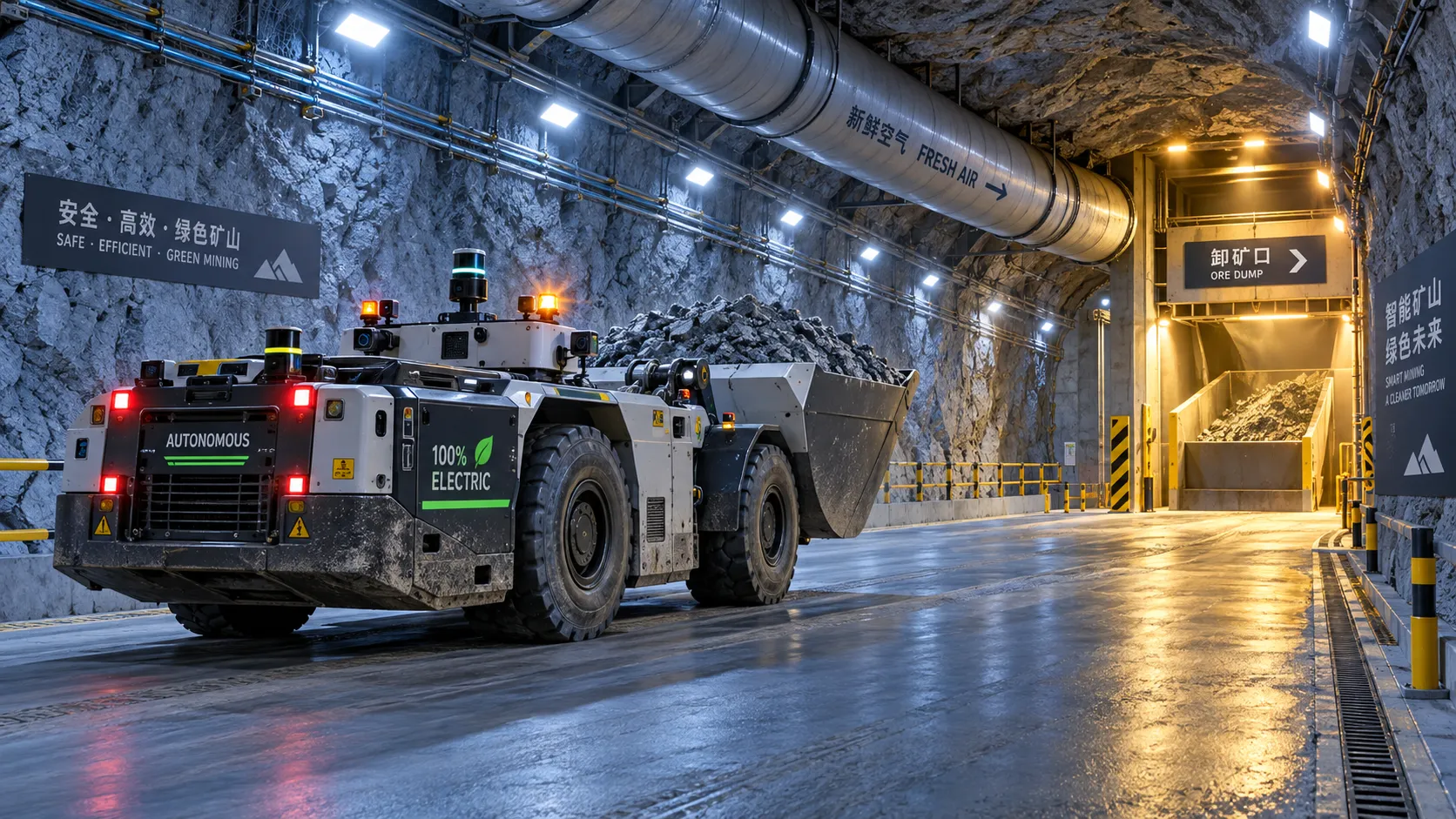
Where Autonomous Mining Loaders Deliver the Most Value in Underground Operations
Autonomous Mining Loaders deliver greater underground value through safer blast-zone work, repeatable haul cycles, and improved ventilation efficiency. Discover the best deployment zones.
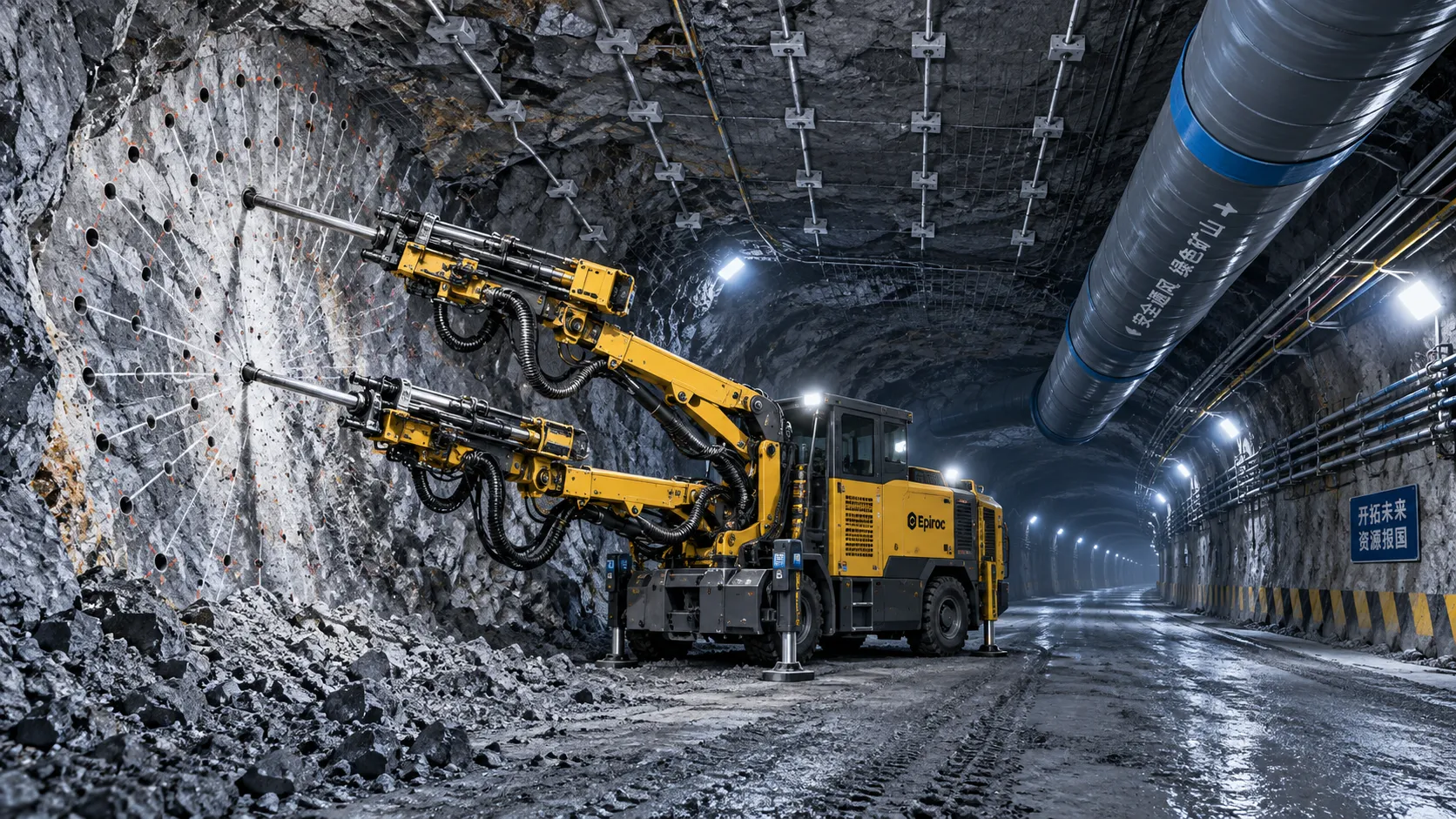
Underground Drilling for Mining: Selecting Methods for Rock Conditions and Mine Layout
Underground drilling for mining: learn how to match drilling methods to rock conditions, mine layout, accuracy needs, ground support, and cycle efficiency.
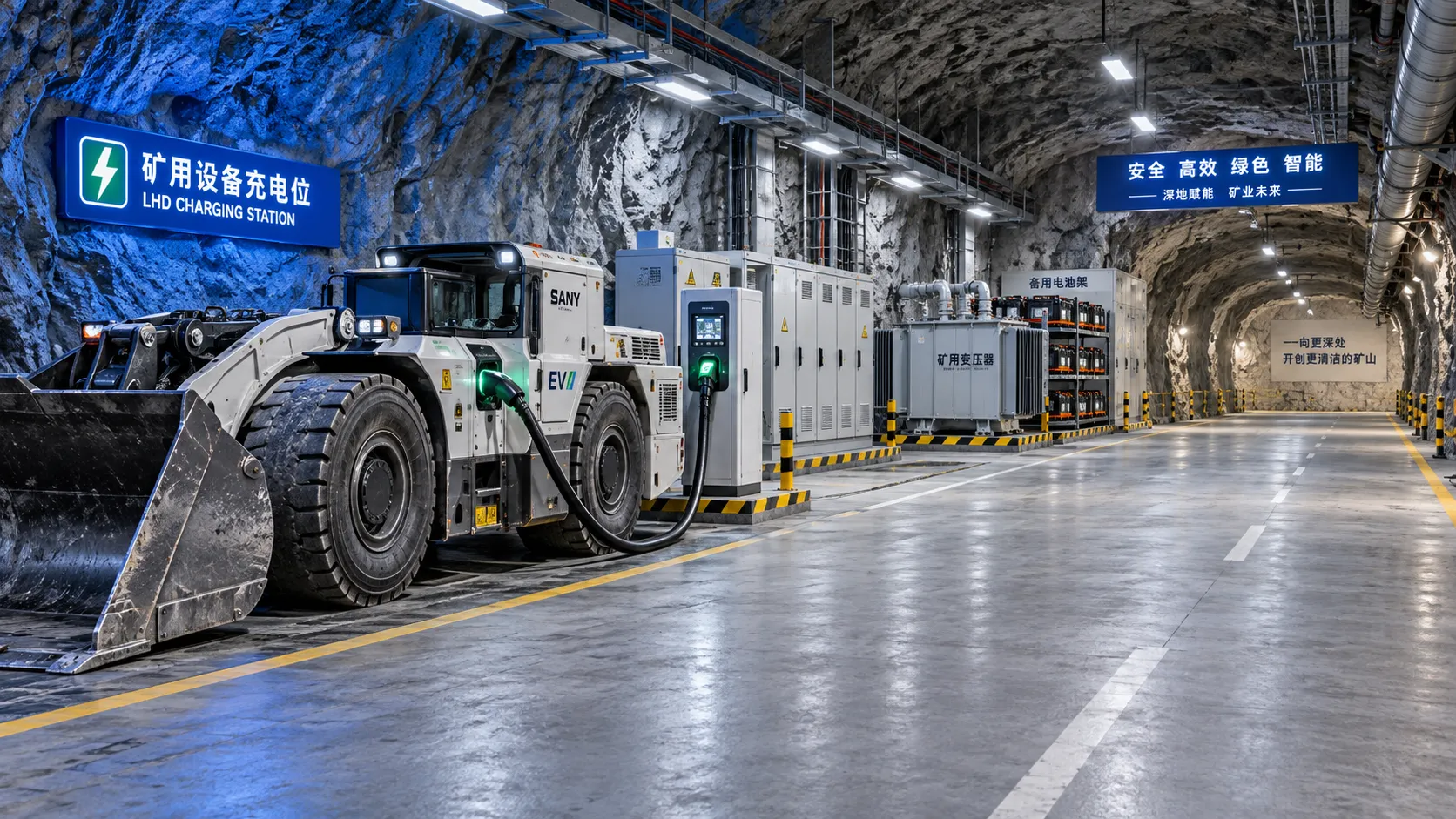
Underground Mine Electrification: How to Size Battery Fleets and Charging Capacity
Mining electrification for underground mines: learn how to size battery fleets, chargers, and power capacity to prevent queues, peak-load issues, and production downtime.
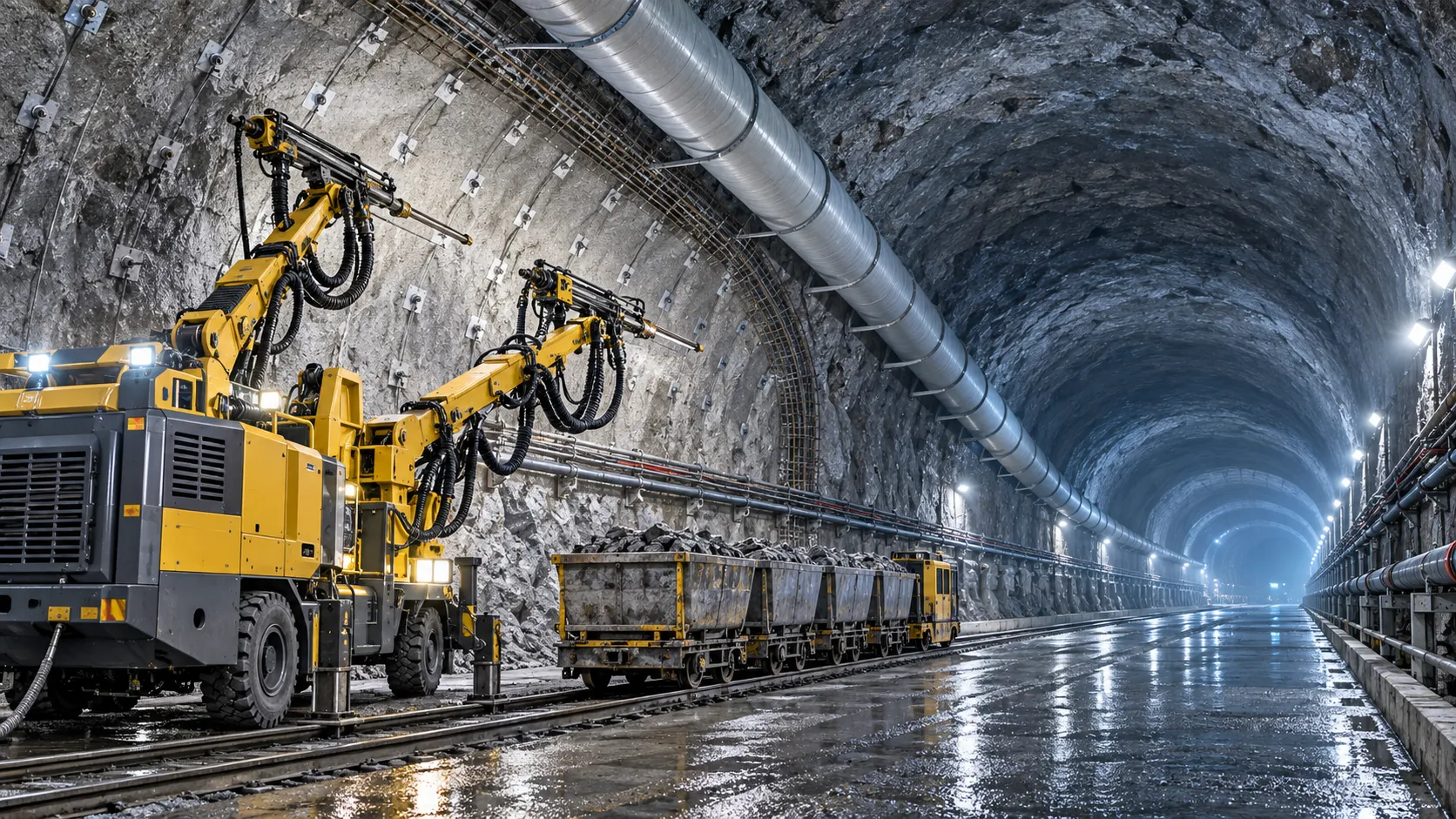
How to Evaluate European Drill-and-Blast Tunnelling Contractors for Complex Projects
Drill and blast tunnelling contractors Europe: learn how to assess geology expertise, blast control, equipment reliability, safety, and programme resilience for complex projects.
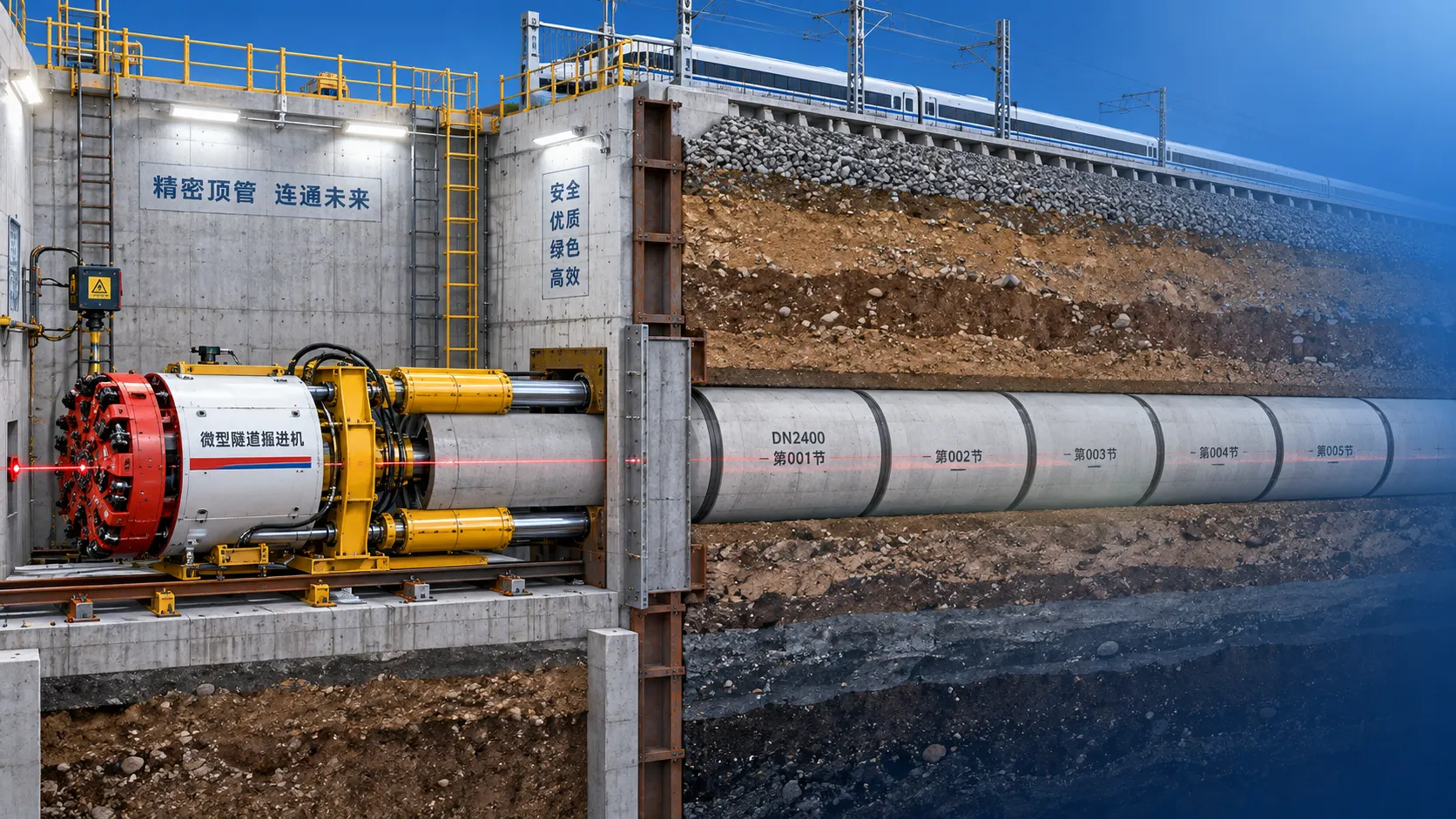
Which Trenchless Construction Technique Fits Your Utility Crossing Conditions?
Trenchless construction techniques compared for utility crossings: choose HDD, microtunnelling, pipe jacking, or auger boring based on ground, accuracy, access, and risk.
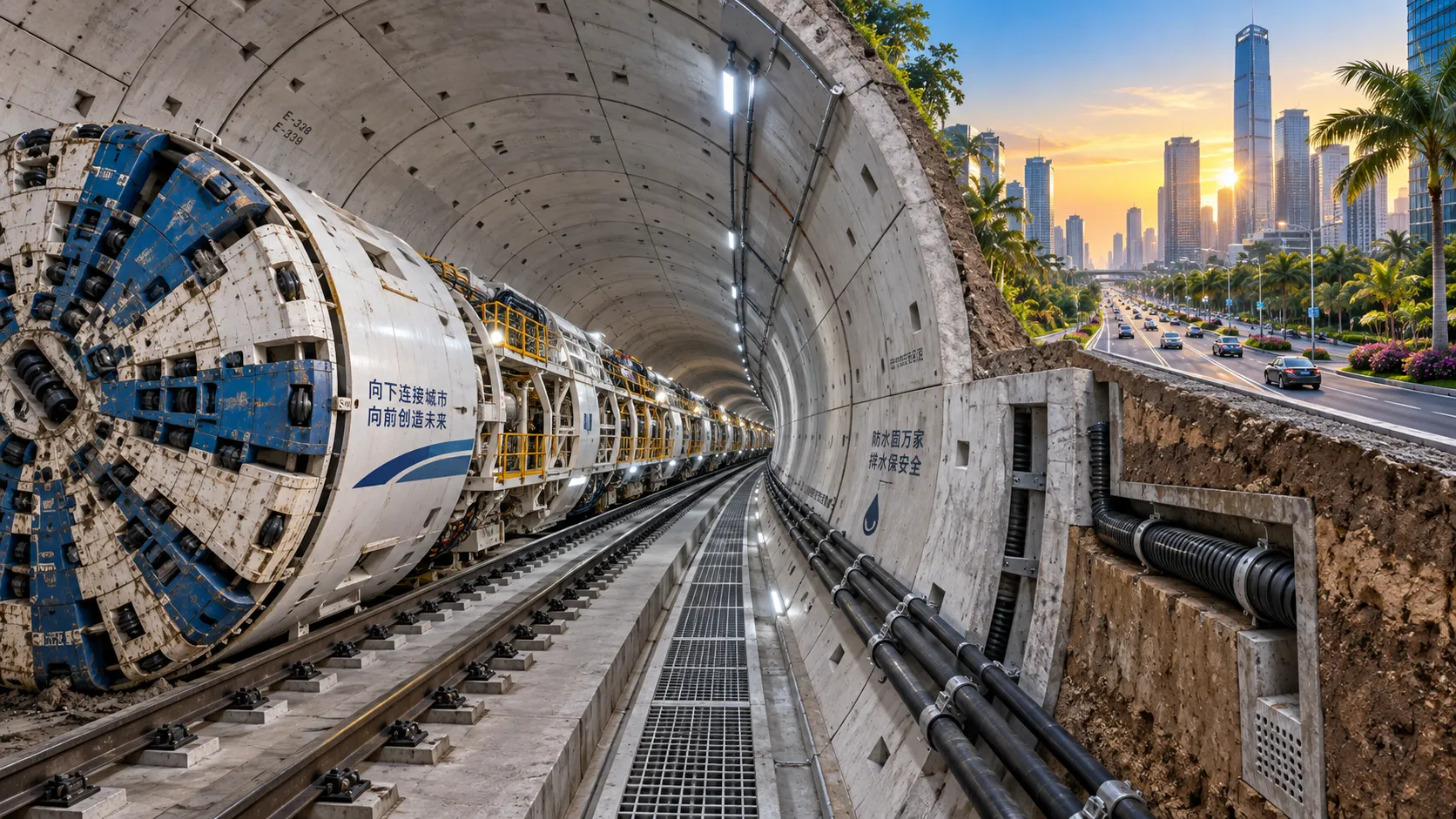
What Is Driving Metro Tunnelling Demand Across Southeast Asia’s Major Cities?
Metro tunnelling Southeast Asia is accelerating as major cities tackle congestion, flooding, and connectivity. Explore the market forces, technical risks, and opportunities shaping demand.
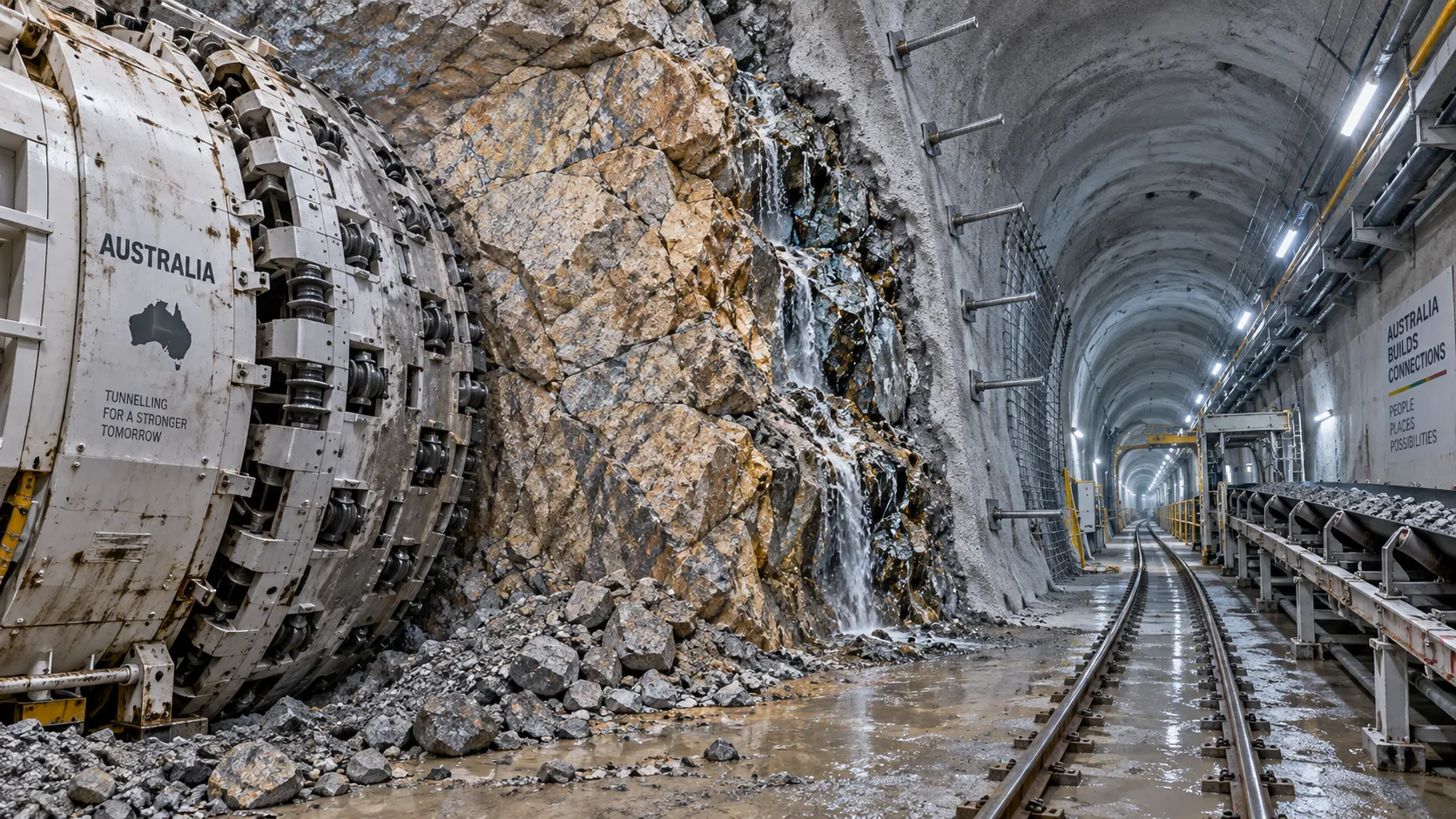
Hard Rock Tunnelling in Australia: Selecting Methods for Variable Ground Conditions
Hard rock tunnelling in Australia: compare TBM, drill-and-blast and hybrid methods to manage variable ground, reduce risk and protect project costs.
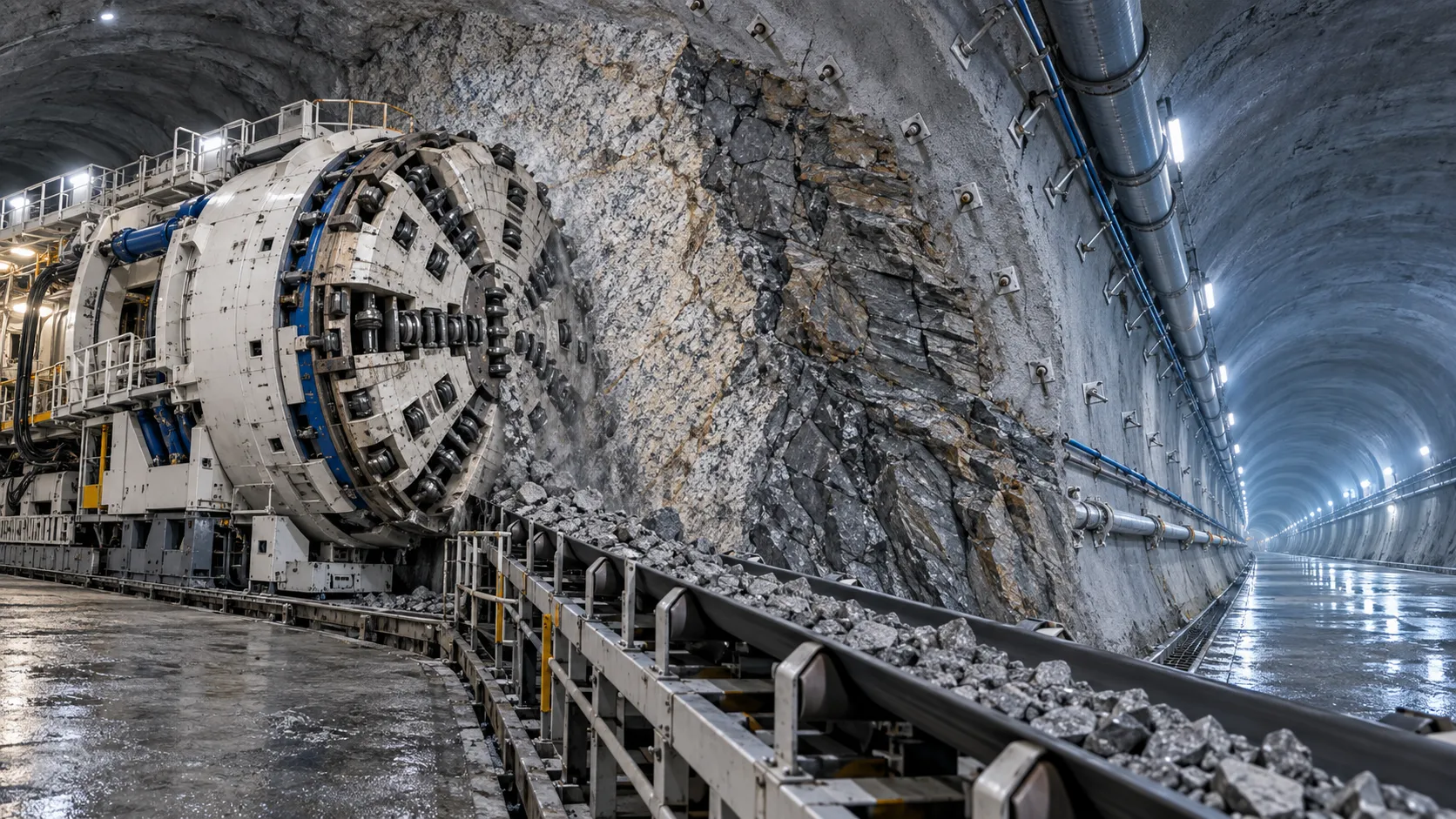
Hydropower Tunnel Excavation: Selecting Methods for Variable Rock Conditions
Hydropower tunnel excavation methods for variable rock conditions: compare TBM, drill-and-blast, and hybrid strategies to improve safety, progress, and project control.
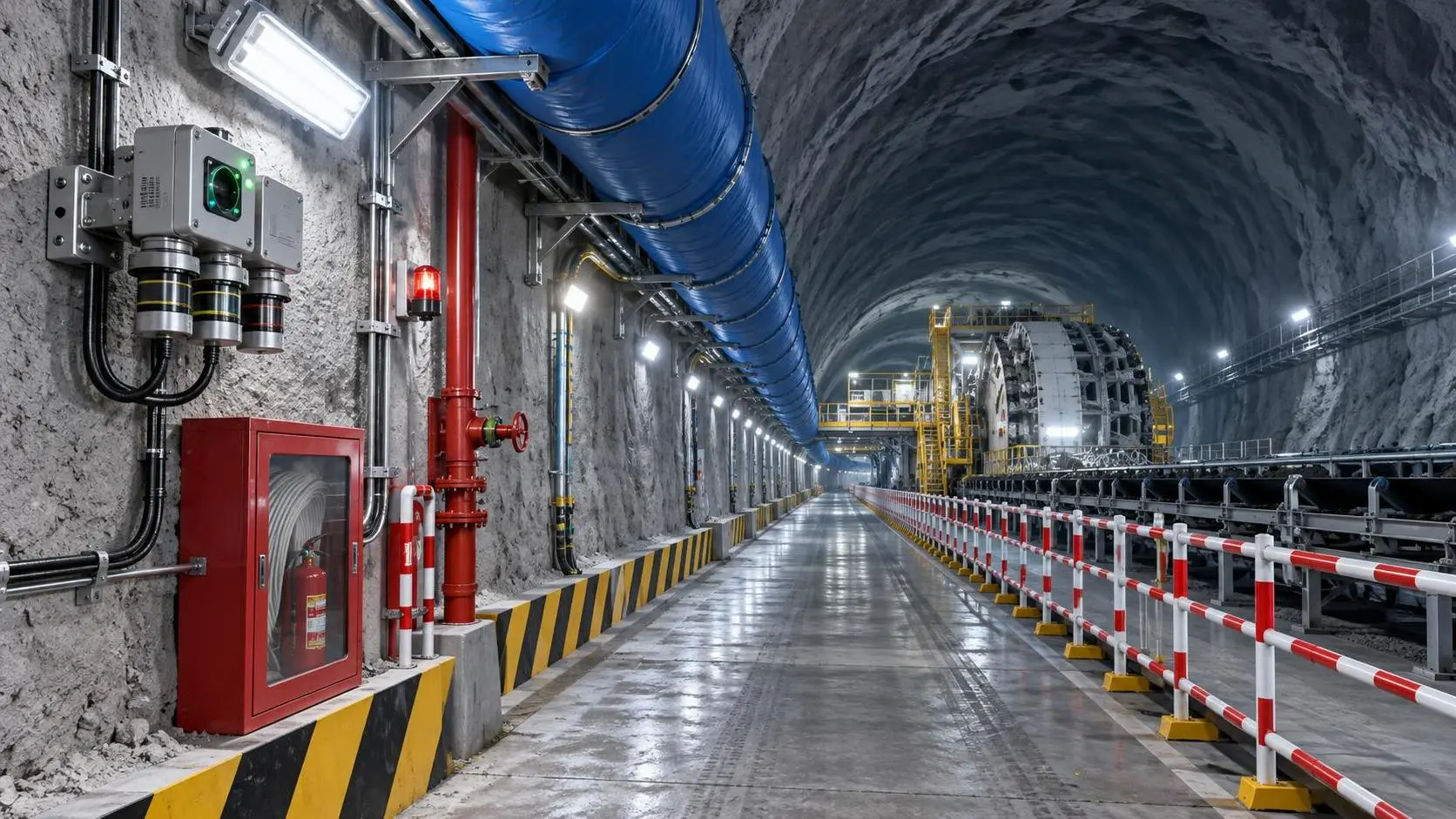
How to Select Underground Safety Equipment for Tunnelling by Hazard and Work Zone
Underground Safety Equipment for tunnelling: match protection to hazards, work zones, compliance, and emergency needs with this practical selection guide.
Related News
- 00
0000-00
Where Autonomous Mining Loaders Deliver the Most Value in Underground Operations - 00
0000-00
Underground Drilling for Mining: Selecting Methods for Rock Conditions and Mine Layout - 00
0000-00
Underground Mine Electrification: How to Size Battery Fleets and Charging Capacity - 00
0000-00
How to Evaluate European Drill-and-Blast Tunnelling Contractors for Complex Projects - 00
0000-00
Which Trenchless Construction Technique Fits Your Utility Crossing Conditions?
Weekly Insights
Stay ahead with our curated technology reports delivered every Monday.