
How to Evaluate Pipe Jacking Equipment for Municipal Sewer and Utility Projects





Selecting the right pipe jacking equipment for municipal projects can determine whether a sewer or utility installation stays on schedule, within budget, and compliant with urban construction constraints. For project managers and engineering leaders, a clear evaluation framework is essential to balance geology, drive length, pipe diameter, automation, safety, and lifecycle cost before procurement or deployment.
That evaluation has become more demanding in recent years. Urban jobsites are tighter, utility corridors are more congested, environmental controls are stricter, and public tolerance for disruption is lower. In that environment, pipe jacking equipment for municipal projects should not be treated as a simple machine purchase. It is a system decision that affects shaft design, spoil handling, settlement risk, crew productivity, maintenance planning, and stakeholder exposure.
Many selection mistakes happen because teams compare machines by nominal diameter or thrust capacity alone. Those parameters matter, but they rarely explain whether the system will perform reliably under mixed ground, variable groundwater, curved alignments, or restricted launch conditions. The better approach is to evaluate the entire operating envelope of the equipment against the real constraints of the project.
Start with the project risk profile, not the equipment brochure
On municipal sewer and utility works, the machine has to serve the ground conditions, alignment, and installation tolerances—not the other way around. Before comparing vendors or configurations, project teams need a risk-based definition of the drive.
That usually means clarifying six practical questions:
- What are the expected and worst-case ground conditions along the full alignment?
- How stable is the groundwater regime, and what happens if inflow exceeds forecast levels?
- What settlement tolerance exists above the drive, especially under roads, rail, or existing buried assets?
- What is the maximum drive length between shafts, and how much friction reserve is required?
- Are there horizontal or vertical curves that will affect steering accuracy and pipe loads?
- How limited are shaft footprint, crane access, slurry treatment space, and spoil logistics?
If these answers are still vague, equipment comparison is premature. Pipe jacking machine selection only becomes meaningful when the geotechnical and construction risk envelope is reasonably defined.
Match machine type to ground behavior, not to preference
One of the most important judgments is whether the project needs an open-face system, a closed-face slurry-supported system, or another shielded arrangement suitable for the expected ground. In municipal practice, the right choice is usually driven by face stability and groundwater control.
For stable ground above the water table, some projects can still justify simpler configurations. But in mixed soils, saturated sands, silts, or locations with strict settlement control, project leaders tend to favor systems that provide active face support. That is especially true beneath dense urban corridors where surface movement has a direct political and financial cost.
The selection issue is not just “can the machine excavate the soil?” It is “can the machine hold the face consistently when conditions become less predictable than the ground report suggests?” On many sewer drives, the costly delays come from transitions—soft to hard layers, cobbles in fine soils, abandoned obstructions, or fluctuating groundwater—not from the baseline geology described in tender documents.
A machine that looks economical in uniform soil may become the expensive choice if it lacks the control margin to manage these transitions.
Thrust capacity is only one part of the jacking equation
Project teams often focus on main jacking force because it is easy to compare across manufacturers. In practice, required thrust depends on much more than machine rating. Pipe-soil friction, lubrication efficiency, drive length, pipe material, line geometry, and intermediate jacking station strategy all influence actual performance.
For long municipal drives, underestimating friction management is one of the most common planning errors. A machine may have adequate installed thrust, but if the lubrication system is poorly designed or inconsistent in operation, pipe loads can rise quickly. That leads to reduced advance rates, higher risk of pipe damage, more frequent stoppages, and in severe cases, inability to complete the drive as planned.
When evaluating equipment, ask for more than peak thrust values. Teams should review:
- documented performance on comparable drive lengths and diameters,
- lubrication system design and injection control,
- compatibility with intermediate jacking stations if required,
- pipe load monitoring capability,
- contingency options if friction rises above expected levels.
This is where supplier experience matters. A technically capable machine without a credible jacking methodology is not enough for high-consequence municipal work.
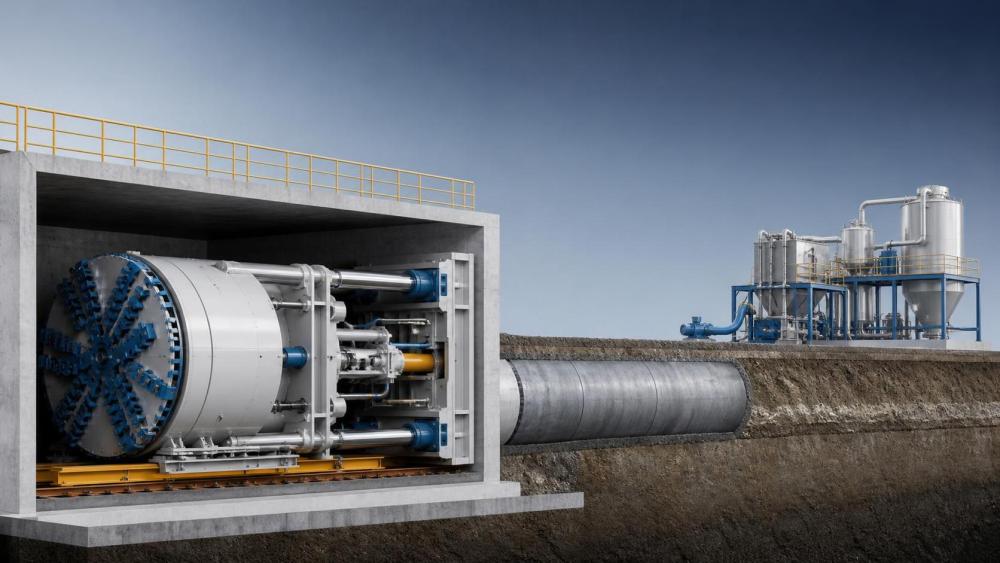
Steering accuracy matters more in urban corridors than many budgets reflect
Line and level compliance is not just a quality metric. It directly affects downstream connection works, manhole interfaces, gravity flow performance in sewers, and the feasibility of tie-ins within congested rights-of-way. On shallow urban drives, even small deviations can create disproportionate rework costs.
Equipment evaluation should therefore include the guidance and steering package, not just the cutting head and hydraulic system. The practical questions are straightforward:
- What guidance system is used, and how robust is it under restricted shaft geometry?
- How does the machine maintain accuracy over long drives?
- How responsive is the articulation or steering arrangement in mixed ground?
- What is the supplier’s record on curved or tolerance-sensitive alignments?
For municipal sewer projects with strict invert requirements, steering control deserves the same commercial attention as machine price. A lower-capex offer can lose its advantage quickly if the alignment performance creates corrective works later.
Do not separate spoil removal from machine selection
On paper, spoil handling can look like a support function. On site, it often controls production. Slurry circulation, separation efficiency, spoil disposal logistics, and water management can all become bottlenecks even when the machine itself is performing well.
This is especially relevant for municipal jobs in dense cities, where working area is constrained and environmental scrutiny is high. If the chosen pipe jacking equipment requires a slurry treatment footprint the shaft site cannot support, the operational plan is already compromised.
Project managers should evaluate the whole material flow chain:
- excavation rate versus slurry transport capacity,
- separation plant performance for expected soil gradation,
- water consumption and recycling arrangements,
- spoil classification and disposal route,
- noise, odor, and truck movement impacts on surrounding neighborhoods.
In many city projects, the best equipment choice is the one that fits the logistics envelope cleanly, even if another option appears more powerful in isolation.
Shaft constraints often eliminate theoretically suitable machines
Launch and reception shafts are not passive interfaces. Their dimensions, access arrangements, structural design, and dewatering conditions can narrow equipment options significantly. A machine that works well in a broad technical comparison may be difficult to assemble, launch, recover, or maintain within the shaft configuration available.
That is why experienced project teams test constructability early. Key issues include:
- minimum shaft size for machine assembly and pipe handling,
- crane requirements and lifting weights,
- space for slurry equipment, power packs, and operator controls,
- safe access for maintenance interventions,
- reception planning in constrained or traffic-sensitive zones.
For municipal utility projects in built-up areas, these interface issues frequently drive real-world equipment selection more than nominal machine specifications do.
Automation and monitoring should be judged by operational usefulness
Digital features are becoming more common across trenchless equipment, but project leaders should be careful not to overvalue automation that does not materially improve control, safety, or reporting. The useful question is whether the system helps the crew make better decisions during the drive.
High-value functions usually include real-time monitoring of jacking loads, face pressure or slurry parameters where applicable, line and level deviation, cutterhead torque, lubrication performance, and alarm-based maintenance indicators. These features support early intervention before a minor issue becomes a stoppage.
By contrast, some advanced interfaces may look impressive during procurement but add little if local crews are not trained to use them or if after-sales support is weak. For municipal contractors and project owners alike, technology only adds value when it improves predictability on site.
Evaluate maintainability and service support as execution risks
Pipe jacking projects rarely fail because a machine looked inadequate in the tender meeting. They fail because downtime, spare parts delays, cutter interventions, or troubleshooting support were underestimated once the drive started.
That makes maintainability a core selection factor. Project teams should examine:
- accessibility of wear components,
- expected cutter life in forecast ground,
- availability of local or regional spare parts,
- response time for field service support,
- training requirements for operators and maintenance crews.
For imported systems, supply-chain resilience matters as much as the machine itself. A vendor with strong engineering credentials but slow parts support can create major schedule risk, particularly on public-sector sewer programs with tight milestone obligations.
Compliance is broader than machine certification
Municipal buyers and contractors also need to check how equipment supports compliance with local construction, environmental, and safety requirements. Exact regulatory references vary by jurisdiction, so project teams should verify applicable rules case by case. Still, the practical compliance areas are consistent across markets.
These typically include noise control, slurry and wastewater handling, confined space safety, electrical safety, lifting operations, and settlement monitoring obligations near existing infrastructure. On some projects, public procurement rules may also influence acceptable supplier documentation, traceability, and service commitments.
Where standards, certifications, or environmental permits are project-specific, they should be treated as pre-award gating items rather than post-purchase paperwork. Any unresolved requirement should be marked clearly as 【待核实】 until confirmed.
Total cost should be measured across the drive, not at delivery
Lowest purchase price is rarely the same as lowest project cost. For pipe jacking equipment for municipal projects, the more relevant metric is total installed cost under realistic operating conditions. That includes not only equipment acquisition or rental, but also shaft impacts, slurry plant needs, energy use, consumables, wear parts, labor productivity, downtime exposure, and completion risk.
A machine with higher upfront cost may still be the better option if it reduces settlement risk, improves advance consistency, shortens shaft occupation time, or lowers intervention frequency. This is particularly important in city-center jobs, where the indirect cost of delays—traffic management, public disruption, subcontractor standing time, and permit pressure—can exceed the apparent savings from a cheaper machine configuration.
For decision-makers, a useful comparison model includes three scenarios: expected ground, adverse but plausible ground, and disruption-heavy urban conditions. If one option remains resilient across all three, it is often the stronger commercial choice.
Common selection mistakes on sewer and utility drives
Several recurring errors appear across municipal projects:
- choosing based on diameter and thrust while underweighting ground variability,
- assuming the geotechnical baseline fully represents actual conditions,
- ignoring spoil treatment and surface logistics until mobilization,
- treating guidance precision as a secondary issue on gravity sewer work,
- focusing on purchase price rather than downtime and completion risk,
- overlooking local service capability for imported equipment.
These are not technical oversights alone. They are decision-process failures. Better outcomes usually come from integrated review between project management, geotechnical, temporary works, operations, and procurement teams before committing to a machine strategy.
What a strong evaluation process looks like
In practical terms, a strong selection process narrows equipment options only after the project team has aligned on geology, alignment sensitivity, shaft constraints, spoil logistics, and risk tolerance. Vendors should then be asked to respond not with generic specifications, but with a project-specific method statement covering face support approach, jacking design assumptions, lubrication strategy, steering control, expected wear profile, and contingency planning.
Reference projects should also be filtered carefully. A supplier’s experience on short, uniform drives does not necessarily translate to long municipal sewer installations in mixed ground beneath sensitive urban assets. Comparable case history matters more than fleet size or marketing presence.
The best equipment decision is usually the one that leaves the fewest unresolved execution questions. In municipal trenchless work, predictability is often worth more than theoretical peak performance.
For project leaders, that is the central takeaway: evaluate pipe jacking equipment as a complete delivery system tied to the project’s risk profile. When the selection is grounded in actual site constraints, support capability, and lifecycle cost rather than headline specifications, the chances of achieving a clean, low-disruption installation improve substantially.
Related News
What Should a Mine Decarbonization Roadmap Include to Cut Emissions Without Hurting Output?
Mine decarbonization roadmap essentials: learn how to cut mining emissions with phased electrification, ventilation planning, and infrastructure readiness—without sacrificing output.
How to Evaluate Underground Mine Automation Companies for Safety and ROI
Underground mine automation companies vary widely in safety, interoperability, and ROI. Learn how to compare vendors, reduce deployment risk, and choose a scalable solution.
How to Evaluate Underground Haulage Systems for Ore Output, Ramp Grade, and Ventilation Limits
Underground haulage systems should be evaluated by ore output, ramp grade, and ventilation limits—not brochures. Learn how to compare trucks, LHDs, and electric options for smarter mine planning.
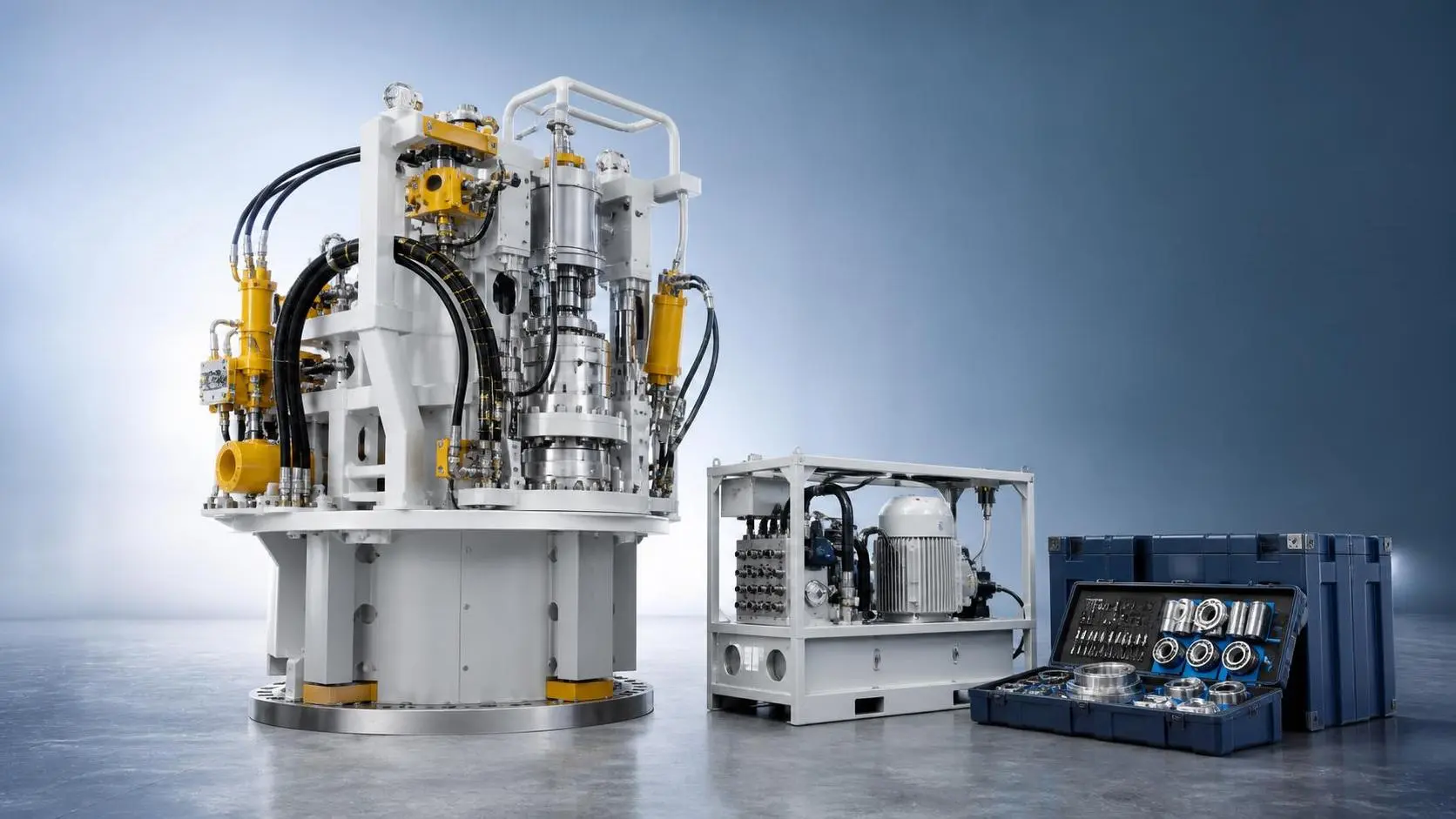
How to Evaluate a Pipe Jacking Equipment Distributor for Project Support and Uptime
Pipe jacking equipment distributor evaluation made practical: learn how to assess parts support, service response, training, and technical readiness to reduce downtime and protect project uptime.
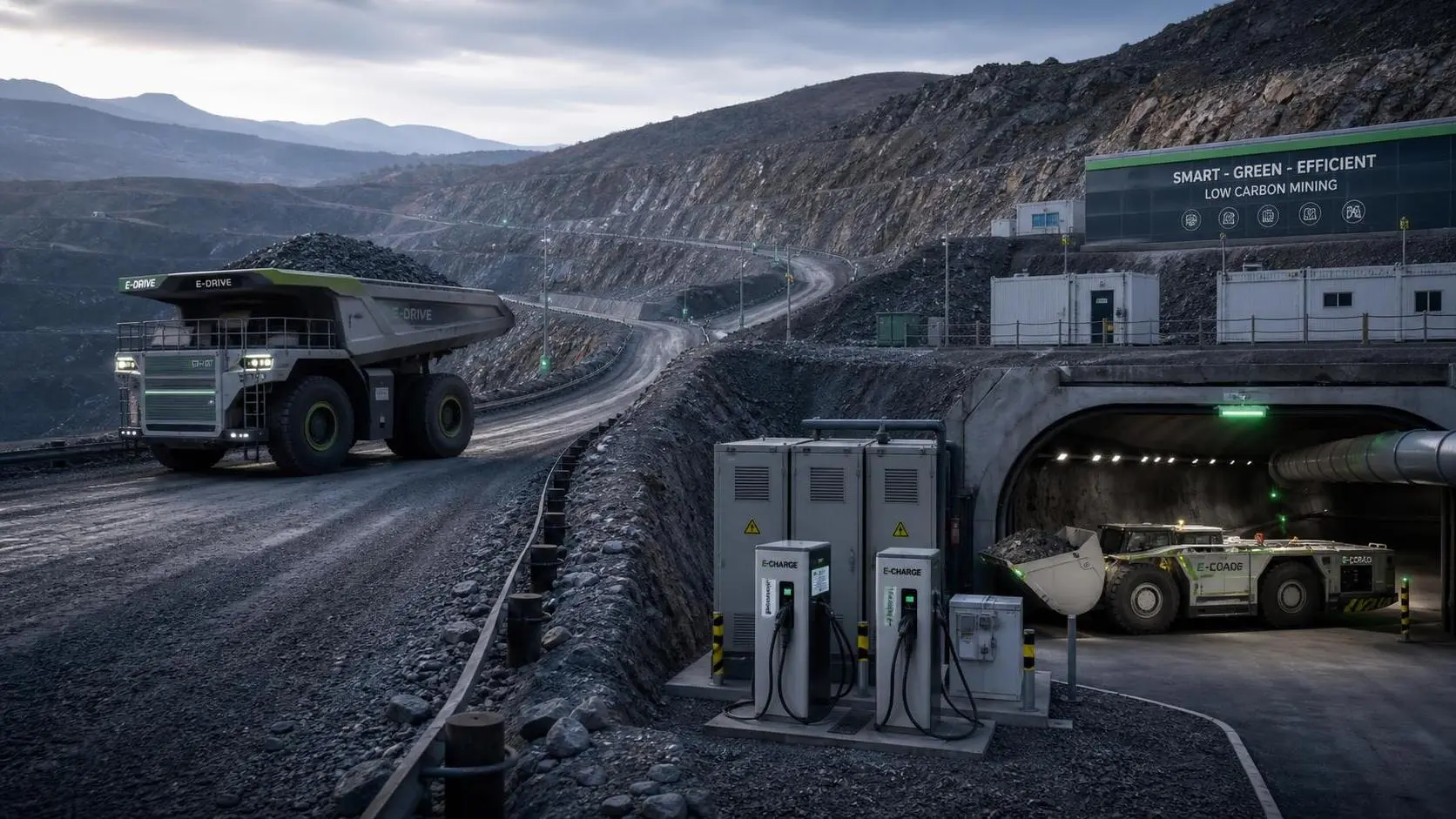
How to Build a Mining Decarbonization Strategy That Balances Emissions, Cost, and Fleet Reality
Mining decarbonization strategy starts with fleet reality. Learn how to cut emissions, control cost, and align power, ventilation, and production for a practical mine transition.
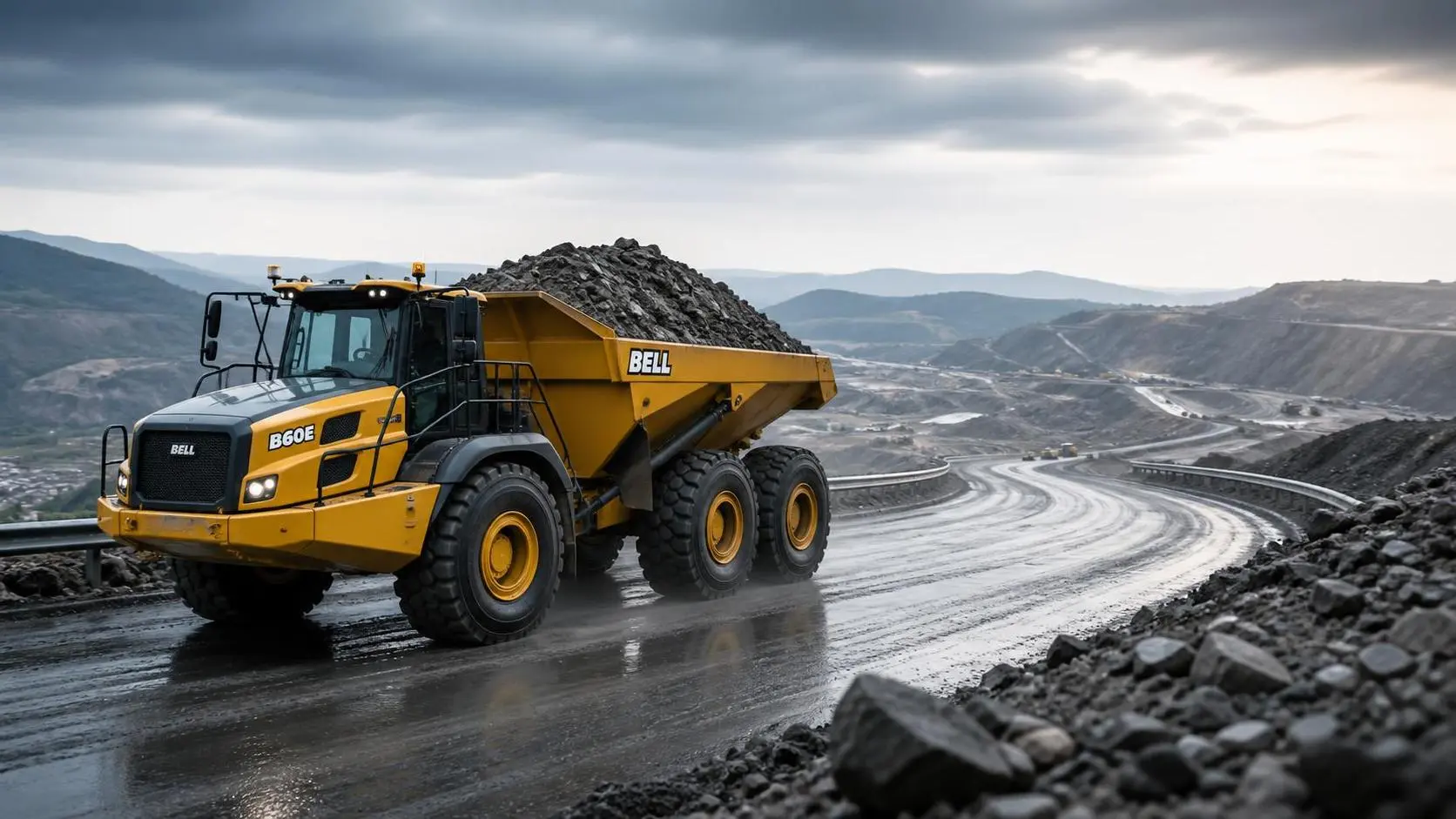
How to Evaluate Articulated Dump Trucks Payload for Haul Road Conditions and Cycle Efficiency
Articulated Dump Trucks payload evaluation starts with real haul road conditions, not brochure numbers. Learn how to balance payload, traction, grades, and cycle efficiency for safer, higher output.
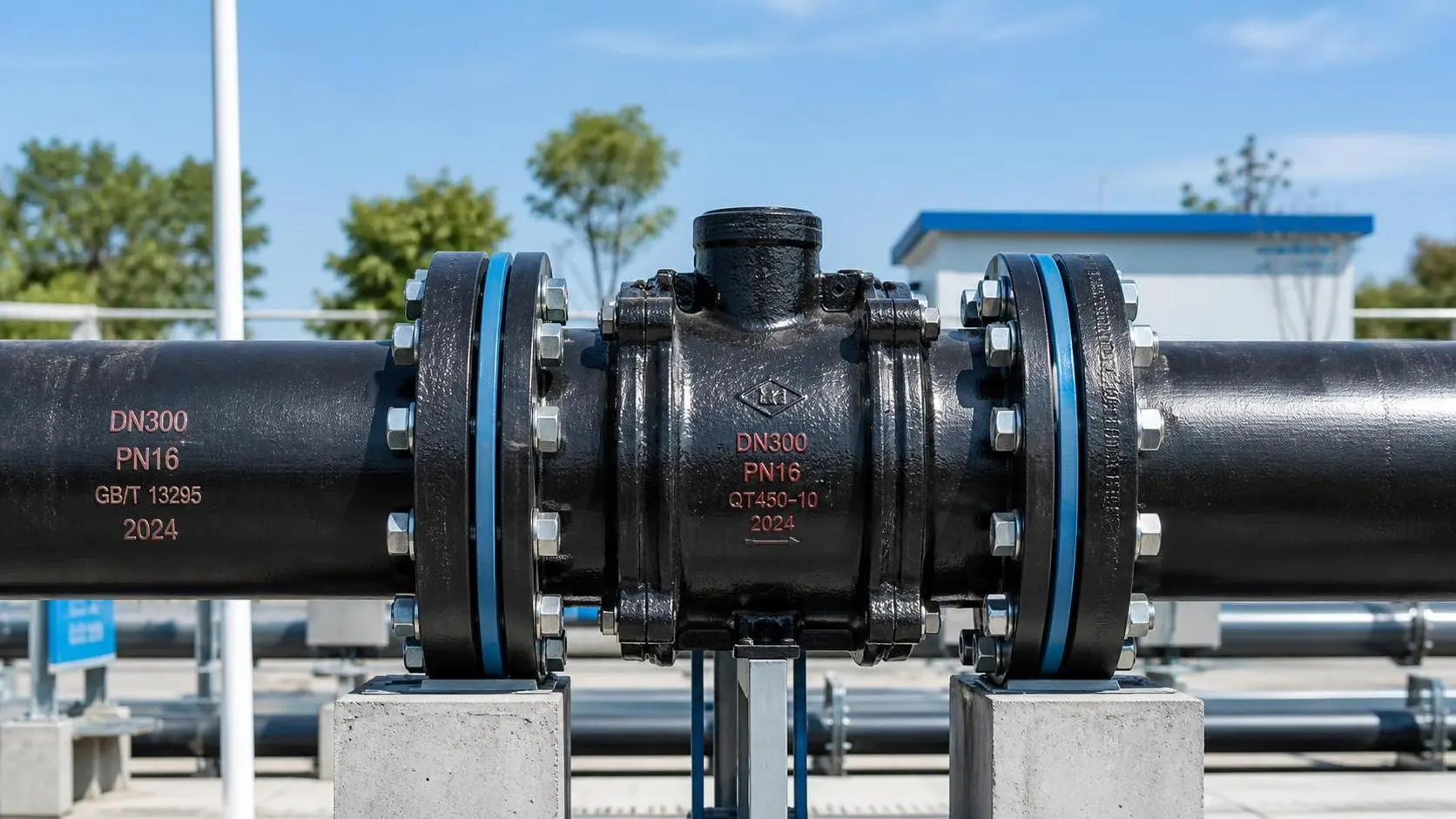
How Pipe Fittings Material and Pressure Class Affect Water Line Selection
Pipe fittings selection starts with material and pressure class. Learn how these factors affect water line reliability, corrosion resistance, installation, and long-term cost.
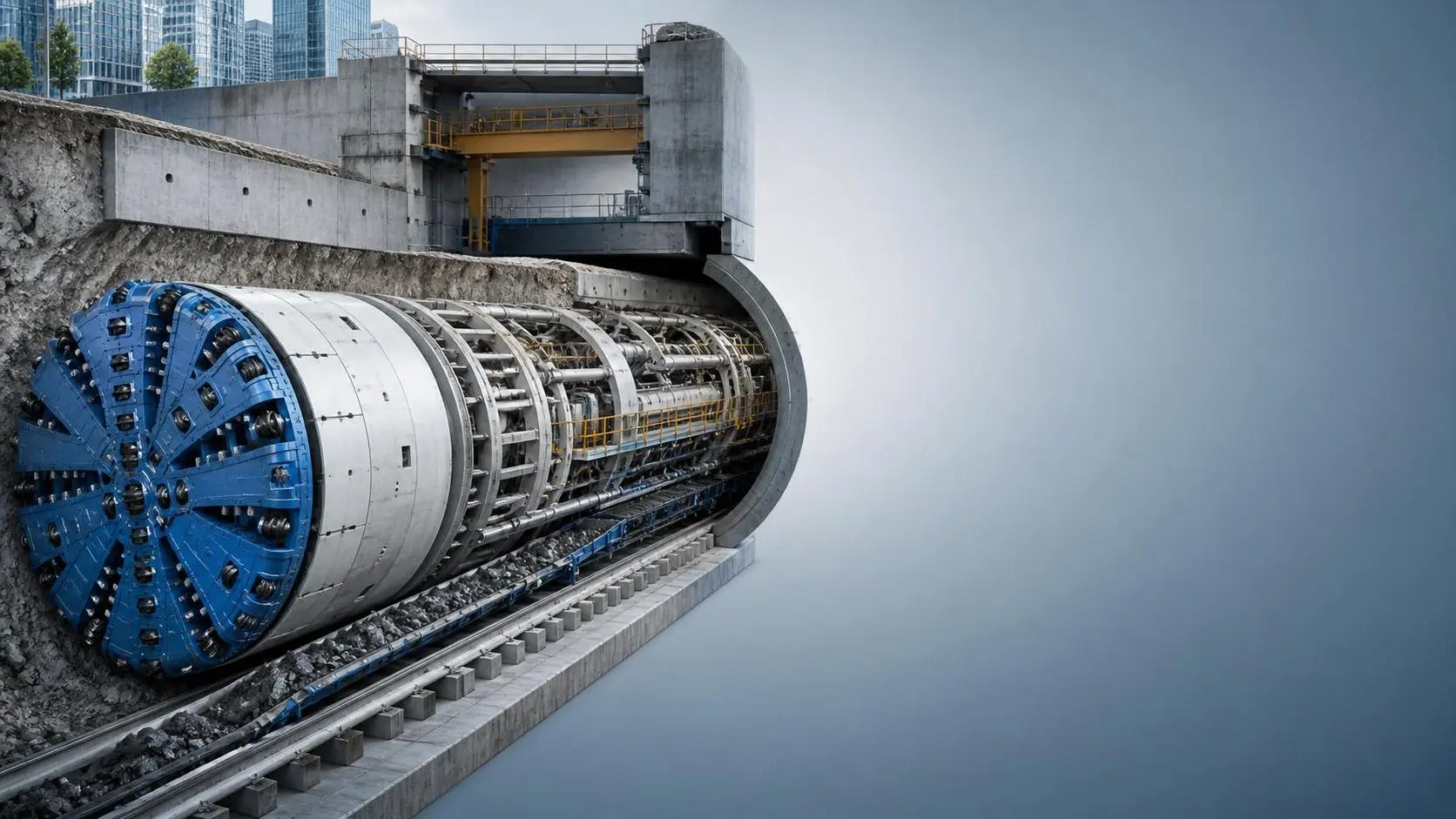
What Drives TBM Excavation Cost in Urban Tunneling Projects?
tbm excavation cost in urban tunneling depends on geology, shafts, segment lining, logistics, and risk. Discover the key cost drivers and compare bids with greater confidence.
What Does Energy Metals Mining in Australia Mean for Supply, Cost, and Project Risk?
Energy metals mining Australia is reshaping supply, cost, and project risk. Discover what it means for buyers, investors, and operators.
Related News
- 00
0000-00
How to Evaluate Pipe Jacking Equipment for Municipal Sewer and Utility Projects - 00
0000-00
What Should a Mine Decarbonization Roadmap Include to Cut Emissions Without Hurting Output? - 00
0000-00
How to Evaluate Underground Mine Automation Companies for Safety and ROI - 00
0000-00
How to Evaluate Underground Haulage Systems for Ore Output, Ramp Grade, and Ventilation Limits - 00
0000-00
How to Evaluate a Pipe Jacking Equipment Distributor for Project Support and Uptime
Weekly Insights
Stay ahead with our curated technology reports delivered every Monday.