
PBOC April Social Financing Up 7.8% YoY; Infrastructure Equipment Export Financing Stabilizes





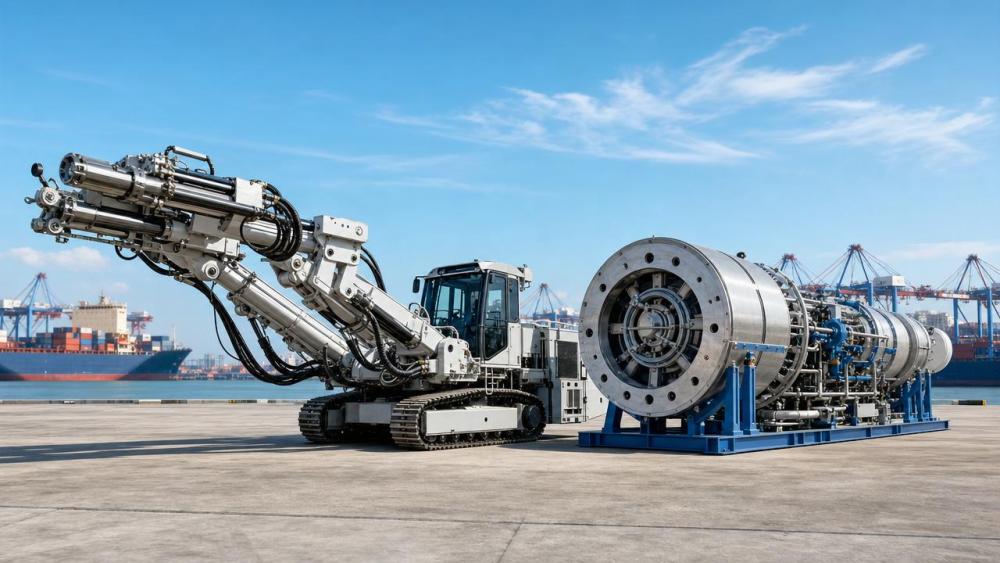
On May 14, 2026, the People’s Bank of China (PBOC) reported that social financing scale grew 7.8% year-on-year as of end-April 2026, with M2 expanding 8.6%. Credit structure continued to improve, and loans to technology and inclusive finance sectors rose at double-digit rates. This development is particularly relevant for exporters and distributors of infrastructure-related equipment—such as slurry pipe jacking systems and computerized jumbos—serving Belt and Road Initiative (BRI) partner countries, as it signals stable export credit support capacity and more predictable financing costs and payment terms for overseas procurement.
Event Overview
The People’s Bank of China released macro-financial data on May 14, 2026. As of end-April 2026, social financing scale increased by 7.8% year-on-year; M2 money supply grew by 8.6%; and credit allocation showed continued optimization, with double-digit growth in technology and inclusive finance loans. The PBOC statement explicitly linked this stability to sustained export credit support for infrastructure equipment supplied to BRI countries.
Industries Affected
Direct Exporters of Infrastructure Equipment
Companies exporting tunneling, pipeline, and mining equipment—including slurry pipe jacking systems and computerized jumbos—to BRI markets are directly affected. The stabilization of export financing terms means reduced uncertainty in pricing, contract structuring, and receivables management for multi-year infrastructure projects.
Distribution and Channel Partners in Target Markets
Overseas distributors and local sales agents handling such equipment face improved predictability in working capital planning. With more stable financing costs and extended payment terms now better supported by Chinese policy banks and commercial lenders, their ability to secure local financing—and align it with project timelines—is enhanced.
Supply Chain Service Providers
Firms offering trade finance advisory, export credit insurance, or cross-border logistics coordination may see increased demand for structured solutions tied to longer-term delivery and payment cycles. However, service scope remains contingent on actual disbursement patterns—not just headline growth figures.
What Relevant Enterprises or Practitioners Should Monitor and Do
Track official guidance on export credit policy implementation
While aggregate social financing growth is positive, actual availability of preferential lending for specific equipment categories depends on subsequent circulars from the PBOC, Ministry of Commerce, and China Exim Bank. Enterprises should monitor announcements related to the ‘Belt and Road Export Credit Support List’ and sector-specific eligibility criteria.
Focus on priority markets and product lines aligned with current policy emphasis
Slurry pipe jacking and computerized jumbos are cited in the PBOC release as representative categories. Exporters should prioritize documentation, certification, and after-sales service frameworks for these products—particularly where local partners require bankable project finance packages.
Distinguish between macro signal and operational execution
The 7.8% YoY growth reflects broad monetary conditions—not guaranteed loan approval for individual transactions. Firms should avoid assuming automatic access to extended terms; instead, they should prepare project-level financial models, including currency risk mitigation and repayment waterfall structures, for lender review.
Prepare procurement and delivery coordination for longer-term contracts
Stable financing expectations support multi-year procurement planning. Exporters and distributors should align production scheduling, component sourcing, and shipping windows with anticipated disbursement milestones—especially where buyer-side local financing relies on phased drawdowns tied to construction progress.
Editorial Perspective / Industry Observation
Observably, this data point functions primarily as a macro-level signal—not yet an operational outcome. The YoY growth rate reflects underlying liquidity conditions and policy continuity, but does not indicate immediate changes in credit approval thresholds or interest rate subsidies. Analysis shows that the reference to slurry pipe jacking and computerized jumbos suggests targeted support for high-value, engineering-intensive exports rather than across-the-board easing. From an industry perspective, the key implication lies in improved forward visibility: stakeholders can treat financing cost and term assumptions as less volatile over the next 12–18 months—provided no material shifts occur in bilateral credit agreements or foreign exchange reserve policies. Current monitoring should therefore focus on implementation fidelity—not just headline metrics.
Overall, this update underscores a measured consolidation of China’s external credit infrastructure support—not a new expansion phase. It reinforces existing pathways for qualified exporters while highlighting the importance of alignment with national strategic priorities and rigorous project-level financial structuring. For practitioners, the takeaway is not urgency—but calibrated readiness.
Source: People’s Bank of China (PBOC), official data release dated May 14, 2026.
Note: Implementation details—including product-specific lending guidelines, regional eligibility, and application procedures—remain subject to further clarification and are under ongoing observation.
Related News

What Drives TBM Excavation Cost in Urban Tunneling Projects?
tbm excavation cost in urban tunneling depends on geology, shafts, segment lining, logistics, and risk. Discover the key cost drivers and compare bids with greater confidence.

What Does Energy Metals Mining in Australia Mean for Supply, Cost, and Project Risk?
Energy metals mining Australia is reshaping supply, cost, and project risk. Discover what it means for buyers, investors, and operators.
EU Eases Dual CE and UKCA Path for Chinese Tunnel Boring Equipment
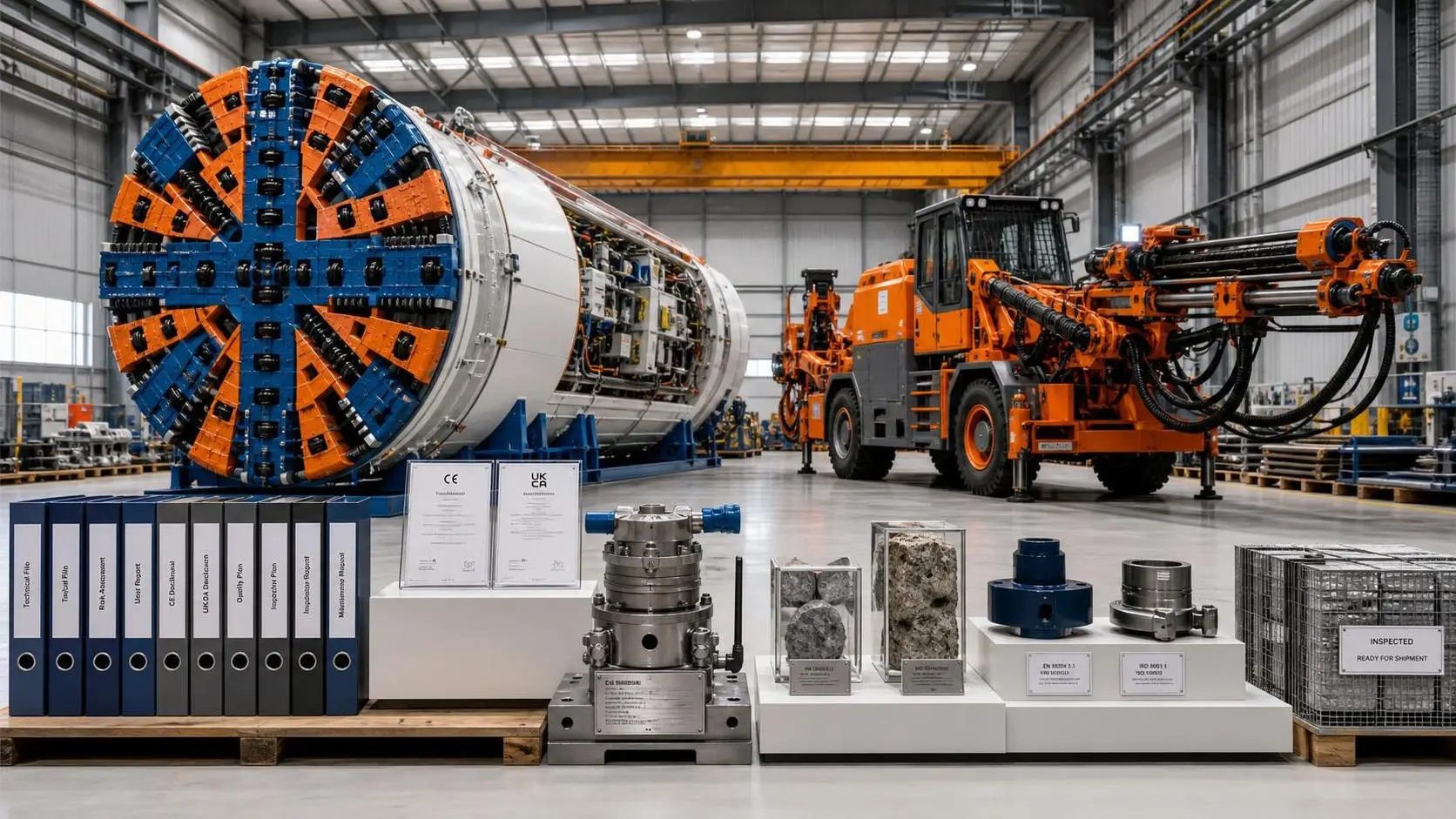
EU eases CE and UKCA certification for Chinese tunnel boring equipment, cutting compliance time and helping importers move faster.

Flameproof Underground Safety Equipment: What Mine Teams Should Check Before Buying
Underground Safety Equipment flameproof buying guide: learn how mine teams should verify certification, durability, serviceability, and supplier support before purchase.
China-UAE Direct Sea Route Cuts TBM and Large Tunneling Equipment Lead Times
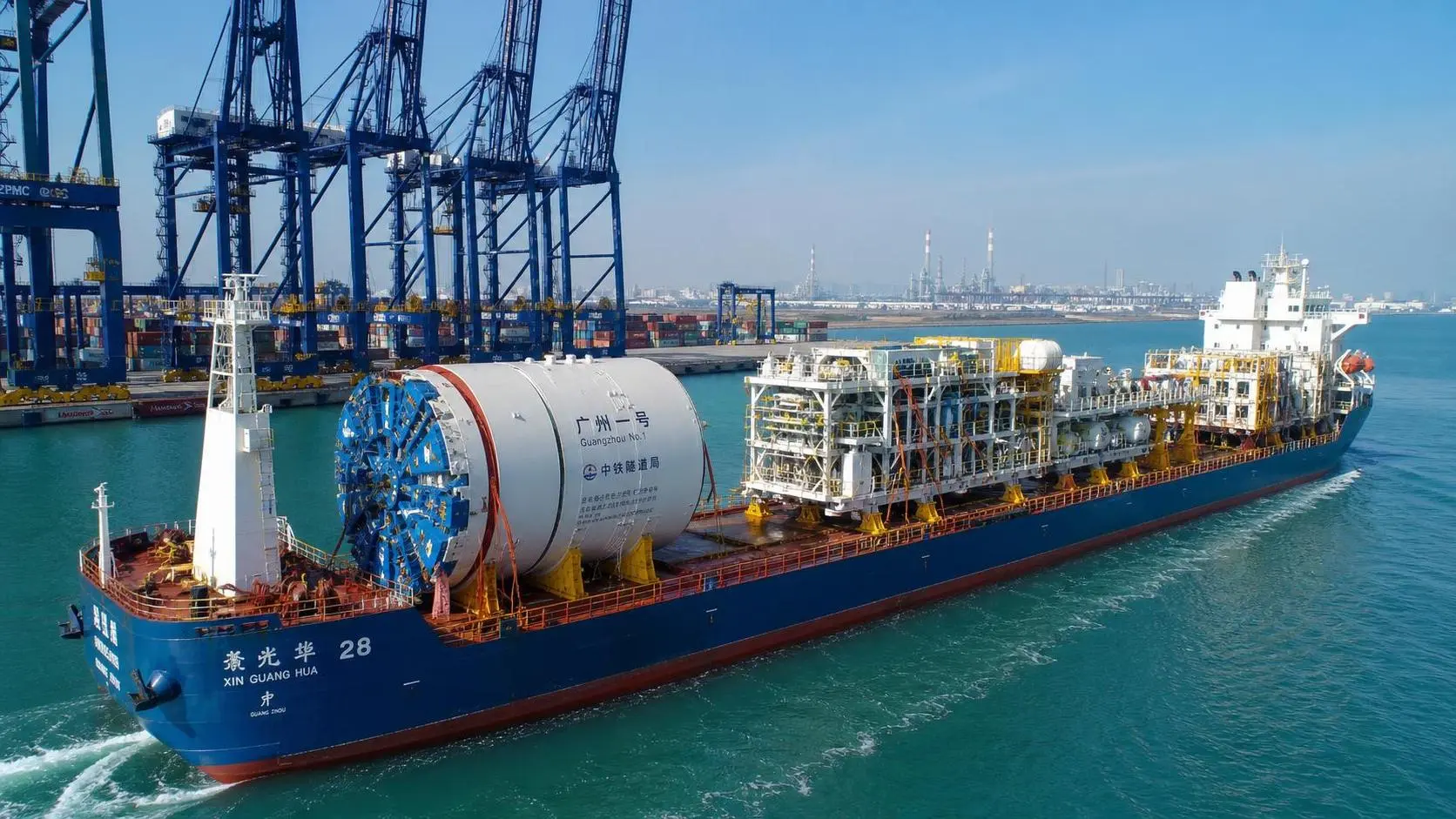
China-UAE direct sea route shortens TBM and large tunneling equipment lead times by 12–15 days, improving delivery predictability for major infrastructure projects. Read the full impact.

What Is a TBM Guidance System Gyroscope, and Why Does It Matter Underground?
TBM Guidance Systems gyroscope improves underground accuracy, reduces drift, and helps tunnel boring machines stay on line in harsh conditions.

China to Roll Out Nationwide Local and Foreign Currency Cash Pools for Multinationals on Sept. 14
China will roll out nationwide local and foreign currency cash pools for multinationals on Sept. 14, streamlining cross-border treasury management and boosting liquidity efficiency.

How to Choose a Reliable Underground Mining Equipment Supplier for Harsh Site Conditions
Find a reliable underground mining equipment supplier for harsh site conditions with rugged, maintainable solutions that boost uptime, reduce risk, and support long-term production.
China Customs Tightens TBM Export Checks from Aug. 16
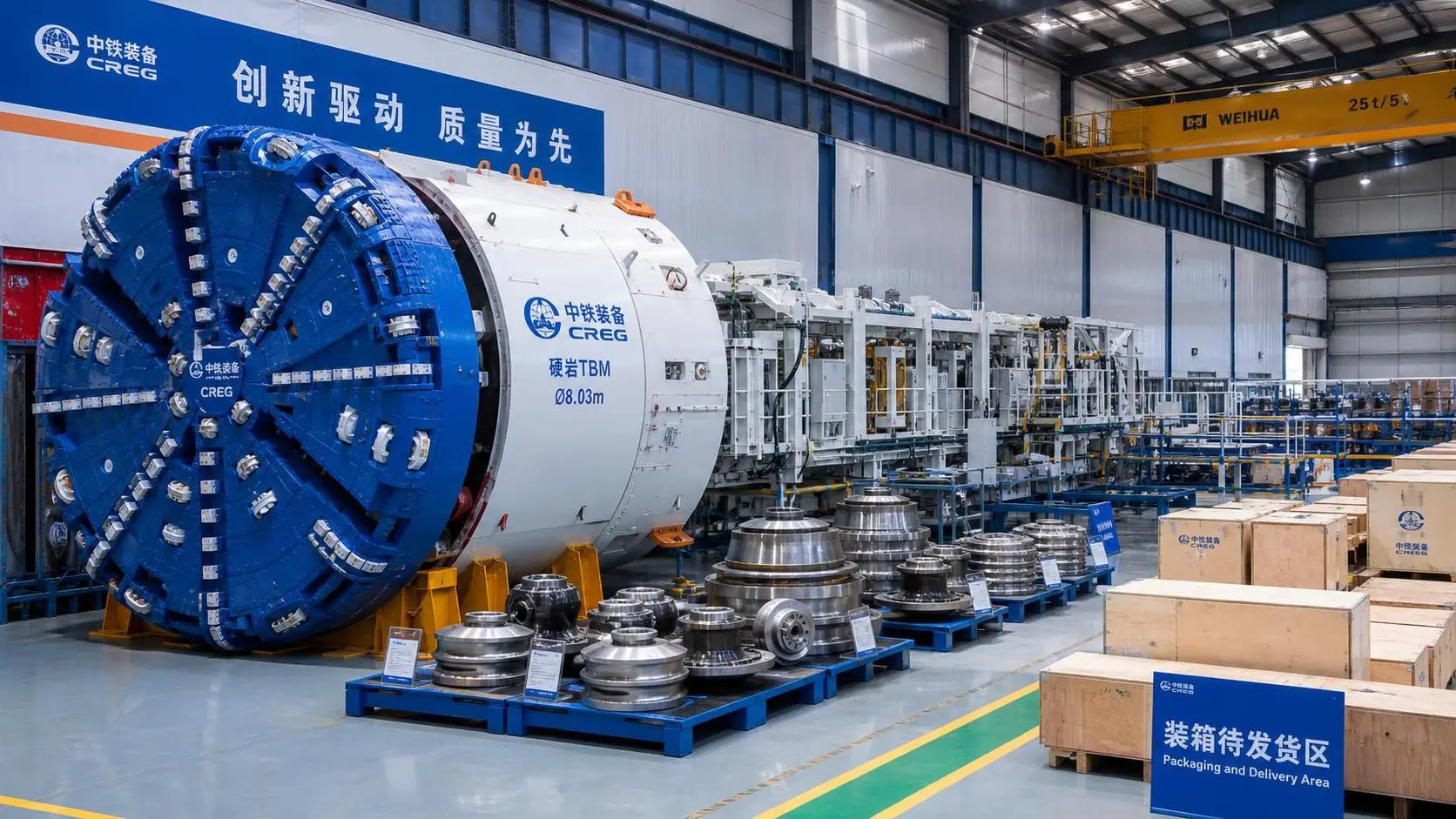
China Customs tightens TBM export checks from Aug. 16, 2026. Learn how new mandatory inspections may affect tunnelling equipment shipments, compliance, and delivery plans.
Related News
- 00
0000-00
What Drives TBM Excavation Cost in Urban Tunneling Projects? - 00
0000-00
What Does Energy Metals Mining in Australia Mean for Supply, Cost, and Project Risk? - 00
0000-00
EU Eases Dual CE and UKCA Path for Chinese Tunnel Boring Equipment - 00
0000-00
Flameproof Underground Safety Equipment: What Mine Teams Should Check Before Buying - 00
0000-00
China-UAE Direct Sea Route Cuts TBM and Large Tunneling Equipment Lead Times
Weekly Insights
Stay ahead with our curated technology reports delivered every Monday.