Pipe Jacking Machines for Utility Crossings: What Affects Downtime Most





For distributors, agents, and channel partners, Pipe Jacking Machines are more than trenchless equipment—they are uptime-driven assets that directly shape project schedules, customer trust, and aftersales profitability. In utility crossings, the biggest causes of downtime often go beyond geology alone, involving cutter wear, guidance accuracy, slurry balance, maintenance response, and operator expertise. Understanding these factors is essential for choosing the right machines and building a stronger market position.
In utility crossing projects, downtime is rarely caused by a single failure point. More often, it develops from a chain of small mismatches: an under-specified cutterhead for mixed ground, delayed slurry adjustment, weak spare parts planning, or insufficient operator response when line and grade begin to drift. For distributors serving municipal contractors, utility installers, and trenchless specialists, the commercial question is straightforward: which machine factors most strongly affect downtime, and how can those risks be reduced before the machine reaches the launch shaft?
This matters even more in compact urban crossings where working windows may be limited to 8–12 hours per shift, access shafts are tight, and any stoppage can trigger knock-on costs in traffic control, dewatering, spoil handling, and client coordination. In that environment, the best-selling Pipe Jacking Machines are not simply those with strong thrust. They are the ones backed by balanced design, predictable maintenance intervals, practical digital monitoring, and channel support that can respond within 4–24 hours instead of several days.
Why Downtime in Utility Crossings Is More Complex Than Many Buyers Expect
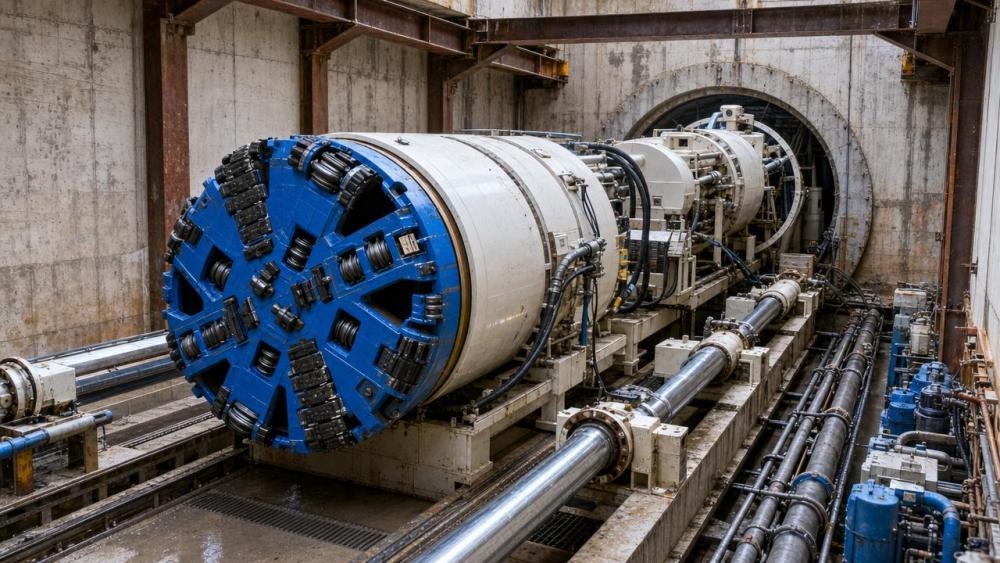
Pipe Jacking Machines used for utility crossings operate in highly constrained conditions. A crossing may only run 20–120 meters, but that short distance can pass through fill, clay, sand lenses, cobbles, old foundations, and live utility corridors. Because the working envelope is small and tolerances are tight, even a 2–5 hour interruption can have an outsized impact on daily advance rates and contractor confidence.
For channel partners, this means machine uptime should be assessed across at least 5 dimensions: ground compatibility, guidance stability, spoil or slurry management, maintenance accessibility, and technical service responsiveness. A machine that performs well in homogeneous clay may lose efficiency quickly in mixed-face conditions if the cutterhead opening ratio, torque reserve, or wear protection package is not matched correctly.
The hidden downtime profile in short urban drives
Short drives are often assumed to be low risk, yet they can be more sensitive than long microtunnelling runs. Setup time can represent 20%–35% of the total schedule, and any restart after stoppage may require slurry rebalancing, line recalibration, face pressure review, and spoil clearing. If each recovery cycle consumes 1.5–3 hours, two interruptions in one shift can erase most of the day’s planned production.
- Launch shaft restrictions that slow maintenance access
- Existing utility congestion that limits steering corrections
- Mixed ground transitions that accelerate tool wear
- Urban permit windows that compress work into narrow time slots
The table below outlines the most common downtime drivers in Pipe Jacking Machines for utility crossings and shows why distributors should evaluate operational fit, not just headline machine power.
The key takeaway is that downtime is usually multi-factor. A distributor that helps the buyer assess these variables before shipment can reduce avoidable stoppages far more effectively than one relying only on price comparisons or nominal pipe diameter range.
The Five Biggest Factors That Affect Pipe Jacking Machine Downtime Most
Across typical utility crossings, five issues account for most service calls and productivity losses. The order may vary by soil type and drive length, but for many trenchless contractors the same pattern appears repeatedly: tooling wear, steering instability, slurry handling mismatch, delayed maintenance, and uneven operator skill. Each one deserves attention during equipment selection and channel support planning.
1. Cutterhead design and wear rate
In Pipe Jacking Machines, cutterhead wear is often the first visible sign of downtime risk. If a crossing contains abrasive sand, gravel, broken rock fragments, or construction debris, wear can increase sharply within the first 10–30 meters. A machine that lacks appropriate wear plates, replaceable cutting tools, or enough torque margin may keep rotating, but output will drop and jacking loads will rise.
What distributors should verify
- Cutterhead opening ratio suited to expected spoil characteristics
- Tool replacement accessibility from shaft-side maintenance procedures
- Wear protection layout for mixed-face or abrasive sections
- Torque reserve for density spikes and temporary blockage events
2. Guidance accuracy and steering response
A utility crossing often carries strict tolerance expectations because the product pipe must pass beneath live services, roads, or rail corridors. When steering response is too slow or guidance feedback is inconsistent, operators may need repeated correction cycles. Even a small deviation, such as 15–30 mm over a short drive, can lead to slower advance, extra survey checks, or rework on pipe alignment.
Downtime here is not always a full machine stop. It can also appear as low-speed progress while crews verify line and grade every few strokes. For distributors, that means guidance hardware, sensor integration, and operator interface quality should be treated as uptime features, not optional add-ons.
3. Slurry circuit balance or spoil removal efficiency
Many utility crossings fail to maintain expected output because the support system around the machine is underplanned. In slurry-based setups, improper flow rate, unstable density, or poor separation can overload the circuit. In auger or spoil transfer systems, sticky clay or oversize fragments can cause recurring choke points. Once spoil evacuation slows, face performance and steering quality often deteriorate together.
As a practical benchmark, support systems should be sized with enough reserve for peak spoil conditions rather than average conditions. A 15%–25% process buffer in pumps, separation capacity, or spoil handling logistics can make the difference between stable production and recurring 1-hour cleanup stops.
4. Maintenance access and response speed
A technically sound Pipe Jacking Machine can still generate excessive downtime if routine maintenance is difficult inside a compact shaft. Hydraulic inspection points, seal replacement steps, lubrication access, and electrical diagnostics should be designed for real field conditions. If a standard inspection takes 90 minutes instead of 30 minutes, the cumulative loss over a 2–4 week project becomes significant.
For channel partners, aftersales organization is just as important as machine architecture. A local spare parts kit, pre-agreed technician dispatch process, and remote troubleshooting protocol can shrink mean time to recovery from 24–48 hours to less than one shift in many cases.
5. Operator experience and procedural discipline
Even well-built Pipe Jacking Machines underperform when crews are unfamiliar with mixed ground transitions, slurry tuning, or steering correction strategy. Operators who react too late to pressure changes or jacking load trends often create downtime that looks like a machine problem but begins as a process problem. This is why some distributors now include 2–3 days of startup training and remote operating support as part of their commercial package.
In B2B channel terms, operator support improves more than user satisfaction. It also lowers warranty friction, reduces emergency call frequency, and strengthens repeat orders from contractors who value predictable output over low initial price.
How Distributors Can Evaluate Downtime Risk Before Recommending a Machine
Distributors and agents need a repeatable screening method before proposing Pipe Jacking Machines for utility crossings. A practical framework includes 4 decision layers: geology review, machine fit, support package, and customer capability. This prevents a common sales mistake—matching the machine to pipe diameter but not to the actual operating environment.
A four-step pre-sales evaluation model
- Review ground data, groundwater conditions, expected obstructions, and crossing length.
- Match cutterhead type, torque, thrust, and spoil system to the most difficult 20% of the drive.
- Define spare parts, technician response window, and startup support before delivery.
- Assess the contractor’s crew experience, shift pattern, and tolerance requirements.
The following table can be used by channel teams as a practical decision tool during customer qualification meetings.
This kind of qualification process also improves sales credibility. Instead of competing only on machine quotation, the distributor becomes a risk-control advisor for trenchless contractors, EPC teams, and municipal utility installers.
What Buyers Should Look for in Low-Downtime Pipe Jacking Machines
From a market perspective, buyers increasingly prefer Pipe Jacking Machines that combine mechanical robustness with service-friendly design. For distributors, the strongest value proposition is usually not the most complex machine, but the one that can maintain stable output across varying site conditions with manageable operating demands.
Priority features that support uptime
- Modular wear parts that can be replaced quickly during planned stoppages
- Clear operator interface for pressure, torque, jacking load, and alignment trends
- Accessible maintenance points for shift-based inspection routines
- Remote diagnostic capability for electrical and hydraulic troubleshooting
- Support package with recommended spare parts for the first 200–500 operating hours
Commercial implications for channel partners
These features do more than improve technical performance. They make machine ownership easier to explain during sales discussions, reduce the frequency of urgent parts sourcing, and create recurring aftermarket opportunities. A distributor who can package consumables, startup supervision, inspection schedules, and response SLAs often wins more trust than one offering equipment alone.
This aligns closely with UTMD’s wider view of underground engineering: high asset utilization depends on the stitching together of machine design, operational intelligence, and service execution. In utility crossings, uptime is not built by one subsystem. It is built by coordination across mechanics, hydraulics, sensing, crew readiness, and supply support.
Aftersales Strategy: Turning Downtime Control Into Channel Growth
For distributors, downtime analysis should not stop after the sale. It should shape the aftermarket model. In many trenchless markets, the difference between average and high-performing channel partners is the ability to convert machine support into long-term account value through maintenance planning, parts forecasting, and operator development.
Three service practices that improve retention
- Provide a commissioning checklist with daily, weekly, and 250-hour inspection points.
- Build a recommended spare parts list based on soil abrasiveness and project duration.
- Offer structured troubleshooting support with response priorities for 4 hours, 12 hours, and 24 hours.
This approach helps end users compare total operating reliability rather than purchase price alone. It also gives agents and dealers a stronger way to differentiate in mature trenchless markets where several suppliers may appear technically similar on paper.
The biggest causes of downtime in Pipe Jacking Machines for utility crossings usually come from the interaction of 5 variables: tooling wear, guidance accuracy, slurry or spoil control, maintenance execution, and operator capability. Distributors who evaluate these variables early can recommend better-fit machines, reduce field disruptions, and build stronger aftermarket revenue through parts and service support.
If your business is developing a trenchless equipment portfolio or supporting contractors on demanding urban crossings, now is the time to refine your uptime strategy. Contact us to discuss machine selection criteria, channel support planning, or tailored solutions for Pipe Jacking Machines in utility crossing applications.
Related News
Where Autonomous Mining Loaders Deliver the Most Value in Underground Operations
Autonomous Mining Loaders deliver greater underground value through safer blast-zone work, repeatable haul cycles, and improved ventilation efficiency. Discover the best deployment zones.
Underground Drilling for Mining: Selecting Methods for Rock Conditions and Mine Layout
Underground drilling for mining: learn how to match drilling methods to rock conditions, mine layout, accuracy needs, ground support, and cycle efficiency.
Underground Mine Electrification: How to Size Battery Fleets and Charging Capacity
Mining electrification for underground mines: learn how to size battery fleets, chargers, and power capacity to prevent queues, peak-load issues, and production downtime.
How to Evaluate European Drill-and-Blast Tunnelling Contractors for Complex Projects
Drill and blast tunnelling contractors Europe: learn how to assess geology expertise, blast control, equipment reliability, safety, and programme resilience for complex projects.
Which Trenchless Construction Technique Fits Your Utility Crossing Conditions?
Trenchless construction techniques compared for utility crossings: choose HDD, microtunnelling, pipe jacking, or auger boring based on ground, accuracy, access, and risk.
What Is Driving Metro Tunnelling Demand Across Southeast Asia’s Major Cities?
Metro tunnelling Southeast Asia is accelerating as major cities tackle congestion, flooding, and connectivity. Explore the market forces, technical risks, and opportunities shaping demand.
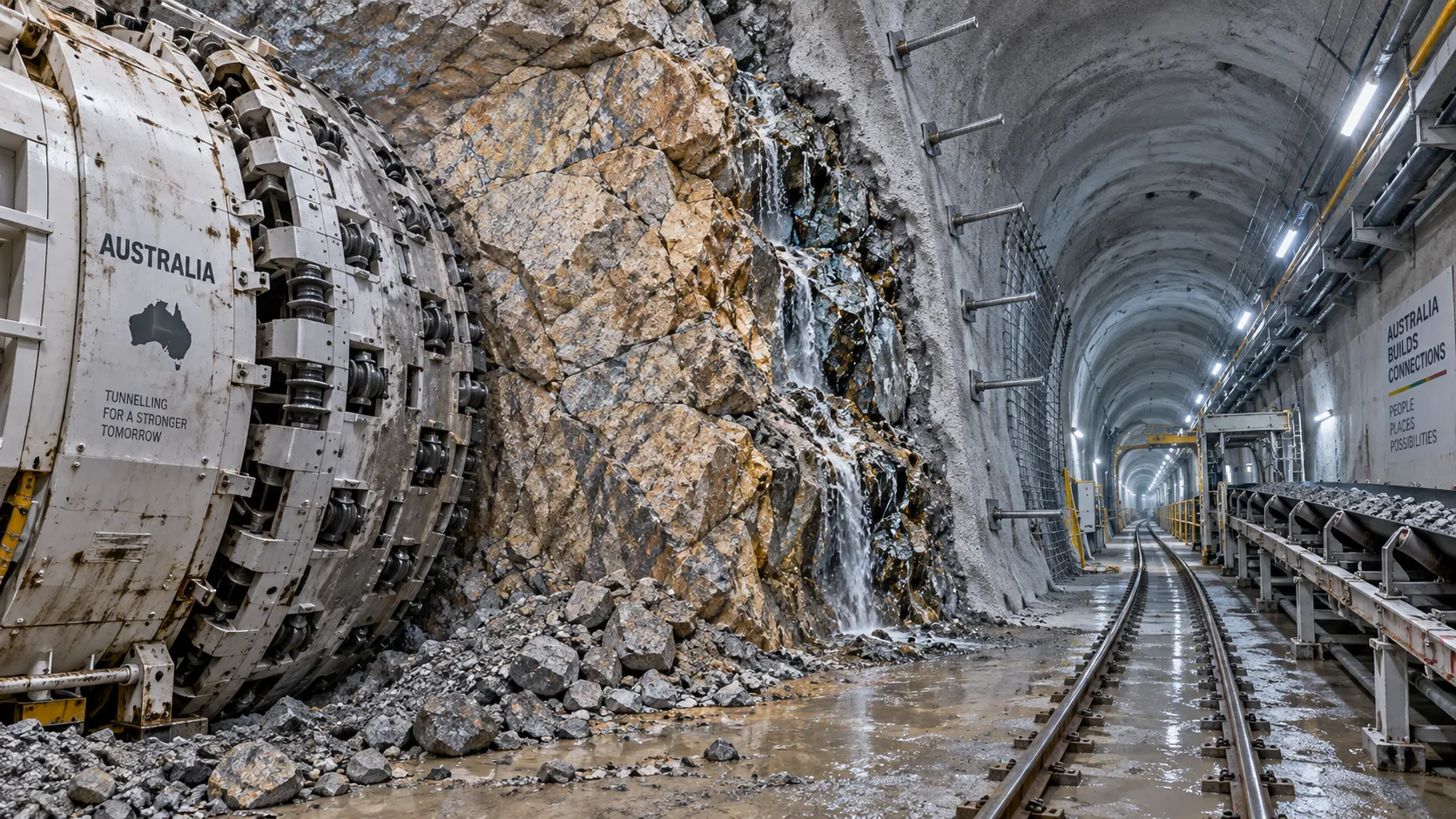
Hard Rock Tunnelling in Australia: Selecting Methods for Variable Ground Conditions
Hard rock tunnelling in Australia: compare TBM, drill-and-blast and hybrid methods to manage variable ground, reduce risk and protect project costs.
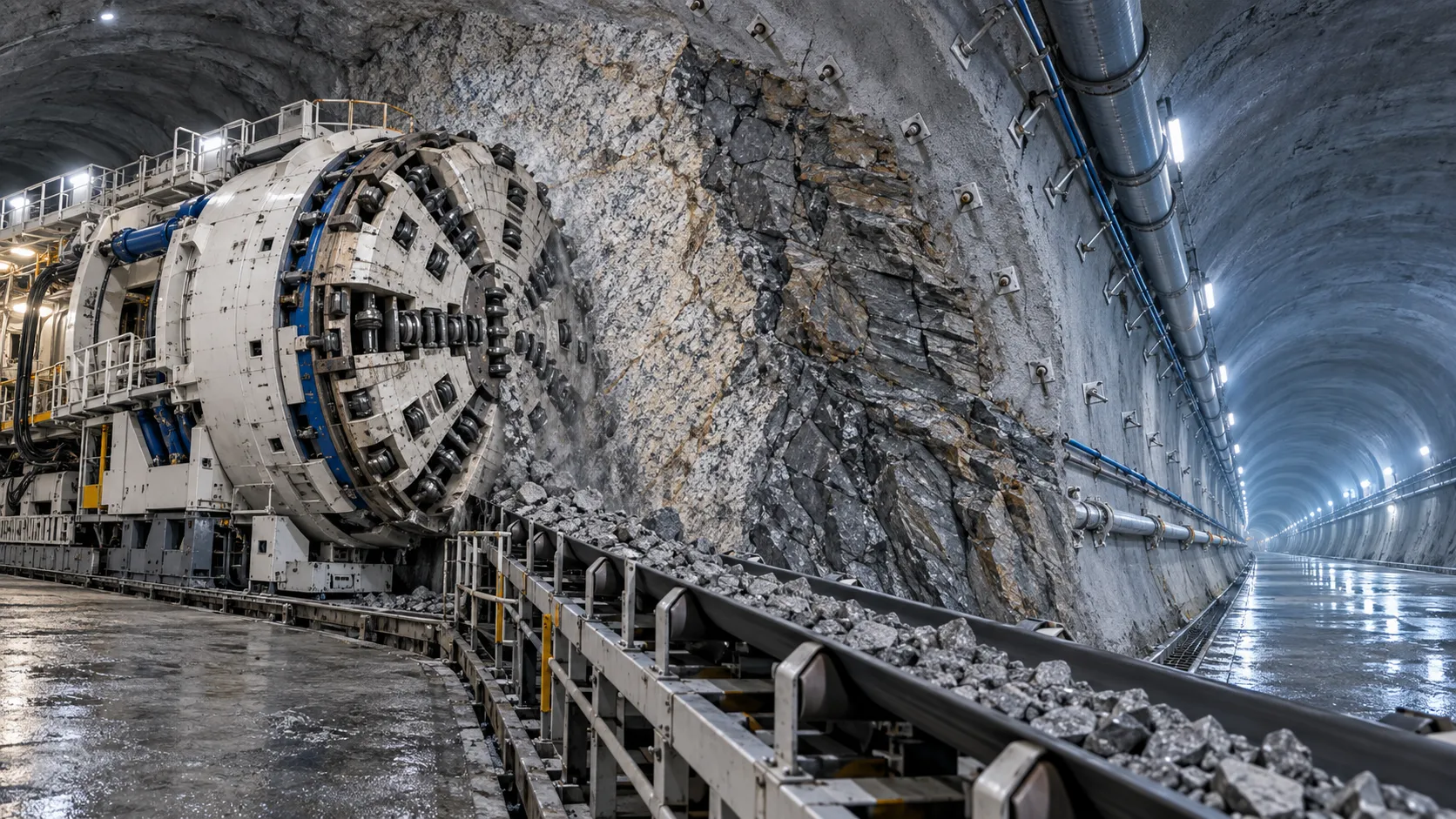
Hydropower Tunnel Excavation: Selecting Methods for Variable Rock Conditions
Hydropower tunnel excavation methods for variable rock conditions: compare TBM, drill-and-blast, and hybrid strategies to improve safety, progress, and project control.
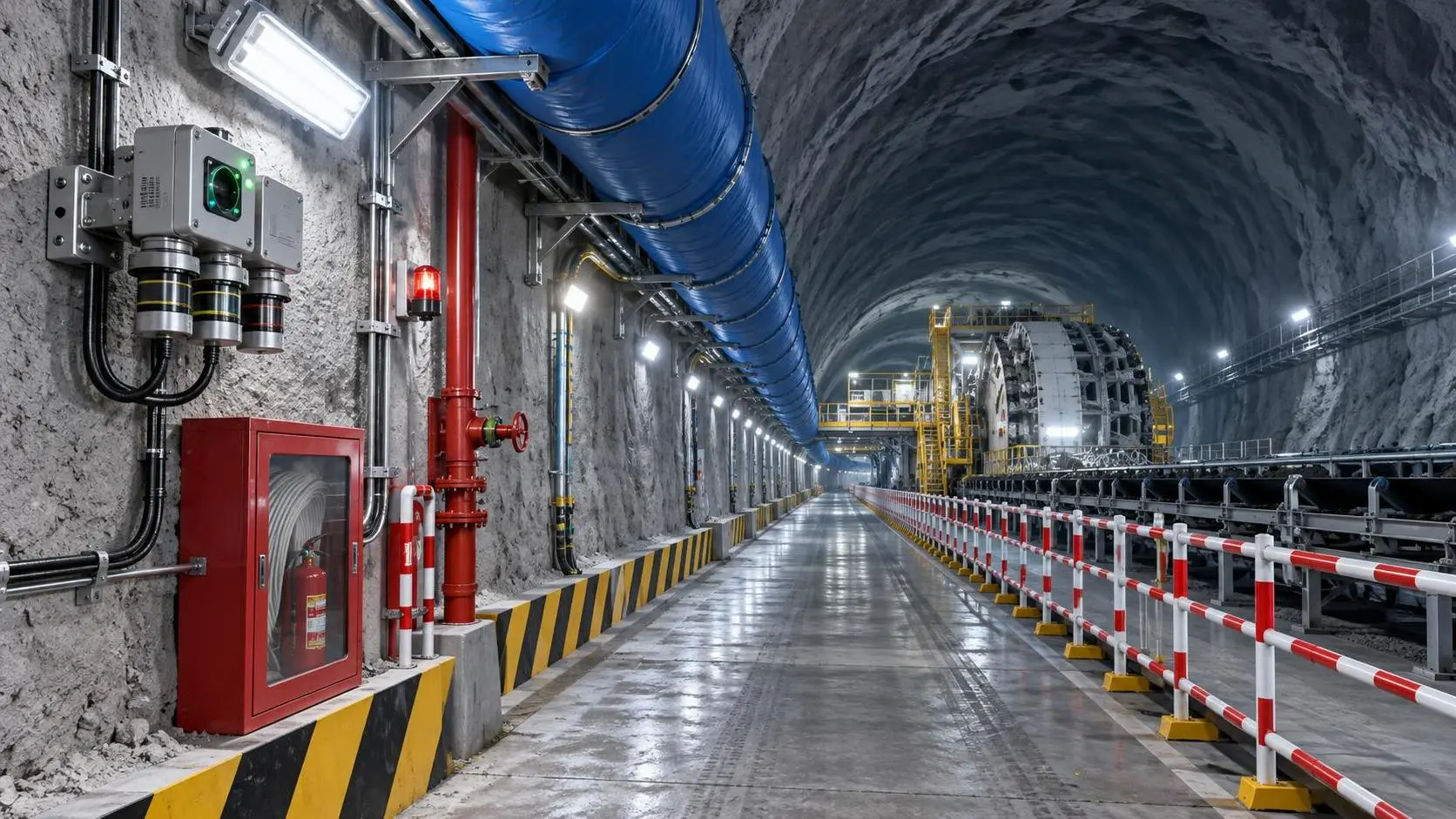
How to Select Underground Safety Equipment for Tunnelling by Hazard and Work Zone
Underground Safety Equipment for tunnelling: match protection to hazards, work zones, compliance, and emergency needs with this practical selection guide.
Related News
- 00
0000-00
Where Autonomous Mining Loaders Deliver the Most Value in Underground Operations - 00
0000-00
Underground Drilling for Mining: Selecting Methods for Rock Conditions and Mine Layout - 00
0000-00
Underground Mine Electrification: How to Size Battery Fleets and Charging Capacity - 00
0000-00
How to Evaluate European Drill-and-Blast Tunnelling Contractors for Complex Projects - 00
0000-00
Which Trenchless Construction Technique Fits Your Utility Crossing Conditions?
Weekly Insights
Stay ahead with our curated technology reports delivered every Monday.