
Trenchless Construction Process Explained: Key Steps, Site Limits, and Risk Points





The trenchless construction process matters because underground work is rarely just about installing a pipe or conduit. It is a chain of technical decisions shaped by soil behavior, urban access, groundwater, utilities, equipment limits, and tolerance demands. When those factors are understood early, trenchless delivery becomes quieter, more predictable, and often less disruptive than open-cut work.
That is why this topic draws sustained attention across municipal infrastructure, transport links, industrial utilities, and energy corridors. For platforms such as UTMD, which track tunnel boring systems, pipe jacking technology, and underground engineering intelligence, the trenchless construction process sits at the point where machinery capability meets site reality.
What the trenchless construction process really includes
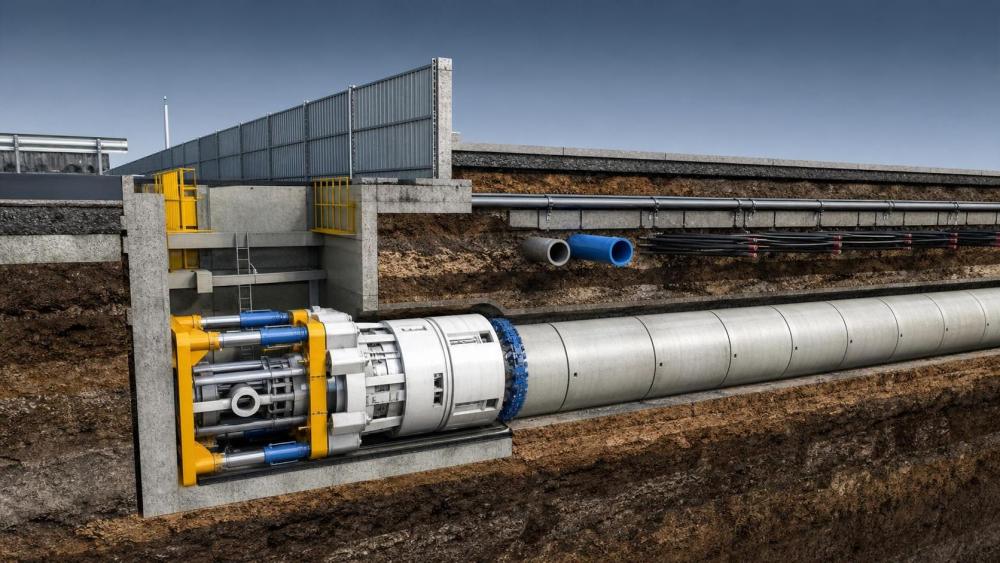
In simple terms, the trenchless construction process covers underground installation or rehabilitation with limited surface excavation. It does not describe one method only. It includes pipe jacking, microtunnelling, horizontal directional drilling, auger boring, sliplining, and cured-in-place renewal, depending on project intent.
The process is best viewed as a workflow rather than a machine operation. A successful drive depends on investigation, design, shaft preparation, steering control, spoil removal, line and grade management, joint integrity, and final verification. Equipment is critical, but equipment alone does not control outcome.
This distinction is important. In market discussions, trenchless work is sometimes presented as a clean alternative to excavation. In practice, it is a constrained underground production system with narrow margins for survey error, geotechnical surprise, or utility conflict.
Why industry attention is increasing
Urban congestion is one driver. Roads, rail corridors, dense utility zones, and built-up neighborhoods leave little room for wide trenching. The trenchless construction process offers a way to maintain traffic flow, reduce restoration costs, and limit disruption near sensitive assets.
Regulation is another driver. Noise limits, dust control, carbon targets, and community impact reviews are changing procurement logic. Less surface disturbance now carries financial value, not just public relations value. That shift is pushing trenchless methods into more projects that once defaulted to open-cut installation.
There is also a machinery trend behind the market. UTMD closely follows this layer of the industry, where pipe jacking machines, guidance systems, sensors, and data-led control are becoming more capable. The same broader movement affecting TBMs and underground mining equipment is visible here: automation, electrification, better telemetry, and tighter reliability expectations.
The key steps from investigation to handover
Every trenchless construction process starts before mobilization. The first question is not which machine to send. It is whether the alignment is realistically buildable under local ground and access conditions.
1. Ground and utility investigation
Boreholes, test pits, utility records, groundwater data, and contamination history form the basis of method selection. Mixed face conditions are especially sensitive. A drive that crosses fill, clay, cobbles, and weathered rock can behave very differently from a uniform soil profile.
2. Alignment and method planning
The design team sets line, grade, depth, launch geometry, receiving access, and allowable curvature. At this stage, the trenchless construction process is matched to purpose. Gravity sewers need strict grade control. Pressure lines may allow more flexibility. Utility crossings may prioritize minimal settlement.
3. Shaft or entry setup
Launch and reception shafts are built where space, support conditions, dewatering, and lifting plans allow safe operation. In many urban projects, shaft design becomes the practical bottleneck. The underground drive may be feasible, yet the site may not support the required working footprint.
4. Machine launch and drive control
Once jacking starts, steering, thrust balance, lubrication, spoil transport, and face stability become continuous control tasks. Small deviations can accumulate quickly. For that reason, the trenchless construction process depends heavily on accurate survey updates and disciplined operational monitoring.
5. Pipe installation and joint protection
As the drive advances, pipes or casing sections are added and pushed forward. Joint damage, excessive friction, and uneven loading are common technical concerns. The material specification must align with jacking loads, expected deflection, and service life requirements.
6. Breakthrough, testing, and records
The final stage includes breakthrough management, inspection, pressure or leakage testing where relevant, as-built survey confirmation, and reinstatement. Good records matter because the trenchless construction process leaves little visible evidence once completed. Verification replaces direct visual oversight.
Site limits that often decide feasibility
Many project reviews focus too much on route length and pipe diameter. Those matter, but site limits usually decide whether the trenchless construction process remains practical, economical, and low risk.
These limits explain why similar pipe sizes can carry very different risk profiles. A short crossing beneath critical utilities may be harder to deliver than a longer drive in consistent ground with clear shaft access.
Where the main risk points usually appear
Risk in the trenchless construction process is usually cumulative. Rarely does one issue alone cause failure. Problems emerge when uncertain ground, tight tolerances, and rushed site preparation combine.
- Incomplete subsurface data can lead to wrong method choice or underestimated thrust and wear.
- Poor shaft design can create instability, flooding exposure, or unsafe launch conditions.
- Inadequate lubrication can increase jacking forces beyond pipe or equipment limits.
- Guidance drift can compromise gravity flow performance or clearance to existing assets.
- Spoil management constraints can slow production and increase environmental compliance pressure.
- Delayed response to tool wear can escalate settlement, deviation, or intervention downtime.
A more strategic view is also useful. UTMD’s broader coverage of underground machinery shows that reliability is increasingly a system issue. Cutting tools, hydraulic performance, sensing accuracy, and operator feedback loops all influence field outcomes. The trenchless construction process is becoming more data-dependent, not less.
How to compare applications without oversimplifying
Different use cases place different demands on trenchless methods. That is why direct cost comparison can mislead unless the service objective is clear.
Municipal sewer and drainage work
Grade control and long-term hydraulic performance dominate here. Even small alignment errors can affect flow behavior. Inspection access and future maintenance also need attention during planning.
Water, gas, and pressure pipelines
Pressure systems may tolerate different geometry, but material compatibility, joint security, and crossing safety become central. Surface disruption often drives the business case in populated corridors.
Rail, road, and utility crossings
The trenchless construction process is often selected here because service interruption is unacceptable. Settlement monitoring, permit conditions, and emergency response planning usually receive greater scrutiny than installation speed.
Industrial and energy infrastructure
In plant areas or pipeline networks, congestion and safety interfaces matter as much as geology. Access rules, contamination controls, and shutdown windows can reshape the preferred method.
Practical filters for early-stage evaluation
When reviewing a trenchless construction process, a few questions usually separate robust concepts from weak ones.
- Is the ground model detailed enough to explain transitions, not just average conditions?
- Do launch and reception sites work under real traffic, lifting, and spoil logistics constraints?
- Are line and grade tolerances consistent with the selected method and machine guidance system?
- Has settlement risk been assessed against nearby utilities, structures, and pavement performance?
- Do maintenance, testing, and as-built verification plans reflect the final asset function?
Those filters support better comparison between pipe jacking, microtunnelling, HDD, and other trenchless options. They also help separate genuine technical fit from choices driven only by headline cost or vendor familiarity.
A grounded next step for better decisions
A useful reading of the trenchless construction process starts with sequence, then moves to constraints, then to risk concentration. That order keeps attention on what actually governs delivery. Method names are important, but site conditions and control capability decide far more.
For deeper assessment, it helps to map each project against alignment demands, shaft feasibility, ground uncertainty, machine suitability, and verification requirements. From there, comparisons become more disciplined, and the next questions are clearer: which method fits the corridor, where risk is concentrated, and what information is still missing before commitment.
Related News
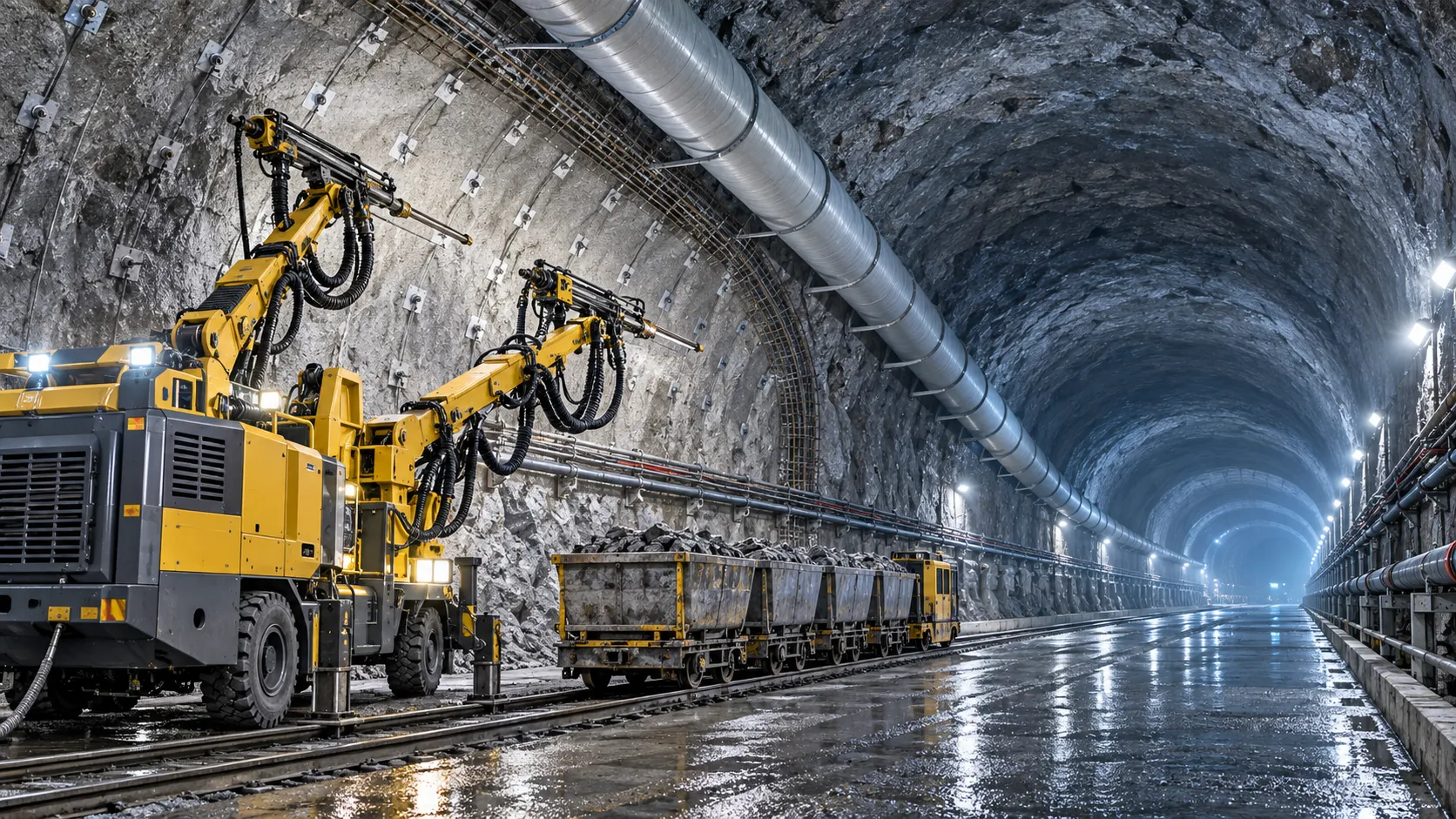
How to Evaluate European Drill-and-Blast Tunnelling Contractors for Complex Projects
Drill and blast tunnelling contractors Europe: learn how to assess geology expertise, blast control, equipment reliability, safety, and programme resilience for complex projects.
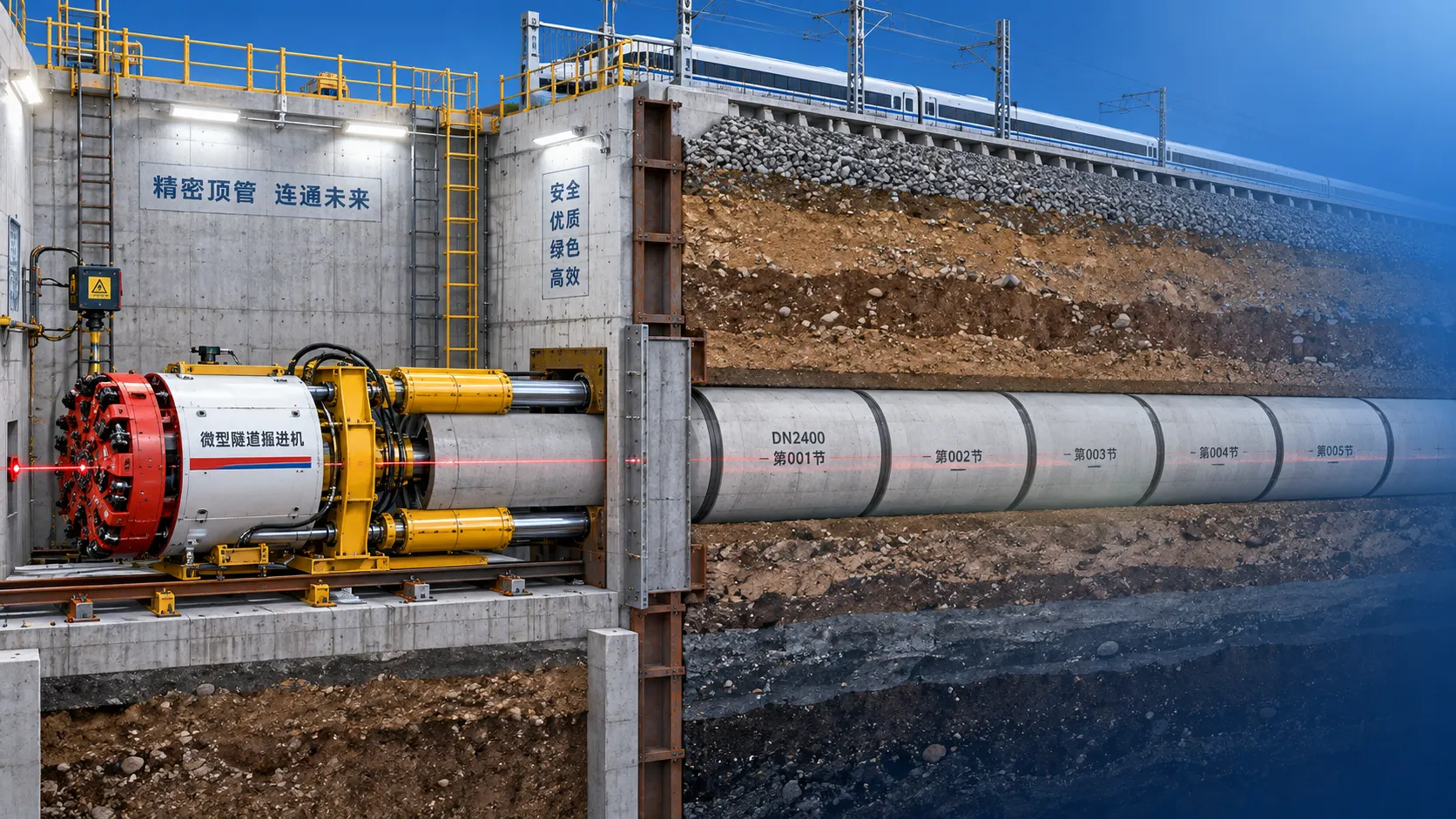
Which Trenchless Construction Technique Fits Your Utility Crossing Conditions?
Trenchless construction techniques compared for utility crossings: choose HDD, microtunnelling, pipe jacking, or auger boring based on ground, accuracy, access, and risk.
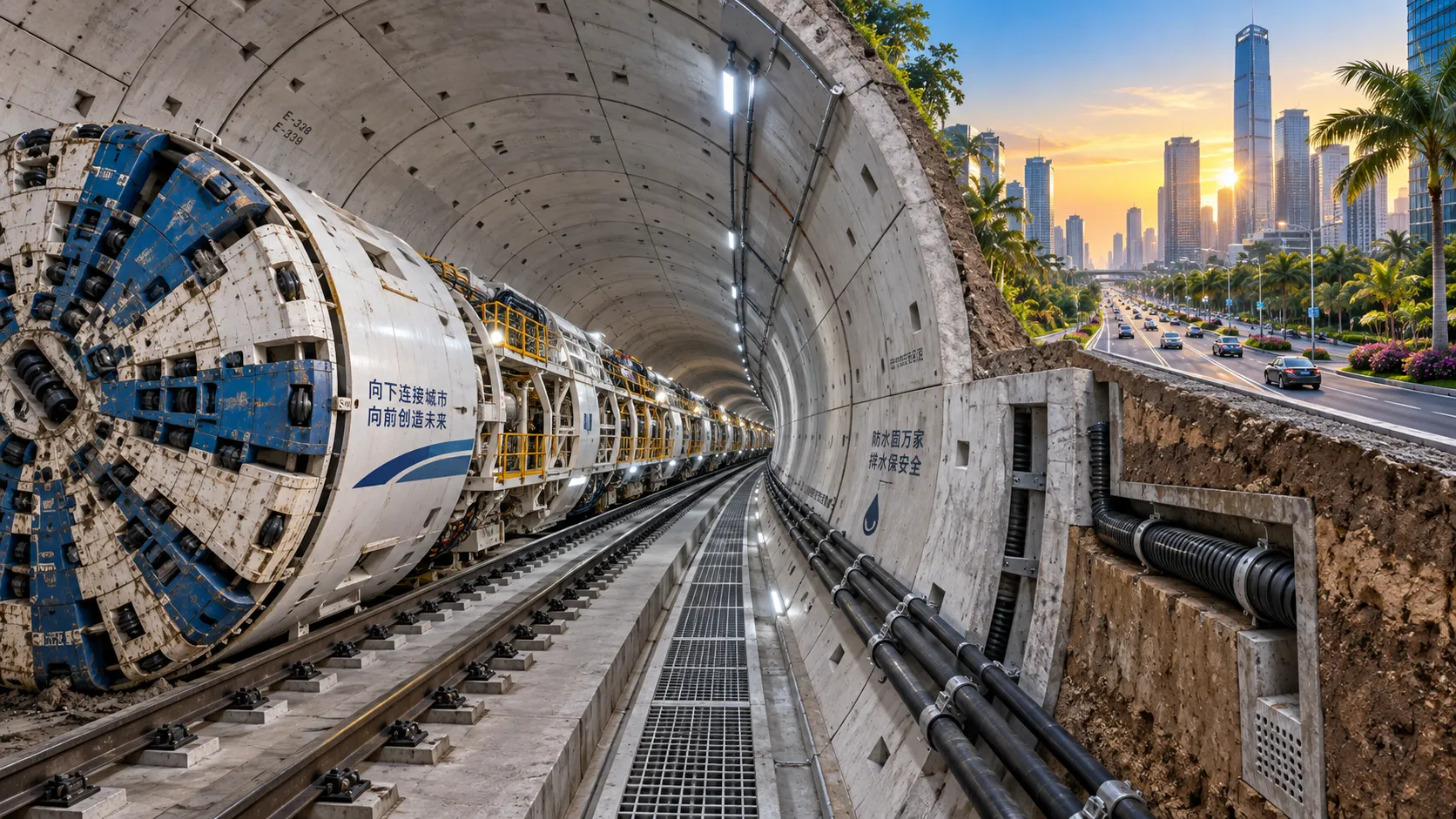
What Is Driving Metro Tunnelling Demand Across Southeast Asia’s Major Cities?
Metro tunnelling Southeast Asia is accelerating as major cities tackle congestion, flooding, and connectivity. Explore the market forces, technical risks, and opportunities shaping demand.
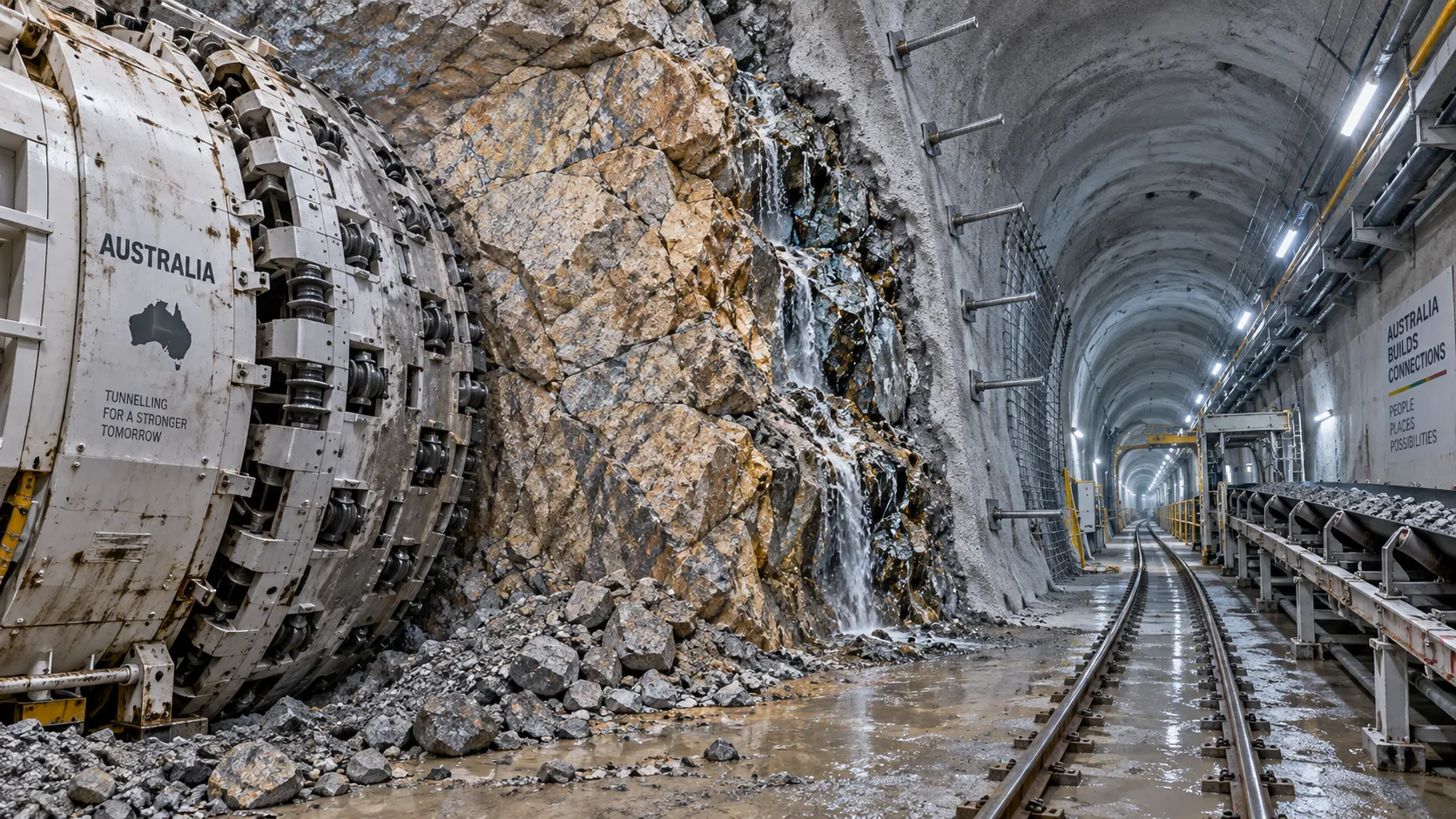
Hard Rock Tunnelling in Australia: Selecting Methods for Variable Ground Conditions
Hard rock tunnelling in Australia: compare TBM, drill-and-blast and hybrid methods to manage variable ground, reduce risk and protect project costs.
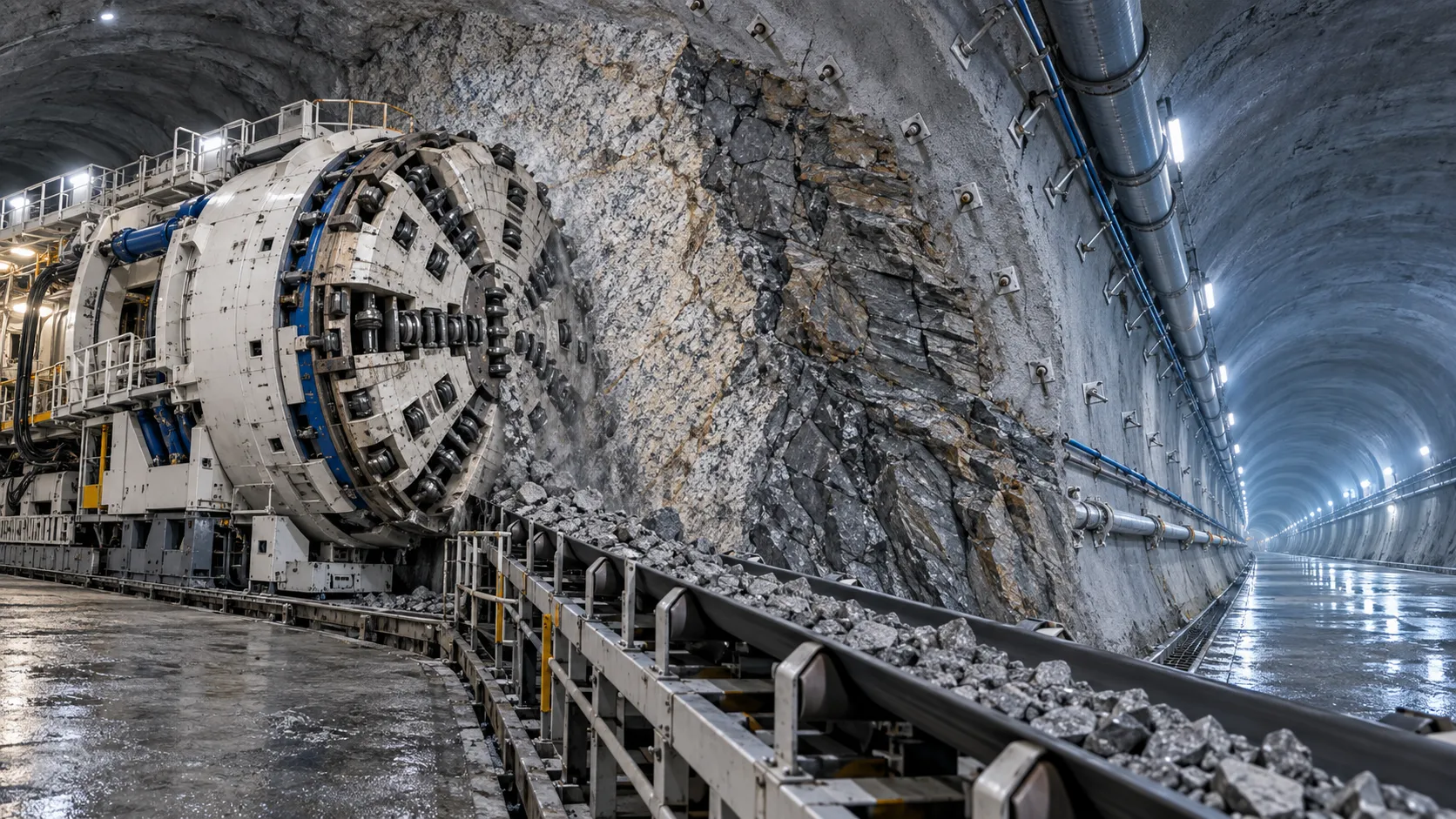
Hydropower Tunnel Excavation: Selecting Methods for Variable Rock Conditions
Hydropower tunnel excavation methods for variable rock conditions: compare TBM, drill-and-blast, and hybrid strategies to improve safety, progress, and project control.
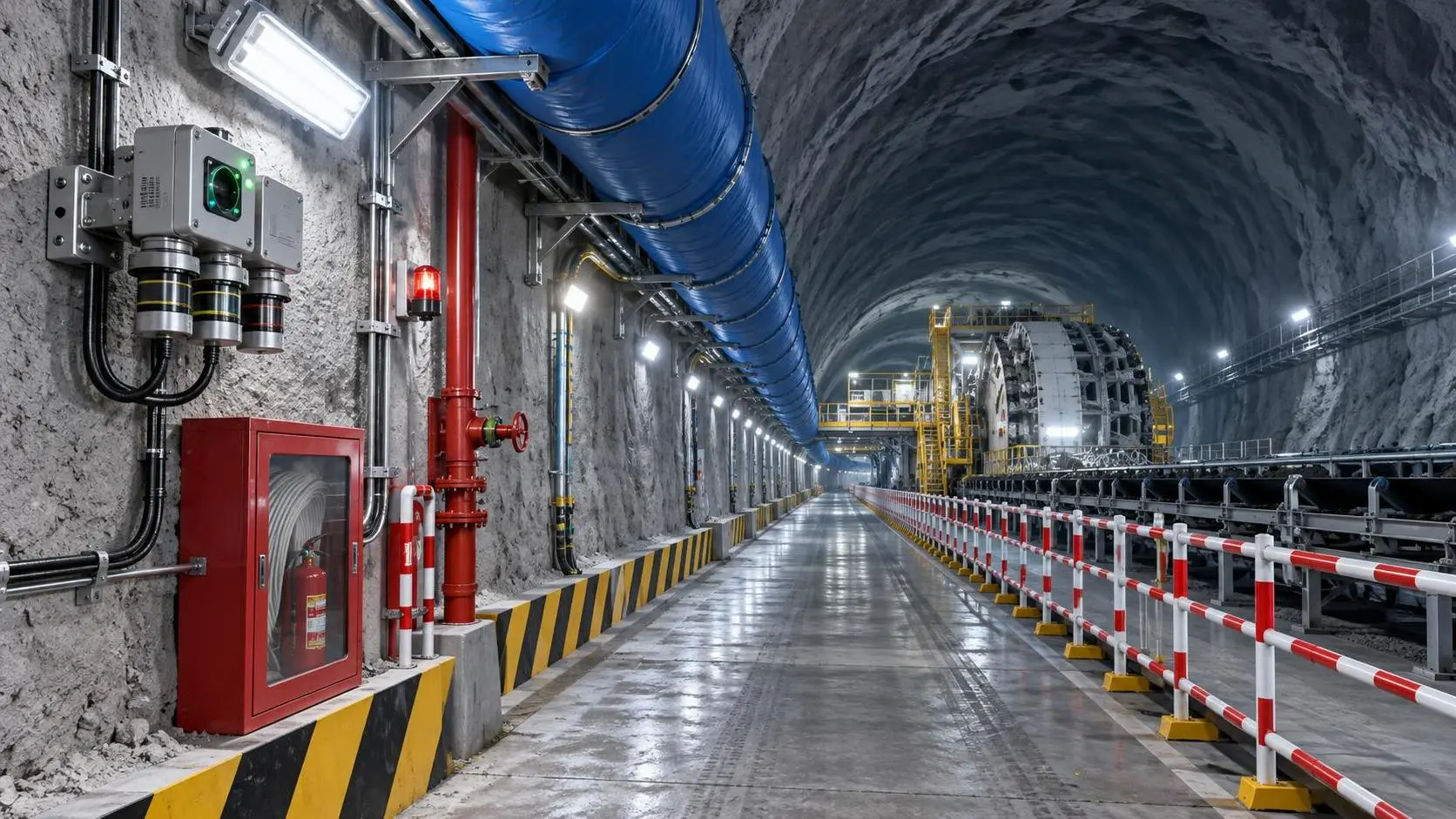
How to Select Underground Safety Equipment for Tunnelling by Hazard and Work Zone
Underground Safety Equipment for tunnelling: match protection to hazards, work zones, compliance, and emergency needs with this practical selection guide.
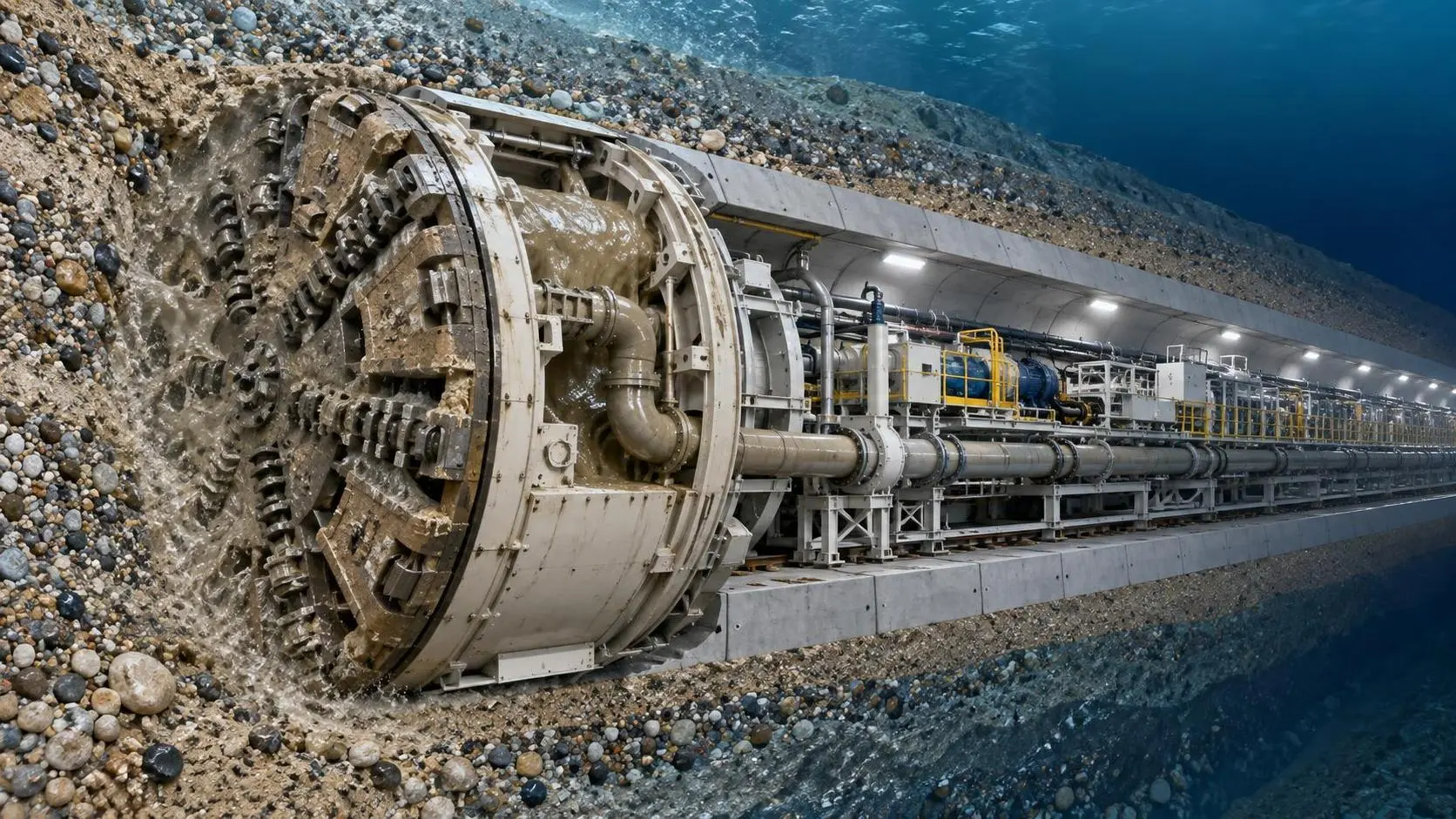
EPB or Slurry Shield? Selecting Soft-Ground Tunnelling Equipment by Soil Conditions
Tunnel Excavation Equipment for soft ground: compare EPB and slurry shields by soil, groundwater, settlement risk, and project logistics to choose confidently.
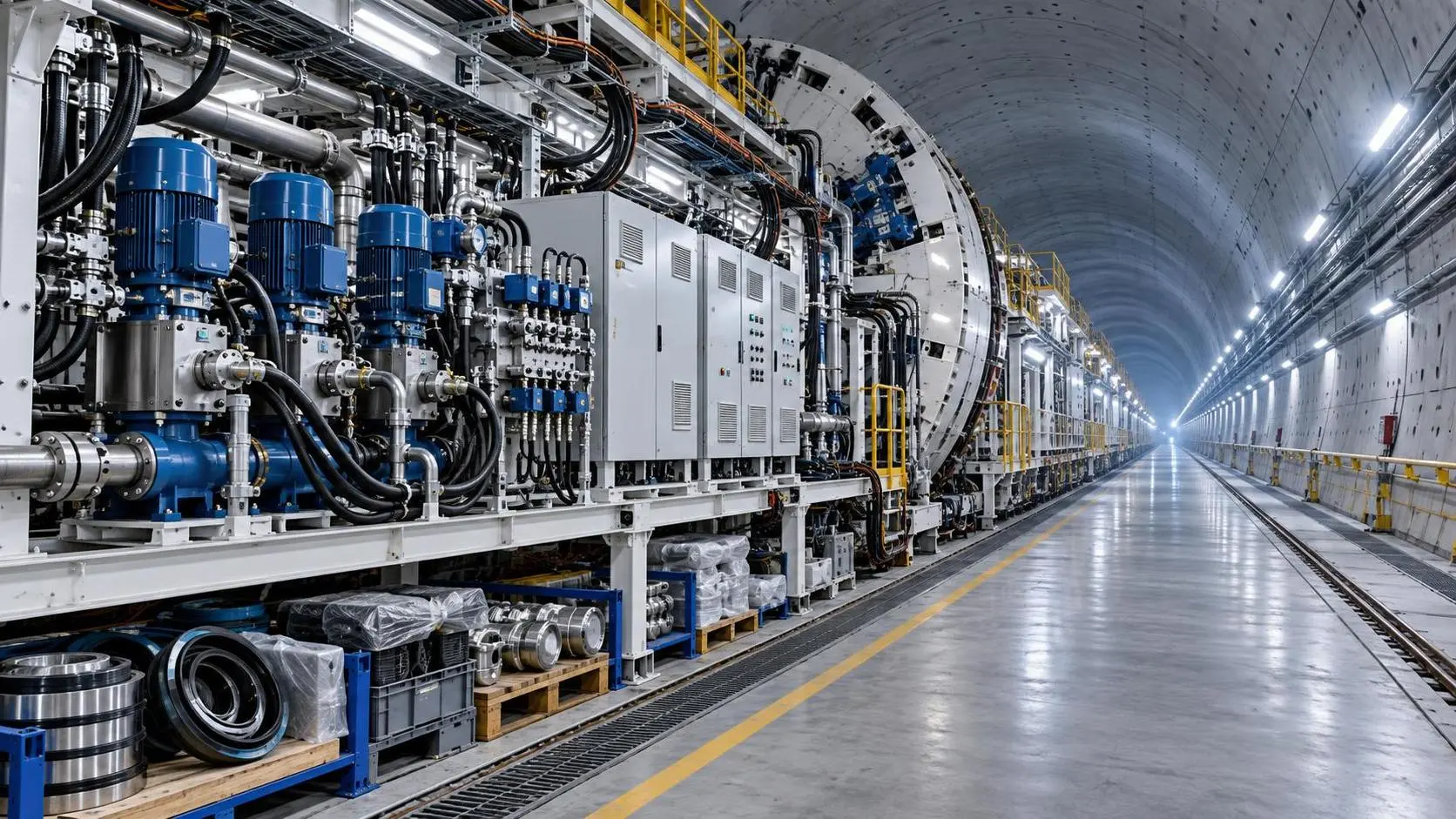
How to Specify TBM Backup System Parts for Reliable Long-Distance Tunnelling
TBM backup system parts: learn how to specify reliable spares for long-distance tunnelling, reduce downtime, ensure compatibility, and speed underground recovery.
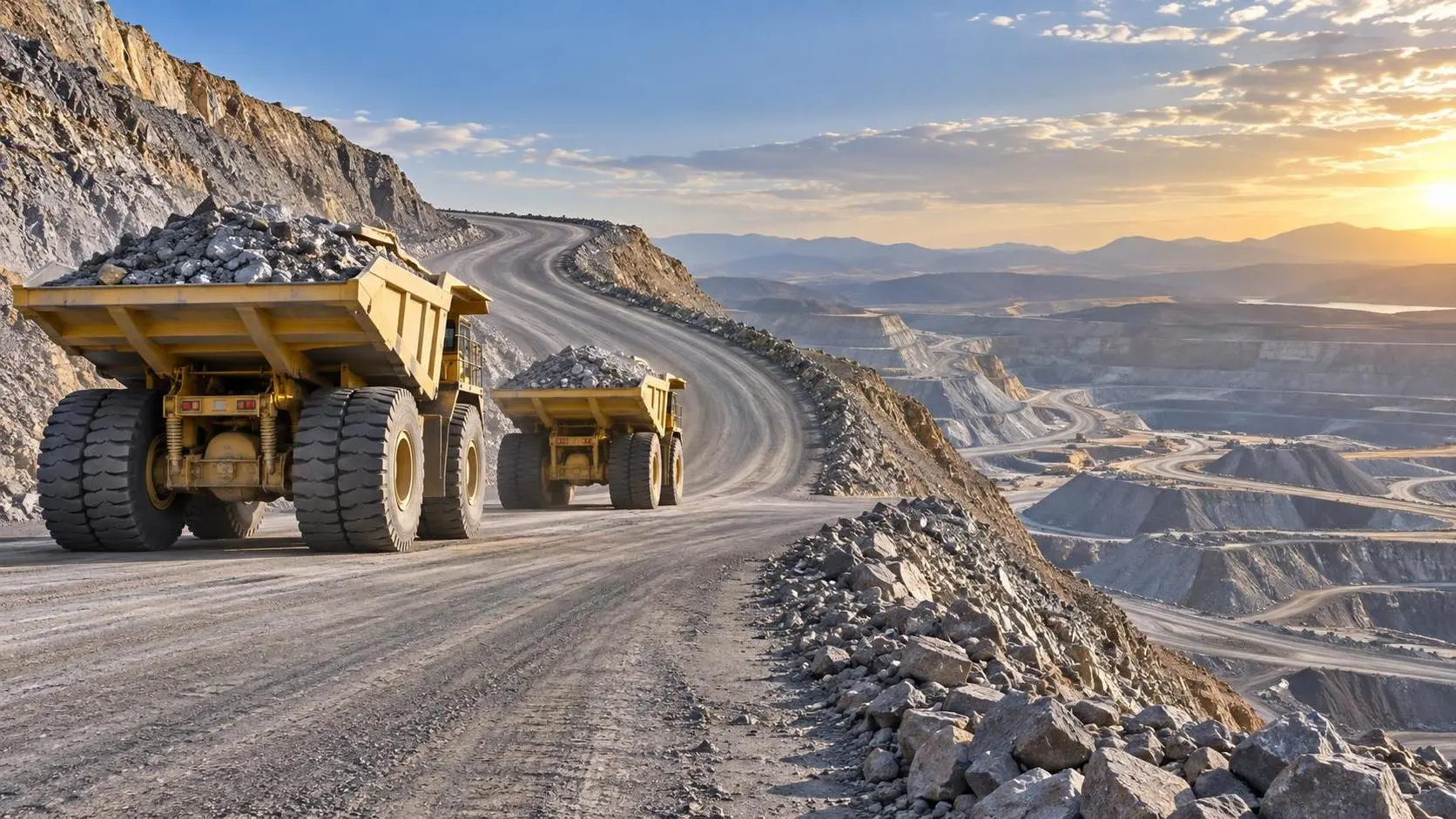
How to Size Open Pit Mining Trucks for Haul Distance, Grade, and Payload?
Open Pit Mining Trucks: learn how to match payload, haul distance, grade, road resistance, and loading capacity for safer, lower-cost mine operations.
Related News
- 00
0000-00
How to Evaluate European Drill-and-Blast Tunnelling Contractors for Complex Projects - 00
0000-00
Which Trenchless Construction Technique Fits Your Utility Crossing Conditions? - 00
0000-00
What Is Driving Metro Tunnelling Demand Across Southeast Asia’s Major Cities? - 00
0000-00
Hard Rock Tunnelling in Australia: Selecting Methods for Variable Ground Conditions - 00
0000-00
Hydropower Tunnel Excavation: Selecting Methods for Variable Rock Conditions
Weekly Insights
Stay ahead with our curated technology reports delivered every Monday.