
MAA Launches Zero-Carbon Trenchless Equipment List





On June 27, 2026, the Minerals Association of Australia (MAA), together with the Clean Energy Finance Corporation (CEFC), introduced the Zero-Carbon Trenchless Equipment List, with the first intake centered on Slurry Pipe Jacking and Micro-tunnelling equipment. For equipment makers, project suppliers, procurement teams, and contractors working around trenchless delivery, the announcement is worth attention because it links technical documentation and energy-efficiency proof to procurement access and potential state-level tariff relief.
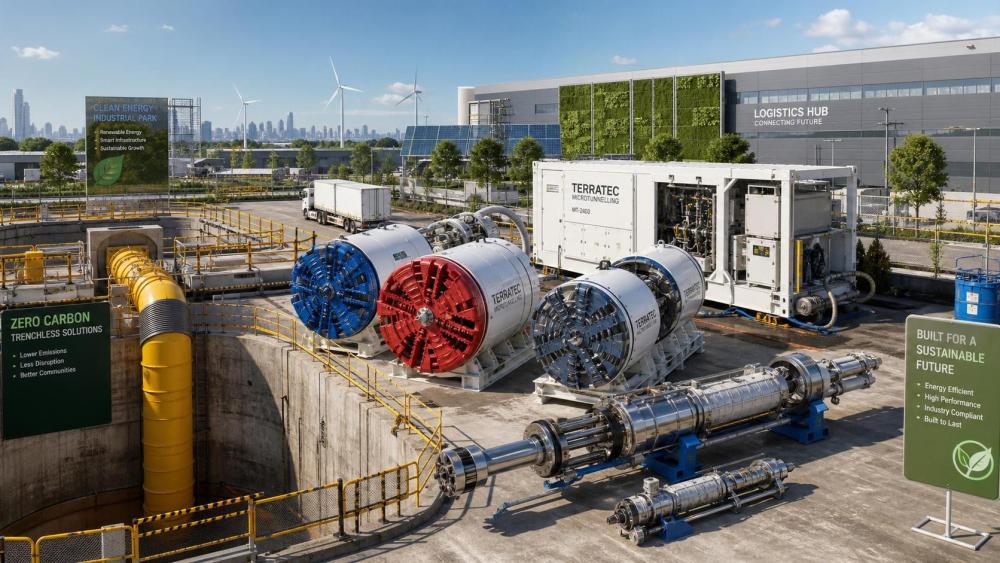
What the new list includes at launch
The newly launched program is named the Zero-Carbon Trenchless Equipment List. According to the provided event summary, its first phase covers Slurry Pipe Jacking and Micro-tunnelling equipment.
Applicants are required to submit an LCA life-cycle carbon footprint report and proof that the equipment uses IEC 60034-30-2 super-premium efficiency motors. Equipment placed on the list may receive priority in federal green procurement and qualify for state tariff rebates.
Where the immediate pressure points may appear
Equipment manufacturers may face a documentation threshold
From an industry perspective, manufacturers and original equipment suppliers are among the first groups likely to feel the impact. The reason is straightforward: inclusion depends not only on equipment performance, but also on whether suppliers can present the required carbon-footprint and motor-efficiency evidence. The main pressure point is therefore in certification readiness, technical files, and submission quality rather than in sales language alone.
Contractors and project bidders may need to reassess equipment choices
For trenchless contractors and bidding teams, the announcement may affect equipment selection during tender preparation and project planning. Because listed equipment can receive federal green procurement priority, bidders may need to review whether current fleets or planned purchases align with the new requirements. What deserves closer attention is whether equipment already in use can be supported by the required documents, or whether replacement and upgrade decisions may become commercially relevant.
Procurement and supply-chain teams may need earlier coordination
Procurement teams, distributors, and supply-chain service providers may also be affected because the business value of listed status is tied to purchasing treatment and tariff outcomes. In practice, this means upstream documentation, supplier confirmation, and delivery timing may become more important in transactions involving eligible trenchless equipment. The operational risk is less about the concept of decarbonization itself and more about whether paperwork, compliance claims, and delivery schedules can stay aligned.
What companies should watch now
Track how the program language develops
Companies should closely monitor any follow-up wording around application scope, document expectations, and how listed status is recognized in procurement processes. The current announcement establishes the direction, but actual business impact will depend on how the rules are applied in practice.
Prioritize the two covered equipment categories
For now, the clearest commercial focus is on Slurry Pipe Jacking and Micro-tunnelling equipment, since these are the categories explicitly included in the first phase. Businesses active in these segments should review whether their product lines, inventory, or active quotations are exposed to the new screening criteria.
Separate policy signal from operational readiness
Analysis shows that the policy signal is already clear, but operational readiness is a separate issue. Having equipment that appears technically competitive is not the same as being able to produce an LCA report and IEC 60034-30-2 motor-efficiency proof in a form that customers or procurement bodies will accept. Firms should test that distinction early.
Prepare for customer and supplier communication
Sales, compliance, and sourcing teams should prepare a consistent explanation of listed status, required evidence, and expected lead times for document collection. This matters particularly where customers may ask whether a machine is eligible for procurement preference or whether tariff rebate treatment could apply.
Why this looks like a policy signal, not a finished market outcome
Observably, this announcement should be read first as a structured market signal rather than as proof of immediate market reordering. The fact that the first phase is limited to Slurry Pipe Jacking and Micro-tunnelling equipment suggests a targeted starting point, while the documentation requirements show that MAA and CEFC are tying low-carbon claims to verifiable evidence. That is meaningful for the sector, but it does not yet confirm how broad adoption will be, how quickly applications will move, or how strongly buyers will adjust procurement behavior.
How to read this development at this stage
At this stage, it is more appropriate to understand the launch as an early but concrete compliance-and-procurement signal for trenchless equipment suppliers active in Australia. The confirmed facts already point to a tighter link between energy-efficiency proof, carbon accounting, and market access incentives. The broader industry effect still needs observation, especially in how purchasing decisions, supplier qualification, and project delivery practices respond over time.
Basis of this article and what still needs verification
This article is based on the user-provided news title, event date, and event summary. For this type of development, relevant source categories would usually include official announcements, association releases, company statements, authoritative media coverage, and standards-related documents. A specific official source link was not provided in the input, so the underlying announcement and any follow-up implementation details still require ongoing verification. Continued attention should be given to future official clarifications on application procedures, scope changes, and how procurement preference and tariff rebate treatment are executed in practice.
Related News
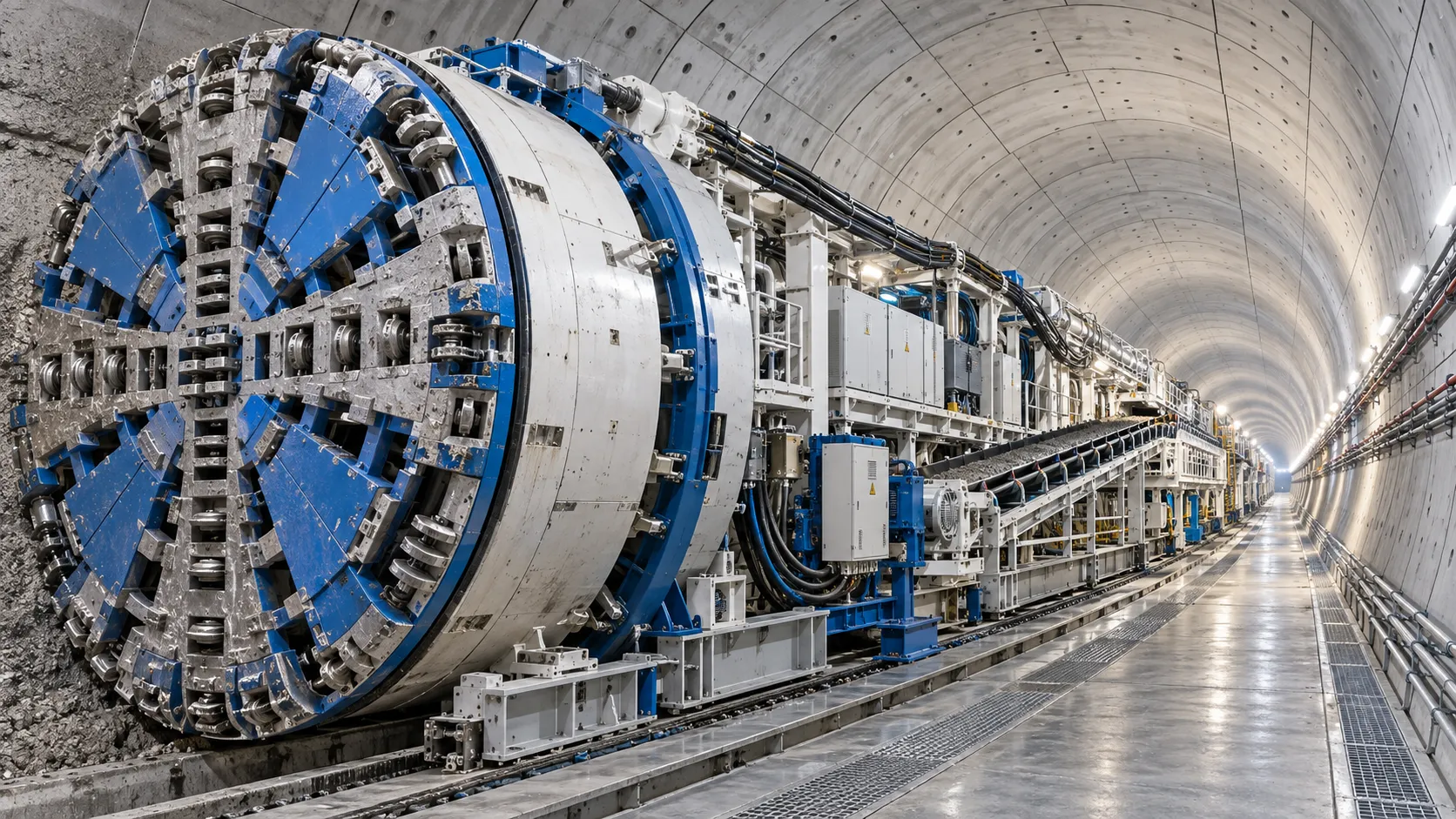
Tunnel Boring Machine Costs: Budgeting for Purchase, Operation, and Project Risk
Tunnel Boring Machines cost more than purchase price. Learn how to budget lifecycle costs, downtime, logistics, wear, and project risk for smarter TBM decisions.
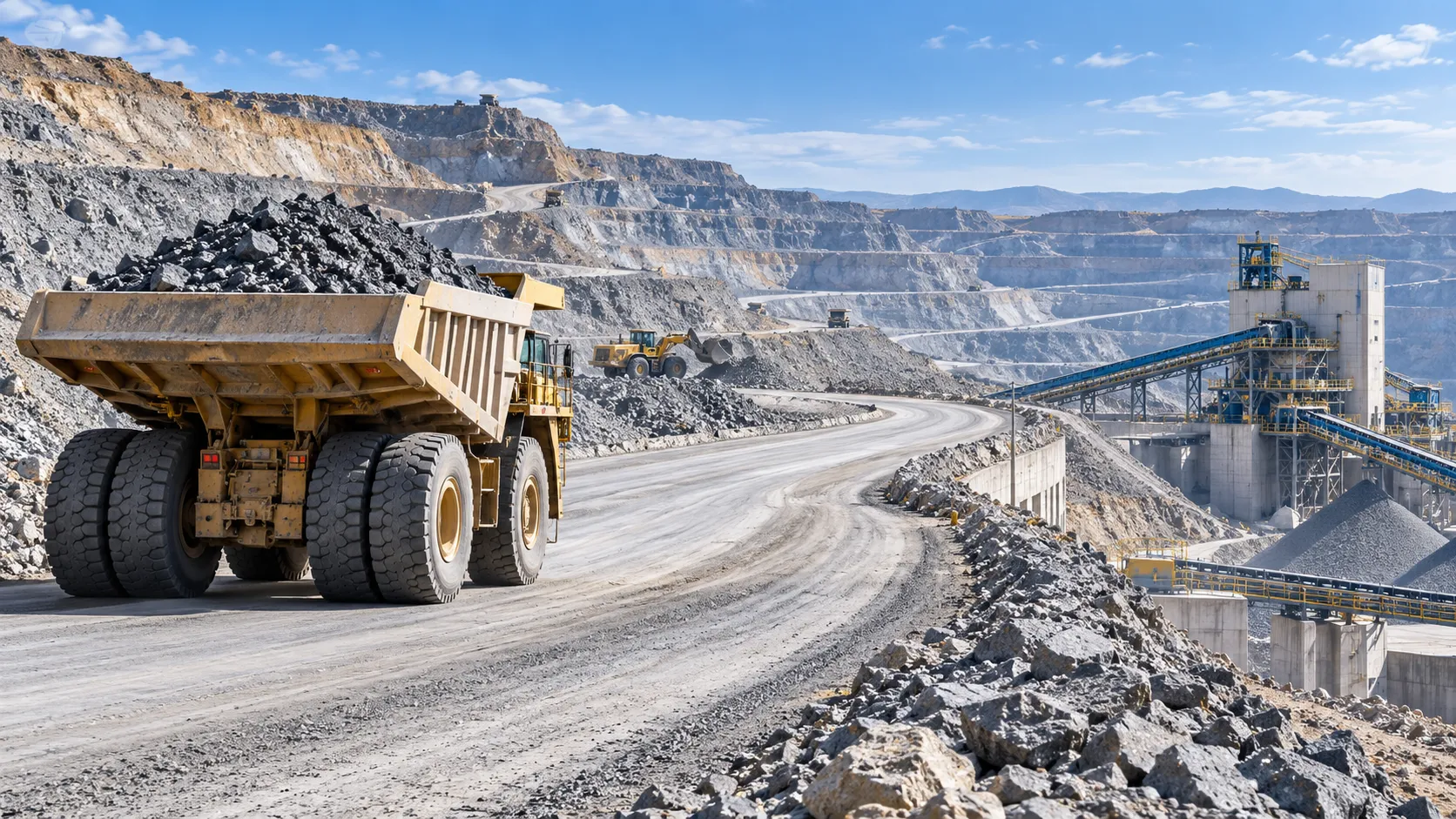
Open-Pit Haulage Cost Analysis: How Mine Managers Can Cut Cost per Tonne
Open pit haulage cost analysis: discover practical ways to reduce cost per tonne through payload control, cycle-time optimization, road performance, and smarter fleet decisions.
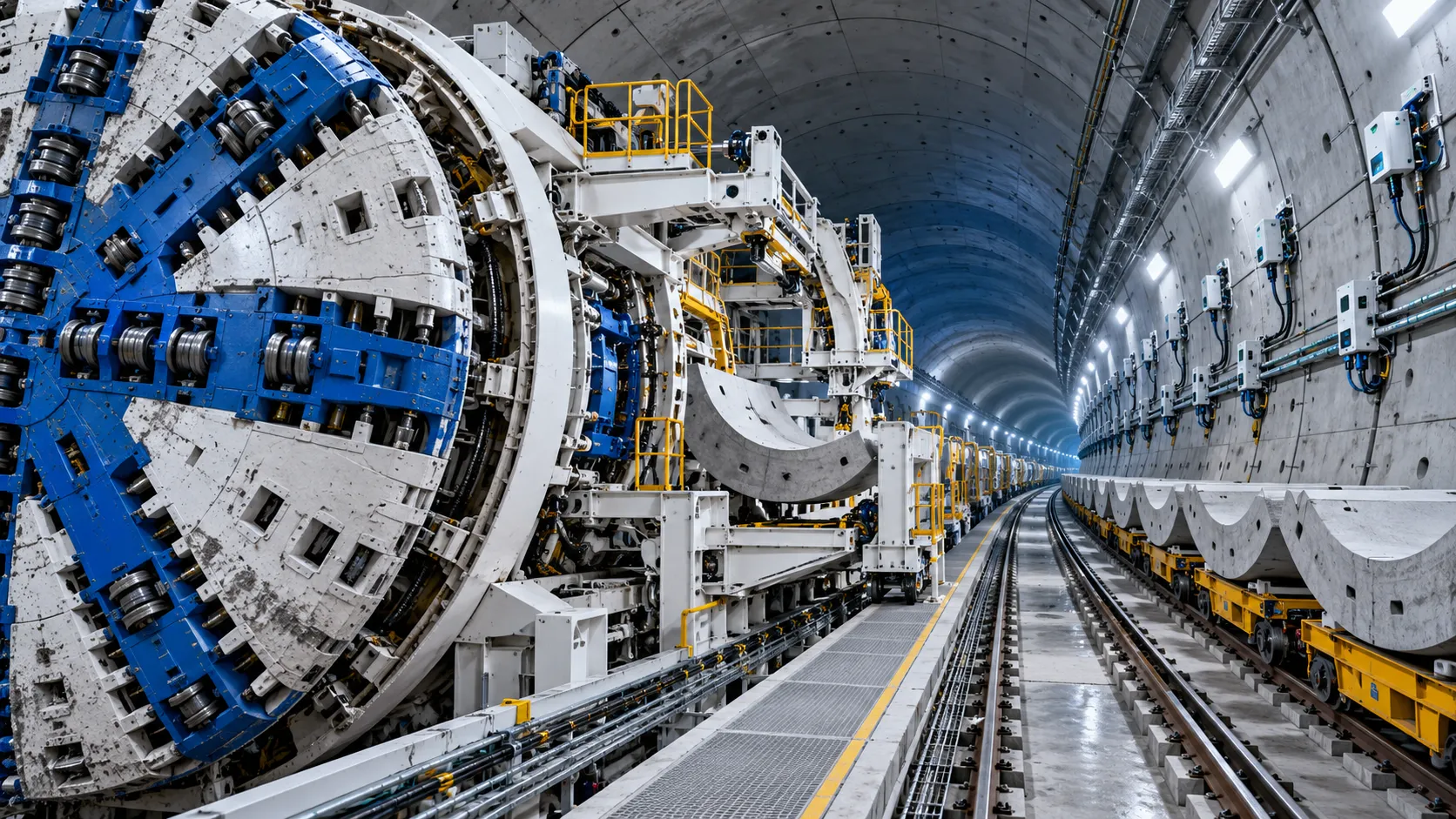
Tunnel Construction Innovations That Reduce Risk and Schedule Delays on Urban Projects
Tunnel construction innovation for urban projects: discover smarter TBMs, real-time monitoring, trenchless methods, and automation that reduce risk and protect schedules.
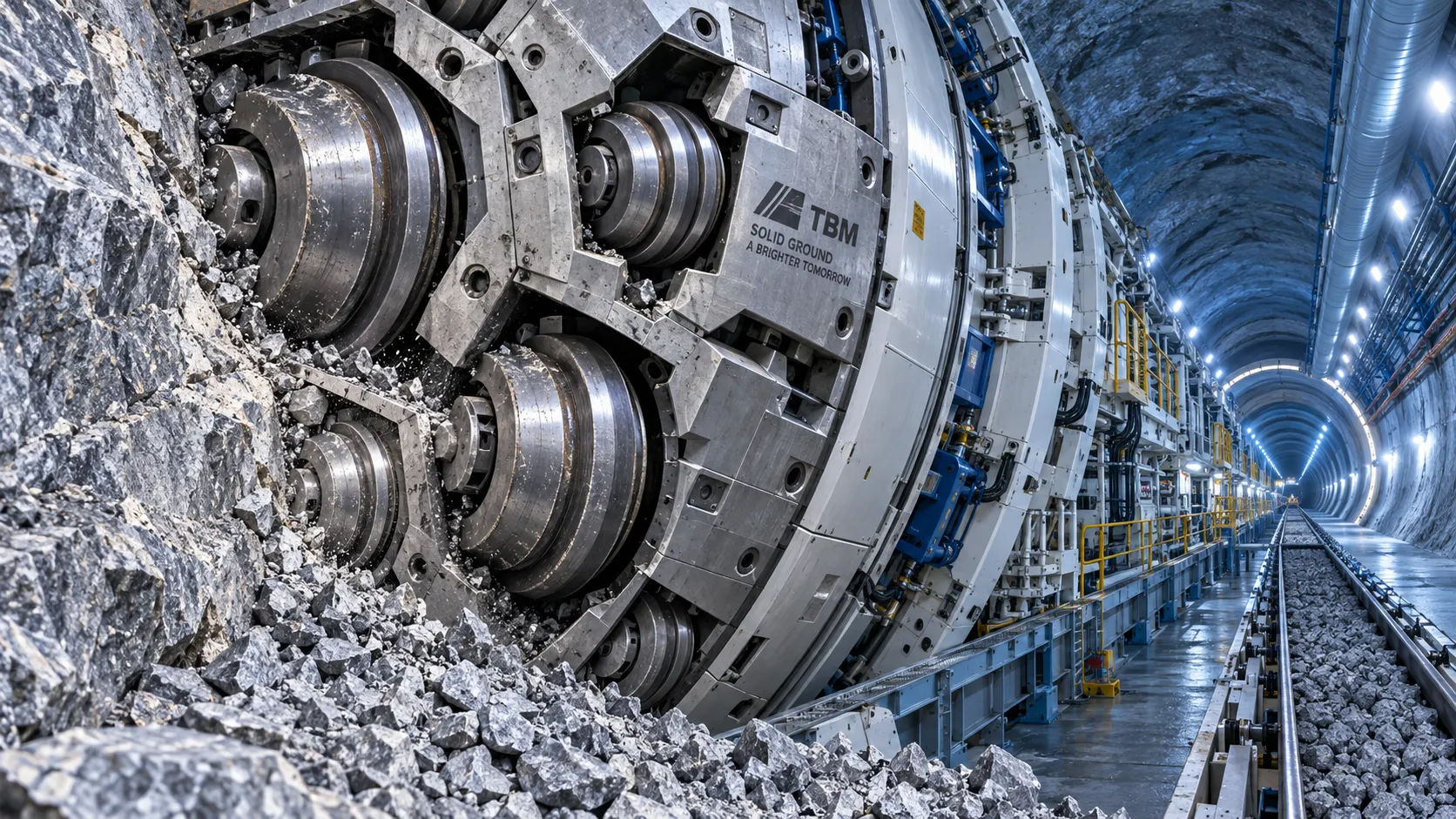
TBM Disc Cutter Design: Key Geometry and Load Factors for Hard Rock Tunnelling
TBM disc cutter design explained: explore geometry, spacing, load distribution and maintenance factors for reliable, efficient hard-rock tunnelling performance.
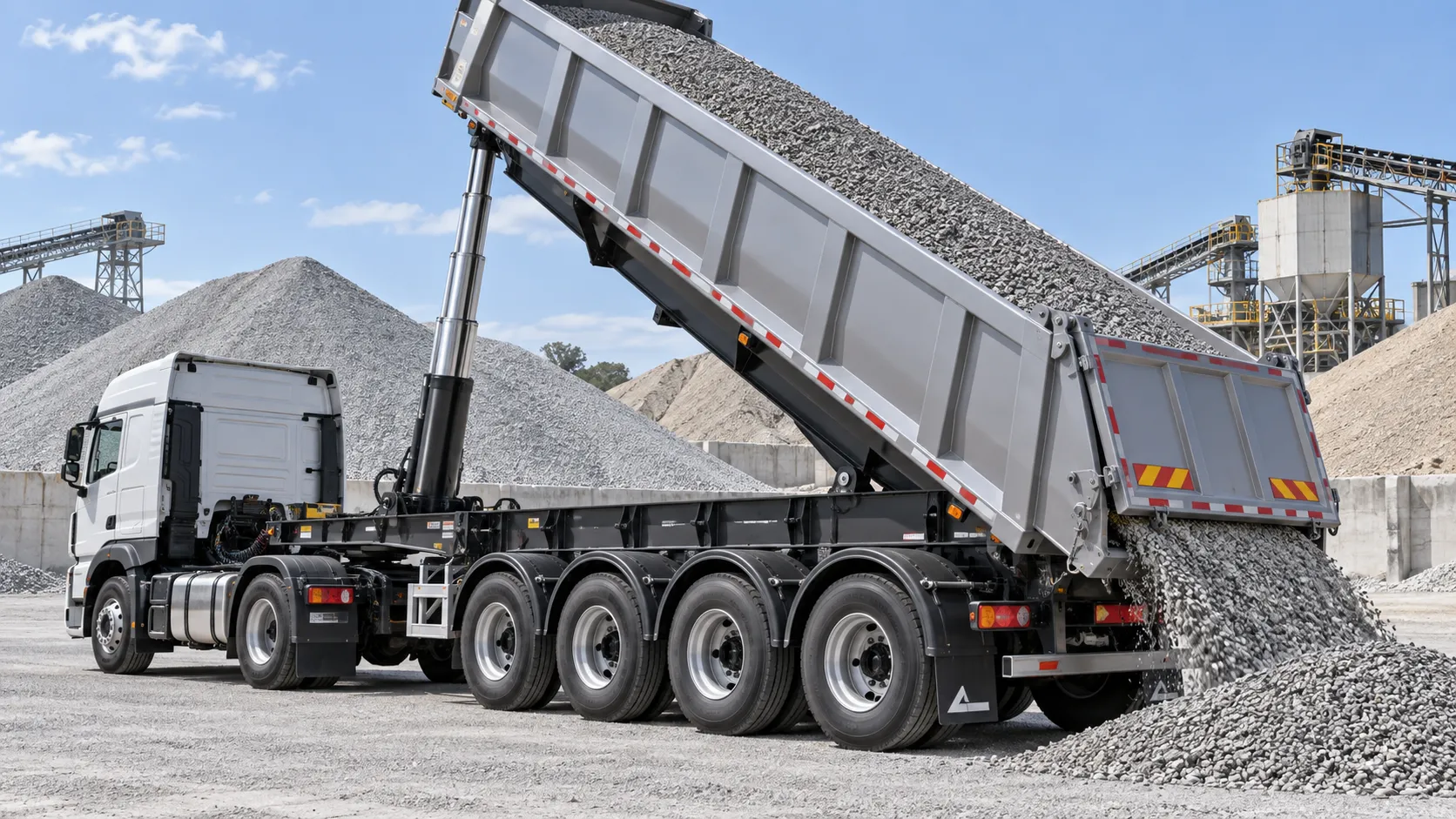
Hydraulic Tipping Stability Risks in Multi-Axle Dump Special Trailers
Dump special trailers: discover key hydraulic tipping stability risks, multi-axle load dynamics, and practical safety controls for safer, smarter bulk hauling.
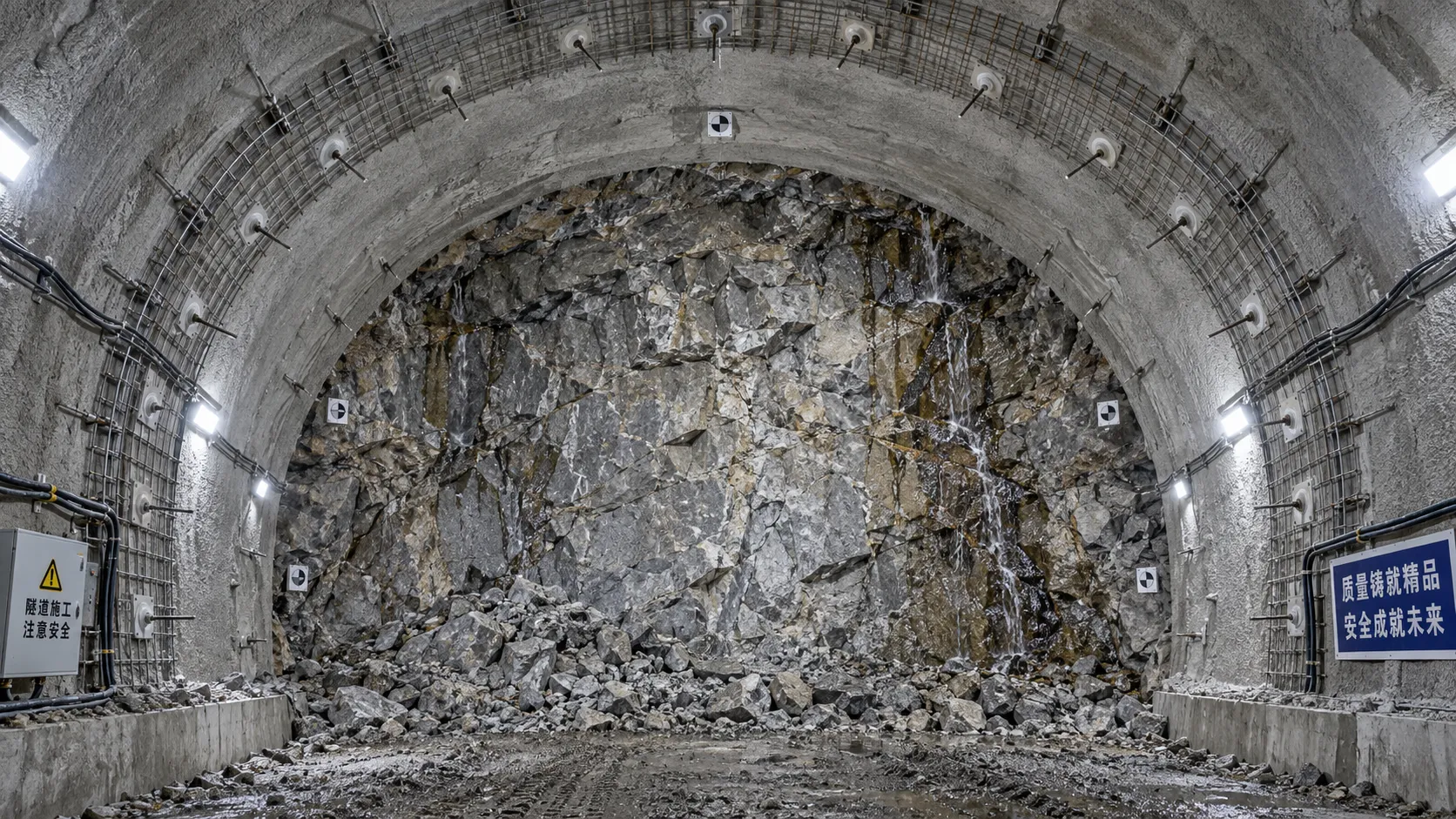
When rock reinforcement in tunnel construction must change after blasting
Rock reinforcement in tunnel construction must change when blasting reveals overbreak, weak joints, water inflow, or deformation. Discover key post-blast support decisions.
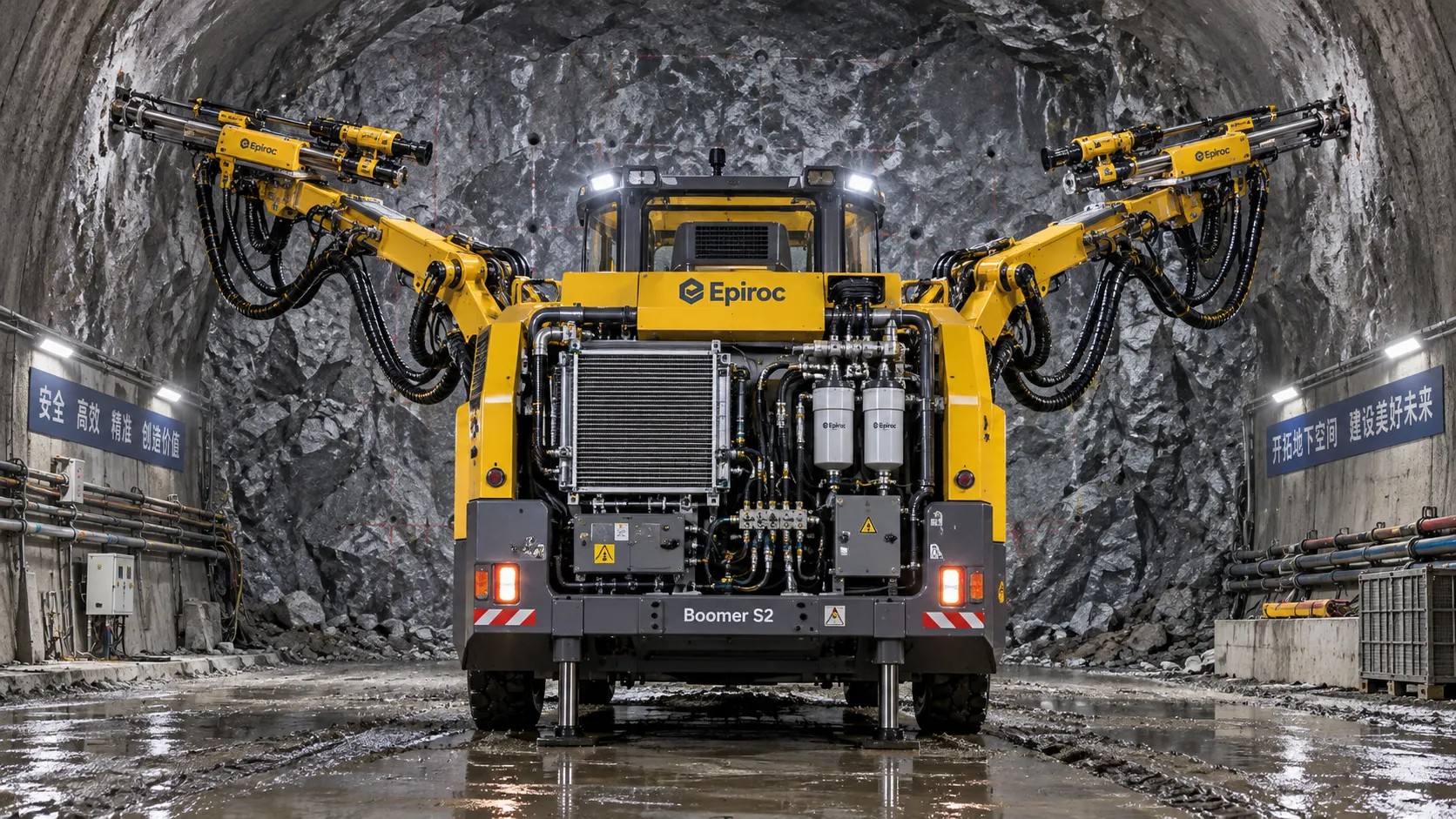
How tunnel hydraulic systems influence drill jumbo uptime underground
Tunnel hydraulic systems directly influence drill jumbo uptime. Explore how stable pressure, clean oil, cooling, and maintainable design reduce underground downtime.
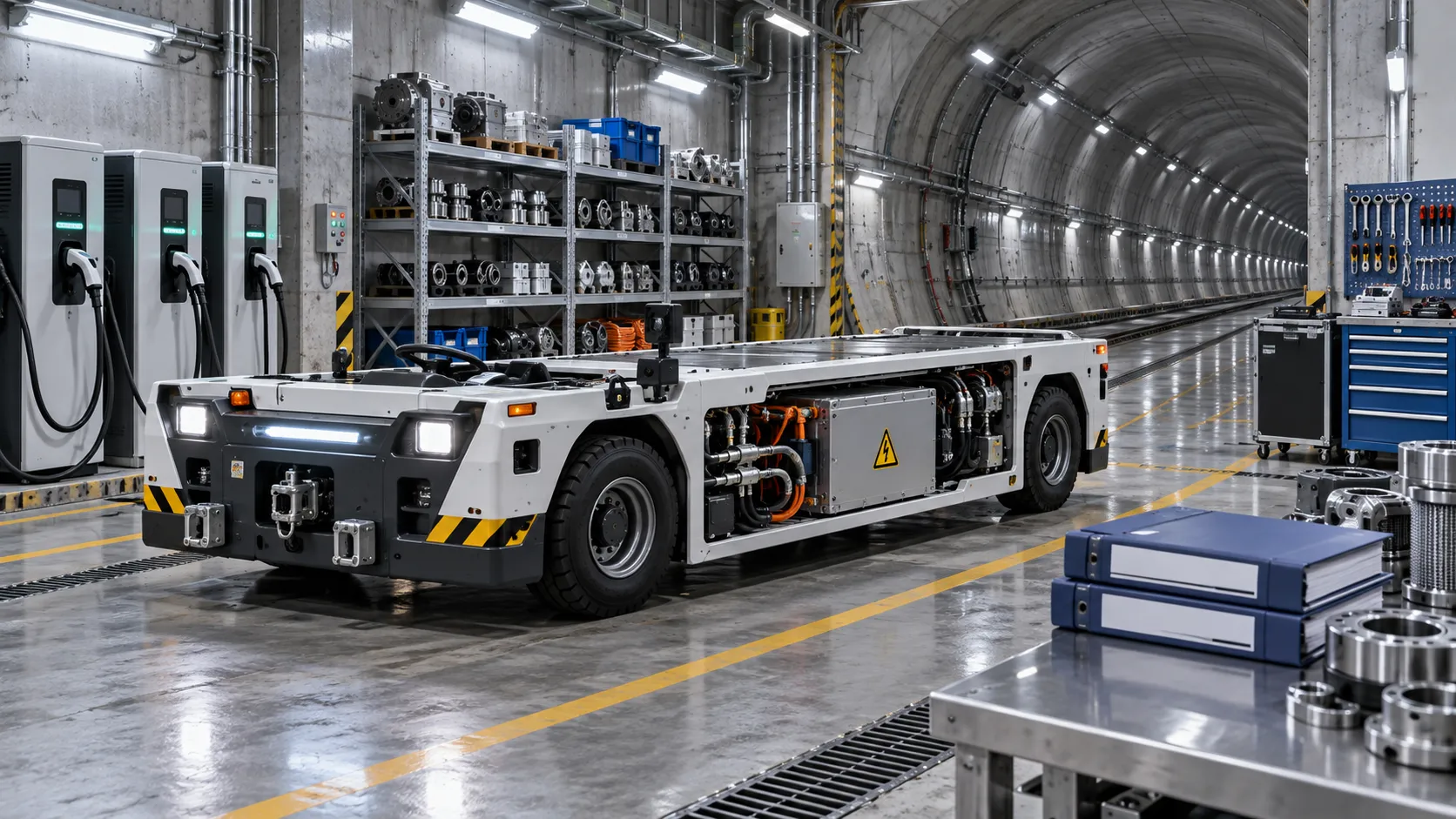
What to verify before appointing a tunneling vehicles manufacturer
Choosing a tunneling vehicles manufacturer? Verify application fit, reliability, compliance, parts support, training, and channel terms before appointing a partner.
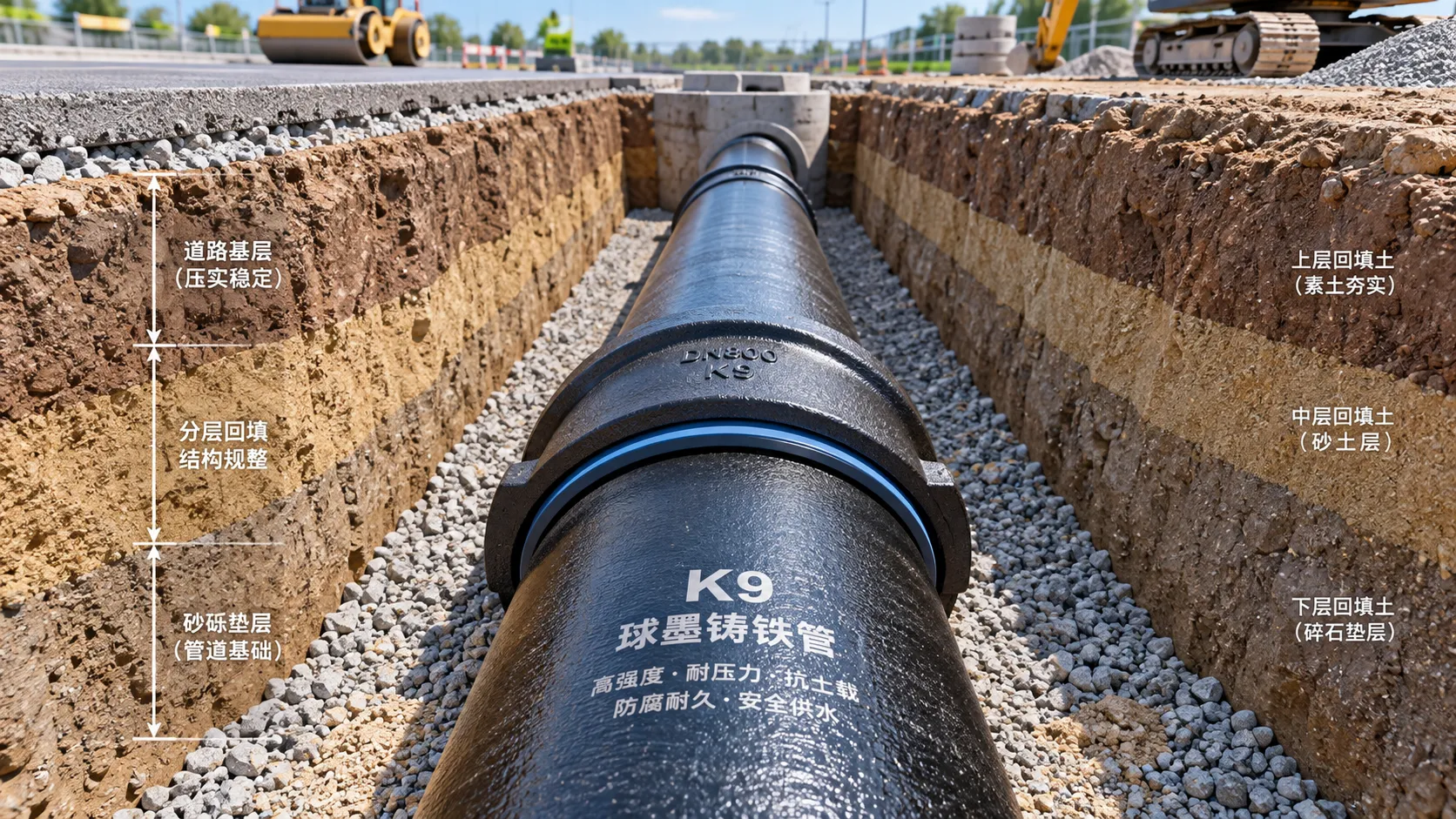
Selecting K9 Ductile Iron Pipe for Buried Water Pipeline Conditions
K9 ductile iron pipe selection for buried water pipelines: compare pressure duty, joints, soil loads, corrosion protection, and installation controls for reliable long-term performance.
Related News
- 00
0000-00
Tunnel Boring Machine Costs: Budgeting for Purchase, Operation, and Project Risk - 00
0000-00
Open-Pit Haulage Cost Analysis: How Mine Managers Can Cut Cost per Tonne - 00
0000-00
Tunnel Construction Innovations That Reduce Risk and Schedule Delays on Urban Projects - 00
0000-00
TBM Disc Cutter Design: Key Geometry and Load Factors for Hard Rock Tunnelling - 00
0000-00
Hydraulic Tipping Stability Risks in Multi-Axle Dump Special Trailers
Weekly Insights
Stay ahead with our curated technology reports delivered every Monday.