
SAMR Advances Reliability of CNC Machine Smart Assembly Lines





China’s State Administration for Market Regulation (SAMR) has advanced reliability research for intelligent CNC machine tool assembly lines targeting TBM cutterhead and shield fabrication — a development with direct implications for hard-rock tunnel boring machine (TBM) manufacturers, precision machining service providers, and export-oriented heavy equipment suppliers. Though the exact timing is not publicly specified, the initiative aligns with the end phase of China’s 14th Five-Year Plan (2021–2025). This effort matters because it signals a shift from component-level quality control to system-level process stability — affecting how global infrastructure contractors assess Chinese TBM producers’ manufacturing maturity and subsystem localization capability.
Event Overview
By the end of the 14th Five-Year Plan period, SAMR-led research has achieved breakthroughs in adaptive precision mapping and error-flow modeling for high-end CNC machine tools operating under complex working conditions. A ‘terminal–edge–cloud’ collaborative digital twin platform has been established. The outcome enhances batch-manufacturing consistency and delivery schedule controllability for core hard-rock TBM components — specifically cutterheads, disc cutters, and slurry/EPB shields. This work supports overseas clients’ evaluation of Chinese TBM integrators’ production resilience and the quality reliability of domestically sourced critical subsystems.
Industries Affected by This Development
Hard-Rock TBM Original Equipment Manufacturers (OEMs)
These firms rely on high-precision, repeatable machining of massive rotating components under variable geological load assumptions. The improved reliability of CNC smart assembly lines directly affects their ability to meet tight dimensional tolerances across multiple units — reducing rework, validation delays, and field performance variance. Impact manifests in tighter first-pass yield rates, shorter qualification cycles for new shield designs, and stronger evidence for international certification audits.
Precision Machining Service Providers (Tier-2 Suppliers)
Contract machinists supplying cutterhead segments or shield rings face stricter incoming inspection expectations and tighter delivery windows. With SAMR’s digital twin platform enabling traceable error compensation across the machining chain, service providers must adapt to more granular process data sharing requirements — particularly around thermal drift, tool wear tracking, and geometric deviation logging. Their competitiveness now hinges partly on interoperability with cloud-based metrology feedback loops.
Export-Oriented Heavy Equipment Distributors & Aftermarket Parts Suppliers
Distributors serving emerging markets (e.g., Southeast Asia, Latin America, Africa) often act as technical intermediaries between OEMs and end users. As overseas clients increasingly reference SAMR-backed reliability metrics during tender evaluations, distributors need verifiable documentation — not just compliance certificates — to demonstrate consistent part interchangeability and long-term dimensional stability across production lots.
What Relevant Enterprises or Practitioners Should Focus On Now
Monitor official technical specifications and verification protocols issued by SAMR
The current initiative centers on foundational reliability modeling and platform architecture — not yet standardized testing procedures or certification criteria. Enterprises should track upcoming SAMR guidance documents related to ‘error-flow traceability’ and ‘adaptive tolerance allocation’ for large-part CNC machining, as these may soon inform procurement clauses in domestic infrastructure tenders.
Assess readiness for data interface compatibility with ‘terminal–edge–cloud’ platforms
Manufacturers using legacy CNC controllers or isolated CMM systems may face integration gaps. Current readiness assessment should focus on whether existing machine tool data (e.g., spindle load, axis position error logs, thermal sensor feeds) can be exported in formats compatible with edge-layer preprocessing — without requiring full hardware replacement.
Distinguish between policy signaling and operational implementation timelines
This is a research-to-platform demonstration milestone — not an immediate regulatory requirement. Enterprises should avoid premature capital expenditure on ‘digital twin-ready’ equipment unless aligned with near-term product roadmap needs (e.g., next-generation EPB shield series). Instead, prioritize low-cost process documentation upgrades: structured error logging templates, calibrated thermal drift baselines, and repeatability test reports per fixture setup.
Prepare technical documentation packages for international client inquiries
Overseas clients — especially those subject to multilateral development bank financing — are beginning to request evidence of systematic error control beyond ISO 230-2 compliance. Firms should compile concise, English-language summaries of how their machining processes incorporate adaptive compensation logic, including examples of measured improvement in roundness deviation or surface flatness consistency across ≥5 consecutive cutterhead batches.
Editorial Perspective / Industry Observation
Observably, this SAMR initiative functions primarily as a technical credibility signal — not yet an enforceable standard. It reflects growing recognition that TBM performance in hard rock is constrained less by individual component strength and more by cumulative geometric instability across multi-machine production chains. Analysis shows the emphasis on ‘error flow modeling’ shifts attention upstream: from post-machining inspection to predictive compensation embedded in motion control logic. From an industry perspective, this marks a transition from viewing CNC machines as standalone tools toward treating them as nodes in a closed-loop metrological network. It is therefore more accurate to interpret this as a capability benchmarking step than a market-access threshold — though its influence on international buyer confidence is already tangible.

In summary, SAMR’s progress on CNC smart assembly line reliability does not introduce new regulations, but it recalibrates expectations for process transparency and geometric predictability in high-value TBM component manufacturing. For stakeholders, the value lies not in immediate compliance action, but in recognizing this as a directional indicator: future competitiveness will hinge on demonstrable, data-supported consistency — not just nominal accuracy. Currently, this development is best understood as an evolving technical reference point for quality assurance systems, rather than a prescriptive mandate.
Source: Publicly released information from the State Administration for Market Regulation (SAMR), referencing outcomes tied to the 14th Five-Year Plan timeline. No further technical specifications, rollout schedules, or third-party validation reports have been published as of the latest available update. Ongoing observation is warranted for SAMR-issued technical guidelines on error-flow modeling standards and digital twin platform interoperability frameworks.
Related News

What Drives TBM Excavation Cost in Urban Tunneling Projects?
tbm excavation cost in urban tunneling depends on geology, shafts, segment lining, logistics, and risk. Discover the key cost drivers and compare bids with greater confidence.

What Does Energy Metals Mining in Australia Mean for Supply, Cost, and Project Risk?
Energy metals mining Australia is reshaping supply, cost, and project risk. Discover what it means for buyers, investors, and operators.

EU Eases Dual CE and UKCA Path for Chinese Tunnel Boring Equipment
EU eases CE and UKCA certification for Chinese tunnel boring equipment, cutting compliance time and helping importers move faster.
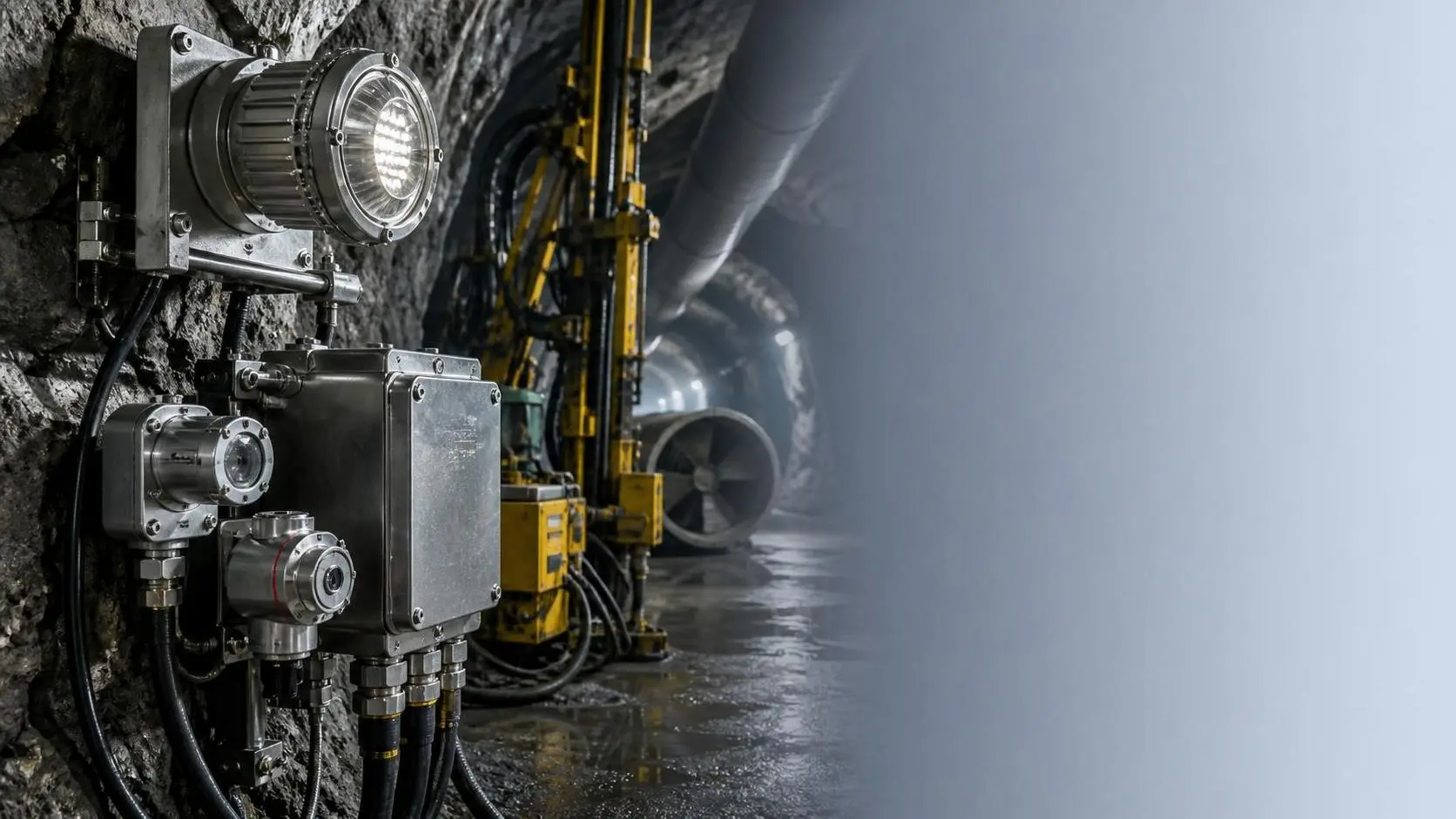
Flameproof Underground Safety Equipment: What Mine Teams Should Check Before Buying
Underground Safety Equipment flameproof buying guide: learn how mine teams should verify certification, durability, serviceability, and supplier support before purchase.
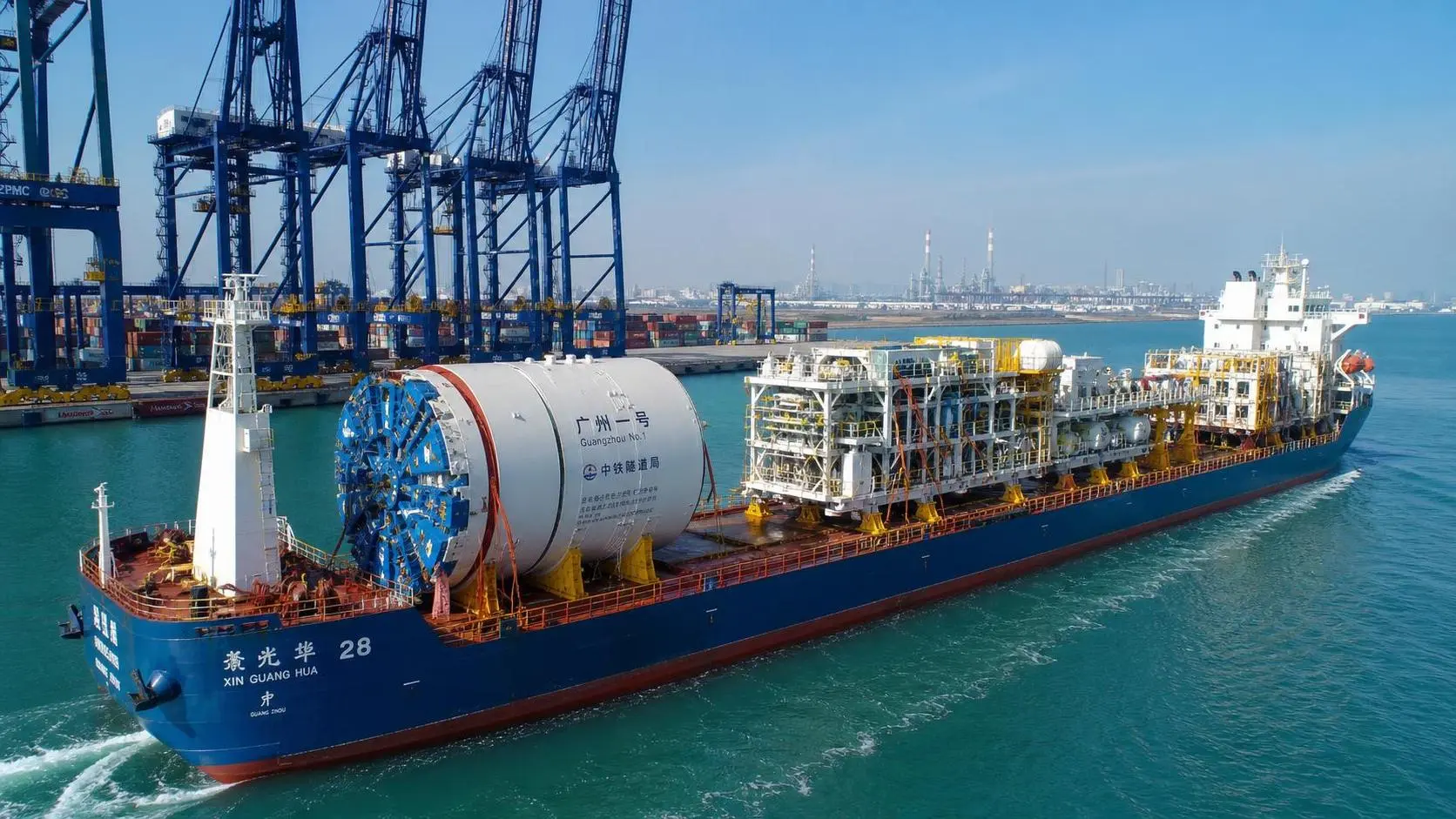
China-UAE Direct Sea Route Cuts TBM and Large Tunneling Equipment Lead Times
China-UAE direct sea route shortens TBM and large tunneling equipment lead times by 12–15 days, improving delivery predictability for major infrastructure projects. Read the full impact.

What Is a TBM Guidance System Gyroscope, and Why Does It Matter Underground?
TBM Guidance Systems gyroscope improves underground accuracy, reduces drift, and helps tunnel boring machines stay on line in harsh conditions.

China to Roll Out Nationwide Local and Foreign Currency Cash Pools for Multinationals on Sept. 14
China will roll out nationwide local and foreign currency cash pools for multinationals on Sept. 14, streamlining cross-border treasury management and boosting liquidity efficiency.

How to Choose a Reliable Underground Mining Equipment Supplier for Harsh Site Conditions
Find a reliable underground mining equipment supplier for harsh site conditions with rugged, maintainable solutions that boost uptime, reduce risk, and support long-term production.
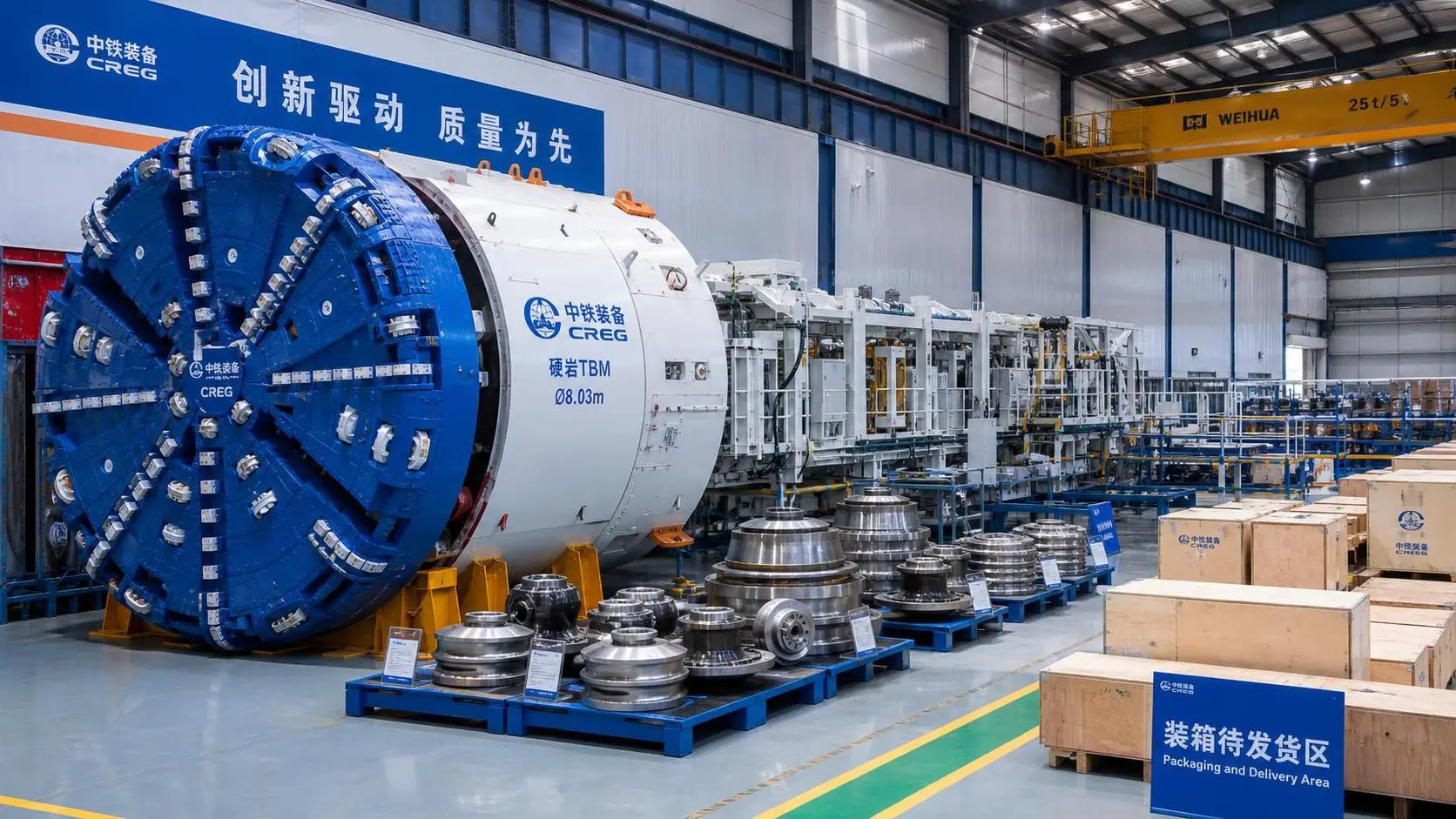
China Customs Tightens TBM Export Checks from Aug. 16
China Customs tightens TBM export checks from Aug. 16, 2026. Learn how new mandatory inspections may affect tunnelling equipment shipments, compliance, and delivery plans.
Related News
- 00
0000-00
What Drives TBM Excavation Cost in Urban Tunneling Projects? - 00
0000-00
What Does Energy Metals Mining in Australia Mean for Supply, Cost, and Project Risk? - 00
0000-00
EU Eases Dual CE and UKCA Path for Chinese Tunnel Boring Equipment - 00
0000-00
Flameproof Underground Safety Equipment: What Mine Teams Should Check Before Buying - 00
0000-00
China-UAE Direct Sea Route Cuts TBM and Large Tunneling Equipment Lead Times
Weekly Insights
Stay ahead with our curated technology reports delivered every Monday.