
Tunnel Boring Machines: Warning Signs of Cutter Wear You Should Not Ignore





For after-sales maintenance teams working with Tunnel Boring Machines, cutter wear is never a minor issue—it is often the first signal of rising downtime, unstable excavation performance, and costly component failure. Recognizing early warning signs can help you prevent unplanned shutdowns, extend cutter life, and keep TBM operations safer, more efficient, and more predictable in demanding underground conditions.
Why cutter wear matters before the machine stops
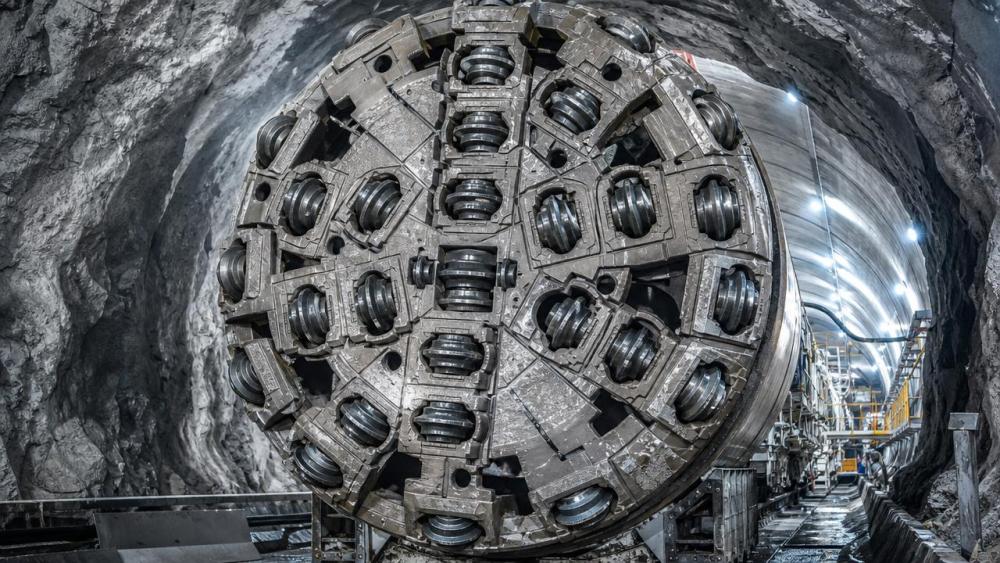
In full-face excavation, cutter wear is not just a consumable issue. It changes how a Tunnel Boring Machine transfers force into rock, how torque fluctuates at the cutterhead, and how stable the face remains during penetration. When wear is ignored, the result is usually higher vibration, slower advance, more frequent intervention, and a wider gap between planned and actual maintenance windows.
For UTMD readers working in TBM service and maintenance, the key is to connect mechanical symptoms with operational risk. A worn cutter may still rotate, but it no longer cuts efficiently. That difference affects energy use, segment quality, cutterhead load, and even the reliability of the backup system in long drives under hard rock, mixed ground, or abrasive strata.
- Higher penetration variability often appears before a complete cutter failure and should be tracked in daily logs.
- Excessive vibration can signal uneven wear, bearing stress, or abnormal contact between the cutter and the face.
- Temperature rise at the cutter assembly may indicate lubrication loss, sealing damage, or bearing degradation.
- Unexpected torque spikes can reveal that the cutter is no longer breaking rock efficiently and is forcing the drive system to compensate.
These signals matter because they help maintenance teams move from reactive repair to planned intervention. In a market where TBM availability drives project economics, early detection is usually cheaper than emergency replacement and far less disruptive than a forced stop underground.
What warning signs should never be ignored?
Cutter wear shows up in multiple layers, from visible surface damage to indirect performance drift. The challenge for after-sales teams is separating normal consumption from abnormal deterioration. The following table summarizes common warning signs, likely causes, and the actions that should follow.
The table shows a practical rule: the earlier the symptoms are correlated, the easier it is to avoid secondary damage. A cutter that has only lost sharpness is a maintenance task; a cutter that has already damaged bearings, seals, or the cutterhead interface becomes a much broader service event.
How to distinguish normal wear from abnormal wear
Not every worn cutter is a problem. In abrasive rock, planned consumption is expected. The maintenance question is whether the wear pattern matches geology, advance speed, and operating hours. Abnormal wear usually appears faster, more unevenly, or with symptoms that do not fit the current ground conditions.
For after-sales teams, the most useful comparison is between the current cutter set and its previous maintenance record. If one cutter wears significantly faster than the others on the same ring, that suggests an alignment issue, a load distribution problem, or a localized ground anomaly rather than simple end-of-life consumption.
This distinction is critical when procurement or service teams decide whether they need a simple cutter refresh, a bearing kit, or a broader cutterhead inspection. UTMD’s underground equipment intelligence approach is useful here because it links wear models, operating data, and field feedback instead of treating cutter wear as an isolated spare-part issue.
What maintenance data should you track every shift?
A strong after-sales workflow depends on consistent data, not just visual inspection. The best maintenance teams record operating conditions every shift so wear trends become visible before failure occurs. That is especially important in hard rock, mixed face, or abrasive formations where cutter life can change quickly.
- Record penetration rate, torque, thrust, and cutterhead speed for each shift to compare trend changes.
- Measure hub temperature or check grease condition at a fixed interval to detect sealing and lubrication issues.
- Log vibration, noise, and unusual load fluctuation to identify asymmetric wear or impact damage.
- Document rock type, groundwater condition, and face stability so wear can be linked to geology, not guesswork.
- Keep serial numbers and replacement dates for every cutter to support future service planning and spare-part forecasting.
When these records are kept consistently, you can build a reliable cutter replacement curve for a specific project. That curve becomes valuable for spares stocking, planned shutdown scheduling, and service contract discussions with suppliers or technical partners.
How should maintenance teams decide between repair, rotation, and replacement?
The decision should be based on geometry, bearing condition, and risk to the cutterhead. A cutter that is moderately worn but structurally sound may be rotated or refurbished. A cutter with bearing noise, seal failure, or visible metal damage should be treated more cautiously because hidden damage can accelerate failure after reinstallation.
For many UTMD readers, the practical challenge is balancing budget and uptime. The right choice is not always the cheapest part replacement. If the cutter sits on a high-load position or the drive is already operating close to limits, a partial repair can create more downtime later than a timely replacement would have caused now.
- Choose rotation when wear is uneven but the cutter body and bearing remain within acceptable tolerance.
- Choose refurbishment when seals, lubrication points, or surface condition can be restored without compromising service life.
- Choose replacement when bearing noise, overheating, deformation, or severe chipping is present.
- Escalate to a cutterhead-level review when multiple cutters fail in a short cycle on the same sector.
What procurement factors matter for after-sales support?
For maintenance teams, procurement is not only about unit price. It is about how quickly the machine can return to service, how well the spare fits the actual rock conditions, and whether the supplier can support inspection, troubleshooting, and replacement planning. In TBM operations, after-sales capability often determines the real cost of ownership.
Before ordering cutters or service kits, check whether the supplier can provide traceable specifications, installation guidance, and compatible wear recommendations. The following checklist can help teams avoid mismatched purchases and slow deliveries.
- Confirm cutter diameter, mounting interface, bearing type, and load rating against the machine configuration.
- Check whether the cutter is intended for hard rock, mixed face, or highly abrasive conditions.
- Ask for recommended inspection intervals and expected wear indicators based on operating conditions.
- Review spare-part lead time, packaging protection, and replacement support for underground delivery constraints.
- Verify whether field service, installation guidance, or data review support is available during commissioning and maintenance.
UTMD’s strategic intelligence perspective is useful here because it links equipment replacement demand with operating reality. That helps maintenance teams discuss service scope more precisely and avoid buying parts that look compatible on paper but perform poorly in the actual excavation environment.
FAQ: Common questions from TBM after-sales teams
How often should cutter wear be inspected?
Inspection frequency should follow ground hardness, daily advance rate, and machine load. In abrasive or highly variable strata, shift-level checks are advisable, while stable ground may allow longer intervals. The key is to compare real operating data with the previous wear trend, not only to rely on calendar time.
What is the earliest sign of trouble?
A gradual but persistent drop in penetration rate is often the earliest warning. If it appears together with higher torque, vibration, or hub temperature, the cutter should be inspected immediately. Waiting for visible damage usually means the problem is already affecting machine performance.
Can a worn cutter still be used safely?
Only if the wear is within allowable limits and no bearing, seal, or body damage is detected. If the cutter is overheating, noisy, or visibly chipped, continued use can create secondary damage and reduce cutterhead reliability. Safety should be judged by condition, not by appearance alone.
Why do some cutters wear faster than others on the same TBM?
Uneven wear may come from face heterogeneity, cutterhead load imbalance, installation variation, or local overbreak. When this happens repeatedly, the team should review operating parameters, cutter position, and geological records together. A single worn cutter can be a useful diagnostic signal for the whole excavation system.
What should teams do next when wear begins to accelerate?
When the wear curve steepens, the goal is to protect availability. Do not wait for a full breakdown cycle. Start with a focused inspection, confirm whether the issue is cutter-level or system-level, and revise the maintenance plan before the next advance window. That approach reduces emergency work underground and improves spare-part planning.
If your team needs help confirming cutter specifications, comparing wear patterns, planning spare parts, or aligning a replacement schedule with project timing, UTMD can support technical review, procurement communication, and service-oriented decision-making for Tunnel Boring Machines. Contact us to discuss parameter confirmation, product selection, delivery timing, customized support, and practical after-sales planning for your underground project.
Related News
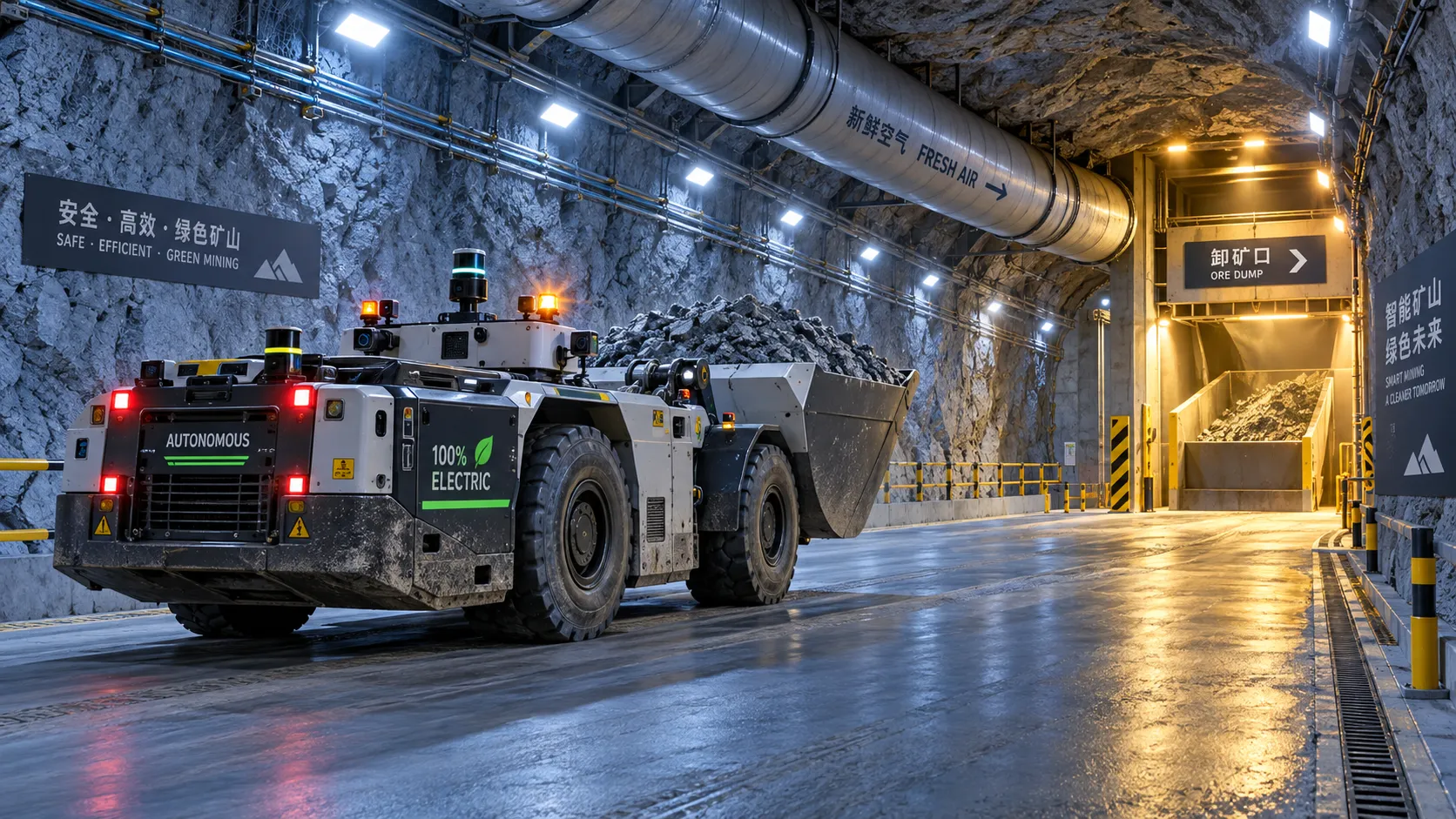
Where Autonomous Mining Loaders Deliver the Most Value in Underground Operations
Autonomous Mining Loaders deliver greater underground value through safer blast-zone work, repeatable haul cycles, and improved ventilation efficiency. Discover the best deployment zones.
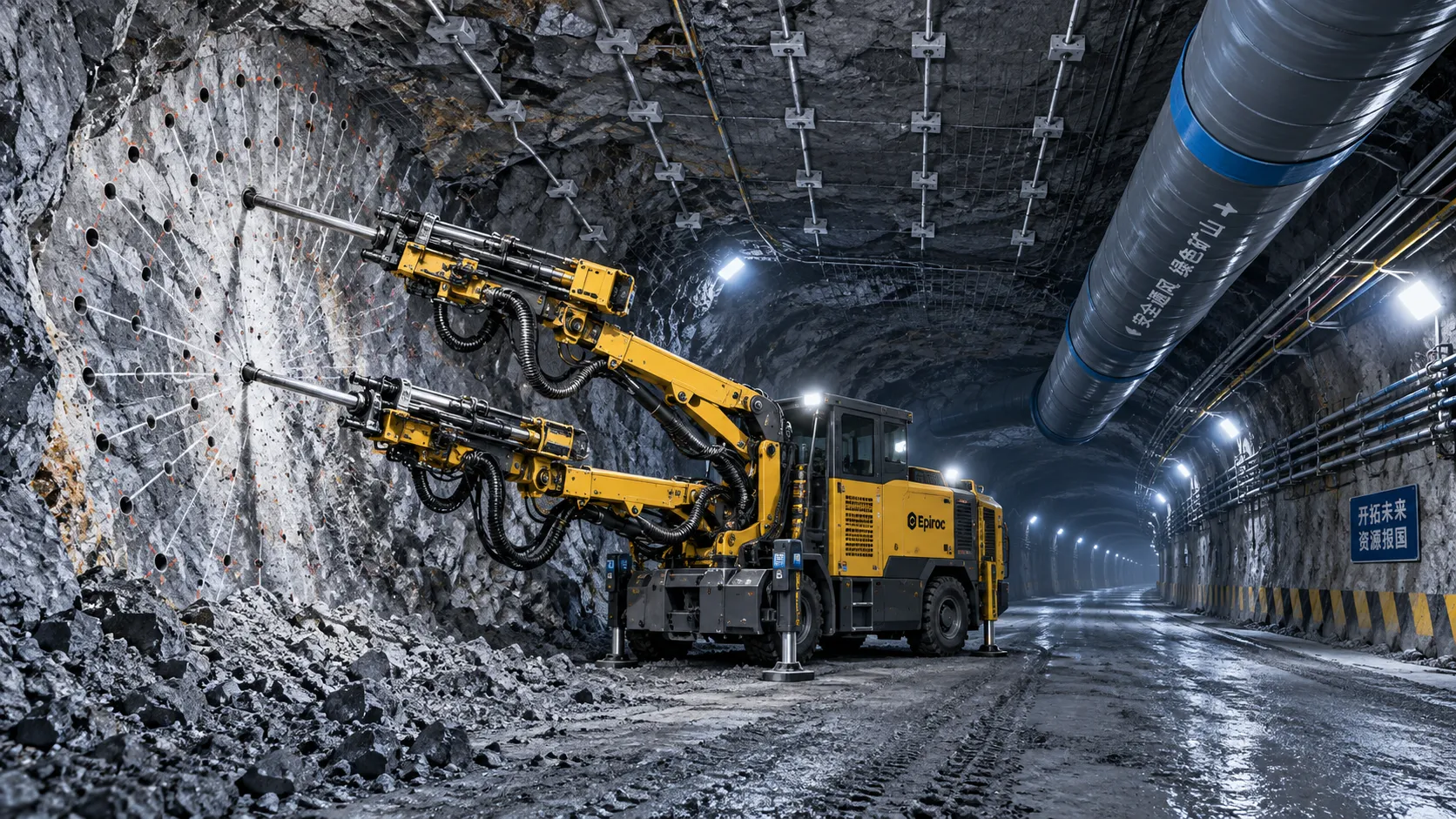
Underground Drilling for Mining: Selecting Methods for Rock Conditions and Mine Layout
Underground drilling for mining: learn how to match drilling methods to rock conditions, mine layout, accuracy needs, ground support, and cycle efficiency.
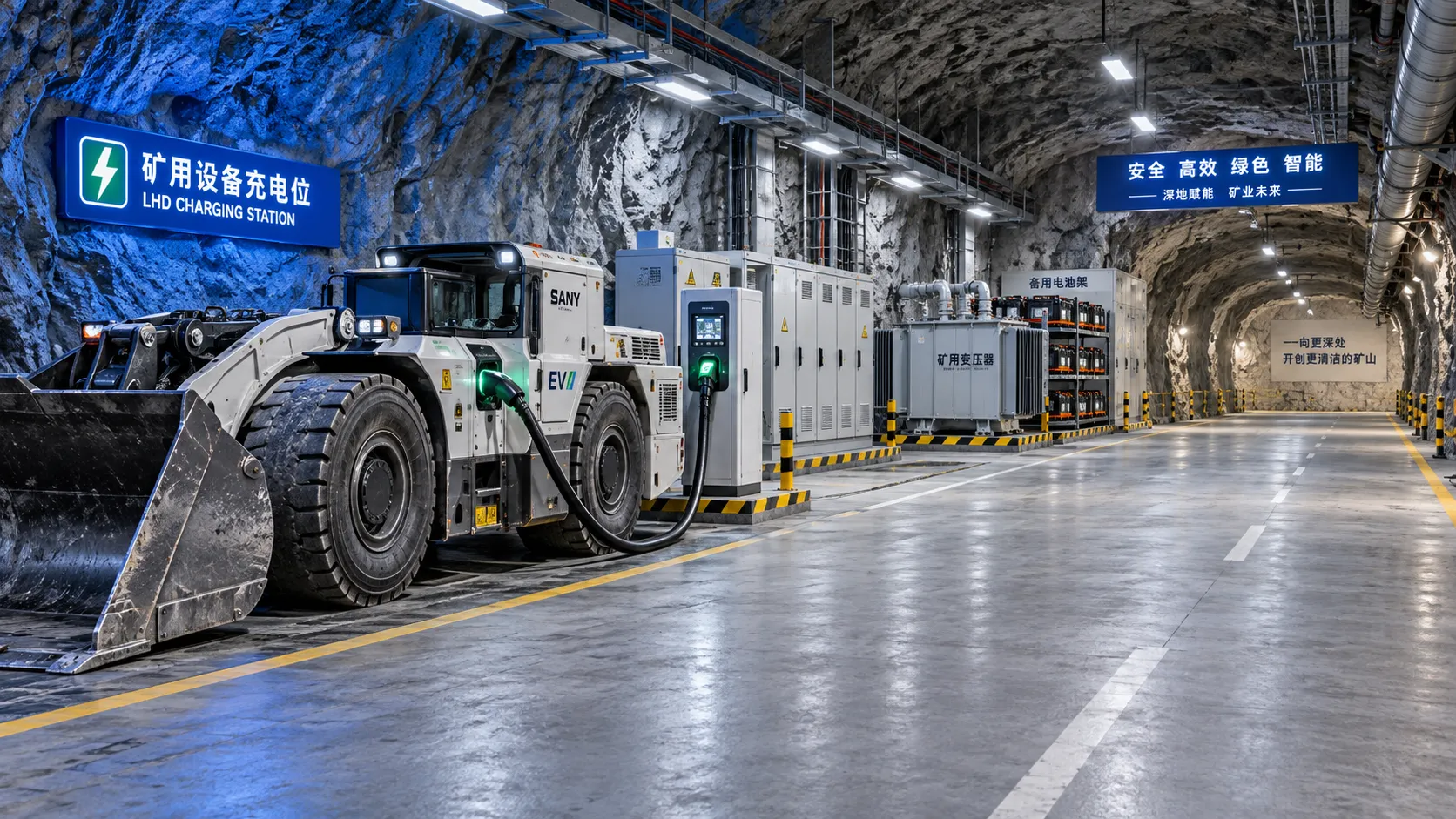
Underground Mine Electrification: How to Size Battery Fleets and Charging Capacity
Mining electrification for underground mines: learn how to size battery fleets, chargers, and power capacity to prevent queues, peak-load issues, and production downtime.
How to Evaluate European Drill-and-Blast Tunnelling Contractors for Complex Projects
Drill and blast tunnelling contractors Europe: learn how to assess geology expertise, blast control, equipment reliability, safety, and programme resilience for complex projects.
Which Trenchless Construction Technique Fits Your Utility Crossing Conditions?
Trenchless construction techniques compared for utility crossings: choose HDD, microtunnelling, pipe jacking, or auger boring based on ground, accuracy, access, and risk.

What Is Driving Metro Tunnelling Demand Across Southeast Asia’s Major Cities?
Metro tunnelling Southeast Asia is accelerating as major cities tackle congestion, flooding, and connectivity. Explore the market forces, technical risks, and opportunities shaping demand.
Hard Rock Tunnelling in Australia: Selecting Methods for Variable Ground Conditions
Hard rock tunnelling in Australia: compare TBM, drill-and-blast and hybrid methods to manage variable ground, reduce risk and protect project costs.
Hydropower Tunnel Excavation: Selecting Methods for Variable Rock Conditions
Hydropower tunnel excavation methods for variable rock conditions: compare TBM, drill-and-blast, and hybrid strategies to improve safety, progress, and project control.
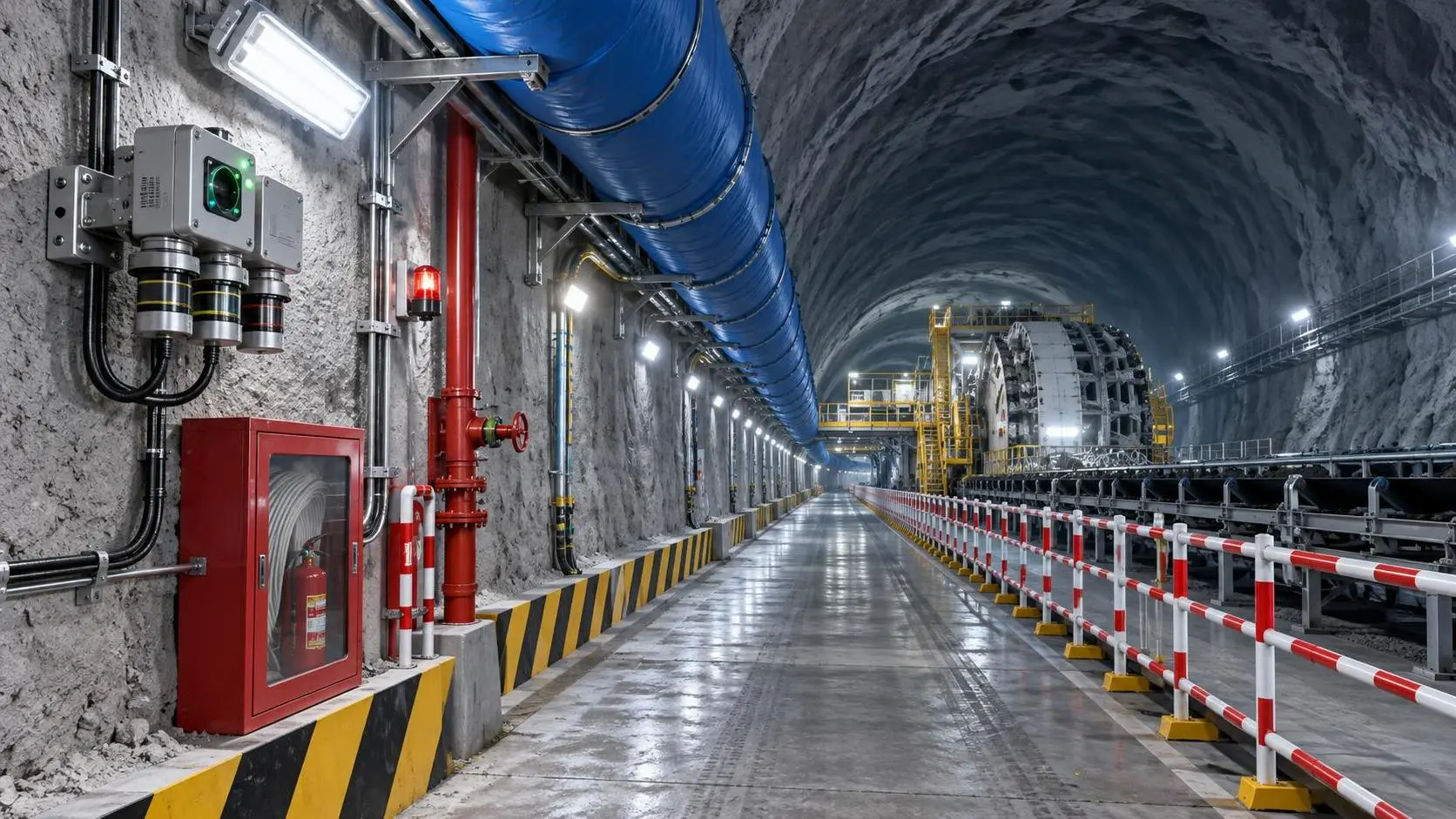
How to Select Underground Safety Equipment for Tunnelling by Hazard and Work Zone
Underground Safety Equipment for tunnelling: match protection to hazards, work zones, compliance, and emergency needs with this practical selection guide.
Related News
- 00
0000-00
Where Autonomous Mining Loaders Deliver the Most Value in Underground Operations - 00
0000-00
Underground Drilling for Mining: Selecting Methods for Rock Conditions and Mine Layout - 00
0000-00
Underground Mine Electrification: How to Size Battery Fleets and Charging Capacity - 00
0000-00
How to Evaluate European Drill-and-Blast Tunnelling Contractors for Complex Projects - 00
0000-00
Which Trenchless Construction Technique Fits Your Utility Crossing Conditions?
Weekly Insights
Stay ahead with our curated technology reports delivered every Monday.