
TBM Cutter Tool Manufacturers: How to Verify Quality and Machine Compatibility





A replacement cutter can match the nominal diameter on a quotation yet still create problems at the cutterhead: an incompatible mounting interface, incorrect cutting height, or unsuitable bearing arrangement can prevent installation or shorten service life. When excavation depends on the next shipment of tools, a low purchase price offers little protection against delayed installation, repeated interventions, and unplanned downtime.
To evaluate a TBM cutter tools manufacturer, verify three things before comparing commercial offers: traceable manufacturing quality, compatibility with the machine’s approved cutter arrangement, and performance evidence relevant to the expected ground. Treat these as separate approval gates. A material certificate does not prove machine fit, and a successful installation does not prove that the cutter will survive the intended loading.
Define the replacement scope before requesting quotations
Start by identifying exactly what is being purchased. A complete disc cutter assembly, replacement cutter ring, bearing package, and soft-ground cutting tool require different evidence and acceptance criteria. “TBM cutter” is not a sufficiently precise purchasing description.
For disc cutters, distinguish center, face, and gauge positions. Their operating geometry and loading can differ, so a cutter accepted for one position should not automatically be approved elsewhere. For mixed-ground or soft-ground machines, identify whether the requirement concerns discs, scrapers, knives, rippers, or other tools; the following bearing and seal checks primarily apply to disc cutter assemblies.
The request for quotation should include:
- The TBM model, relevant cutterhead configuration, cutter position, and approved drawing revision.
- The supply boundary: complete assembly, individual components, mounting hardware, or refurbishment.
- Expected geology, groundwater conditions, abrasive constituents, and known transition zones.
- Machine operating limits and the required cutter load and speed envelope.
- Inspection, documentation, packaging, delivery, and trial requirements.
Where proprietary drawings cannot be released, establish a controlled technical exchange with the machine owner or authorized engineering team. Asking suppliers to infer interfaces from photographs or a model designation leaves critical dimensions unresolved.
Verify compatibility beyond nominal diameter
Compatibility requires a signed dimensional and operating-envelope review, not a statement that the cutter “fits this TBM.” The supplier should return a drawing or compliance matrix showing the offered configuration against the approved requirement, with every deviation identified.
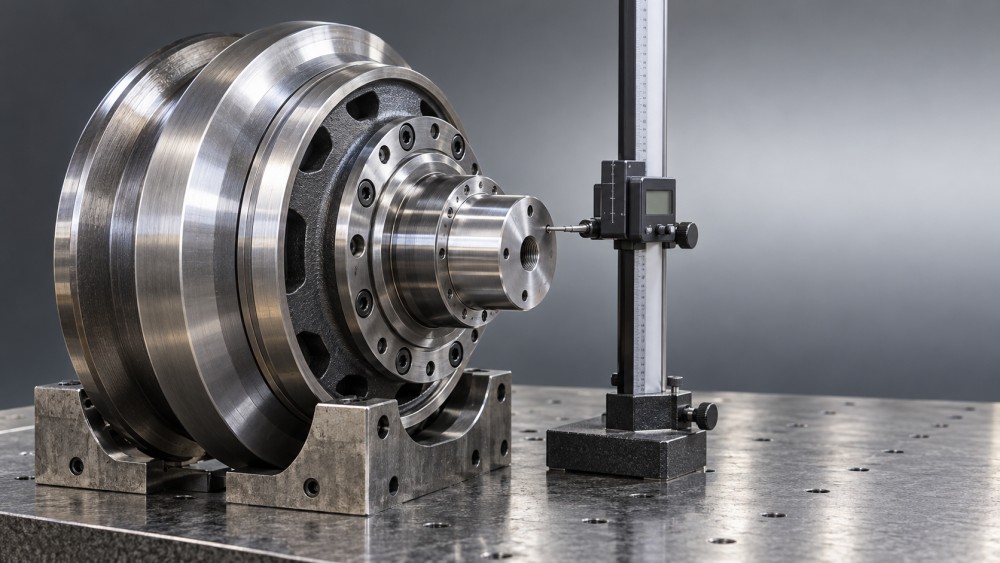
Check whether dimensions refer to new or worn condition and whether they describe a component or the finished assembly. A ring diameter alone does not establish the cutting height relative to the cutterhead. Likewise, total machine thrust divided by cutter count is not sufficient proof of cutter suitability: individual loads vary with position, engagement, geology, and operating conditions.
Gauge cutters deserve particular attention because installation angle and cutting envelope influence clearance and tunnel profile. Any proposed change in ring profile, mounting geometry, or load rating should go through the machine’s engineering approval process rather than being accepted as a purchasing substitution.
Follow the quality evidence from steel to finished assembly
A quality-system certificate can support supplier screening, but it cannot establish the quality of a particular shipment. Ask for a sample documentation package before placing the order, then make the agreed records part of delivery acceptance.
Material identity and heat treatment
Require material records linked to the actual production batch through heat numbers or another controlled identification system. For cutter rings, review the specified steel chemistry and heat-treatment route alongside the required mechanical properties. Descriptions such as “premium alloy steel” do not provide an inspectable acceptance basis.
Hardness should be assessed against an approved specification, including the measurement method and location. A high surface reading alone cannot demonstrate an appropriate hardness distribution or resistance to fracture. Depending on the design, evidence may include hardness mapping, toughness results, or examination of representative production coupons. Destructive tests generally relate to samples or coupons, so the supplier must explain how those results represent the delivered batch.
Ask how out-of-specification heat-treatment batches are segregated and whether reprocessing requires approval. More hardness is not automatically better: a ring must balance wear resistance with resistance to chipping and cracking under the intended loading.
Inspection and assembly controls
Dimensional reports should identify critical features, drawing revisions, measured values, and inspection equipment. Where nondestructive testing is specified, the report should state the method, coverage, acceptance criteria, and inspector qualification requirements. A generic “passed inspection” stamp is too vague for a critical component.
For complete disc assemblies, request records for bearing setting or preload where applicable, seal installation, lubricant specification and quantity, and the manufacturer’s defined rotation or functional checks. Confirm how bearing and seal lots are traced. Alternative components should require written approval rather than being introduced silently during production.
A factory audit should test these controls in practice. Select a finished assembly and ask the supplier to retrieve its manufacturing and inspection history. Then inspect how nonconforming parts, calibrated gauges, and subcontracted processes are controlled. This reveals more than a tour focused on machine-tool capacity.
Match performance evidence to the ground conditions
Supplier references are useful only when the operating context is available. Successful use in relatively uniform rock does not establish suitability for abrasive mixed faces, fractured zones, or pressurized groundwater conditions.
Request performance information describing rock strength, abrasivity, discontinuities, cutter position, operating practices, and removal criteria. Where available, mineralogy and quartz content help explain abrasive wear, but they should not replace a broader ground assessment. Distinguish forecast geology from conditions actually encountered.
Separate normal ring consumption from premature assembly failures. A cutter removed because it reached its wear limit tells a different story from one removed because of bearing seizure, seal leakage, ring cracking, or mounting damage. A supplier reporting only “average cutter life” may conceal these distinctions.
Comparisons should also account for cutter spacing, penetration, rotational speed, and intervention policy. Different replacement thresholds can make one product appear to last longer without delivering a lower excavation cost. Where detailed references are confidential, anonymized operating records or a controlled trial are more useful than unsupported claims of long service life.
Use a controlled trial before committing to volume
A trial is most valuable when the decision rules are agreed before installation. Define the candidate positions, baseline tools, operating data, inspection intervals, and conditions that would require early removal. Obtain engineering approval for the trial configuration and follow the project’s maintenance and access procedures.
- Inspect the first article. Confirm identification, critical dimensions, documentation, and assembly condition before dispatch or installation.
- Verify installation. Check seating, retention, clearances, and rotation as applicable. Record any fitting work; an interchangeable part should not depend on undocumented modification.
- Track comparable operation. Record cutter position, excavation exposure, ground changes, machine settings, wear, interventions, and removal reasons.
- Examine removed tools. Distinguish expected consumption from fracture, seal failure, bearing damage, or interface problems.
- Approve with defined limits. State which configuration, manufacturing route, and operating conditions the approval covers.
Meterage alone is a weak trial measure when ground conditions or cutter positions differ. Use exposure measures appropriate to the project, and interpret results with the tunnelling team. One favorable cutter does not validate an entire production population; the trial should support a staged release with continued batch monitoring.
Compare cost per excavation output, not just cost per tool
The commercial comparison should separate purchase cost from operating consequences. A practical evaluation is:
Evaluated cutter cost per accepted excavation unit = attributable tool, logistics, replacement, and downtime costs divided by accepted excavation output.
Use the same output basis for competing offers, such as excavated volume or tunnel advance under comparable conditions. Include refurbishment credits only where recovery rates, component ownership, and acceptance rules are established.
Build the comparison from identifiable cost drivers:
- Delivered tool price, freight, import charges, and required inventory.
- Replacement labor, handling equipment, and intervention arrangements.
- Planned and unplanned downtime attributable to cutter replacement or failure.
- Repair exposure affecting reusable assemblies or mounting components.
- Lead-time variability and the cost of maintaining contingency stock.
Keep planned replacement and unexpected failure separate to avoid double counting. Where performance is uncertain, compare conservative, expected, and favorable scenarios rather than assigning an unsupported service-life advantage to the cheaper offer.
Pressurized interventions or restricted cutter access can change the economics substantially. Under those conditions, reducing premature removals may matter more than modest unit-price savings. The value assigned to that reduction should come from project-specific intervention costs, not supplier estimates alone.
Make approval conditions enforceable in the purchase order
Technical qualification loses value if the order allows unapproved changes. Reference the accepted drawing revision, inspection plan, material requirements, and configuration in the purchase order. Define approval requirements for changes to steel source, heat treatment, bearings, seals, manufacturing location, or critical subcontractors.
Set document-review and inspection hold points where appropriate. Specify what happens when a shipment arrives without traceability or when a critical dimension fails inspection: quarantine, review, concession by authorized personnel, or rejection. Delivery pressure should not turn a nonconforming part into an accepted one without a recorded engineering decision.
Warranty terms should define covered defects, evidence required for a claim, failure-analysis responsibilities, and response arrangements. Clarify whether remedies cover only the component or any agreed associated costs; a replacement-tool promise does not automatically cover excavation downtime.
Release bulk orders only after compatibility is signed off and first-article requirements are satisfied. Where comparable field evidence remains limited, retain a qualified fallback supply route and restrict initial exposure. That keeps an unproven cutter from becoming the project’s only option when the next replacement window arrives.
Related News
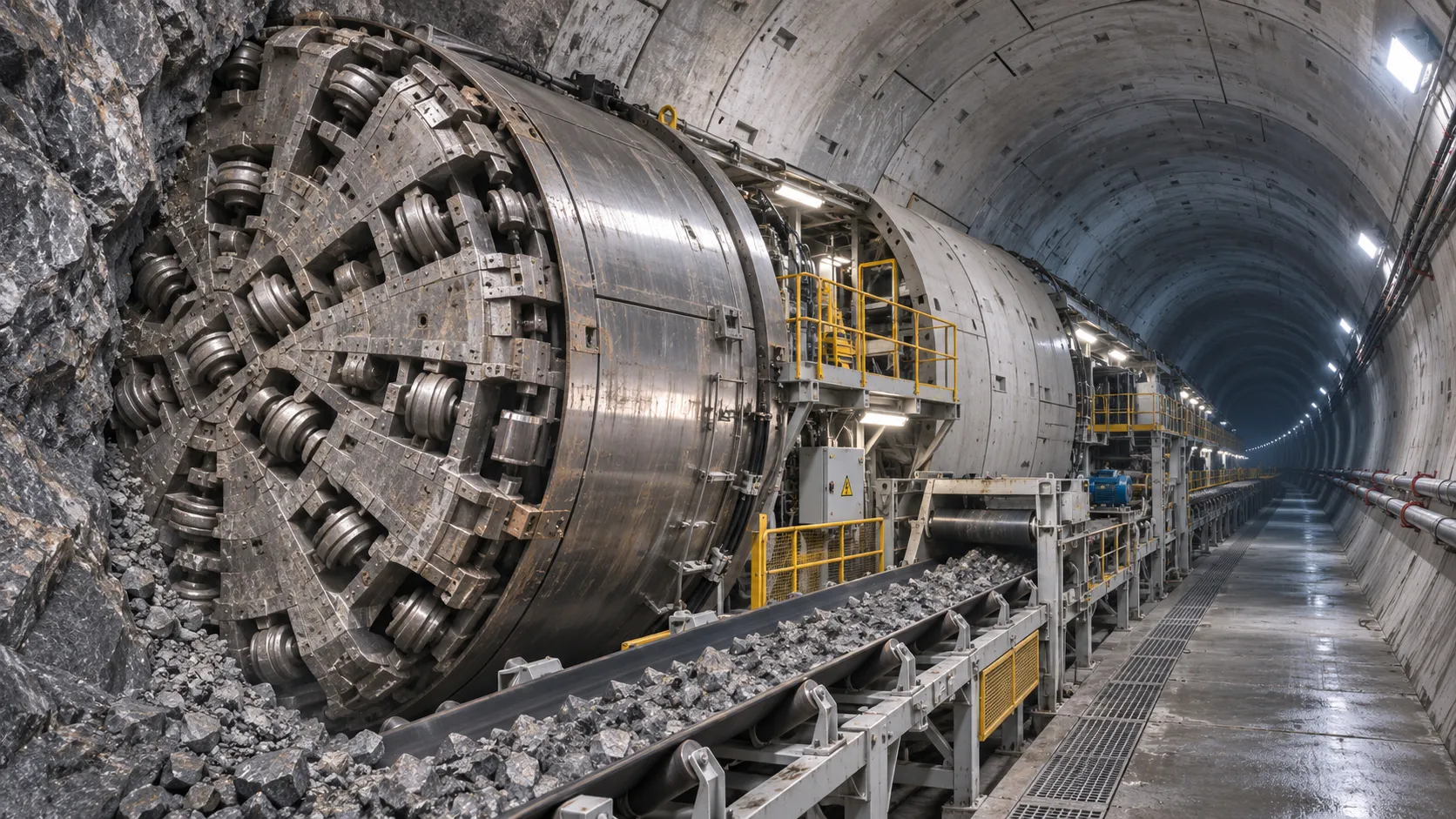
How TBM Excavation Works in Rock and Soft Ground: A Practical Guide
TBM Excavation in rock and soft ground explained: compare machine types, ground support, spoil removal, and the factors that guide smarter project planning.
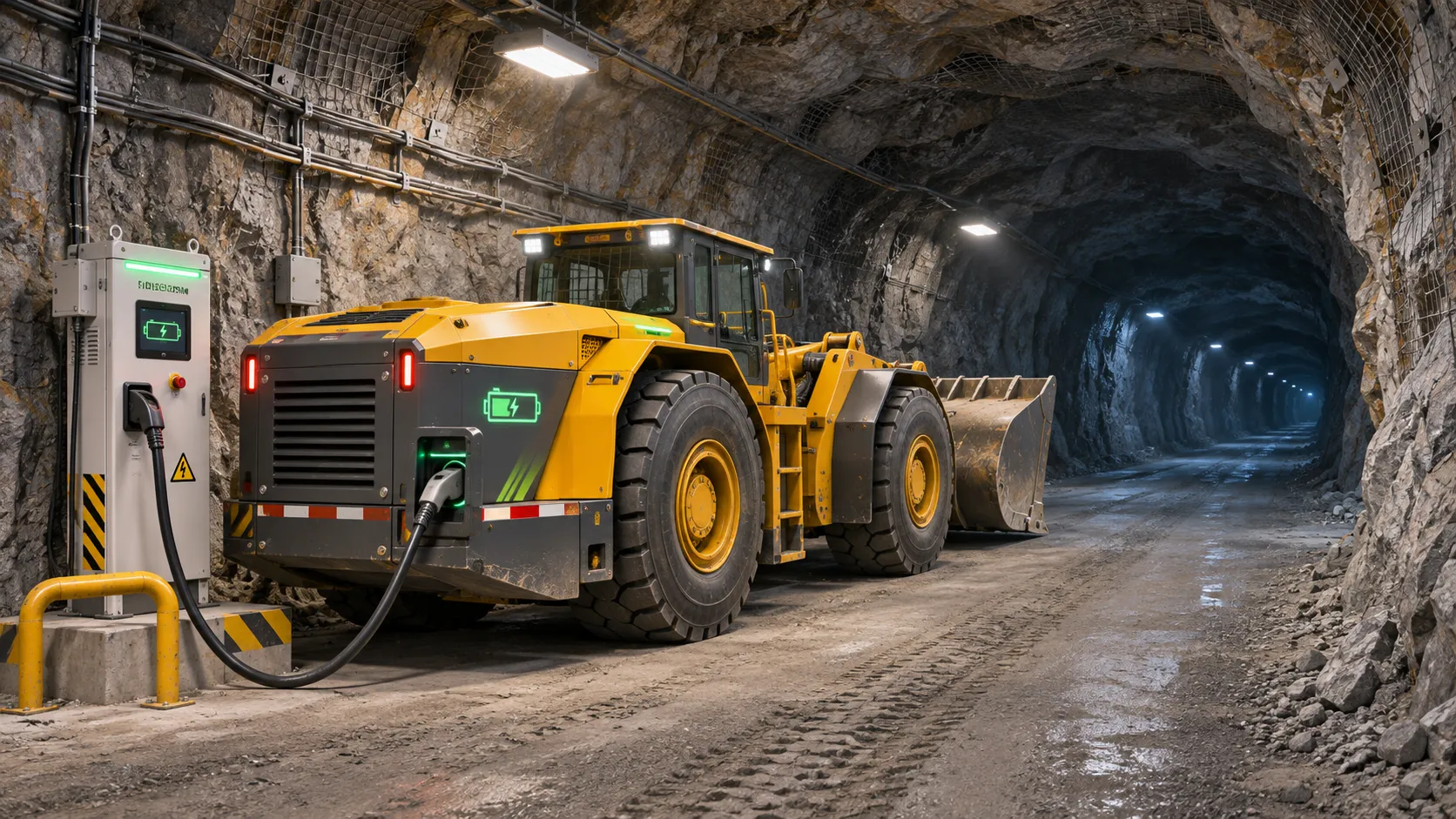
Choosing a Zero-Emission Underground Equipment Supplier: What to Check
Choosing a zero emission underground equipment supplier? Compare duty-cycle performance, charging, safety, total costs and support before you commit.
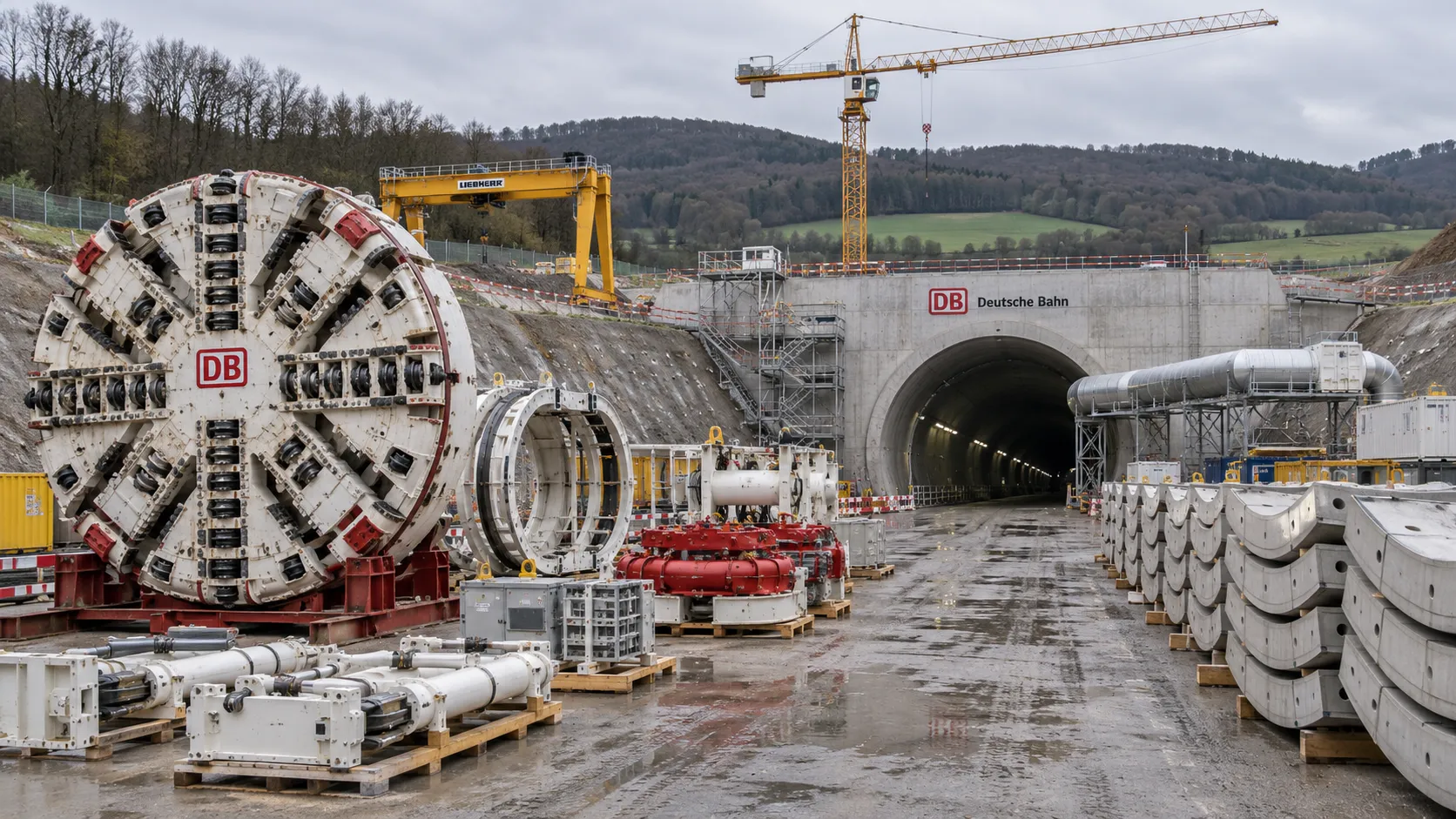
Construction Starts on Germany's Pfaffensteig Rail Tunnel, With Two TBMs Planned
Pfaffensteig rail tunnel construction is underway in Germany. Discover how two planned TBMs will support the 11-kilometre project near Stuttgart.

How Real-Time Underground Mapping Systems Work in Tunneling
Discover how real-time underground mapping systems guide tunneling teams, integrate sensor data, and support confident decisions with verified accuracy.
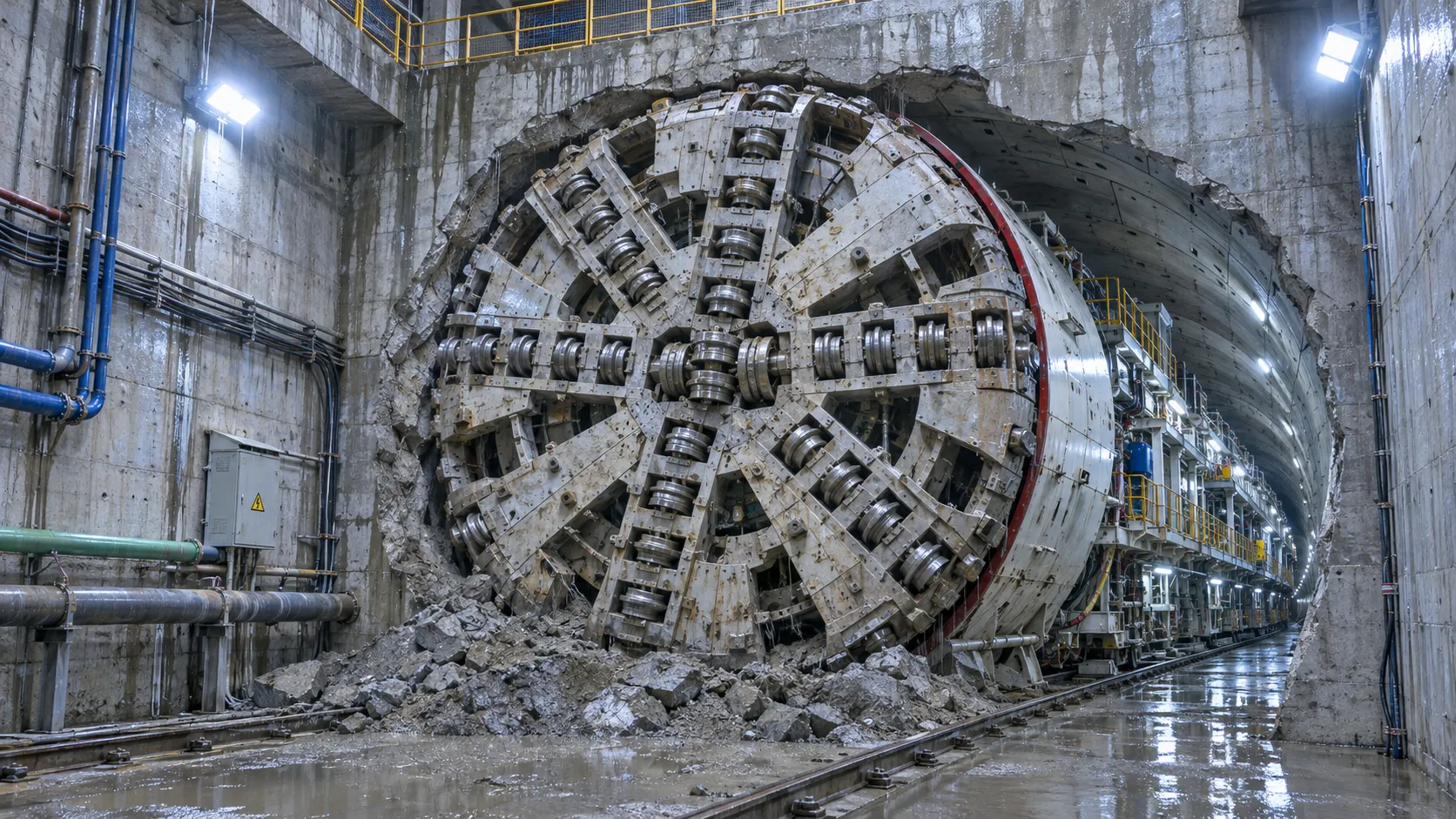
First Mechanized Tunnel Crossing Beneath the Panama Canal Completed
Panama Canal tunnel crossing: Explore the reported Metro Line 3 milestone and what it could mean for future underwater tunneling projects.
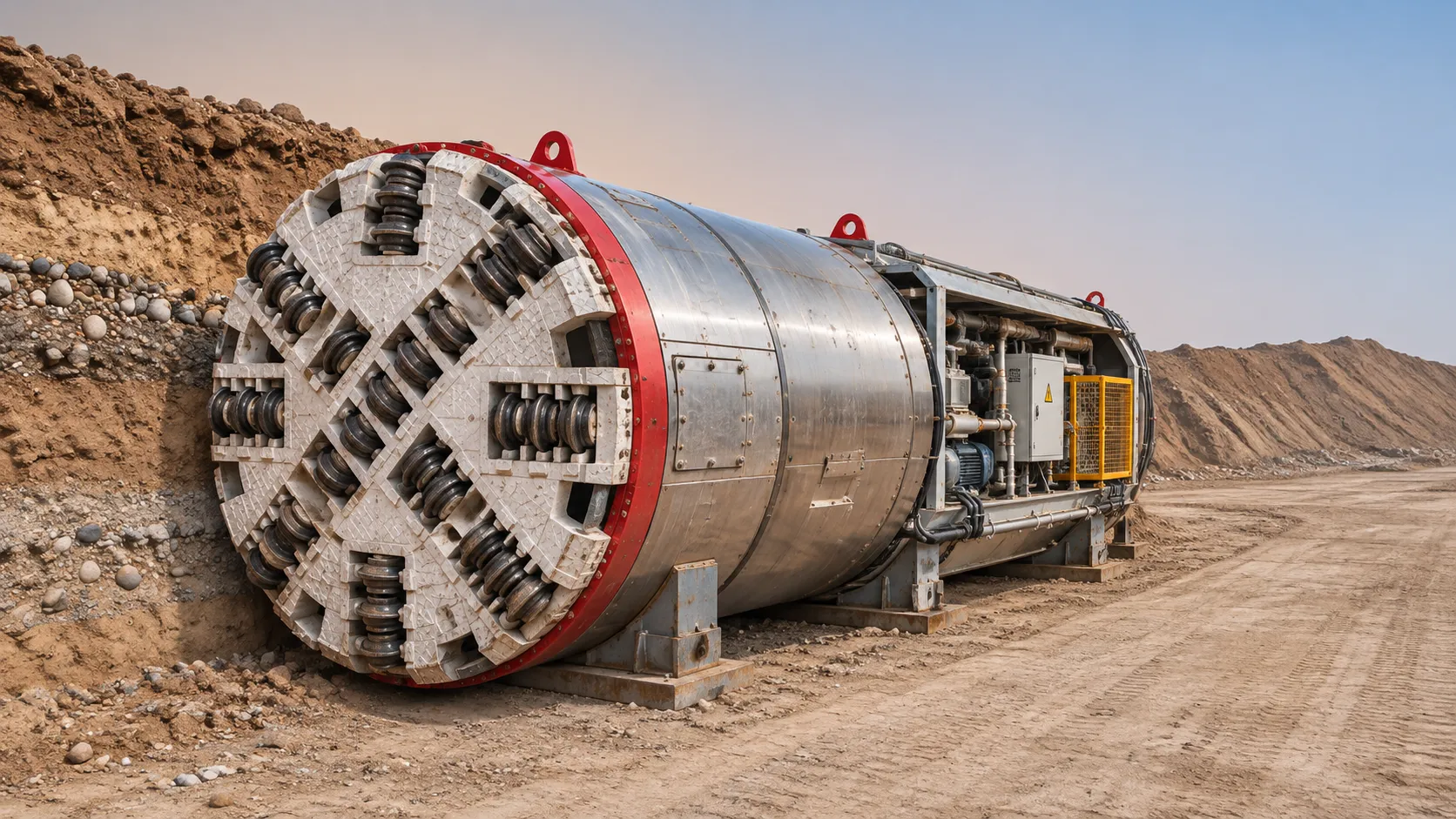
Underground Utility Construction Equipment: Choosing by Ground Conditions
Choose underground utility construction equipment with confidence. Compare trenching, HDD, microtunnelling and TBMs by ground conditions, risk and cost.
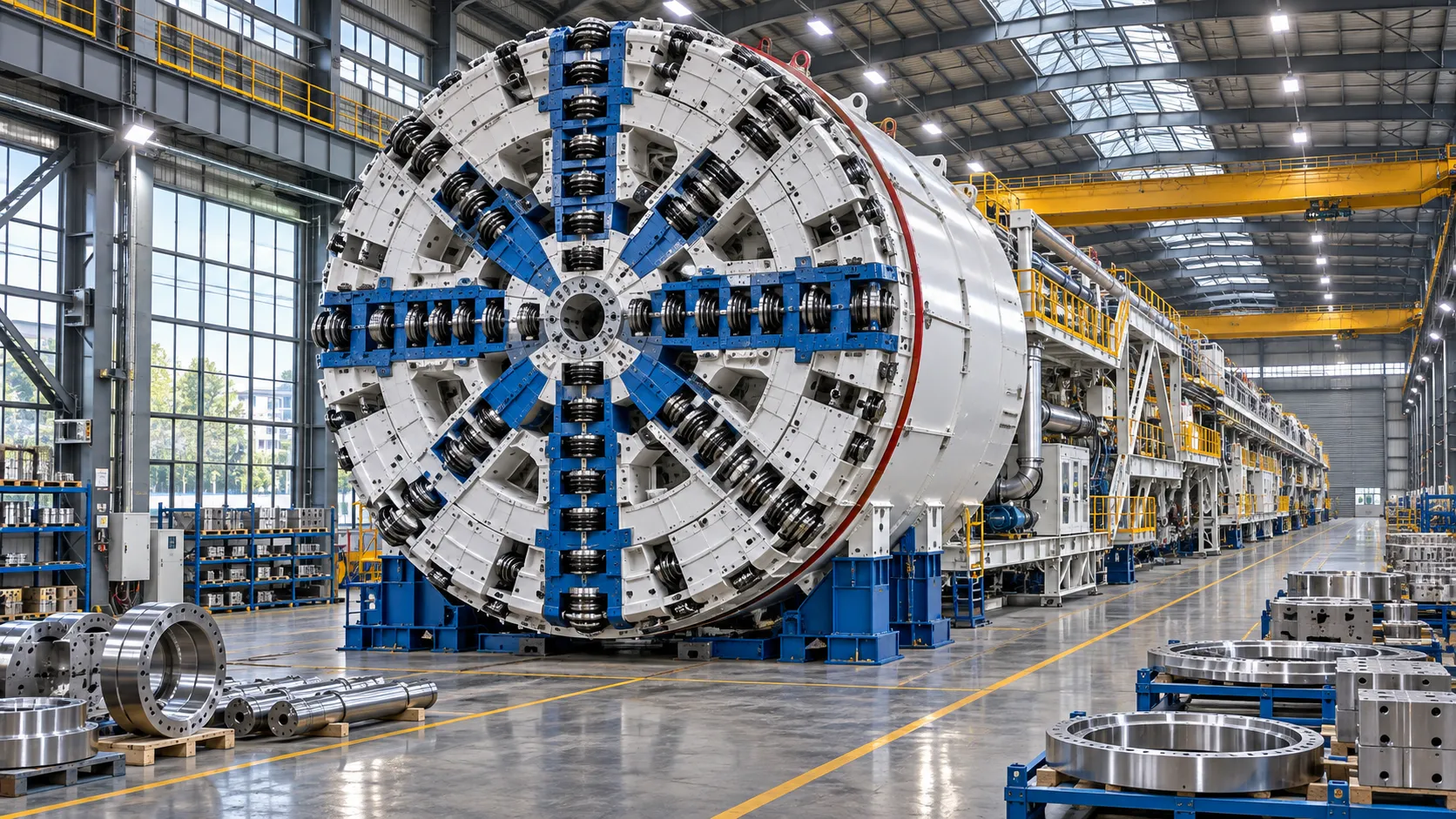
China Sets Tunnel Boring Machine Export Controls as India Pushes Local Production
China tunnel boring machine export controls could reshape procurement as India pushes local production. Explore potential supply and project impacts.
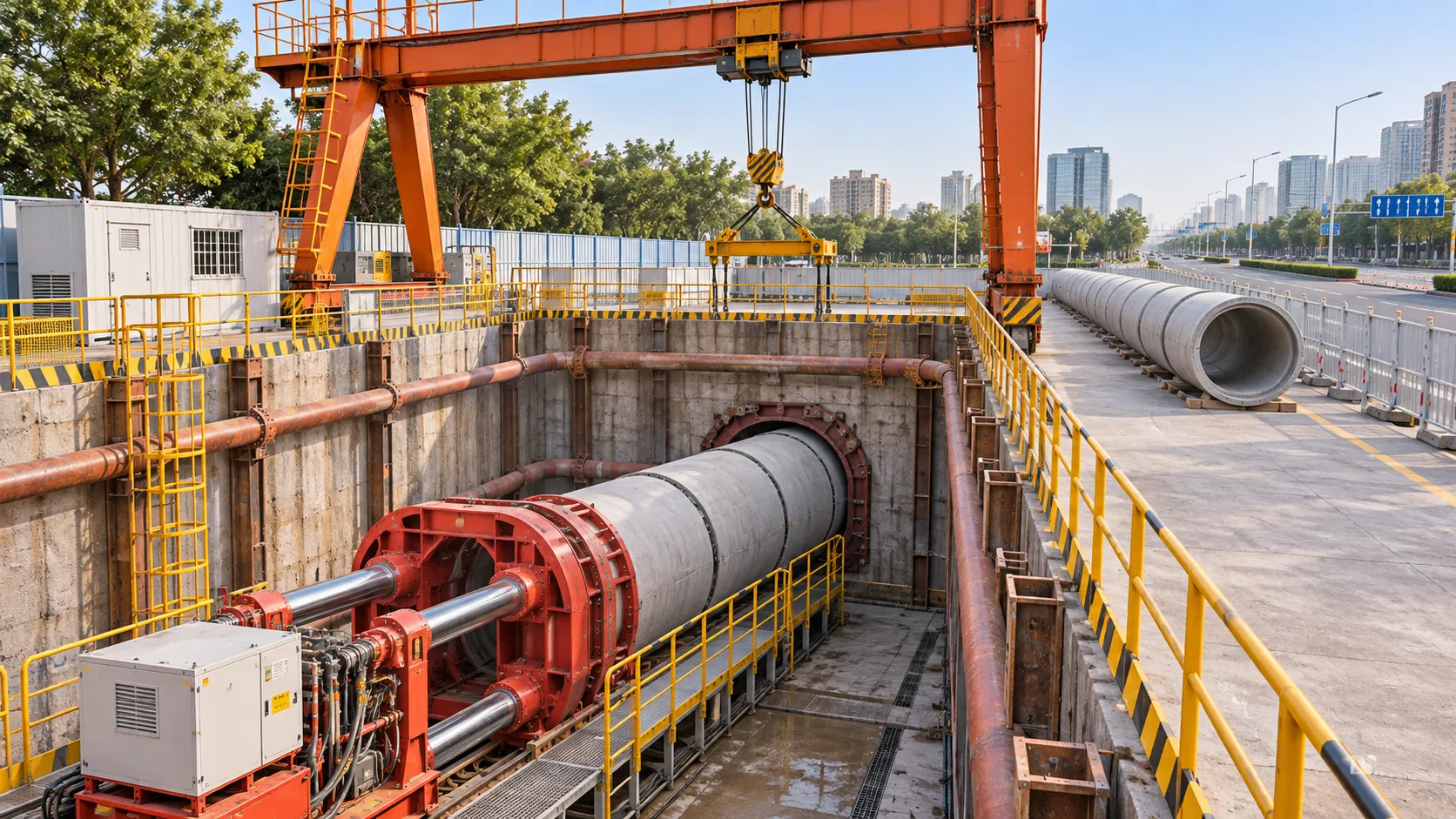
Choosing a Trenchless Pipeline Installation Contractor: Key Qualifications
Choose a trenchless pipeline installation contractor with confidence. Learn how to assess experience, equipment, safety, costs, and project risks before you hire.
China's 70% TBM Share and Export Controls Challenge India's Local Production
China's TBM export controls could challenge India's local production and infrastructure sourcing. Explore the potential risks and procurement options.
Related News
- 00
0000-00
How TBM Excavation Works in Rock and Soft Ground: A Practical Guide - 00
0000-00
Choosing a Zero-Emission Underground Equipment Supplier: What to Check - 00
0000-00
Construction Starts on Germany's Pfaffensteig Rail Tunnel, With Two TBMs Planned - 00
0000-00
How Real-Time Underground Mapping Systems Work in Tunneling - 00
0000-00
First Mechanized Tunnel Crossing Beneath the Panama Canal Completed
Weekly Insights
Stay ahead with our curated technology reports delivered every Monday.