
TBM Disc Cutter Prices: How to Compare Quotes for Rings and Full Assemblies





TBM Disc Cutter Prices: How to Compare Quotes for Rings and Full Assemblies
A low TBM disc cutter price can be misleading when one quote covers only a replacement ring and another includes a full assembly. For procurement teams, meaningful comparisons start with a clearly defined supply scope, then account for cutter dimensions, ring material, bearings, seals, machine compatibility, and delivery terms. This guide explains how to normalize supplier quotes, identify exclusions, and weigh upfront cost against expected service life and maintenance requirements—helping you select cutters that fit both your project budget and operating conditions.
There is no reliable universal price for a “TBM cutter” without those details. Even quotations carrying the same nominal cutter diameter may cover different mounting arrangements, component conditions, inspection requirements, or delivery obligations. The useful question is not simply which supplier charges less, but what each offer will cost to put a serviceable cutter onto your machine.
Separate replacement rings from complete cutters
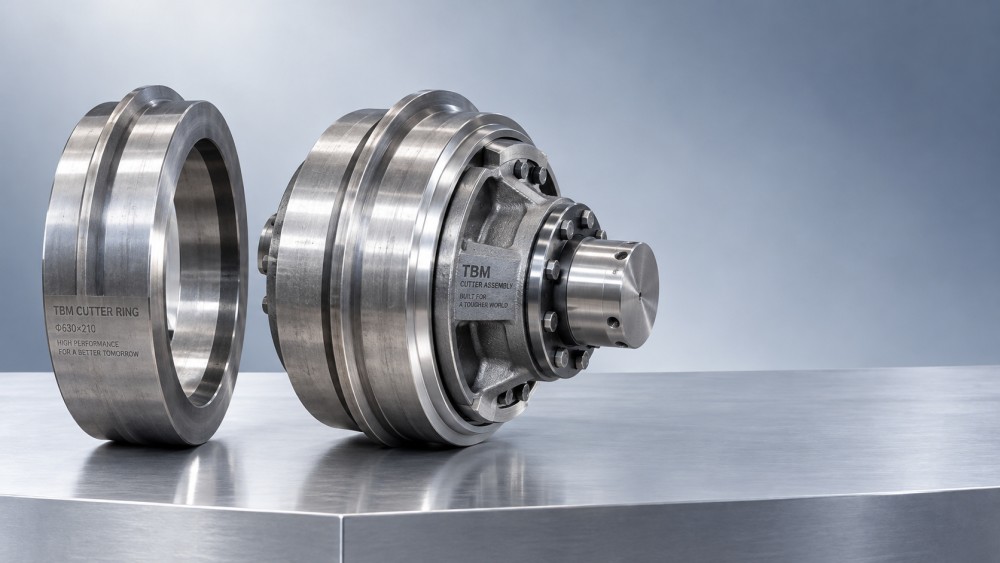
The cutter ring is the wear component that contacts the rock. A full disc cutter assembly typically combines that ring with a hub or cutter body, shaft, bearings, seals, and associated retention components. The exact arrangement depends on the design, and suppliers do not always use “complete assembly” consistently.
A ring-only order assumes you can reuse suitable components and carry out the rebuilding work. That means disassembly, cleaning, inspection, ring installation, and assembly checks must happen somewhere—at your workshop, an external service facility, or the supplier’s premises. Those activities are not free simply because they are absent from the ring quotation.
Before comparing unit prices, classify every offer by what it actually supplies:
An annotated assembly drawing is often more useful than another page of sales literature. Ask the supplier to mark supplied parts, reused parts, and exclusions on the same drawing.
Lock down compatibility before discussing discounts
Nominal diameter is only the beginning. Ring width, cutting-edge profile, bore geometry, retention arrangement, shaft dimensions, mounting interfaces, and the assembly envelope all need to match the approved design. A supplier’s statement that a cutter “fits this TBM model” is not a substitute for checking the relevant drawing and revision.
Cutterhead position matters too. Center, face, and gauge applications can involve different geometry and loading conditions. Do not pool them into one purchasing line merely because their nominal diameters look similar. Separate part numbers and quantities make both technical review and price comparison cleaner.
For alternative-source cutters, have the machine engineering team review dimensional compatibility and the proposed operating limits. Confirm whether any holder modification, additional tooling, or change to installation procedures is needed. A lower unit price loses its appeal quickly if fitting the cutter requires unplanned work on the cutterhead.
Material claims need more than a hardness number
Ring material and heat treatment influence wear resistance and resistance to damage, but higher hardness alone does not establish a better cutter. Abrasive rock, fractured ground, and impact loading create different demands. A selection that resists gradual wear may still be unsuitable if it is vulnerable to chipping under the actual excavation conditions.
Request the material specification, hardness acceptance range, heat-treatment controls, and agreed inspection records. Where alloy details are proprietary, the supplier should still define measurable acceptance criteria. Evaluate these against available geological information and existing cutter failure records, rather than accepting “premium steel” as a technical specification.
For assemblies, scrutinize bearings and seals as well. Bearing arrangement, load suitability, lubrication requirements, seal design, and assembly quality can determine whether a cutter reaches its intended ring wear limit. A ring that remains usable has little economic value if another component forces the cutter out of service.
Normalize quotes to a ready-to-install cost
Compare rings with rings and assemblies with assemblies first. Then compare the two purchasing routes using a common output: a serviceable cutter available at the project’s required location. This avoids treating rebuilding work as invisible overhead.
For a ring-replacement route: add the ring price, transport, applicable import costs, inspection, rebuilding labor, required replacement parts, consumables, and final checks. Account for the possibility that a returned cutter body or shaft will fail inspection and cannot be reused.
For a complete-assembly route: add the assembly price, transport, applicable import costs, receiving checks, and any excluded hardware or preparation needed before installation. Record exchange credits separately so that a conditional credit does not appear as a guaranteed saving.
Use one currency and a stated exchange-rate date. Align order quantities, payment terms, and delivery destinations. Where Incoterms are used, record the rule, named place, and applicable edition; also confirm responsibility for insurance, customs handling, and unloading. Tax treatment should reflect the project’s actual position, including whether a tax is recoverable.
Keep uncertain costs visible. An estimated bearing replacement allowance should not look like a firm supplier price. A simple separation between confirmed charges, project estimates, and unresolved exclusions gives decision-makers a more honest comparison than one apparently precise total.
Compare service cost without inventing service life
The lowest ready-to-install cost is not necessarily the lowest operating cost. Cutter changes require labor and access, and may affect excavation availability. However, downtime should not automatically be charged as a full production loss: some replacements occur during planned maintenance, while others interrupt excavation unexpectedly.
For whole-project comparisons, a useful measure is total cutter-related cost divided by excavated volume or tunnel advance. Include cutter purchases, rebuilding, handling, replacement labor, and attributable downtime costs using a consistent accounting boundary. Keep cutterhead configuration and ground conditions in view; a project-level average can hide poor performance in one position.
Supplier life claims need context. Ask what rock conditions, cutter positions, operating loads, and removal criteria supported them. Rings removed for normal wear are not equivalent to assemblies removed after seal leakage, bearing distress, or impact damage. Without comparable conditions, a claimed life advantage is a hypothesis—not a purchasing fact.
Where local evidence is limited, use conservative, expected, and favorable service-life assumptions. Test whether the preferred quotation remains economical across those scenarios. If the decision depends entirely on an unverified life extension, a controlled trial with defined inspection and reporting requirements may be more sensible than an immediate full-order commitment.
Choose the supply route around workshop capacity and stock
Replacement rings can be economical when reusable components remain serviceable and the project has a capable rebuilding workshop. That capability includes suitable equipment, trained personnel, inspection methods, and procedures for the specific cutter design. It also requires enough spare assemblies to keep excavation supplied while worn cutters pass through the workshop.
Complete assemblies may be worth the additional purchase cost where workshop capacity is constrained, reusable stock is deteriorating, or operational readiness is more valuable than minimizing component spend. They do not eliminate inspection or installation work, but they can reduce dependence on the rebuilding queue.
A mixed strategy is often worth evaluating: rings for routine rebuilding, assemblies for replenishing the spare pool, and separately priced bearings and seals for maintenance. The appropriate balance depends on observed consumption, rebuilding turnaround, supplier lead time, and the consequences of a stockout.
Check when the quoted lead time actually starts. Drawing approval, deposit receipt, material availability, or production-slot confirmation may be prerequisites. Distinguish dispatch from arrival, and ask whether partial shipments are possible. A short manufacturing lead time is not the same as a cutter available underground.
Turn the selected quote into an enforceable specification
Before award, close the gaps that could become disputes after delivery. The purchase order should reference approved drawings and revisions, the component schedule, material requirements, inspection records, packaging, and acceptance conditions. For assemblies, agree which dimensional, rotational, sealing, or other checks are applicable and how results will be documented.
Warranty wording deserves particular attention. Clarify how manufacturing defects are distinguished from normal wear, overload, unsuitable operation, or installation damage. Establish the evidence needed for a claim and who bears freight and examination costs. Do not assume a replacement warranty covers consequential downtime.
The Global Underground Tunnelling & Mining Dynamics (UTMD) connects underground equipment engineering with commercial intelligence. Its focus on TBM rock-cutting mechanics and asset reliability supports a practical procurement principle: cutter prices become meaningful only when supply scope, operating conditions, and maintenance consequences are assessed together.
Before selecting the lowest TBM disc cutter price, request a revised quotation with explicit inclusions and exclusions, then have engineering and maintenance confirm the assumptions behind it. Award against an agreed configuration and delivery obligation—not a loosely defined unit price that leaves the expensive details for later.
Related News
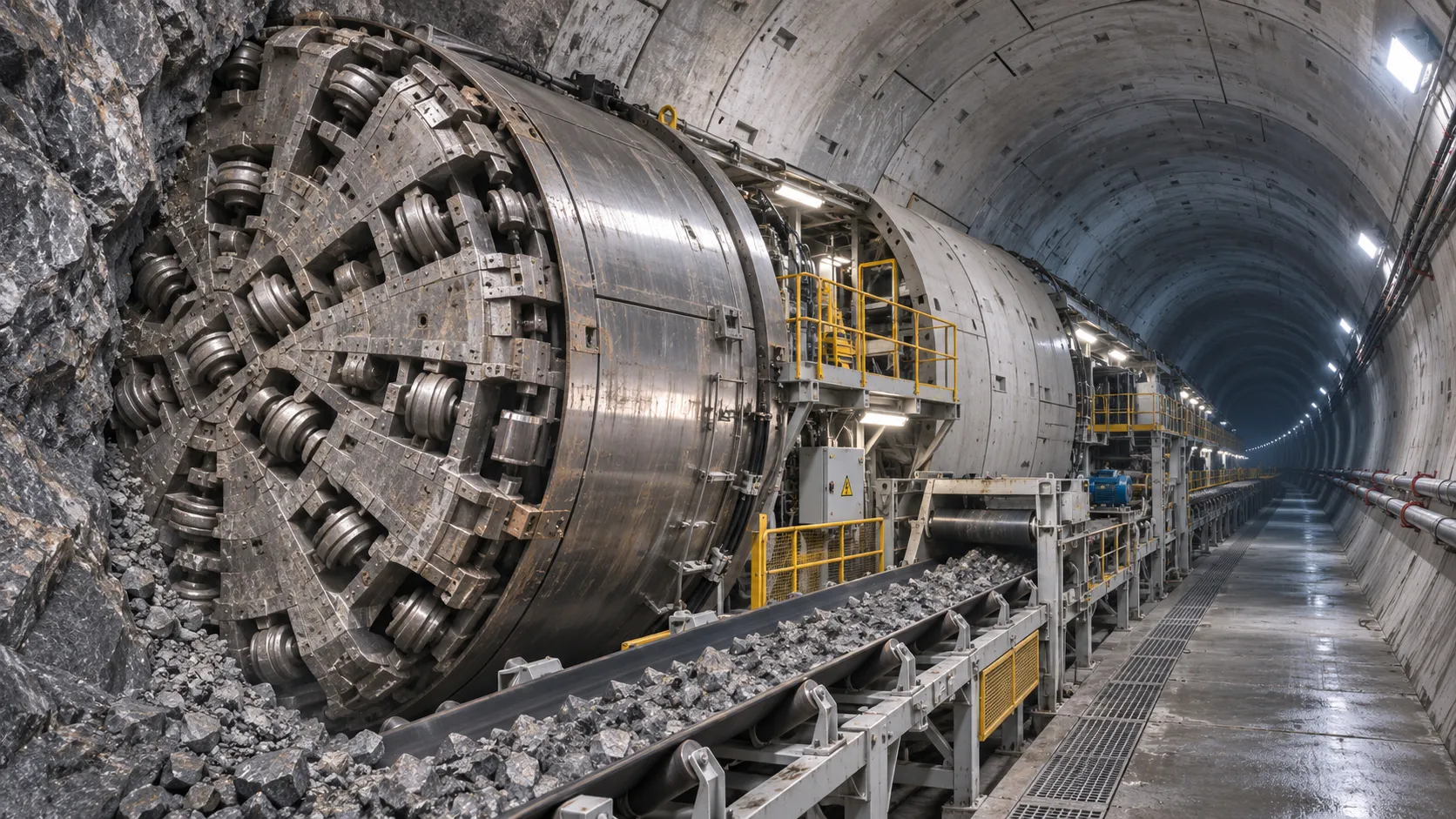
How TBM Excavation Works in Rock and Soft Ground: A Practical Guide
TBM Excavation in rock and soft ground explained: compare machine types, ground support, spoil removal, and the factors that guide smarter project planning.
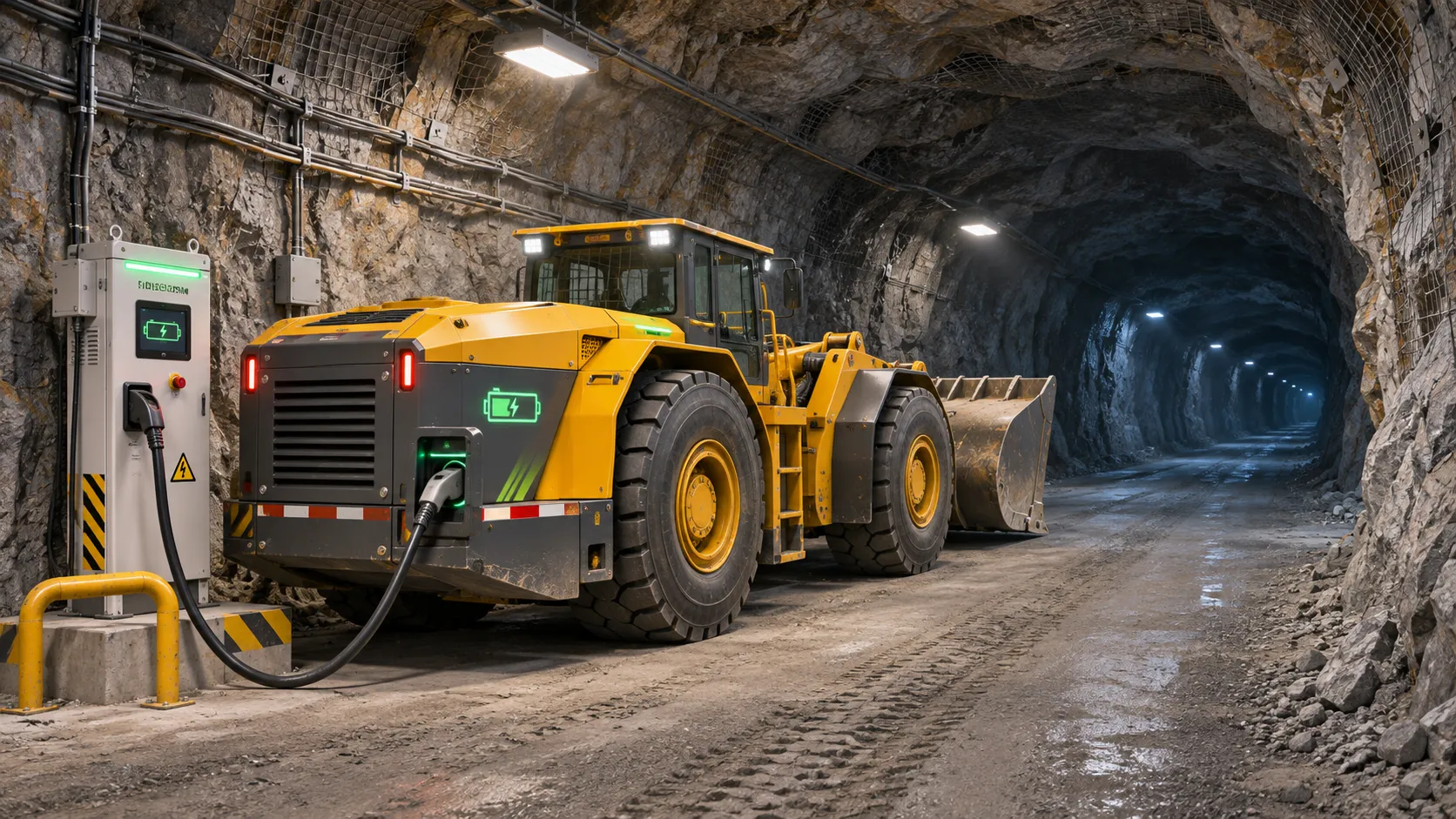
Choosing a Zero-Emission Underground Equipment Supplier: What to Check
Choosing a zero emission underground equipment supplier? Compare duty-cycle performance, charging, safety, total costs and support before you commit.
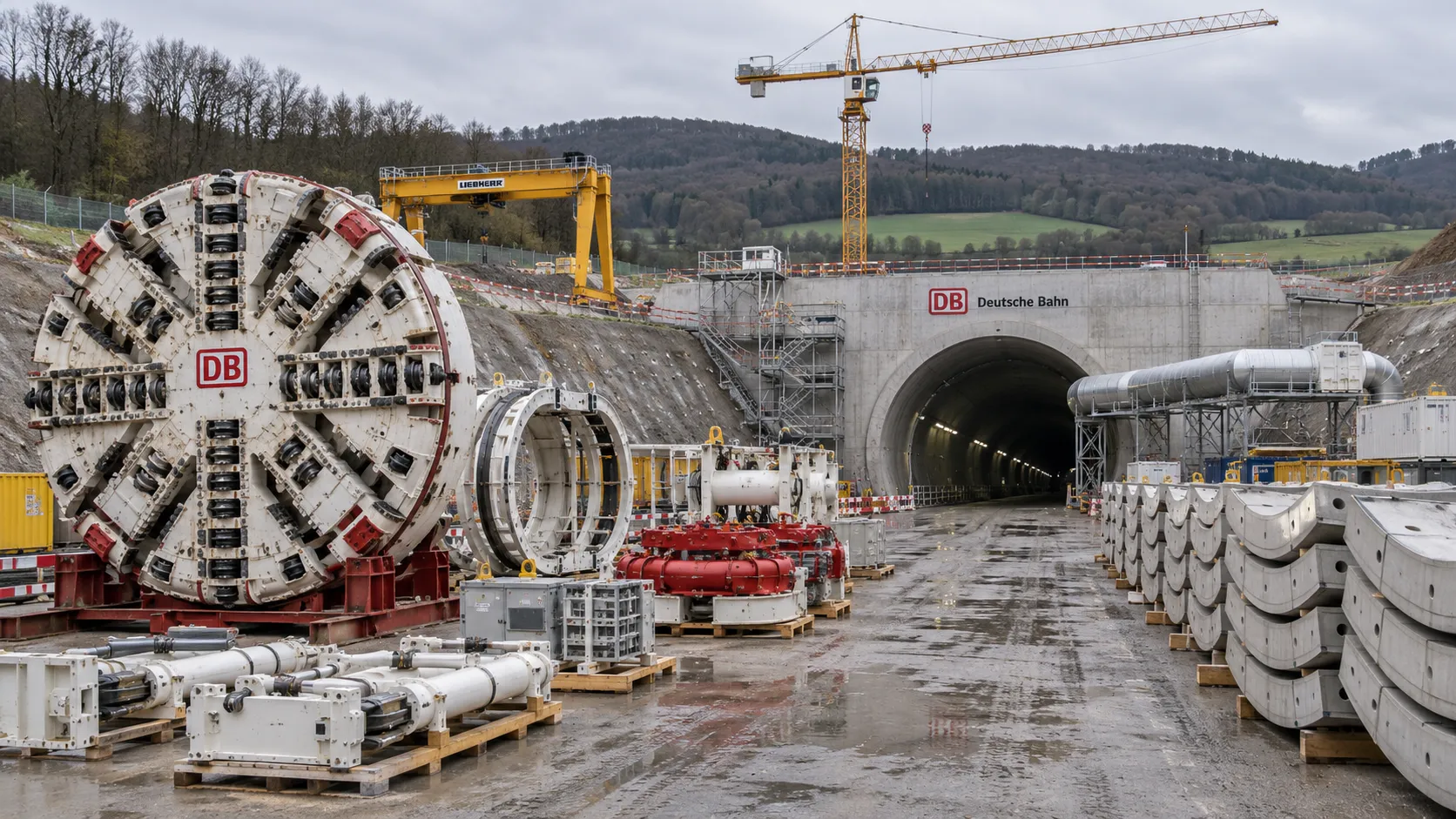
Construction Starts on Germany's Pfaffensteig Rail Tunnel, With Two TBMs Planned
Pfaffensteig rail tunnel construction is underway in Germany. Discover how two planned TBMs will support the 11-kilometre project near Stuttgart.
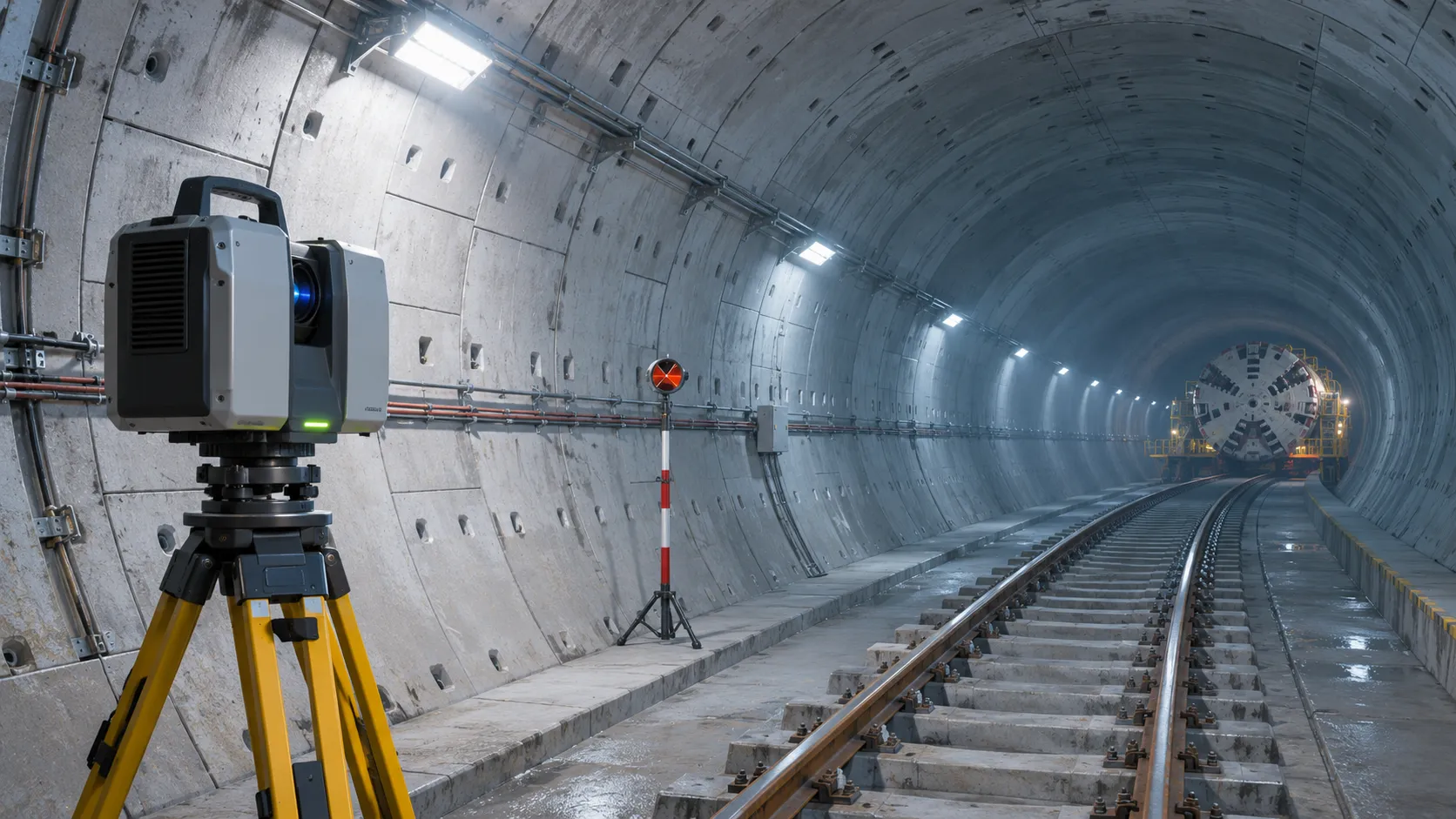
How Real-Time Underground Mapping Systems Work in Tunneling
Discover how real-time underground mapping systems guide tunneling teams, integrate sensor data, and support confident decisions with verified accuracy.
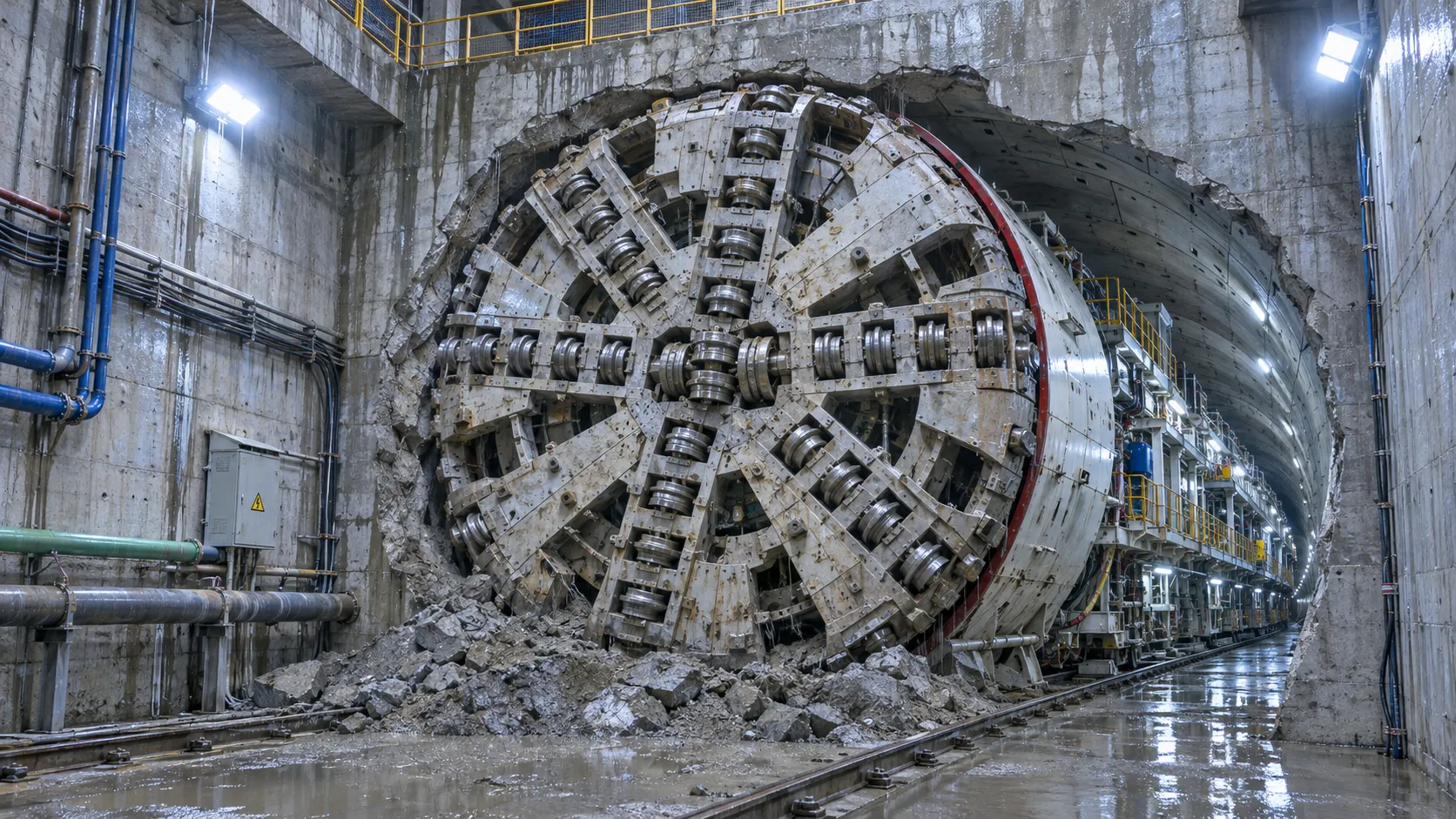
First Mechanized Tunnel Crossing Beneath the Panama Canal Completed
Panama Canal tunnel crossing: Explore the reported Metro Line 3 milestone and what it could mean for future underwater tunneling projects.
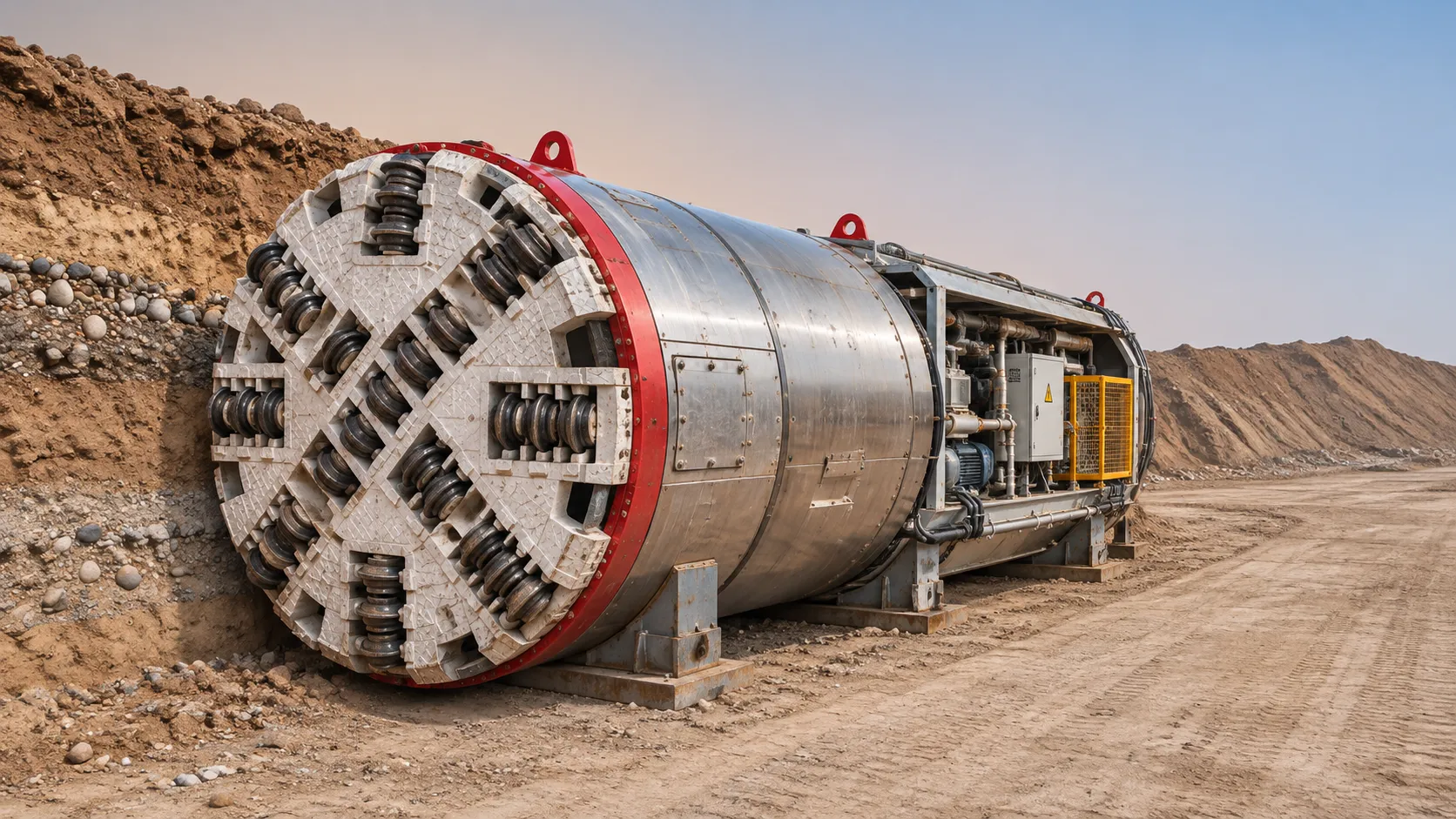
Underground Utility Construction Equipment: Choosing by Ground Conditions
Choose underground utility construction equipment with confidence. Compare trenching, HDD, microtunnelling and TBMs by ground conditions, risk and cost.
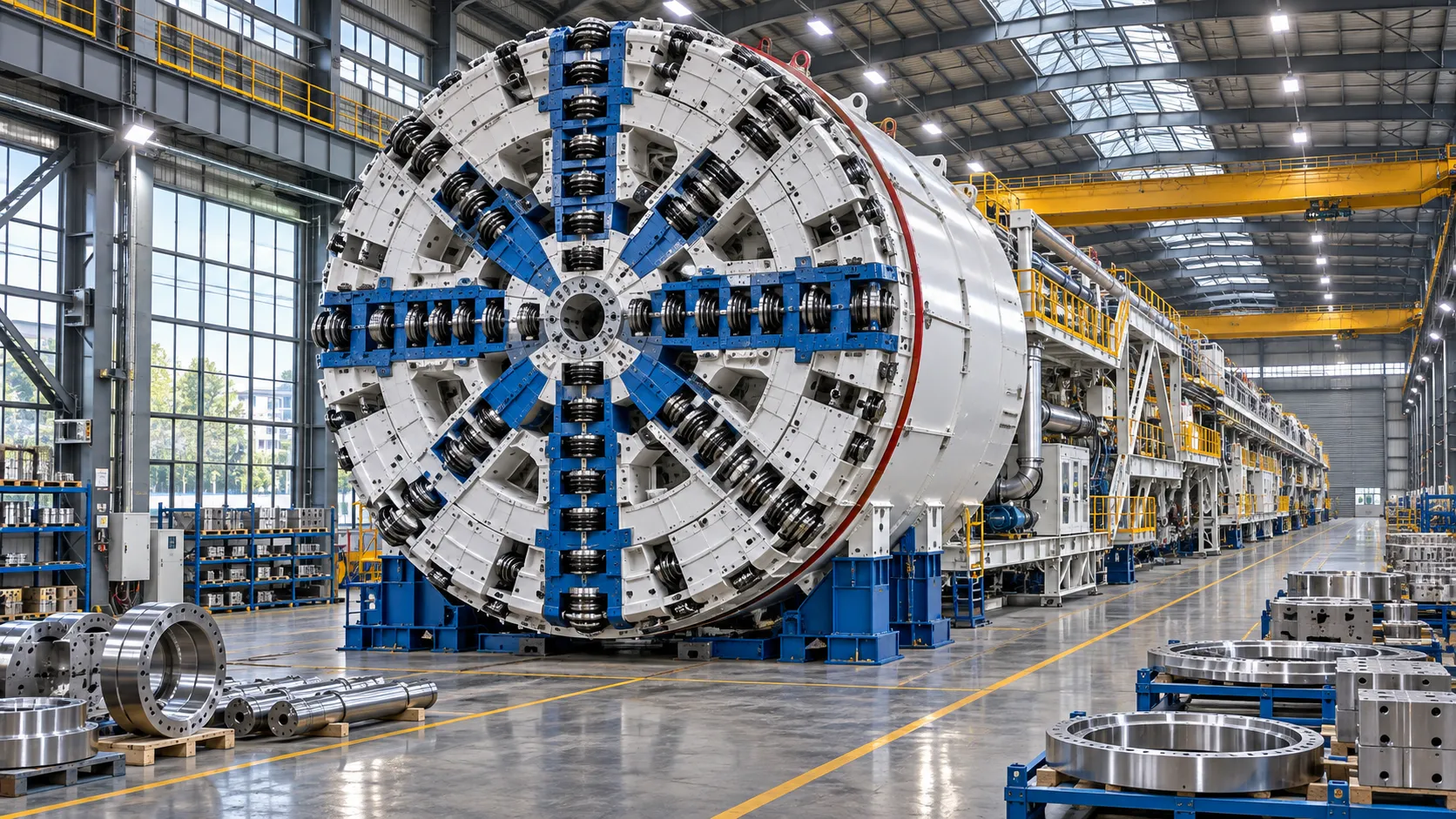
China Sets Tunnel Boring Machine Export Controls as India Pushes Local Production
China tunnel boring machine export controls could reshape procurement as India pushes local production. Explore potential supply and project impacts.
Choosing a Trenchless Pipeline Installation Contractor: Key Qualifications
Choose a trenchless pipeline installation contractor with confidence. Learn how to assess experience, equipment, safety, costs, and project risks before you hire.
China's 70% TBM Share and Export Controls Challenge India's Local Production
China's TBM export controls could challenge India's local production and infrastructure sourcing. Explore the potential risks and procurement options.
Related News
- 00
0000-00
How TBM Excavation Works in Rock and Soft Ground: A Practical Guide - 00
0000-00
Choosing a Zero-Emission Underground Equipment Supplier: What to Check - 00
0000-00
Construction Starts on Germany's Pfaffensteig Rail Tunnel, With Two TBMs Planned - 00
0000-00
How Real-Time Underground Mapping Systems Work in Tunneling - 00
0000-00
First Mechanized Tunnel Crossing Beneath the Panama Canal Completed
Weekly Insights
Stay ahead with our curated technology reports delivered every Monday.