
TBM Disc Cutter Diameter: How Size Affects Penetration, Wear, and Cutterhead Design





TBM Disc Cutter Diameter: How Size Affects Penetration, Wear, and Cutterhead Design
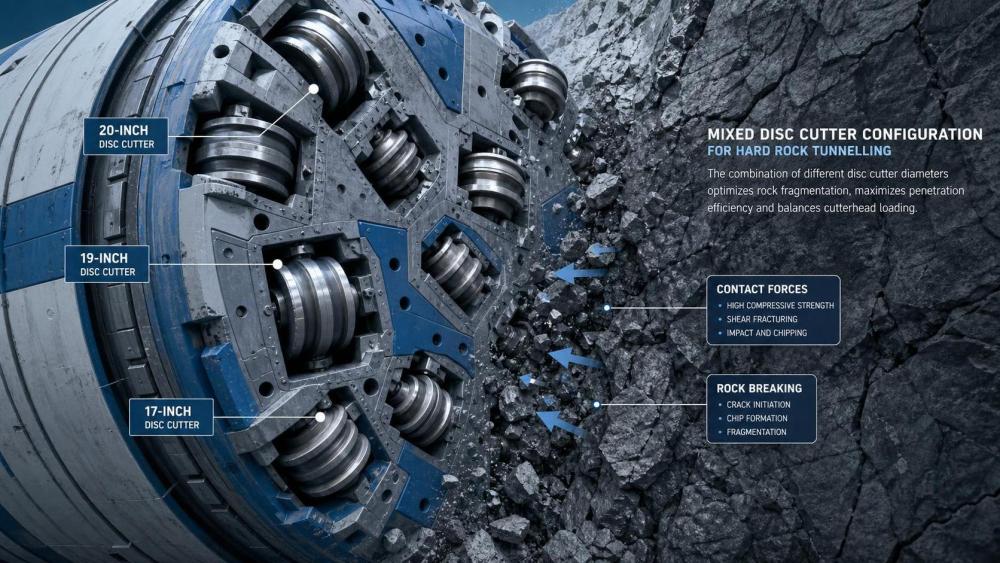
In hard-rock tunnelling, tbm disc cutter diameter is not just a catalog number. It changes how the machine breaks rock, how fast cutters wear, and how often crews stop for replacement.
That matters in long drives, abrasive formations, and mixed ground. A small change in cutter size can shift daily advance, cutter consumption, and cutterhead loading in very visible ways.
From a field perspective, tbm disc cutter diameter affects penetration first. It also affects bearing life, ring wear profile, contact stress, and the space available on the cutterhead.
This is why diameter selection is usually tied to rock strength, abrasivity, thrust capacity, torque reserve, and maintenance strategy. It is never an isolated design choice.
In practical tunnelling, the question is simple. Which tbm disc cutter diameter gives stable penetration without creating excessive wear, heat, vibration, or cutterhead complexity?
Why TBM Disc Cutter Diameter Matters in Rock Breaking
Disc cutters break rock by inducing high contact stress. The cutter presses into the face, creates crushed zones, and promotes crack propagation between adjacent cutter tracks.
The tbm disc cutter diameter changes the geometry of that contact. Larger cutters usually roll more smoothly and handle higher loads, especially in competent, hard formations.
Smaller cutters can work well in lighter-duty conditions. However, they often face higher localized stress and shorter wear life when rock strength and abrasivity increase.
A larger rolling diameter also helps reduce the rotation frequency needed for a given cutting path. That can lower heat buildup in bearings and seals.
This does not mean bigger is always better. A larger tbm disc cutter diameter needs more installation space, more structural support, and a cutterhead layout that can absorb higher individual loads.
Typical Diameter Range
In hard-rock TBMs, common disc sizes include 17-inch, 19-inch, and 20-inch cutters. Some heavy-duty applications use even larger units, depending on machine class and geology.
The right choice depends on more than diameter alone. Ring width, edge profile, bearing design, and mounting arrangement all influence final performance.
How Diameter Affects Penetration Rate
Penetration is where tbm disc cutter diameter becomes very visible to the crew. If the cutter cannot maintain efficient crack formation, advance rate drops and cutterhead vibration often rises.
Larger cutters generally support higher normal loads. That allows deeper indentation under suitable thrust, which helps form stronger rock fractures in hard and massive ground.
With enough machine thrust, a larger tbm disc cutter diameter can improve penetration stability. The benefit is often clearer in high UCS rock where contact loading is critical.
But there is an operational limit. If installed cutter size exceeds the machine’s thrust or torque capability, the expected gain may never appear on the face.
In other words, cutter diameter and machine capacity must match. Oversized cutters on an underpowered TBM can create rolling resistance without delivering better penetration.
Field Signals That Diameter Is Affecting Penetration
- Advance rate drops while thrust rises disproportionately.
- Cutterhead vibration increases in uniform hard rock.
- Specific energy trends upward during stable geology.
- Wear rings flatten too quickly before expected service life.
- Broken rock size becomes finer than the usual fragmentation pattern.
These signs do not prove a diameter problem alone. Still, they are strong reasons to review tbm disc cutter diameter together with spacing, thrust, and rock mass behavior.
How TBM Disc Cutter Diameter Influences Wear Life
Wear is where operating cost becomes real. Cutter replacement stops production, increases intervention risk, and can turn a predictable drive into a maintenance-heavy cycle.
A larger tbm disc cutter diameter often offers longer wear life because the ring travels a longer circumference. The wear is spread over more material during rolling contact.
That usually lowers the wear rate per revolution. It can also help reduce thermal concentration in the contact zone when the cutter remains free-rolling.
In abrasive rock, this advantage becomes important. Quartz-rich formations, for example, can consume smaller rings quickly, especially under high thrust and long boring distances.
However, wear life is not determined by diameter alone. Poor muck flow, blocked rotation, eccentric loading, and water-borne fines can destroy even a well-sized cutter.
Common Wear Modes Linked to Size Selection
- Rapid ring wear from excessive contact stress.
- Flat spots caused by poor rolling behavior.
- Seal damage from heat and abrasive ingress.
- Bearing failure when applied load exceeds the intended envelope.
- Uneven wear from unstable cutterhead force distribution.
When these patterns appear repeatedly, the review should include tbm disc cutter diameter, but also spacing, hub stiffness, and actual operating thrust per cutter.
Diameter and Cutterhead Design: The Hidden Trade-Offs
Cutterhead design is where the diameter decision becomes more complex. A larger tbm disc cutter diameter needs room for housing, mounting, inspection access, and structural reinforcement.
That can reduce layout flexibility. On smaller cutterheads, larger cutters may limit the number of positions or constrain optimal spacing between concentric tracks.
This matters because spacing controls chip formation. Even a strong cutter may underperform if neighboring tracks are too close or too far apart for the rock type.
A larger diameter also affects center cutter design, gage arrangement, and muck openings. These features need balance, especially when geology changes along the alignment.
From recent project trends, operators are paying more attention to maintainability. If larger cutters improve life but slow replacement access, the gain can shrink underground.
Design Questions Worth Checking
- Does the cutterhead have enough stiffness for the chosen cutter load?
- Is the cutter spacing matched to rock strength and brittleness?
- Can muck clear the cutters without causing drag or blockage?
- Is there practical access for ring inspection and replacement?
- Will the machine still meet thrust and torque targets under wear?
Choosing the Right TBM Disc Cutter Diameter for Different Ground Conditions
There is no universal best size. The right tbm disc cutter diameter depends on the interaction between ground conditions, machine envelope, and maintenance philosophy.
In very hard, abrasive rock, larger cutters are often preferred. They typically provide better load capacity, better wear life, and steadier penetration when machine thrust is available.
In mixed or less demanding geology, the decision may shift. Smaller sizes can reduce cutterhead congestion and may simplify logistics, stockholding, and replacement routines.
The more useful approach is to compare expected cutter cost per meter, replacement frequency, and achievable penetration under actual site conditions, not ideal assumptions.
Quick Reference Table
Practical Operating Checks Before Problems Grow
On site, the best response is early diagnosis. The impact of tbm disc cutter diameter usually appears through a pattern, not through a single isolated failure.
Track penetration per revolution, cutter consumption per meter, vibration trends, ring profile changes, and bearing-related failures together. That combined view is much more reliable.
It also helps to compare face zones. Center, normal, and gage cutters may show different responses, which can reveal whether the diameter issue is global or position-specific.
Where data systems are available, link cutter wear records with geology logs and machine parameters. That gives a stronger basis for adjusting the tbm disc cutter diameter strategy.
A Simple Action List
- Verify actual thrust per cutter against the design assumption.
- Measure wear patterns by cutter position, not only total consumption.
- Check whether penetration loss matches geology change or cutter condition.
- Review cutter spacing and muck flow with the diameter choice.
- Adjust inventory planning if larger cutters reduce interventions.
A good diameter decision should make boring more predictable. It should not only increase peak performance on good days.
In the end, tbm disc cutter diameter is a production variable, a wear variable, and a design variable at the same time. When those three are evaluated together, penetration improves, maintenance becomes more controlled, and cutterhead performance stays closer to plan.
Related News
How to Evaluate Pipe Jacking Equipment for Municipal Sewer and Utility Projects
Pipe jacking equipment for municipal projects: learn how to compare machine type, steering, spoil handling, safety, and lifecycle cost for reliable sewer and utility installation.
How YLCSD300 Cutter Suction Dredger Parameters Affect River Dredging Output
YLCSD300 cutter suction dredger output depends on cutter, pump, pipe, depth, and hull balance. Learn how river conditions shape real dredging performance before you buy.
What Should a Mine Decarbonization Roadmap Include to Cut Emissions Without Hurting Output?
Mine decarbonization roadmap essentials: learn how to cut mining emissions with phased electrification, ventilation planning, and infrastructure readiness—without sacrificing output.
How to Evaluate Underground Mine Automation Companies for Safety and ROI
Underground mine automation companies vary widely in safety, interoperability, and ROI. Learn how to compare vendors, reduce deployment risk, and choose a scalable solution.
How to Evaluate Underground Haulage Systems for Ore Output, Ramp Grade, and Ventilation Limits
Underground haulage systems should be evaluated by ore output, ramp grade, and ventilation limits—not brochures. Learn how to compare trucks, LHDs, and electric options for smarter mine planning.
How to Evaluate a Pipe Jacking Equipment Distributor for Project Support and Uptime
Pipe jacking equipment distributor evaluation made practical: learn how to assess parts support, service response, training, and technical readiness to reduce downtime and protect project uptime.
How to Build a Mining Decarbonization Strategy That Balances Emissions, Cost, and Fleet Reality
Mining decarbonization strategy starts with fleet reality. Learn how to cut emissions, control cost, and align power, ventilation, and production for a practical mine transition.
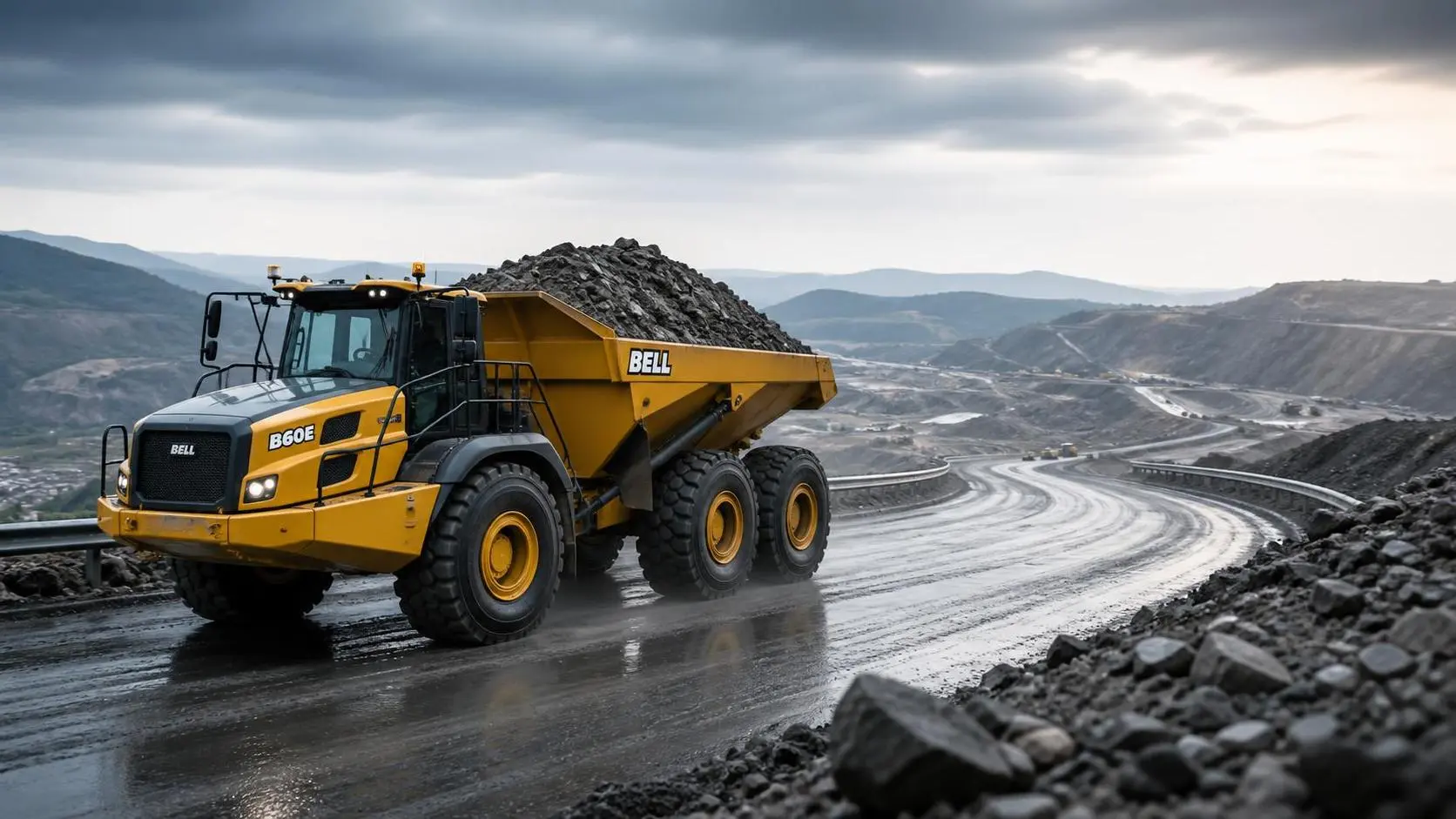
How to Evaluate Articulated Dump Trucks Payload for Haul Road Conditions and Cycle Efficiency
Articulated Dump Trucks payload evaluation starts with real haul road conditions, not brochure numbers. Learn how to balance payload, traction, grades, and cycle efficiency for safer, higher output.
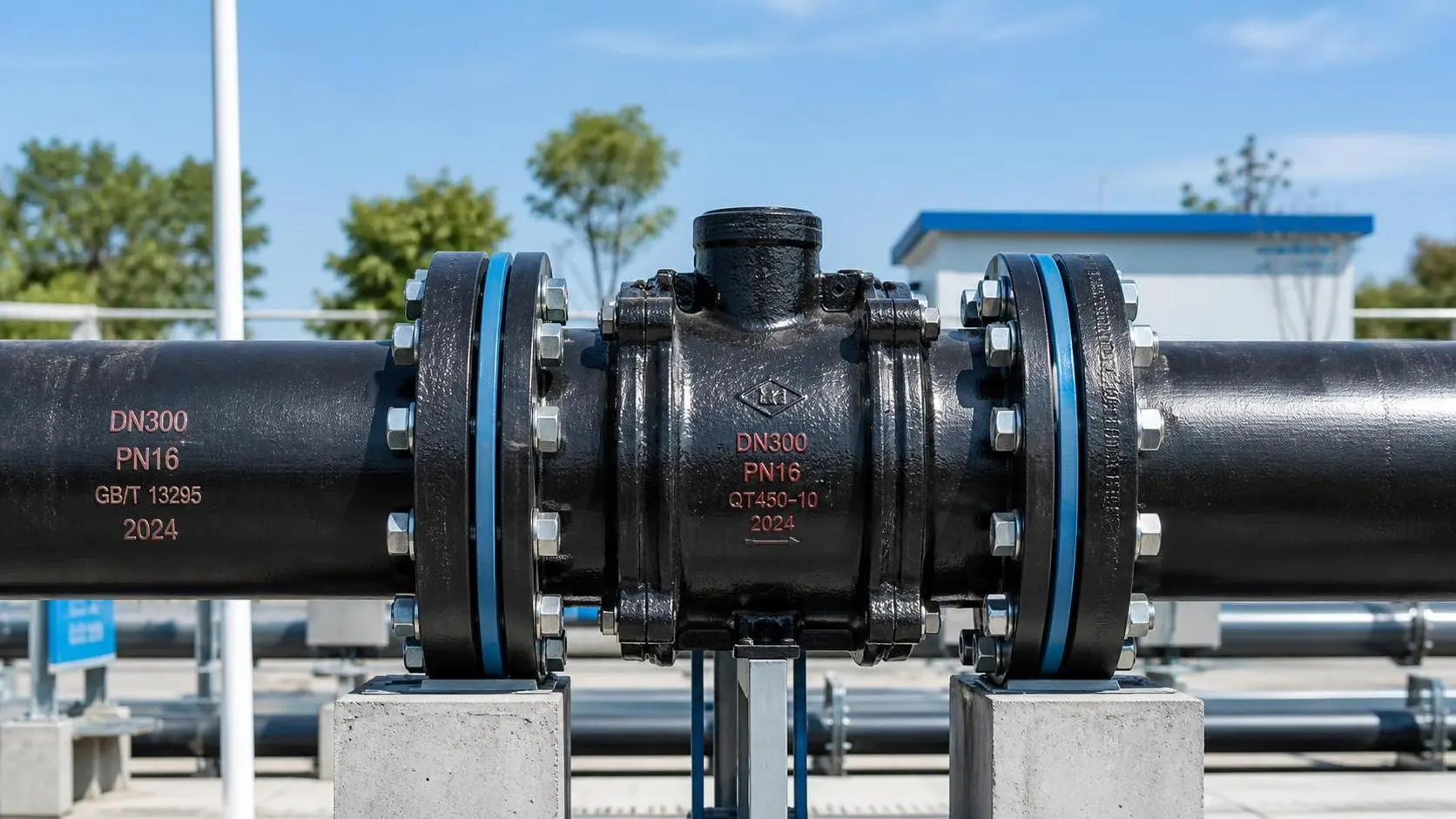
How Pipe Fittings Material and Pressure Class Affect Water Line Selection
Pipe fittings selection starts with material and pressure class. Learn how these factors affect water line reliability, corrosion resistance, installation, and long-term cost.
Related News
- 00
0000-00
How to Evaluate Pipe Jacking Equipment for Municipal Sewer and Utility Projects - 00
0000-00
How YLCSD300 Cutter Suction Dredger Parameters Affect River Dredging Output - 00
0000-00
What Should a Mine Decarbonization Roadmap Include to Cut Emissions Without Hurting Output? - 00
0000-00
How to Evaluate Underground Mine Automation Companies for Safety and ROI - 00
0000-00
How to Evaluate Underground Haulage Systems for Ore Output, Ramp Grade, and Ventilation Limits
Weekly Insights
Stay ahead with our curated technology reports delivered every Monday.