
Brazil ANP Tightens Import Rules for Slurry Pipe Jacking





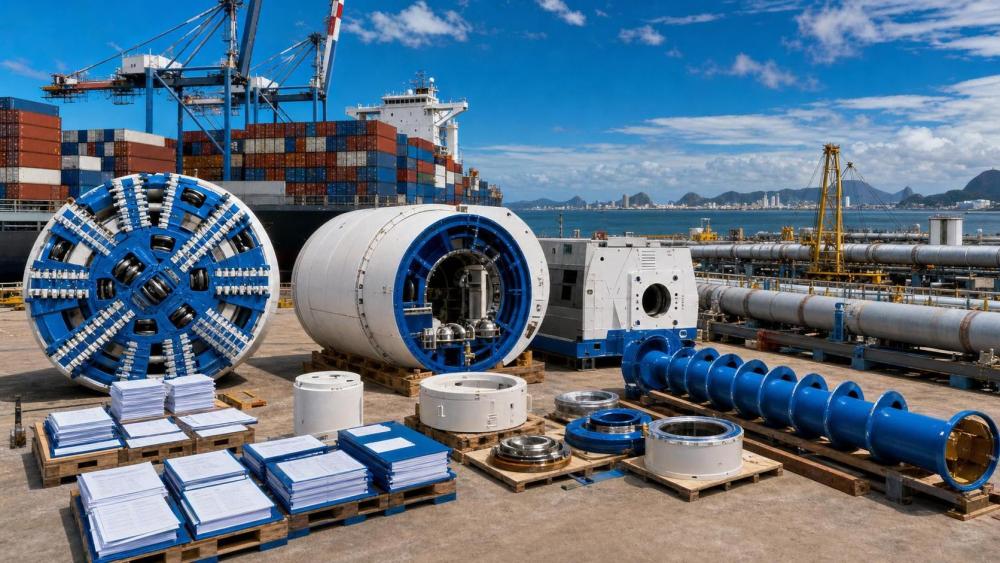
On July 10, 2026, Brazil’s National Agency of Petroleum, Natural Gas and Biofuels (ANP) issued Technical Instruction No. 142/2026, introducing an immediate import compliance requirement for Slurry Pipe Jacking equipment used in oil and gas pipeline network projects. The new rule centers on wear-resistant coatings applied to key components and requires specific third-party test documentation at customs clearance, making it directly relevant to equipment manufacturers, exporters, importers, project procurement teams, and supply chain service providers handling oil and gas infrastructure equipment for the Brazilian market.
What the New Requirement Says
According to the information provided, the ANP rule applies to Slurry Pipe Jacking equipment intended for oil and gas pipeline network projects. It covers wear-resistant coatings used on the cutterhead, screw conveyor, and pipe jacking shield body. Under Technical Instruction No. 142/2026, those coatings must pass third-party testing under ISO 13678:2026, and the original report must be issued by a CNEN-recognized laboratory and submitted together with the customs declaration. The instruction took effect on the day it was issued, with no transition period.
Where the Immediate Pressure May Appear
Import and customs-facing businesses
From an industry perspective, importers and trading companies are likely to feel the impact first because the rule is tied directly to customs documentation. The main pressure point is document readiness: equipment shipments may now depend not only on product specifications, but also on whether the original third-party coating test report from a CNEN-recognized laboratory is available at the time of declaration.
Equipment manufacturers and coating-related suppliers
Analysis shows that manufacturers of Slurry Pipe Jacking equipment and suppliers involved in coated components may need to pay closer attention to whether their existing testing and certification arrangements align with the new Brazilian requirement. The issue is not only product performance, but whether coating verification for the cutterhead, screw conveyor, and shield body can be demonstrated in the exact documentary form now required for import.
Project procurement and delivery coordination
For procurement teams and delivery coordinators serving oil and gas pipeline projects, the rule may affect purchasing schedules, shipment planning, and supplier communication. What deserves closer attention is that the instruction is already in force with no transition period, which can make timing, documentation checks, and contract execution more sensitive in the short term.
Supply chain and compliance service providers
Customs brokers, compliance advisers, and logistics service providers may also need to adjust their review processes. Observably, the rule raises the importance of verifying whether the required original report has been prepared in the correct form before cargo reaches the declaration stage, rather than treating testing paperwork as a secondary post-shipment matter.
What Companies Should Watch Now
Whether official wording is further clarified
Analysis shows that businesses should closely monitor any follow-up clarification around the practical interpretation of the instruction, especially how the requirement is applied in real customs and project execution scenarios. The current confirmed fact is that the rule is effective immediately, but operational details may still become a focus of market attention.
Which shipments and component scopes are exposed
Companies involved in current or near-term shipments should review whether their equipment falls within the stated application scope: Slurry Pipe Jacking equipment for oil and gas pipeline network projects, and specifically the coated cutterhead, screw conveyor, and shield body. This is a practical distinction that affects document preparation, supplier coordination, and shipment release risk.
Supplier qualification and report availability
What deserves closer attention is whether suppliers can provide the original third-party report issued by a CNEN-recognized laboratory, not merely a general quality statement or internal test record. For procurement and contract teams, this shifts attention toward qualification checks, document conditions, and delivery sequencing.
Customer communication and contingency planning
Observably, the lack of a transition period makes customer communication more important for ongoing transactions. Exporters, importers, and project-facing teams may need to align early on report availability, customs filing timing, and possible delivery adjustments, particularly where documentation status could affect handover or project scheduling.
How This Change Is Best Understood at This Stage
This development is best read as both an immediate compliance change and a broader regulatory signal. The immediate part is clear: the ANP has linked import clearance for certain Slurry Pipe Jacking equipment to coating test documentation under ISO 13678:2026 and to an original report from a CNEN-recognized laboratory. The broader signal, based on observation rather than confirmed extension, is that documentation depth around material or coating performance may be receiving closer regulatory attention in this application context. At the same time, it is still too early to treat this single instruction as a confirmed wider market pattern beyond the scope stated in the provided information.
Why the Market Should Keep This on the Radar
At present, it is more appropriate to understand this news as a concrete short-term compliance requirement with potential operational consequences, rather than as a fully formed long-term market conclusion. The absence of a transition period increases its near-term relevance, while the focus on third-party testing and original documentation makes execution discipline more important across supply, shipping, and customs workflows. The key industry takeaway is not simply that a rule was issued, but that document-linked product compliance has become an immediate gate for the covered equipment entering this part of the Brazilian oil and gas project chain.
Basis of This Article
This article is based on the user-provided news title, event date, and event summary concerning ANP Technical Instruction No. 142/2026 issued on July 10, 2026. For this type of industry update, source verification would typically involve official regulatory notices, company disclosures, industry association updates, authoritative media reporting, and standard-related documentation. No specific official source link was provided in the input, so further verification remains necessary. Continued attention should focus on any subsequent official clarification, implementation wording, and market-side responses affecting documentation, customs practice, and project delivery.
Related News
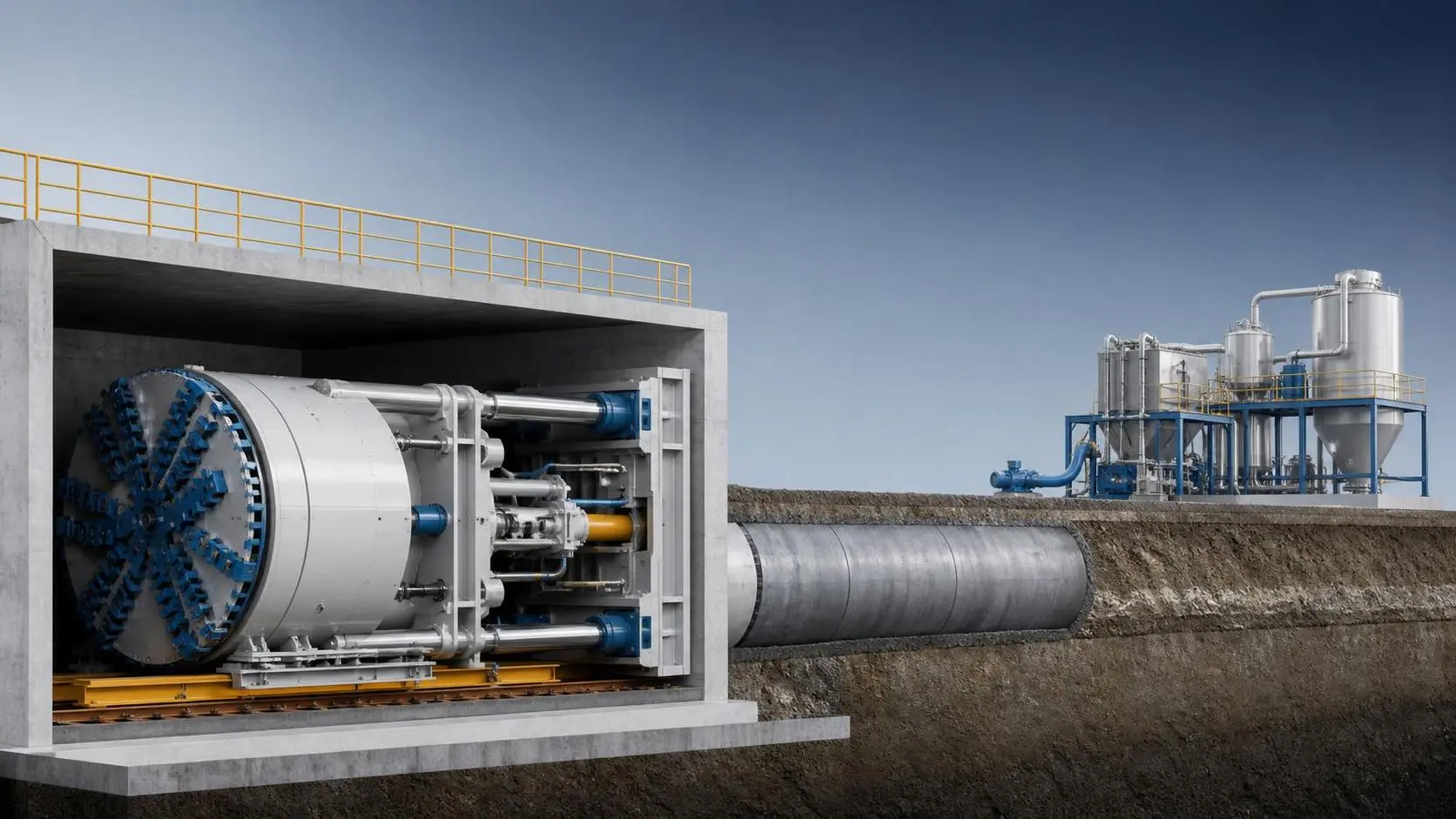
How to Evaluate Pipe Jacking Equipment for Municipal Sewer and Utility Projects
Pipe jacking equipment for municipal projects: learn how to compare machine type, steering, spoil handling, safety, and lifecycle cost for reliable sewer and utility installation.
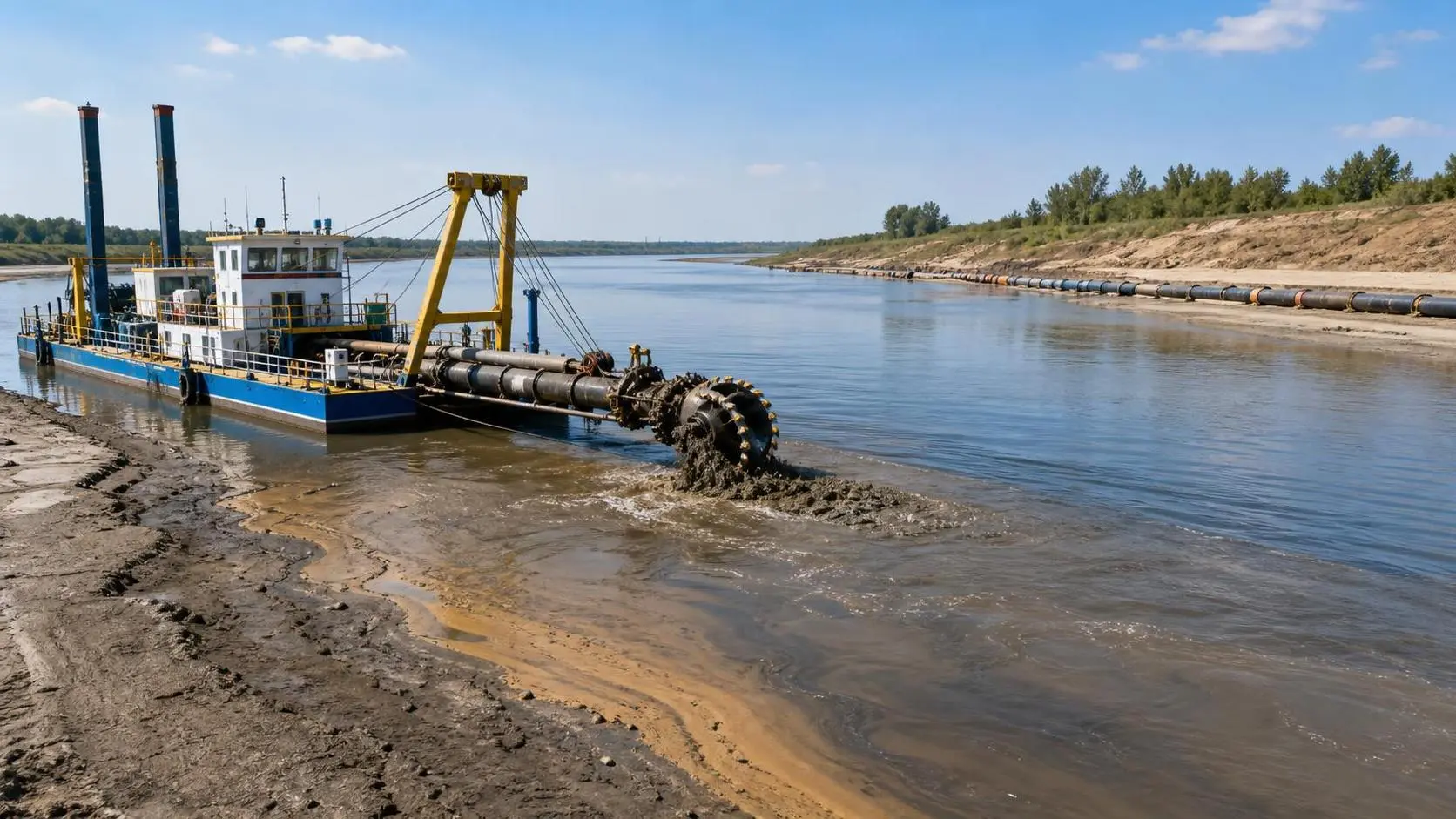
How YLCSD300 Cutter Suction Dredger Parameters Affect River Dredging Output
YLCSD300 cutter suction dredger output depends on cutter, pump, pipe, depth, and hull balance. Learn how river conditions shape real dredging performance before you buy.

What Should a Mine Decarbonization Roadmap Include to Cut Emissions Without Hurting Output?
Mine decarbonization roadmap essentials: learn how to cut mining emissions with phased electrification, ventilation planning, and infrastructure readiness—without sacrificing output.

How to Evaluate Underground Mine Automation Companies for Safety and ROI
Underground mine automation companies vary widely in safety, interoperability, and ROI. Learn how to compare vendors, reduce deployment risk, and choose a scalable solution.
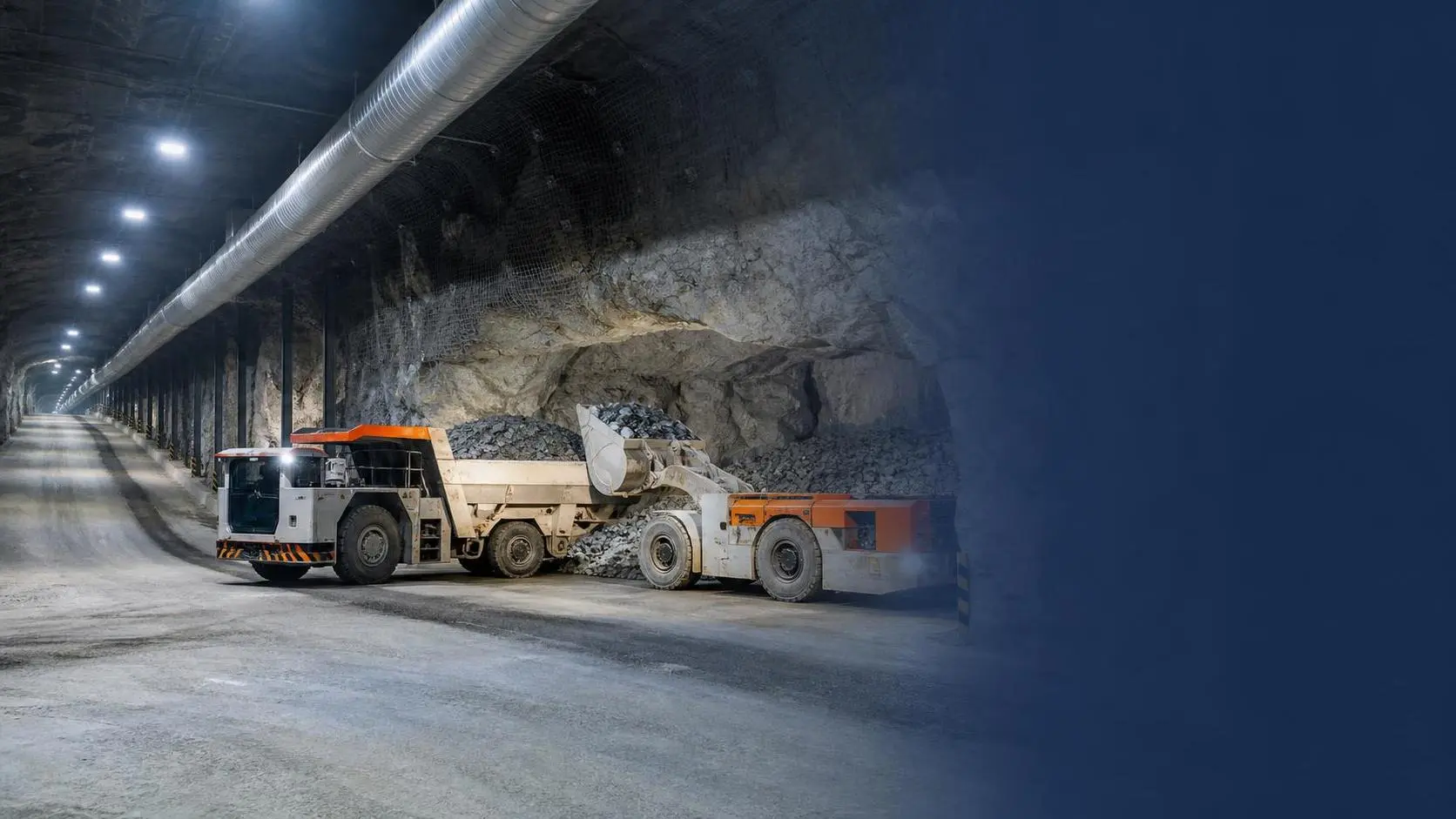
How to Evaluate Underground Haulage Systems for Ore Output, Ramp Grade, and Ventilation Limits
Underground haulage systems should be evaluated by ore output, ramp grade, and ventilation limits—not brochures. Learn how to compare trucks, LHDs, and electric options for smarter mine planning.

How to Evaluate a Pipe Jacking Equipment Distributor for Project Support and Uptime
Pipe jacking equipment distributor evaluation made practical: learn how to assess parts support, service response, training, and technical readiness to reduce downtime and protect project uptime.

How to Build a Mining Decarbonization Strategy That Balances Emissions, Cost, and Fleet Reality
Mining decarbonization strategy starts with fleet reality. Learn how to cut emissions, control cost, and align power, ventilation, and production for a practical mine transition.
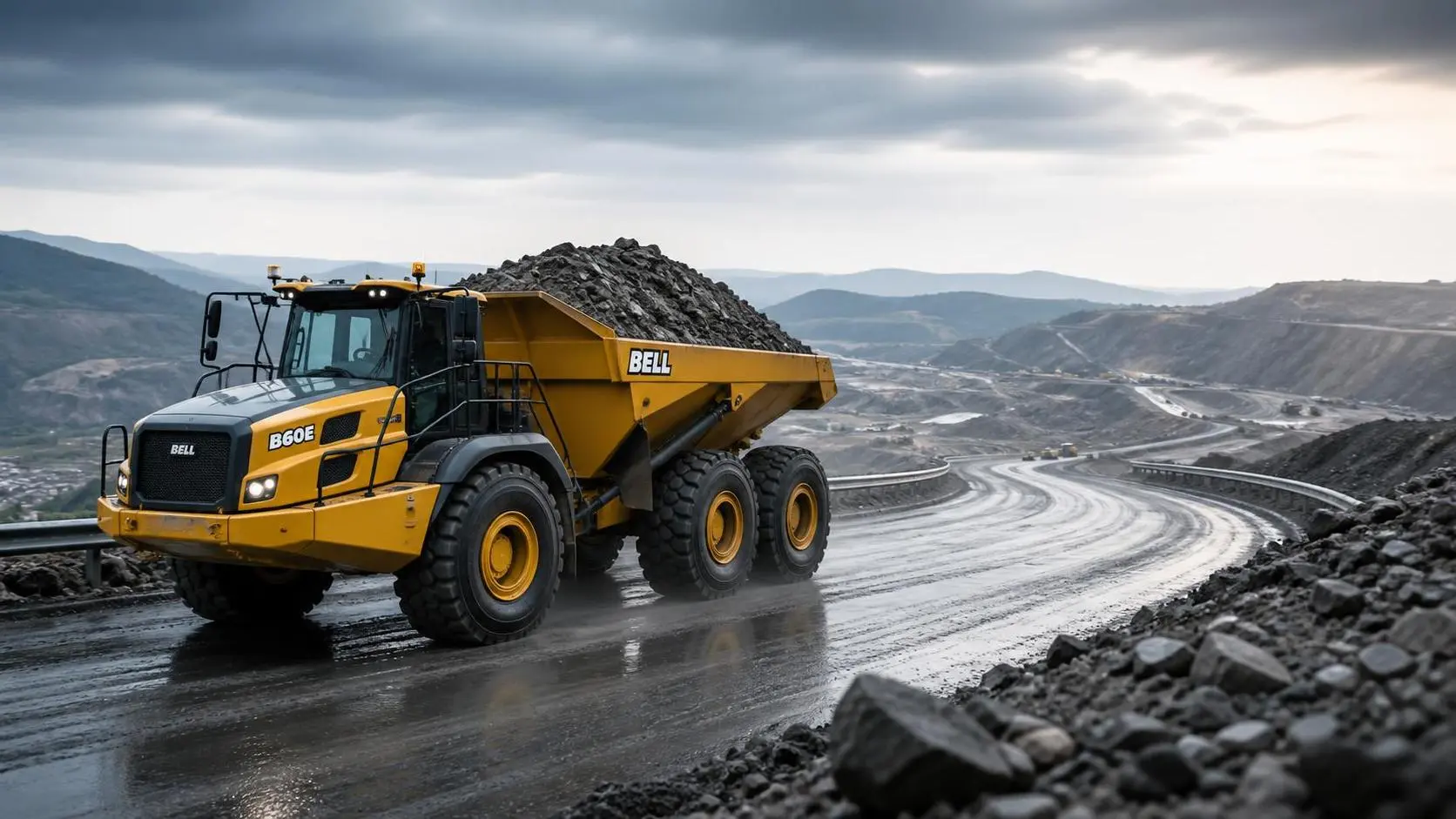
How to Evaluate Articulated Dump Trucks Payload for Haul Road Conditions and Cycle Efficiency
Articulated Dump Trucks payload evaluation starts with real haul road conditions, not brochure numbers. Learn how to balance payload, traction, grades, and cycle efficiency for safer, higher output.
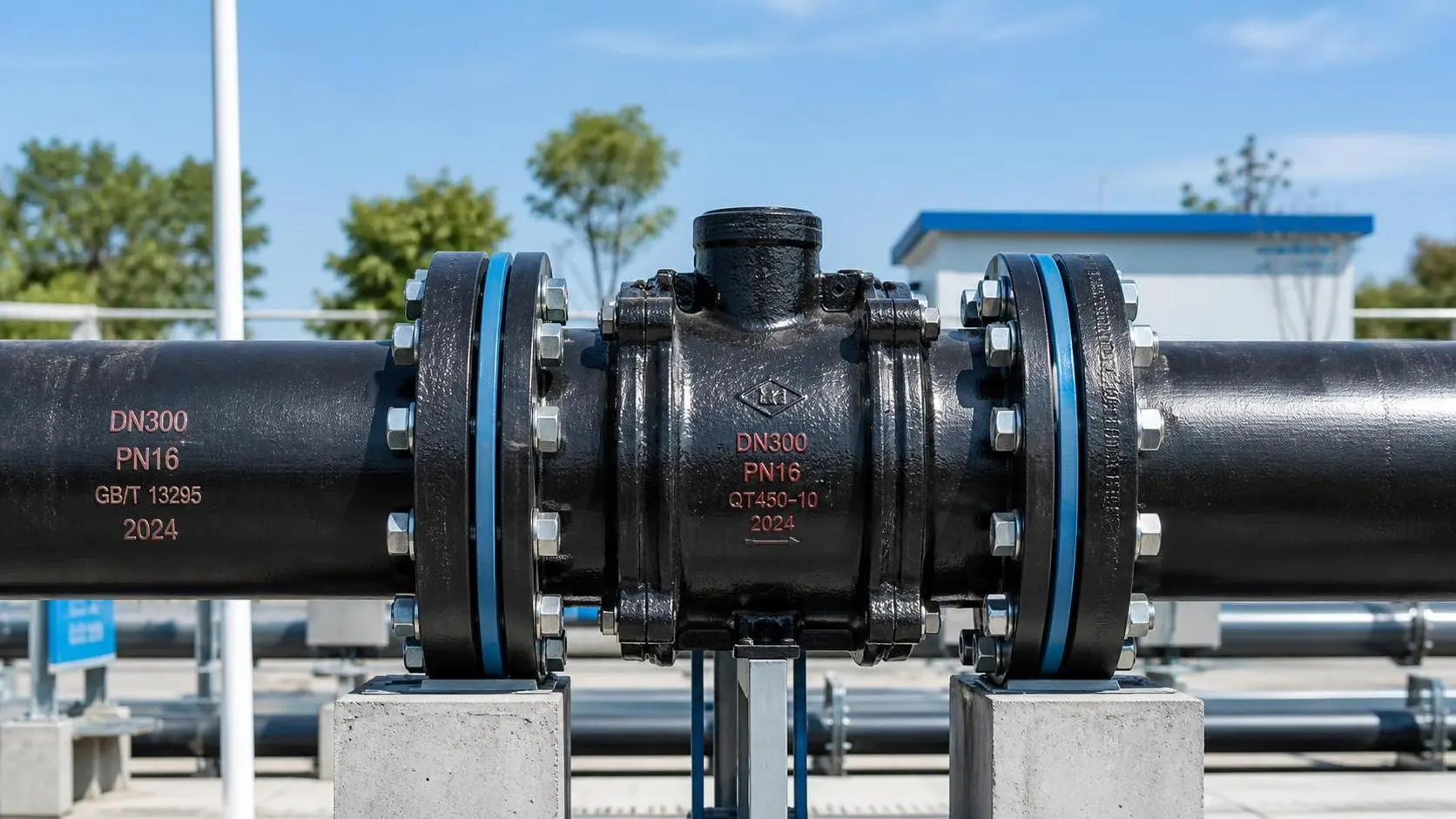
How Pipe Fittings Material and Pressure Class Affect Water Line Selection
Pipe fittings selection starts with material and pressure class. Learn how these factors affect water line reliability, corrosion resistance, installation, and long-term cost.
Related News
- 00
0000-00
How to Evaluate Pipe Jacking Equipment for Municipal Sewer and Utility Projects - 00
0000-00
How YLCSD300 Cutter Suction Dredger Parameters Affect River Dredging Output - 00
0000-00
What Should a Mine Decarbonization Roadmap Include to Cut Emissions Without Hurting Output? - 00
0000-00
How to Evaluate Underground Mine Automation Companies for Safety and ROI - 00
0000-00
How to Evaluate Underground Haulage Systems for Ore Output, Ramp Grade, and Ventilation Limits
Weekly Insights
Stay ahead with our curated technology reports delivered every Monday.