
Australia Tightens Battery LHD Entry Rules





On July 10, 2026, Australia’s Department of Mines, Industry Regulation and Safety (DMIRS) updated its 2026 underground equipment entry whitelist, introducing a stricter access condition for newly imported Battery LHDs. The change is worth close attention from equipment manufacturers, importers, mining project procurement teams, compliance service providers, and after-sales operators because it shifts the market focus from broad certification recognition to model-specific battery safety verification, documentation readiness, and local-use compliance.
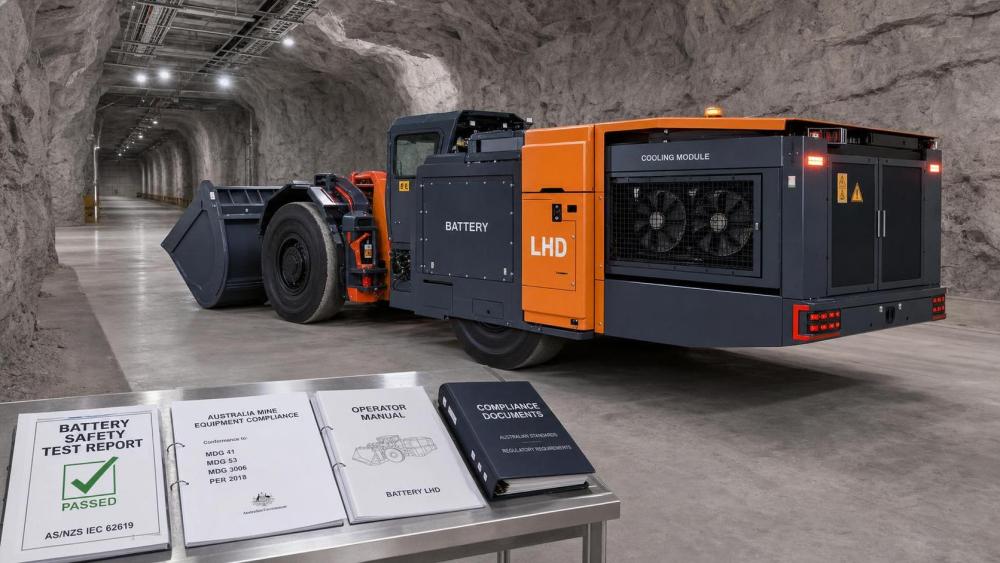
What DMIRS Changed in the Updated Whitelist
According to the information provided, DMIRS revised the 2026 underground mining equipment entry whitelist on July 10, 2026. From that date, all newly imported Battery LHDs must comply with the UL 2580:2026 lithium battery safety standard. The updated requirement also calls for a third-party test report and an operating manual in the local language.
The update also changes the treatment of equipment that had already obtained AS/NZS 62619 certification. That certification no longer grants automatic exemption for entry purposes. Instead, the relevant equipment must undergo supplementary testing for key thermal management modules.
Where the Immediate Pressure May Appear
Imported equipment transactions may face a tighter document threshold
From an industry perspective, companies directly involved in importing Battery LHDs are likely to feel the first impact because the updated whitelist links market access to a specific standard, third-party testing evidence, and local-language documentation. The practical effect may appear in pre-shipment review, customs preparation, contract documentation, and acceptance planning.
Manufacturers may need to revisit certification assumptions
Analysis shows that OEMs and battery-integrated equipment manufacturers may need to reassess whether existing compliance files are still sufficient for the Australian market. The removal of automatic exemption for equipment already certified under AS/NZS 62619 suggests that prior certification status alone may no longer support market entry for newly imported units if key thermal management modules have not been additionally tested.
Mining buyers may need to adjust procurement screening
Procurement teams at underground mining operations may also be affected because equipment eligibility now depends on a more specific compliance package. What deserves closer attention is whether supplier quotations, technical files, testing reports, and operating manuals are aligned with the new whitelist condition before order confirmation or delivery scheduling.
Compliance and service providers may see more verification work
For testing, certification, technical translation, and local support providers, the update may create additional review steps around battery safety documentation and operating materials. The pressure point is likely to be timing: whether supporting documents are complete early enough to avoid disruption in equipment entry and deployment.
What Companies Should Watch Now
Check whether current product files match UL 2580:2026
Companies handling Battery LHD imports into Australia should first confirm whether each affected model already has compliance evidence aligned with UL 2580:2026, rather than relying on earlier certification assumptions. This is especially relevant where market access decisions were previously built around AS/NZS 62619 alone.
Review the availability of third-party test reports
The updated whitelist explicitly requires third-party testing documentation. In practical terms, businesses should verify whether the report scope clearly covers the battery-related safety points required for the newly imported equipment, and whether those materials are ready for submission within the expected delivery timeline.
Do not treat existing AS/NZS 62619 status as a full pass-through
Observably, one of the most important operational changes is that previously certified equipment is no longer automatically exempt. Companies should identify which models may now require supplementary testing of key thermal management modules and factor that into lead time, customer communication, and shipment planning.
Prepare local-language operating materials early
The requirement for a local-language operating manual means documentation work is now part of access readiness, not just a post-delivery formality. Businesses should pay attention to version control, consistency with the tested configuration, and whether manuals are prepared early enough to support delivery and acceptance.
Why This Reads as More Than a Simple Filing Update
Analysis shows this is not just an administrative refresh of a whitelist entry. The wording provided points to a more detailed compliance expectation around battery safety, documentation, and thermal management verification for underground equipment entering Australia. It is more appropriate to understand this as a concrete near-term compliance change with broader implications for how Battery LHD market access is reviewed.
At the same time, it would be premature to extend that conclusion beyond the confirmed facts provided here. The current signal is clear for newly imported Battery LHDs, but further observation is still needed on how consistently the requirement will shape supplier qualification, testing workflows, and procurement behavior in practice.
How the Update Is Best Understood at This Stage
At this stage, the DMIRS update is best understood as an immediate rule change for newly imported Battery LHDs and a broader signal that prior certification pathways may no longer be sufficient on their own. The most relevant industry takeaway is not a forecast about market outcomes, but the need for closer alignment between battery safety testing, thermal management verification, and market-entry documentation.
For companies active in this segment, the key issue is execution rather than interpretation: whether product compliance files, third-party reports, and local-language manuals are complete and usable under the updated whitelist condition. That makes this a practical compliance development first, and a longer-term industry signal second.
Basis of This Article and What Still Needs Verification
This article is based on the user-provided news title, event date, and event summary concerning the DMIRS update issued on July 10, 2026. It has been written as an industry news analysis piece using only the confirmed information supplied in the input.
For this type of development, commonly relevant source categories may include official regulatory notices, company statements, industry association updates, authoritative media coverage, and standards organization documents. A specific official source link was not provided in the input, so the exact publication record still needs to be verified on an ongoing basis. Continued attention should be given to any subsequent DMIRS clarification, implementation wording, and further detail on supplementary testing expectations for key thermal management modules.
Related News
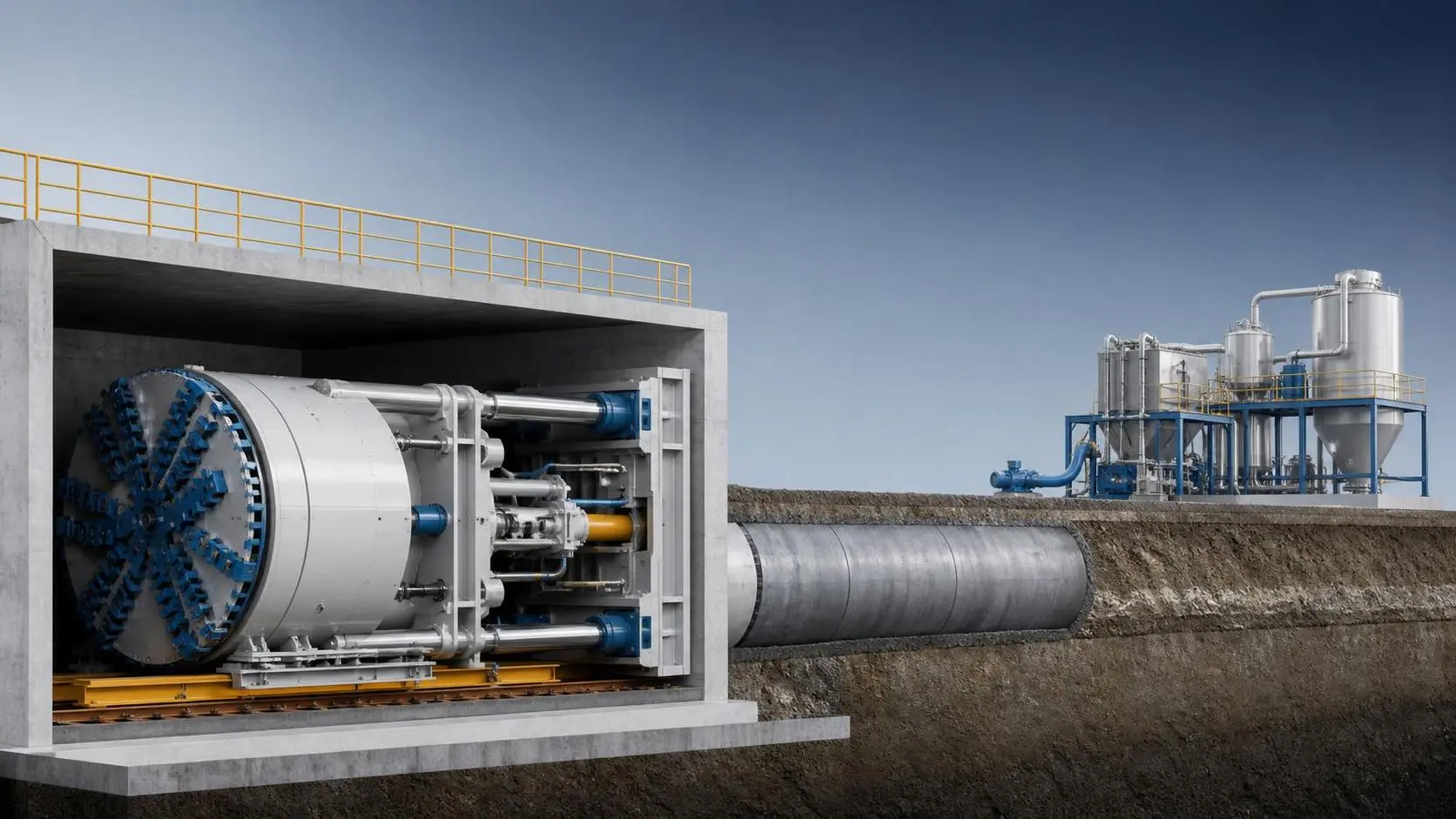
How to Evaluate Pipe Jacking Equipment for Municipal Sewer and Utility Projects
Pipe jacking equipment for municipal projects: learn how to compare machine type, steering, spoil handling, safety, and lifecycle cost for reliable sewer and utility installation.
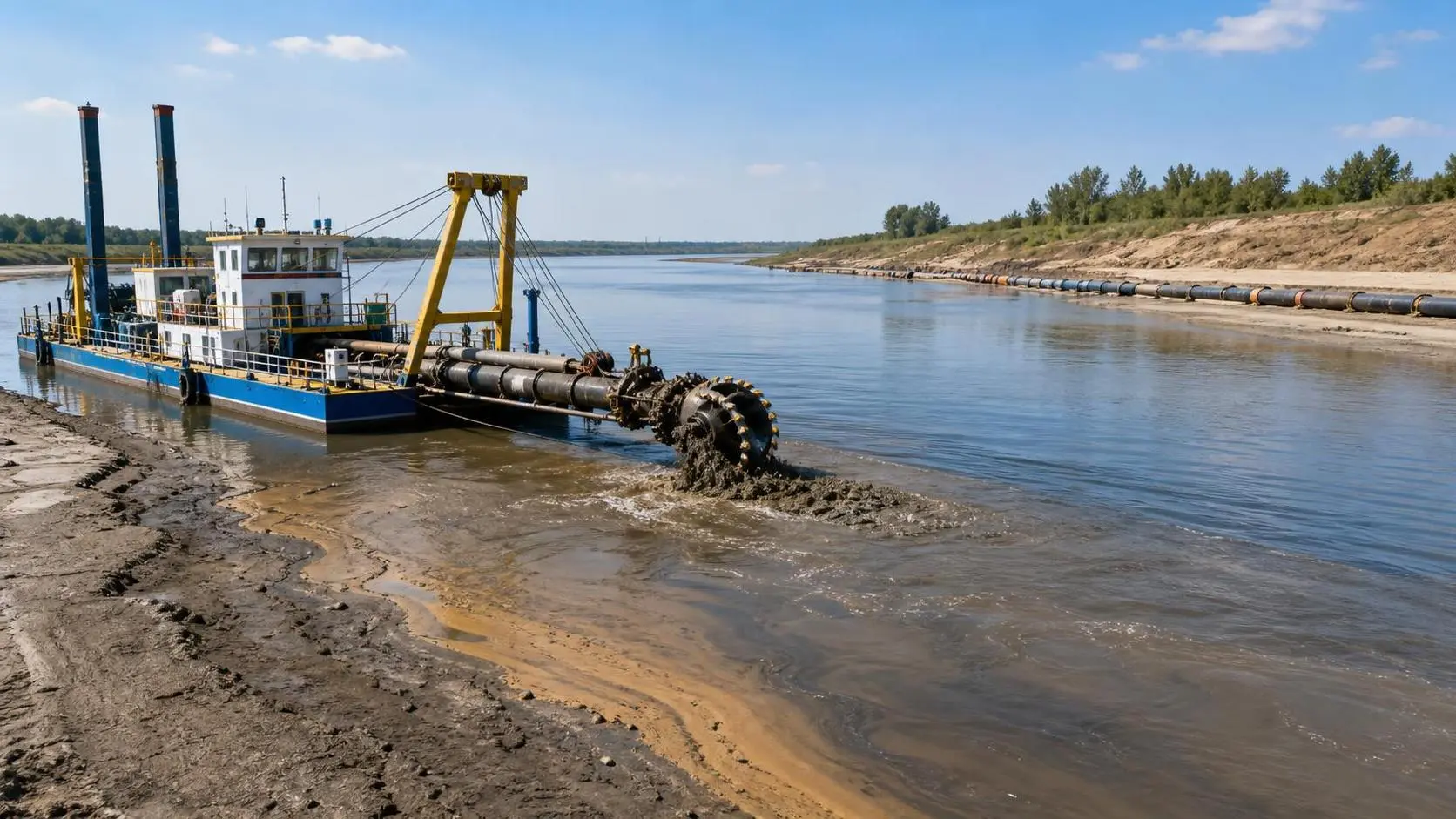
How YLCSD300 Cutter Suction Dredger Parameters Affect River Dredging Output
YLCSD300 cutter suction dredger output depends on cutter, pump, pipe, depth, and hull balance. Learn how river conditions shape real dredging performance before you buy.
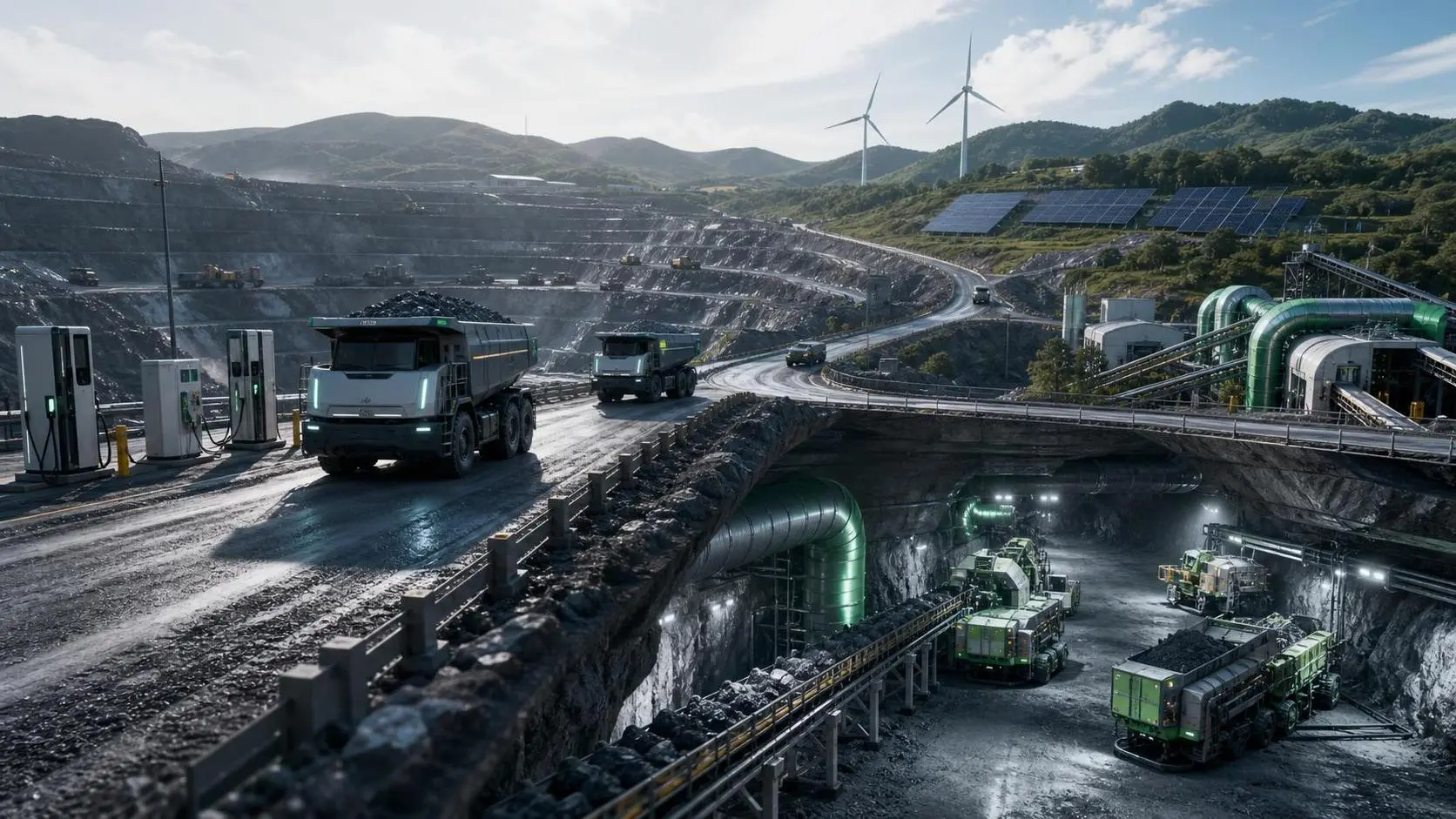
What Should a Mine Decarbonization Roadmap Include to Cut Emissions Without Hurting Output?
Mine decarbonization roadmap essentials: learn how to cut mining emissions with phased electrification, ventilation planning, and infrastructure readiness—without sacrificing output.
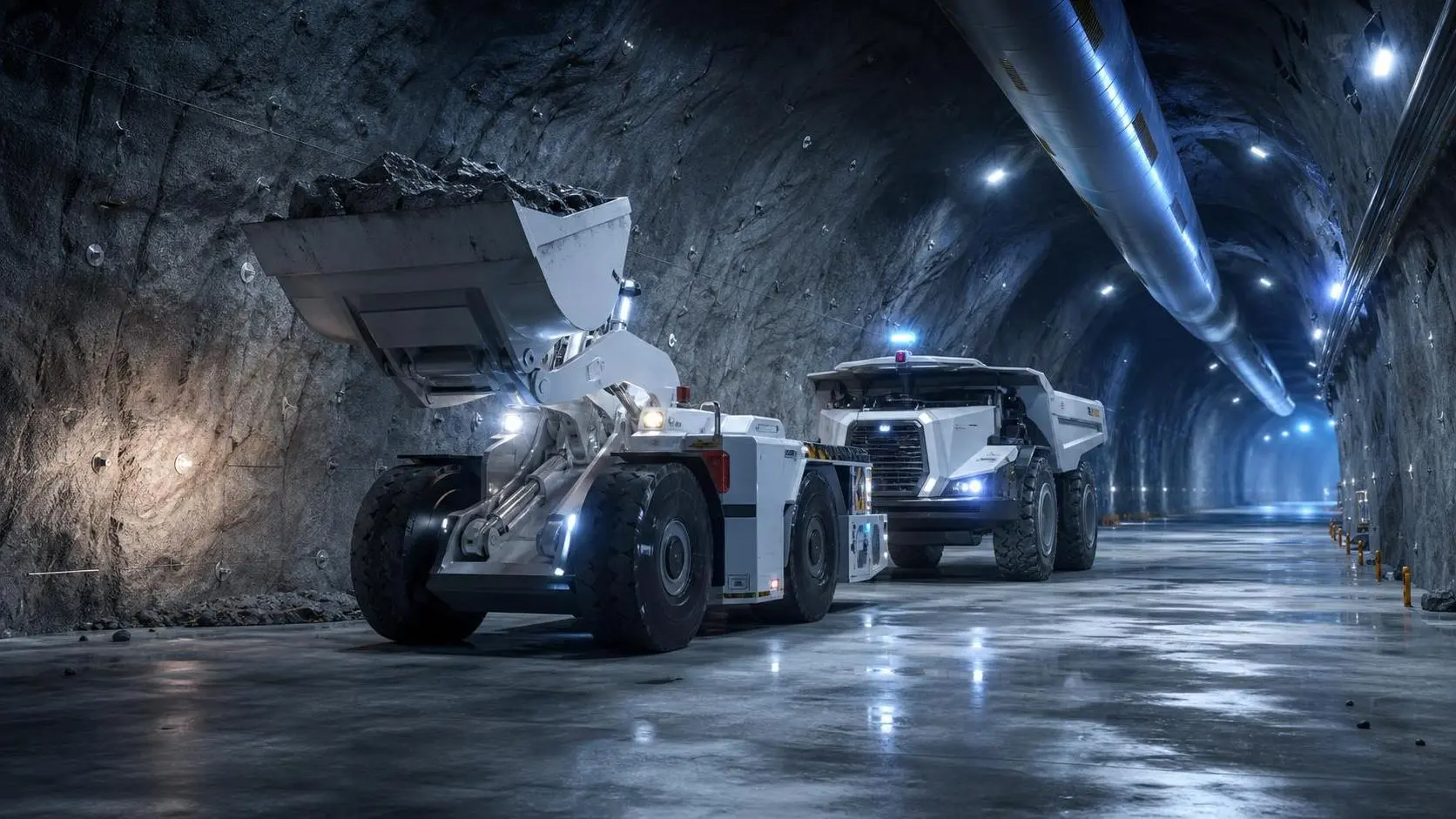
How to Evaluate Underground Mine Automation Companies for Safety and ROI
Underground mine automation companies vary widely in safety, interoperability, and ROI. Learn how to compare vendors, reduce deployment risk, and choose a scalable solution.
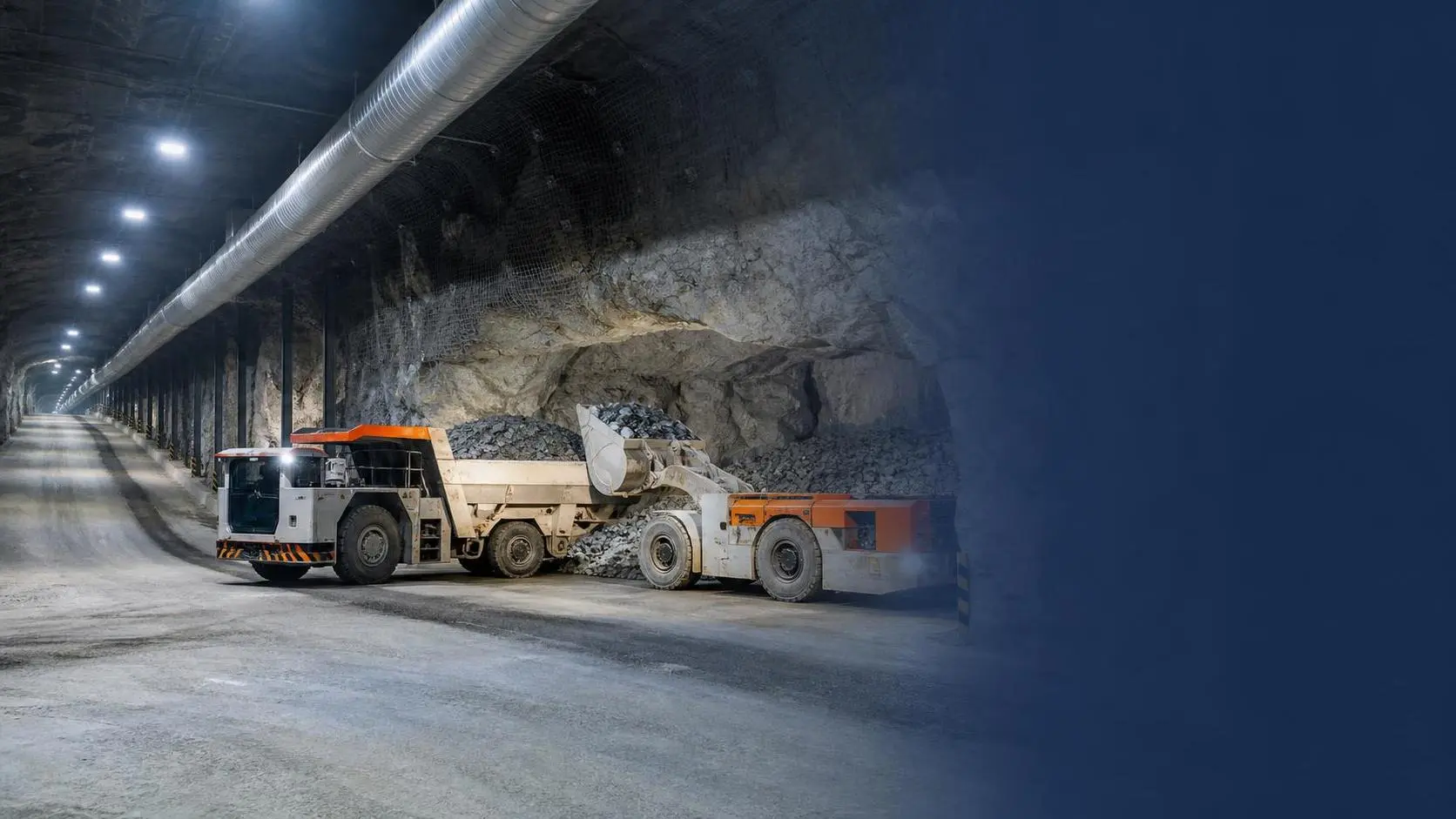
How to Evaluate Underground Haulage Systems for Ore Output, Ramp Grade, and Ventilation Limits
Underground haulage systems should be evaluated by ore output, ramp grade, and ventilation limits—not brochures. Learn how to compare trucks, LHDs, and electric options for smarter mine planning.
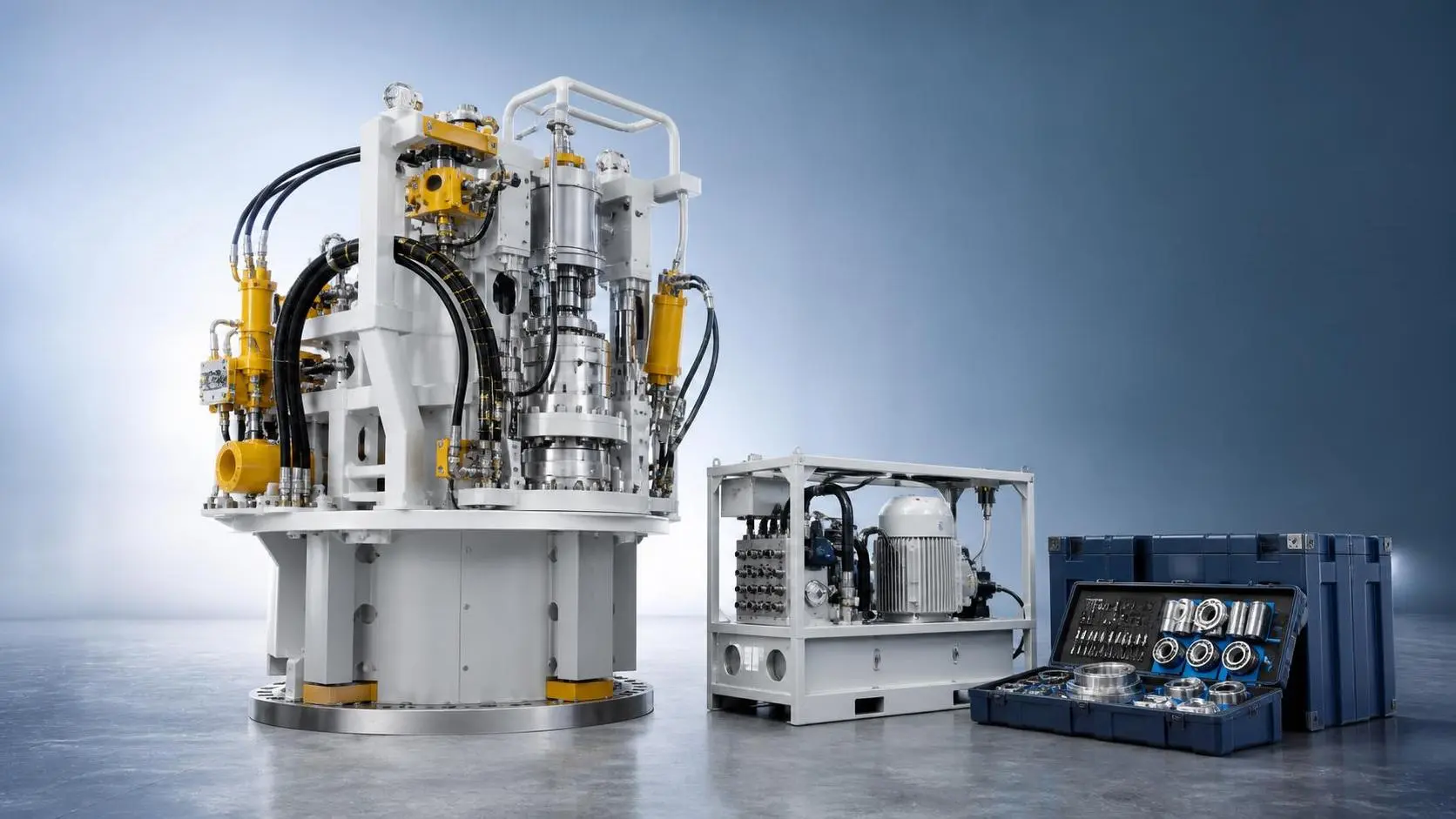
How to Evaluate a Pipe Jacking Equipment Distributor for Project Support and Uptime
Pipe jacking equipment distributor evaluation made practical: learn how to assess parts support, service response, training, and technical readiness to reduce downtime and protect project uptime.
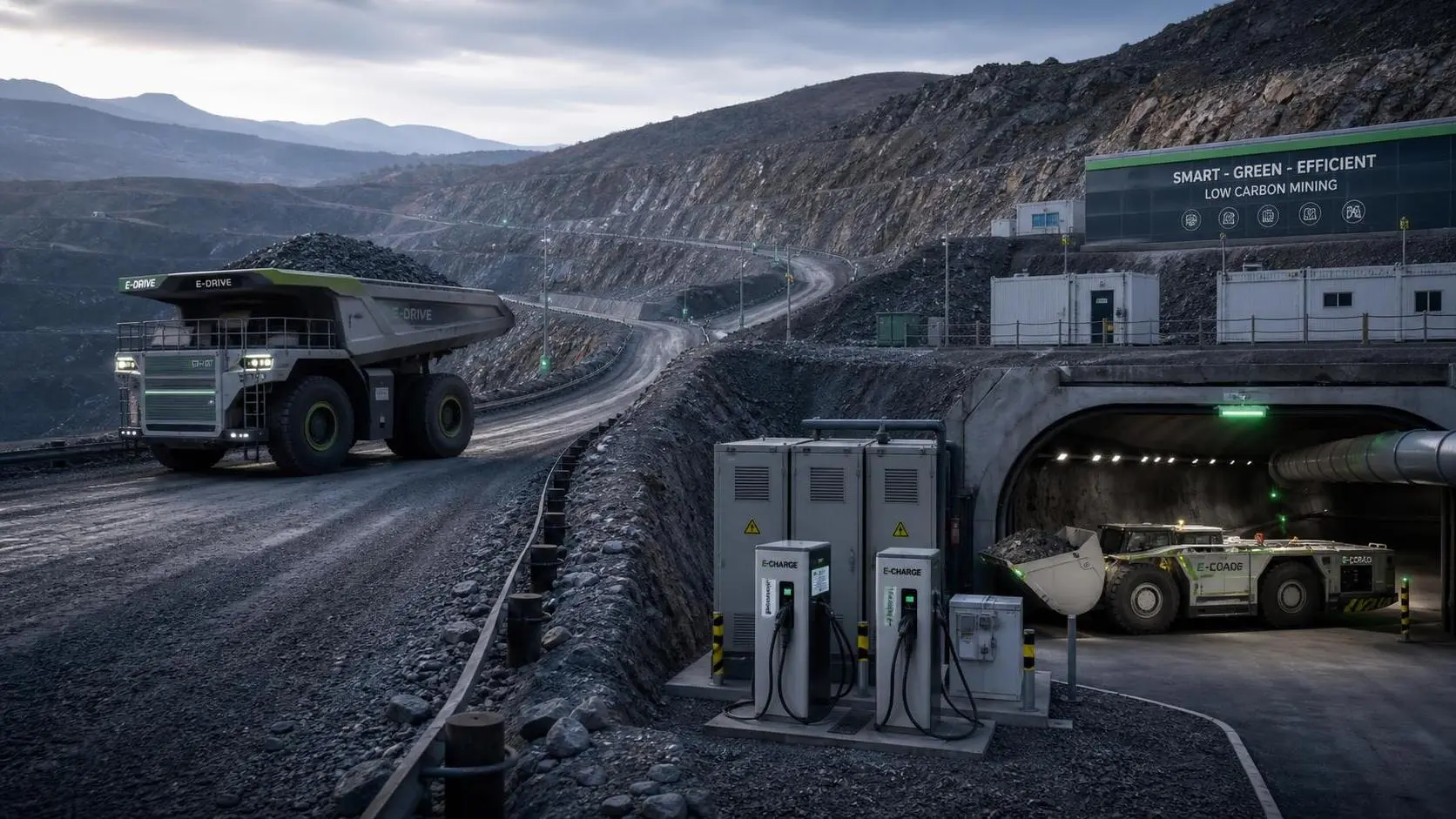
How to Build a Mining Decarbonization Strategy That Balances Emissions, Cost, and Fleet Reality
Mining decarbonization strategy starts with fleet reality. Learn how to cut emissions, control cost, and align power, ventilation, and production for a practical mine transition.
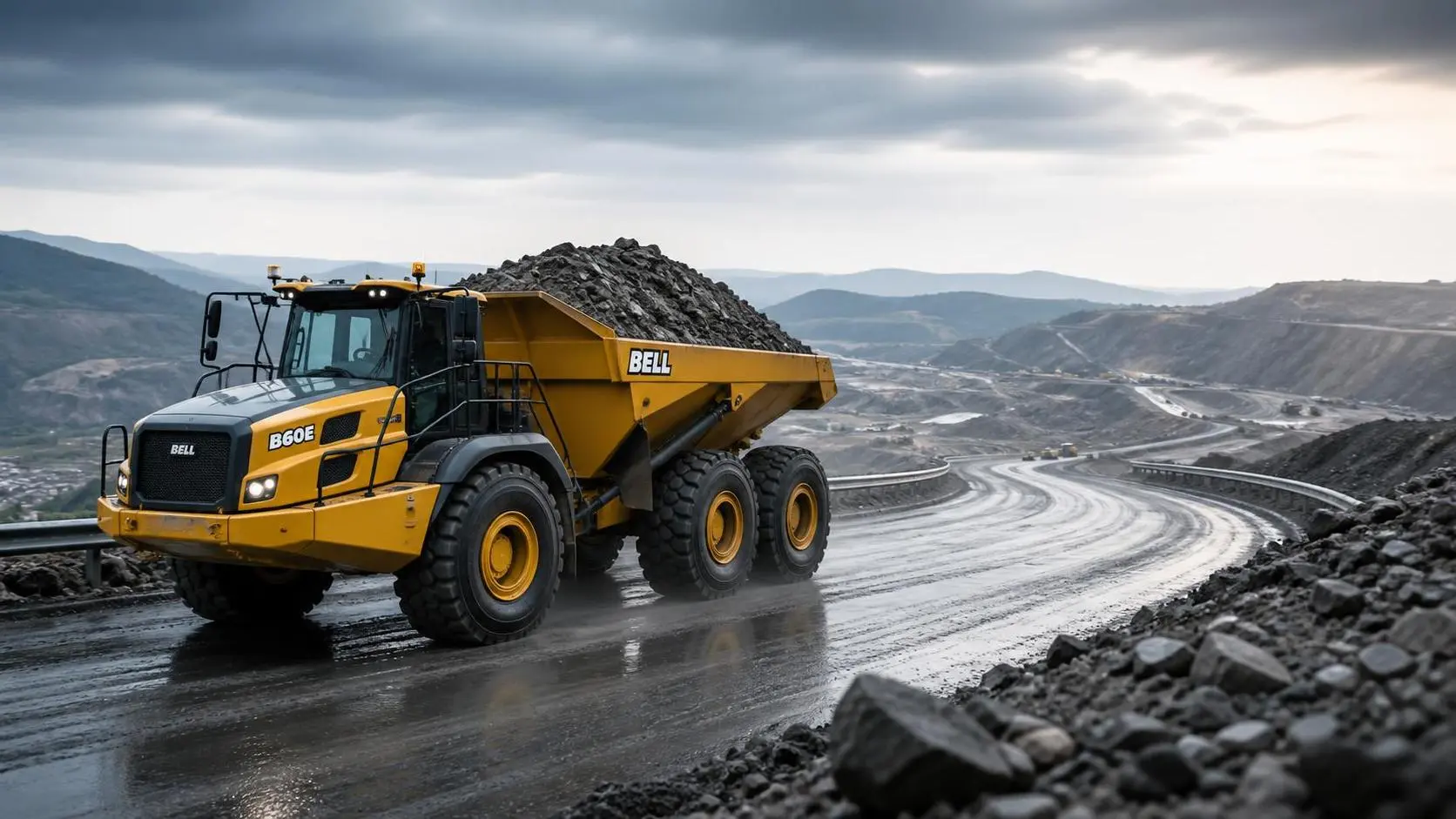
How to Evaluate Articulated Dump Trucks Payload for Haul Road Conditions and Cycle Efficiency
Articulated Dump Trucks payload evaluation starts with real haul road conditions, not brochure numbers. Learn how to balance payload, traction, grades, and cycle efficiency for safer, higher output.
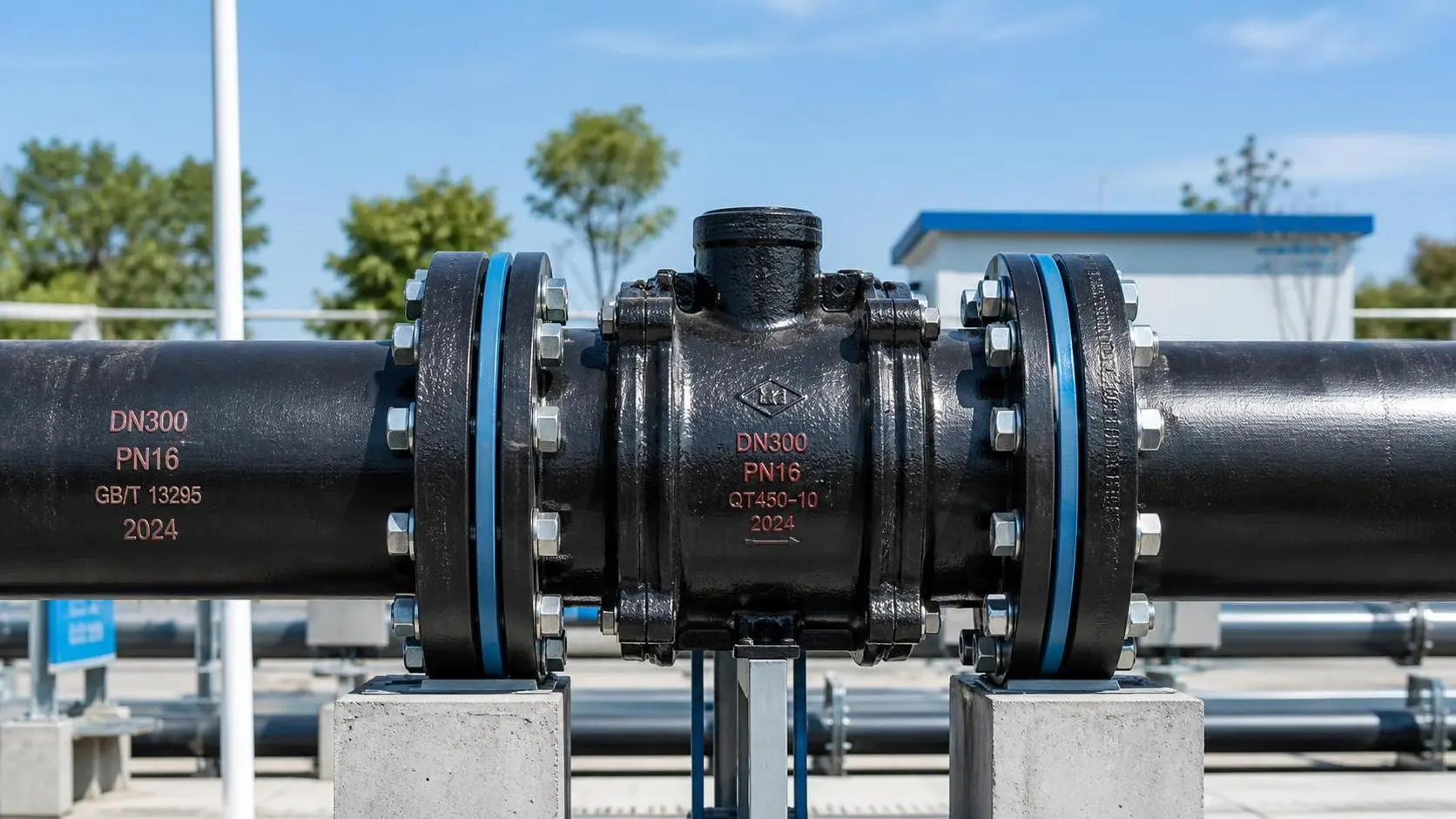
How Pipe Fittings Material and Pressure Class Affect Water Line Selection
Pipe fittings selection starts with material and pressure class. Learn how these factors affect water line reliability, corrosion resistance, installation, and long-term cost.
Related News
- 00
0000-00
How to Evaluate Pipe Jacking Equipment for Municipal Sewer and Utility Projects - 00
0000-00
How YLCSD300 Cutter Suction Dredger Parameters Affect River Dredging Output - 00
0000-00
What Should a Mine Decarbonization Roadmap Include to Cut Emissions Without Hurting Output? - 00
0000-00
How to Evaluate Underground Mine Automation Companies for Safety and ROI - 00
0000-00
How to Evaluate Underground Haulage Systems for Ore Output, Ramp Grade, and Ventilation Limits
Weekly Insights
Stay ahead with our curated technology reports delivered every Monday.