
Canada Enforces CSA C22.2 No. 318-26 for EV Mining Trucks





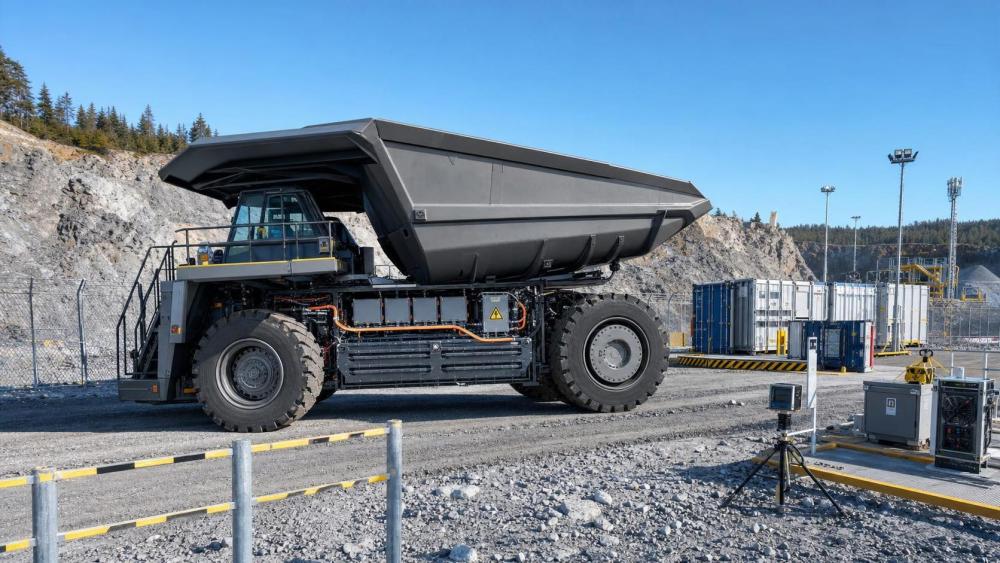
On July 10, 2026, Canada formally put CSA C22.2 No. 318-26 into effect, making battery thermal runaway certification a gatekeeping requirement for electric mining transport vehicles sold in Canada or imported into the market, including EV and hydrogen mining trucks. For exporters, battery system suppliers, customs-facing teams, and mining equipment buyers, the change is worth close attention because certification now sits directly in the path of market access and delivery timing rather than remaining a technical matter handled later in the process.
What the new Canadian requirement confirms
The confirmed change is that the Canadian Standards Association (CSA) implemented CSA C22.2 No. 318-26 on July 10, 2026. Under the rule, power battery systems used in electric mining transport vehicles, including EV and hydrogen mining trucks, must pass dual verification for thermal runaway propagation blocking and remote monitoring.
The requirement applies to both imported units and vehicles sold within Canada. The certification has also become a pre-clearance condition for customs. Equipment without the required certification will be refused by Canadian customs.
Where the immediate pressure is likely to appear
Export-facing vehicle manufacturers
From an industry perspective, manufacturers shipping EV mining trucks into Canada are likely to feel the impact first because certification is now tied directly to customs acceptance. The main pressure points are likely to be product compliance review, export documentation readiness, and shipment scheduling. What deserves closer attention is whether battery system validation is aligned with the Canadian requirement before vehicles enter the delivery pipeline.
Battery system and component coordination
Analysis shows the rule is not only about the finished vehicle. Because the requirement centers on the traction battery system's ability to block thermal runaway propagation and support remote monitoring, suppliers involved in battery system integration may face closer scrutiny in technical coordination, supporting documents, and compliance communication with vehicle makers.
Customs, logistics, and delivery management
Supply chain service providers and teams handling cross-border execution may also be affected because the certification is described as a customs precondition. In practical terms, the areas to watch are document completeness, shipment release timing, and the risk of delivery disruption if certification status is unclear before export.
Buyers and project-side procurement teams
For purchasers of mining transport equipment in Canada, the issue is likely to extend beyond product selection into contract timing and acceptance planning. Observably, buyers may need to pay closer attention to whether suppliers can present compliant certification status early enough to avoid delays tied to customs rejection.
What companies should monitor now
Track whether official wording develops further
What deserves closer attention is whether additional official clarification appears around implementation details, document handling, or interpretation of the dual verification requirement. The rule is already in force, but businesses still need to distinguish between the confirmed core requirement and any later procedural guidance.
Review affected product lines and order pipelines
Companies with EV or hydrogen mining truck business linked to Canada should focus on which product lines, pending shipments, and customer commitments fall within the rule's scope. The practical issue is not abstract policy exposure, but whether current and near-term deliveries depend on battery systems that can already support the required certification path.
Recheck compliance documents before shipment
Analysis shows document readiness may become a commercial issue as much as a technical one. Exporters and service teams should pay close attention to certification-related files, supplier qualification records, and any paperwork that may be needed before customs handling, especially where delivery schedules leave little room for rework.
Prepare for customer communication on lead times
The rule directly affects compliance pathways and delivery cycles for Chinese EV mining truck exporters. That makes customer communication a key operational task. Businesses may need to update buyers on certification status, possible scheduling implications, and contingency arrangements where shipment timing depends on compliance completion.
Why this reads as more than a technical update
Analysis shows this development is best understood as a market-access control point rather than a routine standards update. The fact that certification is linked to customs clearance means the commercial consequence is immediate for companies serving Canada.
At the same time, it is more appropriate to understand this as both a short-term operational change and a longer-term regulatory signal. The short-term change is clear: uncertified equipment faces refusal at the border. The longer-term signal is that battery safety verification and remote monitoring are being treated as front-end conditions for market entry in this segment. Even so, continued observation is still necessary because the input provided does not include further official interpretive detail beyond the rule's implementation and scope.
How the market may need to frame this development
The most balanced reading is that Canada has moved a specific battery safety requirement into the core trade and delivery process for electric mining transport vehicles. For affected companies, the significance lies less in headline value and more in execution: compliance timing, documentation readiness, supplier coordination, and customer commitments now sit closer together.
Current industry discussion should therefore treat this as an active compliance development with immediate operational consequences, while still leaving room to verify any later procedural updates. It is more appropriate to understand the news as a confirmed rule change with direct business effects, not as a complete picture of all future implementation details.
Basis of this article
This article is based on the user-provided news title, event date, and event summary concerning Canada's implementation of CSA C22.2 No. 318-26 on July 10, 2026. For this type of industry update, commonly relevant source categories may include official notices, company disclosures, industry association information, authoritative media reporting, and standards organization documents.
No specific official source link was provided in the input, so the underlying source text still requires ongoing verification against any formal CSA publication or related official announcement. Follow-up attention should remain on any later clarification affecting certification interpretation, customs handling, and delivery-cycle execution.
Related News
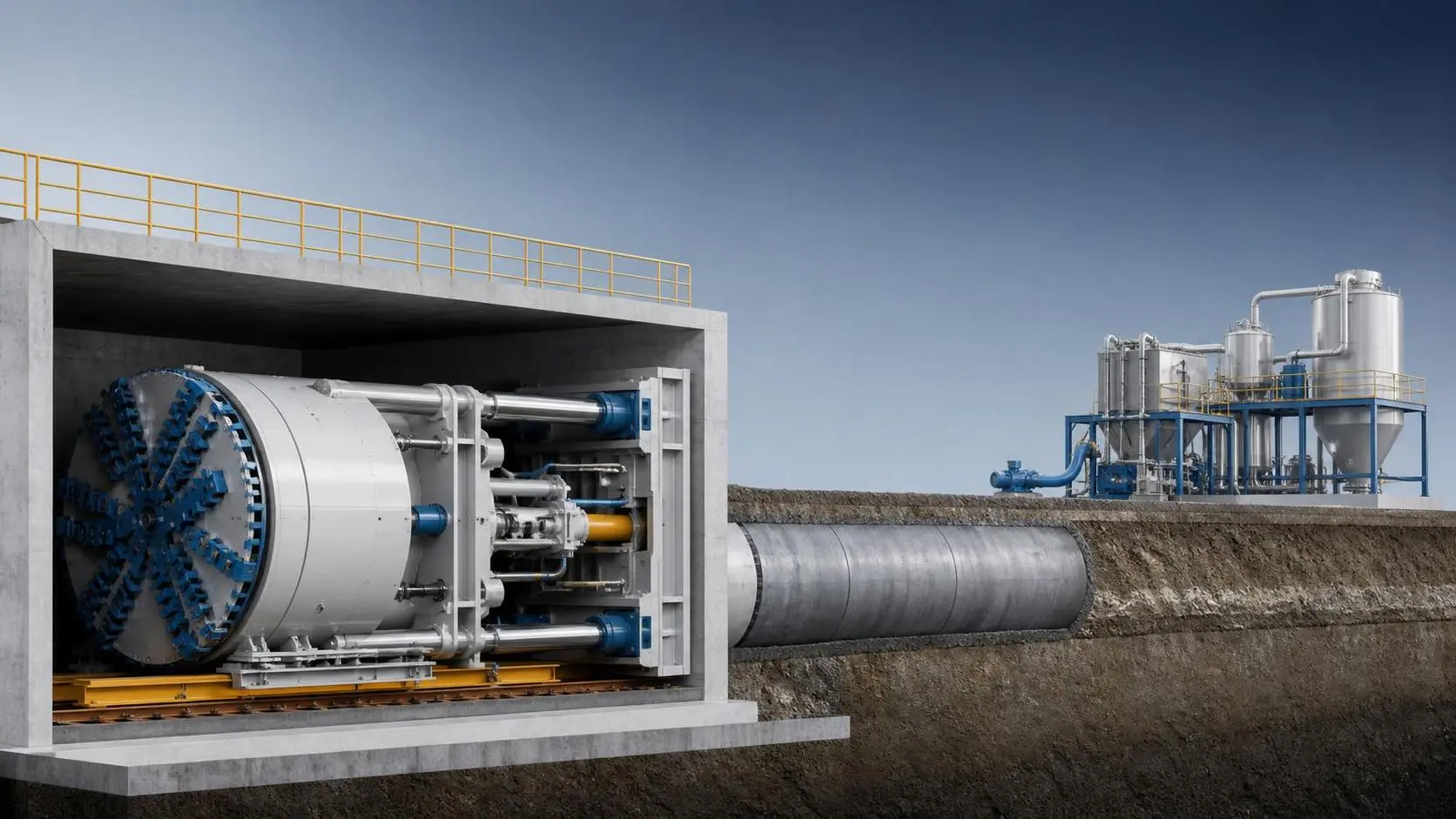
How to Evaluate Pipe Jacking Equipment for Municipal Sewer and Utility Projects
Pipe jacking equipment for municipal projects: learn how to compare machine type, steering, spoil handling, safety, and lifecycle cost for reliable sewer and utility installation.
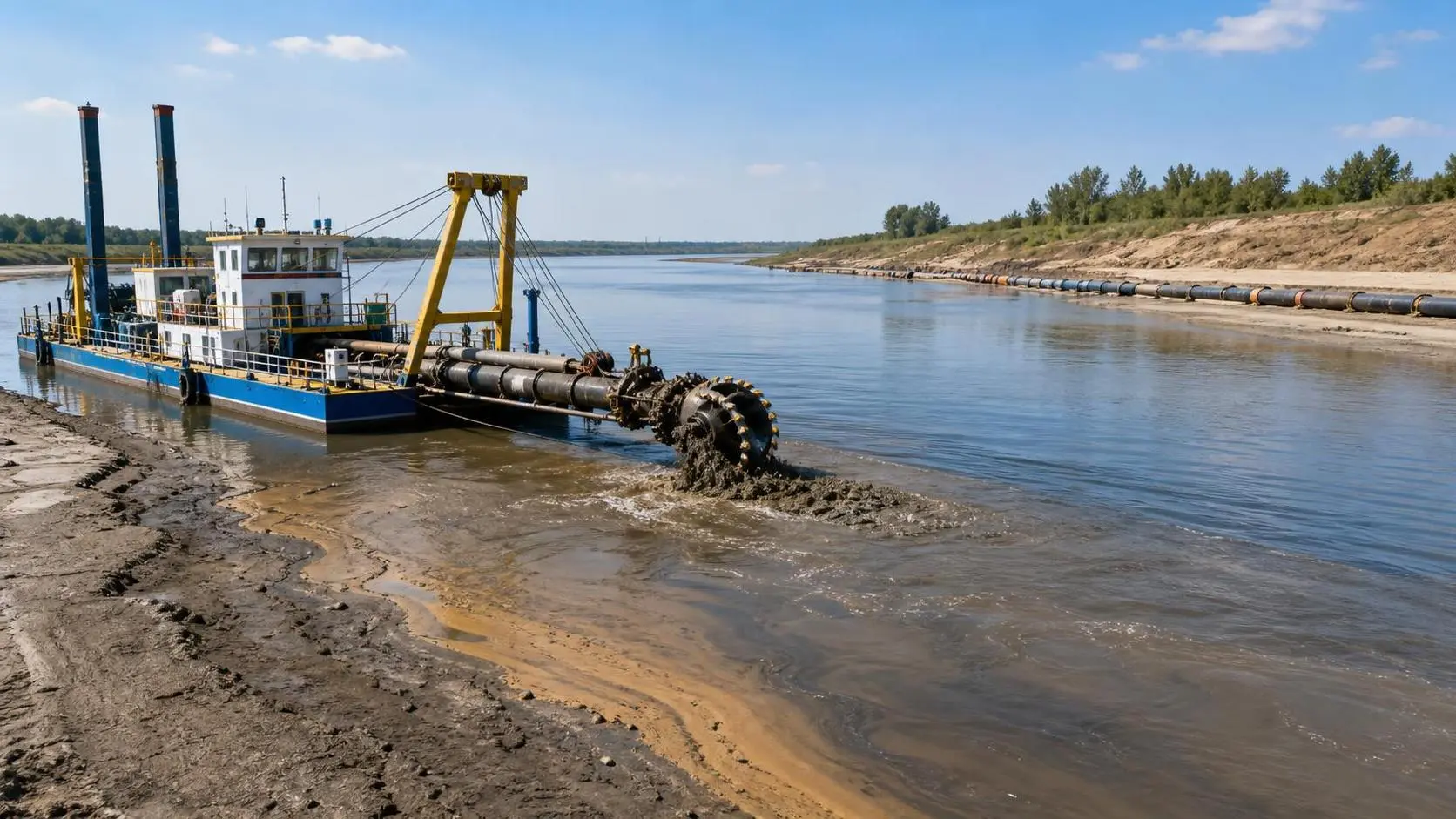
How YLCSD300 Cutter Suction Dredger Parameters Affect River Dredging Output
YLCSD300 cutter suction dredger output depends on cutter, pump, pipe, depth, and hull balance. Learn how river conditions shape real dredging performance before you buy.
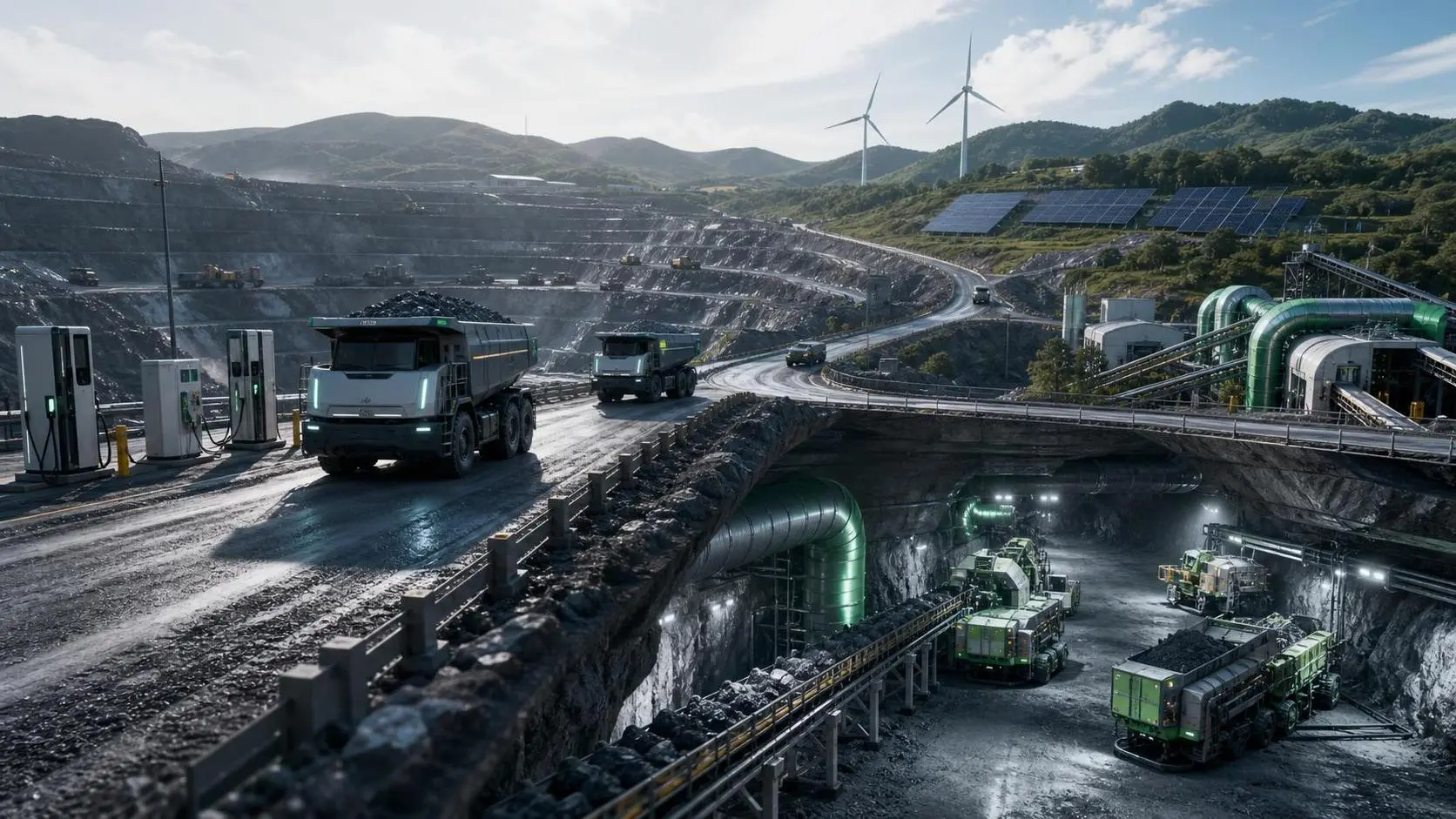
What Should a Mine Decarbonization Roadmap Include to Cut Emissions Without Hurting Output?
Mine decarbonization roadmap essentials: learn how to cut mining emissions with phased electrification, ventilation planning, and infrastructure readiness—without sacrificing output.
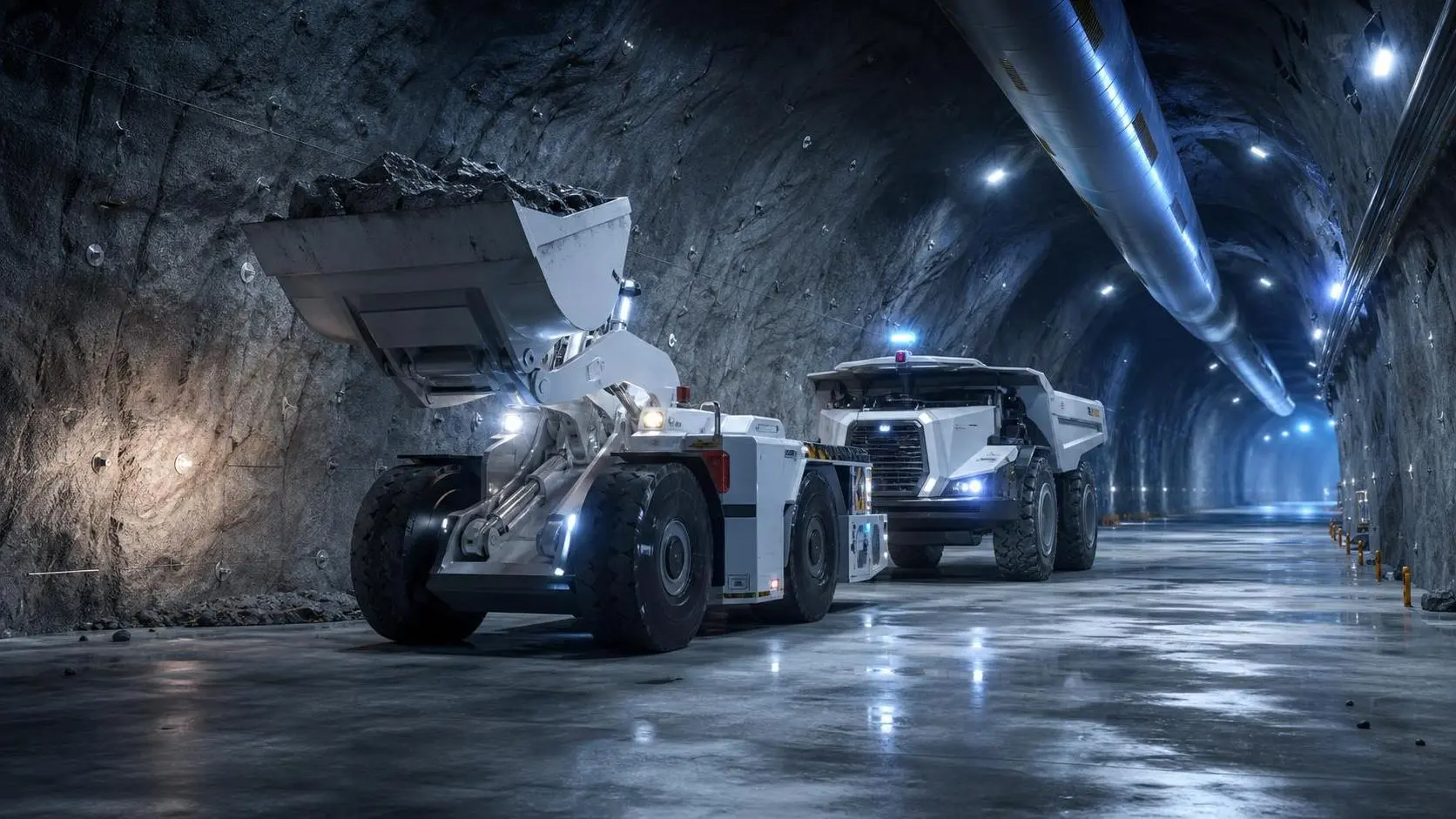
How to Evaluate Underground Mine Automation Companies for Safety and ROI
Underground mine automation companies vary widely in safety, interoperability, and ROI. Learn how to compare vendors, reduce deployment risk, and choose a scalable solution.
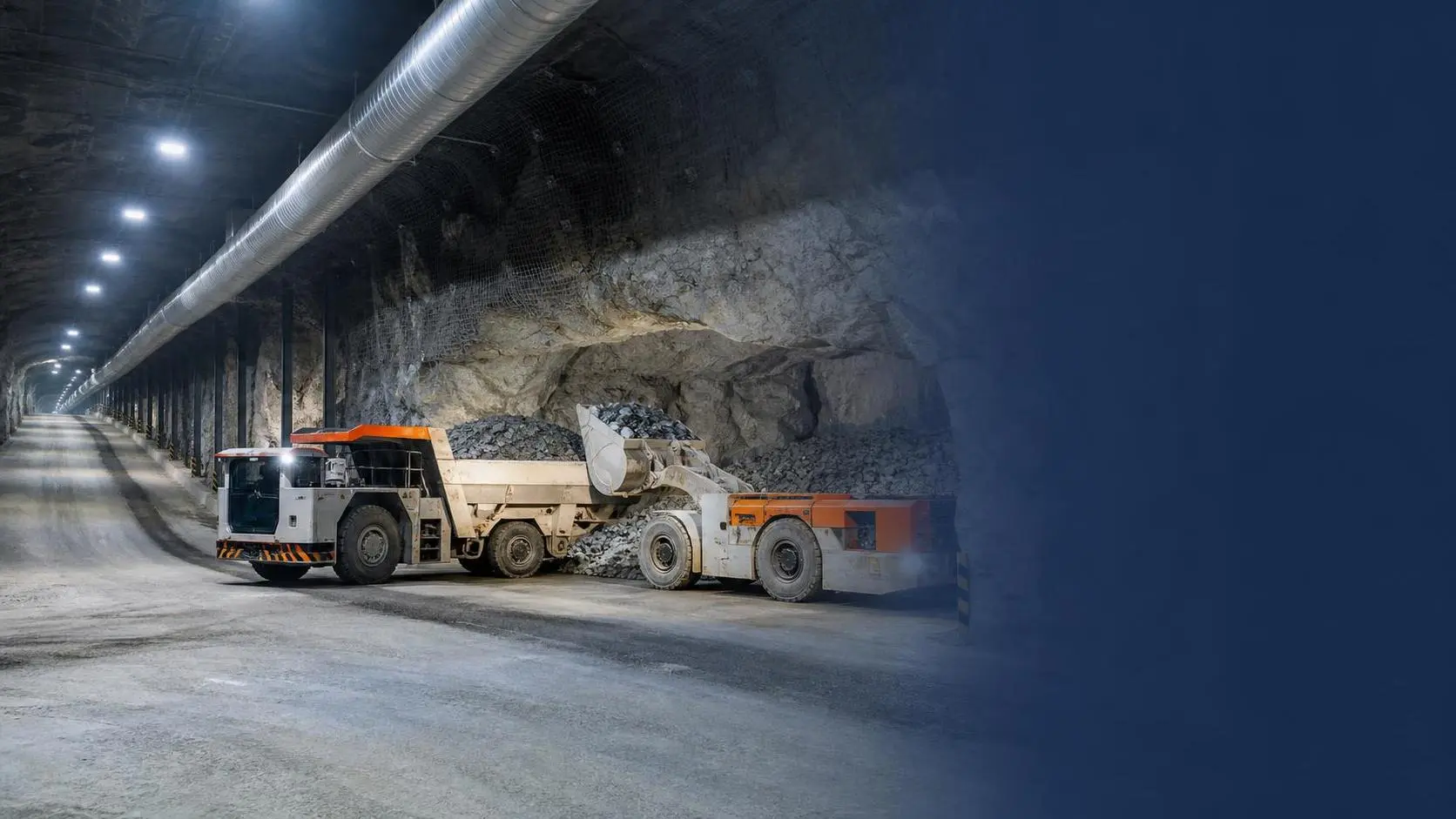
How to Evaluate Underground Haulage Systems for Ore Output, Ramp Grade, and Ventilation Limits
Underground haulage systems should be evaluated by ore output, ramp grade, and ventilation limits—not brochures. Learn how to compare trucks, LHDs, and electric options for smarter mine planning.
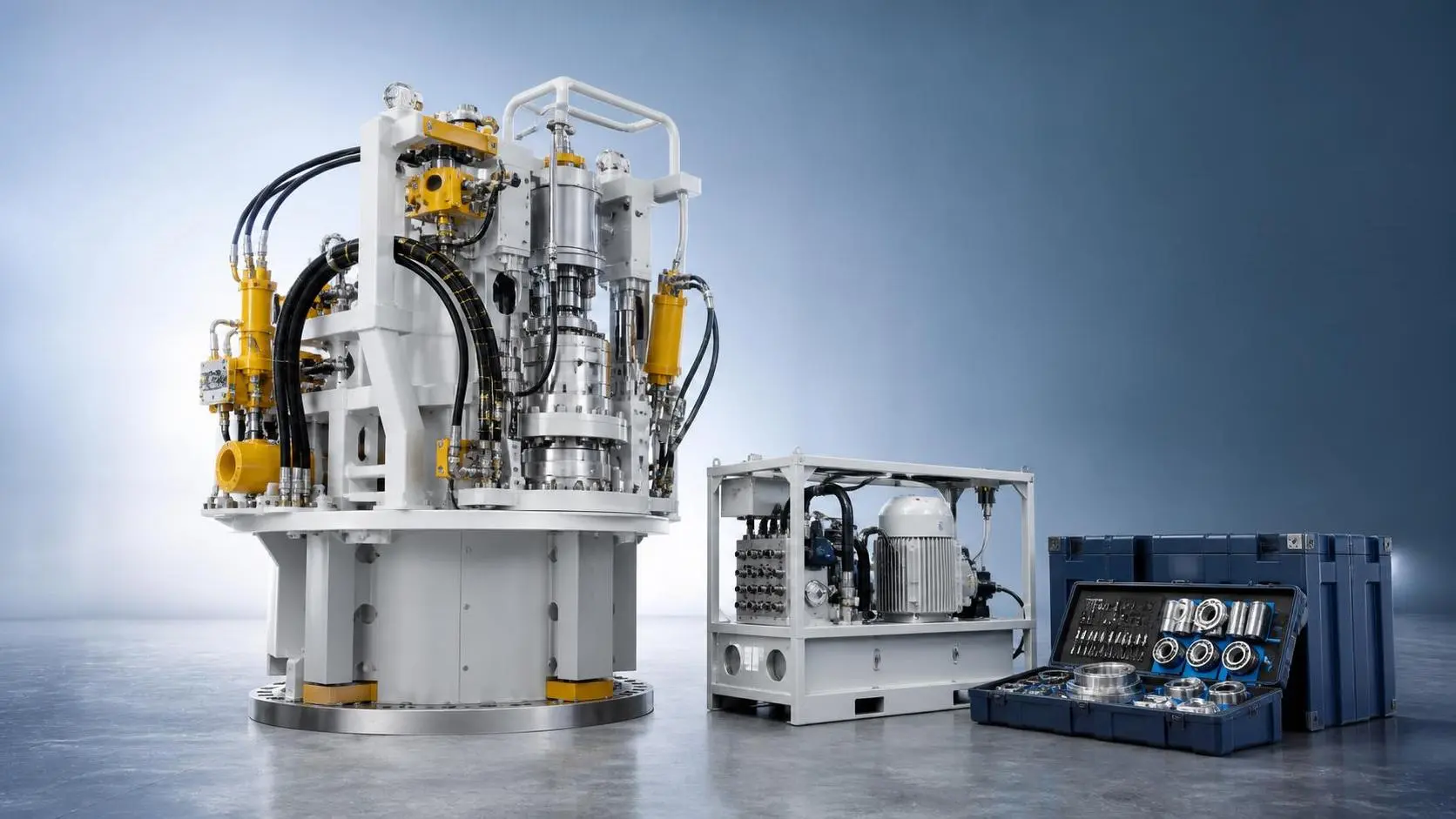
How to Evaluate a Pipe Jacking Equipment Distributor for Project Support and Uptime
Pipe jacking equipment distributor evaluation made practical: learn how to assess parts support, service response, training, and technical readiness to reduce downtime and protect project uptime.
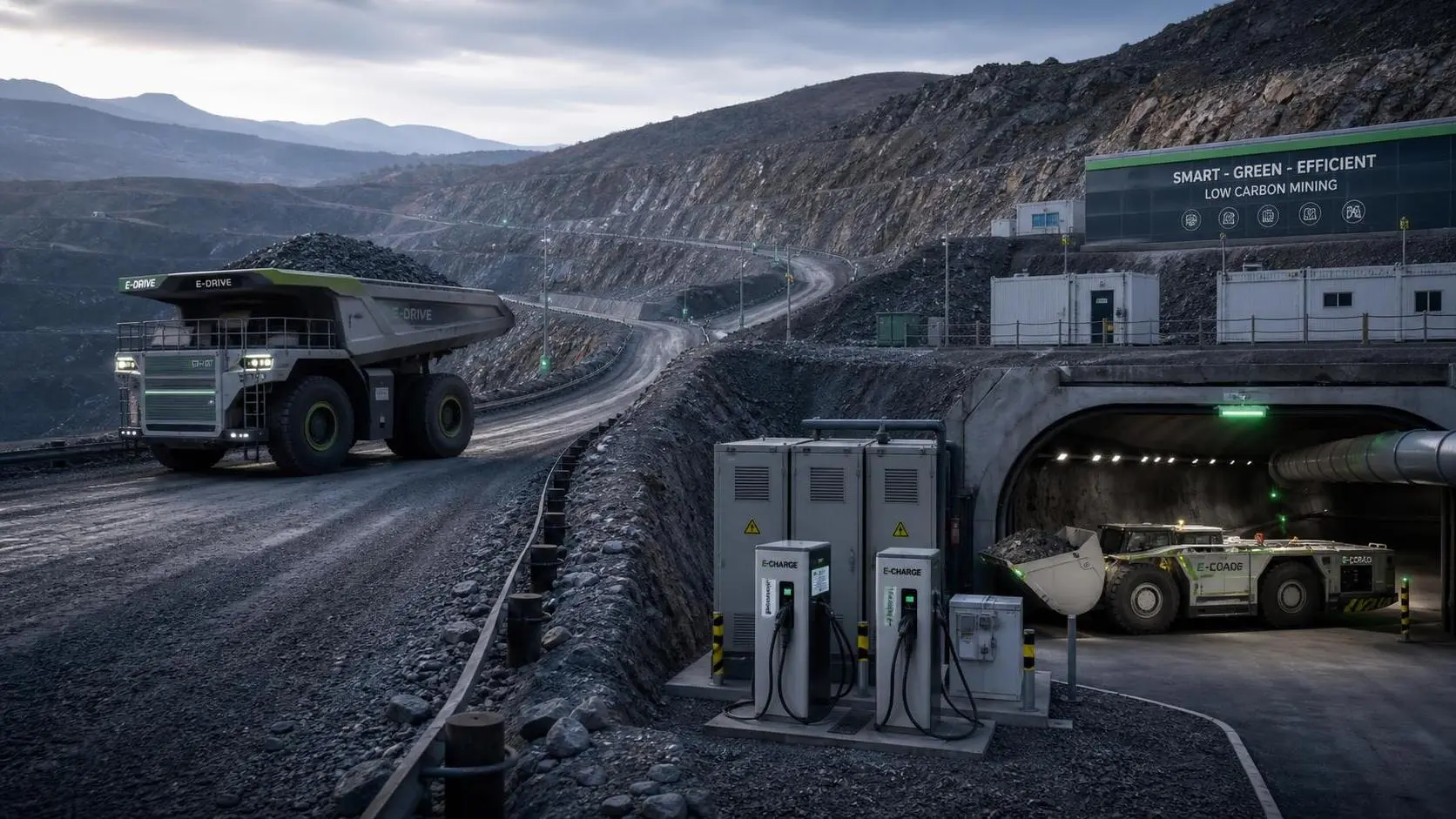
How to Build a Mining Decarbonization Strategy That Balances Emissions, Cost, and Fleet Reality
Mining decarbonization strategy starts with fleet reality. Learn how to cut emissions, control cost, and align power, ventilation, and production for a practical mine transition.
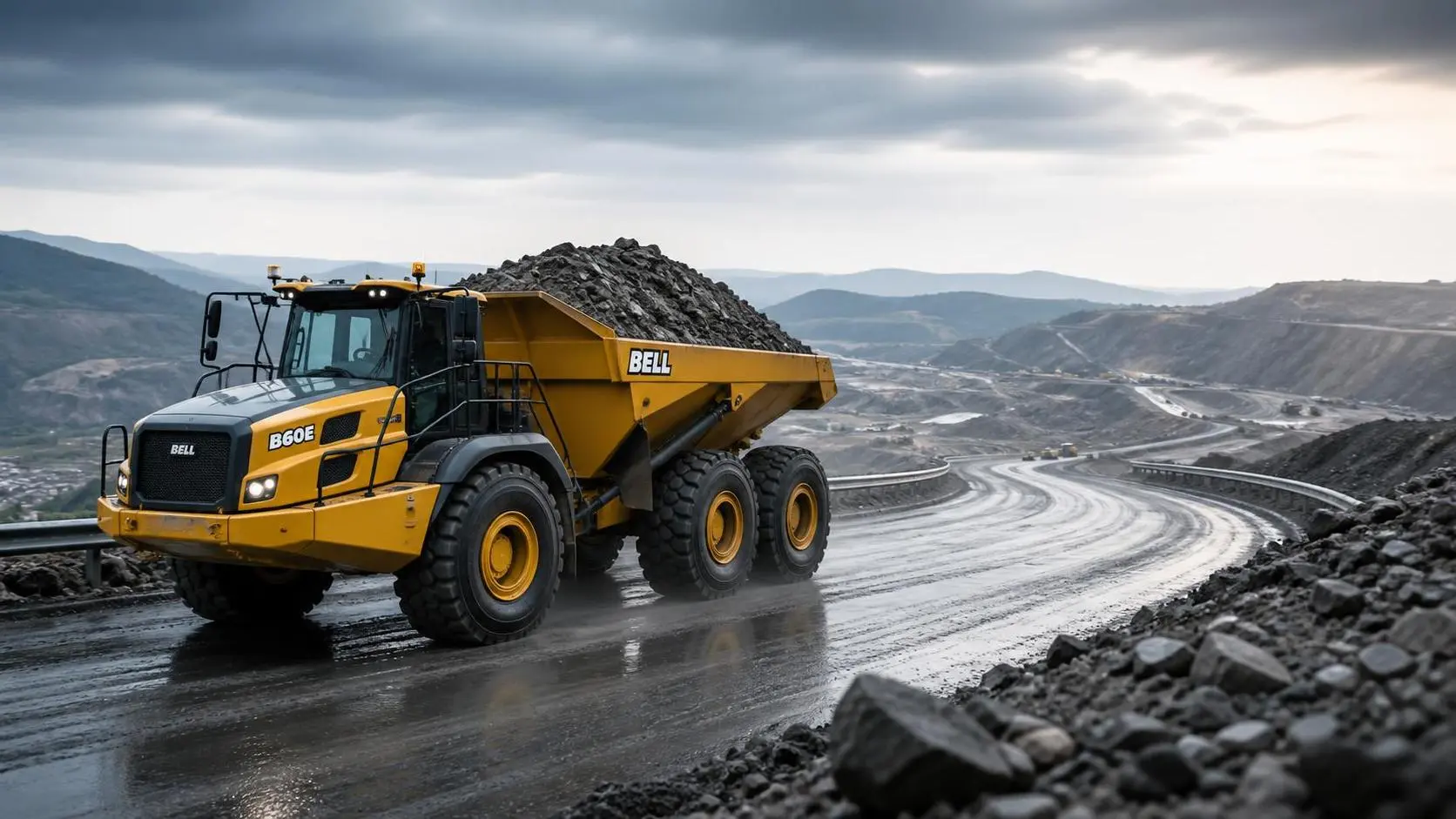
How to Evaluate Articulated Dump Trucks Payload for Haul Road Conditions and Cycle Efficiency
Articulated Dump Trucks payload evaluation starts with real haul road conditions, not brochure numbers. Learn how to balance payload, traction, grades, and cycle efficiency for safer, higher output.
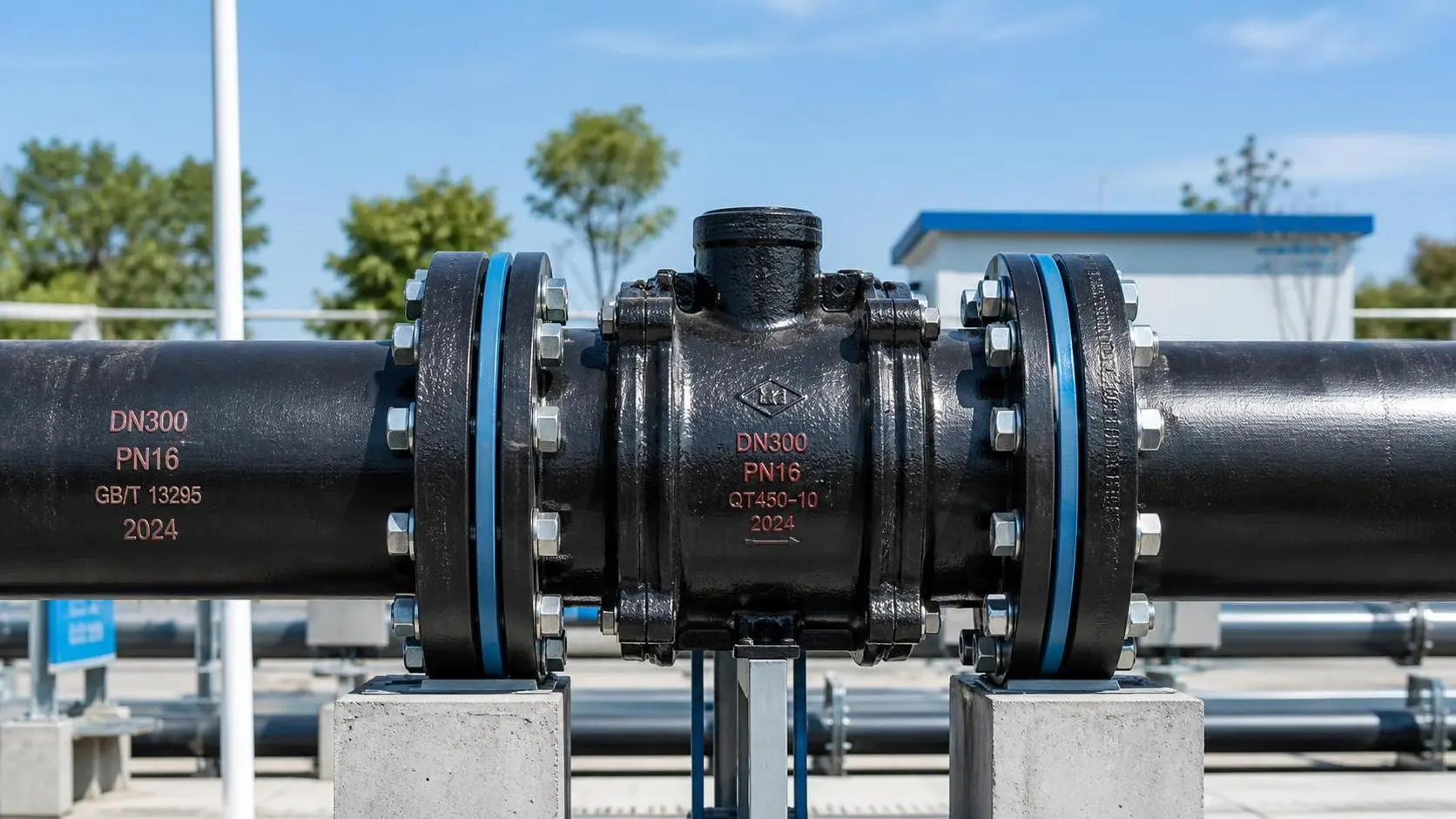
How Pipe Fittings Material and Pressure Class Affect Water Line Selection
Pipe fittings selection starts with material and pressure class. Learn how these factors affect water line reliability, corrosion resistance, installation, and long-term cost.
Related News
- 00
0000-00
How to Evaluate Pipe Jacking Equipment for Municipal Sewer and Utility Projects - 00
0000-00
How YLCSD300 Cutter Suction Dredger Parameters Affect River Dredging Output - 00
0000-00
What Should a Mine Decarbonization Roadmap Include to Cut Emissions Without Hurting Output? - 00
0000-00
How to Evaluate Underground Mine Automation Companies for Safety and ROI - 00
0000-00
How to Evaluate Underground Haulage Systems for Ore Output, Ramp Grade, and Ventilation Limits
Weekly Insights
Stay ahead with our curated technology reports delivered every Monday.