
Battery Swapping Mining Equipment Automation: Key System Choices and Site Requirements





Battery Swapping Mining Equipment Automation: Key System Choices and Site Requirements
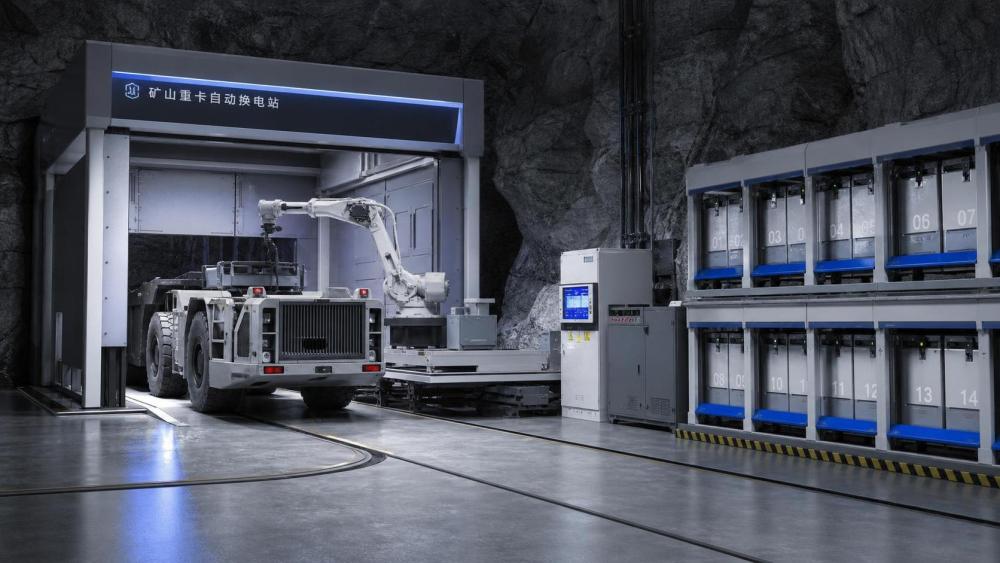
As mines move deeper into electrification, battery swapping mining equipment automation is shifting from pilot concept to operating requirement.
The pressure is simple.
Production cannot slow down, ventilation costs must fall, and underground safety targets keep getting tighter.
That is why battery swapping mining equipment automation now matters far beyond the battery itself.
The real decision sits at system level.
Vehicle design, swap station layout, fleet software, traffic flow, and underground conditions must work as one operating model.
If one piece is weak, uptime drops fast.
In practice, good automation is less about robotics alone and more about predictable cycle control under harsh mine conditions.
That makes early system choices unusually important.
Why Battery Swapping Mining Equipment Automation Is Gaining Ground
Charging works well in some duty cycles, but not every underground fleet can tolerate long dwell time.
Load-haul-dump machines, underground trucks, and support vehicles often operate in tightly scheduled windows.
A slow recharge can become a production bottleneck.
Battery swapping mining equipment automation addresses that by moving energy replenishment into a repeatable service event.
Instead of waiting for charging, a machine exchanges packs and returns to work.
This improves asset utilization when the swap cycle is short and consistent.
There is also a second benefit.
Automation reduces operator exposure during battery handling, especially in confined headings and wet, dusty drifts.
More importantly, standardized swapping creates cleaner data on energy use, fleet availability, and thermal performance.
That data becomes valuable for planning battery inventory, charger capacity, and maintenance intervals.
The Core System Choices That Shape Performance
Most selection mistakes happen because the project team focuses on one component instead of the operating chain.
Battery swapping mining equipment automation should be evaluated across five linked choices.
1. Swap Architecture
The first question is where and how the swap happens.
Some systems use centralized swap chambers.
Others use distributed stations near production zones.
Centralized layouts simplify maintenance and charging management.
Distributed layouts reduce travel time but increase infrastructure complexity.
2. Vehicle and Battery Interface
Mechanical alignment matters more than it appears on paper.
The battery pack, locking system, connectors, and guidance tolerances must stay reliable under shock, mud, and vibration.
If the interface requires excessive manual correction, automation loses value quickly.
3. Degree of Automation
Not every mine needs full autonomy from day one.
Semi-automated swapping with operator confirmation can be enough during early deployment.
Full battery swapping mining equipment automation makes sense when traffic is stable and fleet scale is large enough.
4. Charging and Battery Pool Logic
A swap station is only as good as its battery pool.
You need enough charged packs, enough charger throughput, and a clear rule for pack rotation.
Without that, queues appear even when the robot performs well.
5. Control Software Integration
This is often the hidden differentiator.
Battery swapping mining equipment automation should connect with fleet management, charger status, battery health records, and production scheduling.
Otherwise, the mine is automating motion without automating decisions.
Underground Site Requirements That Cannot Be Ignored
A strong design can still fail in the wrong underground setting.
Site readiness should be checked before equipment shortlisting is finalized.
Drift Geometry and Access
Station approach lanes need reliable turning radius, floor flatness, and stopping accuracy.
Poor floor conditions create alignment errors and longer swap cycles.
Low backs, narrow bays, or uneven wall clearance can also limit manipulator movement.
Power Distribution
Electrified fleets move the energy challenge from diesel storage to electrical stability.
Swap stations need dependable feeder capacity, switchgear protection, and charger load planning.
Peak demand can be severe if several packs charge at once.
Ventilation and Thermal Conditions
Battery electric fleets reduce exhaust, but heat management still matters.
Ambient temperature, humidity, and airflow affect charging efficiency and battery life.
Battery swapping mining equipment automation should be assessed together with thermal monitoring and fire response protocols.
Communications Reliability
Automated swapping depends on stable data links.
That can include Wi-Fi, LTE, private 5G, or wired station controls.
Signal loss during docking or authentication can interrupt the whole cycle.
Water, Dust, and Corrosion Exposure
Underground mines are unforgiving environments for sensors, connectors, and moving rails.
Ingress protection ratings matter, but so do cleaning access and component replacement time.
A robust station is easier to maintain than a delicate one.
A Practical Evaluation Framework for Selection
For selection work, a structured scorecard is more useful than broad claims about innovation.
Battery swapping mining equipment automation should be compared with operational evidence, not brochure language.
- Measure average and worst-case swap time under real underground conditions.
- Check battery compatibility across current and future fleet models.
- Review failure recovery procedures after docking errors or communication loss.
- Confirm charger capacity against shift peaks, not daily averages.
- Examine battery health analytics, traceability, and thermal event logging.
- Assess maintenance access, spare parts lead time, and local service capability.
- Model traffic interaction between swap stations and production routes.
This approach makes tradeoffs easier to see.
A faster robot may still be the weaker option if charger depth, battery pool size, or recoverability are poor.
Common Risks During Deployment
From recent project patterns, three risks appear again and again.
- Oversizing automation before the mine has stable traffic and battery logistics.
- Underspecifying site preparation, especially power, drainage, and floor condition.
- Treating battery swapping mining equipment automation as a station purchase instead of a fleet operating system.
The clearer signal is that successful sites usually phase deployment.
They start with one route, one station logic, and a tightly monitored battery pool.
Then they expand after validating cycle time, queue behavior, and maintenance response.
What Good Decisions Look Like
A strong decision on battery swapping mining equipment automation usually has four qualities.
It fits the actual duty cycle.
It matches underground geometry and electrical capacity.
It includes a realistic battery pool and charger strategy.
And it connects automation data to production decisions.
That is where measurable value comes from.
Not from novelty, but from stable cycles, lower idle time, safer battery handling, and better use of expensive underground assets.
For mines evaluating the next stage of electrification, the best next move is straightforward.
Map the duty cycle, audit the site, test the swap logic, and verify that the full system works under production pressure.
That is the practical path to choosing battery swapping mining equipment automation that performs underground, not just on paper.
Related News
How to Evaluate Pipe Jacking Equipment for Municipal Sewer and Utility Projects
Pipe jacking equipment for municipal projects: learn how to compare machine type, steering, spoil handling, safety, and lifecycle cost for reliable sewer and utility installation.
How YLCSD300 Cutter Suction Dredger Parameters Affect River Dredging Output
YLCSD300 cutter suction dredger output depends on cutter, pump, pipe, depth, and hull balance. Learn how river conditions shape real dredging performance before you buy.
What Should a Mine Decarbonization Roadmap Include to Cut Emissions Without Hurting Output?
Mine decarbonization roadmap essentials: learn how to cut mining emissions with phased electrification, ventilation planning, and infrastructure readiness—without sacrificing output.
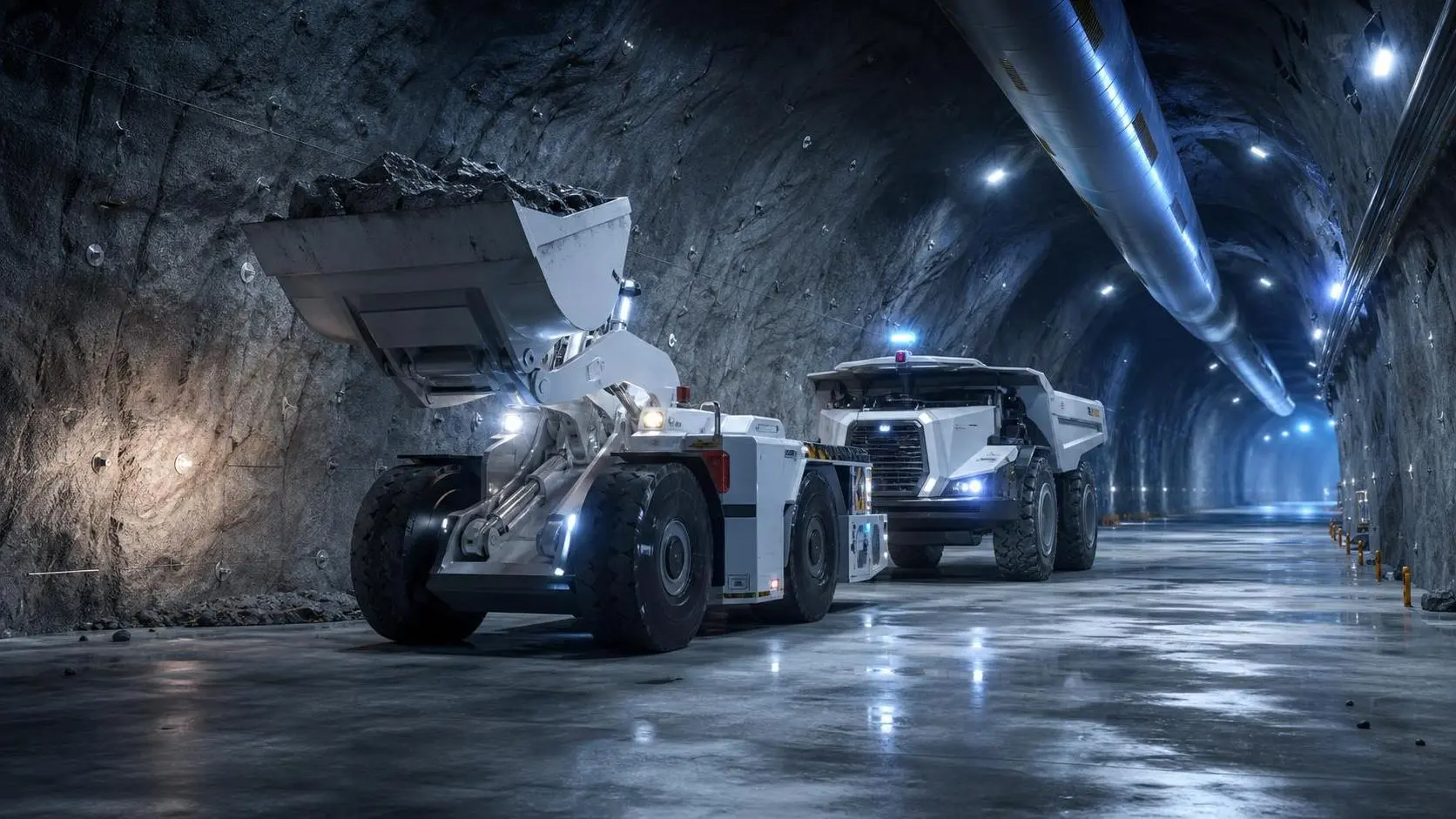
How to Evaluate Underground Mine Automation Companies for Safety and ROI
Underground mine automation companies vary widely in safety, interoperability, and ROI. Learn how to compare vendors, reduce deployment risk, and choose a scalable solution.
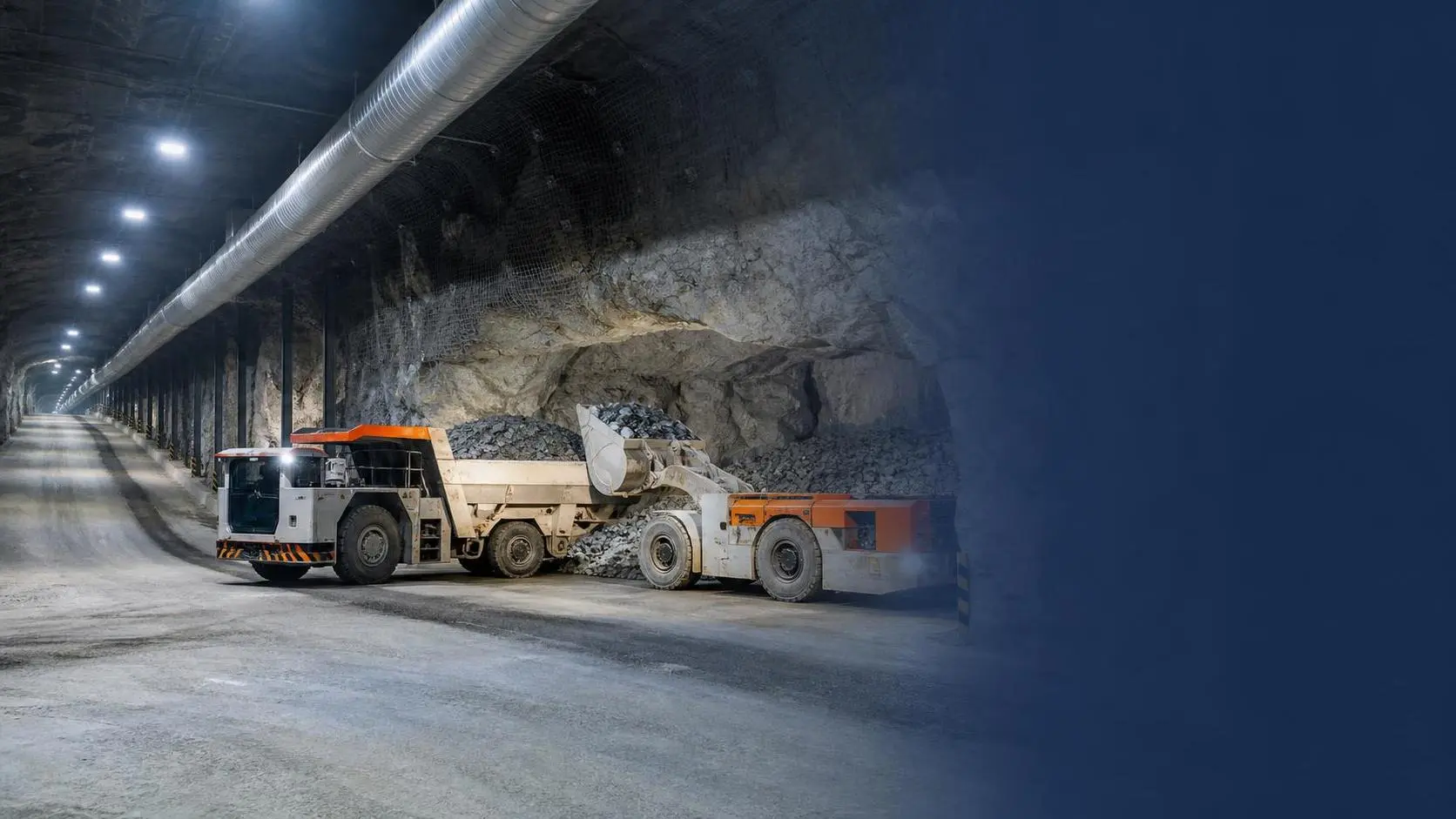
How to Evaluate Underground Haulage Systems for Ore Output, Ramp Grade, and Ventilation Limits
Underground haulage systems should be evaluated by ore output, ramp grade, and ventilation limits—not brochures. Learn how to compare trucks, LHDs, and electric options for smarter mine planning.
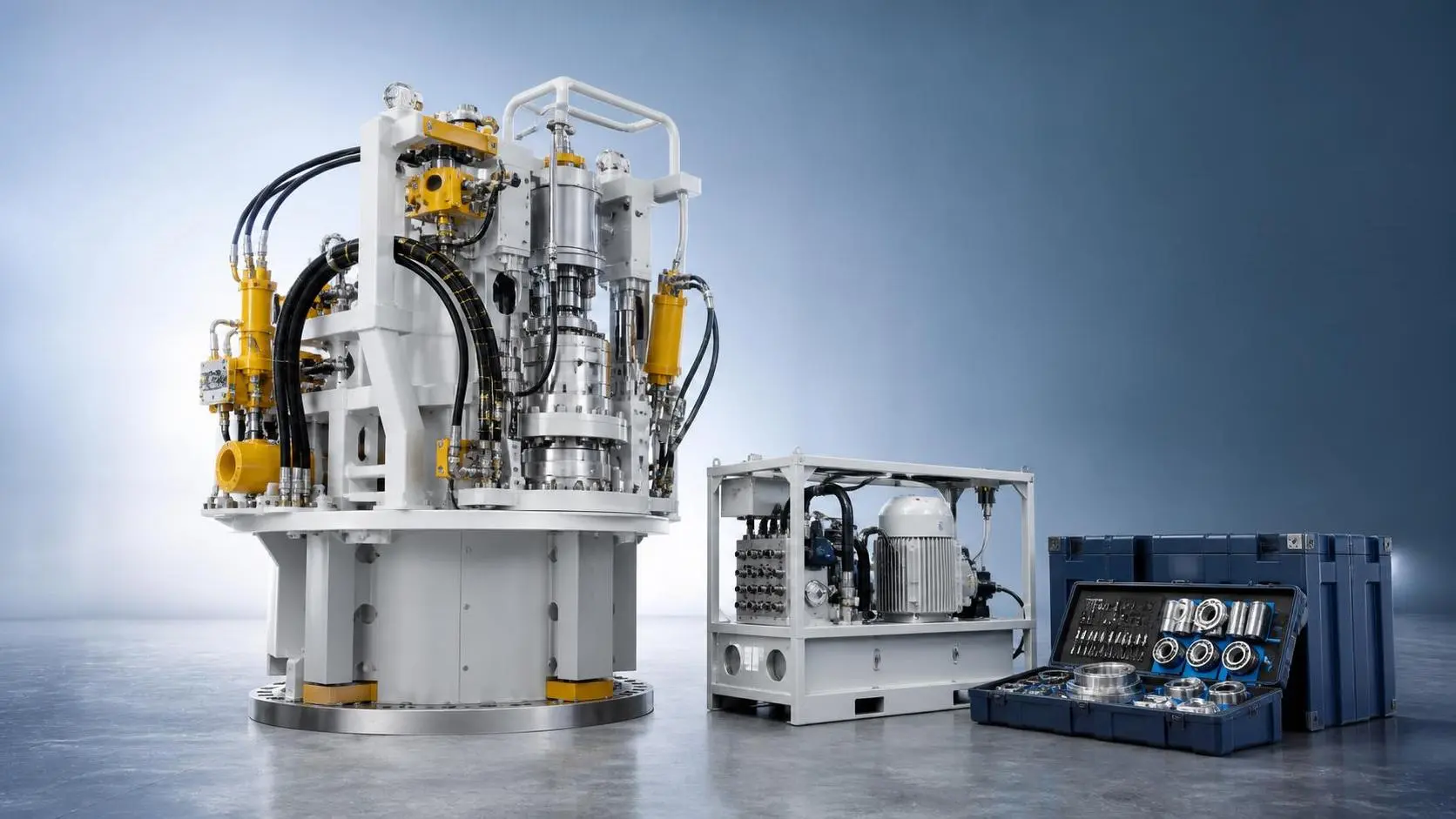
How to Evaluate a Pipe Jacking Equipment Distributor for Project Support and Uptime
Pipe jacking equipment distributor evaluation made practical: learn how to assess parts support, service response, training, and technical readiness to reduce downtime and protect project uptime.
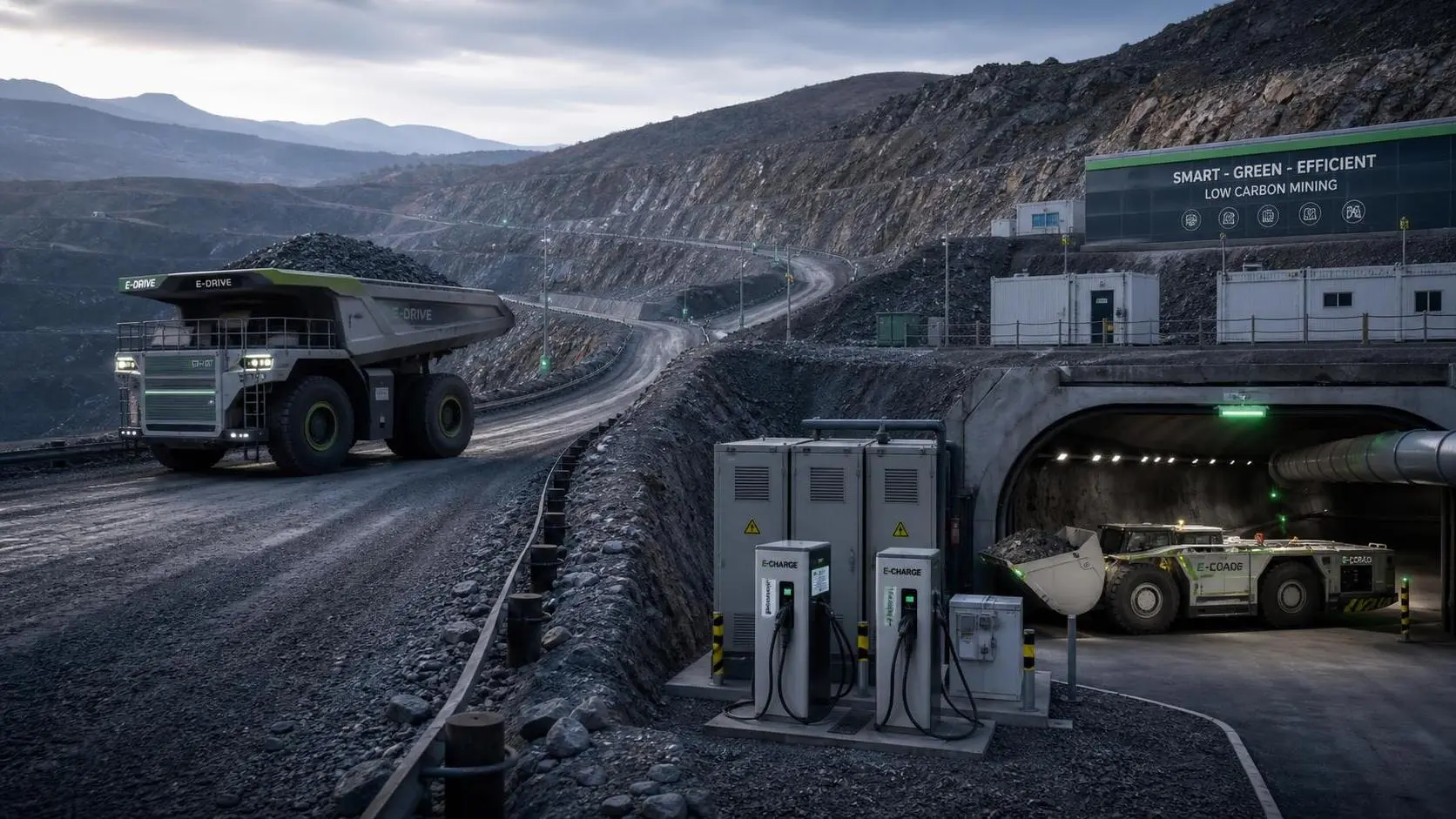
How to Build a Mining Decarbonization Strategy That Balances Emissions, Cost, and Fleet Reality
Mining decarbonization strategy starts with fleet reality. Learn how to cut emissions, control cost, and align power, ventilation, and production for a practical mine transition.
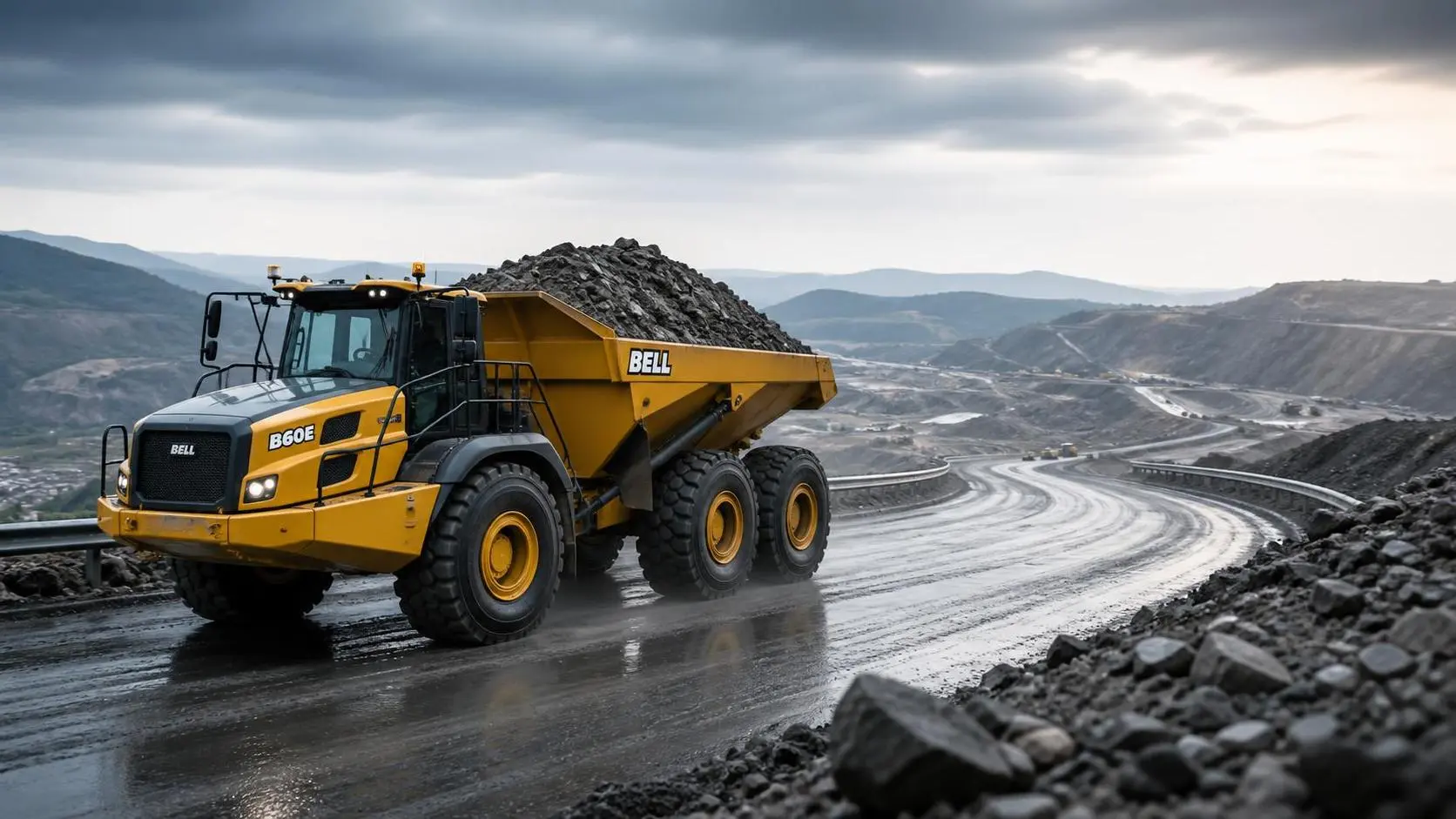
How to Evaluate Articulated Dump Trucks Payload for Haul Road Conditions and Cycle Efficiency
Articulated Dump Trucks payload evaluation starts with real haul road conditions, not brochure numbers. Learn how to balance payload, traction, grades, and cycle efficiency for safer, higher output.
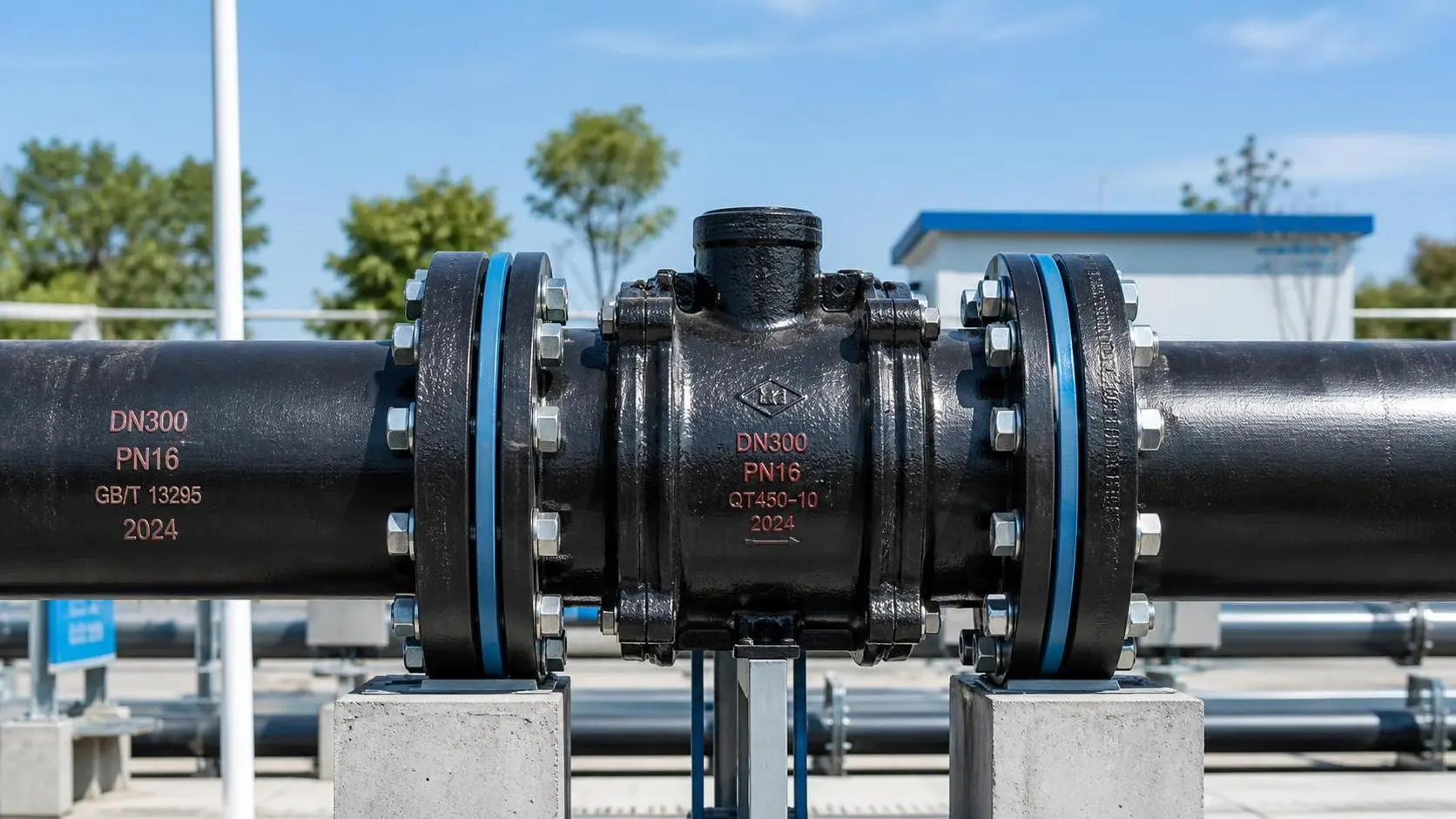
How Pipe Fittings Material and Pressure Class Affect Water Line Selection
Pipe fittings selection starts with material and pressure class. Learn how these factors affect water line reliability, corrosion resistance, installation, and long-term cost.
Related News
- 00
0000-00
How to Evaluate Pipe Jacking Equipment for Municipal Sewer and Utility Projects - 00
0000-00
How YLCSD300 Cutter Suction Dredger Parameters Affect River Dredging Output - 00
0000-00
What Should a Mine Decarbonization Roadmap Include to Cut Emissions Without Hurting Output? - 00
0000-00
How to Evaluate Underground Mine Automation Companies for Safety and ROI - 00
0000-00
How to Evaluate Underground Haulage Systems for Ore Output, Ramp Grade, and Ventilation Limits
Weekly Insights
Stay ahead with our curated technology reports delivered every Monday.