
How to Evaluate Open Pit Haulage Suppliers on Fleet Support, Parts, and Total Cost





How to Evaluate Open Pit Haulage Suppliers on Fleet Support, Parts, and Total Cost
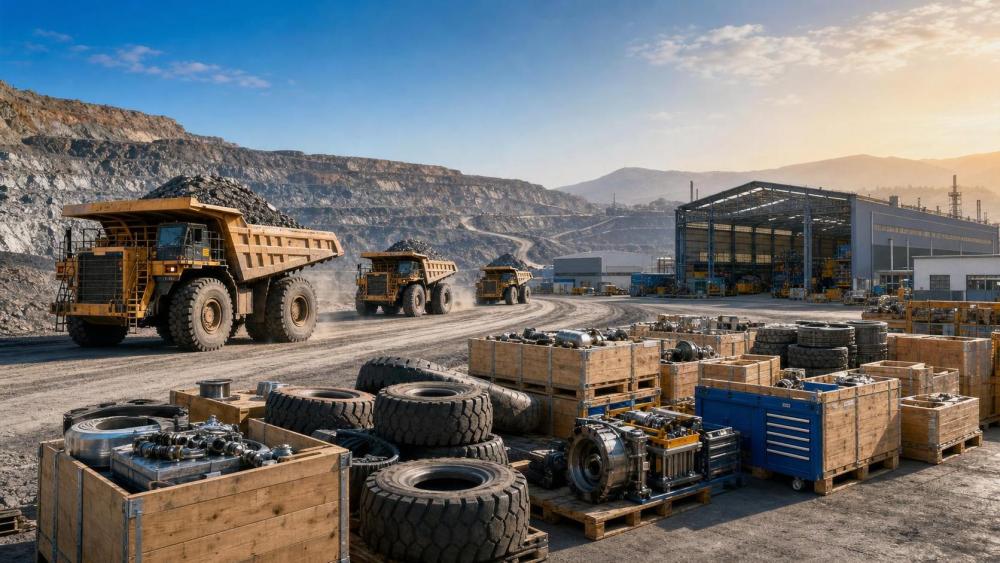
Choosing among open pit haulage suppliers requires more than comparing payload, engine power, or headline price.
In mining, a low purchase price can quickly become expensive when trucks wait for parts or service.
That is why procurement reviews should focus on support depth, parts access, and lifecycle economics.
For buyers comparing open pit haulage suppliers, the real question is simple.
Which supplier can keep ore moving with the lowest long-run risk?
The answer usually sits in service response time, component planning, rebuild support, and operating cost control.
This guide breaks down the most practical evaluation points for open pit haulage suppliers.
It also shows how to compare bids in a way that supports production, not just procurement paperwork.
Start With Mine Conditions, Not Brochures
Before reviewing open pit haulage suppliers, define the site reality in measurable terms.
Truck performance changes sharply with haul distance, ramp grade, altitude, material density, and road quality.
A supplier that looks strong on paper may struggle in hot climates or abrasive loading conditions.
In practical sourcing, build a baseline dataset before issuing a request for quotation.
- Average payload target and daily tonnage plan
- Peak haul cycle time and queue conditions
- Road gradient, rolling resistance, and weather impact
- Fuel, power, tire, and labor cost assumptions
- Maintenance staffing level and workshop capability
This step gives open pit haulage suppliers a realistic operating profile.
It also reduces the chance of getting attractive but non-comparable proposals.
Evaluate Fleet Support as a Production Safeguard
Fleet support is often the biggest separator between capable and risky open pit haulage suppliers.
When trucks stop, the issue is rarely technical alone.
The bigger issue is how fast the supplier can diagnose, dispatch, and recover availability.
Ask each supplier to document its field support model in detail.
Key support questions to test
- How many technicians are based within reach of the mine?
- What is the guaranteed response time for critical breakdowns?
- Is support available 24/7 during peak production windows?
- Can the supplier place resident engineers on site?
- Does the team support predictive maintenance and remote diagnostics?
- What uptime commitments can be written into the contract?
More importantly, verify these claims with operating references from comparable mines.
Recent references are more useful than legacy flagship sites.
From recent market shifts, support quality now matters even more for mixed diesel, trolley, and battery fleets.
That also means open pit haulage suppliers must show software, electrical, and mechanical service capability together.
Check Parts Availability Beyond the Price List
Parts support is where many procurement decisions succeed or fail after delivery.
A cheap truck with weak parts access can lock in downtime, rental exposure, and unplanned inventory spending.
So when comparing open pit haulage suppliers, examine supply chain resilience, not only unit prices.
What to request from suppliers
- Fill rate history for critical and fast-moving parts
- Regional warehouse locations and emergency logistics options
- Lead times for engines, drivetrains, suspensions, and control modules
- Recommended site stock levels by truck population
- Rebuildable component programs and exchange inventory
- Obsolescence policy for electronic and autonomous systems
This is also the point to examine pricing structure.
Some open pit haulage suppliers discount the machine but recover margin through consumables and proprietary components.
Ask for a parts basket comparison using expected annual consumption.
Include wear parts, filters, brake items, hydraulic components, sensors, and planned overhaul kits.
That gives a more honest picture of operating exposure.
Compare Total Cost of Ownership, Not Just Capex
The best open pit haulage suppliers usually win on lifecycle cost, not sticker price.
Total cost of ownership should cover the full working life of the truck fleet.
In real operations, the largest cost drivers often sit outside the initial purchase order.
Core TCO elements
- Acquisition price and financing terms
- Fuel or electricity consumption by haul profile
- Tire life under actual road conditions
- Preventive maintenance labor and service contracts
- Planned component rebuilds and major overhauls
- Unplanned downtime cost per hour
- Software licensing, automation support, and connectivity
- Residual value or secondary market demand
A useful sourcing method is to compare suppliers on cost per ton moved, not cost per truck.
This approach links procurement directly to production economics.
It also makes it easier to compare diesel fleets with electric or hybrid alternatives.
The stronger open pit haulage suppliers will usually support this model with site-specific simulations.
Look Closely at Contract Structure and Risk Allocation
Commercial terms can change the true value of a supplier offer.
Two bids with similar pricing may carry very different operational risk.
This is where disciplined procurement can protect future cash flow.
Terms worth negotiating
- Availability guarantees with measurable definitions
- Response time penalties for critical failures
- Fixed pricing windows for parts baskets
- Training scope for operators and maintenance teams
- Data ownership for telematics and performance records
- Battery, powertrain, or autonomy warranty boundaries
The more advanced open pit haulage suppliers may propose performance-based agreements.
These can work well, but only when uptime rules and exclusions are transparent.
Be careful with vague language around operator misuse, road quality, and third-party maintenance.
Those clauses often decide who pays when performance falls short.
Use a Practical Supplier Scorecard
A scorecard helps keep open pit haulage suppliers comparable during technical and commercial review.
It also limits bias toward familiar brands or aggressive discounting.
Adjust the weightings to reflect site priorities.
For example, a remote mine may place even more weight on parts and field service.
Final Checks Before Supplier Selection
Before awarding business, pressure-test the preferred suppliers against a few final questions.
- Can they support expansion if production ramps faster than expected?
- Are critical parts exposed to single-country manufacturing risk?
- Is the digital platform mature enough for reporting and planning?
- Do reference sites confirm the promised availability?
- Will the contract still work when conditions become less favorable?
The strongest open pit haulage suppliers are usually transparent on these points.
They are also willing to quantify support, inventory, and cost assumptions in writing.
That is a better signal than polished presentations or broad claims about reliability.
When evaluating open pit haulage suppliers, the safest procurement decision is usually the most evidence-based one.
Focus on support coverage, parts continuity, and total cost per ton moved, and the shortlist becomes much clearer.
Related News
How to Evaluate Pipe Jacking Equipment for Municipal Sewer and Utility Projects
Pipe jacking equipment for municipal projects: learn how to compare machine type, steering, spoil handling, safety, and lifecycle cost for reliable sewer and utility installation.
How YLCSD300 Cutter Suction Dredger Parameters Affect River Dredging Output
YLCSD300 cutter suction dredger output depends on cutter, pump, pipe, depth, and hull balance. Learn how river conditions shape real dredging performance before you buy.
What Should a Mine Decarbonization Roadmap Include to Cut Emissions Without Hurting Output?
Mine decarbonization roadmap essentials: learn how to cut mining emissions with phased electrification, ventilation planning, and infrastructure readiness—without sacrificing output.
How to Evaluate Underground Mine Automation Companies for Safety and ROI
Underground mine automation companies vary widely in safety, interoperability, and ROI. Learn how to compare vendors, reduce deployment risk, and choose a scalable solution.
How to Evaluate Underground Haulage Systems for Ore Output, Ramp Grade, and Ventilation Limits
Underground haulage systems should be evaluated by ore output, ramp grade, and ventilation limits—not brochures. Learn how to compare trucks, LHDs, and electric options for smarter mine planning.
How to Evaluate a Pipe Jacking Equipment Distributor for Project Support and Uptime
Pipe jacking equipment distributor evaluation made practical: learn how to assess parts support, service response, training, and technical readiness to reduce downtime and protect project uptime.
How to Build a Mining Decarbonization Strategy That Balances Emissions, Cost, and Fleet Reality
Mining decarbonization strategy starts with fleet reality. Learn how to cut emissions, control cost, and align power, ventilation, and production for a practical mine transition.
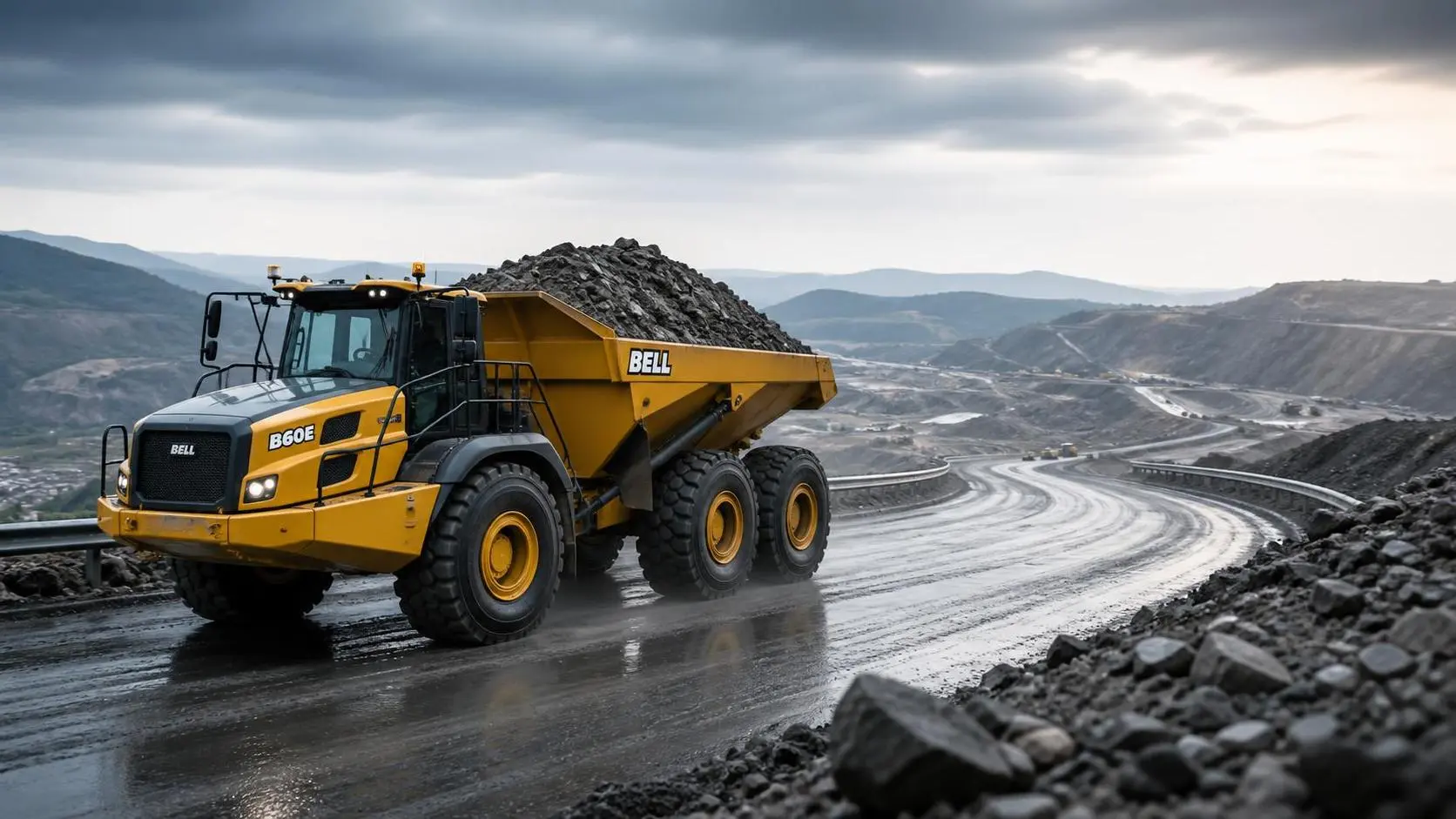
How to Evaluate Articulated Dump Trucks Payload for Haul Road Conditions and Cycle Efficiency
Articulated Dump Trucks payload evaluation starts with real haul road conditions, not brochure numbers. Learn how to balance payload, traction, grades, and cycle efficiency for safer, higher output.
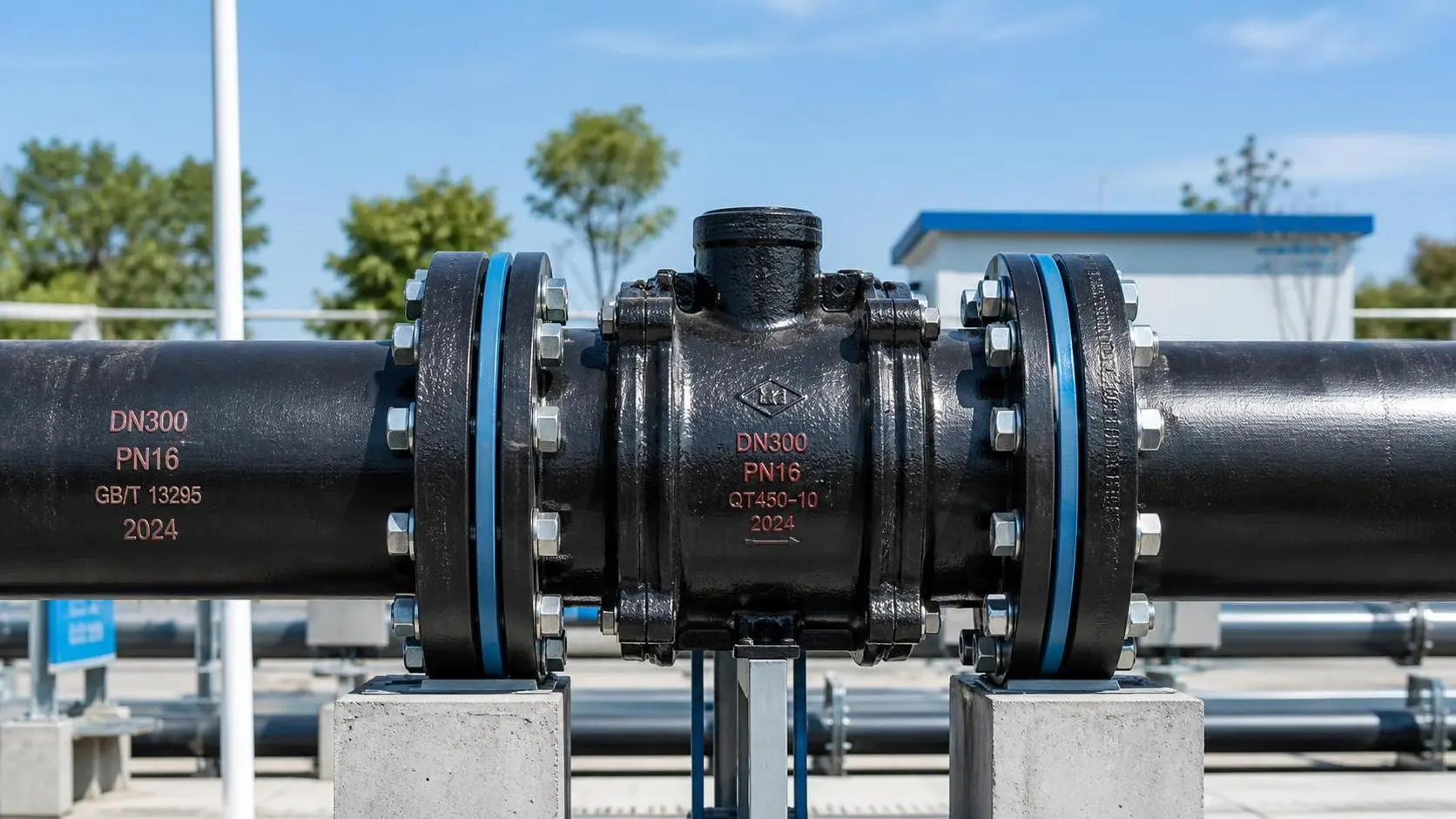
How Pipe Fittings Material and Pressure Class Affect Water Line Selection
Pipe fittings selection starts with material and pressure class. Learn how these factors affect water line reliability, corrosion resistance, installation, and long-term cost.
Related News
- 00
0000-00
How to Evaluate Pipe Jacking Equipment for Municipal Sewer and Utility Projects - 00
0000-00
How YLCSD300 Cutter Suction Dredger Parameters Affect River Dredging Output - 00
0000-00
What Should a Mine Decarbonization Roadmap Include to Cut Emissions Without Hurting Output? - 00
0000-00
How to Evaluate Underground Mine Automation Companies for Safety and ROI - 00
0000-00
How to Evaluate Underground Haulage Systems for Ore Output, Ramp Grade, and Ventilation Limits
Weekly Insights
Stay ahead with our curated technology reports delivered every Monday.