
TUV Rheinland Tightens TBM Cutterhead Wear Rule





On July 10, 2026, TUV Rheinland updated its global certification framework for TBM cutterheads and tightened the allowable Disc Cutters wear rate for hard-rock tunnelling conditions with UCS above 180 MPa. For TBM manufacturers, cutterhead suppliers, certification teams, and exporters targeting Europe, this matters because the revised requirement is now tied more directly to market access: it lowers the wear threshold and adds a documentation burden through wear simulation reports based on real geological data.
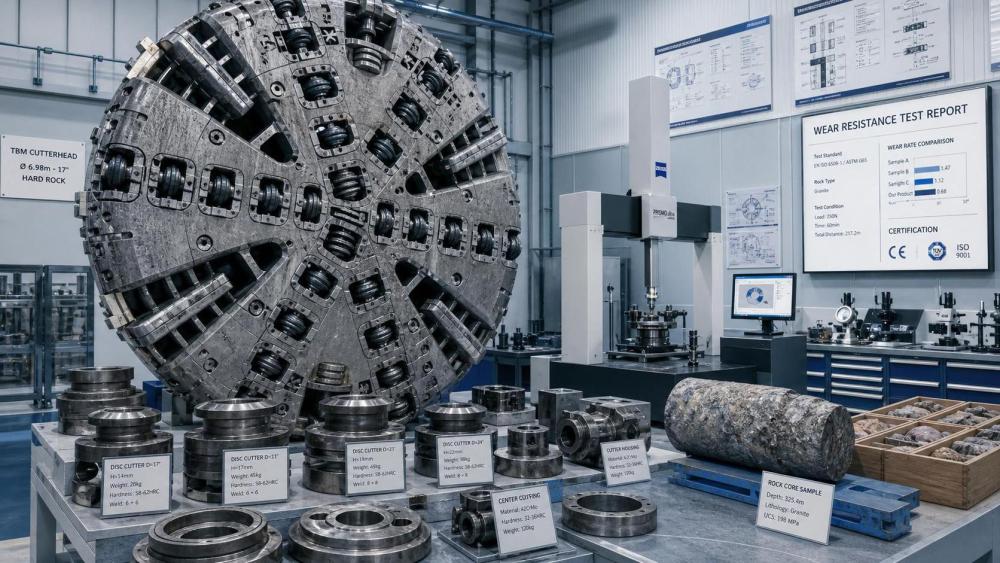
A stricter benchmark for hard-rock certification
The confirmed change is specific. Under hard-rock tunnelling conditions defined as UCS > 180 MPa, the measured average wear rate for Disc Cutters must not exceed 0.8 mm/m. The previous limit was 1.2 mm/m. TUV Rheinland also now requires a wear simulation report built on real geological data as part of the certification framework. According to the provided information, this updated standard has been included in the harmonized standards list under the EU CE Machinery Directive and will become a key market-entry basis for complete TBM exports to Europe.
Where the pressure is likely to appear first
Export-oriented TBM OEMs face a narrower compliance margin
From an industry perspective, complete-machine exporters are likely to feel the effect first because the change is linked to CE-related access for the European market. The main pressure point is not only product performance, but also whether testing evidence and technical files can support the lower wear ceiling in hard-rock applications.
Cutterhead and Disc Cutter suppliers may see tighter technical scrutiny
Analysis shows that upstream component suppliers may be affected through qualification, validation, and customer documentation requests. A lower allowable wear rate can translate into closer review of measured wear results, operating-condition assumptions, and the consistency between physical testing and submitted simulation materials.
Certification and delivery teams will need stronger data coordination
For engineering, compliance, and project delivery functions, the added requirement for simulation reports based on real geological data shifts part of the workload into data preparation and cross-team coordination. The impact is likely to appear in certification scheduling, dossier completeness, and communication with customers or notified parties around how hard-rock conditions are evidenced.
What companies should watch now
Whether technical files already match the revised threshold
What deserves closer attention is whether existing hard-rock test records, internal qualification criteria, and export documentation were built around the older 1.2 mm/m limit. If so, companies may need to reassess whether those materials remain usable for Europe-bound projects.
The quality and traceability of geological input data
The new simulation requirement is not framed as a generic calculation exercise. It specifically calls for reports based on real geological data. In practical terms, businesses should watch how geological inputs are collected, validated, and linked to the certification package, because weak traceability could become a documentation risk even when product performance is otherwise acceptable.
Differences between policy language and execution on real projects
Analysis shows that the wording of a revised framework and the way it is applied in actual certification workflows are not always identical in practice. Companies should therefore monitor subsequent official clarifications, implementation notes, and customer-side interpretations before assuming that every legacy product configuration can proceed unchanged.
Supplier communication and export planning
For firms managing cross-border delivery, this is also a supply-chain issue. Teams should review how quickly suppliers can provide wear-related evidence, how certification documents are updated, and whether delivery timelines need more allowance for additional verification work tied to European exports.
Why this reads as more than a routine revision
Observably, this update is not just a numerical adjustment from 1.2 mm/m to 0.8 mm/m. It combines a stricter performance threshold with a more explicit evidence requirement, and it does so in a context connected to CE-related access. That makes it more appropriate to understand this as a practical compliance signal rather than a purely technical editorial change.
At the same time, it would be premature to treat the news as a complete picture of market impact. The provided information confirms the rule change and its relevance to European TBM exports, but further observation is still needed on how quickly project specifications, certification workflows, and supplier documentation practices align with the revised requirement.
How this update is best understood today
The immediate meaning of this development is clear: for hard-rock TBM cutterhead certification, the acceptable Disc Cutters wear rate has been tightened, and supporting simulation work must now be grounded in real geological data. The broader industry implication should be read cautiously but seriously. It is more appropriate to understand this as a near-term compliance change with longer-term signaling value for product validation, export readiness, and technical documentation standards.
Basis of this article and what still needs checking
This article is based on the user-provided news title, event date, and event summary. For this type of industry update, source types typically worth verifying include official announcements, company notices, industry association releases, authoritative media coverage, and standard-organization documents. A specific official source link was not provided in the input, so the exact original publication and any later interpretive documents still need to be continuously checked. Further follow-up should focus on whether additional official wording, implementation guidance, or related certification clarifications are issued after the July 10, 2026 update.
Related News
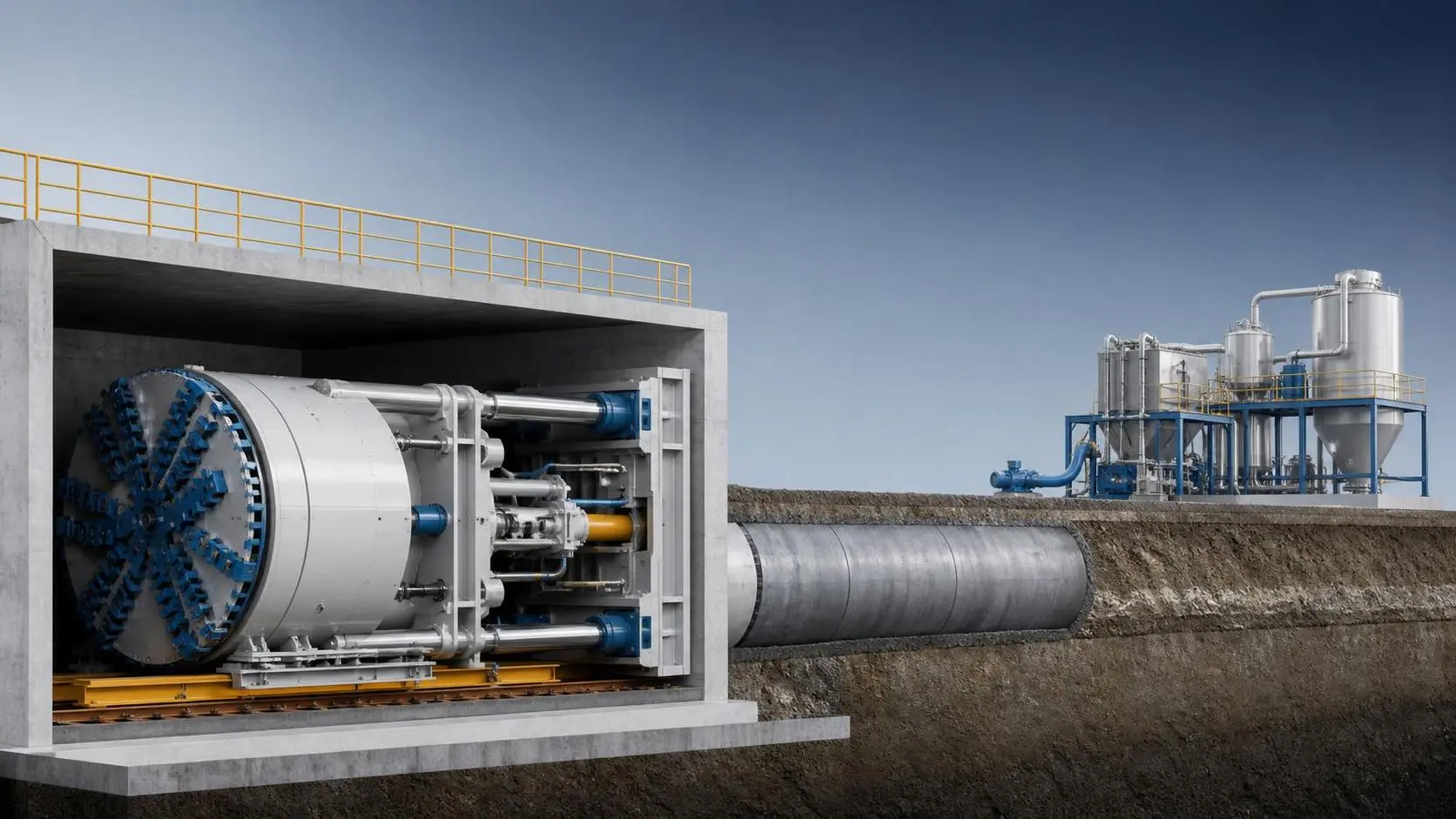
How to Evaluate Pipe Jacking Equipment for Municipal Sewer and Utility Projects
Pipe jacking equipment for municipal projects: learn how to compare machine type, steering, spoil handling, safety, and lifecycle cost for reliable sewer and utility installation.
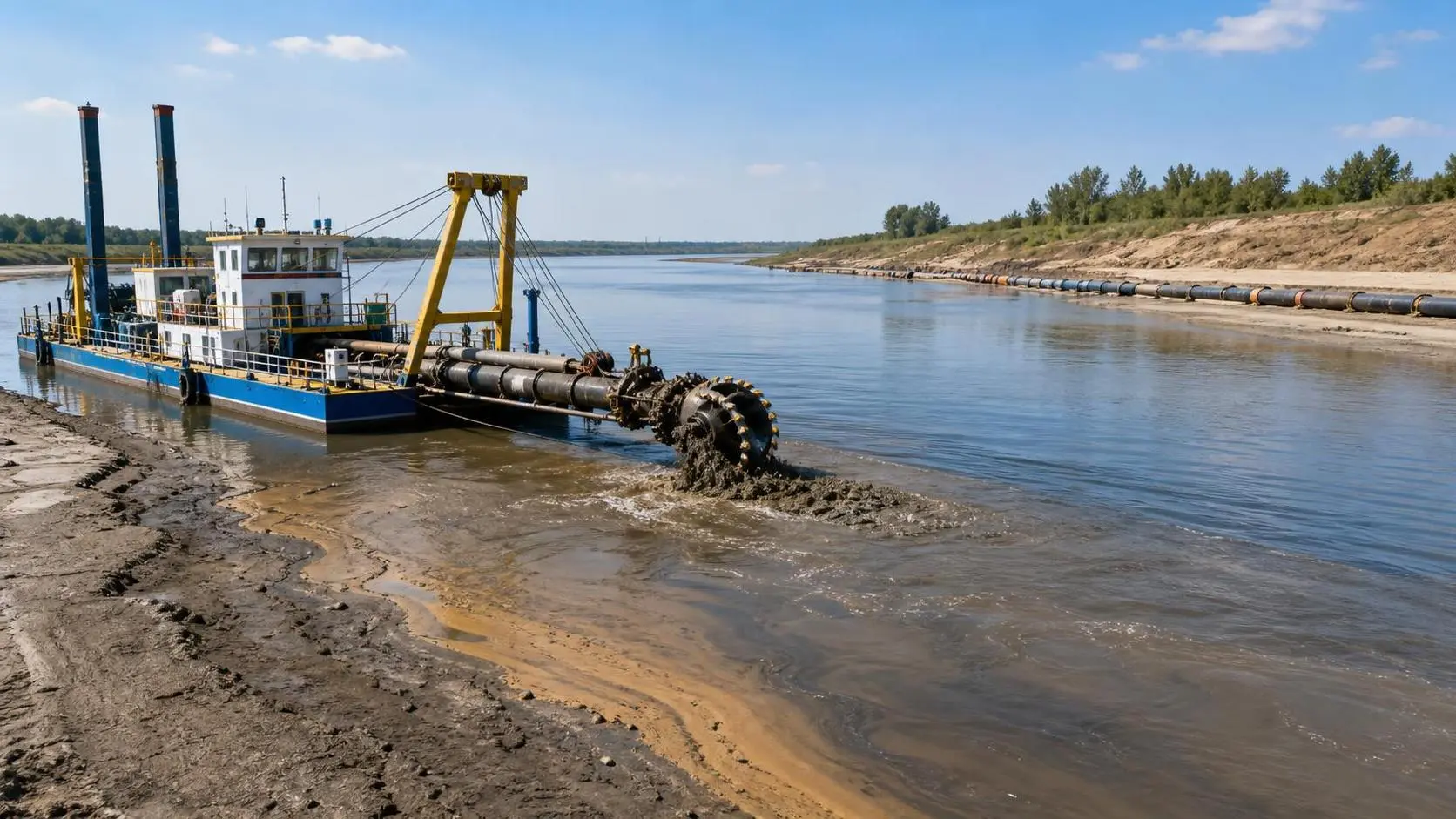
How YLCSD300 Cutter Suction Dredger Parameters Affect River Dredging Output
YLCSD300 cutter suction dredger output depends on cutter, pump, pipe, depth, and hull balance. Learn how river conditions shape real dredging performance before you buy.
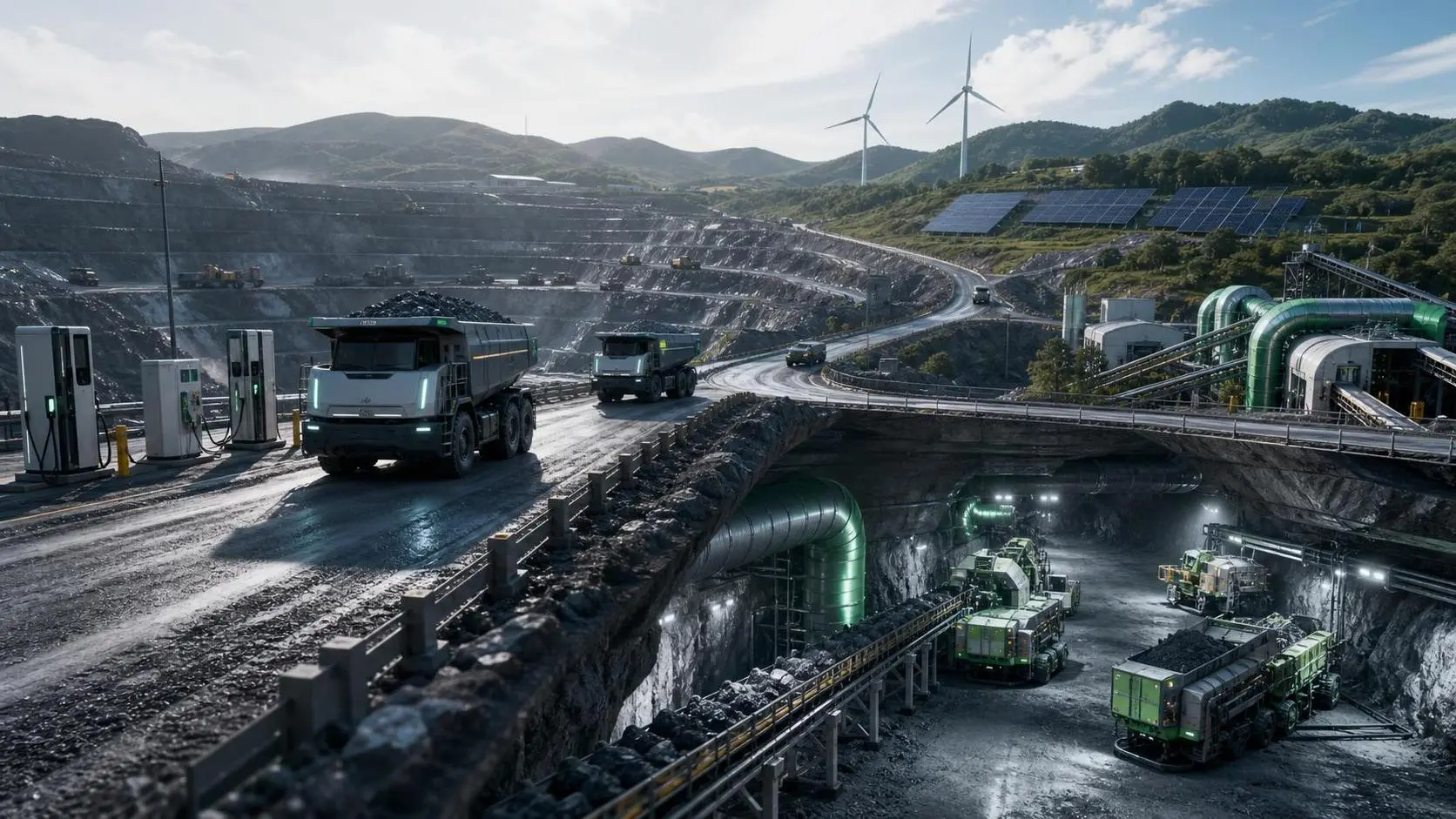
What Should a Mine Decarbonization Roadmap Include to Cut Emissions Without Hurting Output?
Mine decarbonization roadmap essentials: learn how to cut mining emissions with phased electrification, ventilation planning, and infrastructure readiness—without sacrificing output.
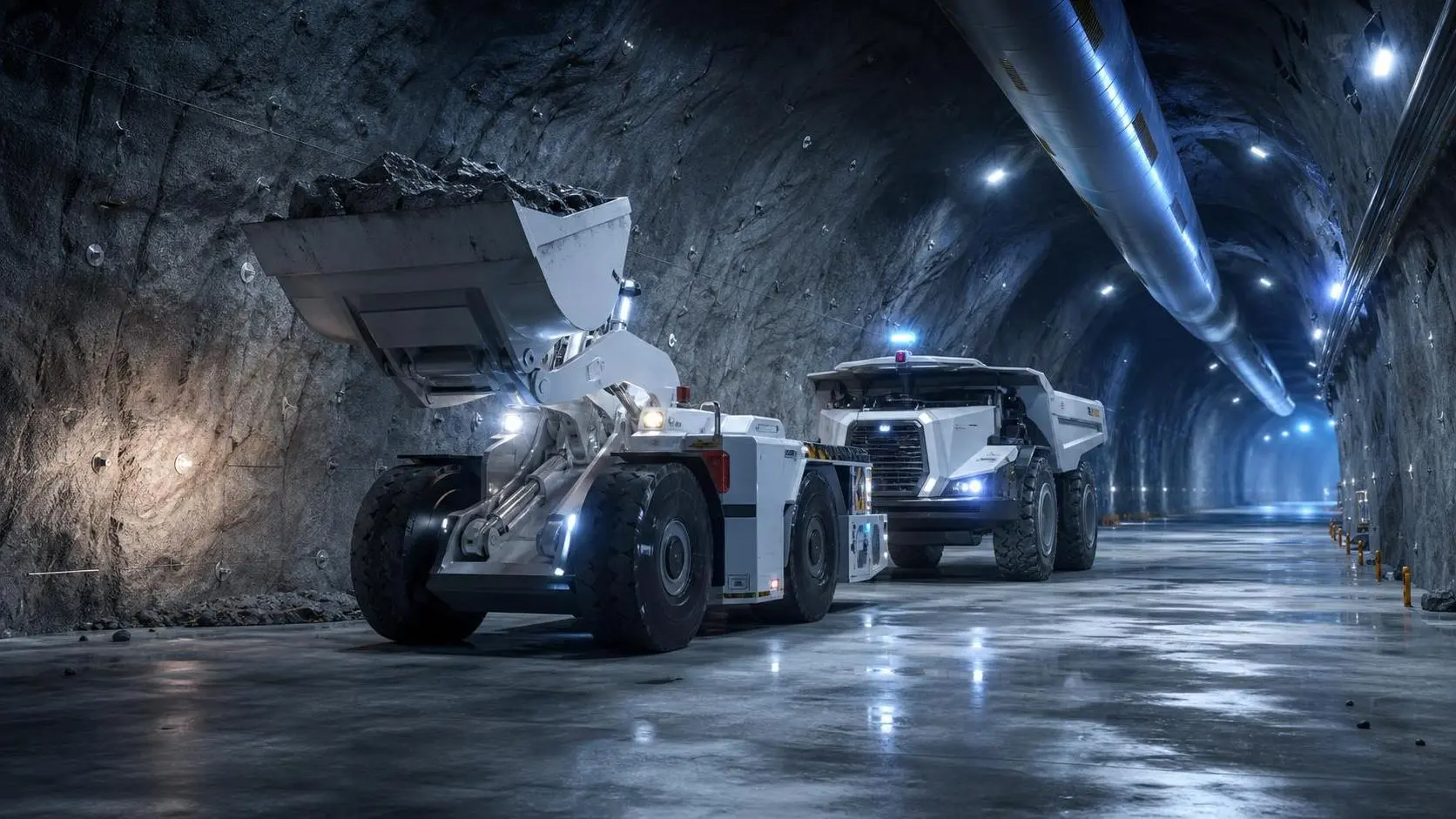
How to Evaluate Underground Mine Automation Companies for Safety and ROI
Underground mine automation companies vary widely in safety, interoperability, and ROI. Learn how to compare vendors, reduce deployment risk, and choose a scalable solution.
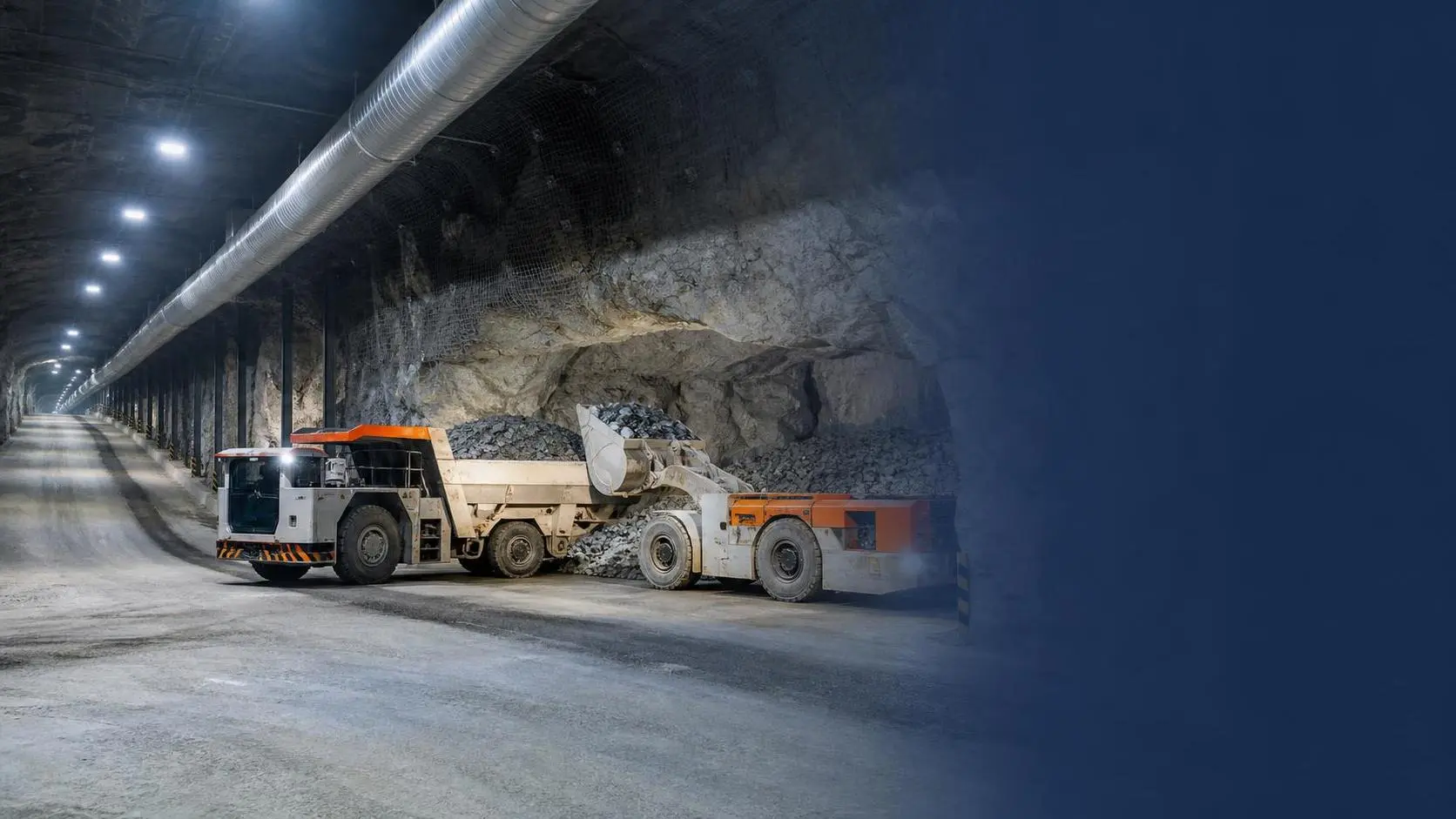
How to Evaluate Underground Haulage Systems for Ore Output, Ramp Grade, and Ventilation Limits
Underground haulage systems should be evaluated by ore output, ramp grade, and ventilation limits—not brochures. Learn how to compare trucks, LHDs, and electric options for smarter mine planning.
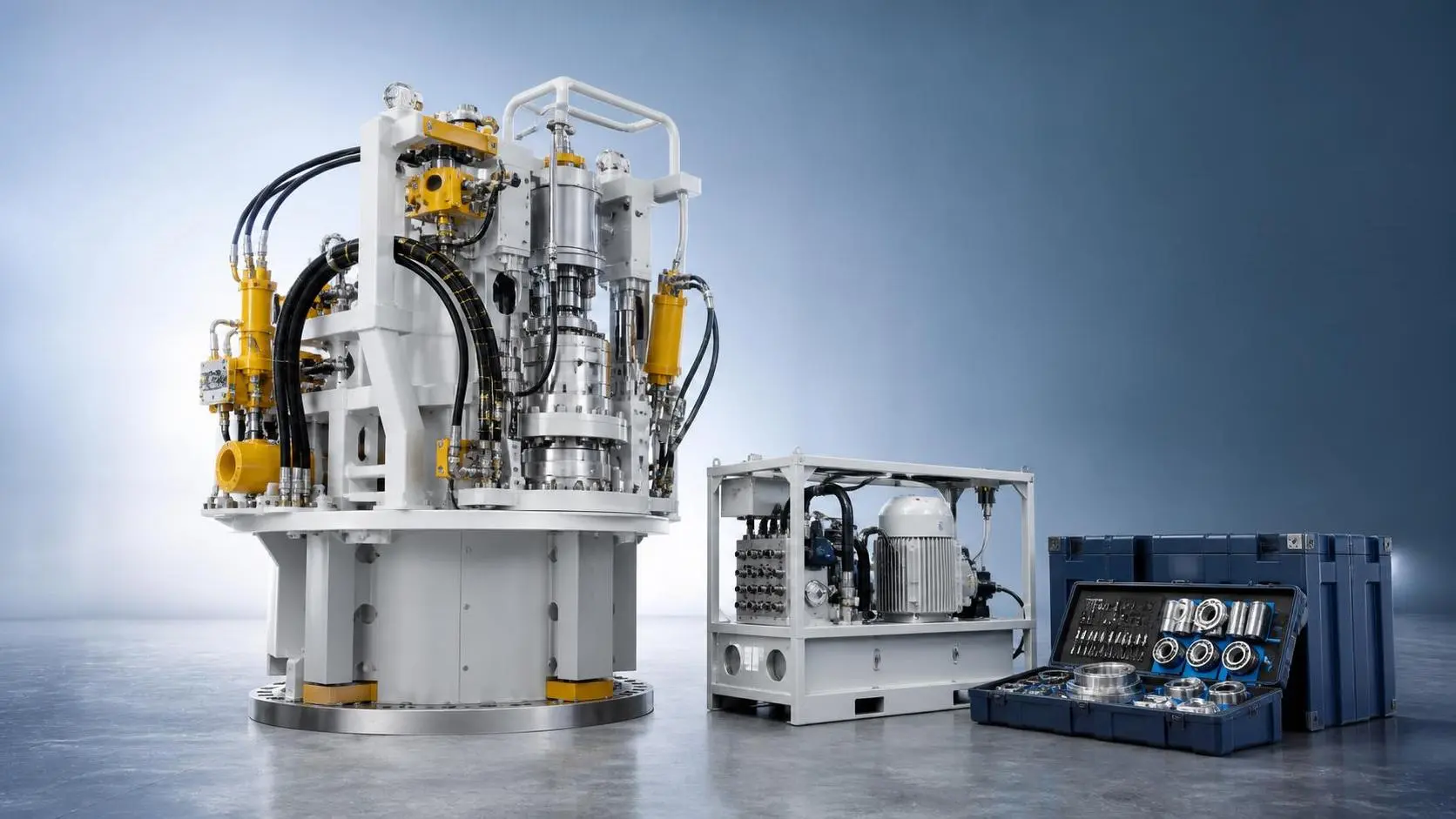
How to Evaluate a Pipe Jacking Equipment Distributor for Project Support and Uptime
Pipe jacking equipment distributor evaluation made practical: learn how to assess parts support, service response, training, and technical readiness to reduce downtime and protect project uptime.
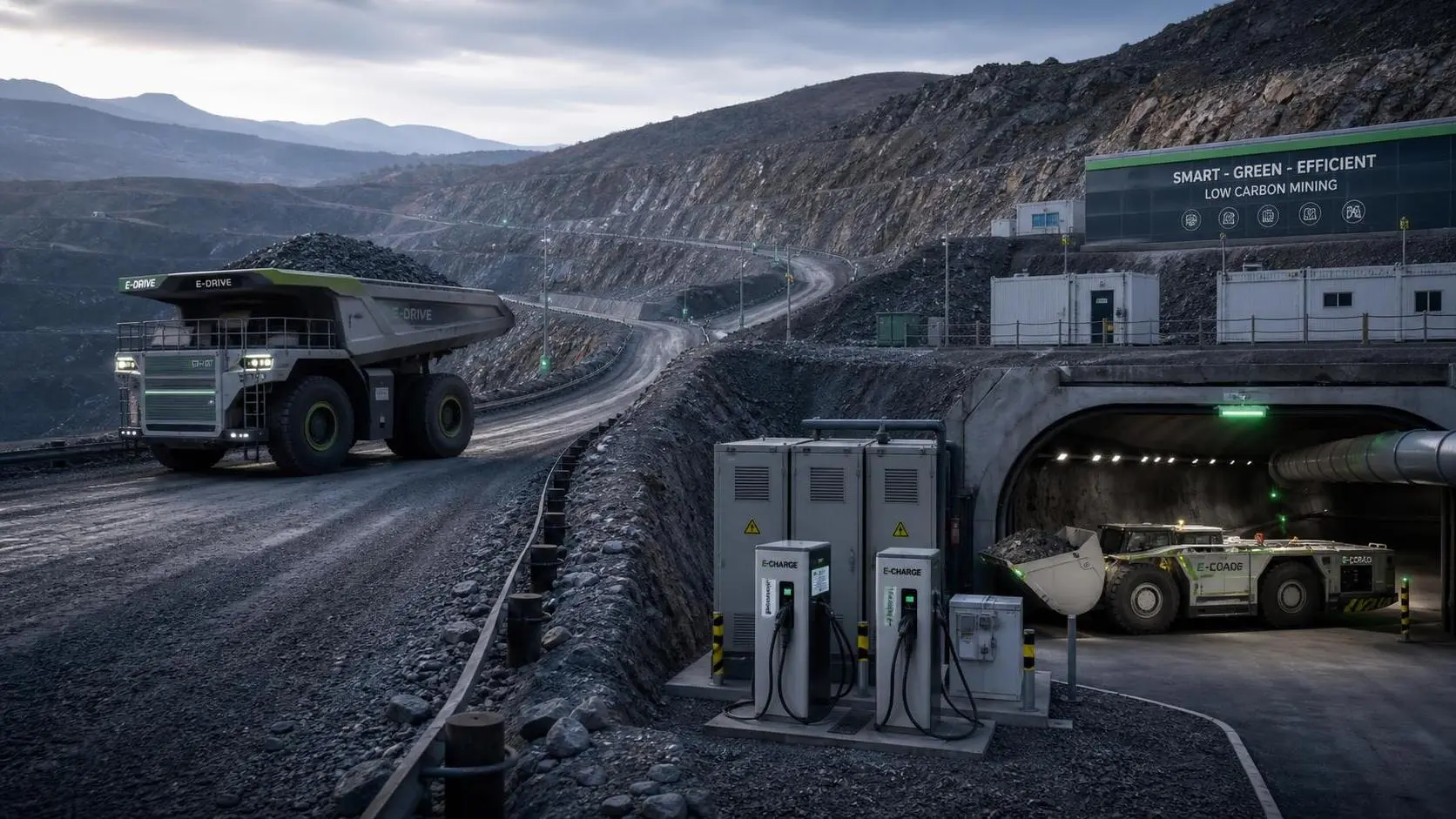
How to Build a Mining Decarbonization Strategy That Balances Emissions, Cost, and Fleet Reality
Mining decarbonization strategy starts with fleet reality. Learn how to cut emissions, control cost, and align power, ventilation, and production for a practical mine transition.
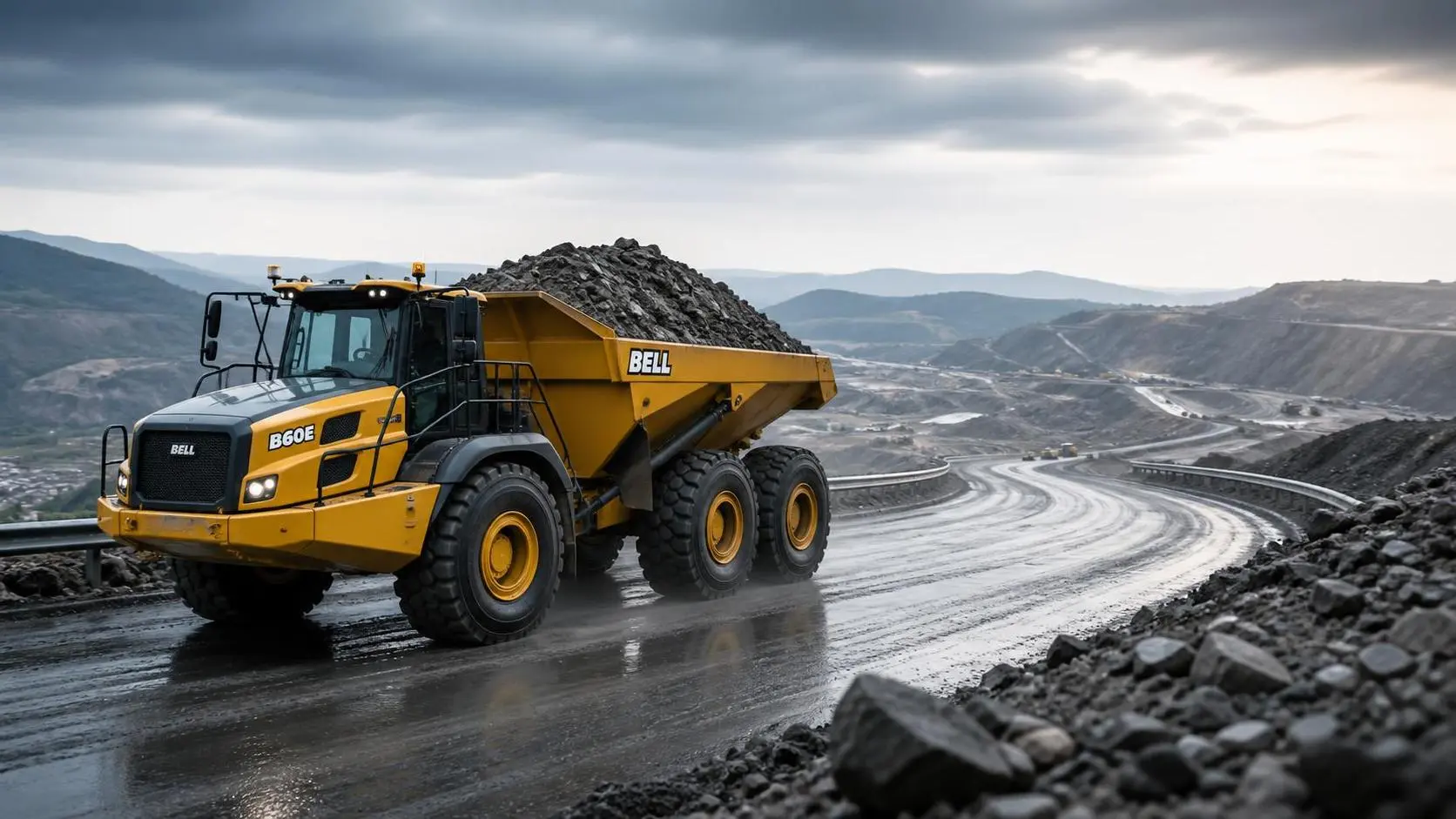
How to Evaluate Articulated Dump Trucks Payload for Haul Road Conditions and Cycle Efficiency
Articulated Dump Trucks payload evaluation starts with real haul road conditions, not brochure numbers. Learn how to balance payload, traction, grades, and cycle efficiency for safer, higher output.
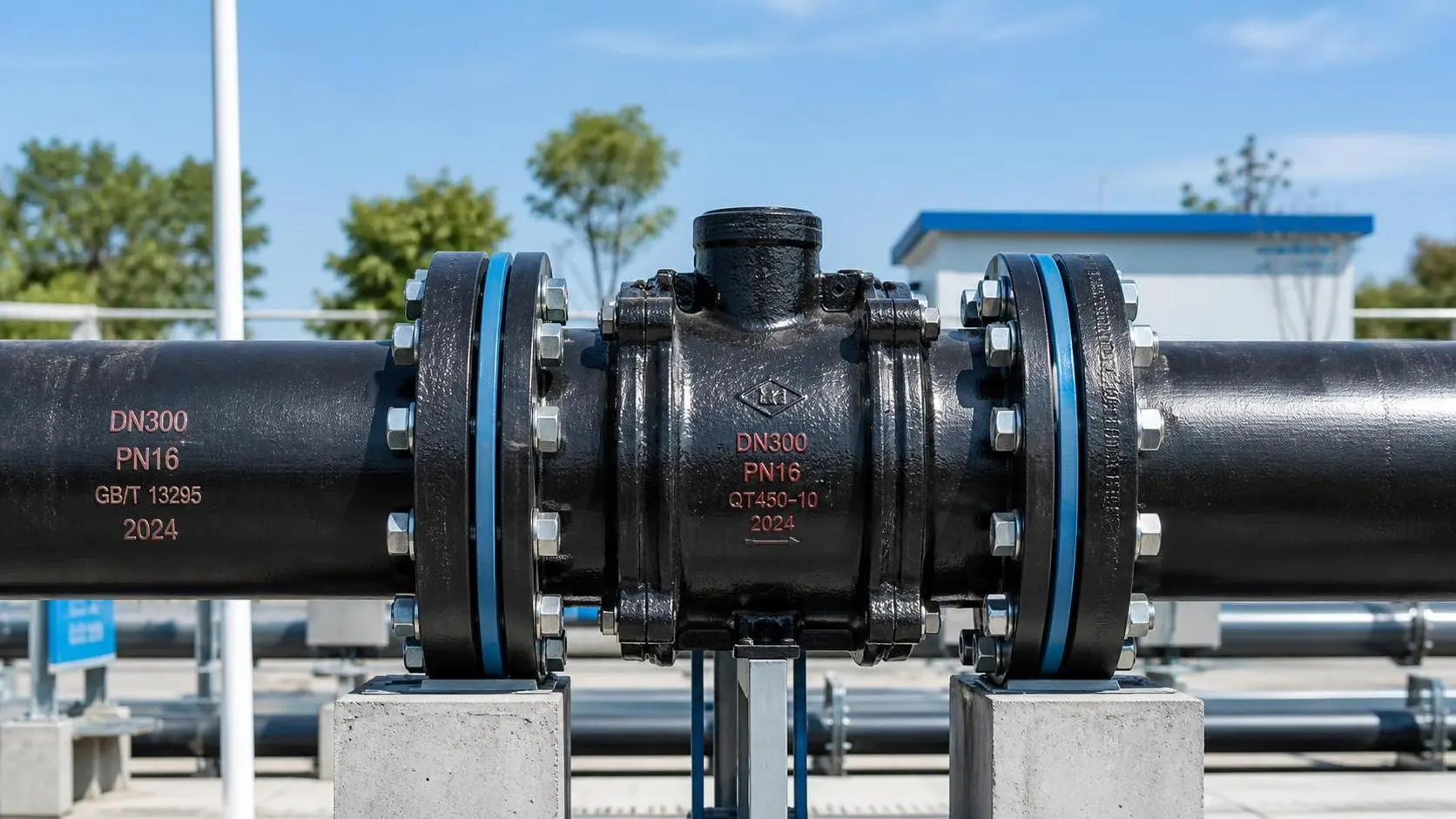
How Pipe Fittings Material and Pressure Class Affect Water Line Selection
Pipe fittings selection starts with material and pressure class. Learn how these factors affect water line reliability, corrosion resistance, installation, and long-term cost.
Related News
- 00
0000-00
How to Evaluate Pipe Jacking Equipment for Municipal Sewer and Utility Projects - 00
0000-00
How YLCSD300 Cutter Suction Dredger Parameters Affect River Dredging Output - 00
0000-00
What Should a Mine Decarbonization Roadmap Include to Cut Emissions Without Hurting Output? - 00
0000-00
How to Evaluate Underground Mine Automation Companies for Safety and ROI - 00
0000-00
How to Evaluate Underground Haulage Systems for Ore Output, Ramp Grade, and Ventilation Limits
Weekly Insights
Stay ahead with our curated technology reports delivered every Monday.