
Tunnel Cutterheads Wear Resistance: Which Materials and Designs Last Longer?





Tunnel cutterheads wear resistance sits at the center of excavation reliability. When wear accelerates, penetration drops, interventions rise, and schedule certainty weakens. In hard rock tunnelling, mixed-ground drives, and trenchless crossings, the question is rarely about one “best” material alone. It is about how metallurgy, heat treatment, cutter arrangement, and structural protection work together under real geological loads.
That is why the topic matters well beyond component life. Across TBM programs, pipe jacking projects, and deep mining development, longer-lasting cutterheads support better uptime, lower spare consumption, and clearer maintenance planning. For an intelligence platform such as UTMD, which tracks rock-cutting mechanics and equipment evolution across underground engineering, tunnel cutterheads wear resistance is also a signal of broader machine productivity and project risk.
What wear resistance really means in the field
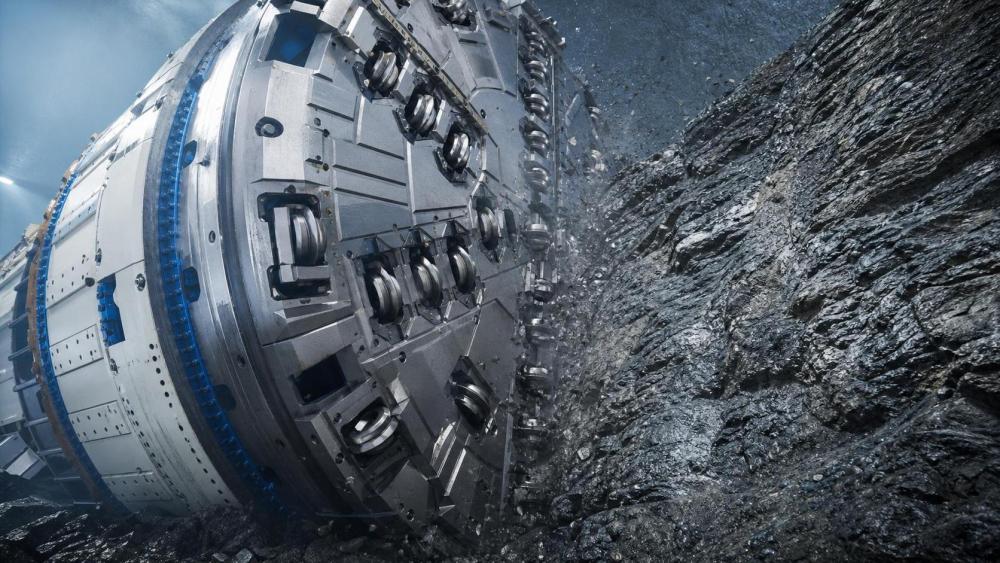
Wear resistance is not simply hardness. A cutterhead may use very hard alloys, yet still fail early if toughness is too low or if the face design traps abrasive fines.
In practice, tunnel cutterheads wear resistance describes the ability to keep cutting geometry, structural integrity, and stable performance while facing abrasion, impact, heat, and repeated cyclic loads.
Several wear modes usually act together:
- Abrasive wear from quartz-rich rock, sand, or broken spoil.
- Impact chipping in blocky or fractured formations.
- Adhesive and erosive wear around muck flow paths.
- Fatigue cracking at welds, mounts, and stress concentrations.
A design that performs well in competent granite may behave very differently in mixed face conditions. That is why service life must be judged against ground type, cutterhead diameter, thrust, torque, and intervention strategy.
Why the industry is paying closer attention
Underground projects are moving into harder rock, deeper alignments, tighter urban corridors, and more demanding environmental targets. Each of those trends increases the cost of unscheduled stoppages.
For mega-tunnels, replacement intervals affect crew exposure, logistics, and machine availability. For trenchless work, wear can threaten line and grade control. In mining development, it can slow access to ore zones and distort production ramp-up.
There is also a strategic angle. UTMD’s coverage of TBMs, pipe jacking systems, drilling platforms, and smart underground transport highlights a larger shift toward higher asset utilization. In that setting, tunnel cutterheads wear resistance becomes part of the same efficiency discussion as automation, remote monitoring, and energy-aware operations.
Which materials tend to last longer
No single material wins everywhere, but some combinations consistently offer better durability.
High-strength alloy steels for the base structure
The cutterhead body usually relies on quenched and tempered alloy steels. These grades balance strength, weldability, and impact toughness.
Their job is not to resist direct abrasion alone. They must carry extreme loads without distortion, especially near cutter housings, spoke junctions, and face openings.
Wear plates and hardfacing in high-loss zones
In highly abrasive ground, replaceable wear plates and hardfaced surfaces often extend life more effectively than making the whole structure harder.
Chromium carbide overlays are common where sliding abrasion dominates. Complex carbide systems can perform well, but they need careful application to avoid cracking under shock.
Tool steels and carbide-based inserts for local protection
Nose blocks, scrapers, ripper tools, and gauge protection often benefit from hardened tool steels or tungsten carbide inserts.
These materials usually last longer where point loading is intense. Still, carbide-rich solutions can become brittle if impact severity exceeds the design window.
Heat treatment matters as much as chemistry
A good alloy can underperform if heat treatment is inconsistent. Hardness gradients, residual stress, and weld-affected zones often decide whether wear remains controlled or turns into cracking and spalling.
For tunnel cutterheads wear resistance, the durable choice is often a balanced system: tough structural steel, localized hardfacing, and replaceable protected edges.
Design choices that influence service life
Material quality alone does not guarantee longer operation. Several design details strongly influence wear behavior.
One overlooked issue is spoil recirculation. If broken rock repeatedly sweeps across the same surfaces, even premium wear materials can disappear quickly. Good flow paths sometimes deliver more life than a harder overlay.
Different ground conditions favor different solutions
In massive, high-strength rock, disc cutter loading dominates the wear picture. Here, housing integrity, ring material quality, and bearing protection are critical.
In abrasive sedimentary formations, the challenge often shifts toward sustained surface loss. Hardfaced lips, wear tiles, and abrasion-resistant flow channels become more valuable.
Mixed ground is usually the hardest case to predict. Sudden transitions between soft and hard zones create uneven loading, impact events, and unstable wear patterns. Tunnel cutterheads wear resistance in these drives depends heavily on design flexibility and inspection access.
Pipe jacking applications may prioritize compact layouts and accurate face stability. Large hard-rock TBMs often focus on long intervention intervals. The same wear-resistance strategy does not transfer directly between them.
How to evaluate a cutterhead beyond headline specifications
Quoted hardness values and material names are useful, but they are not enough for a serious comparison.
- Check whether wear data comes from geology similar to the planned alignment.
- Review heat-treatment controls, weld procedures, and repair limits.
- Look at how replaceable wear parts protect the base structure.
- Assess access time for cutter inspection and replacement.
- Ask how the design handles gauge wear and spoil circulation.
- Compare predicted life in meters, not only material hardness.
It is also worth checking whether monitoring data supports the design. Wear mapping, vibration records, torque trends, and penetration changes can reveal whether a cutterhead is consuming life evenly or failing locally.
The business value of longer-lasting designs
Better tunnel cutterheads wear resistance reduces more than parts consumption. It supports a steadier production rhythm.
Fewer interventions mean less exposure during hyperbaric work, fewer delays in logistics chains, and better use of downstream systems such as segment handling, muck haulage, and ventilation planning.
That broader perspective fits the UTMD view of underground engineering. Cutterhead durability connects directly with machine availability, digital maintenance planning, and the push for higher reliability across electrified and automated underground fleets.
A practical way to narrow the options
A useful evaluation path starts with the rock, not the brochure. Map UCS, abrasivity, fracture frequency, groundwater effects, and expected transitions along the alignment.
Then compare cutterhead concepts as operating systems rather than isolated parts. The more reliable choice usually combines suitable structural steel, targeted wear protection, balanced cutter layout, maintainable access, and field evidence from similar projects.
Where uncertainty is high, prioritize designs that keep wear predictable and repairs localized. In difficult underground work, the longest-lasting solution is often the one that degrades in a controlled, measurable way. That is the right starting point for the next round of technical screening, supplier comparison, and project-specific risk review.
Related News
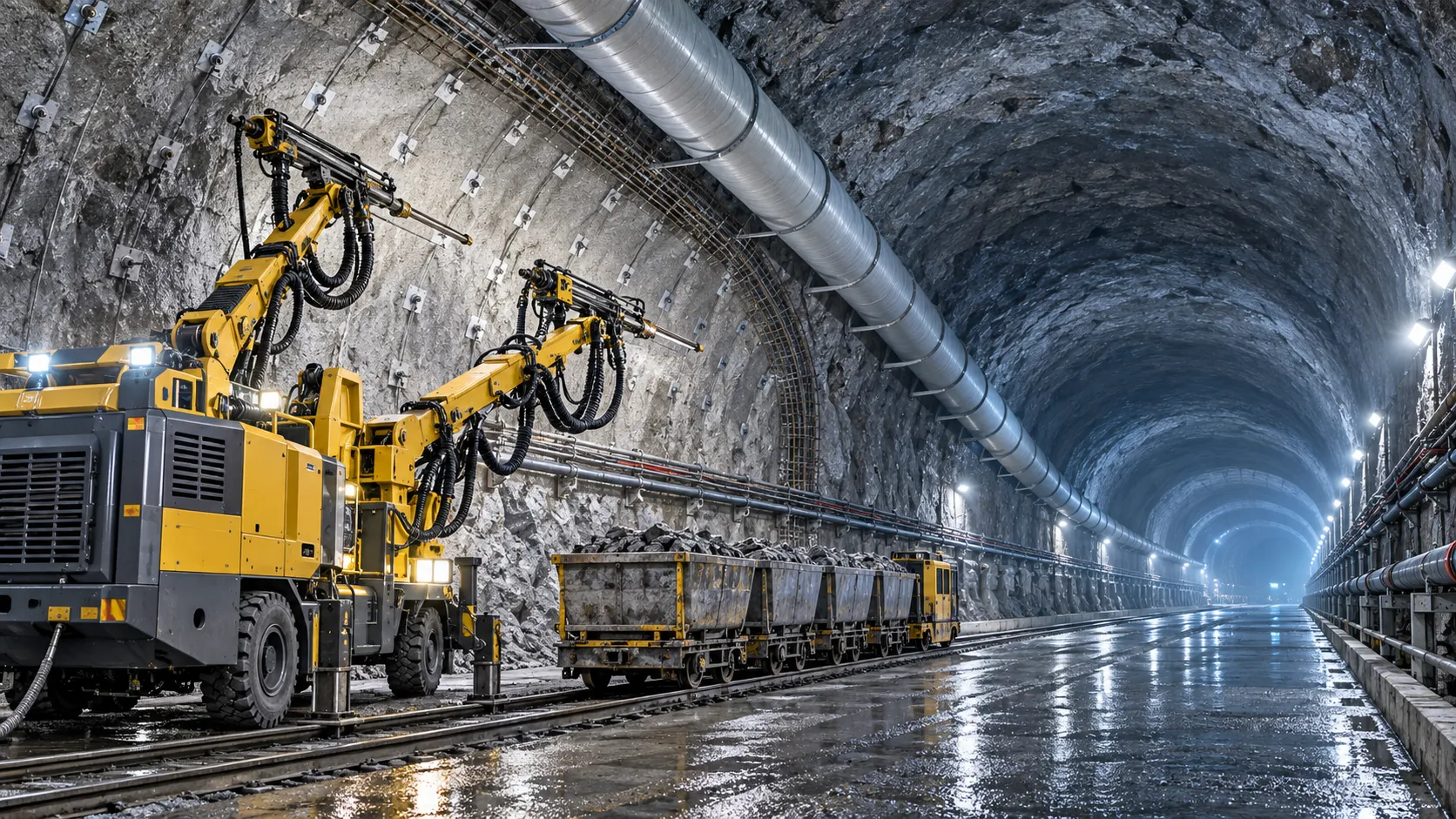
How to Evaluate European Drill-and-Blast Tunnelling Contractors for Complex Projects
Drill and blast tunnelling contractors Europe: learn how to assess geology expertise, blast control, equipment reliability, safety, and programme resilience for complex projects.
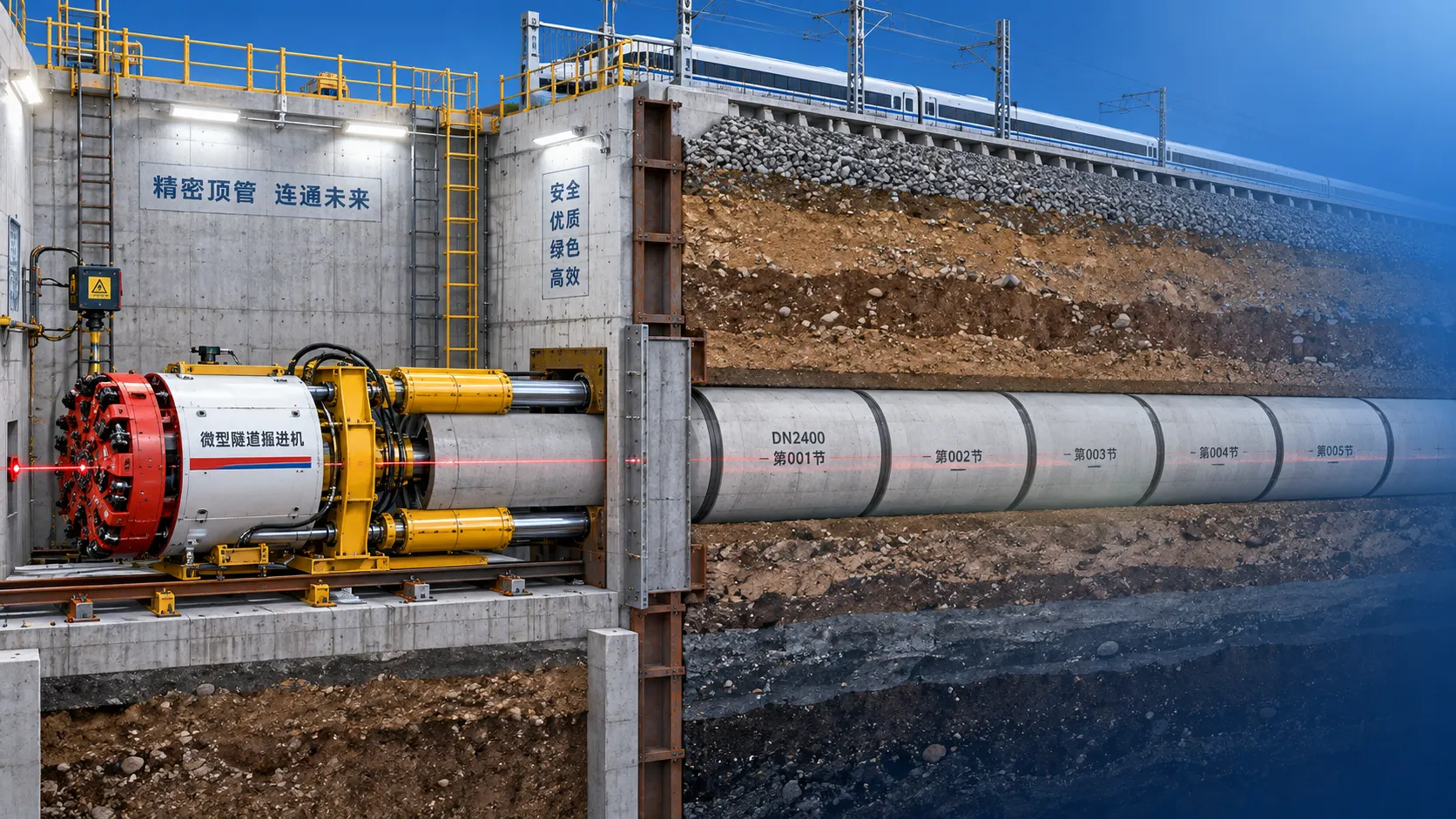
Which Trenchless Construction Technique Fits Your Utility Crossing Conditions?
Trenchless construction techniques compared for utility crossings: choose HDD, microtunnelling, pipe jacking, or auger boring based on ground, accuracy, access, and risk.

What Is Driving Metro Tunnelling Demand Across Southeast Asia’s Major Cities?
Metro tunnelling Southeast Asia is accelerating as major cities tackle congestion, flooding, and connectivity. Explore the market forces, technical risks, and opportunities shaping demand.
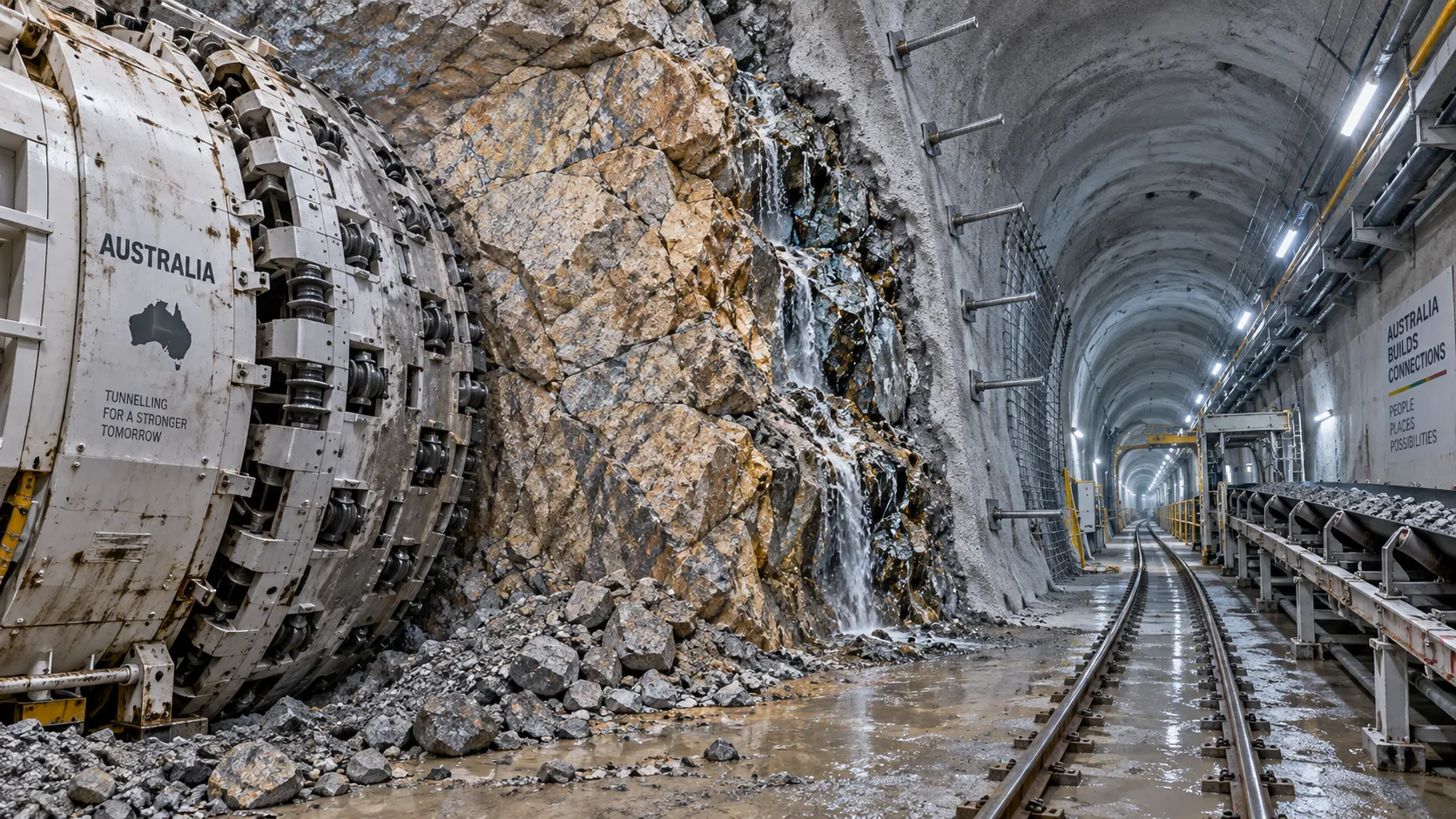
Hard Rock Tunnelling in Australia: Selecting Methods for Variable Ground Conditions
Hard rock tunnelling in Australia: compare TBM, drill-and-blast and hybrid methods to manage variable ground, reduce risk and protect project costs.
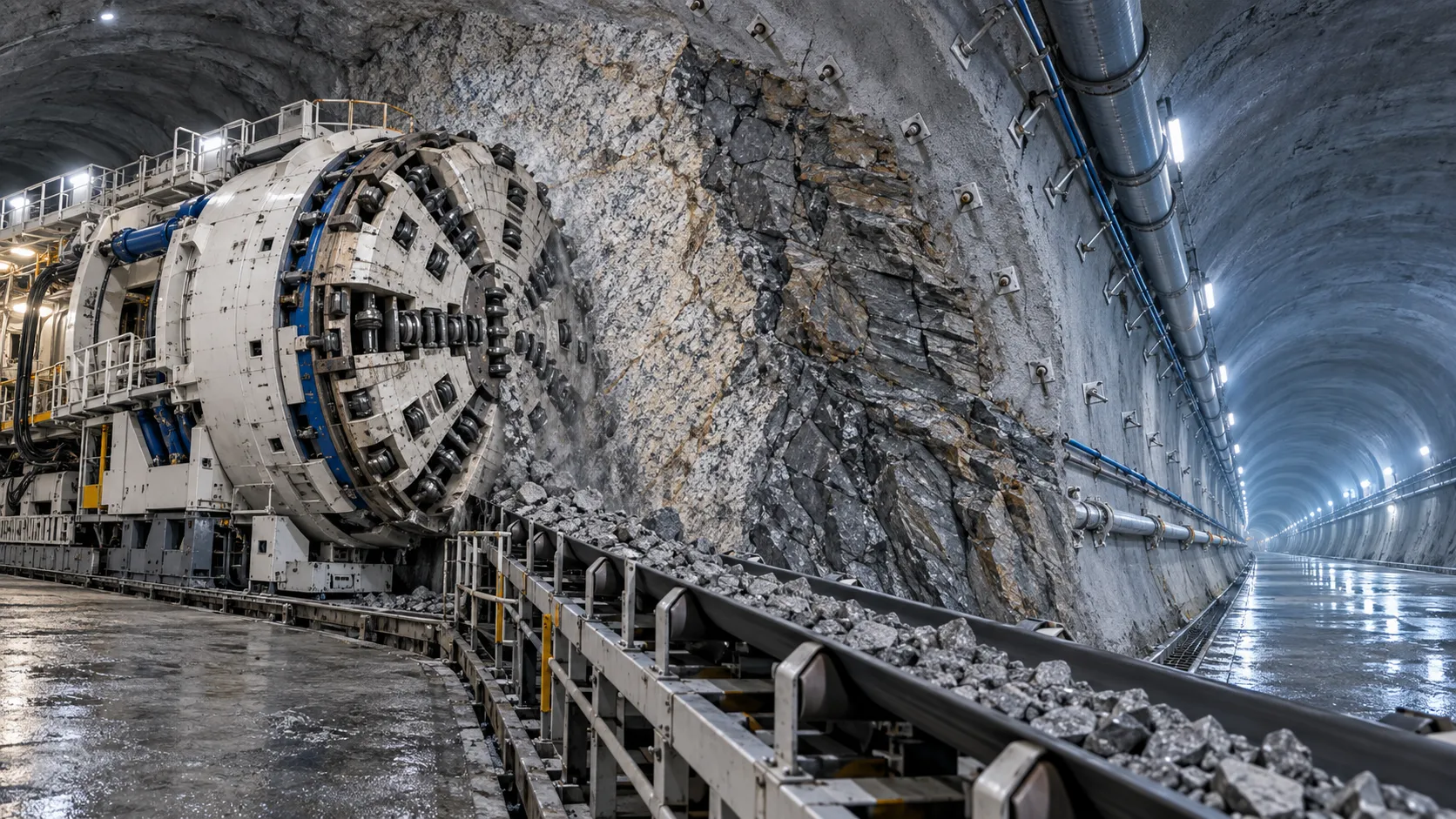
Hydropower Tunnel Excavation: Selecting Methods for Variable Rock Conditions
Hydropower tunnel excavation methods for variable rock conditions: compare TBM, drill-and-blast, and hybrid strategies to improve safety, progress, and project control.
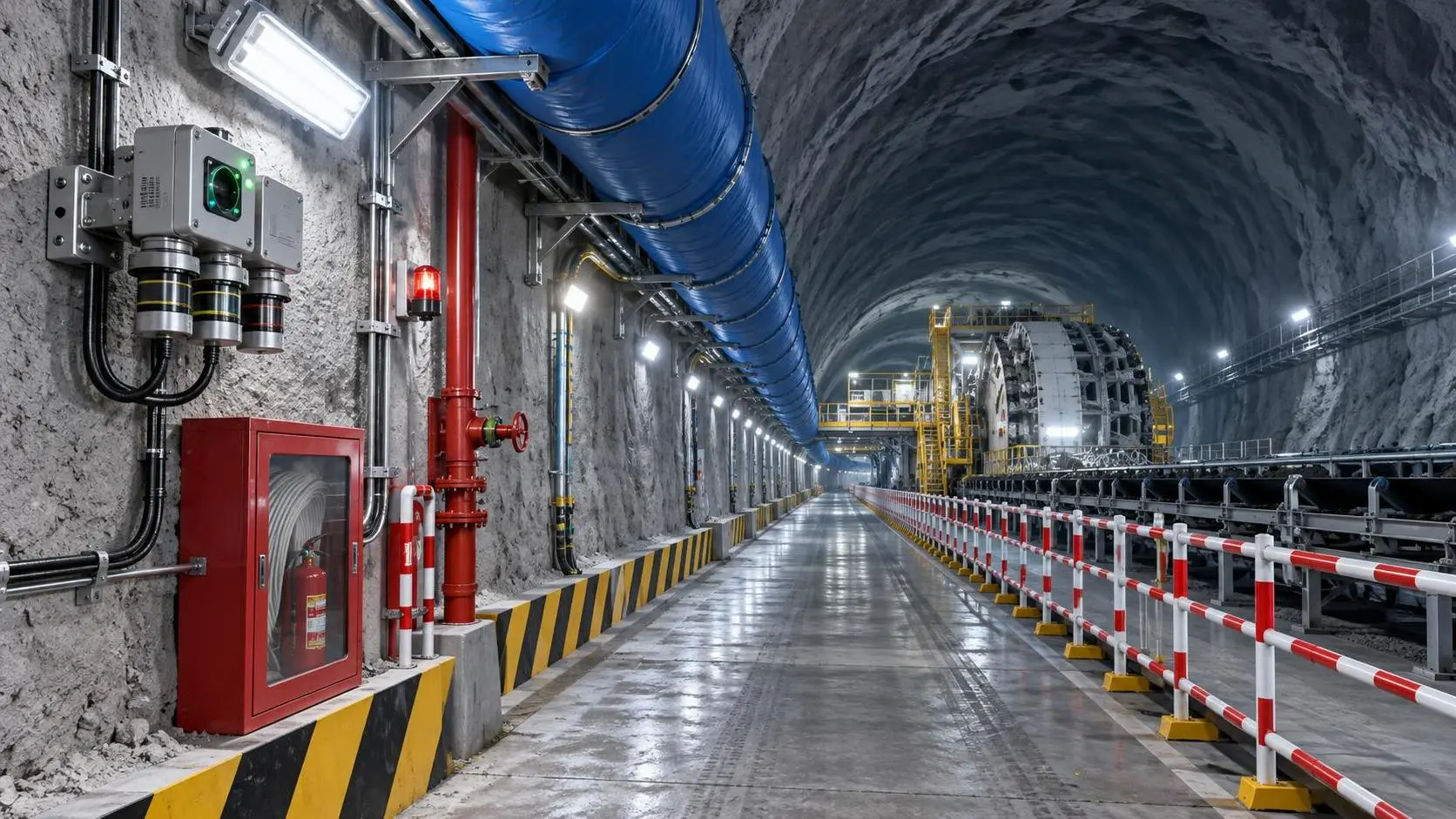
How to Select Underground Safety Equipment for Tunnelling by Hazard and Work Zone
Underground Safety Equipment for tunnelling: match protection to hazards, work zones, compliance, and emergency needs with this practical selection guide.
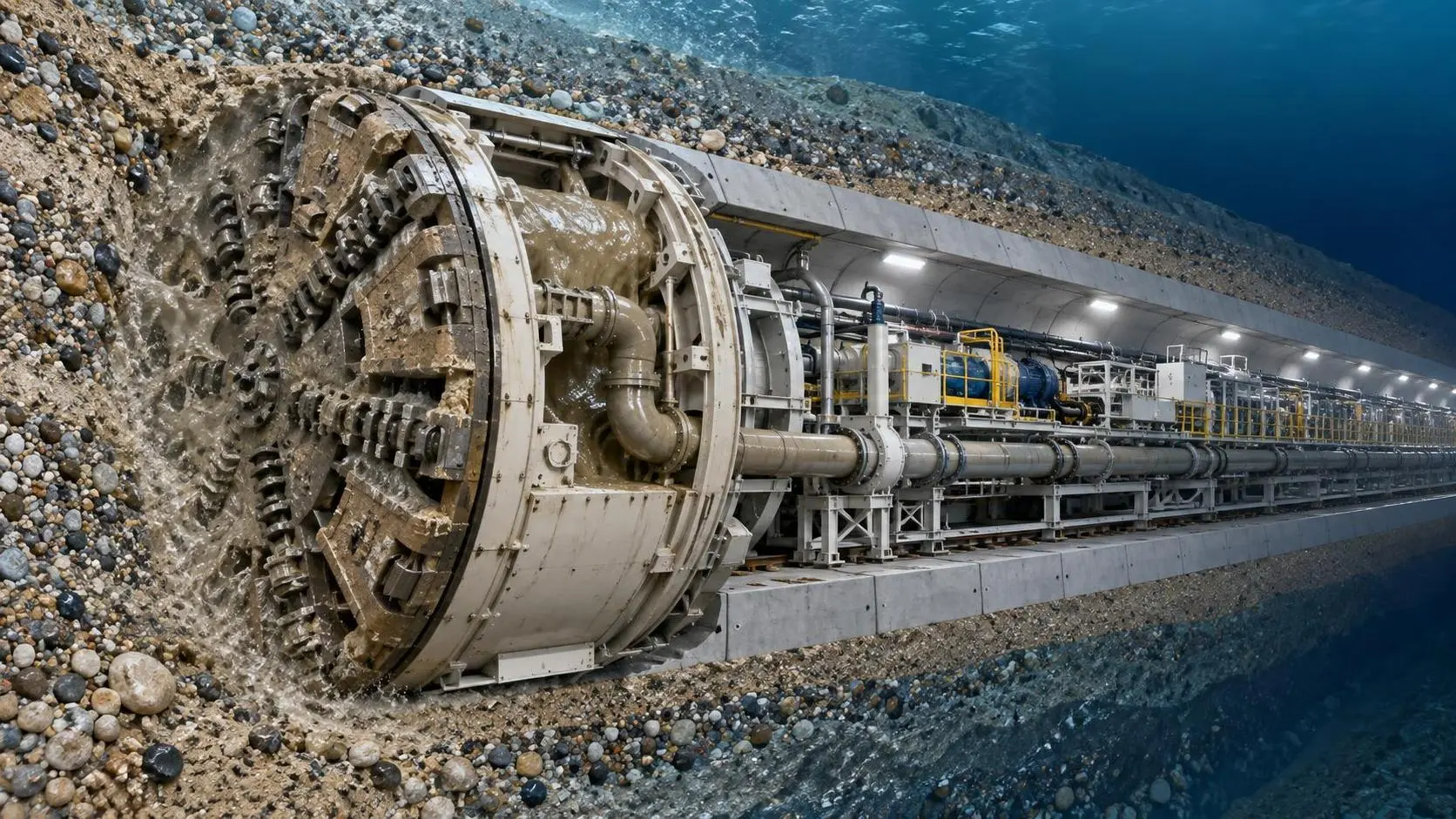
EPB or Slurry Shield? Selecting Soft-Ground Tunnelling Equipment by Soil Conditions
Tunnel Excavation Equipment for soft ground: compare EPB and slurry shields by soil, groundwater, settlement risk, and project logistics to choose confidently.
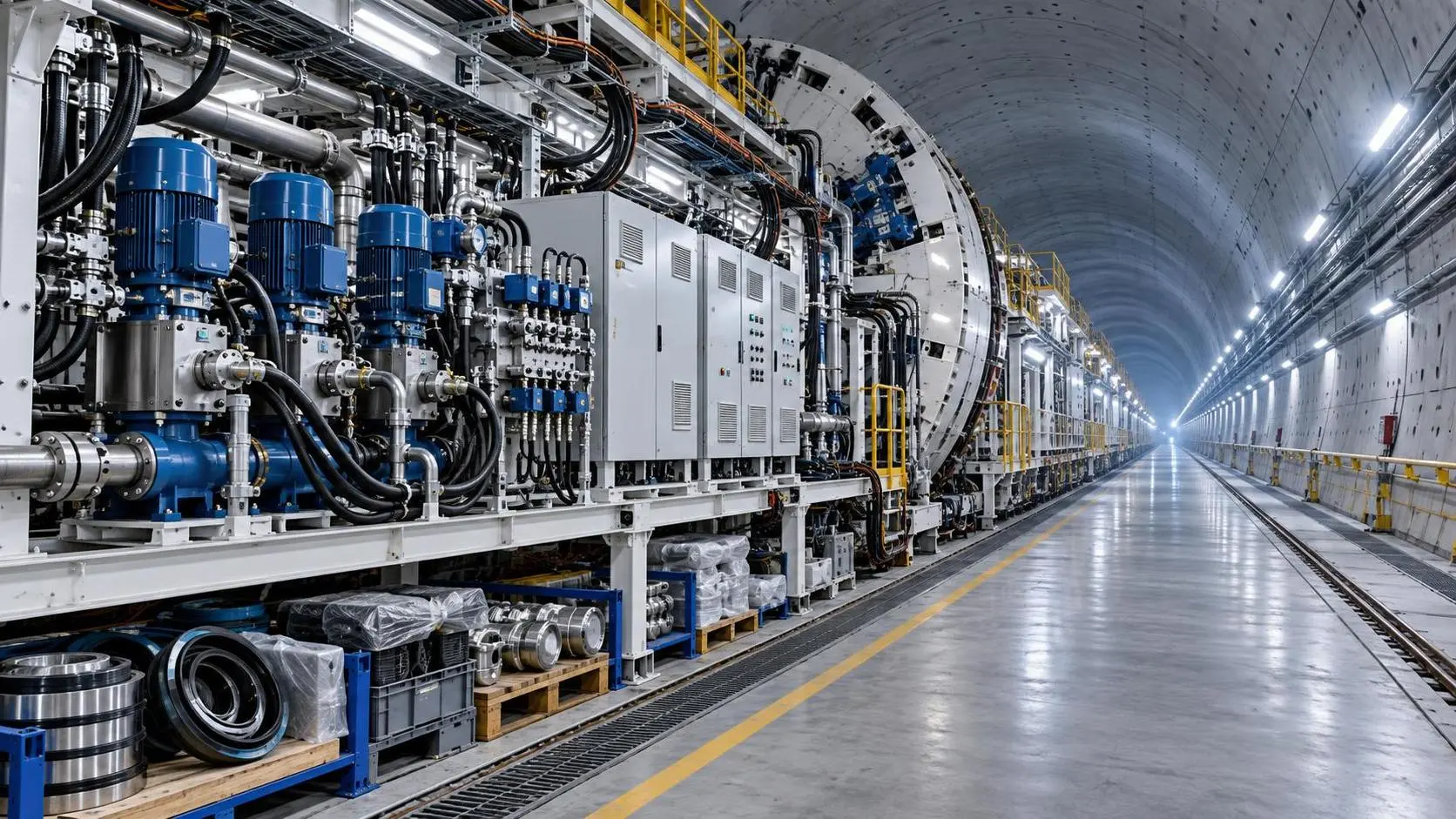
How to Specify TBM Backup System Parts for Reliable Long-Distance Tunnelling
TBM backup system parts: learn how to specify reliable spares for long-distance tunnelling, reduce downtime, ensure compatibility, and speed underground recovery.
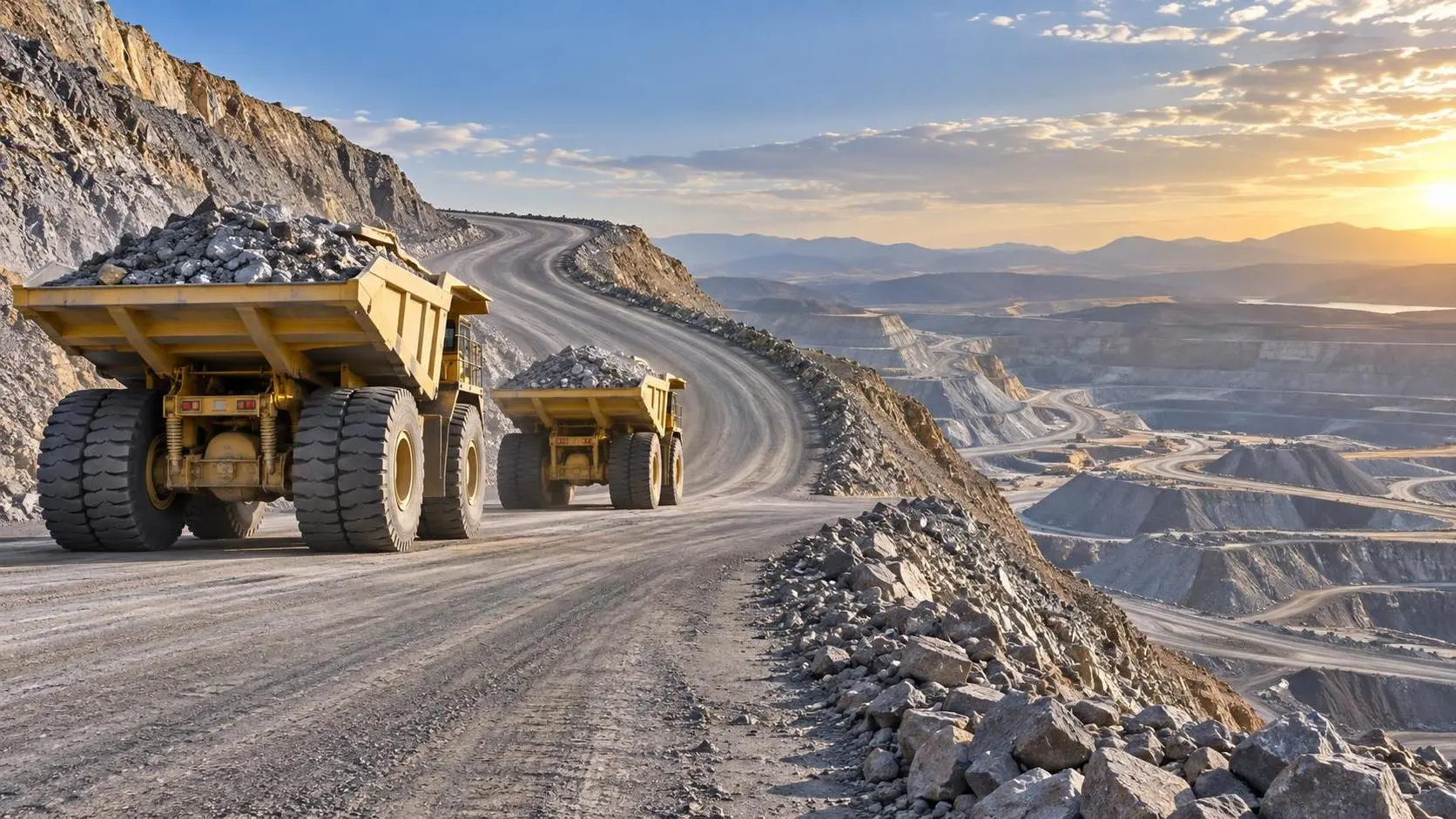
How to Size Open Pit Mining Trucks for Haul Distance, Grade, and Payload?
Open Pit Mining Trucks: learn how to match payload, haul distance, grade, road resistance, and loading capacity for safer, lower-cost mine operations.
Related News
- 00
0000-00
How to Evaluate European Drill-and-Blast Tunnelling Contractors for Complex Projects - 00
0000-00
Which Trenchless Construction Technique Fits Your Utility Crossing Conditions? - 00
0000-00
What Is Driving Metro Tunnelling Demand Across Southeast Asia’s Major Cities? - 00
0000-00
Hard Rock Tunnelling in Australia: Selecting Methods for Variable Ground Conditions - 00
0000-00
Hydropower Tunnel Excavation: Selecting Methods for Variable Rock Conditions
Weekly Insights
Stay ahead with our curated technology reports delivered every Monday.