
Codelco Tightens TBM Bid Rules With AI Rock ID





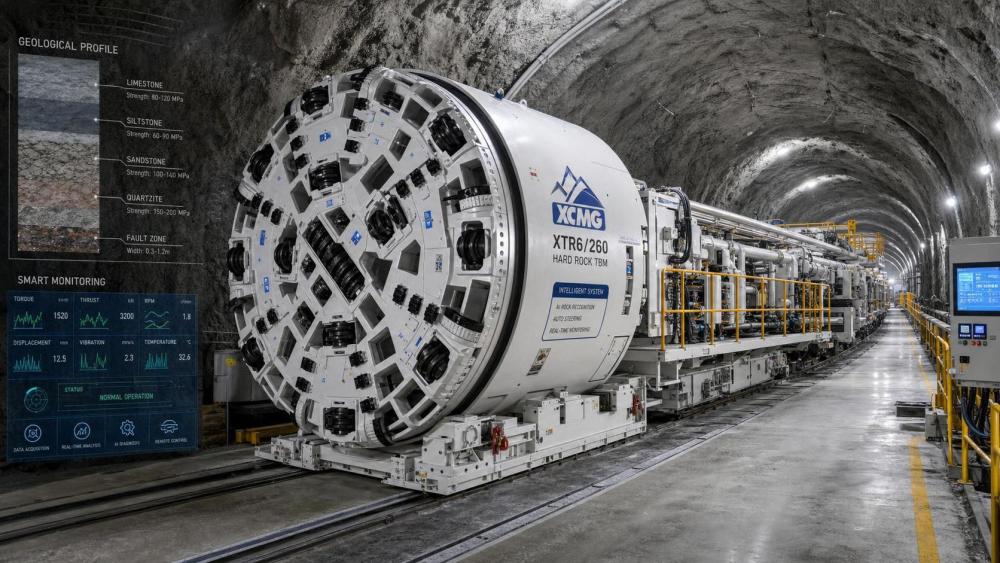
On June 30, 2026, Codelco updated the technical terms for the TBM tender in the El Teniente deep expansion project, adding a mandatory requirement for Hard Rock TBMs to carry an AI-based lithology recognition system compliant with ISO/IEC 23053:2026. The change matters not only to TBM manufacturers and integrators, but also to certification bodies, procurement teams, and project delivery partners, because the new threshold ties equipment eligibility directly to real-time rock strength prediction performance and third-party certification.
What the revised tender now requires
According to the provided event summary, Codelco updated the TBM tender technical clauses on the evening of June 30, 2026 for the El Teniente deep expansion project. The revised terms make it compulsory for bidding Hard Rock TBMs to integrate an AI lithology recognition system that complies with ISO/IEC 23053:2026.
The same tender update sets a minimum requirement of at least 92% accuracy for rock mass strength prediction. It also states that the relevant certification must be issued by IECEx or UL Solutions. Bids that do not meet these conditions will be rejected directly.
Where the impact is likely to be felt first
Pressure shifts upstream to TBM design and system integration
From an industry perspective, the most immediate impact is on TBM manufacturers and integration teams. The requirement is no longer limited to mechanical tunneling capability; bid compliance now also depends on whether the machine includes a qualifying AI recognition module and whether that module can satisfy the stated prediction accuracy threshold. The affected business links are product specification, subsystem integration, validation, and tender documentation readiness.
Certification and compliance become part of bid competitiveness
Observably, certification is not a secondary paperwork issue in this case. Because the tender explicitly names IECEx or UL Solutions and links compliance failure to direct disqualification, suppliers and bidding consortia will need to treat certification timing, scope, and document completeness as part of commercial viability. This is likely to affect proposal preparation, partner selection, and internal review workflows.
Procurement teams face a narrower screening range
For procurement and project owners, the revised clause changes how technical screening is likely to be conducted. The requirement creates a clearer pass-fail line around AI capability, standard compliance, and certified performance. What deserves closer attention is that procurement evaluation may now depend less on optional digital features and more on whether those features are formally qualified within the tender framework.
Service and delivery partners may need tighter coordination
Service providers involved in implementation, testing, or technical support may also be affected. Analysis shows that once AI recognition performance and certification status are written into bid eligibility, coordination across equipment supply, verification materials, and delivery schedules becomes more sensitive. The operational impact is likely to show up in pre-bid preparation and handoff management rather than only at final delivery.
What companies should watch in practical terms
Whether the requirement stays fixed or receives further clarification
Companies tracking this tender should closely monitor whether Codelco issues any additional explanation on the interpretation of ISO/IEC 23053:2026 compliance, the measurement basis behind the 92% accuracy threshold, or document submission expectations. Analysis shows that formal wording can materially affect who is realistically able to bid.
Readiness of certifiable AI modules, not just functional prototypes
For suppliers, the key issue is not simply whether an AI lithology recognition function exists, but whether it can be presented in a certifiable form acceptable under the named tender rules. What deserves closer attention is the gap between a technically working module and a module supported by recognized certification evidence.
Bid timelines and documentation discipline
Because non-compliant proposals will be rejected directly, companies should pay close attention to document completeness, certification status, and the consistency between technical claims and supporting materials. This is particularly relevant for teams coordinating engineering, compliance, and tender submission, where mismatches often surface late in the process.
Communication across suppliers, partners, and the buyer side
Observably, this type of requirement makes early communication more important across machine suppliers, subsystem partners, and bid managers. Questions around certification issuer, performance proof, and integration responsibility are likely to matter before commercial terms can be finalized. The practical focus should be on alignment and evidence preparation rather than on broad positioning statements.
Why this looks more like a procurement signal than a standalone feature update
Analysis shows that this development should not be read only as an equipment feature preference. By linking AI lithology recognition, a named standard, a quantified accuracy threshold, and recognized certifiers to bid validity, the tender language turns a digital capability into a procurement gate. At the current stage, it is more appropriate to understand this as a concrete signal within one project tender rather than as a confirmed market-wide rule, but it is still significant because it shows how technical qualification criteria may be evolving in mining equipment procurement.
How to read the development at this stage
Based on the confirmed information, the core significance of this update is that AI-assisted geological recognition is being treated as a mandatory tender condition rather than an optional enhancement in this case. From an industry perspective, the development is best understood as a meaningful project-level signal with possible broader relevance, not yet as a settled industry outcome. The near-term focus should remain on compliance details, certification execution, and whether similar wording appears in other procurement contexts.
Basis of this article and points requiring follow-up
This article is based on the user-provided news title, event date, and event summary. For this type of industry development, source categories commonly associated with verification include official tender notices, company announcements, industry association releases, authoritative media reporting, and standard-organization documents. A specific official source link was not provided in the input, so the exact underlying tender document and any follow-up clarification still require continued verification. Future observation should focus on whether additional official wording, supporting documentation requirements, or related procurement updates are issued.
Related News
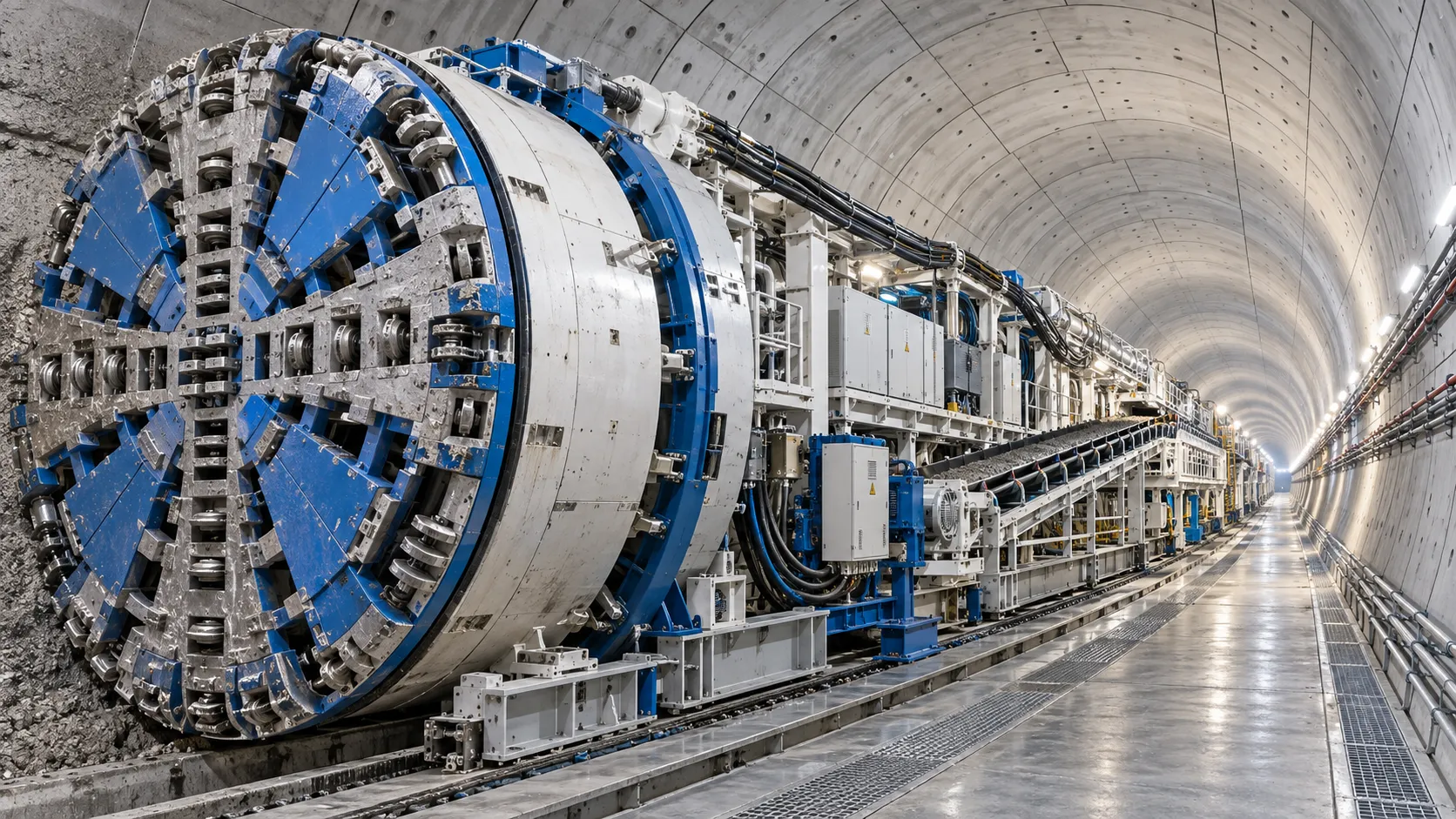
Tunnel Boring Machine Costs: Budgeting for Purchase, Operation, and Project Risk
Tunnel Boring Machines cost more than purchase price. Learn how to budget lifecycle costs, downtime, logistics, wear, and project risk for smarter TBM decisions.
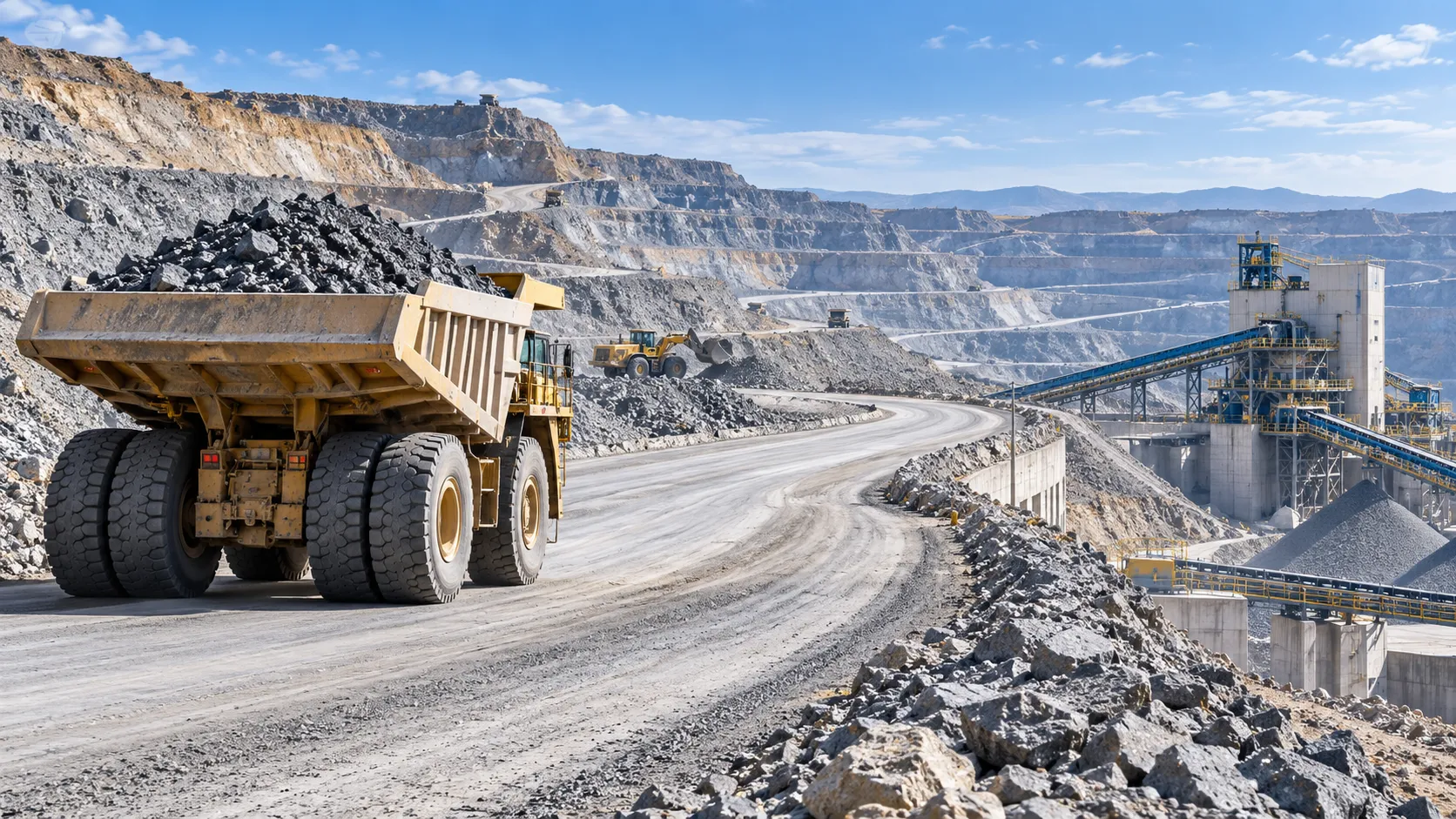
Open-Pit Haulage Cost Analysis: How Mine Managers Can Cut Cost per Tonne
Open pit haulage cost analysis: discover practical ways to reduce cost per tonne through payload control, cycle-time optimization, road performance, and smarter fleet decisions.
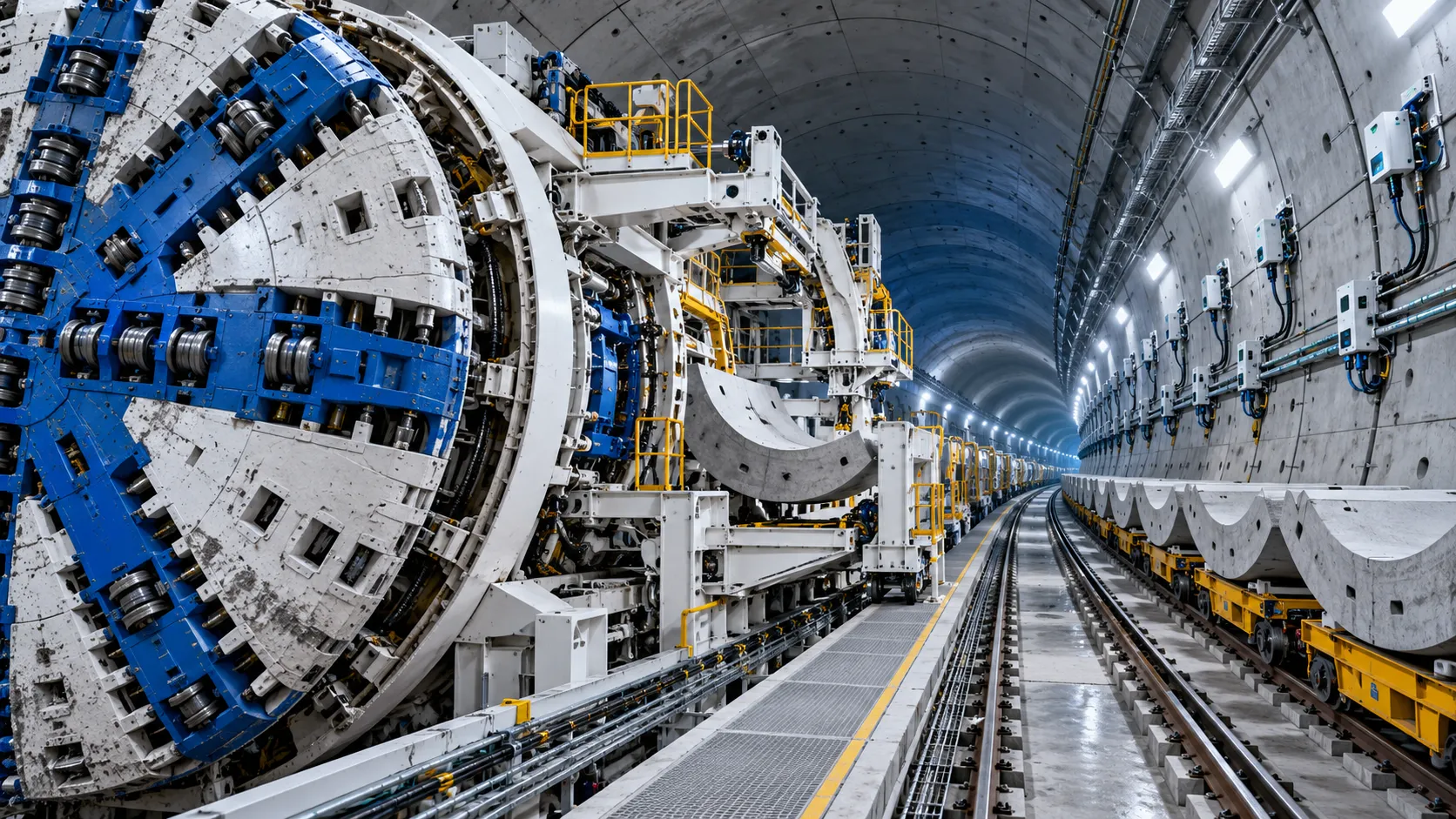
Tunnel Construction Innovations That Reduce Risk and Schedule Delays on Urban Projects
Tunnel construction innovation for urban projects: discover smarter TBMs, real-time monitoring, trenchless methods, and automation that reduce risk and protect schedules.

TBM Disc Cutter Design: Key Geometry and Load Factors for Hard Rock Tunnelling
TBM disc cutter design explained: explore geometry, spacing, load distribution and maintenance factors for reliable, efficient hard-rock tunnelling performance.
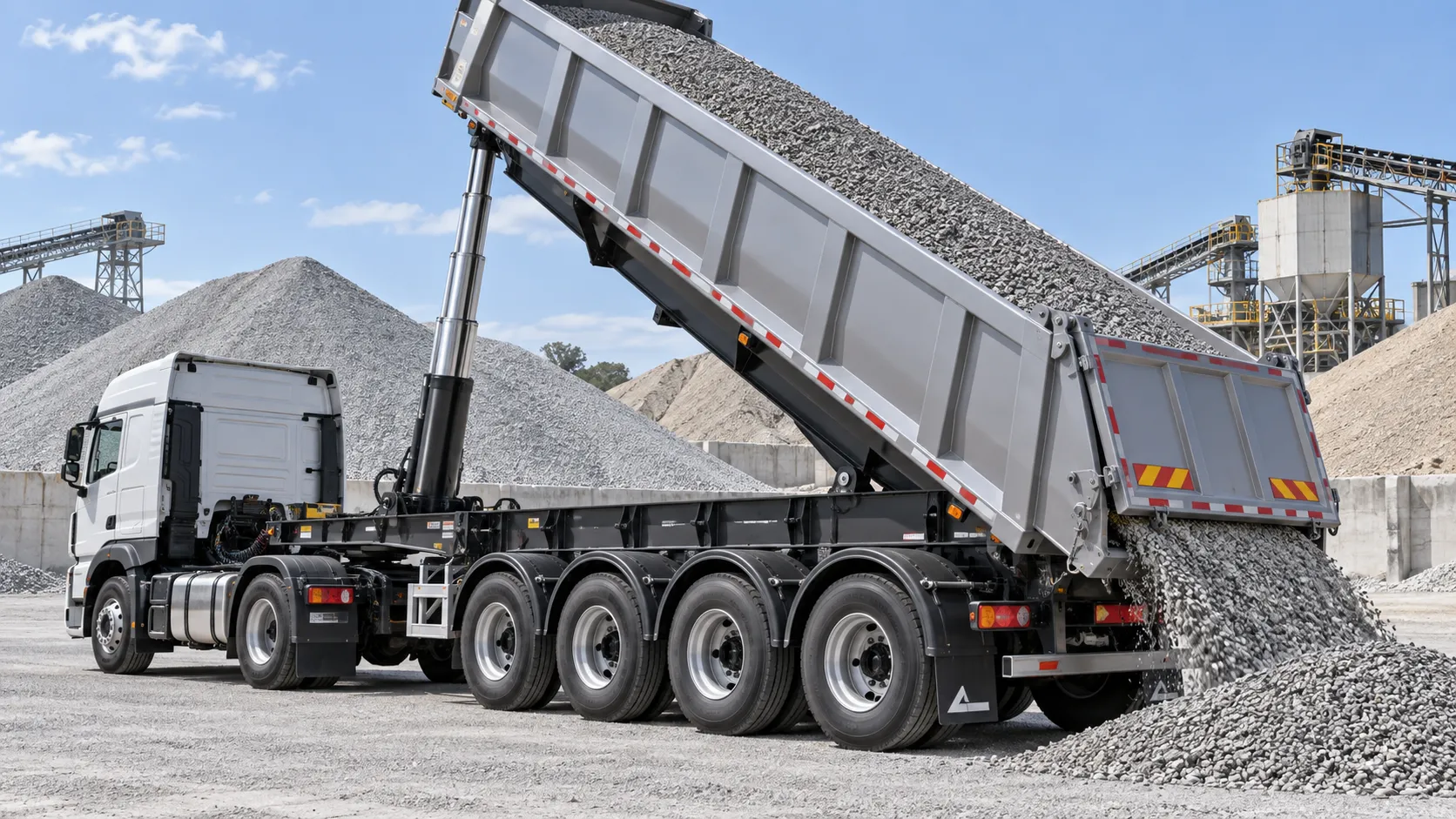
Hydraulic Tipping Stability Risks in Multi-Axle Dump Special Trailers
Dump special trailers: discover key hydraulic tipping stability risks, multi-axle load dynamics, and practical safety controls for safer, smarter bulk hauling.
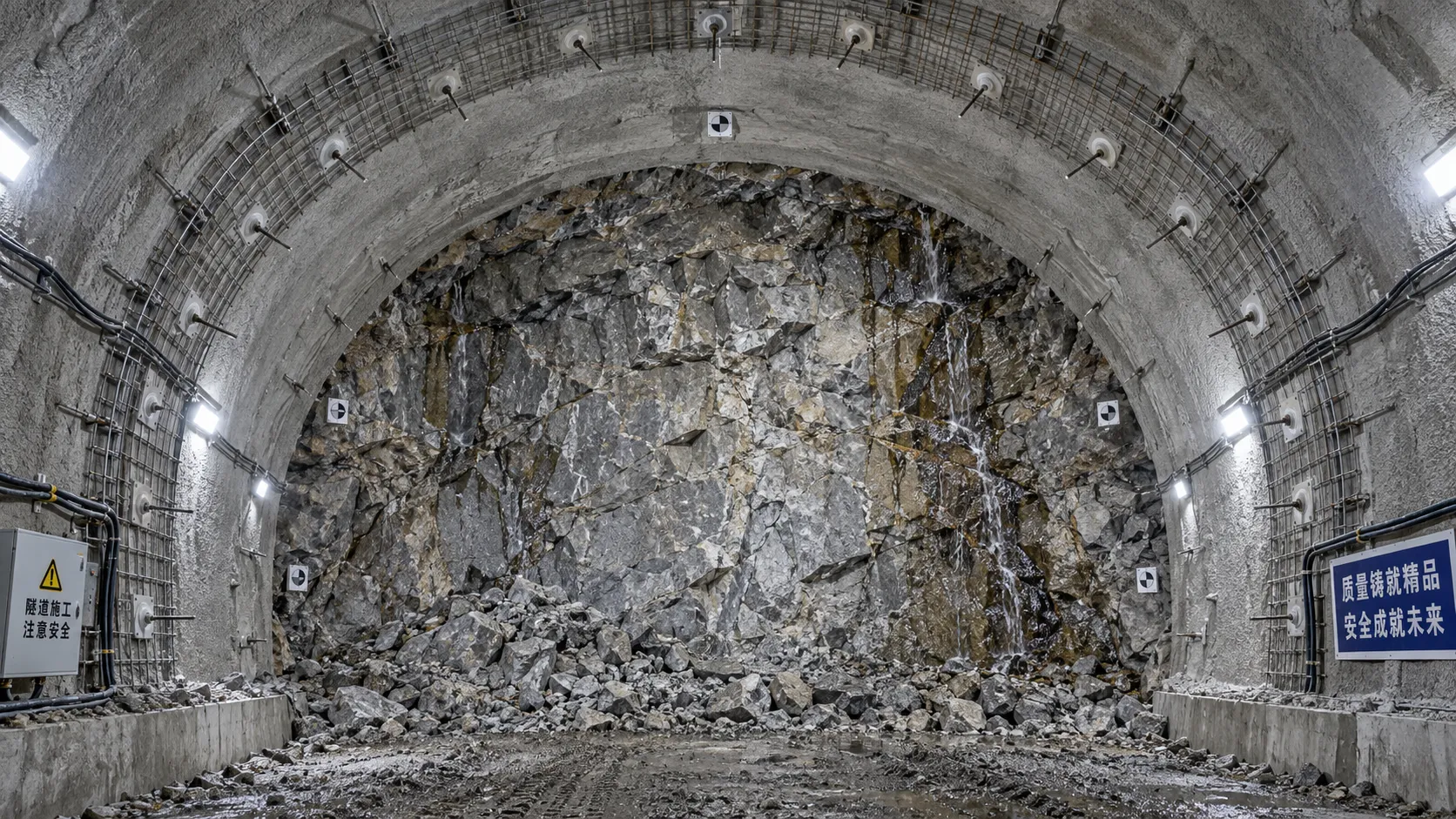
When rock reinforcement in tunnel construction must change after blasting
Rock reinforcement in tunnel construction must change when blasting reveals overbreak, weak joints, water inflow, or deformation. Discover key post-blast support decisions.
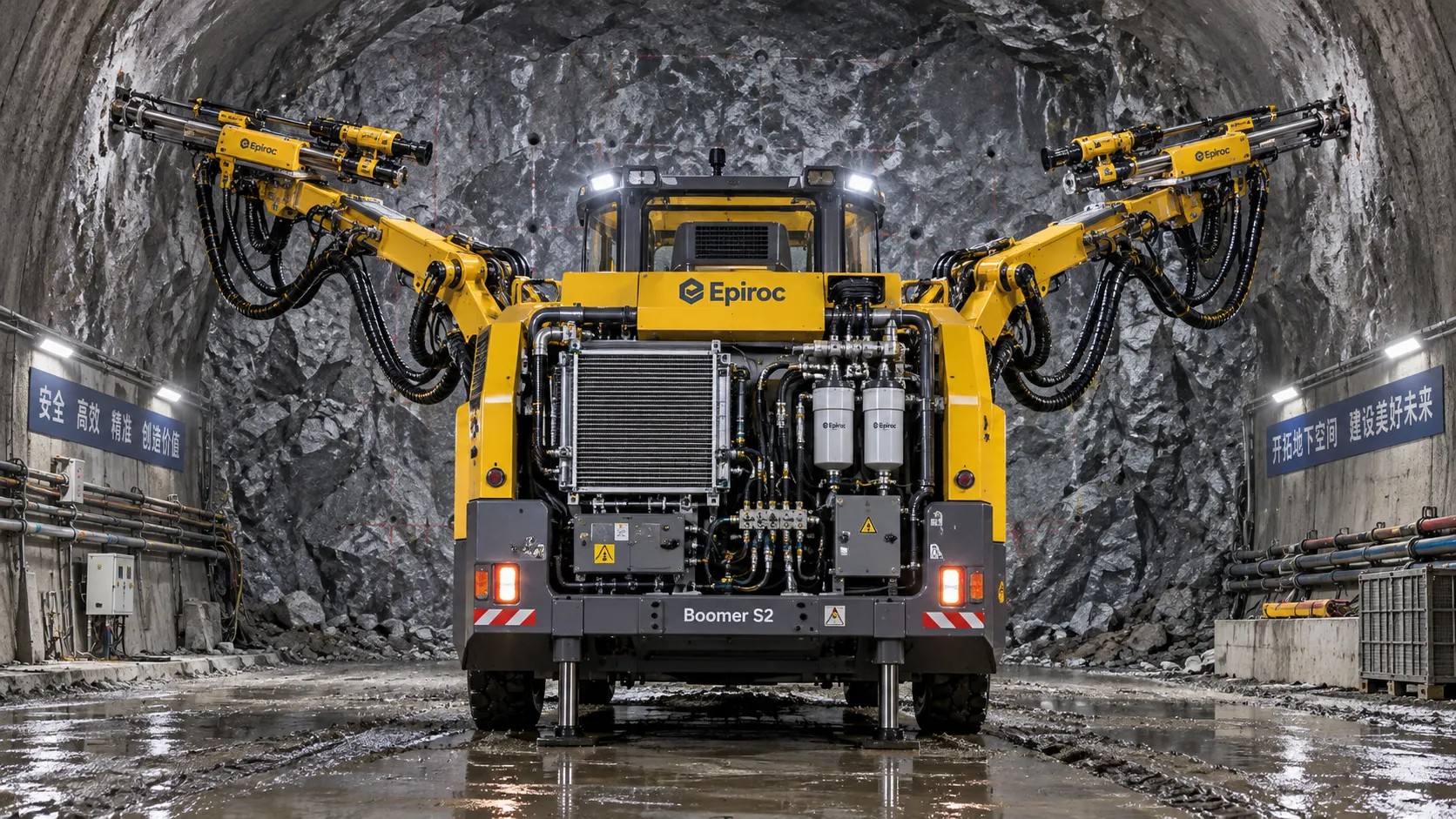
How tunnel hydraulic systems influence drill jumbo uptime underground
Tunnel hydraulic systems directly influence drill jumbo uptime. Explore how stable pressure, clean oil, cooling, and maintainable design reduce underground downtime.
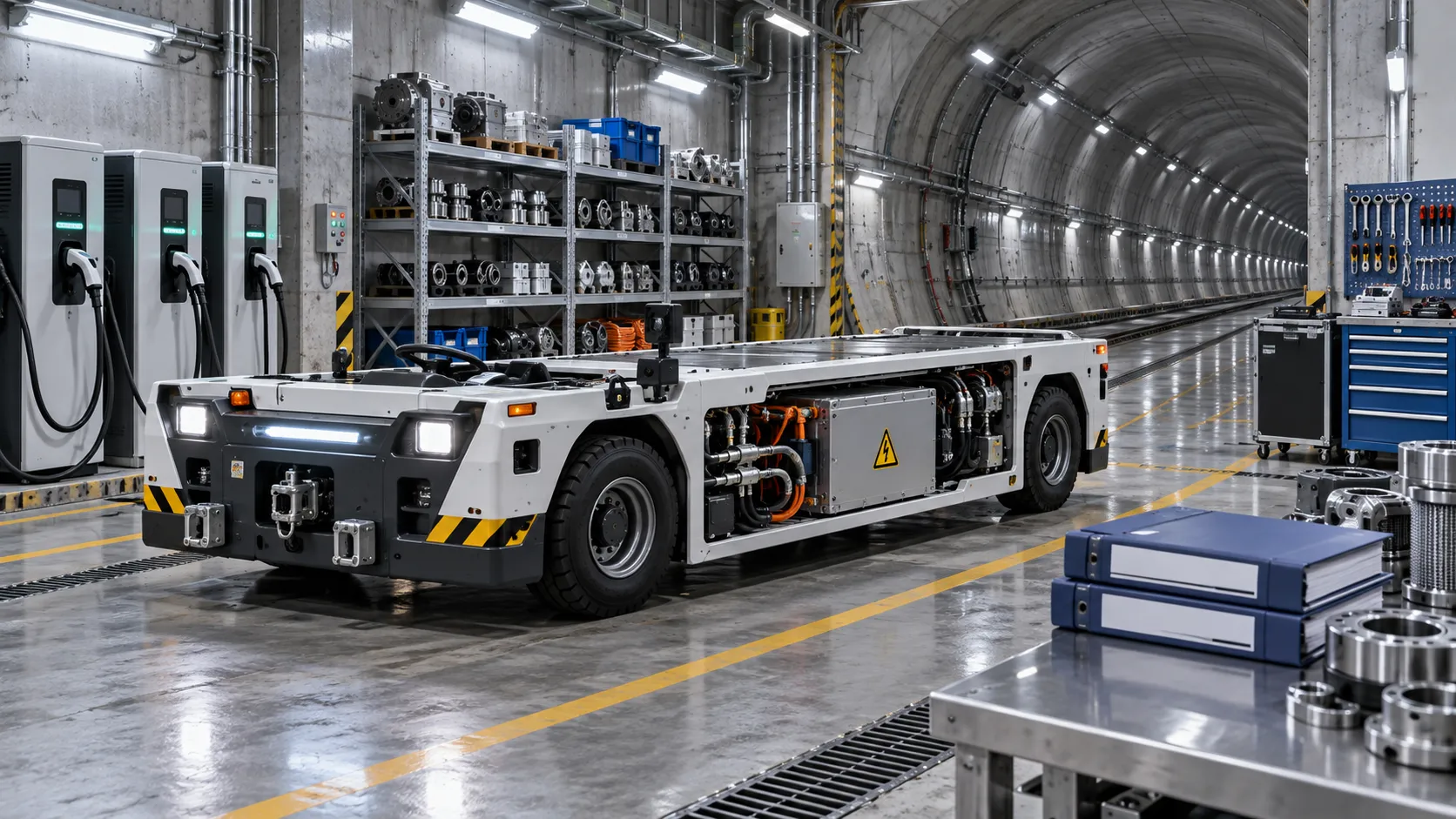
What to verify before appointing a tunneling vehicles manufacturer
Choosing a tunneling vehicles manufacturer? Verify application fit, reliability, compliance, parts support, training, and channel terms before appointing a partner.
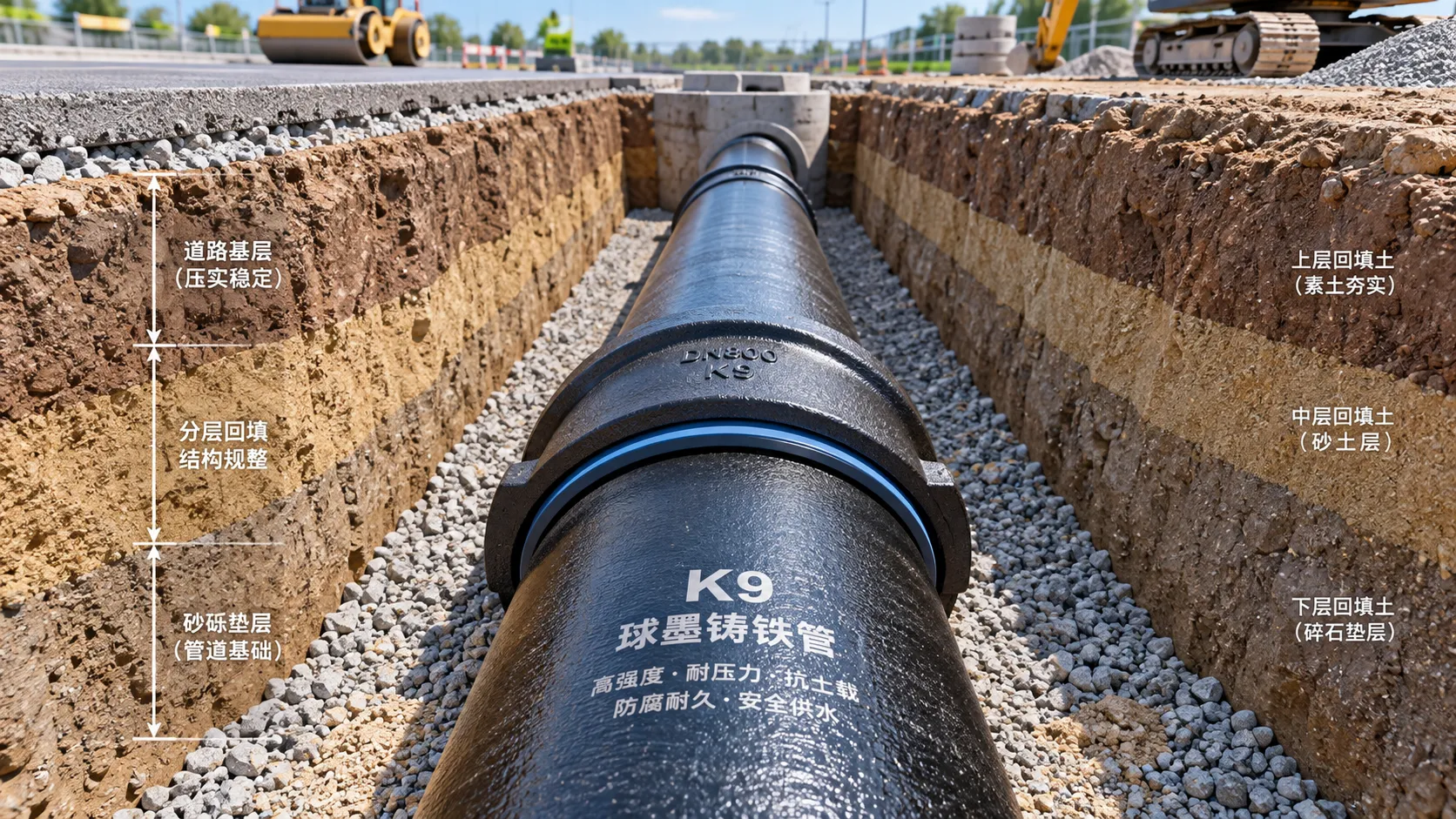
Selecting K9 Ductile Iron Pipe for Buried Water Pipeline Conditions
K9 ductile iron pipe selection for buried water pipelines: compare pressure duty, joints, soil loads, corrosion protection, and installation controls for reliable long-term performance.
Related News
- 00
0000-00
Tunnel Boring Machine Costs: Budgeting for Purchase, Operation, and Project Risk - 00
0000-00
Open-Pit Haulage Cost Analysis: How Mine Managers Can Cut Cost per Tonne - 00
0000-00
Tunnel Construction Innovations That Reduce Risk and Schedule Delays on Urban Projects - 00
0000-00
TBM Disc Cutter Design: Key Geometry and Load Factors for Hard Rock Tunnelling - 00
0000-00
Hydraulic Tipping Stability Risks in Multi-Axle Dump Special Trailers
Weekly Insights
Stay ahead with our curated technology reports delivered every Monday.