
Drill and Blast Tunnelling in Norway vs TBM: Which Method Fits Hard Rock Projects Better?





In Norway, the choice between drill and blast tunnelling in Norway and TBM excavation is rarely a simple technology preference. It is a project definition decision.
Hard rock, variable fault zones, strict environmental controls, and demanding delivery windows mean the excavation method shapes cost exposure from the first design stage.
That is why drill and blast tunnelling in Norway remains highly relevant even as TBM systems gain ground in long, high-volume drives.
For underground infrastructure, the better method is usually the one that matches geology, alignment, logistics, energy strategy, and risk tolerance at the same time.
Why Norway keeps this comparison in focus
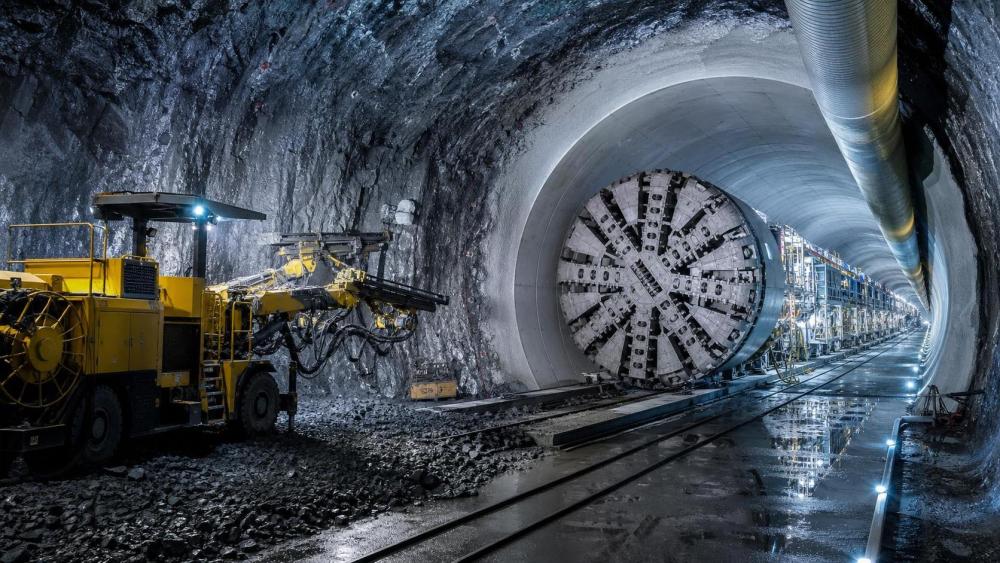
Norway is a useful benchmark because it combines deep tunnelling experience with hard crystalline rock, mountain crossings, subsea links, hydropower works, and transport upgrades.
These conditions reward methods that can handle strong rock efficiently, but they also punish poor assumptions about discontinuities, groundwater, vibration limits, and access constraints.
From an industry intelligence perspective, this is exactly where UTMD’s focus becomes practical. Full-face TBMs, drilling jumbos, haulage systems, wear behavior, and underground electrification are no longer separate topics.
They interact directly in the economics of each tunnel meter.
What the two methods really mean on site
Drill and blast tunnelling in Norway relies on cyclical excavation. Crews drill the pattern, charge the face, blast, ventilate, scale, muck out, and install support before repeating the sequence.
TBM excavation is continuous by comparison. A full-face machine cuts the rock mechanically while spoil removal, support installation, and machine services move through an integrated production chain.
That basic difference matters more than many headline comparisons suggest. Drill and blast offers flexibility at the face. TBM offers consistency when the ground and alignment allow sustained advance.
Where drill and blast stays strong
It adapts well to changing cross-sections, caverns, junctions, lay-bys, and short or medium tunnel lengths.
It is also more forgiving when geology shifts unexpectedly across short intervals.
Where TBM becomes compelling
It performs best on long drives with stable geometry, predictable logistics, and enough tunnel length to absorb mobilization and capital intensity.
In the right hard rock corridor, TBM can deliver better advance regularity and cleaner downstream planning.
Hard rock does not automatically favor one method
A common mistake is assuming that very hard rock automatically supports TBM selection. In reality, rock strength is only one layer of the decision.
Abrasion, jointing, squeezing potential, water ingress, fault frequency, and cutter access can change the outcome.
For drill and blast tunnelling in Norway, hard competent rock often supports efficient pull lengths and controlled support installation, especially when the alignment includes irregular geometry.
For TBMs in the same country, extremely hard rock raises disc cutter wear, maintenance intervals, and spare parts planning. Those factors can erase theoretical productivity gains if they were underestimated.
UTMD’s ongoing attention to cutter wear models and rock-cutting mechanics is relevant here because tool life is not a technical detail. It is a schedule and budget driver.
Schedule, cost, and operational control
Decision-makers usually compare the methods through unit cost. That is necessary, but not sufficient.
The more useful comparison is production system behavior over the whole project.
In practice, drill and blast tunnelling in Norway often wins when control over uncertainty matters more than theoretical peak output.
TBM often wins when repeated production, long length, and reliable geology matter more than flexibility.
Environmental and safety pressure is changing the comparison
Norwegian projects are shaped by noise limits, vibration constraints, tunnel air quality, emissions targets, and public scrutiny around nearby assets and ecosystems.
This shifts attention beyond excavation rate alone.
TBMs usually benefit from lower vibration at the face. That can matter near sensitive structures or where blast restrictions are severe.
However, drill and blast tunnelling in Norway is also evolving. Battery-electric loaders, low-emission haulage, digital blasting control, and better ventilation planning are narrowing historical disadvantages.
UTMD tracks this broader transition across underground equipment because electrification and automation are not isolated upgrades. They affect method selection, labor organization, and compliance planning.
Typical project situations where each method fits better
The question is not which method is superior in general. The question is which method fits the tunnel business case better.
Drill and blast is often favored when
- Tunnel length is limited or split into several sections.
- Cross-sections vary along the alignment.
- Caverns, shafts, niches, or intersections are part of the scope.
- Ground risk is uneven and face-by-face decisions are valuable.
- Access logistics make large TBM assembly difficult.
TBM is often favored when
- A long, consistent tunnel drive dominates the project scope.
- Geological forecasting is strong and major disruptions are limited.
- Spoil handling, power supply, and segment logistics are mature.
- Vibration limits are a major permitting constraint.
- The program benefits from stable, industrialized production.
What should be tested before committing
Method selection should be stress-tested early, not validated after procurement is already shaped.
A useful review framework includes the following points.
- Check tunnel length against total mobilization burden, not headline advance rate alone.
- Map geological uncertainty by zone, then ask how each method reacts operationally.
- Model consumables realistically, including explosives, drill steel, cutters, ground support, and ventilation energy.
- Test logistics at peak production, including spoil removal, maintenance access, and shift interfaces.
- Review environmental constraints as production constraints, not permit notes.
- Compare recovery plans for faults, inflows, equipment downtime, and supply delays.
This is where many teams find that drill and blast tunnelling in Norway offers a stronger resilience profile, even when TBM appears faster on paper.
A practical reading of the Norway decision
For many hard rock projects in Norway, drill and blast remains the more versatile choice. It aligns well with mixed geology, changing geometry, and staged underground construction.
That does not make TBM secondary. On long, uniform drives with disciplined logistics, TBM can outperform drill and blast in predictability and industrial scale.
The better conclusion is narrower and more useful: hard rock alone does not decide the method. Project architecture does.
A sound next step is to build a method comparison around geology, alignment, environmental thresholds, equipment support strategy, and whole-life production risk.
When that framework is clear, the choice between drill and blast tunnelling in Norway and TBM becomes less ideological and far more investable.
Related News
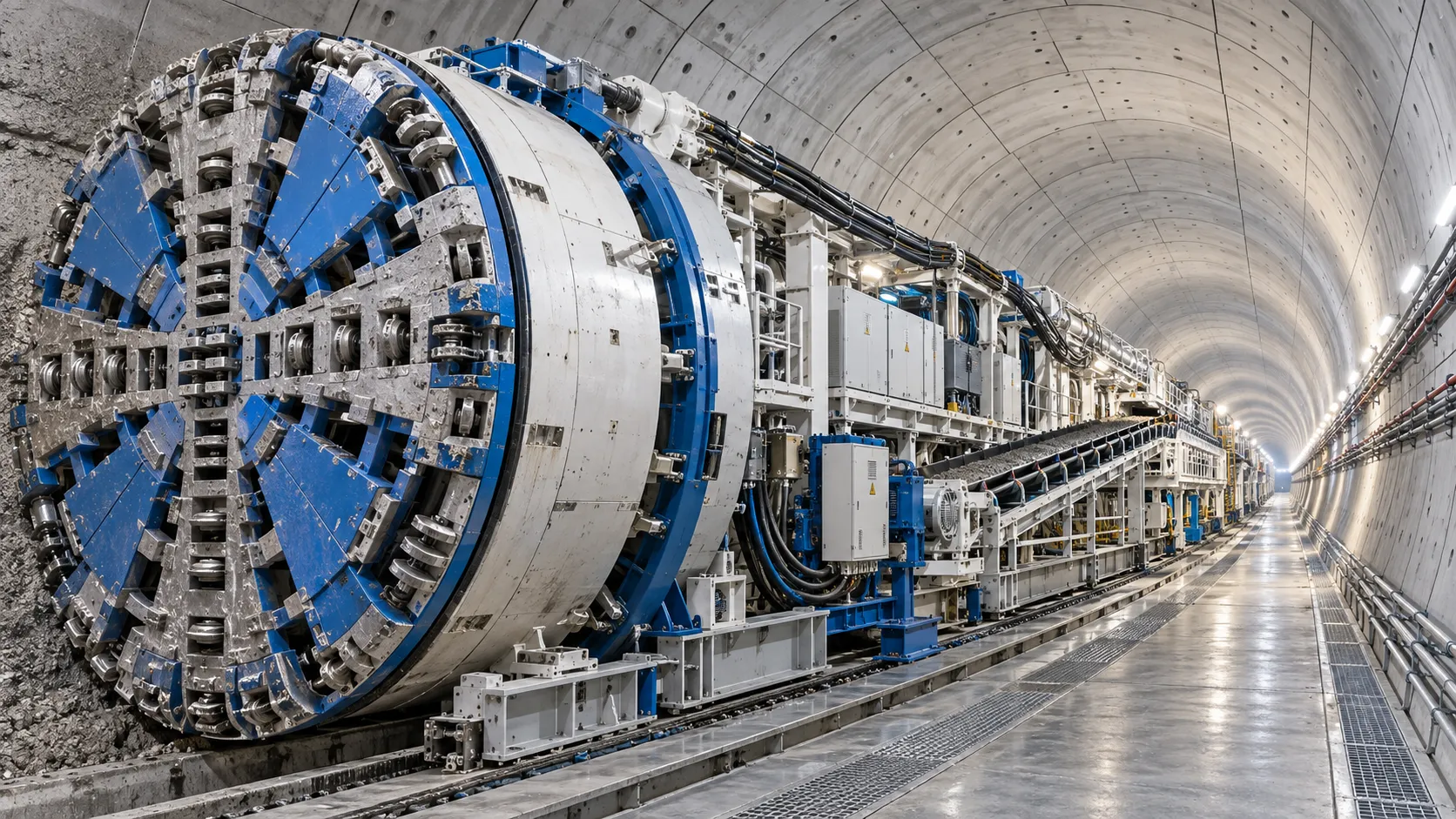
Tunnel Boring Machine Costs: Budgeting for Purchase, Operation, and Project Risk
Tunnel Boring Machines cost more than purchase price. Learn how to budget lifecycle costs, downtime, logistics, wear, and project risk for smarter TBM decisions.
Open-Pit Haulage Cost Analysis: How Mine Managers Can Cut Cost per Tonne
Open pit haulage cost analysis: discover practical ways to reduce cost per tonne through payload control, cycle-time optimization, road performance, and smarter fleet decisions.
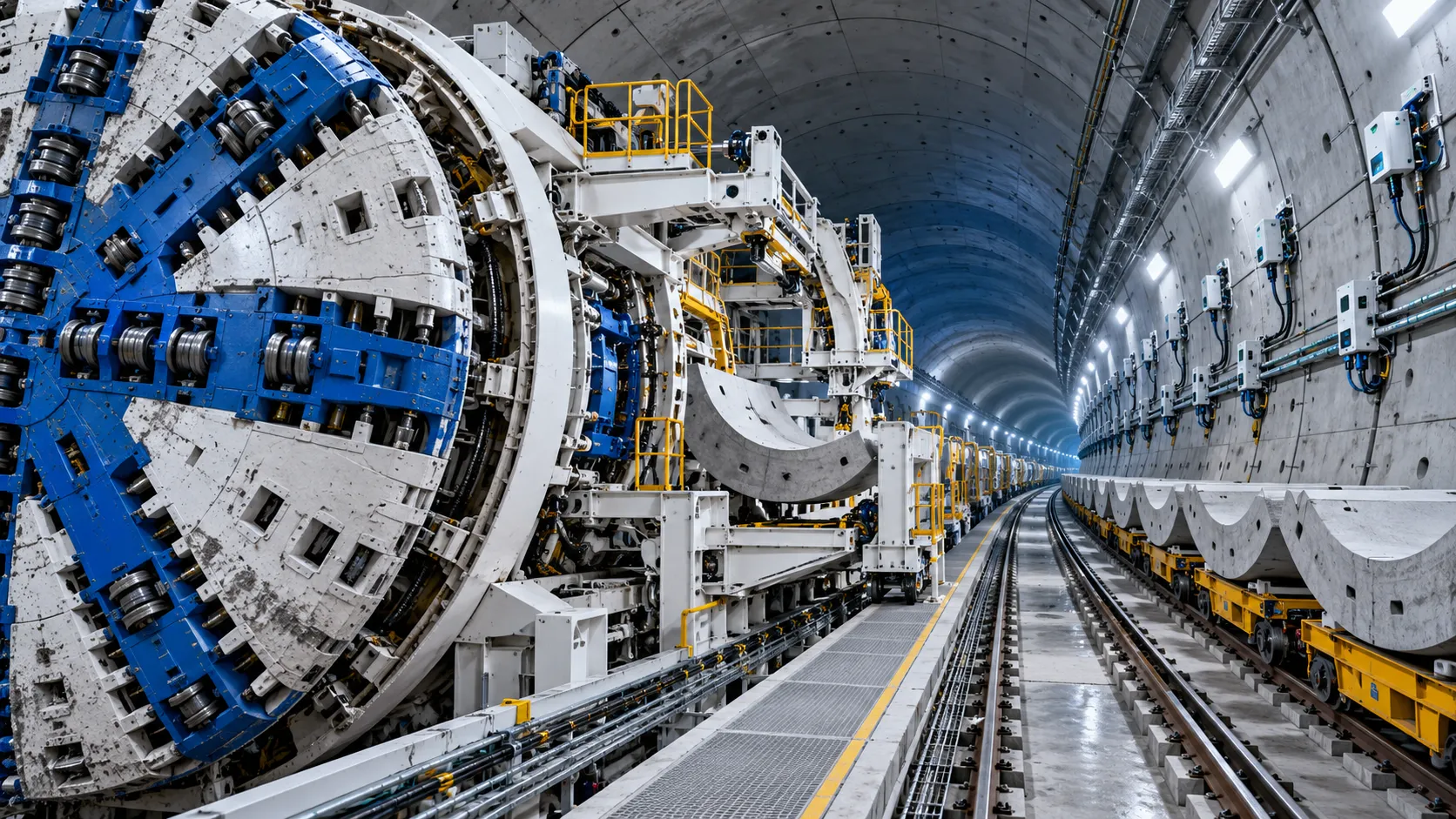
Tunnel Construction Innovations That Reduce Risk and Schedule Delays on Urban Projects
Tunnel construction innovation for urban projects: discover smarter TBMs, real-time monitoring, trenchless methods, and automation that reduce risk and protect schedules.
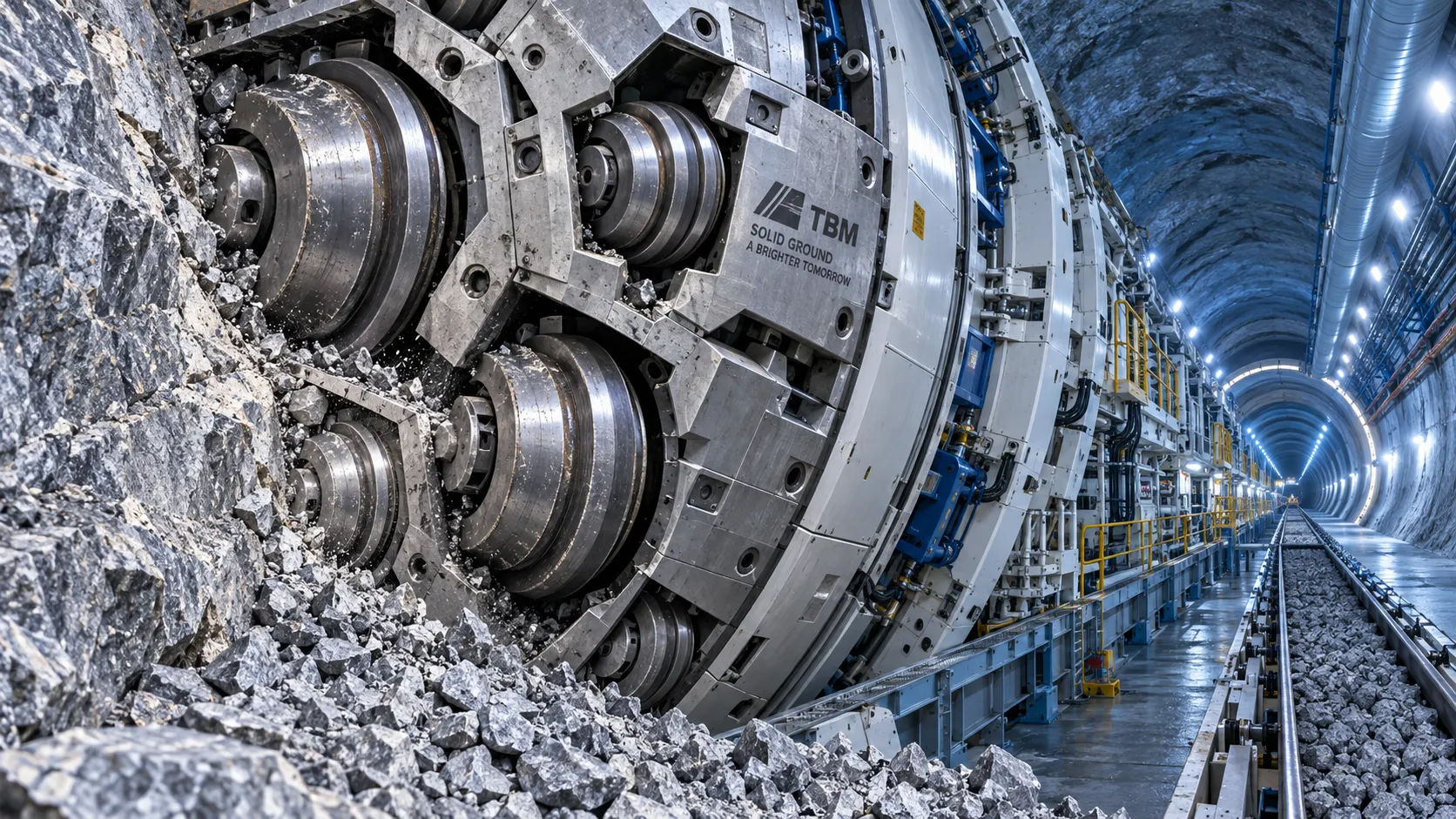
TBM Disc Cutter Design: Key Geometry and Load Factors for Hard Rock Tunnelling
TBM disc cutter design explained: explore geometry, spacing, load distribution and maintenance factors for reliable, efficient hard-rock tunnelling performance.
Hydraulic Tipping Stability Risks in Multi-Axle Dump Special Trailers
Dump special trailers: discover key hydraulic tipping stability risks, multi-axle load dynamics, and practical safety controls for safer, smarter bulk hauling.
When rock reinforcement in tunnel construction must change after blasting
Rock reinforcement in tunnel construction must change when blasting reveals overbreak, weak joints, water inflow, or deformation. Discover key post-blast support decisions.
How tunnel hydraulic systems influence drill jumbo uptime underground
Tunnel hydraulic systems directly influence drill jumbo uptime. Explore how stable pressure, clean oil, cooling, and maintainable design reduce underground downtime.
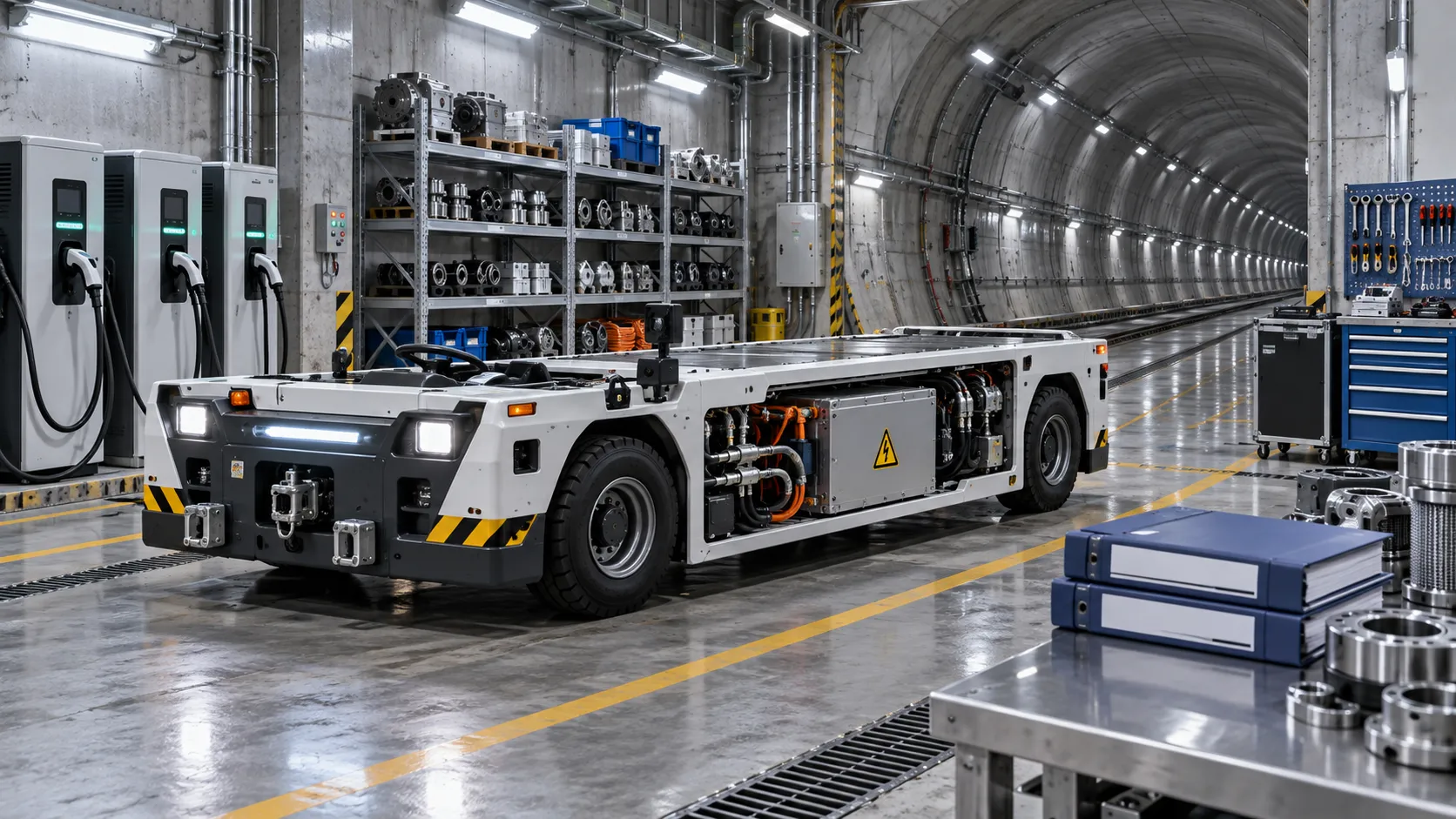
What to verify before appointing a tunneling vehicles manufacturer
Choosing a tunneling vehicles manufacturer? Verify application fit, reliability, compliance, parts support, training, and channel terms before appointing a partner.
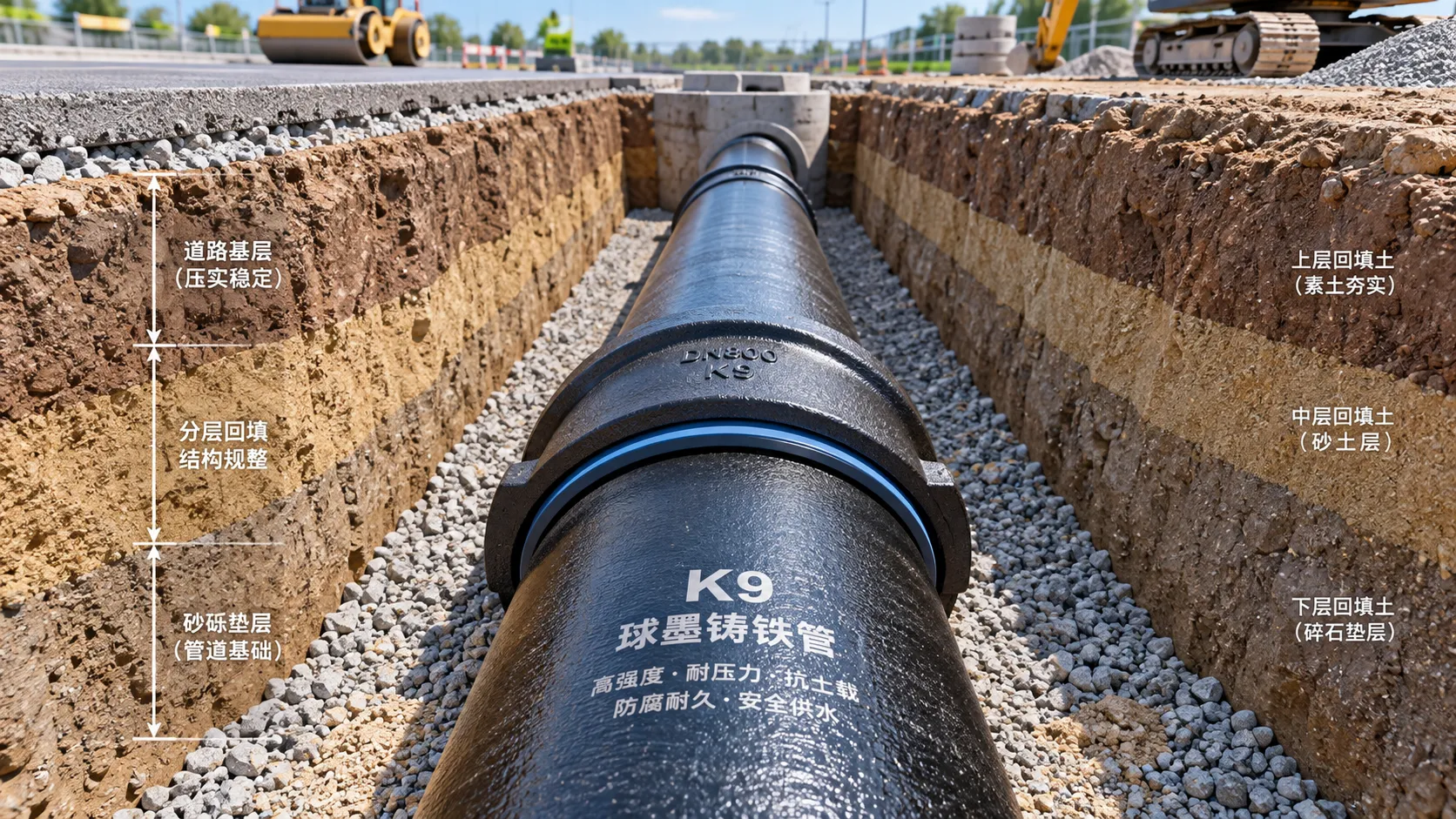
Selecting K9 Ductile Iron Pipe for Buried Water Pipeline Conditions
K9 ductile iron pipe selection for buried water pipelines: compare pressure duty, joints, soil loads, corrosion protection, and installation controls for reliable long-term performance.
Related News
- 00
0000-00
Tunnel Boring Machine Costs: Budgeting for Purchase, Operation, and Project Risk - 00
0000-00
Open-Pit Haulage Cost Analysis: How Mine Managers Can Cut Cost per Tonne - 00
0000-00
Tunnel Construction Innovations That Reduce Risk and Schedule Delays on Urban Projects - 00
0000-00
TBM Disc Cutter Design: Key Geometry and Load Factors for Hard Rock Tunnelling - 00
0000-00
Hydraulic Tipping Stability Risks in Multi-Axle Dump Special Trailers
Weekly Insights
Stay ahead with our curated technology reports delivered every Monday.