
How Tunnel Boring Machines Are Chosen for Long-Distance Urban Tunnels





Choosing Tunnel Boring Machines for long-distance urban tunnels is never just a matter of size or power. For project managers and engineering leaders, the right decision affects schedule certainty, ground risk control, cost efficiency, segment quality, and long-term operational safety. This article explores the core technical, geological, and commercial factors that guide successful TBM selection in complex urban environments.
For most decision-makers, the central question is simple: which machine can deliver the tunnel safely, predictably, and economically under the real ground, water, logistical, and urban constraints of the project? In practice, TBM selection is a risk-allocation decision as much as an engineering choice. The best machine is not the biggest or most advanced on paper, but the one whose design matches the project’s geology, alignment, environmental limits, and contractual priorities.
Project owners and EPC leaders typically care most about five outcomes: minimizing unforeseen ground events, protecting surface structures, maintaining production over long drives, controlling life-cycle cost, and avoiding procurement mistakes that lock the project into delays or expensive redesigns. That is why a sound selection process must combine geological interpretation, machine-type comparison, backup logistics, segment strategy, and supplier capability assessment.
Why TBM selection for urban long-distance tunnels is mainly a risk management decision
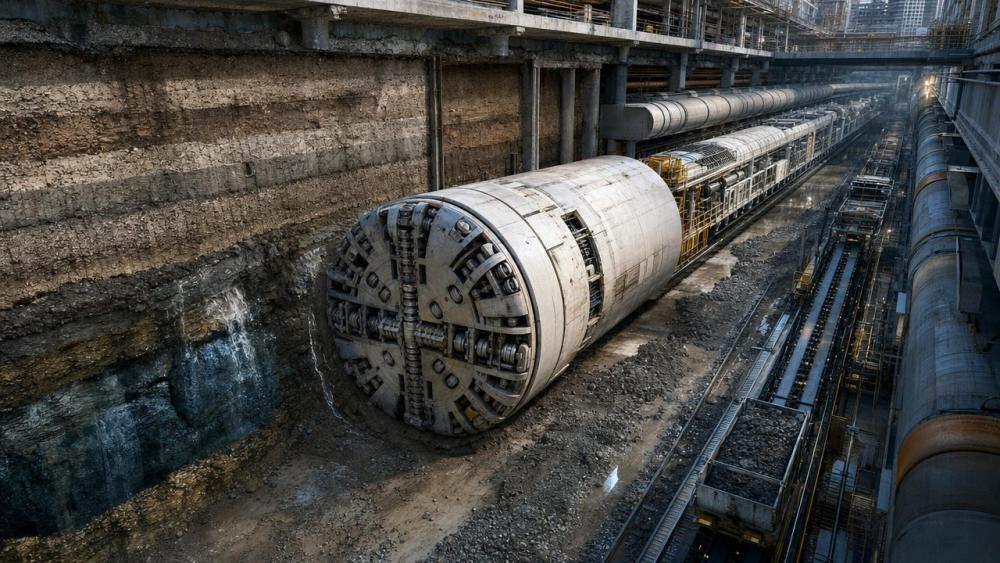
In urban tunnelling, long distance amplifies every weakness in machine selection. A short tunnel can sometimes tolerate inefficiencies, cutter wear surprises, or difficult interventions. A long drive cannot. Small mismatches between machine type and ground conditions can become major schedule losses when multiplied over several kilometers beneath roads, utilities, buildings, rail lines, and sensitive public infrastructure.
This is why experienced teams evaluate Tunnel Boring Machines around project risk rather than brochure specifications. They ask: how will the machine behave under variable geology, mixed face conditions, high groundwater pressure, tight curvature, abrasive ground, or restricted shaft space? They also ask how quickly the crew can maintain the cutterhead, replace wear parts, manage mucking, and sustain segment erection without creating downstream bottlenecks.
For project managers, the selection logic should be outcome-based. If the tunnel passes through soft ground with high water pressure in a dense city core, face support stability and settlement control may dominate the decision. If the alignment is mainly through competent rock over very long distances, cutter consumption, advance rate consistency, and access for maintenance may become the determining factors. The machine must fit the dominant risk profile, not just the average geology summary.
Start with geology, hydrogeology, and alignment—not with machine brand
The most reliable TBM decisions begin with a disciplined reading of the ground investigation data. Boreholes, lab tests, geophysics, groundwater measurements, fault mapping, and historical records should be translated into a tunnelling behavior model. That means understanding not only what materials are present, but how they are likely to behave at the tunnel face and around the shield.
Key questions include whether the ground is uniform or highly variable, whether it contains cobbles or boulders, whether squeezing or swelling is expected, whether the rock is fractured, and whether groundwater inflow may destabilize the face. In urban work, the consequences of misjudging these factors are serious: settlement, sinkholes, slurry loss, face collapse, excessive torque, hyperbaric interventions, or unplanned stoppages.
Alignment geometry matters just as much. A long tunnel with limited intermediate access requires a machine and backup system designed for sustained operations and maintainability. Curves, gradients, launch and reception conditions, cross-passage interfaces, and shaft constraints can all influence cutterhead design, articulation, conveyor layout, and the length and arrangement of the backup train.
Projects often underestimate transition zones, especially where soft ground changes into weathered rock, or where mixed face conditions persist over long stretches. These zones frequently drive risk more than the “main” geology. For this reason, the best TBM selection studies do not rely on one headline machine category alone. They test how each candidate machine performs in the most difficult 10 to 20 percent of the alignment.
How the main TBM types are matched to long urban tunnel conditions
Although every project is unique, the first technical filter is usually the choice among major TBM families: Earth Pressure Balance (EPB), Slurry Shield, hard rock TBM, single shield, double shield, or hybrid and convertible concepts. The right answer depends on the interaction between ground support needs, water pressure, rock competence, and operational constraints.
EPB machines are commonly selected for urban soft-ground tunnels where excavated material can be conditioned into a plastic paste that supports the face. They are especially attractive when settlement control is critical and muck disposal logistics favor screw conveyor-based extraction. However, EPBs become more challenging in very permeable ground, under high water pressure, or in conditions with significant coarse material and poor conditioning behavior.
Slurry Shield TBMs are often preferred where groundwater pressure is high, the ground is permeable, and strict face support is essential. By using pressurized slurry circulation, these machines can provide robust stability control in difficult soft-ground environments. Their trade-off is greater system complexity, the need for separation plants, and a larger surface logistics footprint. For congested city projects, that surface requirement can become a decisive commercial issue.
Hard rock TBMs are suited to competent rock formations where face pressure systems are unnecessary and efficient disc cutter penetration can be sustained. For long urban rock tunnels, the choice may further split between open, single-shield, and double-shield arrangements depending on rock mass quality and support needs. Where rock is stable, open or gripper concepts may offer excellent advance rates. Where support must be installed continuously and convergence is a concern, shielded configurations become more practical.
Single-shield machines are typically chosen when the surrounding ground requires segmental lining installation close behind the cutterhead. They can progress through weaker or less stable formations, but production may be more sequential because boring and lining activities are more tightly linked. In very long drives, that can influence schedule planning.
Double-shield TBMs can be powerful options in long rock tunnels with reasonably stable conditions because they allow simultaneous boring and segment erection in suitable ground. That can significantly improve productivity. But they are less forgiving where the ground grips the shield or where geological variability is severe. Selecting one for a tunnel with frequent adverse zones can undermine the very productivity benefit it promises.
Hybrid or convertible TBMs are increasingly relevant in urban projects that encounter mixed geology or uncertain transitions. These machines aim to provide flexibility between operating modes. Their value lies in reducing interface risk across variable conditions, but they also bring higher procurement complexity and potentially higher capital cost. The question is whether that flexibility is worth the premium compared with a simpler machine plus stronger mitigation planning.
What project managers should evaluate beyond excavation performance
A common mistake in TBM procurement is focusing too heavily on theoretical penetration rate or installed power. In long-distance urban tunnelling, actual project performance is shaped by the whole system: cutterhead accessibility, wear part replacement strategy, backup reliability, segment supply, muck handling, ventilation, dewatering, guidance, and data integration.
Maintenance access is particularly important. If cutter inspections require difficult interventions, or if critical components are hard to replace in confined underground conditions, downtime can rise sharply over a long drive. In mixed or abrasive ground, cutter wear strategy should be reviewed in detail, including expected intervention frequency, hyperbaric requirements if applicable, and local labor competency for complex maintenance procedures.
Segmental lining compatibility is another major issue. The TBM must work seamlessly with the planned ring geometry, segment weight, gasket design, erection cycle, and tail seal performance. Poor coordination between machine design and segment manufacturing can create ring damage, leakage risk, erection delays, and alignment quality problems. For project leaders, this is not a secondary detail; it directly affects both schedule and long-term tunnel durability.
Digital systems also deserve closer attention than they often receive. Modern Tunnel Boring Machines generate extensive operational data on thrust, torque, penetration, chamber pressure, settlement response, and component condition. Machines with strong monitoring, diagnostics, and decision-support capabilities can improve control and shorten response time when conditions change. For long tunnels, this data layer becomes a management tool, not just an engineering convenience.
Commercial selection: the lowest purchase price is rarely the lowest project cost
For project managers, TBM choice ultimately has to stand up commercially. However, the correct commercial lens is total project impact, not machine invoice value alone. A less expensive machine can become the costliest option if it produces lower advance rates, more downtime, more cutter consumption, more interventions, or larger settlement-related liabilities.
A better approach is to compare candidate machines through a risk-adjusted cost model. This should include procurement price, factory lead time, shipping, assembly and launch costs, expected production in each geology class, planned and unplanned maintenance, wear parts, slurry or conditioning consumables, segment interaction, staffing, utility consumption, and likely delay exposure under critical scenarios.
Supplier capability should be assessed with equal rigor. Can the manufacturer support rapid spare parts delivery? Do they have demonstrated experience in similar urban geology and tunnel diameter ranges? How strong is their commissioning team? Can they provide local technical support during difficult interventions? In a long urban drive, supplier responsiveness can directly influence claims exposure and schedule recovery options.
Contract structure also influences the right machine decision. Under EPC or design-build arrangements, contractors may prioritize flexibility and risk buffering. Under owner-driven procurement, standardization, maintainability, and long-term asset quality may carry more weight. Where geotechnical baseline conditions are uncertain, teams should consider how the chosen TBM affects dispute risk and the ability to defend entitlement positions when ground conditions differ from expectations.
How to build a practical TBM selection framework for long urban projects
The most effective selection process is structured, comparative, and transparent. First, define the dominant project constraints: geology, groundwater, urban sensitivity, alignment length, shaft limitations, target production, and environmental controls. Second, identify the most likely failure modes, such as face instability, excessive settlement, shield trapping, water ingress, abnormal wear, or logistics bottlenecks.
Third, develop a shortlist of machine concepts that are technically viable across the full alignment, especially the most difficult zones. Fourth, score each concept against weighted criteria rather than treating all factors equally. Typical weighted categories include safety, geotechnical fit, settlement control, production robustness, maintainability, logistics compatibility, supplier support, and total cost.
Fifth, stress-test the shortlist through adverse scenarios. What happens if groundwater pressure is higher than expected? If abrasivity is underestimated? If segment supply becomes constrained? If a major cutterhead intervention is needed under urban restrictions? Scenario planning often reveals that a machine with slightly lower best-case output may be the wiser choice because it performs better under uncertainty.
Finally, align the machine decision with execution readiness. A highly capable TBM does not guarantee project success if the site team lacks the experience, process discipline, or spare parts strategy to operate it effectively. Machine selection should therefore be integrated with contractor capability, operator training, digital reporting, and contingency planning from the outset.
Common TBM selection mistakes in urban tunnelling
One frequent error is choosing based on headline geology instead of troublesome transitions. Another is underestimating how urban constraints limit interventions, slurry treatment layout, spoil haulage, or shaft-based assembly. Teams also sometimes assume that a machine successful on a previous project will perform equally well on a new alignment with different hydrogeology or settlement tolerance.
A further mistake is treating TBM procurement as an isolated equipment purchase. In reality, the machine is part of a tightly linked production ecosystem. If ring supply, grout systems, separation plants, conveyors, power supply, or maintenance planning are weak, even an excellent TBM can underperform badly. Long tunnels expose every system interface, and urban conditions leave little margin for improvisation.
There is also a governance mistake: making the final selection too late. If the TBM concept is not fixed early enough, segment design, shaft planning, utilities, procurement, and schedule integration all suffer. Conversely, freezing the machine too early without adequate ground interpretation can be just as damaging. The best projects maintain a disciplined decision gate process, with progressive refinement as subsurface certainty improves.
Conclusion: choose the machine that best protects delivery certainty
When selecting Tunnel Boring Machines for long-distance urban tunnels, the decisive issue is not simply excavation capability. It is delivery certainty across the full tunnel life cycle: safe face support, manageable maintenance, stable production, urban risk control, and commercially defensible performance. The right TBM is the one that best fits the actual ground behavior, alignment complexity, and project execution model.
For project managers and engineering leaders, the most reliable path is to evaluate TBM options through an integrated lens that combines geology, hydrogeology, tunnel geometry, system logistics, supplier support, and total cost of risk. In long urban drives, that disciplined approach does more than optimize equipment selection. It protects schedule credibility, reduces claim exposure, and improves the odds of delivering a tunnel that meets both construction and long-term operational expectations.
In short, successful TBM selection is a strategic project decision. When done well, it turns uncertainty underground into controllable performance above it.
Related News
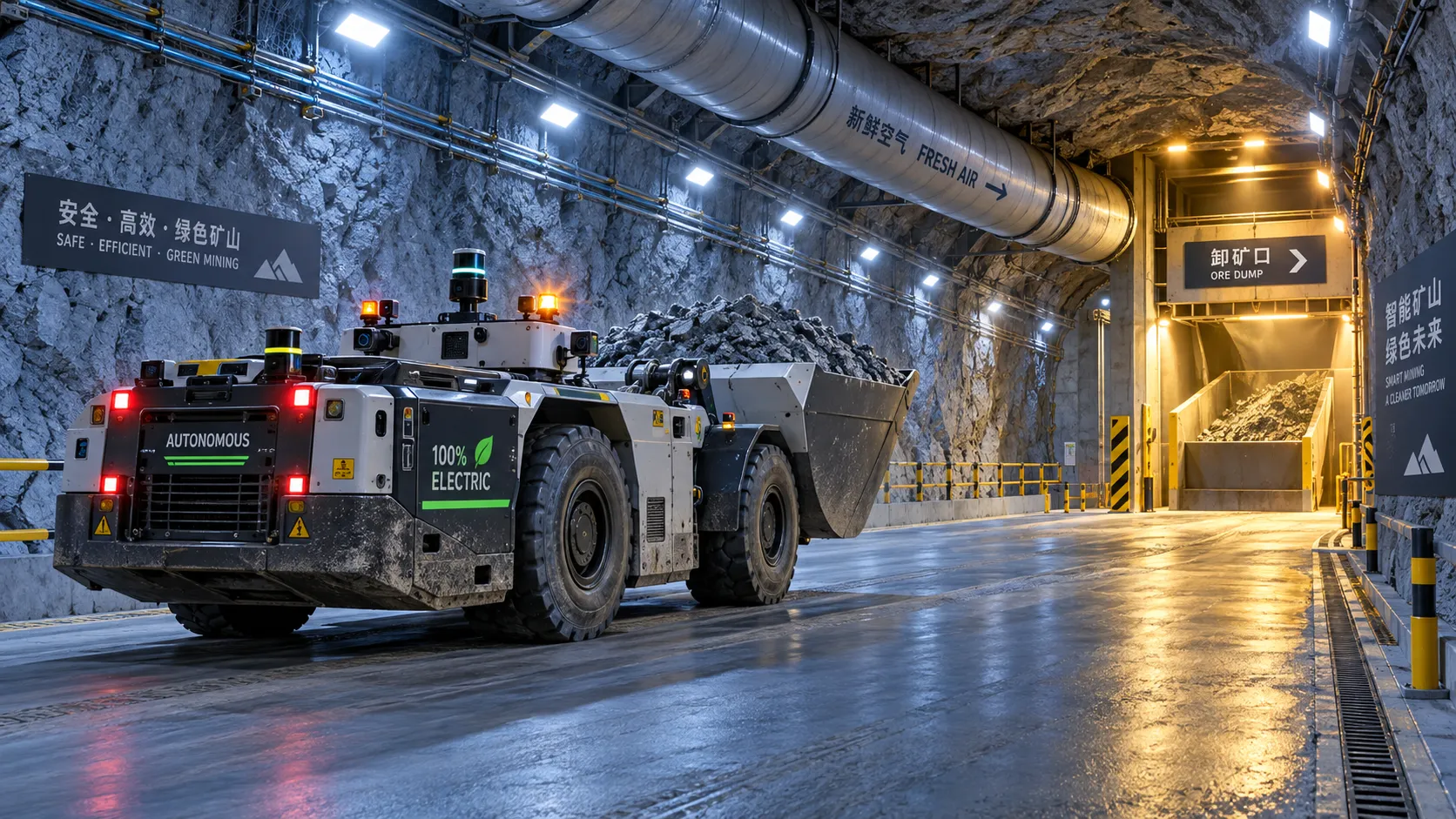
Where Autonomous Mining Loaders Deliver the Most Value in Underground Operations
Autonomous Mining Loaders deliver greater underground value through safer blast-zone work, repeatable haul cycles, and improved ventilation efficiency. Discover the best deployment zones.
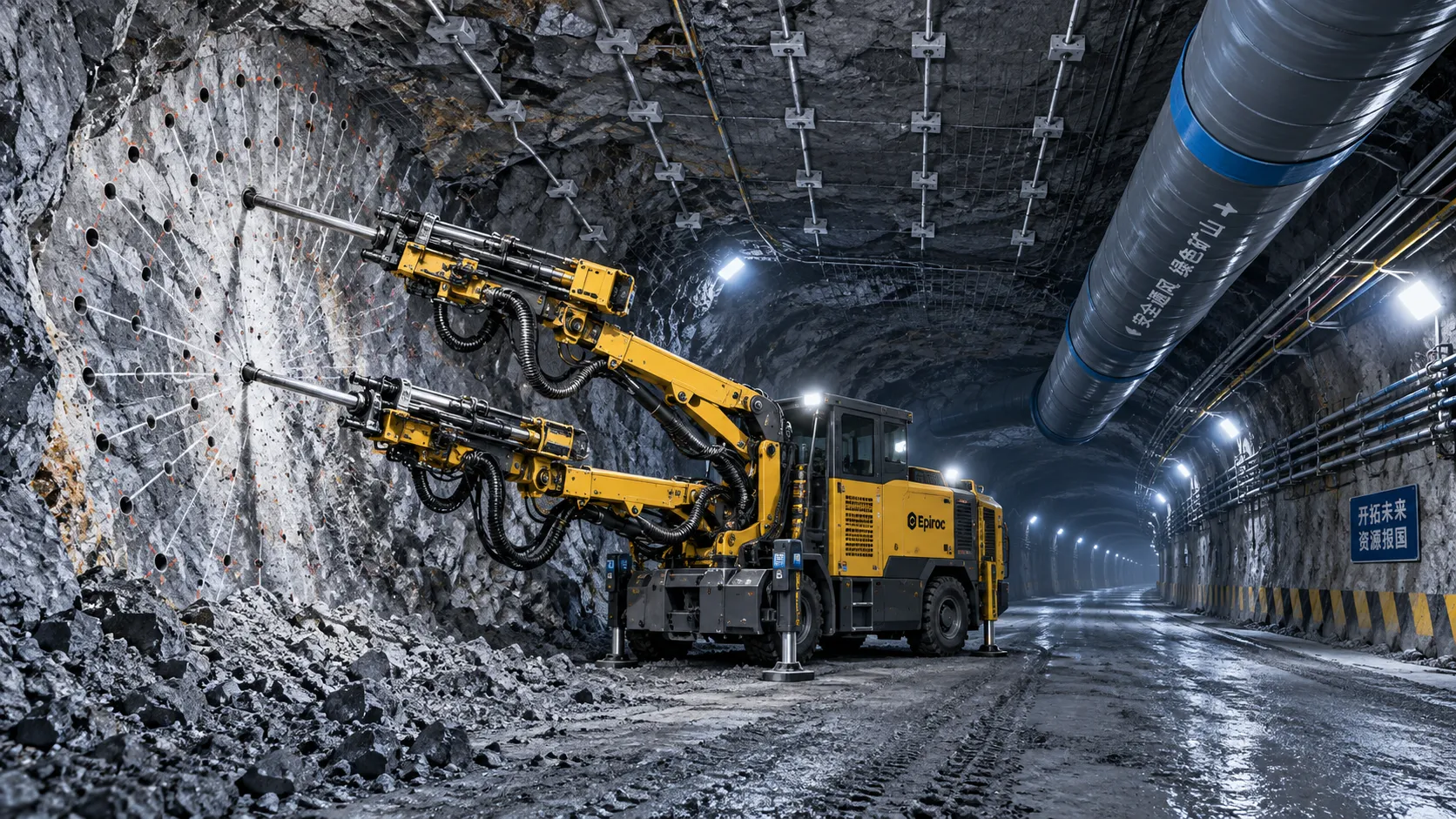
Underground Drilling for Mining: Selecting Methods for Rock Conditions and Mine Layout
Underground drilling for mining: learn how to match drilling methods to rock conditions, mine layout, accuracy needs, ground support, and cycle efficiency.
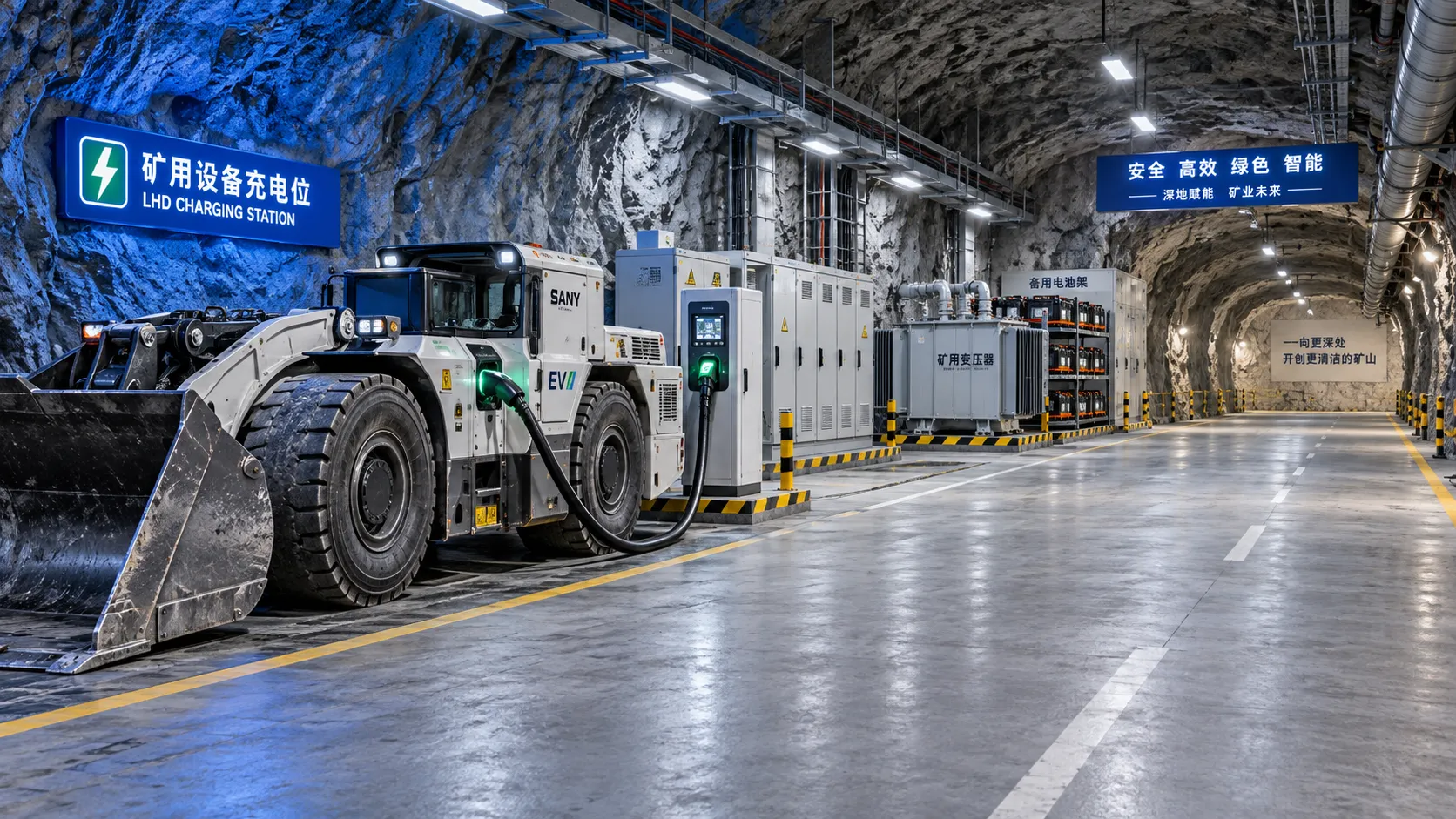
Underground Mine Electrification: How to Size Battery Fleets and Charging Capacity
Mining electrification for underground mines: learn how to size battery fleets, chargers, and power capacity to prevent queues, peak-load issues, and production downtime.
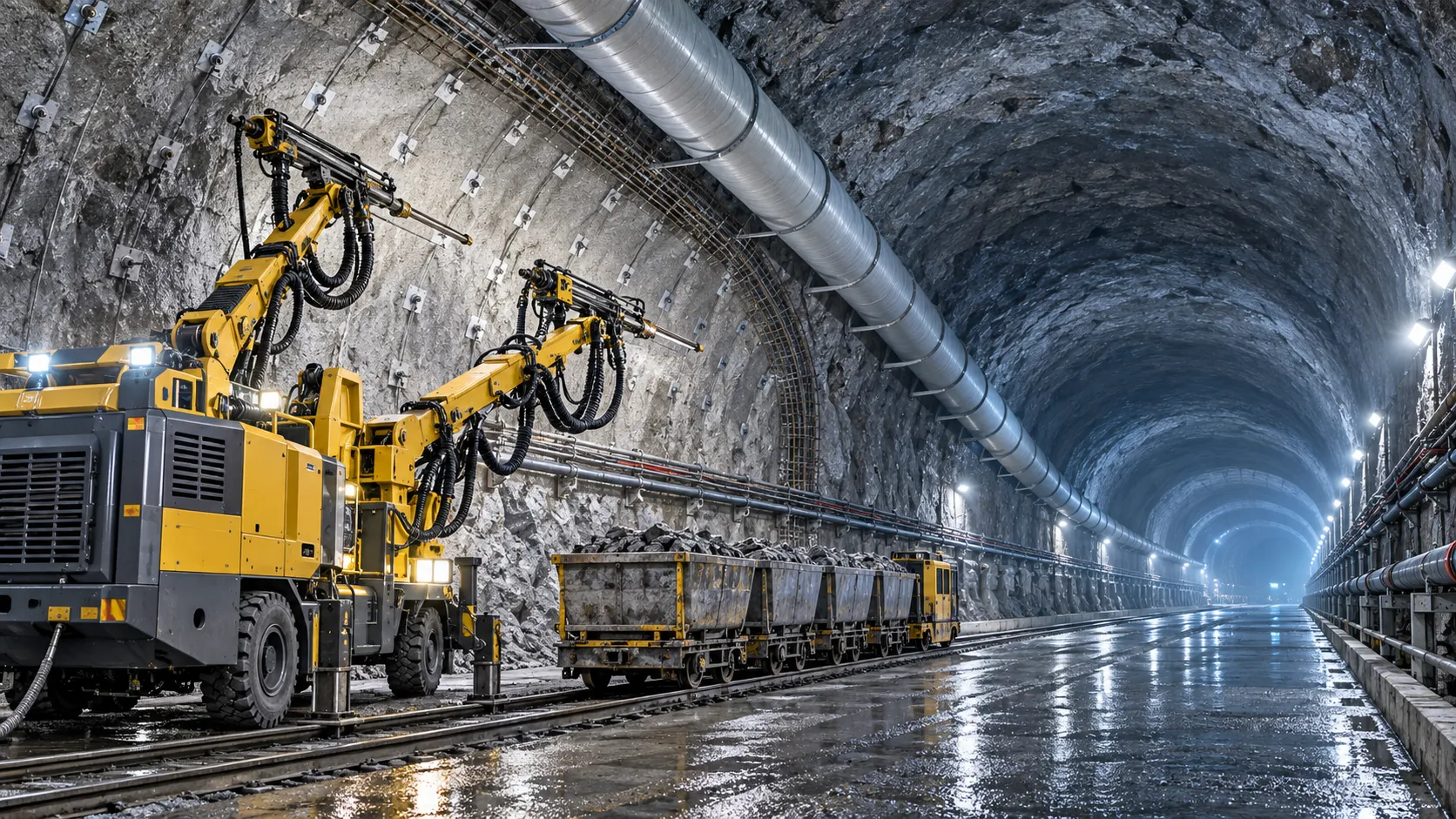
How to Evaluate European Drill-and-Blast Tunnelling Contractors for Complex Projects
Drill and blast tunnelling contractors Europe: learn how to assess geology expertise, blast control, equipment reliability, safety, and programme resilience for complex projects.
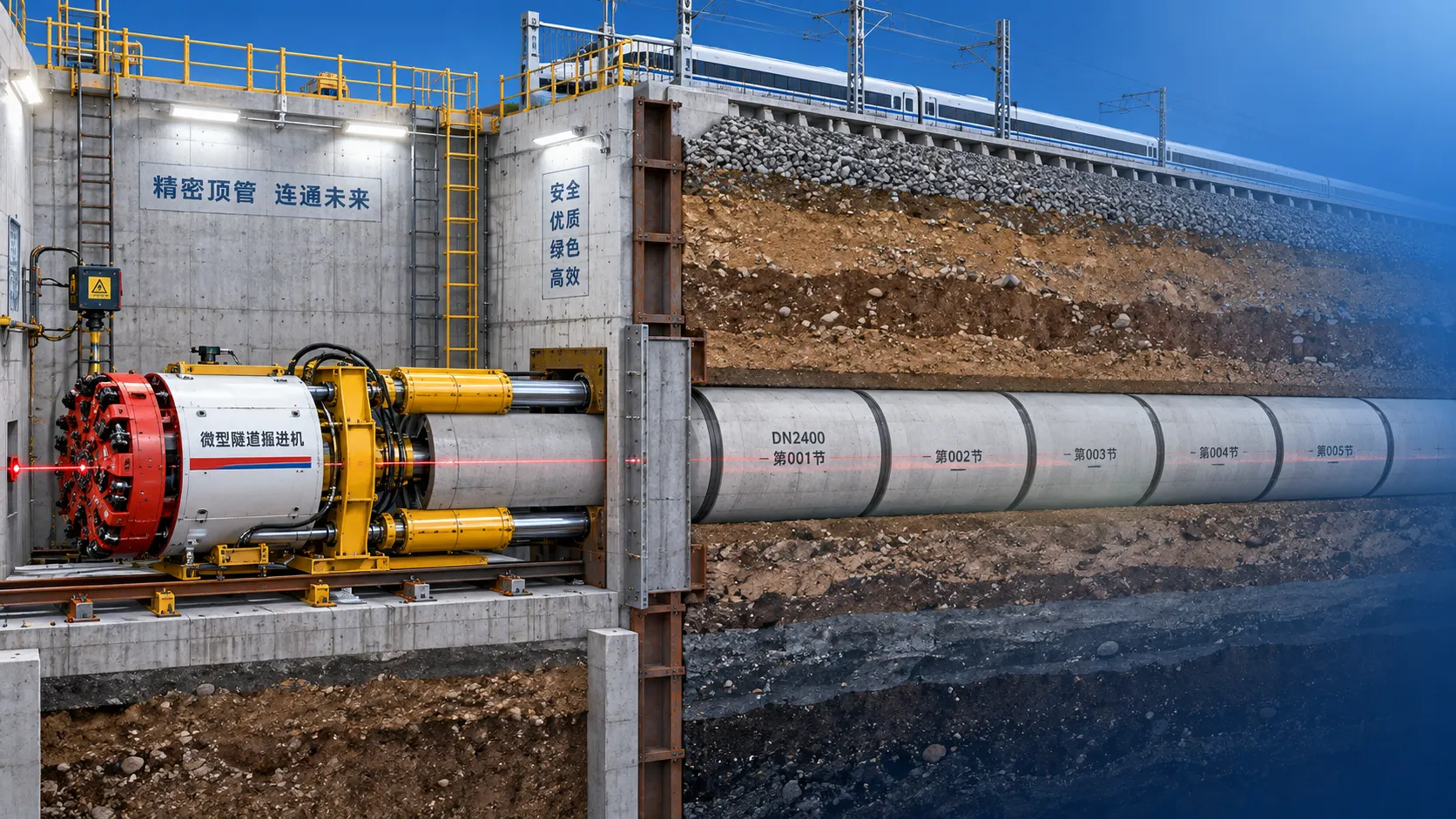
Which Trenchless Construction Technique Fits Your Utility Crossing Conditions?
Trenchless construction techniques compared for utility crossings: choose HDD, microtunnelling, pipe jacking, or auger boring based on ground, accuracy, access, and risk.
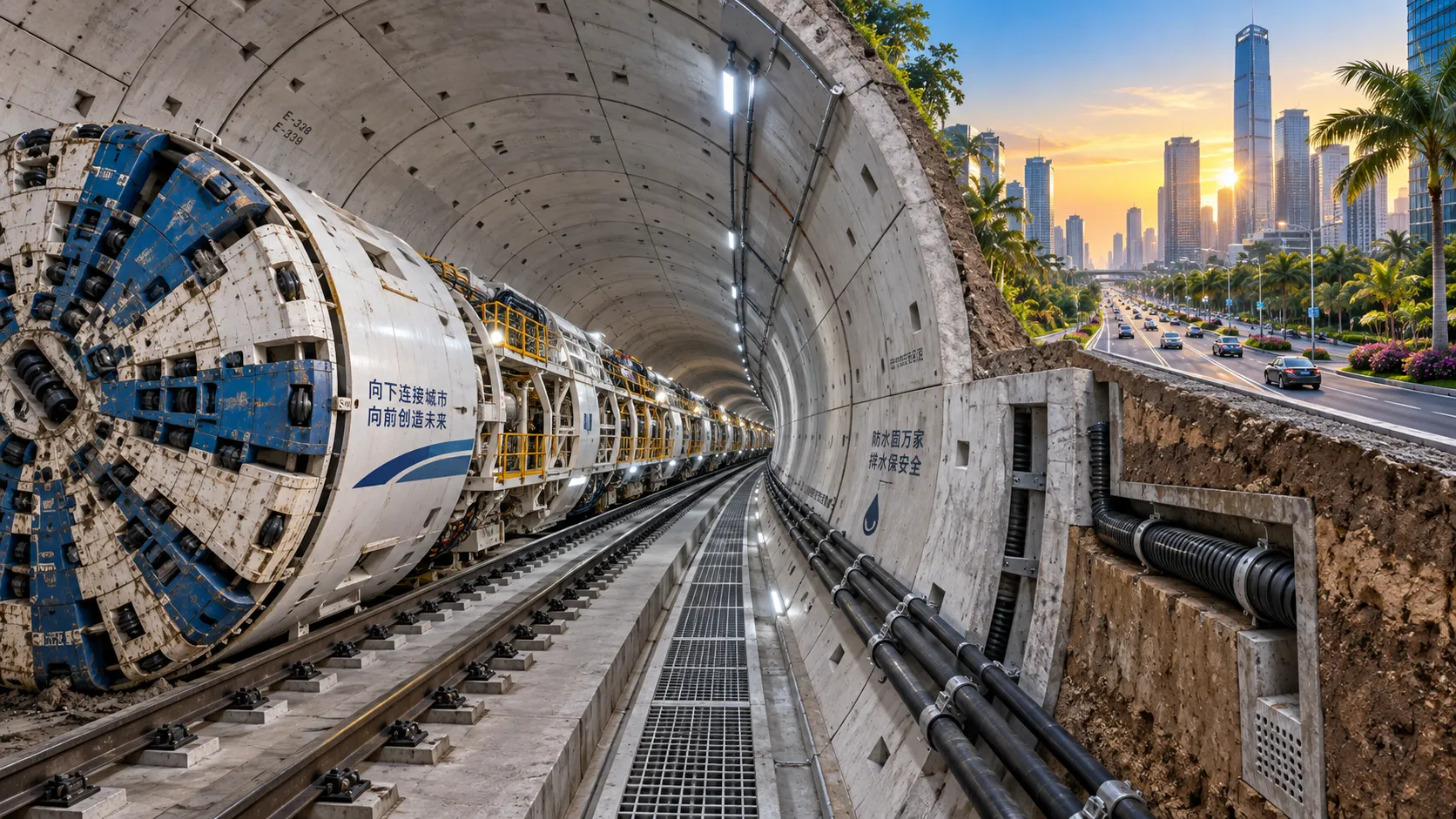
What Is Driving Metro Tunnelling Demand Across Southeast Asia’s Major Cities?
Metro tunnelling Southeast Asia is accelerating as major cities tackle congestion, flooding, and connectivity. Explore the market forces, technical risks, and opportunities shaping demand.
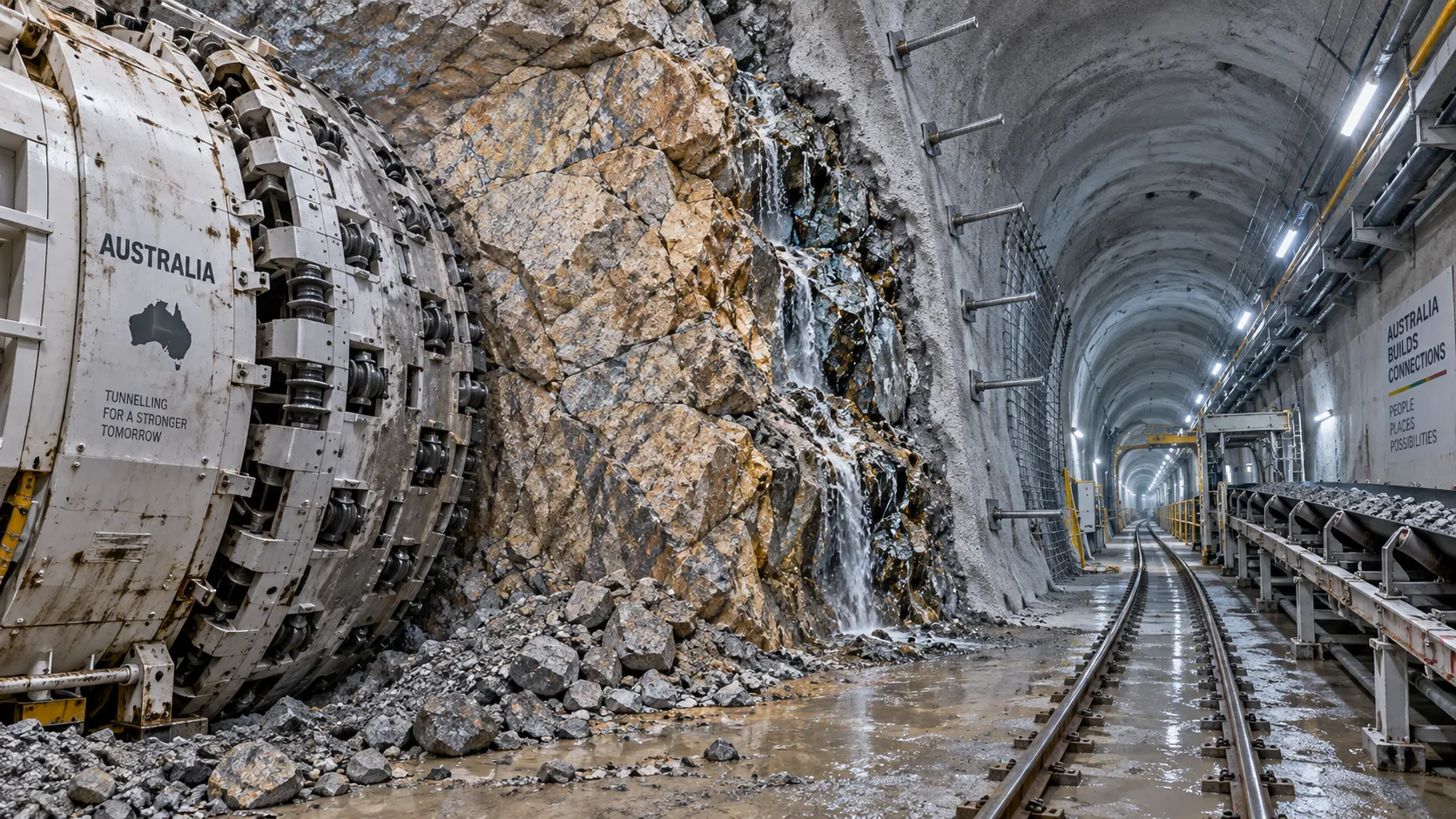
Hard Rock Tunnelling in Australia: Selecting Methods for Variable Ground Conditions
Hard rock tunnelling in Australia: compare TBM, drill-and-blast and hybrid methods to manage variable ground, reduce risk and protect project costs.
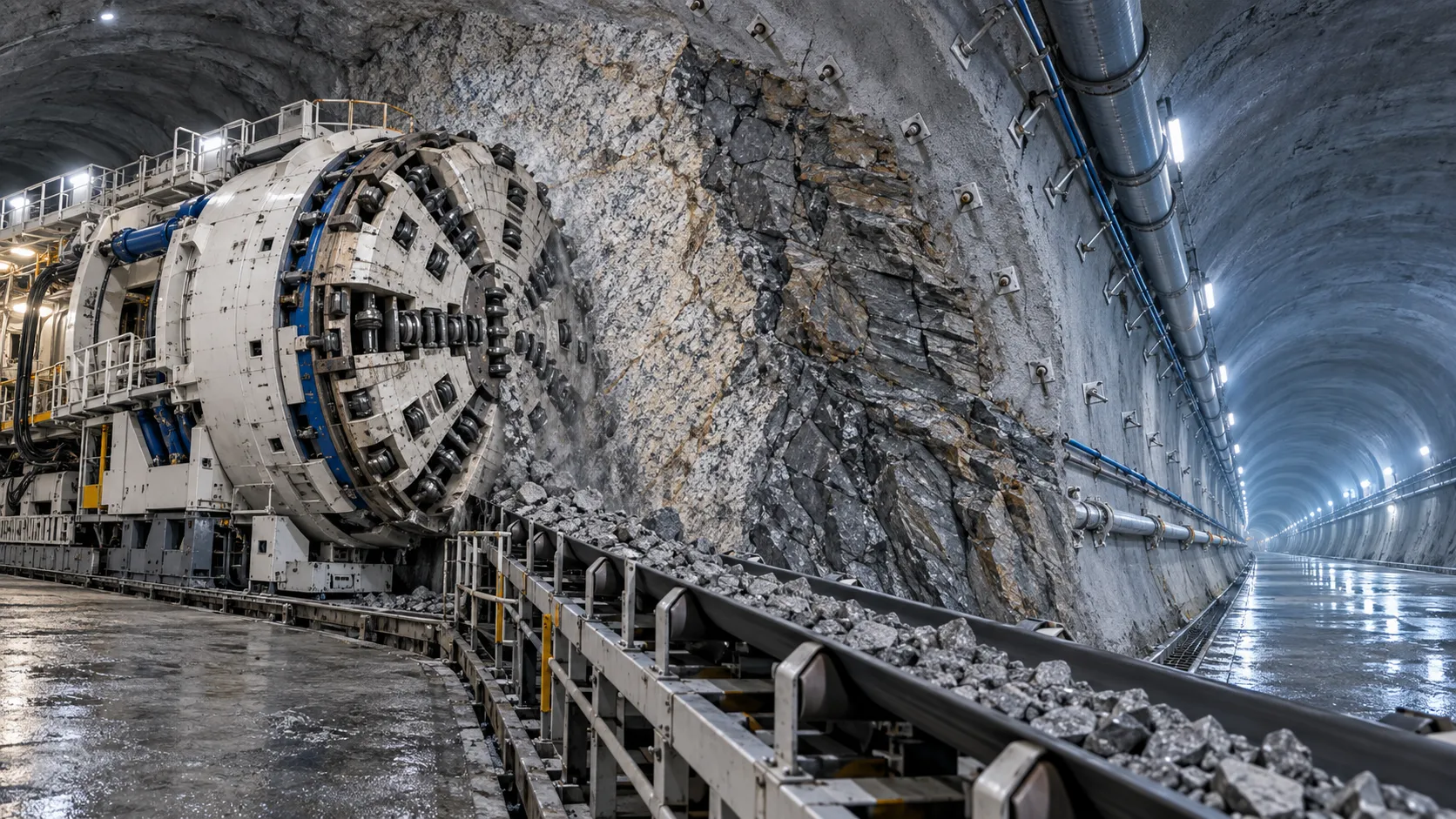
Hydropower Tunnel Excavation: Selecting Methods for Variable Rock Conditions
Hydropower tunnel excavation methods for variable rock conditions: compare TBM, drill-and-blast, and hybrid strategies to improve safety, progress, and project control.
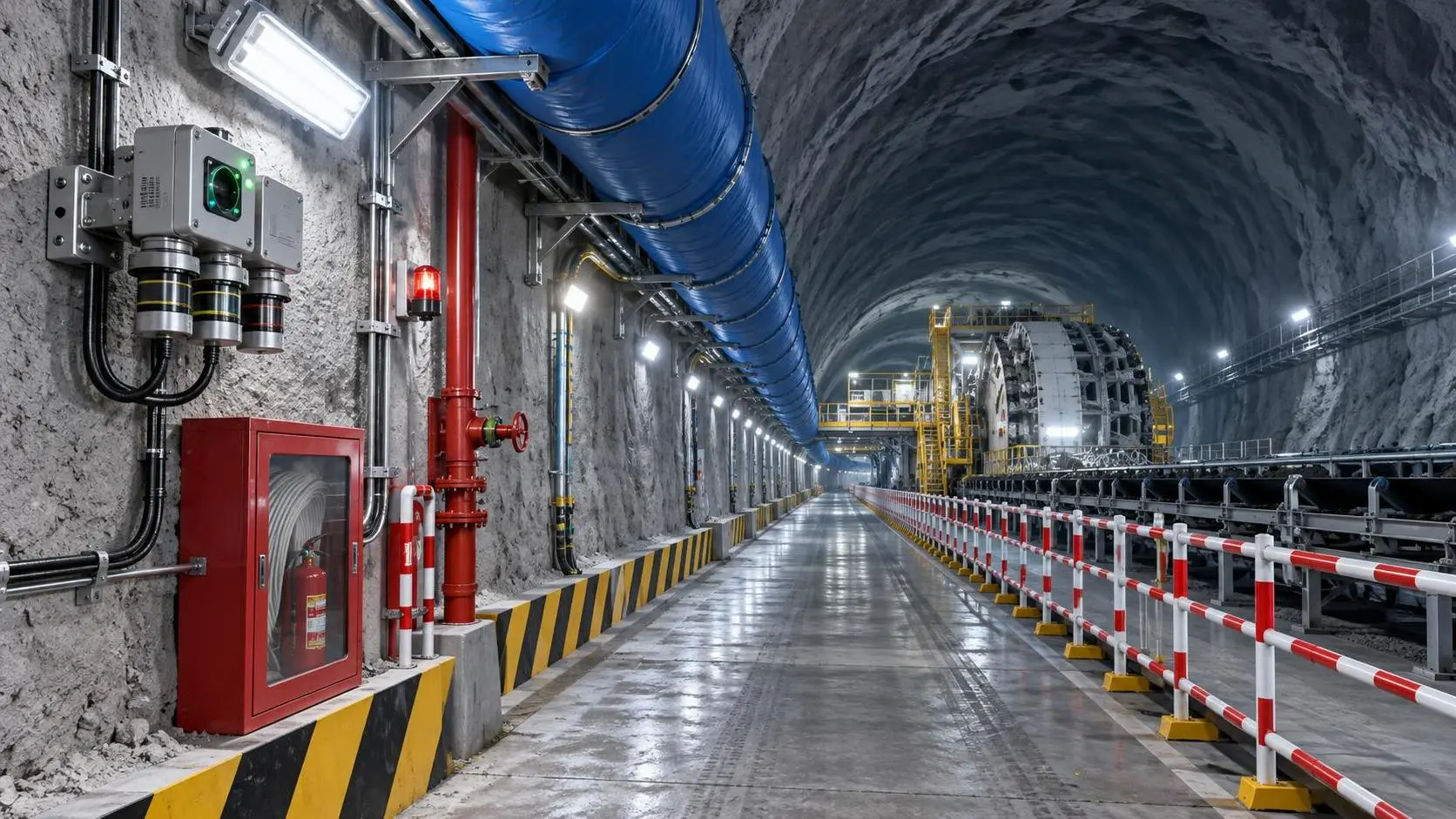
How to Select Underground Safety Equipment for Tunnelling by Hazard and Work Zone
Underground Safety Equipment for tunnelling: match protection to hazards, work zones, compliance, and emergency needs with this practical selection guide.
Related News
- 00
0000-00
Where Autonomous Mining Loaders Deliver the Most Value in Underground Operations - 00
0000-00
Underground Drilling for Mining: Selecting Methods for Rock Conditions and Mine Layout - 00
0000-00
Underground Mine Electrification: How to Size Battery Fleets and Charging Capacity - 00
0000-00
How to Evaluate European Drill-and-Blast Tunnelling Contractors for Complex Projects - 00
0000-00
Which Trenchless Construction Technique Fits Your Utility Crossing Conditions?
Weekly Insights
Stay ahead with our curated technology reports delivered every Monday.