
How Tunnel Boring Machines cut risk on complex jobs





For project managers facing tight schedules, complex geology, and high safety demands, Tunnel Boring Machines offer a practical way to reduce uncertainty on challenging underground works. By combining continuous excavation, controlled ground support, and data-driven operation, TBMs help teams improve planning accuracy, limit surface disruption, and manage risk across every phase of delivery.
Why a checklist matters on complex underground jobs
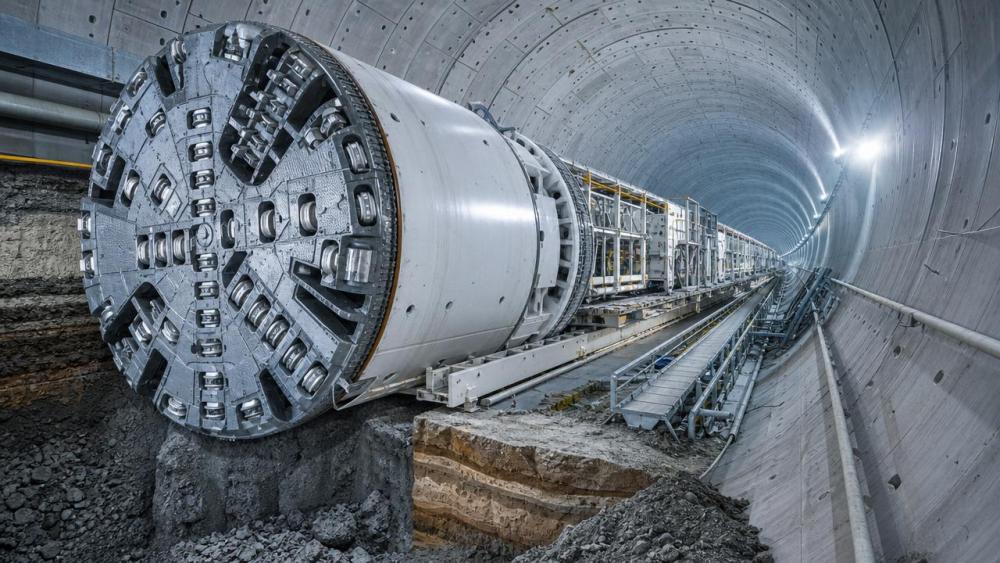
Complex tunnelling risk rarely comes from one issue alone. It usually builds through geology, logistics, interfaces, groundwater, settlement limits, and maintenance pressure.
A checklist approach helps teams evaluate whether Tunnel Boring Machines truly fit the alignment, ground class, schedule logic, and asset strategy before excavation starts.
This matters across transport, utilities, water transfer, mining access, and urban trenchless programs, where mistakes become expensive once the cutterhead enters the ground.
Core checklist: how Tunnel Boring Machines cut risk
- Confirm ground conditions early using boreholes, geophysics, probe drilling, and historical records so the TBM type matches rock strength, abrasivity, water pressure, and faulting.
- Select the right machine concept, such as EPB, slurry, hard rock, or mixed-face Tunnel Boring Machines, based on expected face stability and spoil handling requirements.
- Define settlement and vibration limits before launch so excavation parameters, advance rates, and backfill grouting targets support nearby buildings, roads, rail lines, and buried utilities.
- Map interface risks between civil works, power supply, ventilation, segment production, muck transport, and shaft logistics to avoid non-geological delays that damage schedule certainty.
- Assess cutter wear and maintenance windows using expected UCS, quartz content, and fracture patterns, because disc replacement strategy strongly affects stoppages and total advance performance.
- Plan groundwater control and pressure management in detail, especially in mixed ground, because water ingress can trigger face instability, tool damage, and unplanned intervention work.
- Standardize real-time monitoring for thrust, torque, penetration, temperature, slurry density, and screw conveyor behavior so operators can react before small anomalies become incidents.
- Align lining design with excavation behavior, including segment tolerance, gasket performance, bolting sequence, and annulus grouting, since structural reliability begins during boring, not after it.
- Test spoil logistics from face to final disposal or reuse, because even advanced Tunnel Boring Machines lose risk advantages when conveyor, slurry, or trucking capacity becomes constrained.
- Verify emergency response plans for fire, flooding, gas, entrapment, and power failure, ensuring rescue access, communication redundancy, and shutdown logic work under real tunnel conditions.
- Use digital reporting and predictive maintenance tools to compare planned versus actual advance, helping teams identify trend shifts in geology, wear, energy use, and downtime causes.
- Review contractor capability, refurbishment history, and spare parts access, because machine quality alone cannot reduce risk if support systems and field decision-making are weak.
Where Tunnel Boring Machines create the strongest risk advantage
Urban transit and utility corridors
In dense cities, Tunnel Boring Machines reduce disruption by keeping excavation underground and tightly controlling the face. That lowers traffic interference, noise, dust, and third-party claims.
They also support better settlement management when paired with continuous monitoring, segmental lining, and disciplined grouting. This is critical below sensitive structures and aging utility networks.
Long water, sewer, and drainage tunnels
For long alignments, continuous boring gives more stable production than repeated drill-and-blast cycles. That improves program predictability and reduces interface complexity between excavation and support crews.
Where inflow risks are high, closed-mode TBM operation can help maintain pressure balance and avoid sudden instability. This supports safer delivery in soft ground and water-bearing formations.
Hard rock transport and hydropower works
In competent rock, hard rock Tunnel Boring Machines often reduce exposure to blasting hazards, ventilation delays, and cycle variability. They can also produce smoother tunnel profiles.
The main condition is disciplined planning for cutter consumption, ground support transitions, and fault zones. Without that, even high-capacity TBMs can lose their schedule edge.
Mining access and underground infrastructure
Mining projects increasingly evaluate mechanized excavation to improve repeatability, reduce emissions underground, and integrate better with automated haulage and digital mine planning.
In this setting, Tunnel Boring Machines can support safer access development where ventilation, labor exposure, and equipment utilization are under growing pressure from ESG and productivity goals.
Commonly overlooked risks that weaken TBM performance
Underestimating mixed-face conditions
Transitions between soil and rock often create the biggest operational instability. Parameter control becomes harder, tool wear becomes less predictable, and settlement sensitivity increases quickly.
Treating logistics as a secondary issue
Many delays come from segment supply, muck removal, slurry separation, crane use, or shaft access. A TBM cannot cut risk if the support chain cannot keep pace.
Ignoring intervention planning
Tool changes under pressure, hyperbaric work, and inspection stops need early engineering review. Waiting until the machine stalls usually increases both safety exposure and downtime.
Using weak performance baselines
Advance rate alone is a poor indicator. Better risk control comes from tracking penetration per revolution, downtime categories, cutter life, grout take, and deviation trends together.
Overlooking energy and ventilation impacts
Modern underground projects face stricter energy and emission expectations. Efficient Tunnel Boring Machines, optimized conveyors, and lower exhaust dependency can improve both compliance and operating resilience.
Practical execution steps for better outcomes
- Start with a risk register linked to chainage, geology domains, structures at risk, and machine mode changes instead of using one generic project-wide matrix.
- Run design, operations, and maintenance reviews together so cutterhead access, lining tolerance, power demand, and emergency systems are checked as one package.
- Build trigger levels for settlement, inflow, torque, and wear, then define who acts, how fast they respond, and which parameters may be changed.
- Use pilot stretches, test assemblies, and mock logistics runs to expose weak assumptions before the main tunnelling drive begins.
- Create a daily data loop between site crews, designers, and analysts so operational learning is converted into immediate control actions.
Summary and next action
Tunnel Boring Machines cut risk best when they are treated as integrated systems, not just excavation equipment. Their value comes from matching machine type, ground response, support logistics, and digital control.
For complex jobs, the most reliable next step is to build a TBM-specific checklist before procurement or launch. Review geology, interfaces, spoil flow, wear strategy, monitoring, and emergency readiness together.
That structured approach improves predictability, protects surrounding assets, and helps underground projects move from reactive problem-solving to controlled delivery with measurable confidence.
Related News
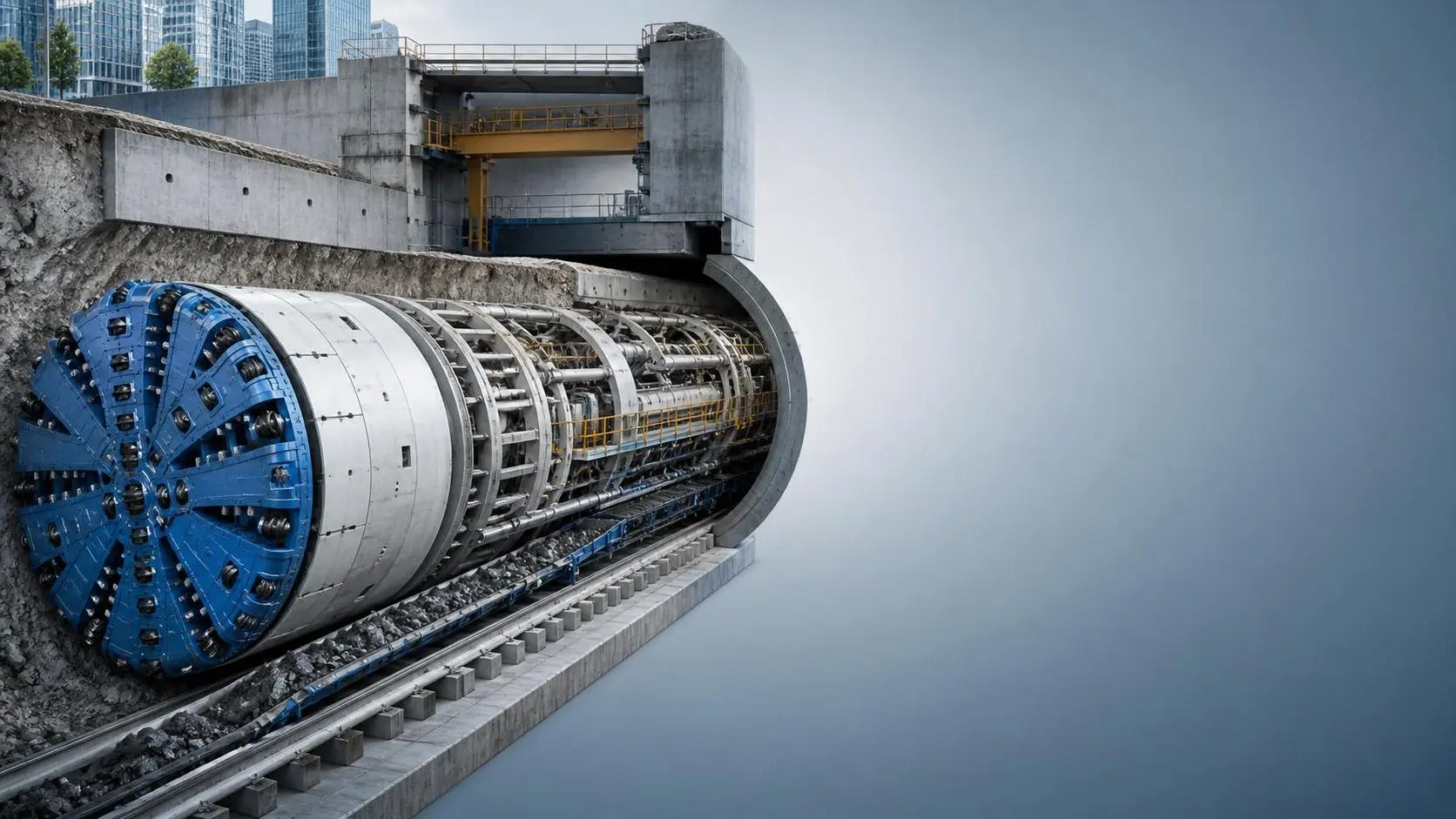
What Drives TBM Excavation Cost in Urban Tunneling Projects?
tbm excavation cost in urban tunneling depends on geology, shafts, segment lining, logistics, and risk. Discover the key cost drivers and compare bids with greater confidence.
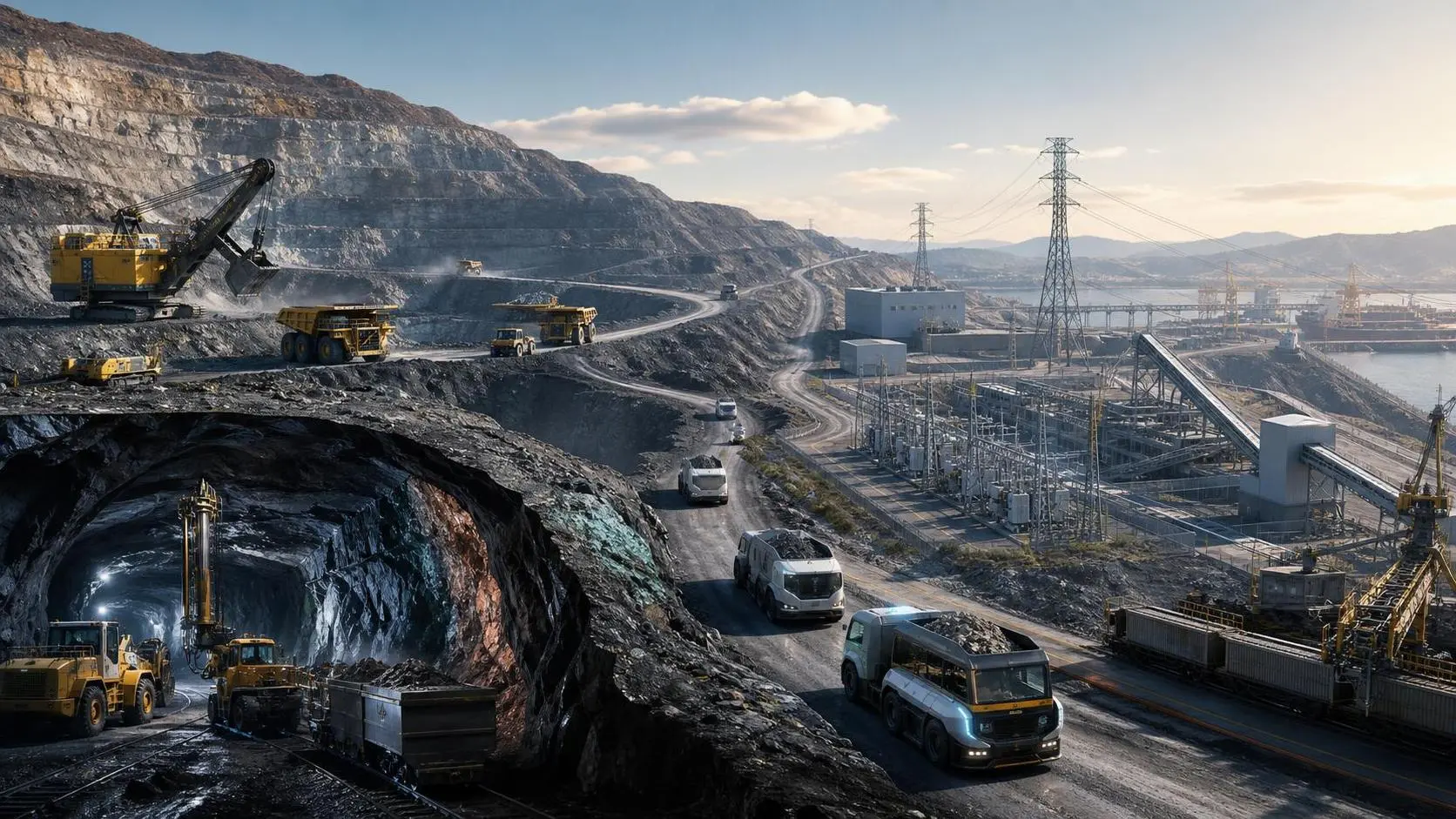
What Does Energy Metals Mining in Australia Mean for Supply, Cost, and Project Risk?
Energy metals mining Australia is reshaping supply, cost, and project risk. Discover what it means for buyers, investors, and operators.
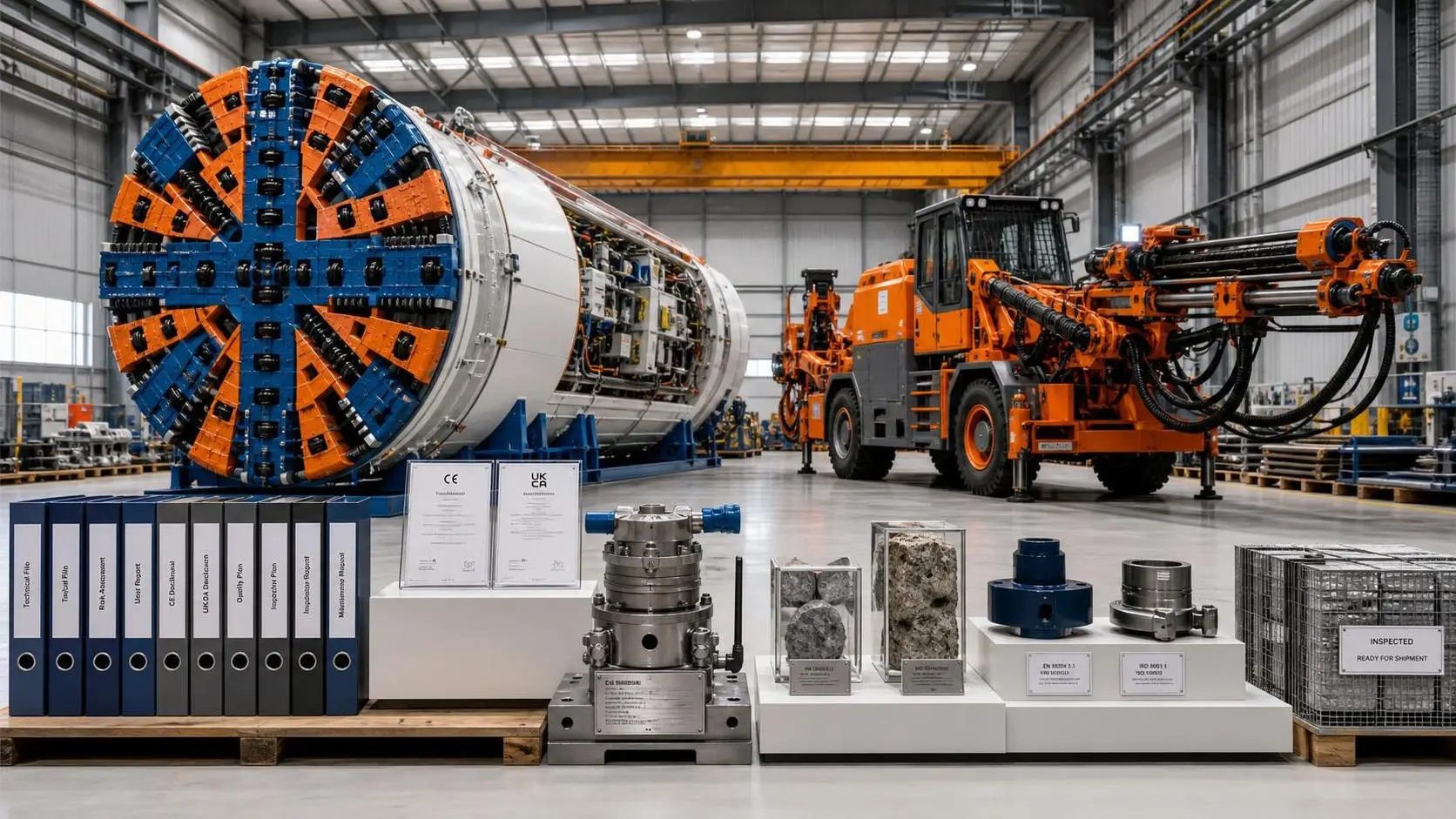
EU Eases Dual CE and UKCA Path for Chinese Tunnel Boring Equipment
EU eases CE and UKCA certification for Chinese tunnel boring equipment, cutting compliance time and helping importers move faster.
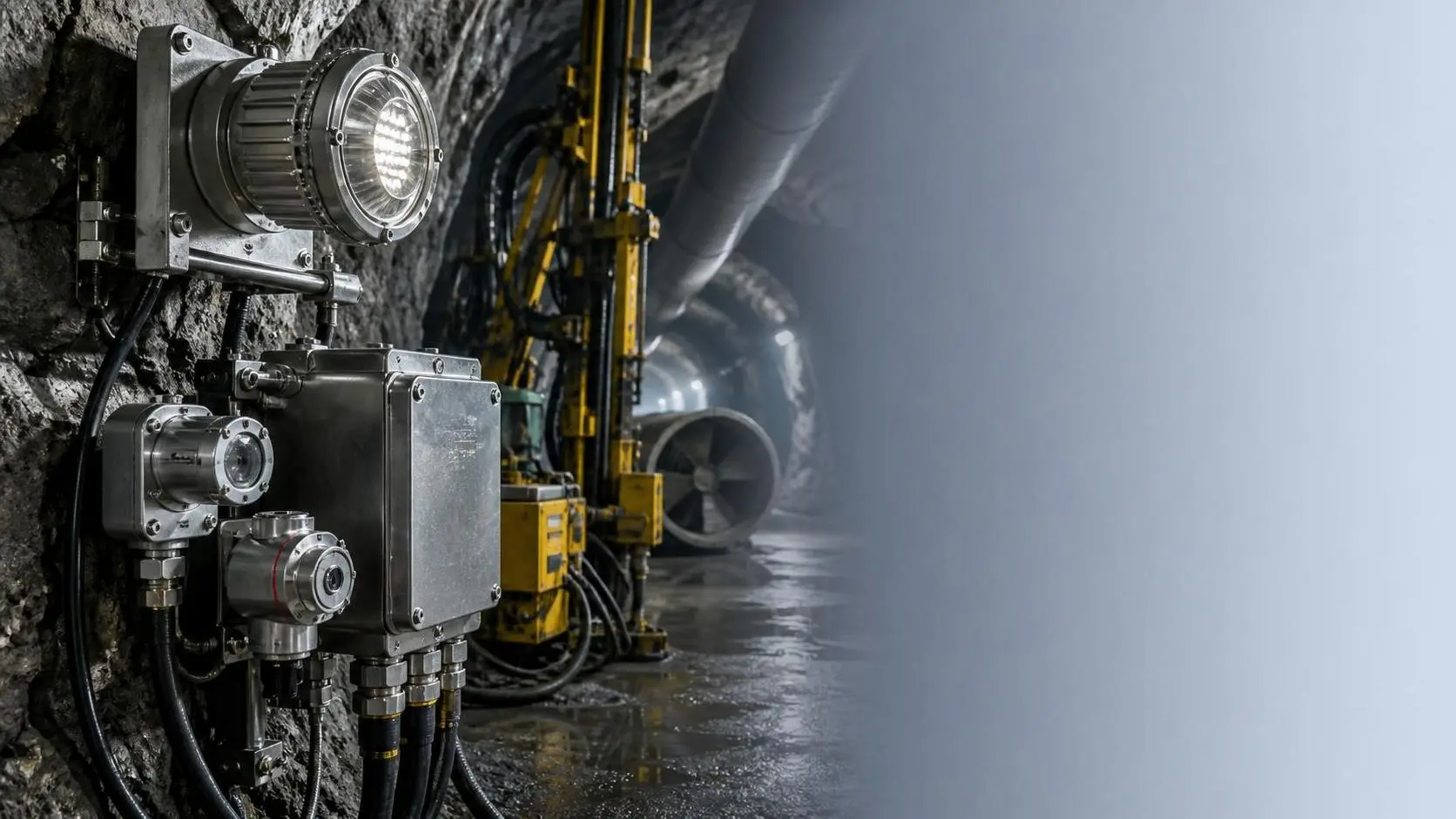
Flameproof Underground Safety Equipment: What Mine Teams Should Check Before Buying
Underground Safety Equipment flameproof buying guide: learn how mine teams should verify certification, durability, serviceability, and supplier support before purchase.
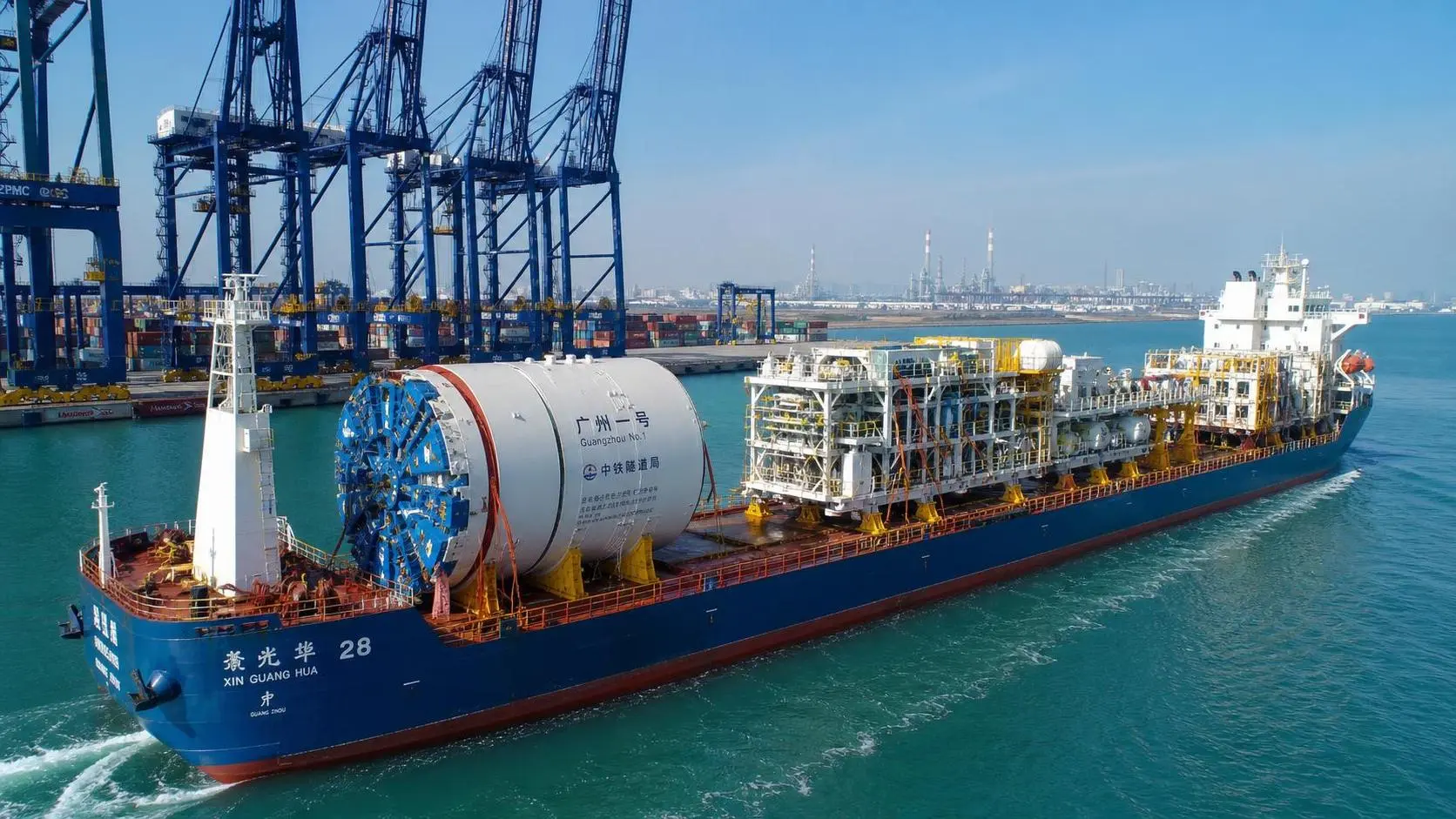
China-UAE Direct Sea Route Cuts TBM and Large Tunneling Equipment Lead Times
China-UAE direct sea route shortens TBM and large tunneling equipment lead times by 12–15 days, improving delivery predictability for major infrastructure projects. Read the full impact.
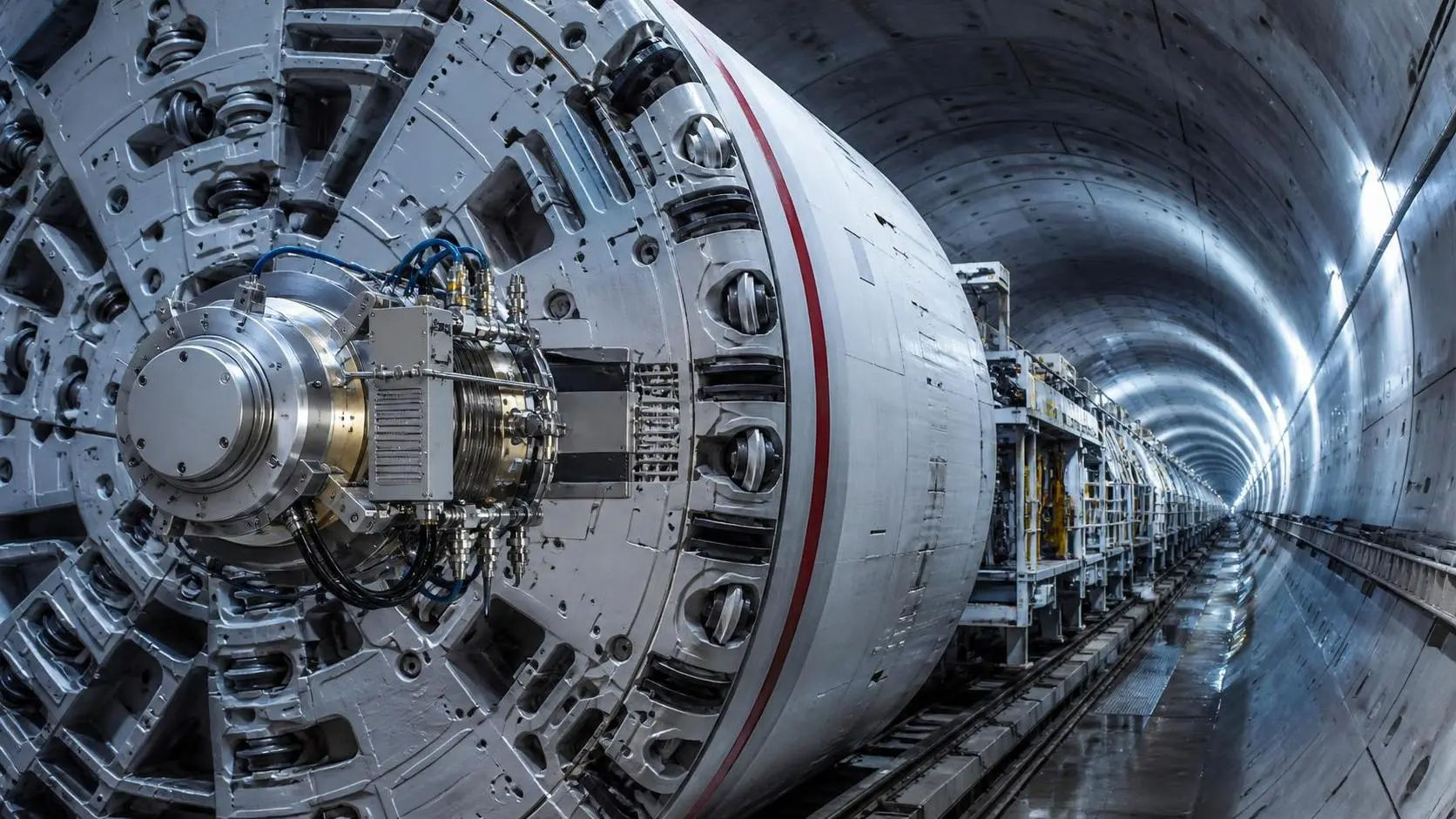
What Is a TBM Guidance System Gyroscope, and Why Does It Matter Underground?
TBM Guidance Systems gyroscope improves underground accuracy, reduces drift, and helps tunnel boring machines stay on line in harsh conditions.

China to Roll Out Nationwide Local and Foreign Currency Cash Pools for Multinationals on Sept. 14
China will roll out nationwide local and foreign currency cash pools for multinationals on Sept. 14, streamlining cross-border treasury management and boosting liquidity efficiency.
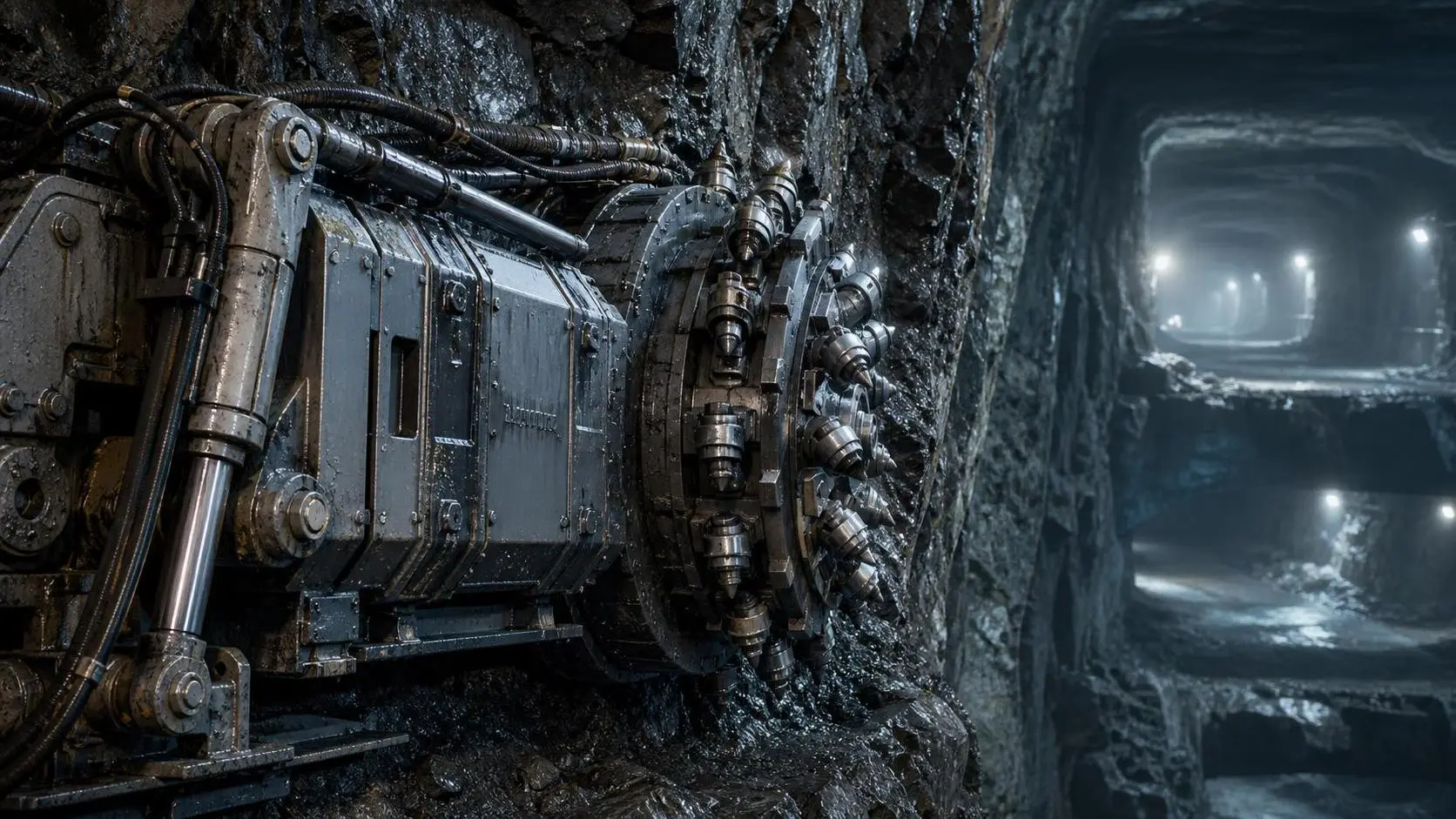
How to Choose a Reliable Underground Mining Equipment Supplier for Harsh Site Conditions
Find a reliable underground mining equipment supplier for harsh site conditions with rugged, maintainable solutions that boost uptime, reduce risk, and support long-term production.
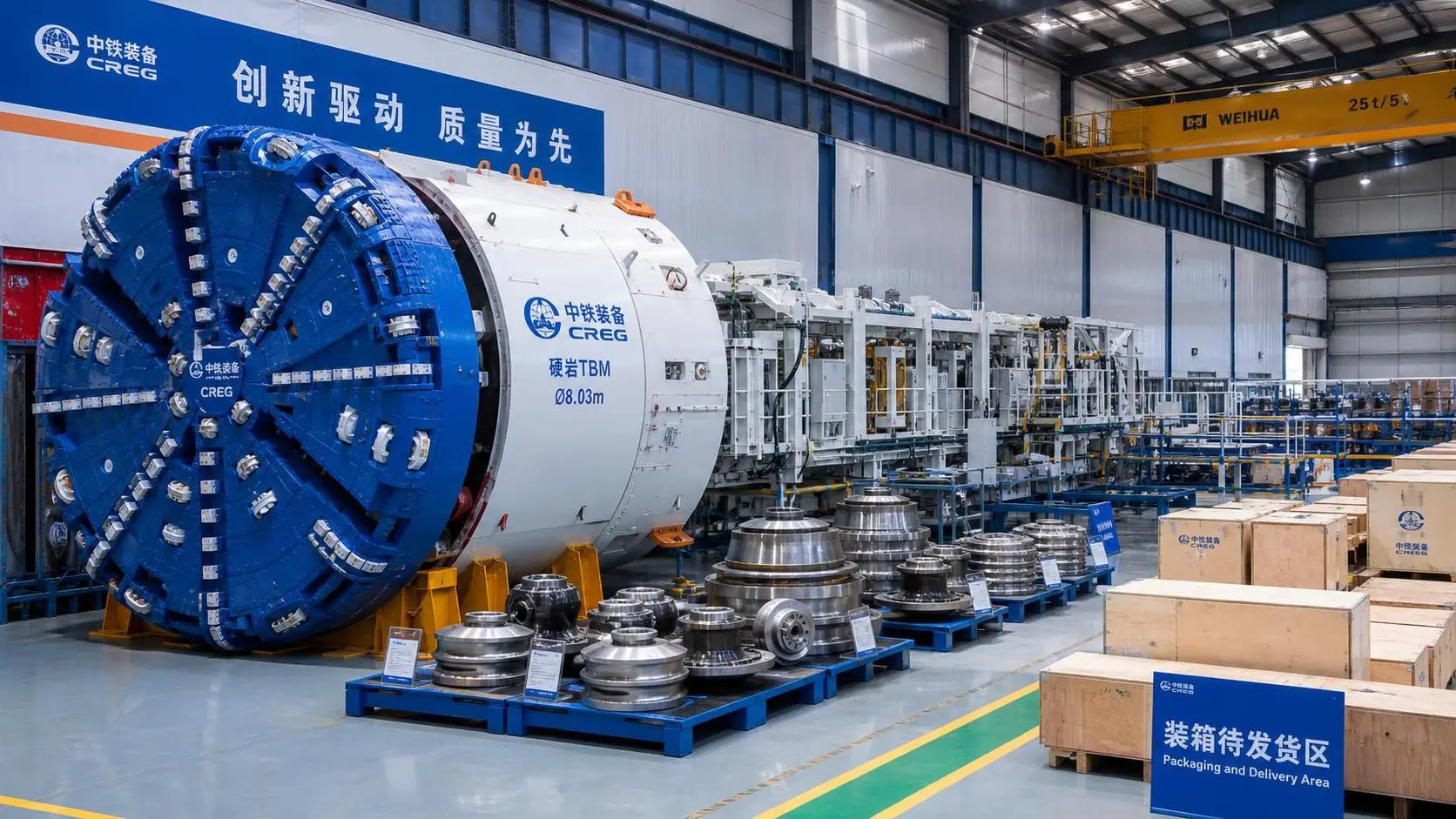
China Customs Tightens TBM Export Checks from Aug. 16
China Customs tightens TBM export checks from Aug. 16, 2026. Learn how new mandatory inspections may affect tunnelling equipment shipments, compliance, and delivery plans.
Related News
- 00
0000-00
What Drives TBM Excavation Cost in Urban Tunneling Projects? - 00
0000-00
What Does Energy Metals Mining in Australia Mean for Supply, Cost, and Project Risk? - 00
0000-00
EU Eases Dual CE and UKCA Path for Chinese Tunnel Boring Equipment - 00
0000-00
Flameproof Underground Safety Equipment: What Mine Teams Should Check Before Buying - 00
0000-00
China-UAE Direct Sea Route Cuts TBM and Large Tunneling Equipment Lead Times
Weekly Insights
Stay ahead with our curated technology reports delivered every Monday.