
Unified Market Push Eases TBM EPC Subcontracting Barriers





National efforts to accelerate the construction of a unified domestic market have intensified, with new regulatory actions targeting hidden barriers in public procurement—particularly impacting Chinese manufacturers seeking compliant entry into international Tunnel Boring Machine (TBM) and jumbo drill rig EPC project supply chains.
Event Overview
On May 15, 2026, the State Administration for Market Regulation (SAMR) launched a special campaign to eliminate practices that hinder a unified market and fair competition, explicitly focusing on ‘invisible bottlenecks’ in bidding and procurement processes across provinces and sectors.
Industries Affected
This initiative directly reshapes operational conditions for multiple segments along the underground construction equipment value chain:
Direct Exporters & International Trading Firms
These enterprises face reduced administrative friction when certifying and registering Chinese-made TBMs or jumbo rigs for overseas EPC tenders. Previously inconsistent provincial-level qualification reviews—often requiring redundant documentation or local endorsements—may now be streamlined under national interoperability standards. Impact manifests in faster bid preparation cycles and lower pre-qualification compliance overhead.
Raw Material & Component Sourcing Companies
Suppliers of high-strength steel, cutterhead alloys, or hydraulic control modules benefit indirectly: standardized procurement criteria increase transparency in downstream OEM tender specifications, enabling earlier alignment on material traceability, testing protocols (e.g., EN 10204 3.2), and environmental reporting formats required by EU or Middle Eastern general contractors.
Machinery Manufacturing Enterprises
Domestic TBM and jumbo rig manufacturers—especially those holding CE marking and ISO 50001 certification—gain stronger leverage in negotiations with international EPC consortia. Harmonized domestic procurement rules reinforce the credibility of their quality management systems, supporting claims of equivalency with European or North American Tier-1 subcontractors during technical evaluation phases.
Supply Chain Service Providers
Third-party conformity assessment bodies, logistics integrators specializing in oversized cargo, and export compliance consultants see rising demand for services aligned with cross-border ‘qualification portability’. For example, verification reports issued under nationally recognized accreditation schemes may soon carry greater weight in overseas tender submissions—reducing duplication of audits.
Key Focus Areas & Recommended Actions
Align Certification Portfolios with International Tender Requirements
Firms should audit existing certifications—notably CE, ISO 50001, and ISO 9001—against common EPC subcontractor clauses (e.g., EN 15316-4-4 for energy performance, ISO 14001 for site-specific environmental management). Where gaps exist, prioritize upgrades tied to SAMR’s newly emphasized interoperability benchmarks.
Engage Early with Provincial Procurement Authorities
Although the campaign is national, implementation remains decentralized. Manufacturers are advised to proactively share successful case studies—e.g., prior CE-certified TBM deliveries—to inform local interpretation of ‘equivalent qualifications’, accelerating adoption of mutual recognition frameworks.
Map Supply Chain Documentation Against Unified Standards
Review supplier declarations, mill test reports, and calibration records for consistency with emerging national templates (e.g., standardized digital format for material certificates). Early alignment reduces rework during pre-bid qualification reviews by overseas general contractors.
Editorial Insight / Industry Observation
Observably, this policy shift is less about lowering technical thresholds and more about reducing procedural asymmetry—making it easier for qualified Chinese firms to demonstrate equivalence rather than re-prove capability repeatedly. Analysis shows that the emphasis on ‘invisible bottlenecks’ signals a move beyond formal tariff or licensing reform toward governance-level harmonization. From an industry perspective, the real inflection point lies not in immediate contract wins, but in how quickly domestic certification bodies and provincial tender platforms adopt shared data schemas for qualification verification. That interoperability layer—still nascent—will determine whether efficiency gains translate into sustained supply chain integration.
Conclusion
The SAMR action marks a structural recalibration in how Chinese underground equipment suppliers interface with global infrastructure delivery models. It does not guarantee market access—but meaningfully lowers the transaction cost of proving readiness. A rational reading suggests this is a necessary, though insufficient, condition for deeper participation in high-value EPC subcontracting; complementary improvements in after-sales service localization and multilingual technical documentation remain critical differentiators.
Source Attribution
Official announcement: State Administration for Market Regulation (SAMR), Notice on Launching the Special Campaign to Remove Obstacles to a Unified Market and Fair Competition, issued May 15, 2026. Source document accessible via samr.gov.cn.
Note: Implementation guidelines, provincial rollout timetables, and sector-specific qualification mapping remain pending—and will be closely monitored in upcoming SAMR bulletins and provincial market supervision department circulars.
Related News
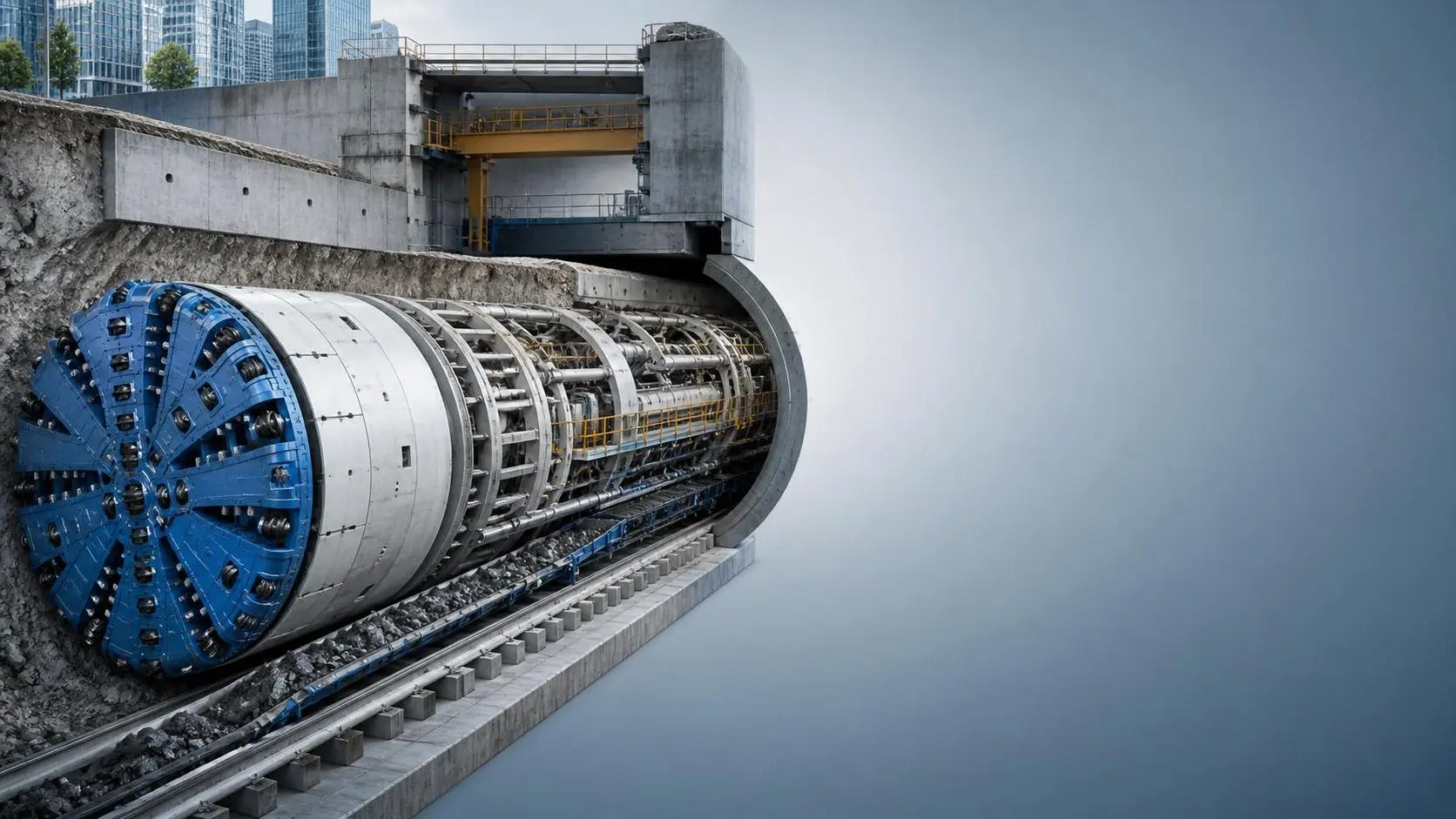
What Drives TBM Excavation Cost in Urban Tunneling Projects?
tbm excavation cost in urban tunneling depends on geology, shafts, segment lining, logistics, and risk. Discover the key cost drivers and compare bids with greater confidence.

What Does Energy Metals Mining in Australia Mean for Supply, Cost, and Project Risk?
Energy metals mining Australia is reshaping supply, cost, and project risk. Discover what it means for buyers, investors, and operators.
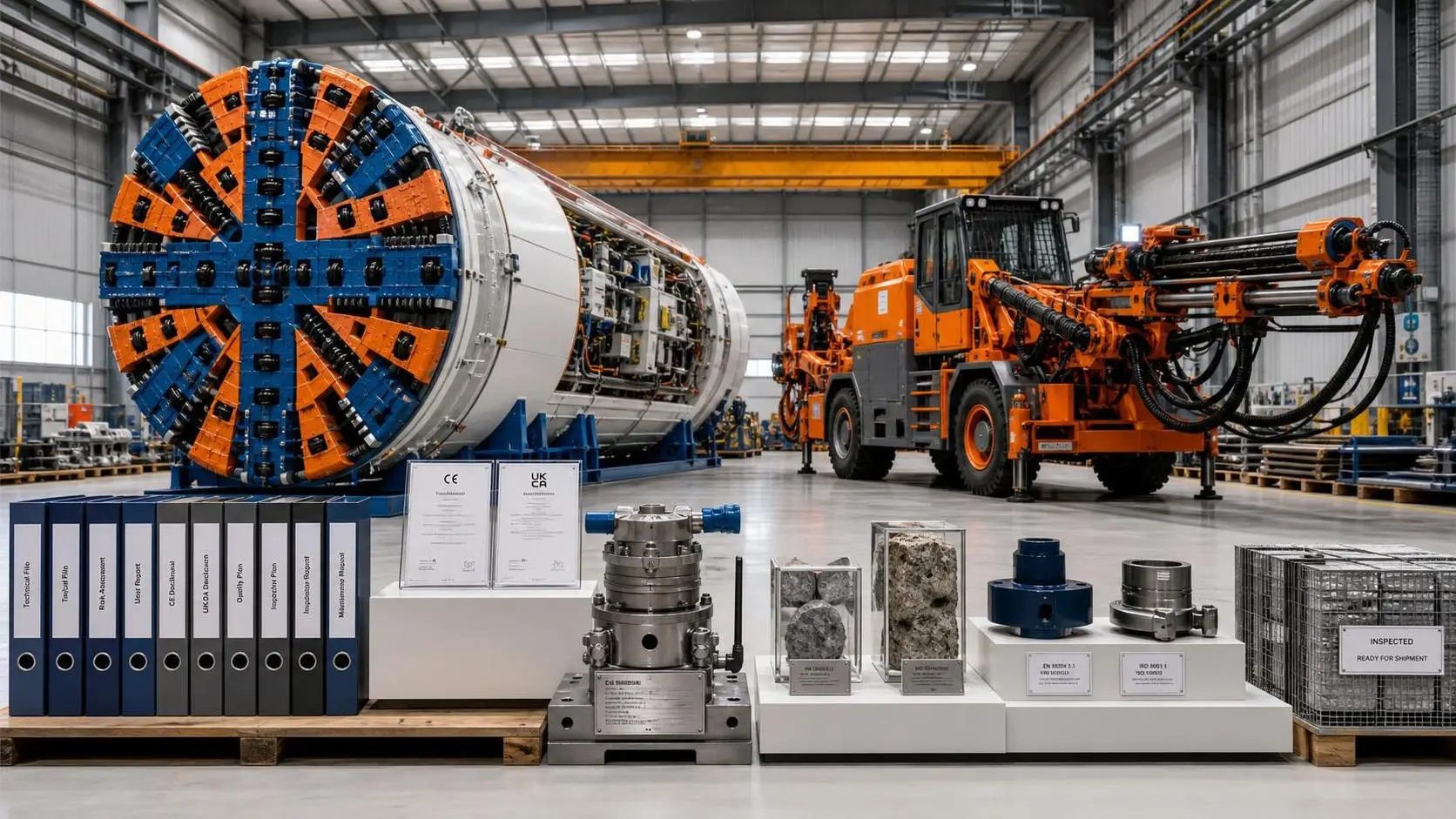
EU Eases Dual CE and UKCA Path for Chinese Tunnel Boring Equipment
EU eases CE and UKCA certification for Chinese tunnel boring equipment, cutting compliance time and helping importers move faster.
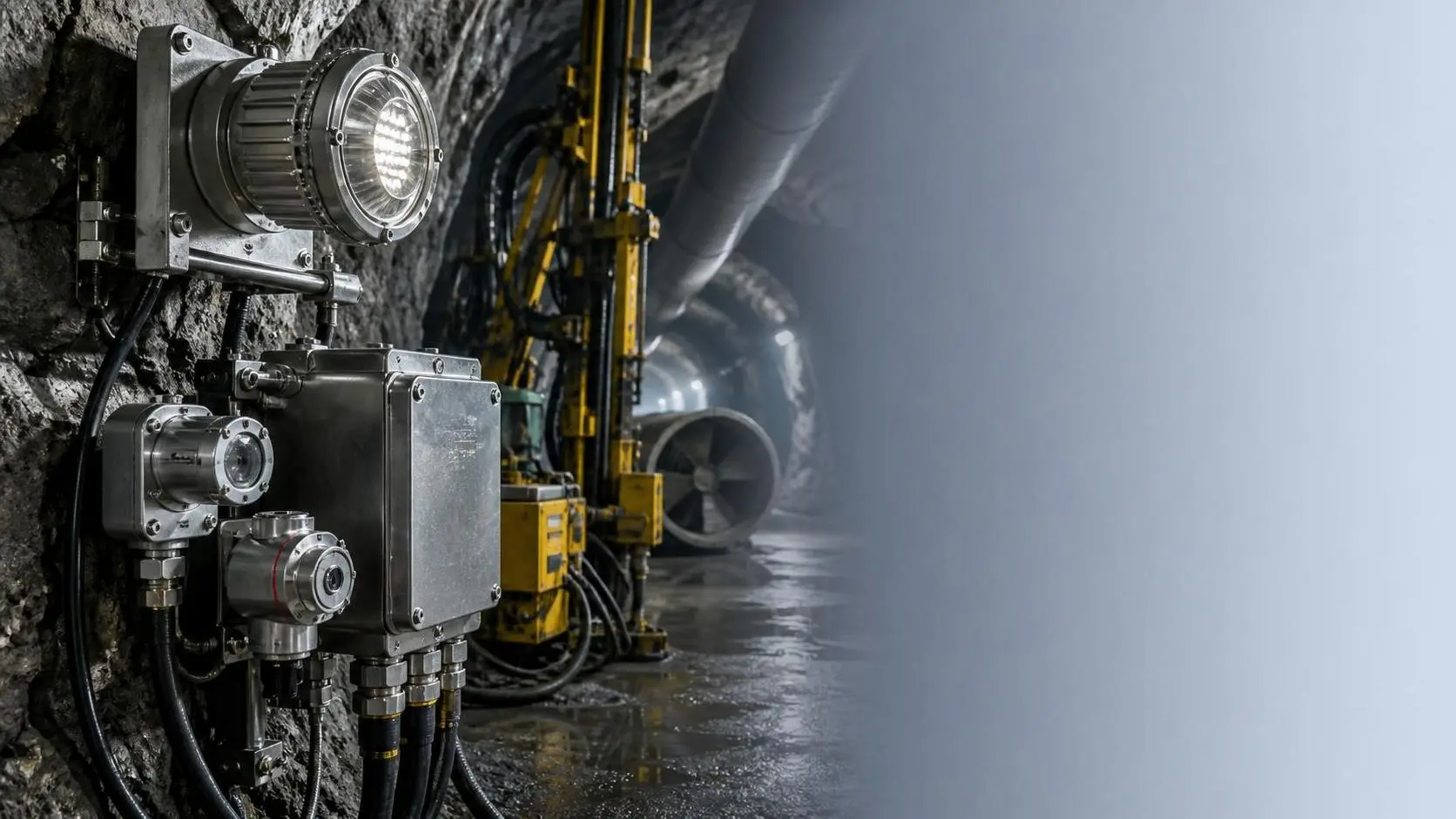
Flameproof Underground Safety Equipment: What Mine Teams Should Check Before Buying
Underground Safety Equipment flameproof buying guide: learn how mine teams should verify certification, durability, serviceability, and supplier support before purchase.
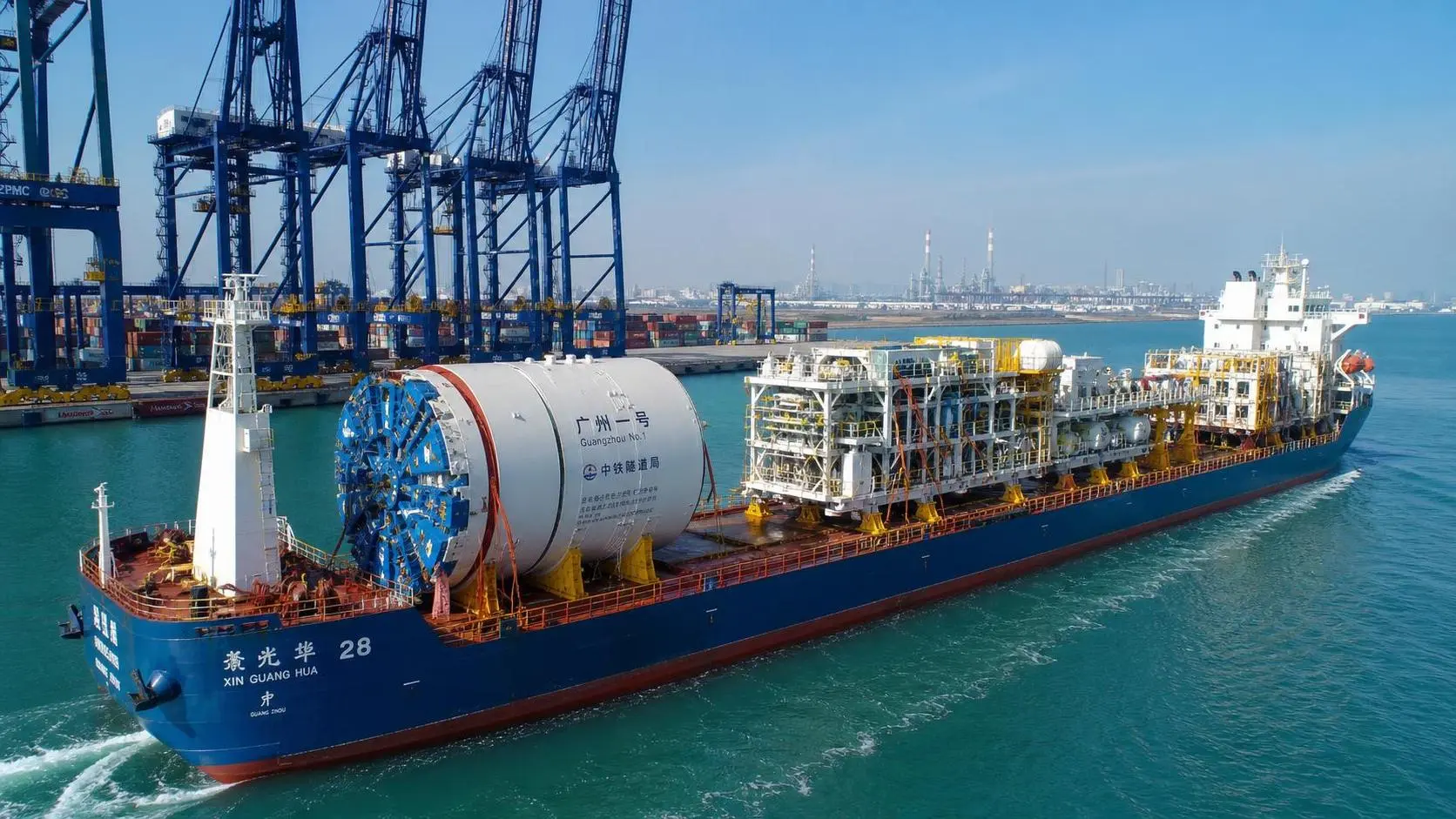
China-UAE Direct Sea Route Cuts TBM and Large Tunneling Equipment Lead Times
China-UAE direct sea route shortens TBM and large tunneling equipment lead times by 12–15 days, improving delivery predictability for major infrastructure projects. Read the full impact.
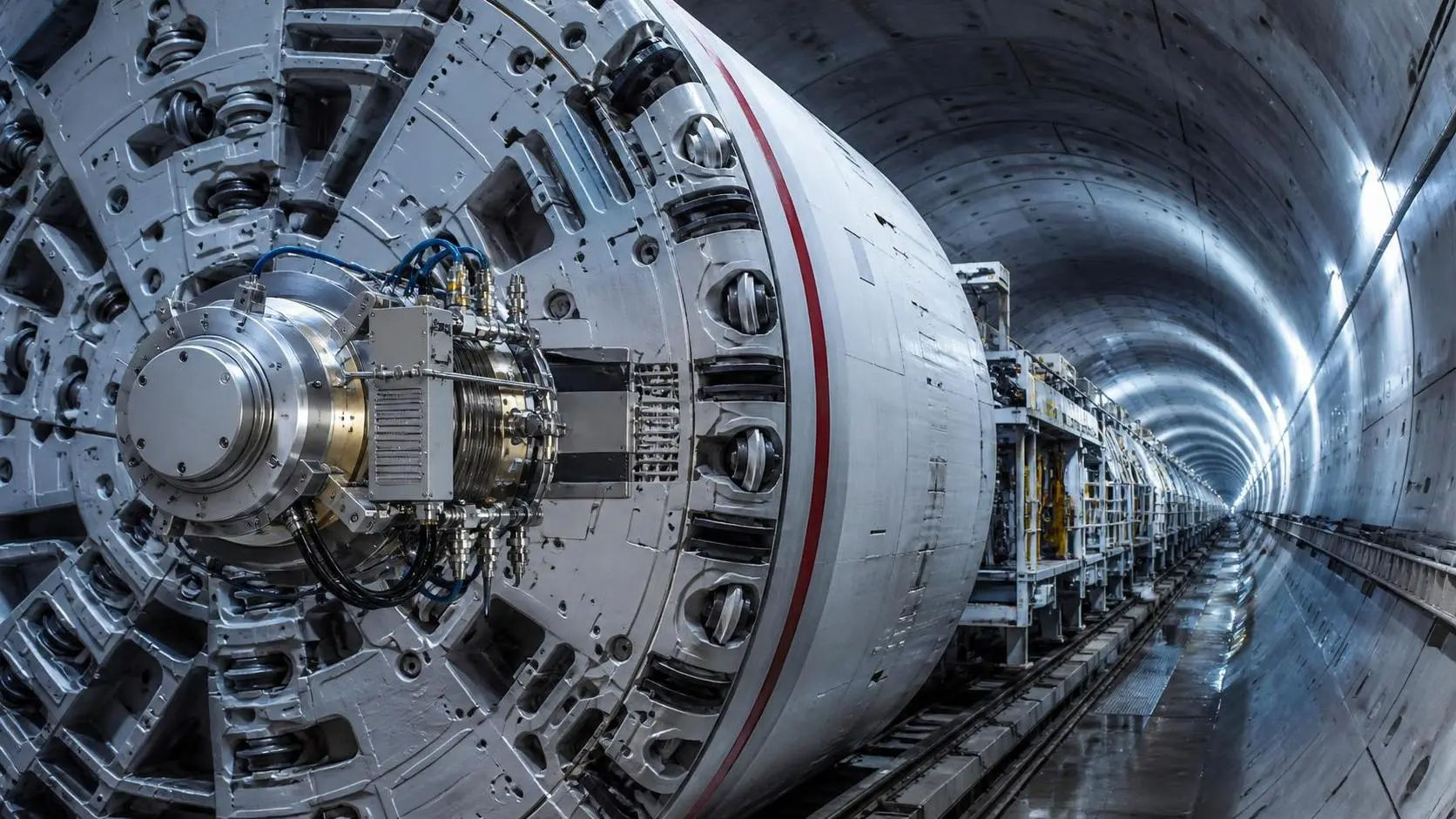
What Is a TBM Guidance System Gyroscope, and Why Does It Matter Underground?
TBM Guidance Systems gyroscope improves underground accuracy, reduces drift, and helps tunnel boring machines stay on line in harsh conditions.
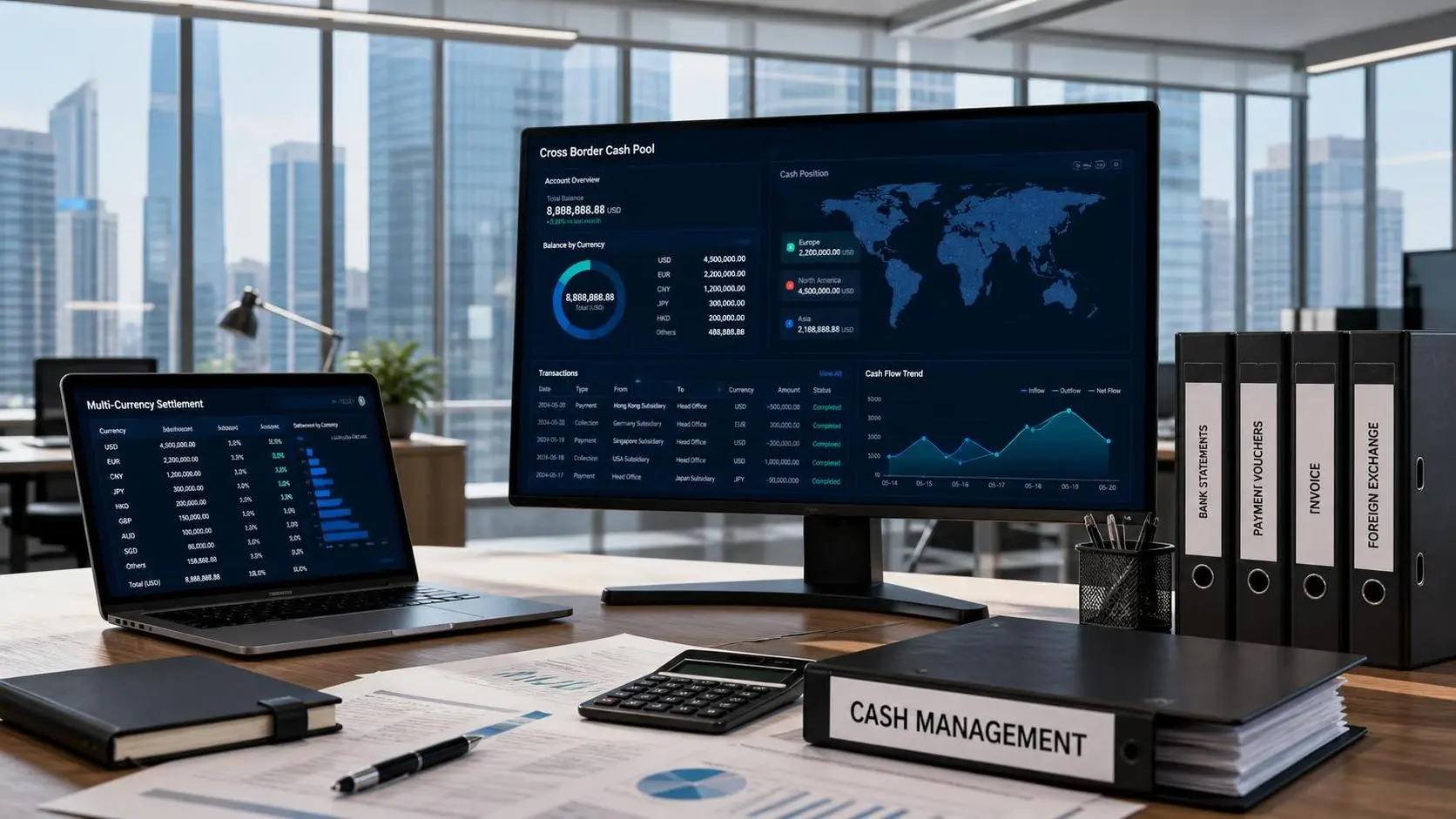
China to Roll Out Nationwide Local and Foreign Currency Cash Pools for Multinationals on Sept. 14
China will roll out nationwide local and foreign currency cash pools for multinationals on Sept. 14, streamlining cross-border treasury management and boosting liquidity efficiency.
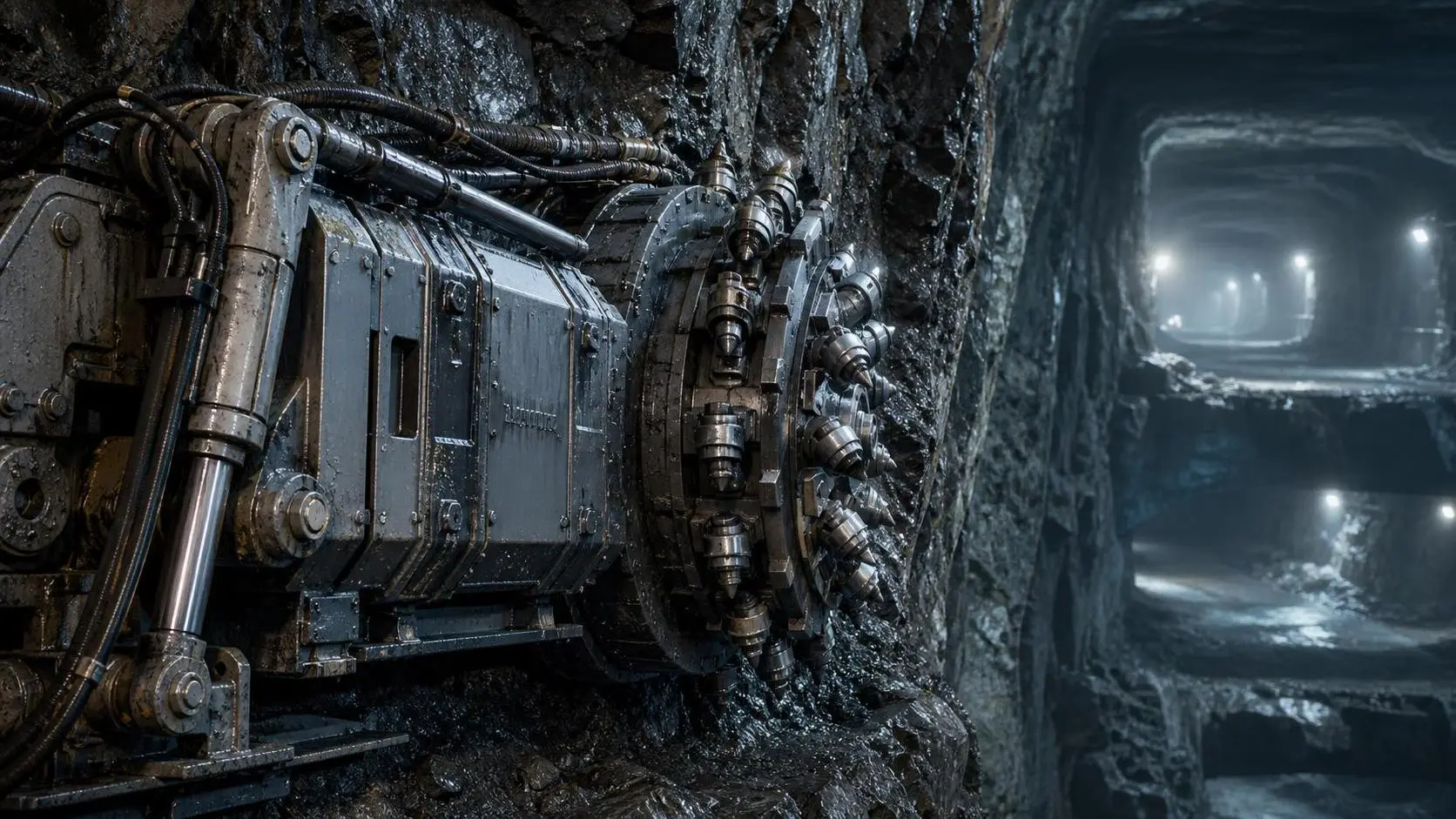
How to Choose a Reliable Underground Mining Equipment Supplier for Harsh Site Conditions
Find a reliable underground mining equipment supplier for harsh site conditions with rugged, maintainable solutions that boost uptime, reduce risk, and support long-term production.
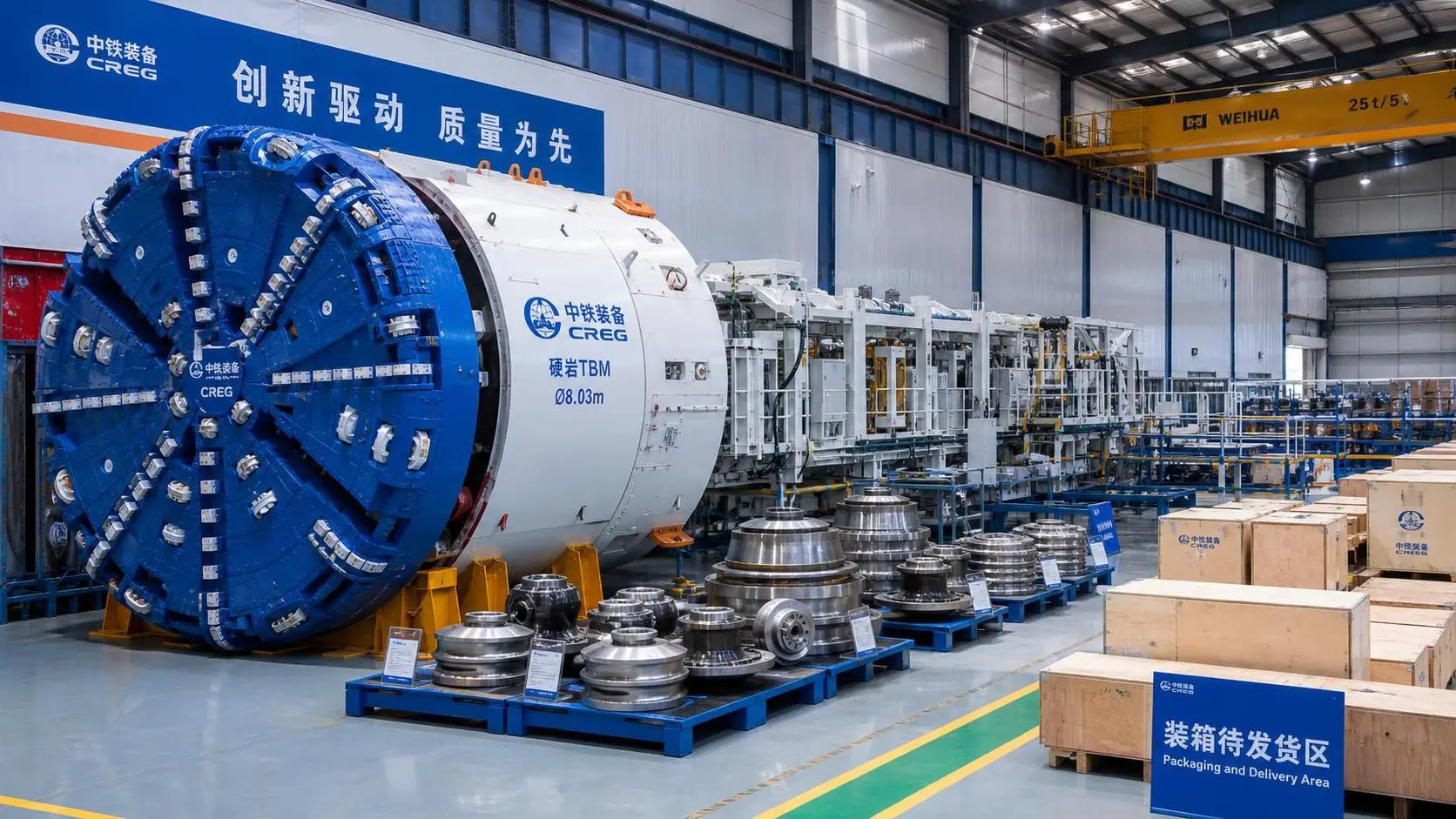
China Customs Tightens TBM Export Checks from Aug. 16
China Customs tightens TBM export checks from Aug. 16, 2026. Learn how new mandatory inspections may affect tunnelling equipment shipments, compliance, and delivery plans.
Related News
- 00
0000-00
What Drives TBM Excavation Cost in Urban Tunneling Projects? - 00
0000-00
What Does Energy Metals Mining in Australia Mean for Supply, Cost, and Project Risk? - 00
0000-00
EU Eases Dual CE and UKCA Path for Chinese Tunnel Boring Equipment - 00
0000-00
Flameproof Underground Safety Equipment: What Mine Teams Should Check Before Buying - 00
0000-00
China-UAE Direct Sea Route Cuts TBM and Large Tunneling Equipment Lead Times
Weekly Insights
Stay ahead with our curated technology reports delivered every Monday.