
How to Choose Tunnel Waterproofing Drainage Boards for High Groundwater Conditions





Why high-groundwater tunnels need a different selection logic
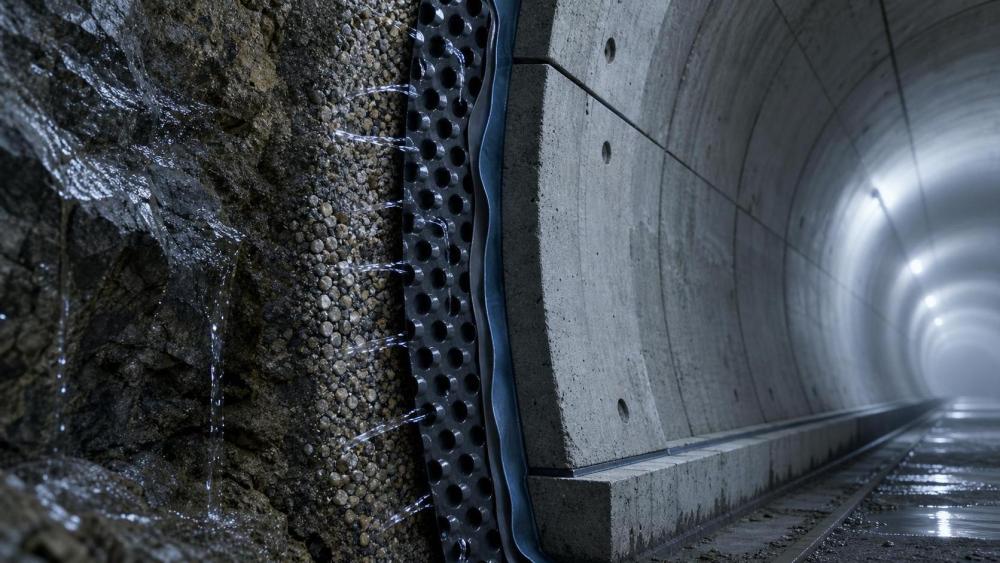
In underground works, water pressure rarely behaves like a static design note. It changes with depth, geology, excavation sequence, and long-term operation.
That is why Tunnel Waterproofing drainage boards cannot be chosen by flow rate alone. In high-groundwater conditions, the board becomes part of a wider risk-control system.
The real question is not only how fast water moves. It is whether drainage paths stay open after lining loads, joint movement, sediment intrusion, and repeated wet cycles.
This matters across the UTMD landscape. TBM drives, pipe jacking corridors, mine access tunnels, and utility passages all face different groundwater behaviors.
A drainage board that performs well behind a stable segment lining may struggle in fractured rock, squeezing ground, or zones with heavy fines.
In practice, reliable Tunnel Waterproofing drainage boards support seepage control, preserve lining durability, and reduce maintenance interventions in spaces where access is never easy.
Actual tunnel conditions change what “good drainage” really means
One common mistake is treating all wet tunnels as the same problem. High inflow, high pressure, and high contamination are related, but they are not identical design drivers.
In a deep TBM tunnel, compressive resistance often becomes critical because the drainage layer sits behind segmental lining under sustained load.
In a shallow urban tunnel, clogging risk may dominate. Fine soil particles, grout migration, and intermittent recharge can reduce the effective capacity much faster than expected.
In mining or drill-and-blast connections, uneven rock surfaces create another issue. The board must bridge irregular contact without collapsing localized flow channels.
This is where selection becomes more operational than theoretical. Tunnel Waterproofing drainage boards should be judged by retained performance after installation, not only by laboratory peak values.
The key site variables worth checking early
- Expected groundwater head and whether pressure is constant or seasonal.
- Lining type, including cast-in-place concrete, segments, or sprayed systems.
- Rock or soil behavior, especially fines content, fracture intensity, and deformation.
- Installation geometry, overlaps, fixing method, and vulnerable joints.
- Maintenance accessibility once the tunnel enters service.
Where TBM and segment-lined tunnels demand stronger retained capacity
For long mechanized drives, drainage continuity matters more than isolated material strength. Water must move predictably around rings, gaskets, bolts, and local alignment tolerances.
Here, Tunnel Waterproofing drainage boards should resist creep and compression over time. A board that flattens under permanent load may test well initially but fail functionally later.
Another judgment point is compatibility with waterproofing membranes. If the drainage layer damages the membrane surface or creates stress points, leakage risk can increase instead of decrease.
More advanced projects also review how the board behaves during segment installation logistics. Handling damage, partial folding, and poor edge detailing can cancel good material properties.
UTMD’s focus on full-face excavation technology reflects this reality. In highly automated underground systems, material reliability must align with installation precision and lifecycle performance.
In urban trenchless and pipe jacking works, clogging often decides performance
Urban tunnels face a different pressure profile. The groundwater level may fluctuate with utilities, rainfall recharge, or nearby foundation activity.
In these settings, Tunnel Waterproofing drainage boards need more than hydraulic passage space. They need a structure that limits blockage from silts, grout bleed, and construction residue.
Boards with weak filtration pairing can lose effectiveness even when compressive load is moderate. Once fines seal the drainage face, seepage finds a new path and often appears at joints.
Pipe jacking environments also reward installation consistency. Tight shafts, curved alignments, and constrained access increase the chance of overlap defects or discontinuous drainage paths.
A practical review usually compares aperture control, geotextile bonding quality, and edge treatment before looking at nominal capacity claims.
Mining drifts and irregular rock profiles call for a different balance
In mine tunnels and underground haulage connections, surfaces are rarely uniform. Shotcrete thickness varies, rock relief is uneven, and local water inflow can be concentrated.
That changes the selection balance for Tunnel Waterproofing drainage boards. The board must keep drainage paths open across point loads and rough backing conditions.
Chemical durability may also deserve more attention. Groundwater in mining districts can carry dissolved minerals or aggressive constituents that shorten service life.
In battery-electric and low-emission underground operations, drainage reliability also supports infrastructure cleanliness. Uncontrolled seepage affects road condition, cable routes, and equipment uptime.
That is why site teams often prefer solutions proven under rough substrate contact, not just smooth-panel testing.
Different scenarios do not reward the same board properties
A simple comparison helps avoid overgeneralized choices. The same Tunnel Waterproofing drainage boards may not perform equally across tunnel types.
The pattern is clear. Demand shifts with groundwater behavior, tunnel geometry, and how difficult future intervention will be.
What usually gets overlooked before specification is locked
The first blind spot is focusing on initial drainage capacity without asking how much remains after load, contamination, and time.
The second is treating similar tunnels as identical. Two rock tunnels may have very different fines content, pressure cycles, and lining constraints.
Another issue is separating drainage board choice from waterproofing system design. Tunnel Waterproofing drainage boards work as part of a combined assembly, not as isolated sheets.
Cost reviews can also miss the real exposure. A cheaper board may increase repair complexity, traffic disruption, or service downtime once seepage reaches occupied tunnel zones.
On demanding projects, verification should include retained flow under load, joint detailing, substrate tolerance, and field installation controls.
Useful checks before final approval
- Compare test data under realistic confining pressure, not only unloaded values.
- Review whether the filter layer matches groundwater fines characteristics.
- Confirm how edges, penetrations, and overlaps maintain drainage continuity.
- Check resistance to chemical exposure expected in the ground or process water.
- Assess installation error tolerance under actual tunnel access conditions.
A practical way to match Tunnel Waterproofing drainage boards to the tunnel
A workable selection path starts with water regime mapping. Pressure level, inflow concentration, and contamination potential should be defined together.
Then connect those findings to structural loading. Tunnel Waterproofing drainage boards in deep segment tunnels need different reserves than boards behind lighter support systems.
After that, review constructability with equal weight. A technically strong board that is difficult to place correctly in narrow headings may underperform in service.
Projects tracked through UTMD often show the same lesson. Underground systems succeed when material choice, equipment method, and operating environment are evaluated as one chain.
Before specification is frozen, it helps to build a short comparison matrix for each tunnel zone. Include groundwater head, support type, contamination risk, expected maintenance access, and failure consequence.
That approach usually produces better decisions than relying on a single headline property. It also makes later quality verification more objective.
For high-groundwater works, the best Tunnel Waterproofing drainage boards are not simply the strongest or highest-flow products. They are the ones that stay functional in the exact underground conditions the tunnel will actually face.
Related News
How to Evaluate Underground Haulage Systems for Ore Output, Ramp Grade, and Ventilation Limits
Underground haulage systems should be evaluated by ore output, ramp grade, and ventilation limits—not brochures. Learn how to compare trucks, LHDs, and electric options for smarter mine planning.
How to Evaluate a Pipe Jacking Equipment Distributor for Project Support and Uptime
Pipe jacking equipment distributor evaluation made practical: learn how to assess parts support, service response, training, and technical readiness to reduce downtime and protect project uptime.
How to Build a Mining Decarbonization Strategy That Balances Emissions, Cost, and Fleet Reality
Mining decarbonization strategy starts with fleet reality. Learn how to cut emissions, control cost, and align power, ventilation, and production for a practical mine transition.
How to Evaluate Articulated Dump Trucks Payload for Haul Road Conditions and Cycle Efficiency
Articulated Dump Trucks payload evaluation starts with real haul road conditions, not brochure numbers. Learn how to balance payload, traction, grades, and cycle efficiency for safer, higher output.
How Pipe Fittings Material and Pressure Class Affect Water Line Selection
Pipe fittings selection starts with material and pressure class. Learn how these factors affect water line reliability, corrosion resistance, installation, and long-term cost.
What Drives TBM Excavation Cost in Urban Tunneling Projects?
tbm excavation cost in urban tunneling depends on geology, shafts, segment lining, logistics, and risk. Discover the key cost drivers and compare bids with greater confidence.
What Does Energy Metals Mining in Australia Mean for Supply, Cost, and Project Risk?
Energy metals mining Australia is reshaping supply, cost, and project risk. Discover what it means for buyers, investors, and operators.
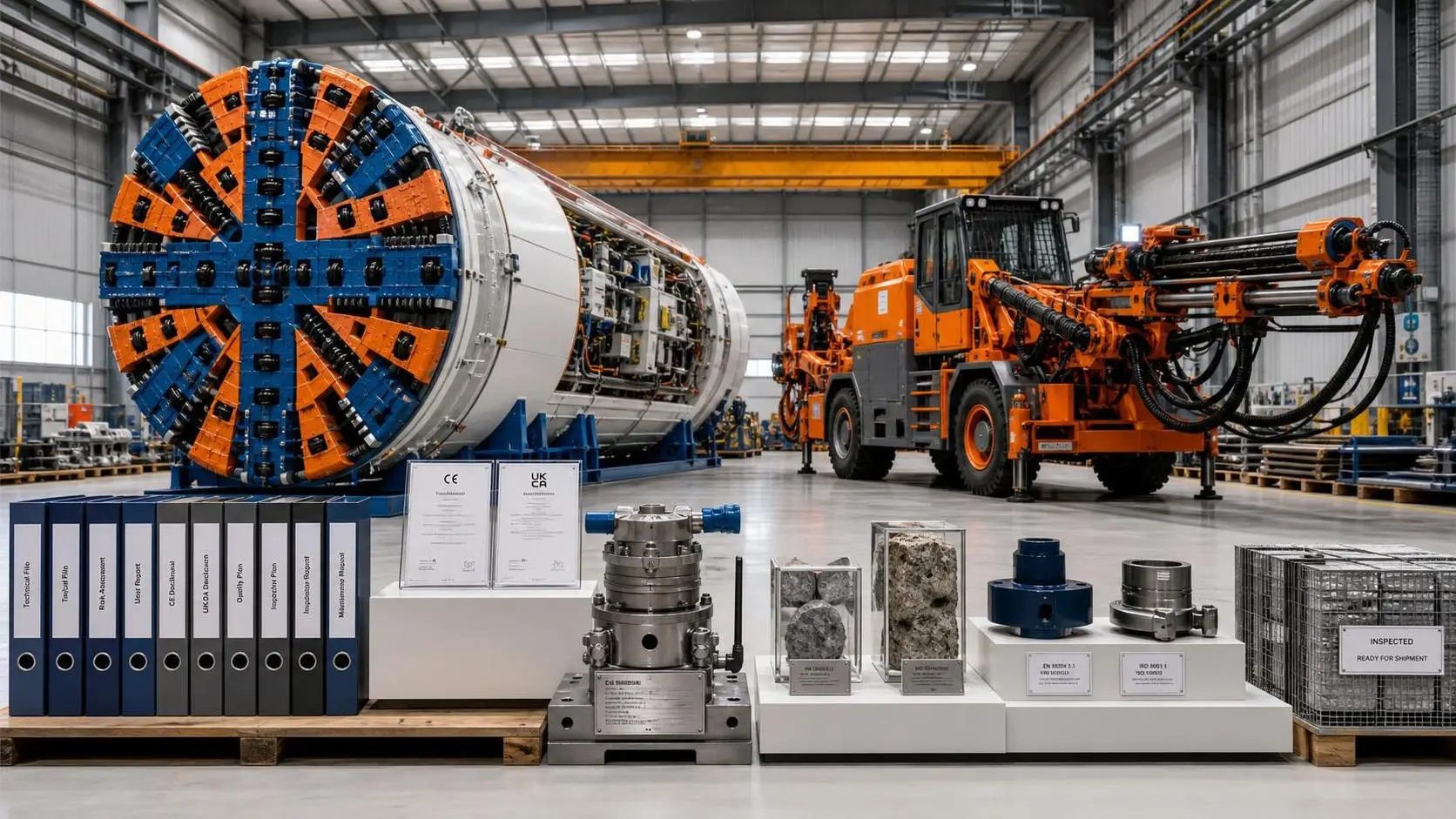
EU Eases Dual CE and UKCA Path for Chinese Tunnel Boring Equipment
EU eases CE and UKCA certification for Chinese tunnel boring equipment, cutting compliance time and helping importers move faster.
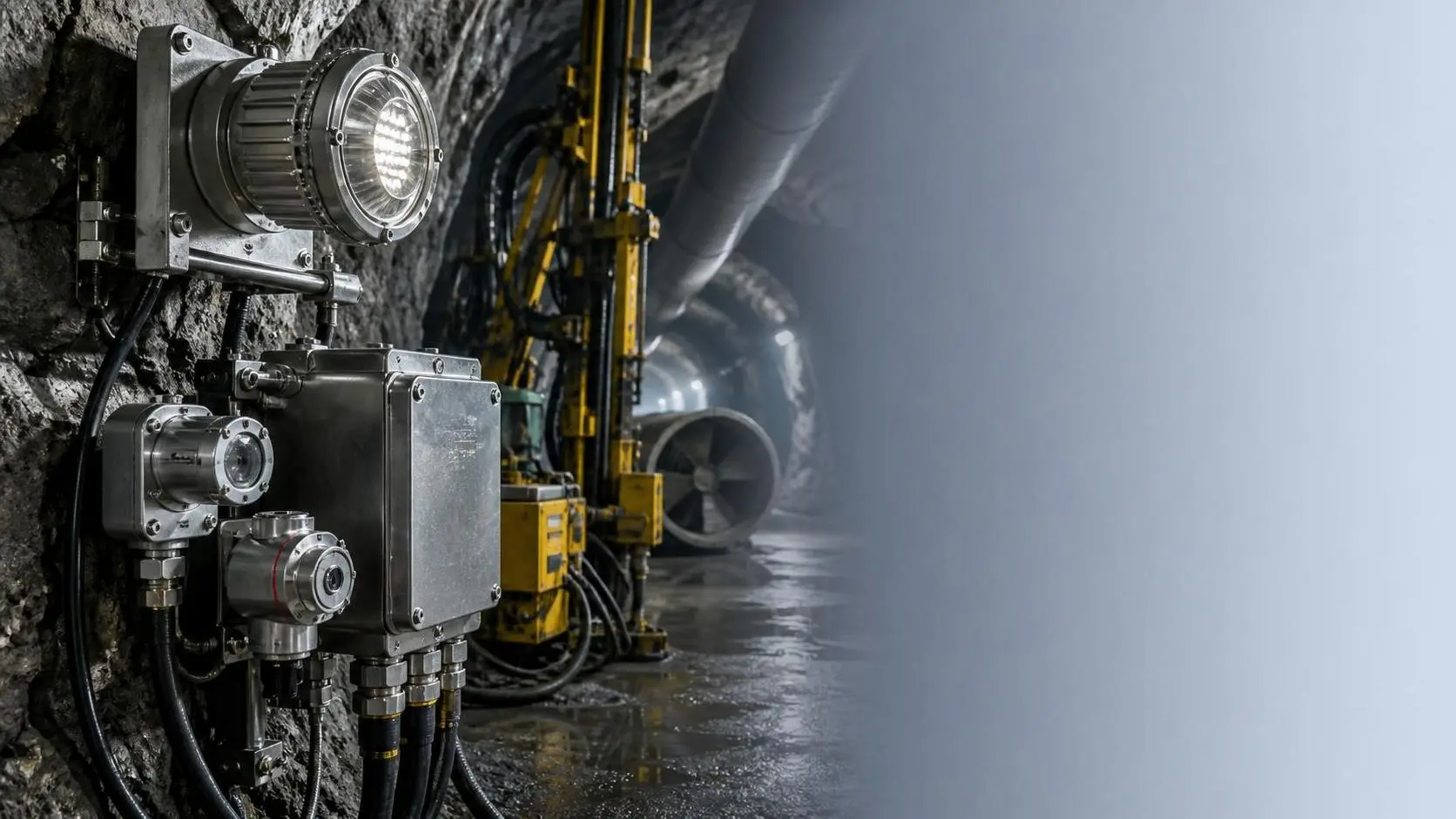
Flameproof Underground Safety Equipment: What Mine Teams Should Check Before Buying
Underground Safety Equipment flameproof buying guide: learn how mine teams should verify certification, durability, serviceability, and supplier support before purchase.
Related News
- 00
0000-00
How to Evaluate Underground Haulage Systems for Ore Output, Ramp Grade, and Ventilation Limits - 00
0000-00
How to Evaluate a Pipe Jacking Equipment Distributor for Project Support and Uptime - 00
0000-00
How to Build a Mining Decarbonization Strategy That Balances Emissions, Cost, and Fleet Reality - 00
0000-00
How to Evaluate Articulated Dump Trucks Payload for Haul Road Conditions and Cycle Efficiency - 00
0000-00
How Pipe Fittings Material and Pressure Class Affect Water Line Selection
Weekly Insights
Stay ahead with our curated technology reports delivered every Monday.