
EPA Rule Takes Effect: EV Mining Trucks Face 2026 Mine Heat Test





On July 7, 2026, the US EPA formally brought into force a new compliance requirement for battery-powered mining transport equipment imported into the United States, including EV and hydrogen mining trucks used in underground settings. The change matters because the required certification is now tied directly to customs clearance, which means exporters, equipment manufacturers, testing partners, importers, and procurement teams must treat thermal safety certification as a pre-shipment issue rather than a post-arrival technical formality.
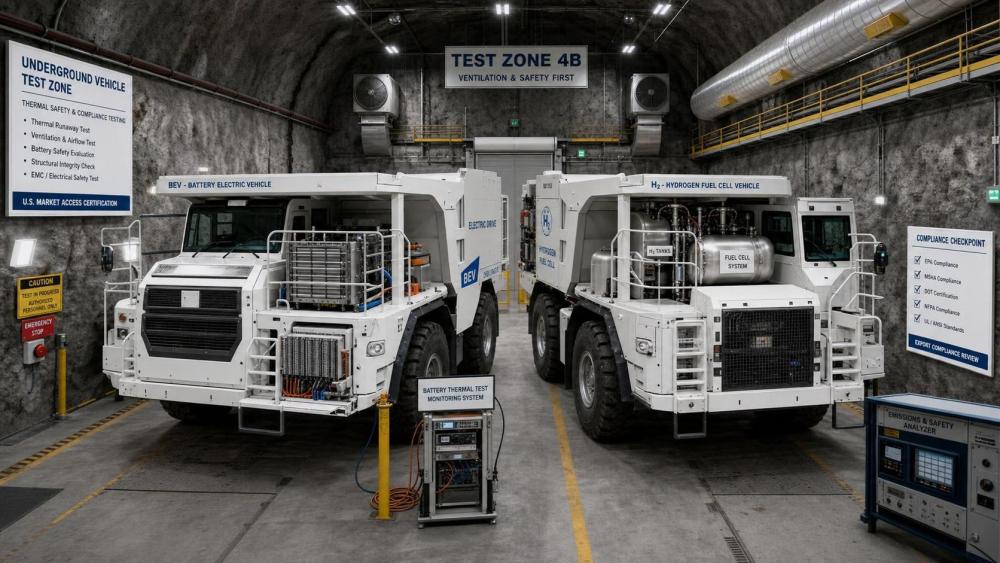
What the new entry requirement now requires
According to the provided event information, the EPA implemented the Underground EV Thermal Safety Directive 2026 on July 7, 2026. Under this rule, all battery-powered mining transport equipment imported into the US, including EV and hydrogen mining trucks, must pass the enclosed-space thermal runaway propagation blocking and active cooling redundancy tests set out in Appendix D of UL 2580B-2026.
The same event information states that this certification has become a mandatory prerequisite for customs clearance. For Chinese exporters, the requirement is to complete third-party type testing before shipment and submit a report issued by an EPA-recognized laboratory.
Where the operational pressure is likely to appear first
Export shipments now depend on certification timing
From an industry perspective, exporters are likely to be affected first because the rule links technical compliance directly to border entry. The main impact is on shipment release planning, export documentation readiness, and the sequencing of factory completion, testing, and delivery. What deserves closer attention is whether product files, type-test reports, and shipment documents are aligned before goods move.
Manufacturers must connect product design with testability
Analysis shows that equipment manufacturers may feel the impact in product validation and delivery preparation. Because the rule specifically refers to thermal runaway propagation blocking and active cooling redundancy testing in enclosed underground conditions, manufacturers need to pay closer attention to whether their technical documentation, model configuration, and certification scope are consistent with the units prepared for export. For companies supplying multiple powertrain variants, the compliance boundary between product versions becomes a practical issue.
Importers and buyers may need earlier document review
Observably, US-side importers and procurement teams may need to move compliance checks earlier in the transaction process. The likely pressure point is no longer only commercial negotiation, but also whether the equipment can be supported by the required EPA-recognized laboratory report before customs filing. In procurement and bid evaluation, certification status may become a more immediate screening item for underground mining transport equipment destined for the US market.
Testing and certification service providers move closer to the transaction chain
Testing bodies and certification-related service providers are also likely to become more directly involved in export execution. The reason is straightforward: the certification is described as a customs prerequisite, so laboratory capacity, report acceptance, and document turnaround may affect delivery scheduling and contract performance. Companies relying on external testing support should therefore pay attention to report validity, laboratory recognition status, and document consistency across trade and technical files.
What companies should review now
Check whether the covered product range is clearly defined
Analysis shows that companies should first confirm which exported mining transport products fall within the requirement described in the event information. The practical issue is not only product naming, but whether the equipment is treated as battery-powered mining transport equipment imported into the US and whether it is intended for underground use conditions relevant to the stated test framework.
Bring certification into the shipment gate review
What deserves closer attention is the shift in timing. Because the certification has been described as a mandatory precondition for customs clearance, exporters should review whether internal shipment approval processes already include third-party type testing and the required EPA-recognized laboratory report before dispatch. Where this review sits in the export workflow may affect delivery commitments.
Recheck technical files and trade documents together
Observably, this is not only a testing question. Companies should also examine whether model descriptions, test references, and supporting documents used in contracts, shipping paperwork, and tender materials are consistent with the certification path being used. If documentation is fragmented across engineering, sales, and logistics teams, the risk is less about the rule text itself and more about execution gaps.
Keep watching for implementation language and market adoption
The provided information confirms that the rule has taken effect, but it does not provide additional operational detail beyond the mandatory testing and report requirement. For that reason, companies should continue to monitor later official wording, customer-side document requests, tender specification updates, and market feedback on how the requirement is being applied in practice.
Why this reads as a live compliance signal
As an editorial observation, this development is more appropriate to understand as an implemented compliance change rather than a distant policy discussion. The key reason is that the event information frames certification as a customs clearance prerequisite, which moves the issue from general safety expectation into transaction execution. At the same time, it is still too early to treat every downstream business consequence as settled, because the provided information does not include broader enforcement detail, document review practice, or market response.
From an industry perspective, the most important takeaway is that underground thermal safety certification is now closer to market access control for the covered equipment category. That makes this both a rule change already in force and a continuing area for observation as implementation language and commercial practice evolve.
How the market should read this change for now
At this stage, the event is best read as a concrete entry-compliance change affecting exports of covered mining transport equipment to the US. It does not by itself confirm how quickly all market participants will adjust, but it clearly raises the importance of pre-shipment testing, recognized laboratory reporting, and document readiness in cross-border delivery planning. A measured conclusion is that the rule is already operative, while its full execution rhythm across procurement, customs, and supplier qualification still warrants close monitoring.
Basis of this article and what still needs verification
This article is based on the user-provided news title, event date, and event summary. For events of this kind, relevant source types typically include official regulatory notices, releases from supervisory authorities, customs or trade administration information, standards organization documents, industry association updates, and reporting by authoritative trade media. A specific official source link was not provided in the input, so the exact publication path still needs ongoing verification.
Further observation is still needed on later policy detail, certification interpretation, implementation wording, tender document changes, industry feedback, and how companies are carrying out the requirement in actual export and delivery workflows.
Related News
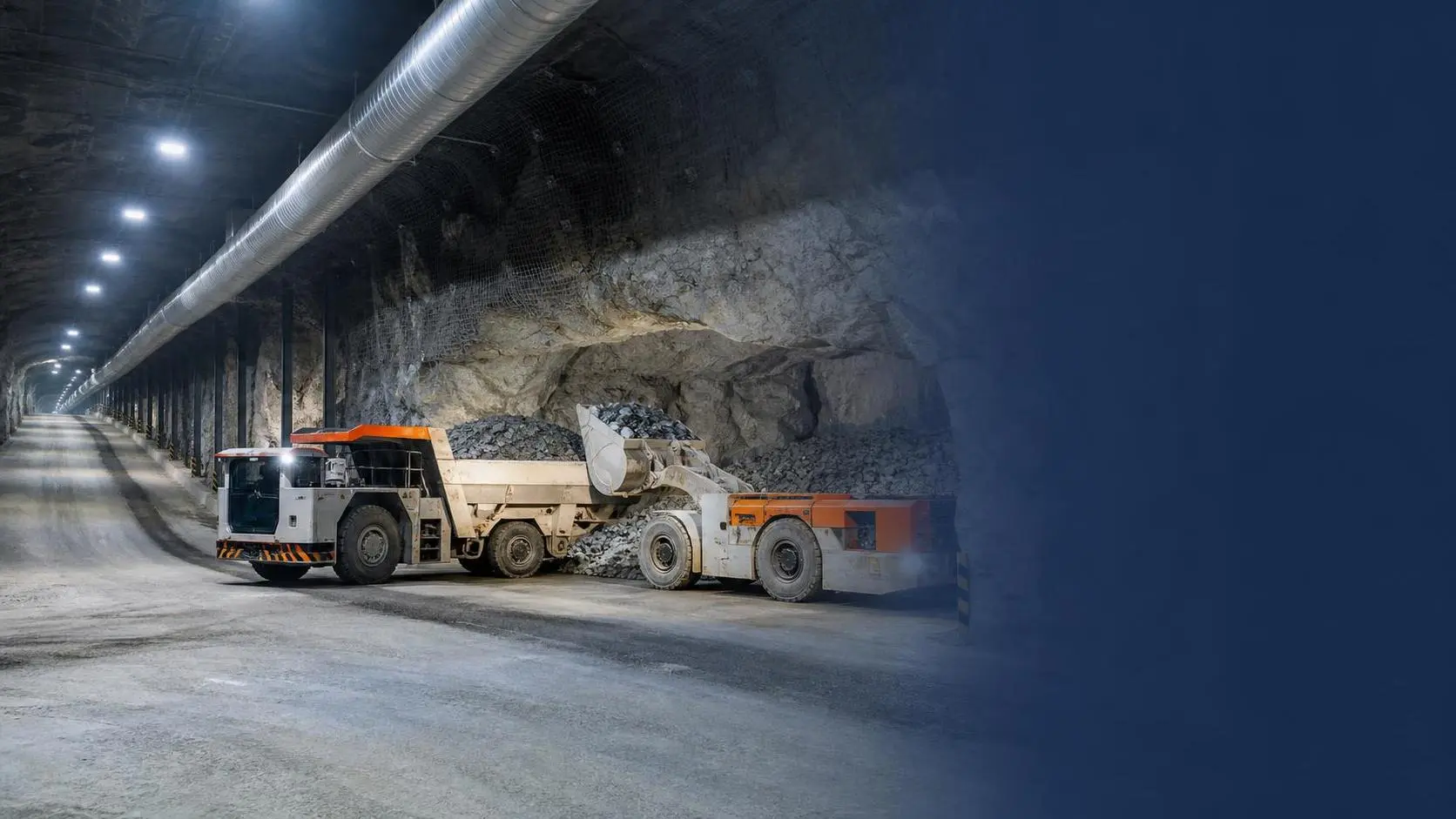
How to Evaluate Underground Haulage Systems for Ore Output, Ramp Grade, and Ventilation Limits
Underground haulage systems should be evaluated by ore output, ramp grade, and ventilation limits—not brochures. Learn how to compare trucks, LHDs, and electric options for smarter mine planning.
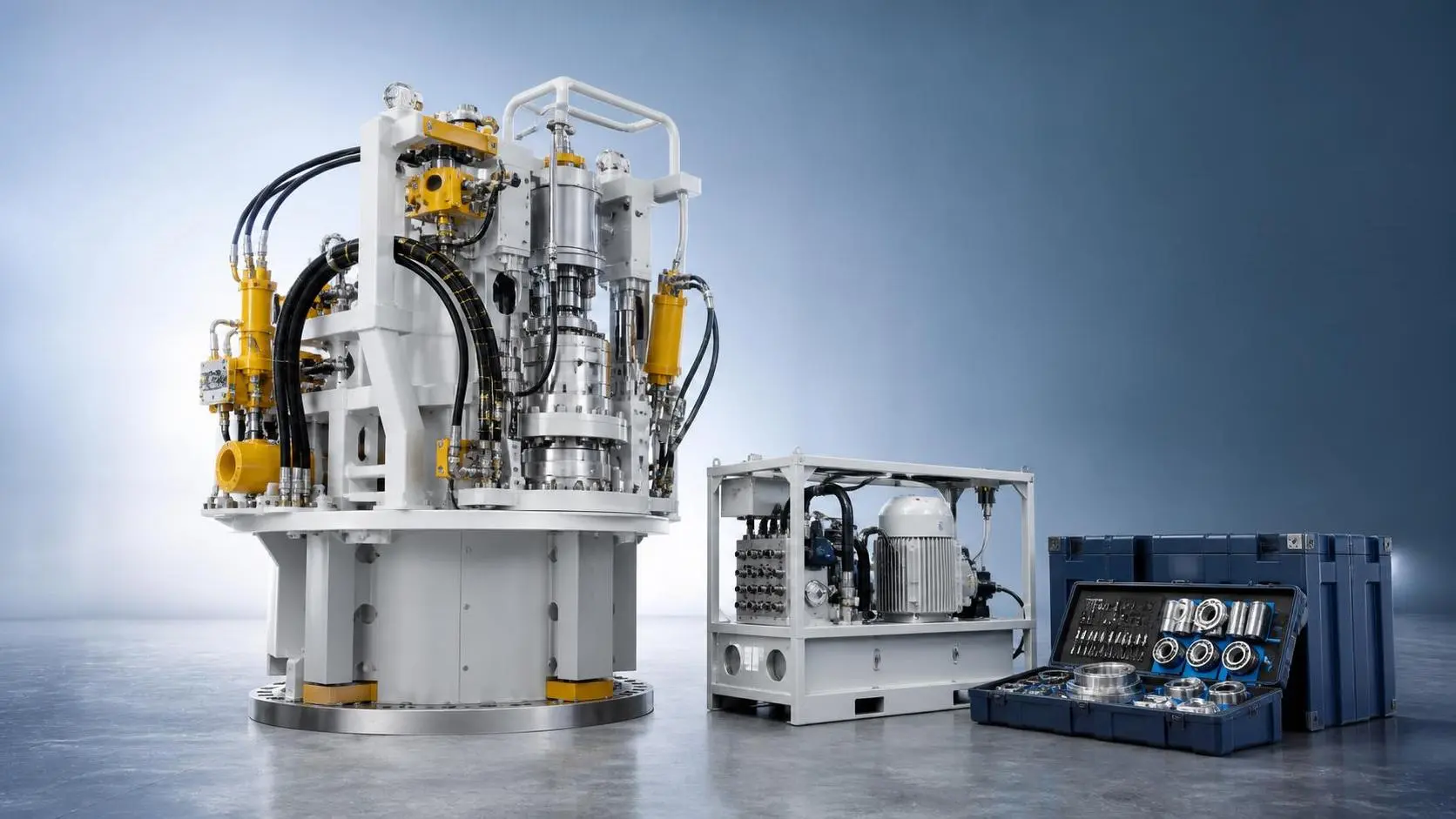
How to Evaluate a Pipe Jacking Equipment Distributor for Project Support and Uptime
Pipe jacking equipment distributor evaluation made practical: learn how to assess parts support, service response, training, and technical readiness to reduce downtime and protect project uptime.
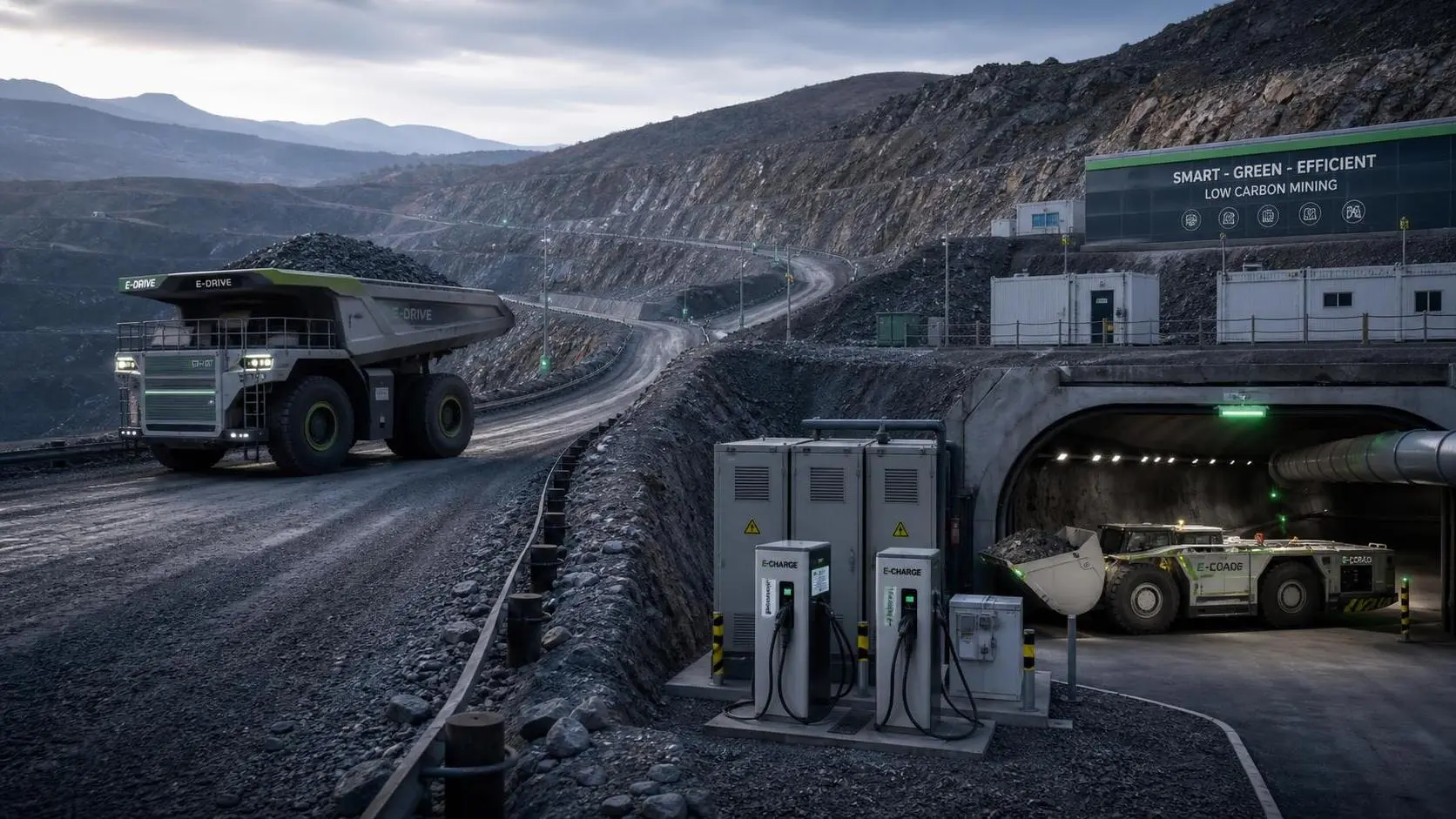
How to Build a Mining Decarbonization Strategy That Balances Emissions, Cost, and Fleet Reality
Mining decarbonization strategy starts with fleet reality. Learn how to cut emissions, control cost, and align power, ventilation, and production for a practical mine transition.
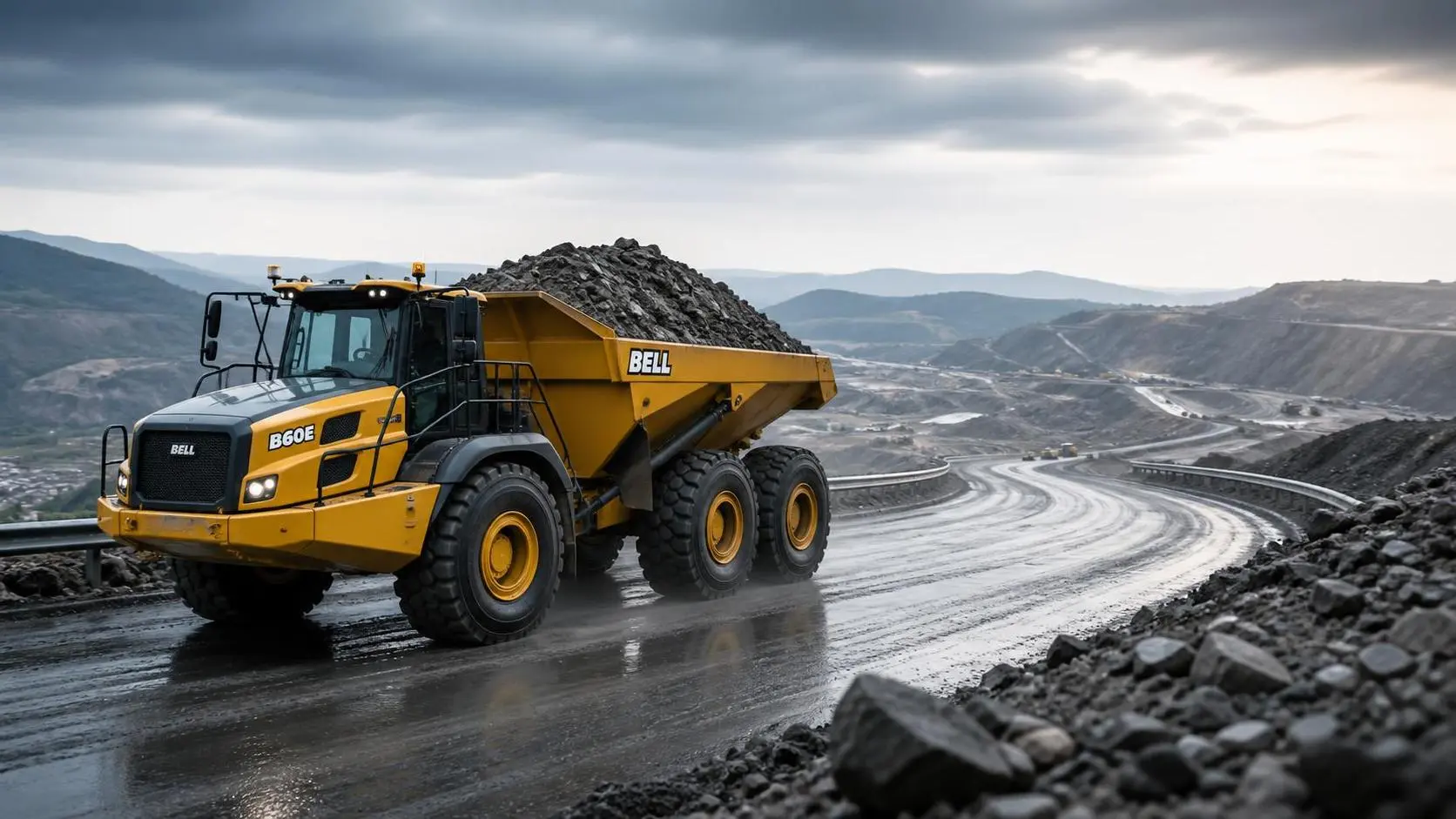
How to Evaluate Articulated Dump Trucks Payload for Haul Road Conditions and Cycle Efficiency
Articulated Dump Trucks payload evaluation starts with real haul road conditions, not brochure numbers. Learn how to balance payload, traction, grades, and cycle efficiency for safer, higher output.
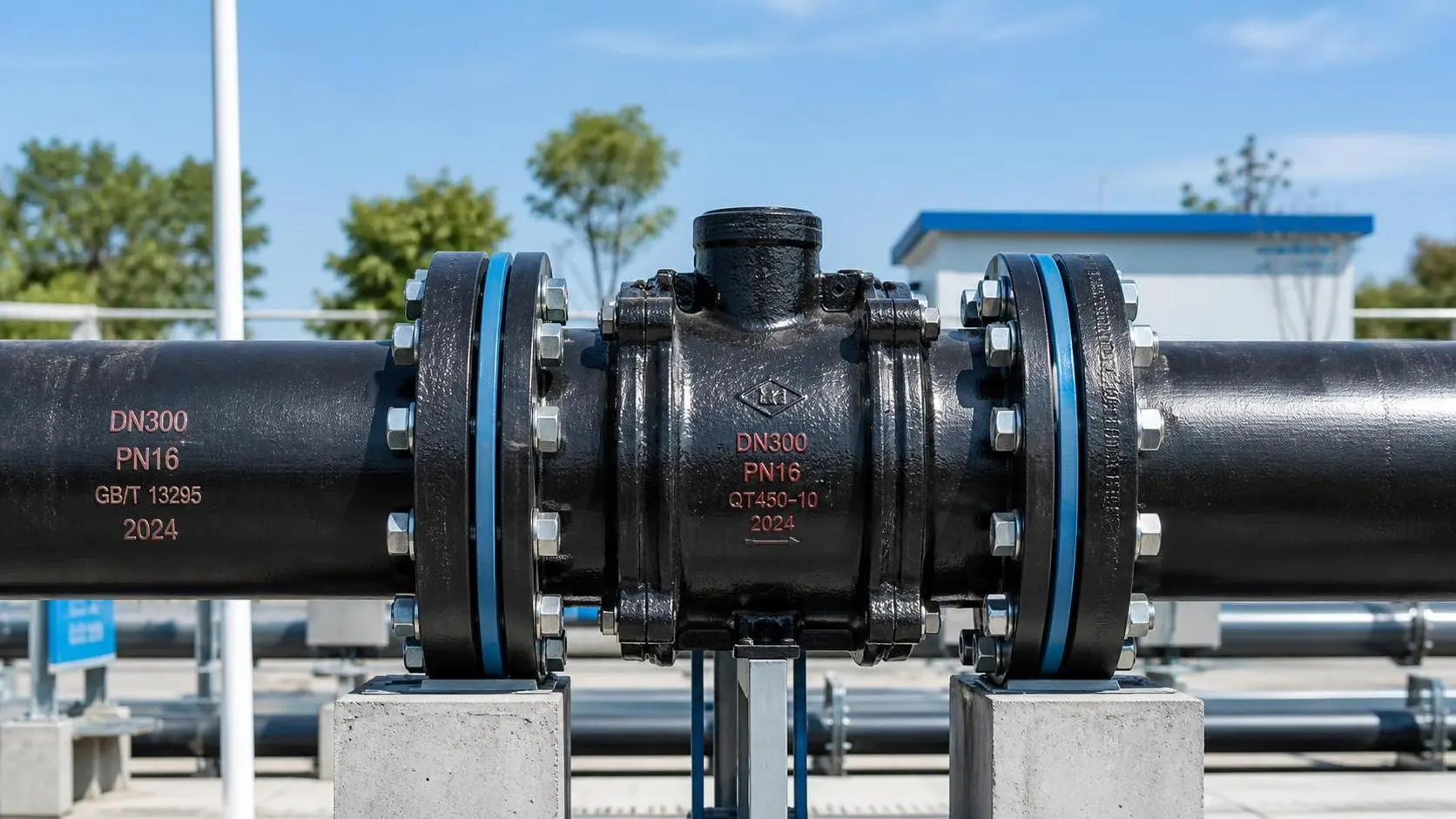
How Pipe Fittings Material and Pressure Class Affect Water Line Selection
Pipe fittings selection starts with material and pressure class. Learn how these factors affect water line reliability, corrosion resistance, installation, and long-term cost.
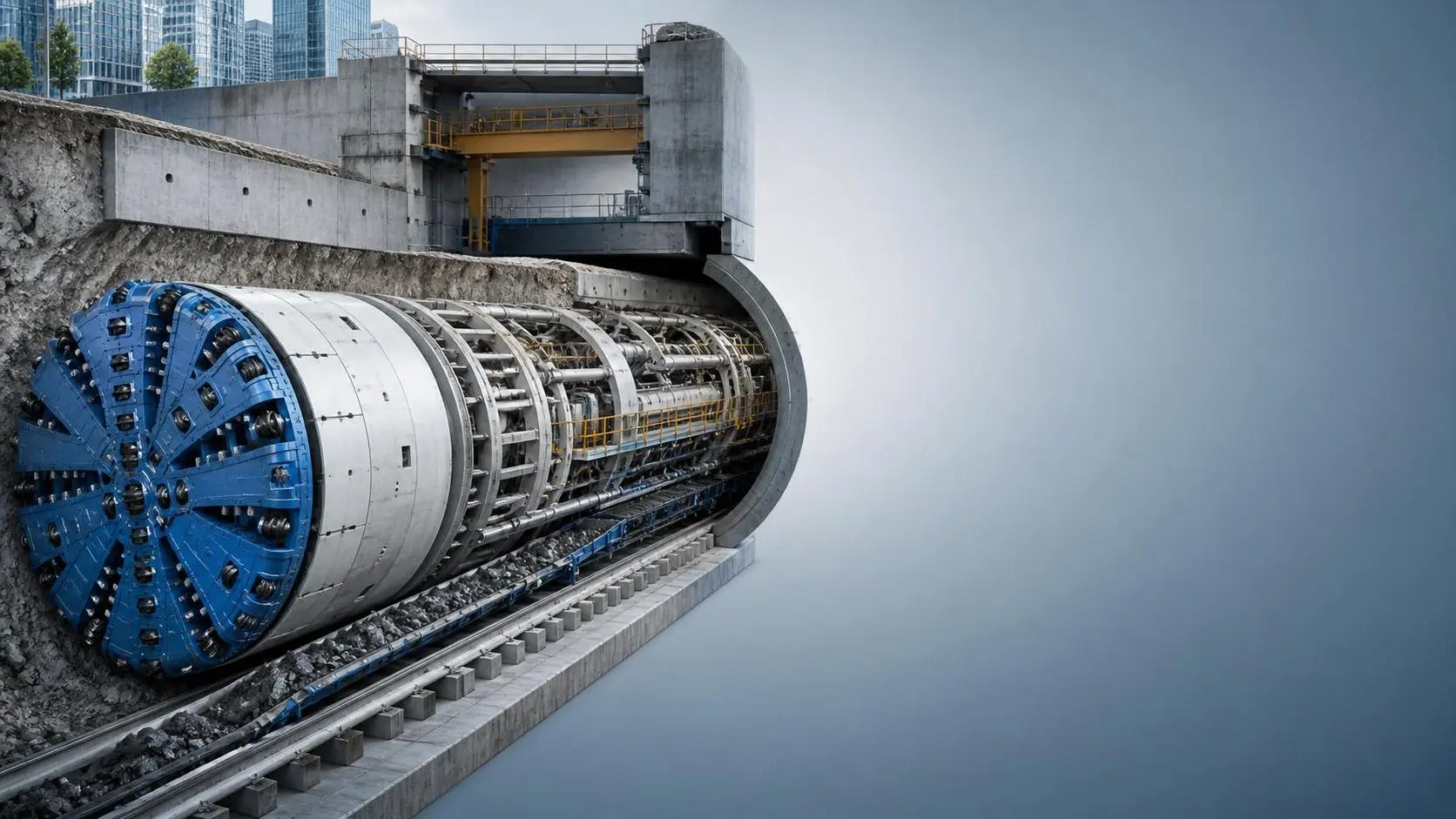
What Drives TBM Excavation Cost in Urban Tunneling Projects?
tbm excavation cost in urban tunneling depends on geology, shafts, segment lining, logistics, and risk. Discover the key cost drivers and compare bids with greater confidence.
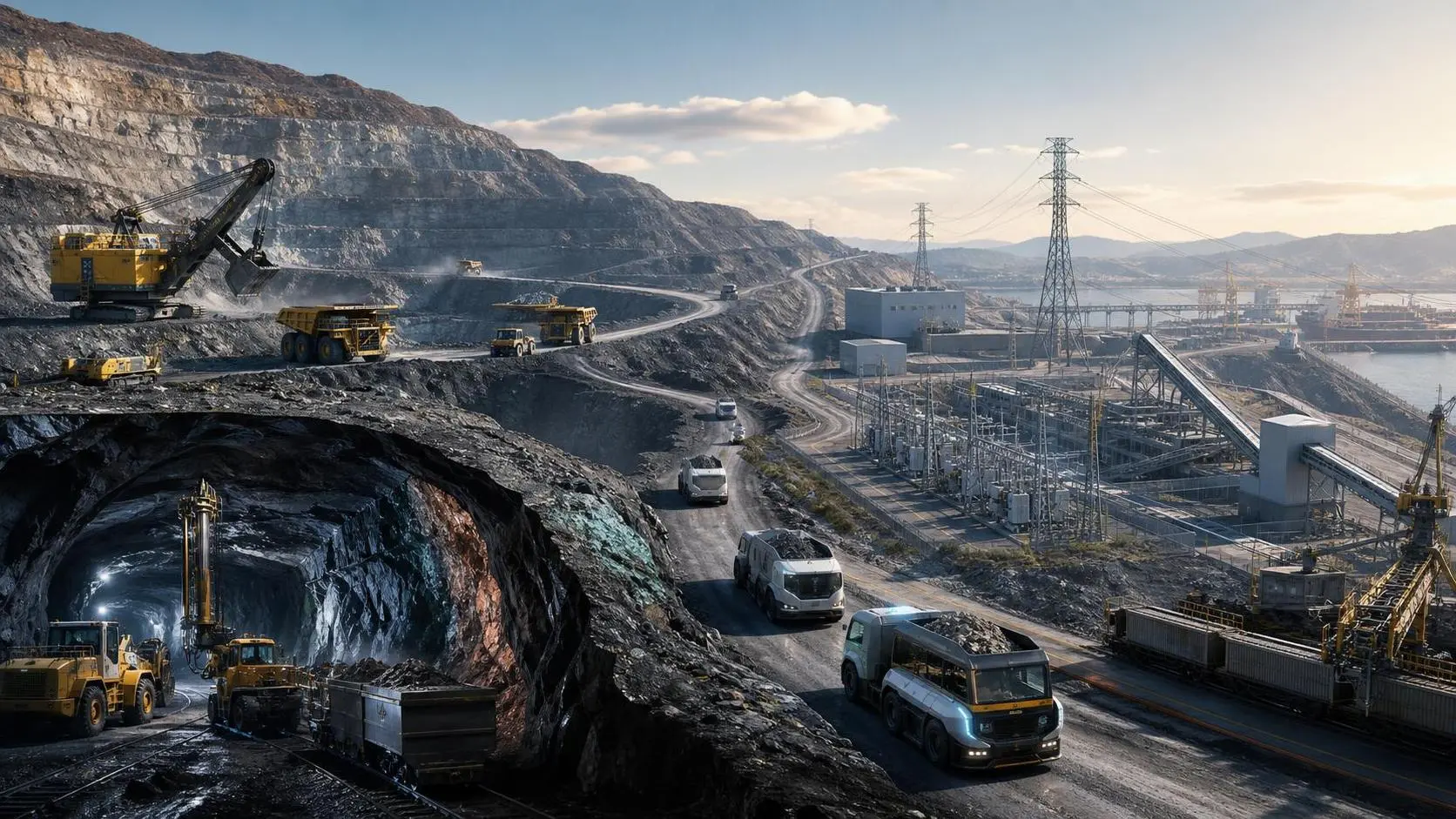
What Does Energy Metals Mining in Australia Mean for Supply, Cost, and Project Risk?
Energy metals mining Australia is reshaping supply, cost, and project risk. Discover what it means for buyers, investors, and operators.
EU Eases Dual CE and UKCA Path for Chinese Tunnel Boring Equipment
EU eases CE and UKCA certification for Chinese tunnel boring equipment, cutting compliance time and helping importers move faster.
Flameproof Underground Safety Equipment: What Mine Teams Should Check Before Buying
Underground Safety Equipment flameproof buying guide: learn how mine teams should verify certification, durability, serviceability, and supplier support before purchase.
Related News
- 00
0000-00
How to Evaluate Underground Haulage Systems for Ore Output, Ramp Grade, and Ventilation Limits - 00
0000-00
How to Evaluate a Pipe Jacking Equipment Distributor for Project Support and Uptime - 00
0000-00
How to Build a Mining Decarbonization Strategy That Balances Emissions, Cost, and Fleet Reality - 00
0000-00
How to Evaluate Articulated Dump Trucks Payload for Haul Road Conditions and Cycle Efficiency - 00
0000-00
How Pipe Fittings Material and Pressure Class Affect Water Line Selection
Weekly Insights
Stay ahead with our curated technology reports delivered every Monday.