
TBM Technology Trends: Which Automation and Data Systems Matter for New Tunnel Projects





TBM technology trends are shifting from machine capacity to system intelligence
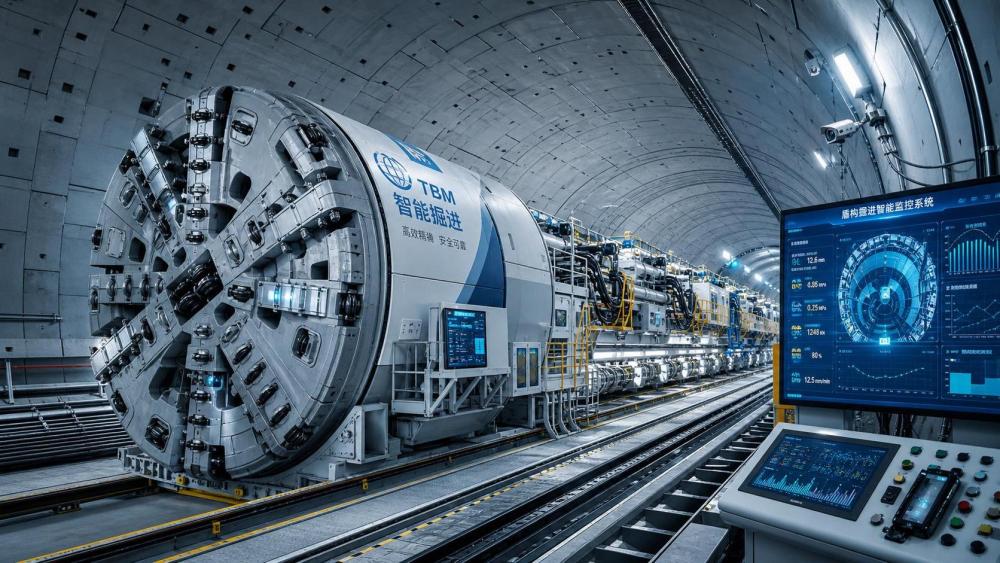
New tunnel programs are no longer judged only by cutterhead power, thrust, or advance rate. The stronger signal in current tbm technology trends is the shift toward integrated automation and data systems.
That change is becoming visible across metro expansion, cross-city utility tunnels, hard rock transport links, and mine access development. Project sponsors now expect digital control layers to support predictable delivery, not just faster excavation.
This matters because underground projects are entering a tougher operating environment. Geology is less forgiving, labor availability is tighter, energy use is under scrutiny, and schedule overruns carry larger financial consequences than before.
In that context, tbm technology trends are converging with broader underground equipment modernization. The same pressure that is pushing autonomous mining trucks, battery LHDs, and remote drilling systems is also reshaping tunnel boring strategies.
A platform like UTMD reads this shift well because the market is no longer split into isolated machine categories. TBM performance, trenchless execution, underground transport, and zero-emission requirements increasingly share one digital logic.
Why this change is becoming harder to ignore
The most important driver is risk compression. Owners want fewer surprises between design assumptions and field reality. That is why automation and real-time data are moving from optional enhancement to project baseline.
Another force is workforce structure. Experienced operators remain essential, but fewer projects want performance to depend on a small number of individuals reading ground behavior from sound, vibration, and feel alone.
At the same time, ESG pressure is changing equipment decisions underground. Ventilation loads, energy intensity, emissions in confined spaces, and maintenance waste all affect technology selection earlier in the project lifecycle.
More projects are also being financed under stricter reporting conditions. That makes traceable machine data, intervention history, and equipment health records valuable beyond operations. They increasingly support compliance, claims defense, and asset planning.
From recent demand patterns, four drivers stand out:
- Deeper and more variable geology requiring faster reaction to changing rock conditions.
- Pressure to stabilize schedule performance across long tunnel sections.
- A stronger push for electrification and lower underground emissions.
- The need to connect mechanical assets with enterprise reporting and planning systems.
The automation layers that now matter most in new tunnel projects
Not every automated feature creates equal value. In practical procurement and project planning, the most relevant tbm technology trends are the ones that improve operational decisions under changing ground and constrained downtime windows.
Closed-loop excavation control is moving closer to the center
Modern systems can correlate thrust, torque, penetration, vibration, slurry or spoil behavior, and cutterhead response in near real time. The goal is not full autonomy in every case. It is stable excavation with earlier warning.
This is especially relevant in mixed ground and hard rock transitions, where delayed adjustments often become expensive. Better control logic reduces overreaction, protects tools, and helps avoid cascading delays after a small anomaly.
Segment handling and repetitive task automation are gaining value
Attention often goes to excavation, but repetitive support tasks shape actual cycle time. Automated or assisted segment placement, guidance alignment, and material flow coordination can produce more consistent performance than headline cutting metrics.
Remote diagnostics are becoming commercially significant
Remote access to machine condition data now helps engineering teams shorten troubleshooting cycles. That is important when OEM experts, site teams, and project controls are distributed across regions and time zones.
Data systems are no longer just dashboards
A common mistake is treating data systems as reporting overlays. The better interpretation of tbm technology trends is that data architecture is becoming part of machine capability itself.
When telemetry, geotechnical logging, maintenance events, and production records are structured correctly, teams can compare expected versus actual ground response much earlier. That improves both field action and management judgment.
UTMD’s intelligence approach reflects this wider view. Disc cutter wear models, underground SLAM development, and EV haulage efficiency are different topics on the surface, yet all depend on better data stitching across equipment and environments.
The following comparison shows where data systems are creating the clearest operational distinction:
The biggest impact is showing up beyond the cutterhead
One of the more overlooked tbm technology trends is that value is spreading across the full underground system. Excavation quality still matters most, but project outcomes increasingly depend on how surrounding processes absorb machine output.
Spoil handling, ventilation strategy, segment logistics, power distribution, and underground transport need tighter synchronization. If those systems remain analog while the TBM becomes digital, bottlenecks simply move downstream.
This is where cross-sector signals become useful. Lessons from autonomous dump trucks and remote-controlled LHD fleets are relevant because they show how underground productivity improves when machine control and haulage logic are connected.
The implication for new tunnel projects is clear. Technology evaluation should not stop at the TBM specification sheet. It should test whether the machine can operate as part of a coordinated underground production environment.
What deserves closer scrutiny before technology decisions are locked in
In actual project preparation, the question is rarely whether digitalization is useful. The harder question is which tbm technology trends will still create value after commissioning, during difficult geology, and under contract pressure.
Several checkpoints are worth testing early:
- Can the automation stack keep operating safely when sensor quality degrades or communication becomes unstable?
- Are maintenance recommendations tied to actual geology and duty cycles, or only to generic equipment intervals?
- Will machine data integrate with scheduling, quality, and reporting systems already used across the project?
- Does the control logic support energy efficiency and ventilation reduction goals underground?
- Can remote expert support reduce stoppage duration without creating new cybersecurity exposure?
More advanced features are not always better. In some cases, simpler systems with stronger data discipline outperform complex platforms that produce signals nobody can operationalize during a shift.
The next phase of TBM technology trends will reward selective integration
The market is not moving toward one universal automation model. Different geology, tunnel lengths, contract structures, and labor conditions will keep shaping different adoption paths. Still, the direction of travel is difficult to miss.
The strongest tbm technology trends point toward selective integration: more sensing where ground uncertainty is highest, more predictive maintenance where stoppage costs are severe, and more data interoperability where projects face reporting complexity.
That also means competitive advantage will come from judgment, not from buying the longest feature list. The better approach is to map technology choices to ground risk, energy strategy, maintenance capacity, and production coordination needs.
A practical next step is to build a staged review of automation architecture, data requirements, and failure-response scenarios before final equipment selection. Then compare those findings against emerging market signals tracked across TBMs, trenchless systems, and smart underground fleets.
Projects that do this well will not simply follow tbm technology trends. They will use those trends to shape more resilient tunnel delivery, stronger asset utilization, and better long-term control over underground project risk.
Related News
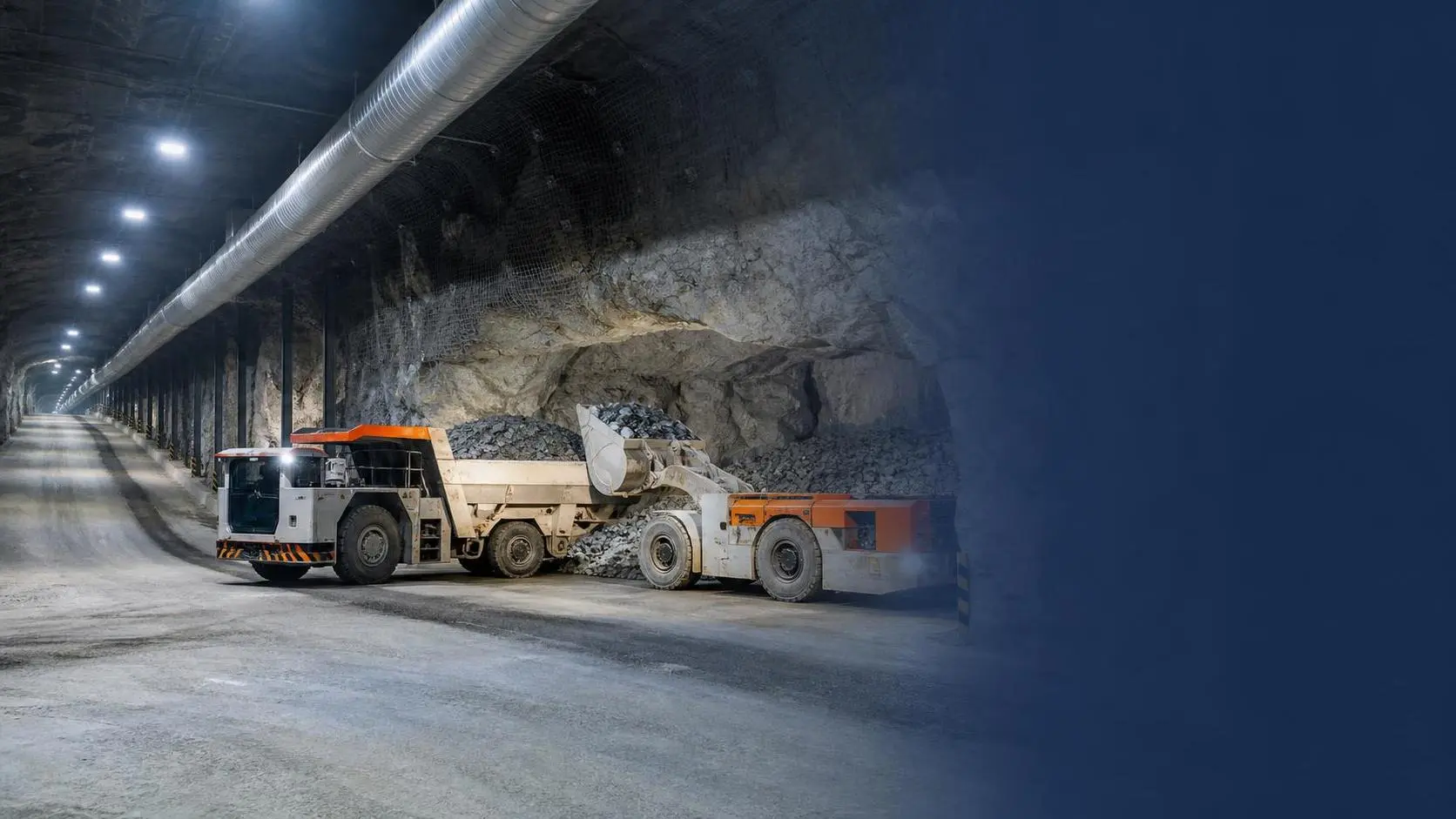
How to Evaluate Underground Haulage Systems for Ore Output, Ramp Grade, and Ventilation Limits
Underground haulage systems should be evaluated by ore output, ramp grade, and ventilation limits—not brochures. Learn how to compare trucks, LHDs, and electric options for smarter mine planning.
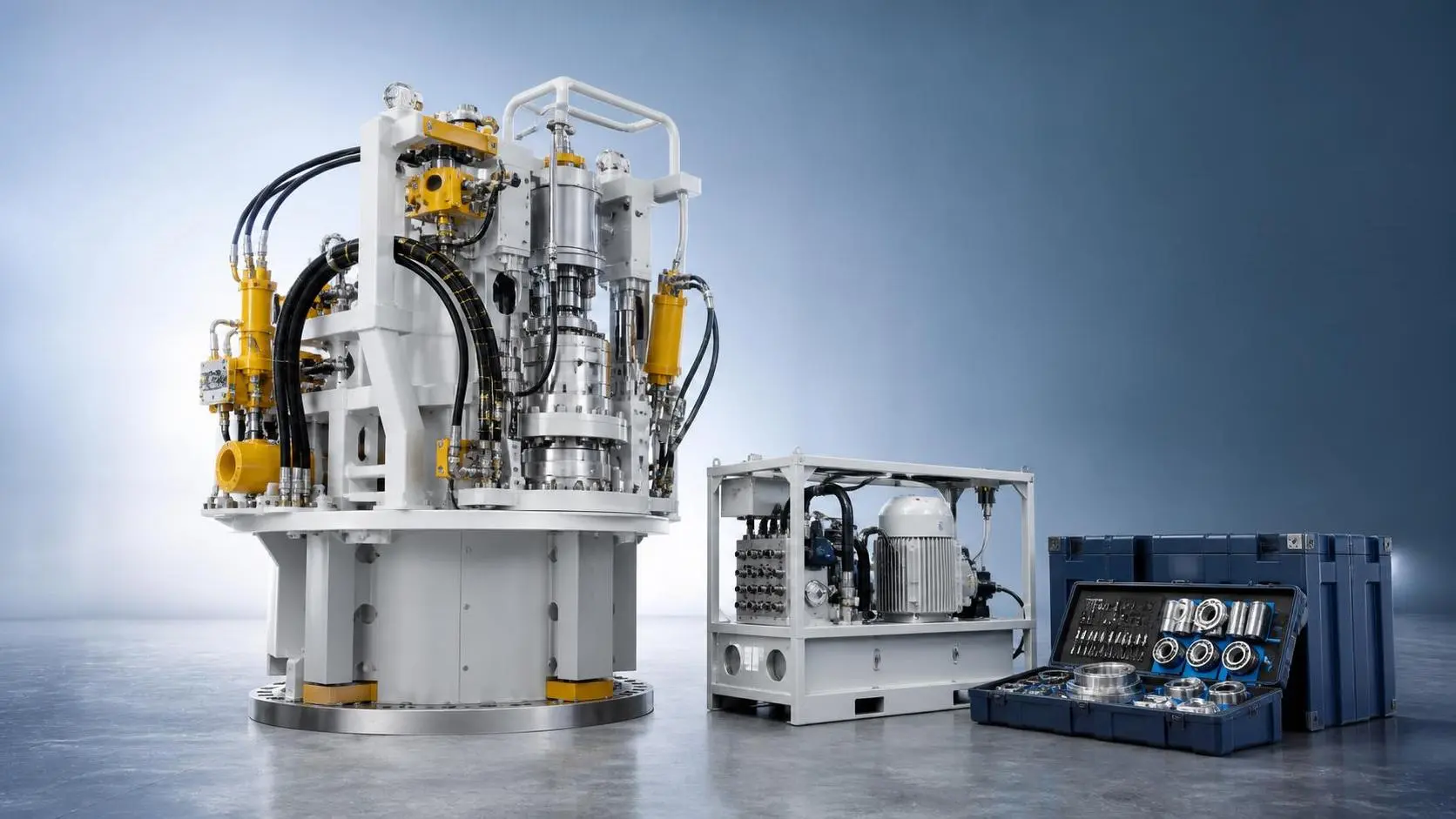
How to Evaluate a Pipe Jacking Equipment Distributor for Project Support and Uptime
Pipe jacking equipment distributor evaluation made practical: learn how to assess parts support, service response, training, and technical readiness to reduce downtime and protect project uptime.
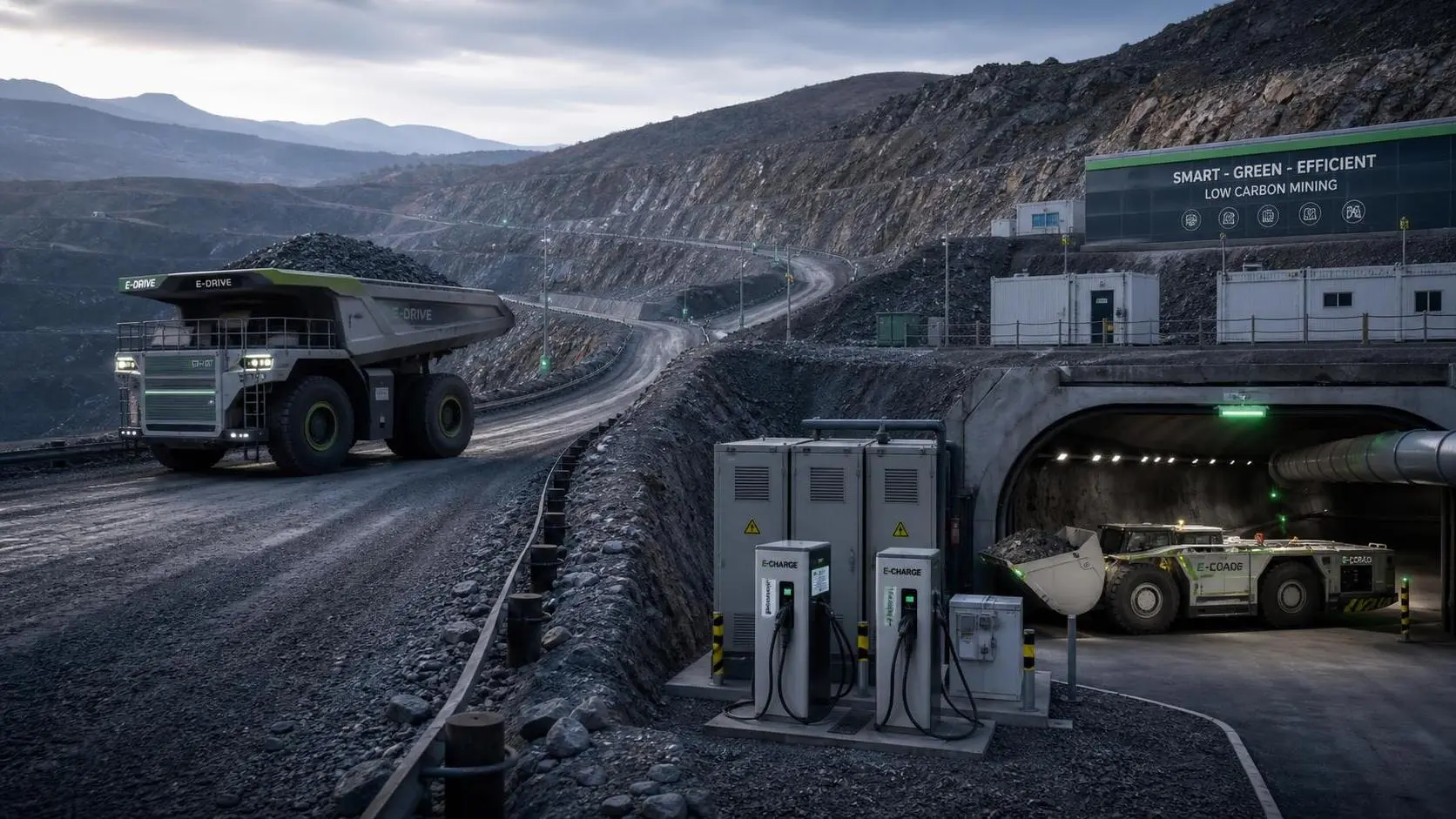
How to Build a Mining Decarbonization Strategy That Balances Emissions, Cost, and Fleet Reality
Mining decarbonization strategy starts with fleet reality. Learn how to cut emissions, control cost, and align power, ventilation, and production for a practical mine transition.
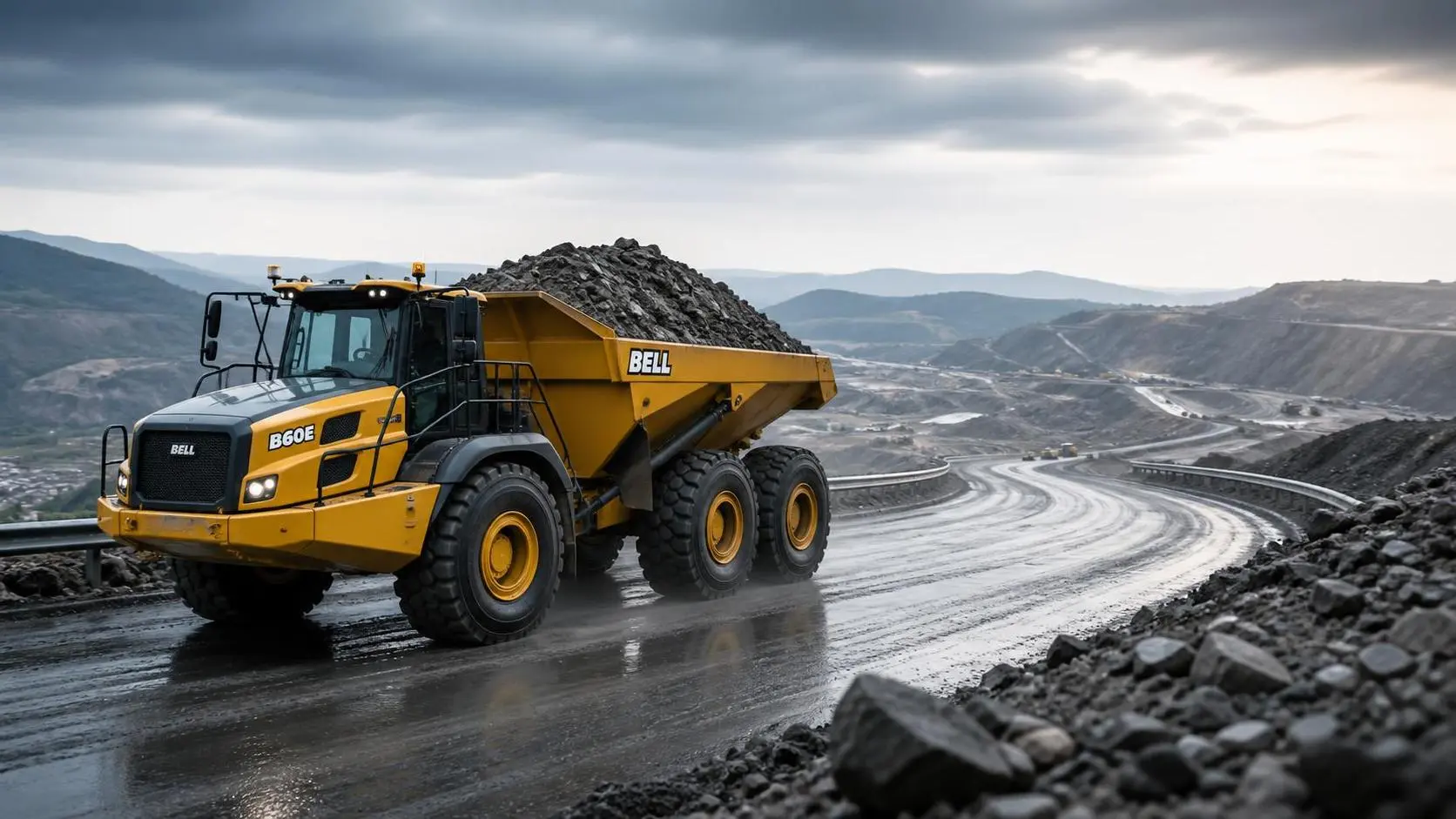
How to Evaluate Articulated Dump Trucks Payload for Haul Road Conditions and Cycle Efficiency
Articulated Dump Trucks payload evaluation starts with real haul road conditions, not brochure numbers. Learn how to balance payload, traction, grades, and cycle efficiency for safer, higher output.
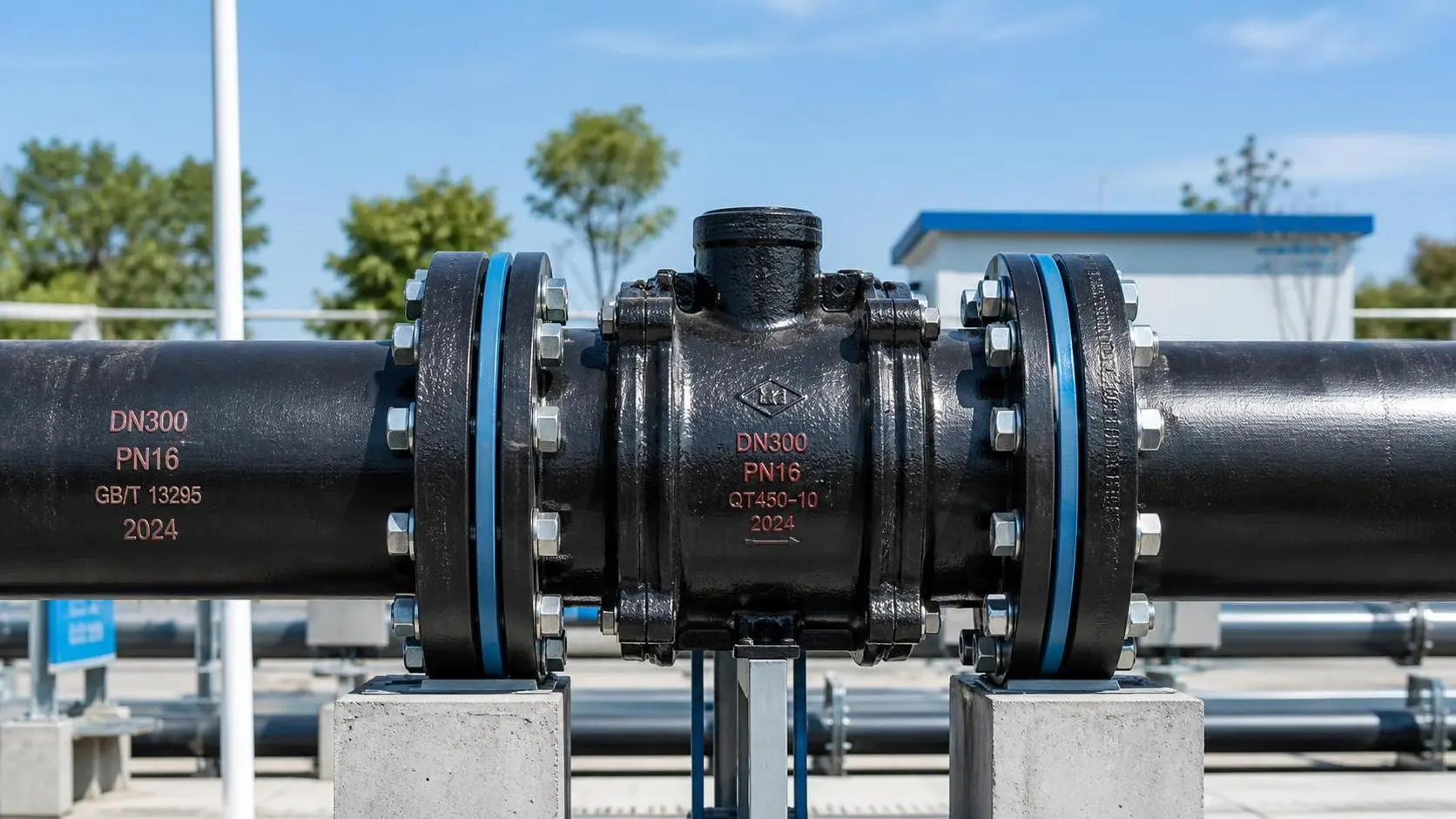
How Pipe Fittings Material and Pressure Class Affect Water Line Selection
Pipe fittings selection starts with material and pressure class. Learn how these factors affect water line reliability, corrosion resistance, installation, and long-term cost.
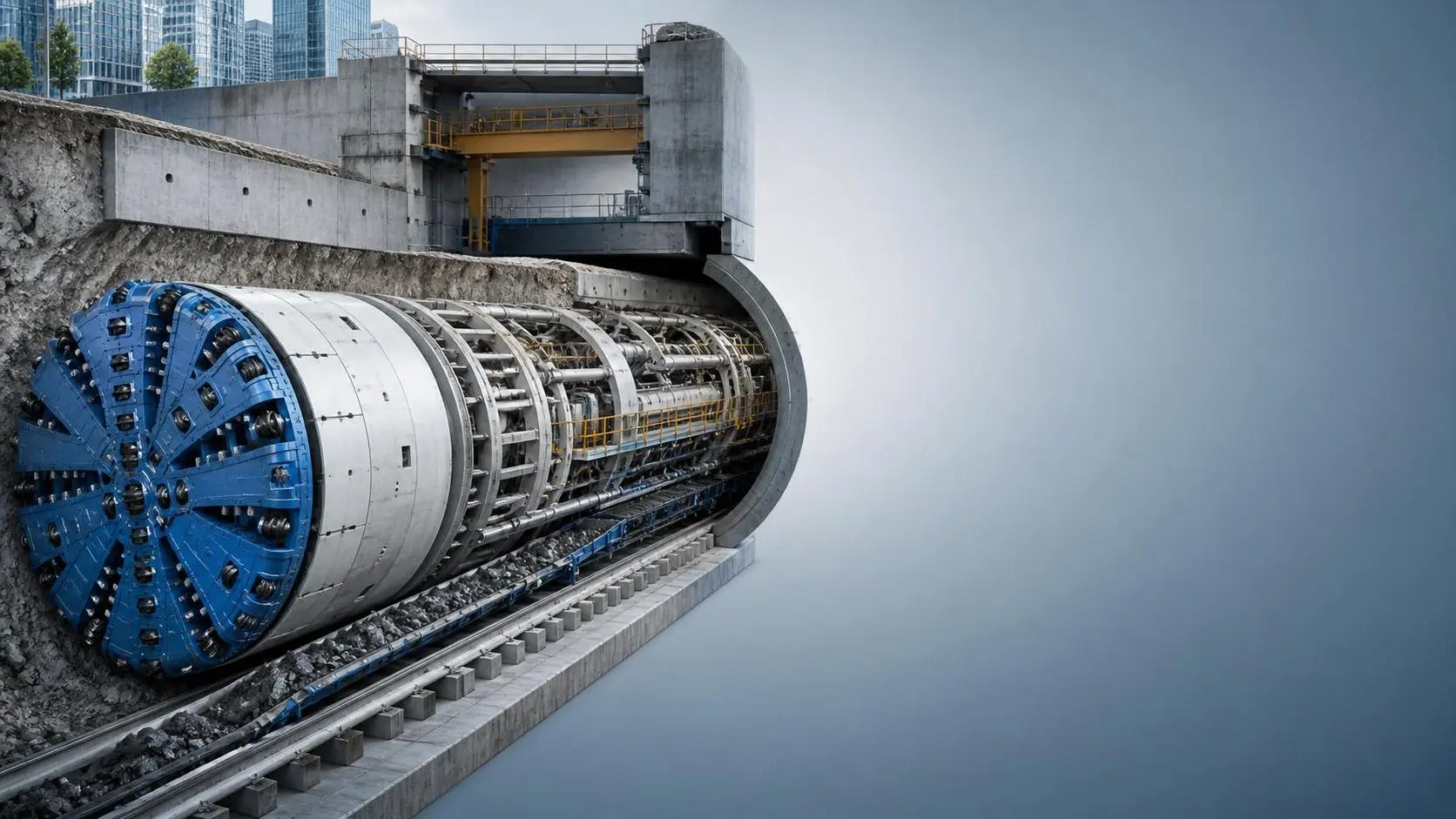
What Drives TBM Excavation Cost in Urban Tunneling Projects?
tbm excavation cost in urban tunneling depends on geology, shafts, segment lining, logistics, and risk. Discover the key cost drivers and compare bids with greater confidence.
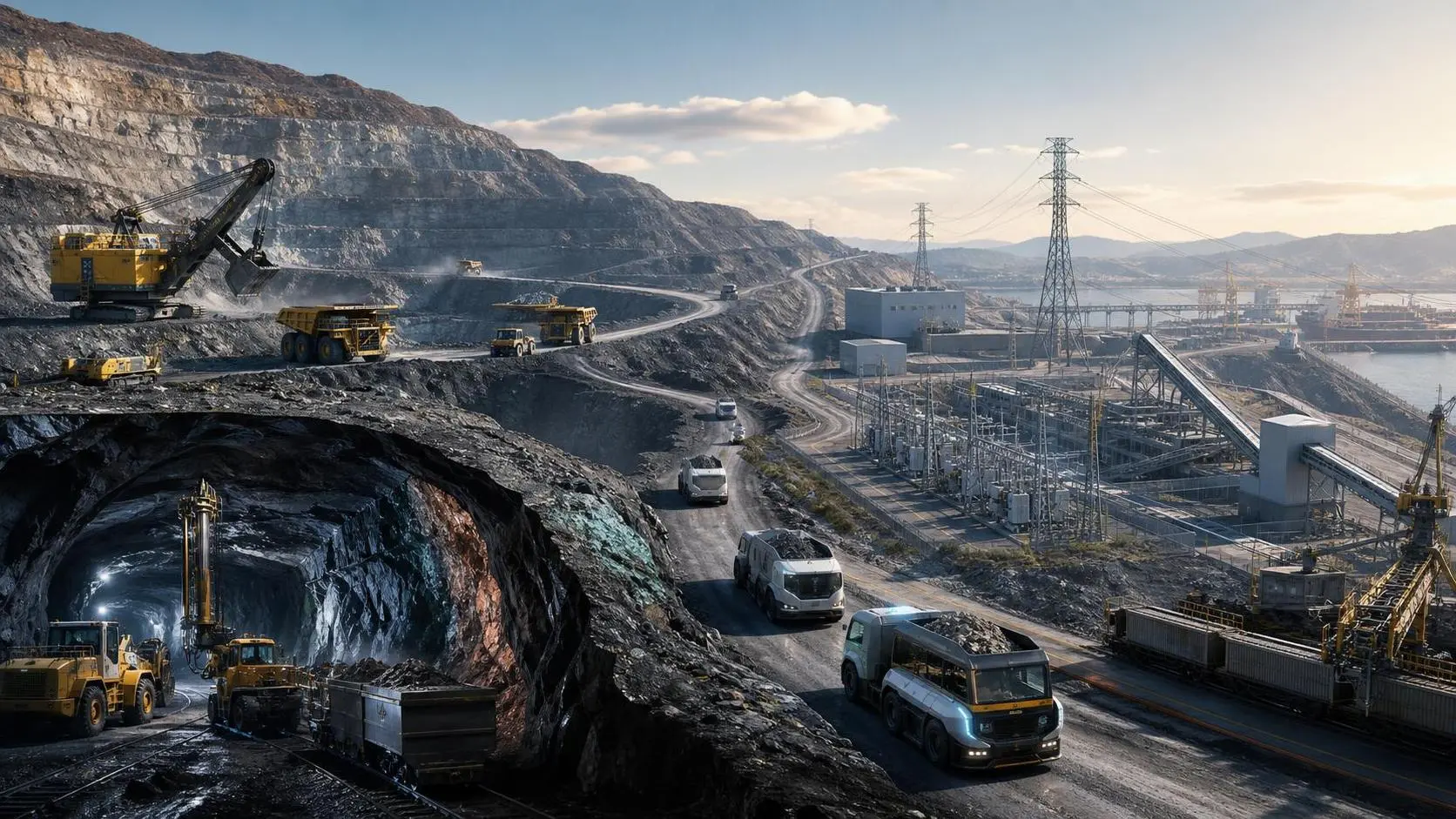
What Does Energy Metals Mining in Australia Mean for Supply, Cost, and Project Risk?
Energy metals mining Australia is reshaping supply, cost, and project risk. Discover what it means for buyers, investors, and operators.
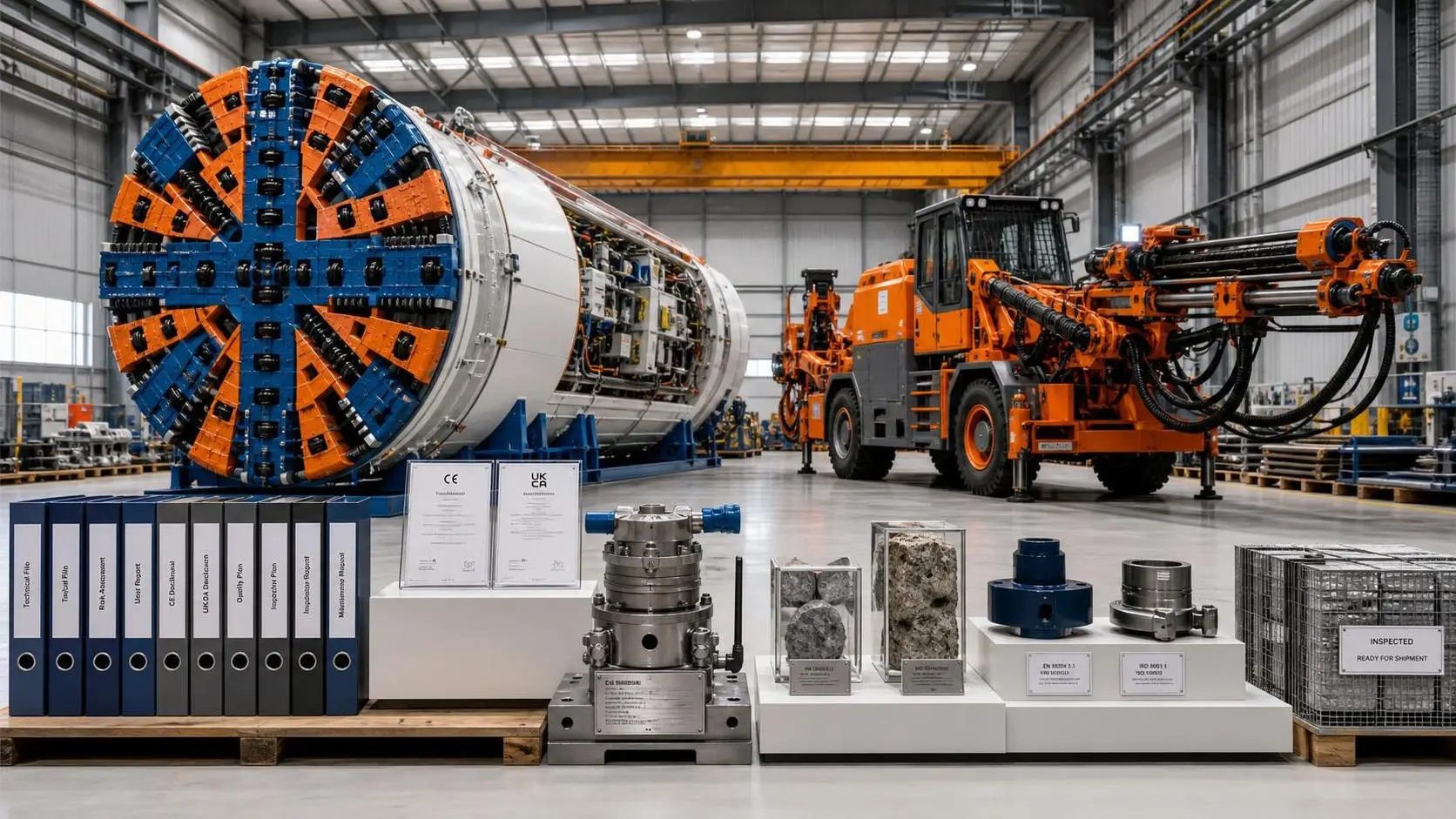
EU Eases Dual CE and UKCA Path for Chinese Tunnel Boring Equipment
EU eases CE and UKCA certification for Chinese tunnel boring equipment, cutting compliance time and helping importers move faster.
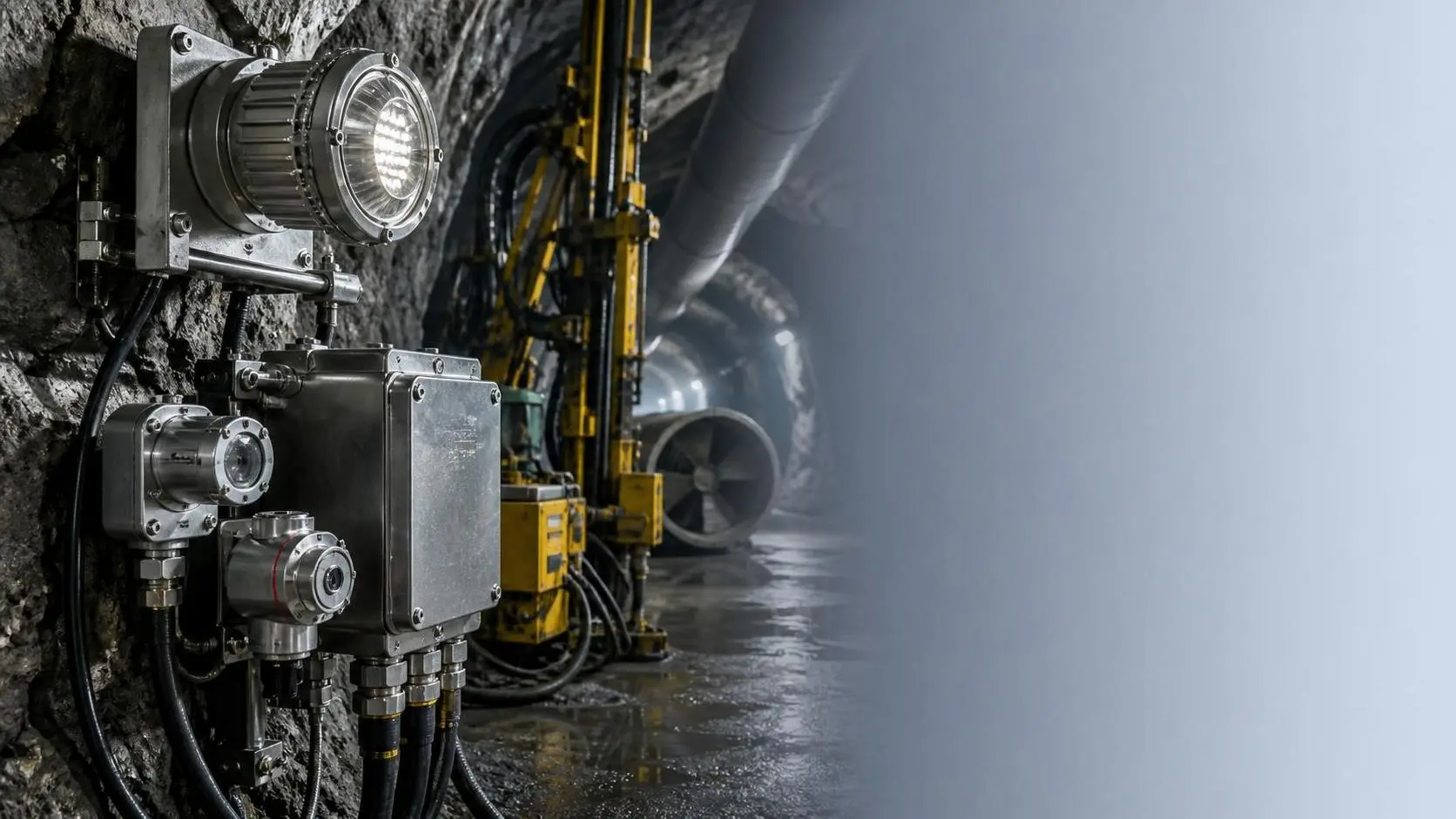
Flameproof Underground Safety Equipment: What Mine Teams Should Check Before Buying
Underground Safety Equipment flameproof buying guide: learn how mine teams should verify certification, durability, serviceability, and supplier support before purchase.
Related News
- 00
0000-00
How to Evaluate Underground Haulage Systems for Ore Output, Ramp Grade, and Ventilation Limits - 00
0000-00
How to Evaluate a Pipe Jacking Equipment Distributor for Project Support and Uptime - 00
0000-00
How to Build a Mining Decarbonization Strategy That Balances Emissions, Cost, and Fleet Reality - 00
0000-00
How to Evaluate Articulated Dump Trucks Payload for Haul Road Conditions and Cycle Efficiency - 00
0000-00
How Pipe Fittings Material and Pressure Class Affect Water Line Selection
Weekly Insights
Stay ahead with our curated technology reports delivered every Monday.