
TBM Disc Cutter Technology Explained: Key Wear Factors, Cutter Life, and Replacement Planning





TBM Disc Cutter Technology Explained: Key Wear Factors, Cutter Life, and Replacement Planning
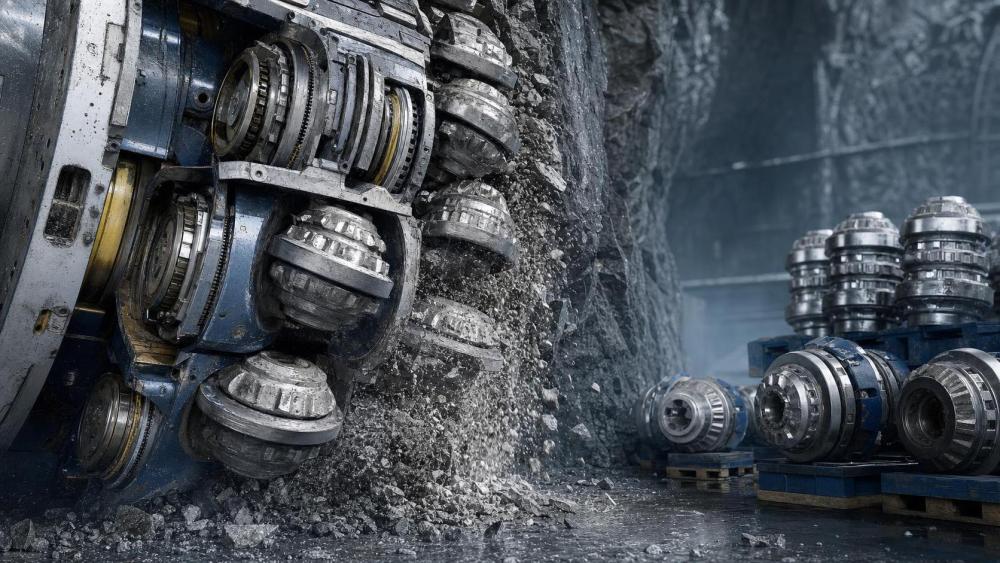
TBM Disc Cutter Technology sits at the center of rock excavation efficiency. It affects penetration rate, downtime, vibration behavior, and the cost discipline of every tunnelling campaign.
When cutter performance drops, the impact spreads quickly. Advance slows, bearing loads rise, intervention windows tighten, and the machine starts consuming budget in places that are hard to recover.
That is why TBM Disc Cutter Technology matters far beyond the cutterhead itself. It connects rock mechanics, metallurgy, machine design, and replacement planning into one operating decision chain.
In practical terms, efficient cutter management means knowing three things early: what drives wear, what shortens cutter life, and when replacement should happen before secondary damage appears.
This becomes even more important in long drives, mixed geology, and high overburden sections. In those conditions, a delayed cutter change can trigger far more than a simple consumable issue.
How TBM Disc Cutter Technology Works in Rock Breaking
At a basic level, disc cutters break rock through concentrated compressive loading. The cutter ring presses into the face, creates crushed zones, and promotes crack propagation between adjacent cutter tracks.
This is where TBM Disc Cutter Technology becomes highly sensitive to spacing, thrust, penetration, and rolling freedom. If one variable drifts, the entire breakage pattern changes.
A well-performing cutter should roll smoothly, maintain contact stability, and transfer load efficiently into the rock. Sliding instead of rolling usually signals trouble, and wear accelerates fast.
Cutter geometry also matters. Ring width, edge profile, and material treatment influence stress concentration, crack initiation, and resistance to chipping under abrasive or blocky ground.
From a technical evaluation standpoint, the cutter is never an isolated part. Its life depends on how the cutterhead, bearings, seals, muck flow, and operating controls behave together.
Main cutter assembly elements
- Cutter ring material and hardness profile
- Hub, bearing, and seal package design
- Mounting arrangement and load path
- Cooling, lubrication, and contamination resistance
- Cutterhead opening ratio and muck discharge behavior
Key Wear Factors Behind Cutter Consumption
The biggest wear driver is still geology. Hardness matters, but it is only part of the story. Abrasivity, jointing, quartz content, grain shape, and water conditions often matter just as much.
Highly abrasive rock can reduce cutter ring life even when penetration remains acceptable. In contrast, fractured rock may create impact loading, uneven rolling, and localized chipping rather than uniform wear.
Mixed-face conditions are especially demanding for TBM Disc Cutter Technology. One part of the cutterhead may experience competent rock, while another enters weathered or faulted material.
That mismatch creates uneven cutter wear, unstable torque response, and different rolling conditions across positions. Replacement planning becomes harder because wear is no longer predictable by average advance alone.
Operational settings also shape wear. Excessive thrust without matching penetration can increase crushing and heat. High rotation under poor muck clearance can cause sliding and seal damage.
The most common wear accelerators
- High Cerchar abrasivity or high quartz content
- Large thrust with poor penetration efficiency
- Blocked muck flow around the cutterhead
- Cutter seizure causing sliding contact
- Water ingress damaging seals and bearings
- Frequent transitions between strong and weak rock
- Improper spacing or unsuitable cutter position assignment
What Really Determines Cutter Life
Cutter life is often discussed as hours or meters advanced, but that shortcut can mislead. Useful evaluation needs position-specific, geology-specific, and failure-mode-specific data.
For example, gauge cutters usually wear differently from center cutters. Gauge positions face higher side exposure and often suffer faster ring loss, edge damage, or housing risk.
Bearing life adds another layer. A ring may still look usable, while the internal bearing has already degraded. In that case, apparent remaining life can disappear unexpectedly.
This is why TBM Disc Cutter Technology must be evaluated through wear profile, rolling condition, vibration trend, thermal behavior, and removed-cutter inspection records, not visual ring loss alone.
Another strong signal is consistency. Stable wear across multiple cutter positions usually indicates a balanced system. Random failures often point to design mismatch, contamination, or unstable operation.
Useful cutter life indicators
- Millimeters of ring wear per meter advanced
- Cutter changes per 100 meters
- Bearing-related removals versus wear-related removals
- Position-based wear imbalance across the cutterhead
- Torque and penetration trend under similar geology
Replacement Planning: When to Change Before Damage Spreads
The best replacement plan does not chase maximum theoretical cutter life. It aims for the lowest total excavation cost while protecting the cutterhead, schedule, and intervention safety.
That usually means setting replacement thresholds before critical wear develops. Running cutters too long may save one intervention, but it can create ring collapse, seat damage, and difficult recovery work.
Good TBM Disc Cutter Technology planning combines inspection intervals with geology forecasting. When a harder or more abrasive zone is approaching, replacement timing should shift earlier.
This also means not treating all cutters equally. Gauge cutters, corner positions, and historically unstable locations often deserve more conservative change criteria than central positions.
In actual projects, the most reliable strategy is a rolling plan. Teams update wear forecasts after every intervention, then compare predicted remaining life with the next accessible maintenance window.
A practical replacement workflow
- Map cutter positions by function and historical wear rate.
- Segment geology into comparable zones, not one average tunnel profile.
- Set alert limits for ring wear, rolling resistance, and abnormal temperature.
- Align replacement batches with planned hyperbaric or accessible interventions.
- Review removed cutters for failure mode, not only remaining ring thickness.
How Data Improves TBM Disc Cutter Technology Decisions
Recent projects show a clear shift toward data-backed cutter management. Advance records alone are no longer enough for technical evaluation or long-drive replacement planning.
The more useful approach links machine parameters with geology logs and cutter inspection reports. That makes it easier to separate rock-driven wear from operational or design-driven losses.
For TBM Disc Cutter Technology, the most valuable signals usually include thrust, torque, penetration, rotation speed, vibration anomalies, and intervention findings from each cutter position.
With that structure, planners can forecast wear zone by zone. They can also test whether a change in operating mode genuinely extends cutter life or simply shifts wear elsewhere.
This matters for standards-oriented evaluation as well. A disciplined data trail supports procurement decisions, maintenance strategy reviews, and comparisons across different cutter suppliers or cutterhead setups.
Recommended monitoring fields
Common Evaluation Mistakes and Better Judgement Criteria
One common mistake is treating cutter consumption as a simple supplier issue. In reality, TBM Disc Cutter Technology performance often reflects system interaction more than single-part quality.
Another mistake is relying on average values. Average cutter life may look acceptable while a few critical positions fail repeatedly and create disproportionate downtime risk.
It is also risky to use delayed replacement as a cost-saving measure without checking secondary damage exposure. Once housings, seats, or nearby structures are affected, the economics change sharply.
A better judgement model asks four questions. Is wear predictable? Is failure mode understood? Is replacement timed to access constraints? Is performance stable across comparable geology?
If those answers are weak, the evaluation is incomplete. TBM Disc Cutter Technology should be reviewed as a reliability system, not only as a consumable procurement line.
Final Takeaway for Reliable Cutter Strategy
TBM Disc Cutter Technology delivers value when wear is understood early, cutter life is measured correctly, and replacement timing is planned before damage spreads.
The strongest operating results usually come from position-based analysis, geology-linked forecasting, and disciplined inspection feedback after every cutter change.
In practical evaluation, the goal is not to push every cutter to its limit. The goal is to maintain predictable excavation, controlled intervention frequency, and stable total project economics.
For teams reviewing tunnelling standards, supplier options, or long-drive operating plans, that is the most useful lens for assessing TBM Disc Cutter Technology in real project conditions.
Related News
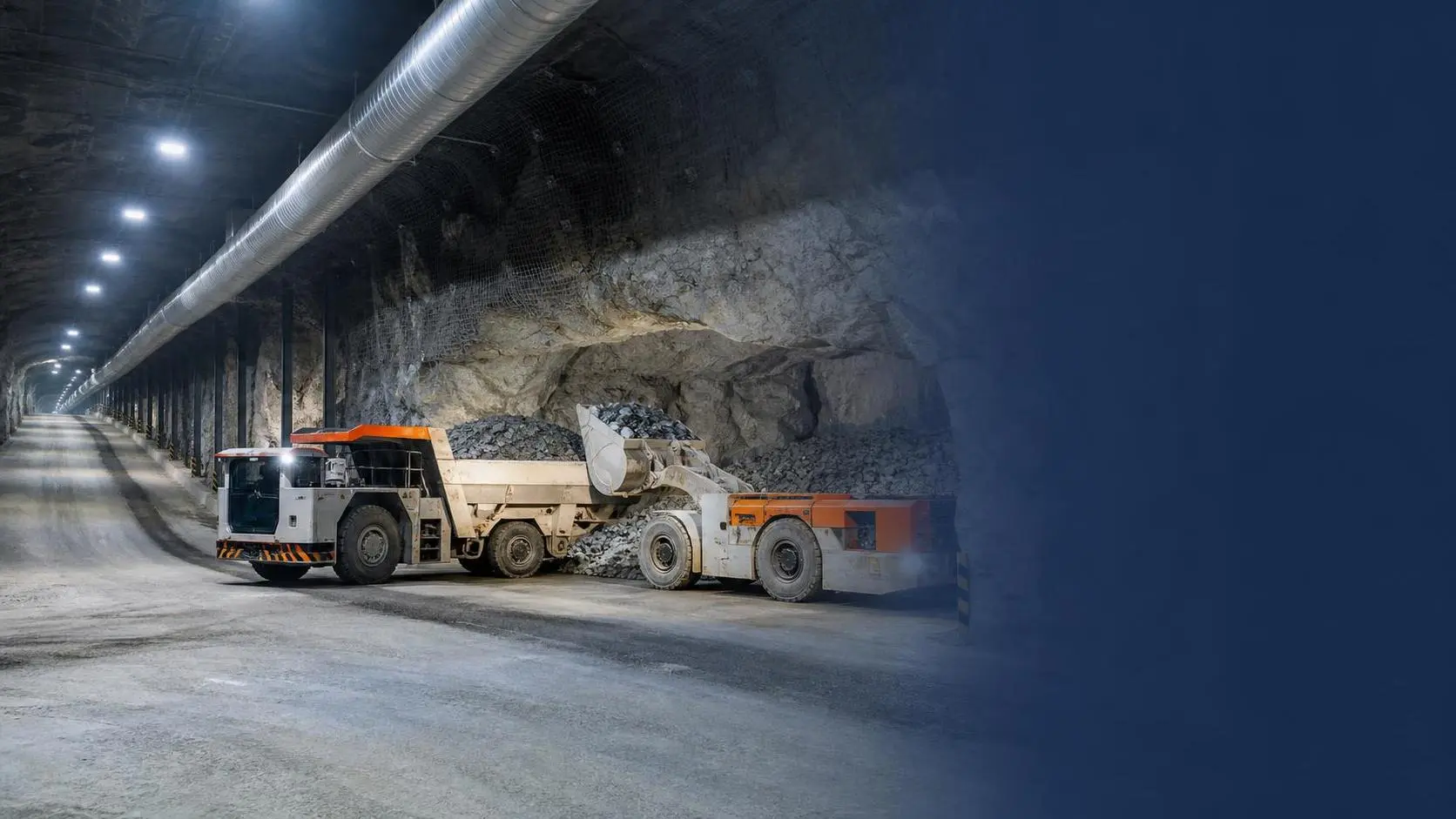
How to Evaluate Underground Haulage Systems for Ore Output, Ramp Grade, and Ventilation Limits
Underground haulage systems should be evaluated by ore output, ramp grade, and ventilation limits—not brochures. Learn how to compare trucks, LHDs, and electric options for smarter mine planning.
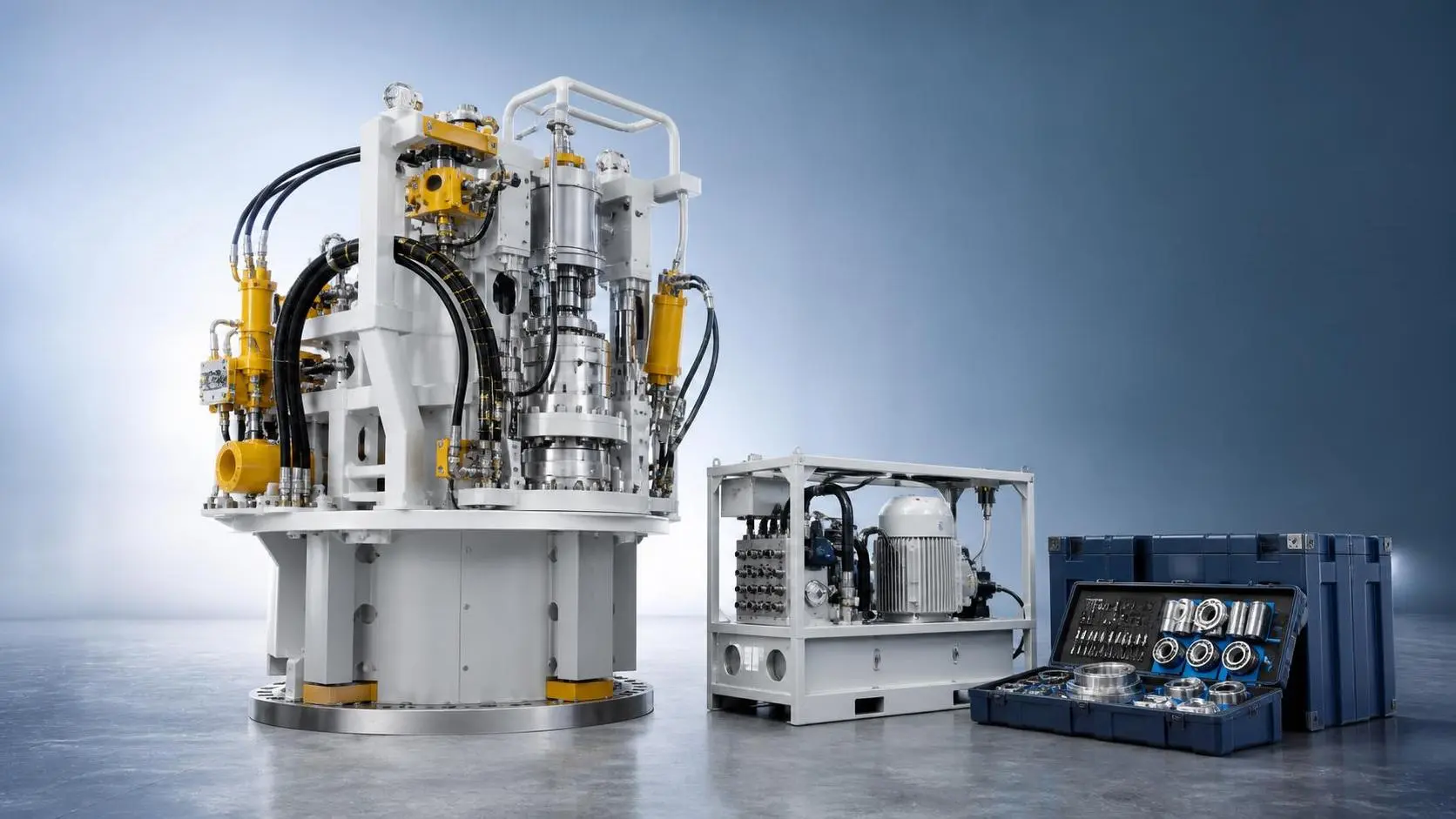
How to Evaluate a Pipe Jacking Equipment Distributor for Project Support and Uptime
Pipe jacking equipment distributor evaluation made practical: learn how to assess parts support, service response, training, and technical readiness to reduce downtime and protect project uptime.
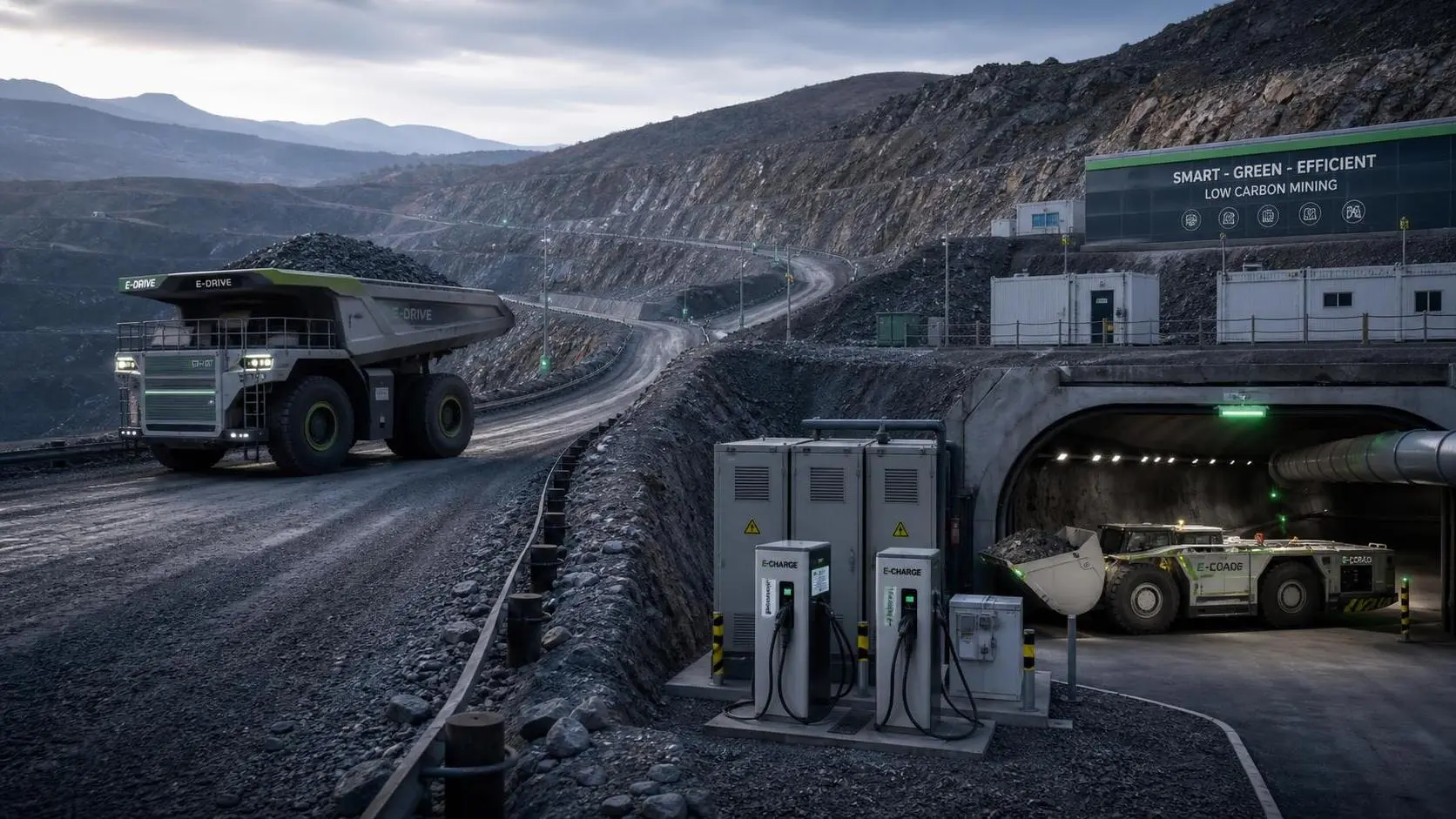
How to Build a Mining Decarbonization Strategy That Balances Emissions, Cost, and Fleet Reality
Mining decarbonization strategy starts with fleet reality. Learn how to cut emissions, control cost, and align power, ventilation, and production for a practical mine transition.

How to Evaluate Articulated Dump Trucks Payload for Haul Road Conditions and Cycle Efficiency
Articulated Dump Trucks payload evaluation starts with real haul road conditions, not brochure numbers. Learn how to balance payload, traction, grades, and cycle efficiency for safer, higher output.
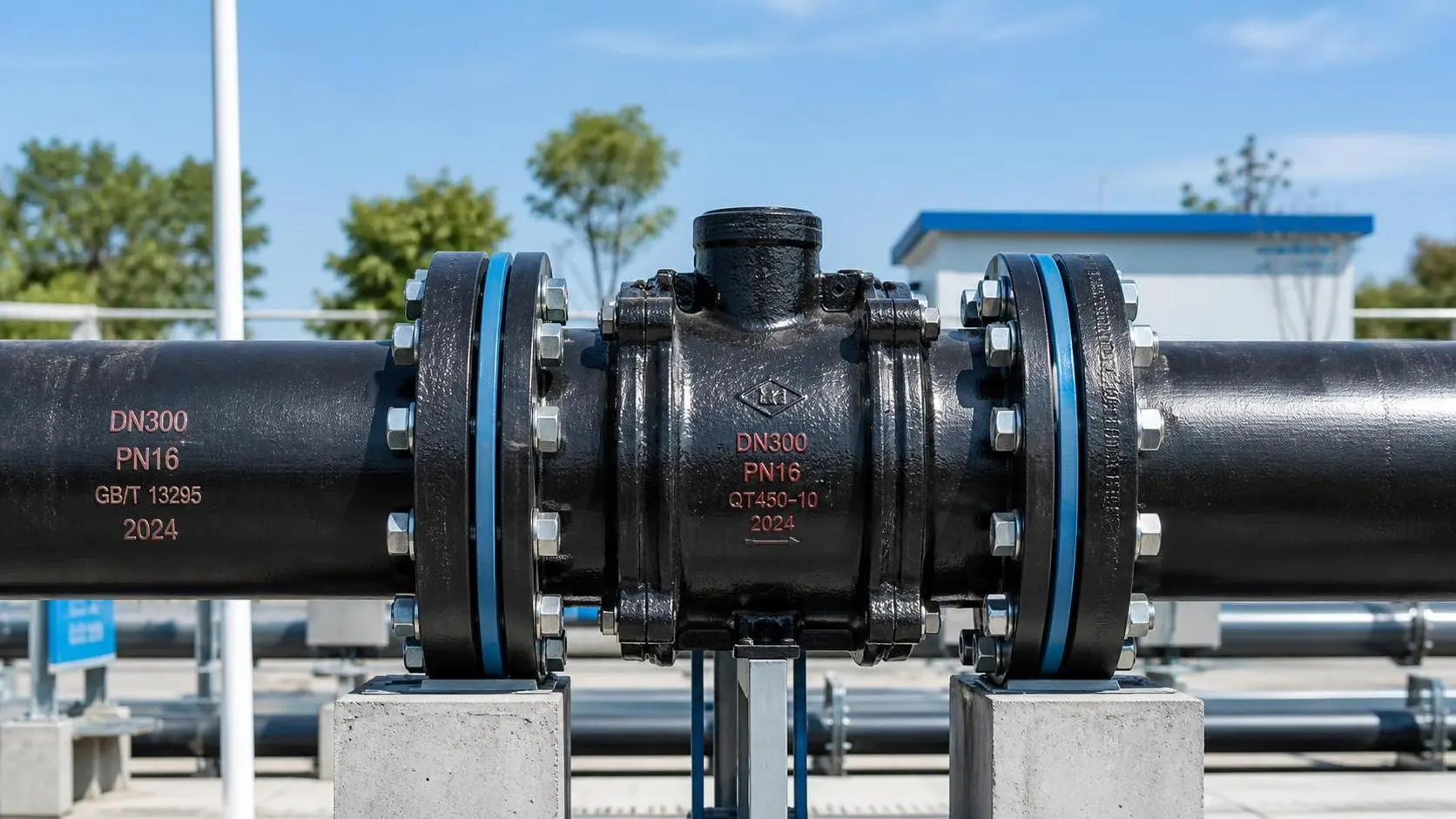
How Pipe Fittings Material and Pressure Class Affect Water Line Selection
Pipe fittings selection starts with material and pressure class. Learn how these factors affect water line reliability, corrosion resistance, installation, and long-term cost.
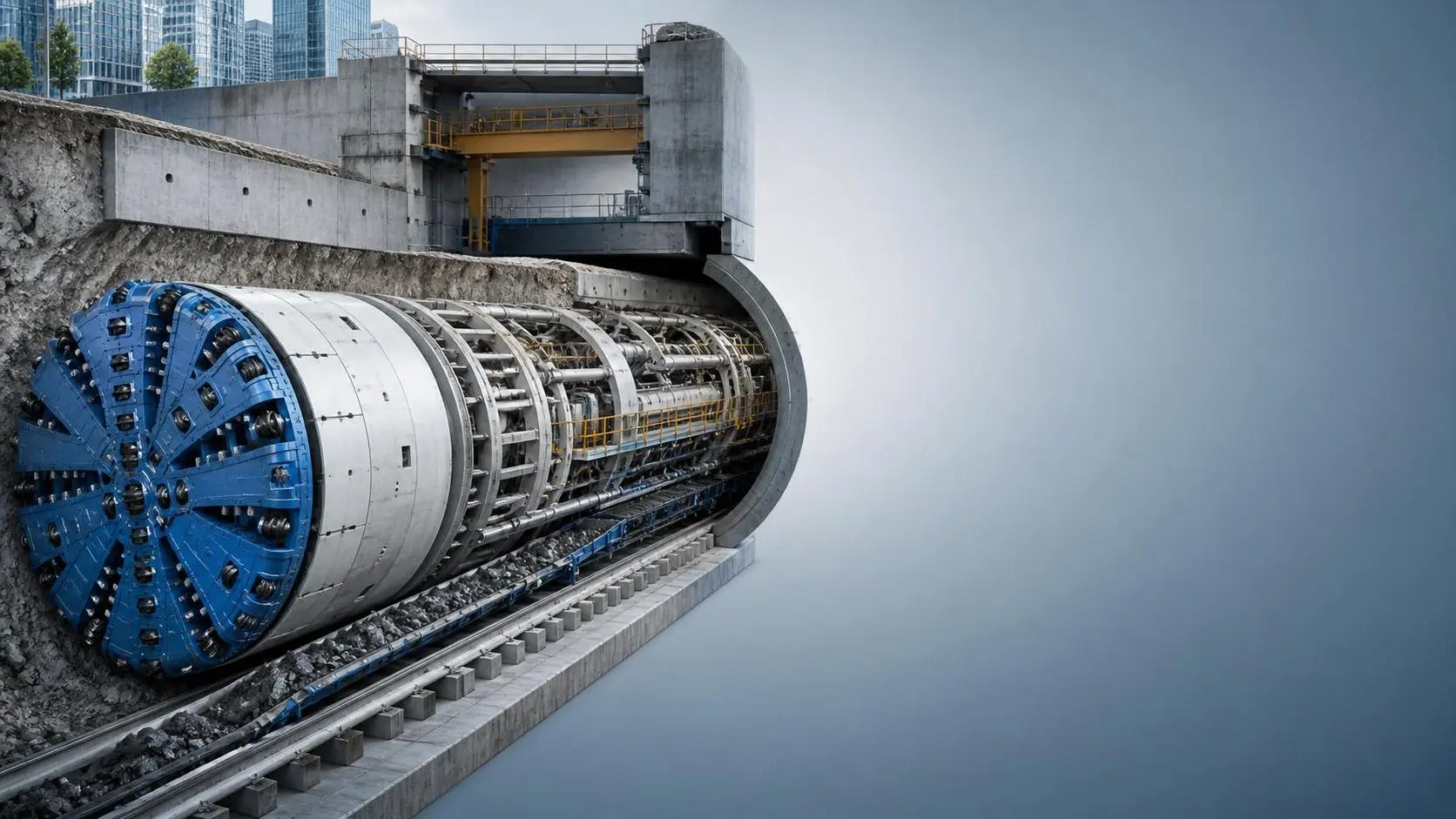
What Drives TBM Excavation Cost in Urban Tunneling Projects?
tbm excavation cost in urban tunneling depends on geology, shafts, segment lining, logistics, and risk. Discover the key cost drivers and compare bids with greater confidence.

What Does Energy Metals Mining in Australia Mean for Supply, Cost, and Project Risk?
Energy metals mining Australia is reshaping supply, cost, and project risk. Discover what it means for buyers, investors, and operators.
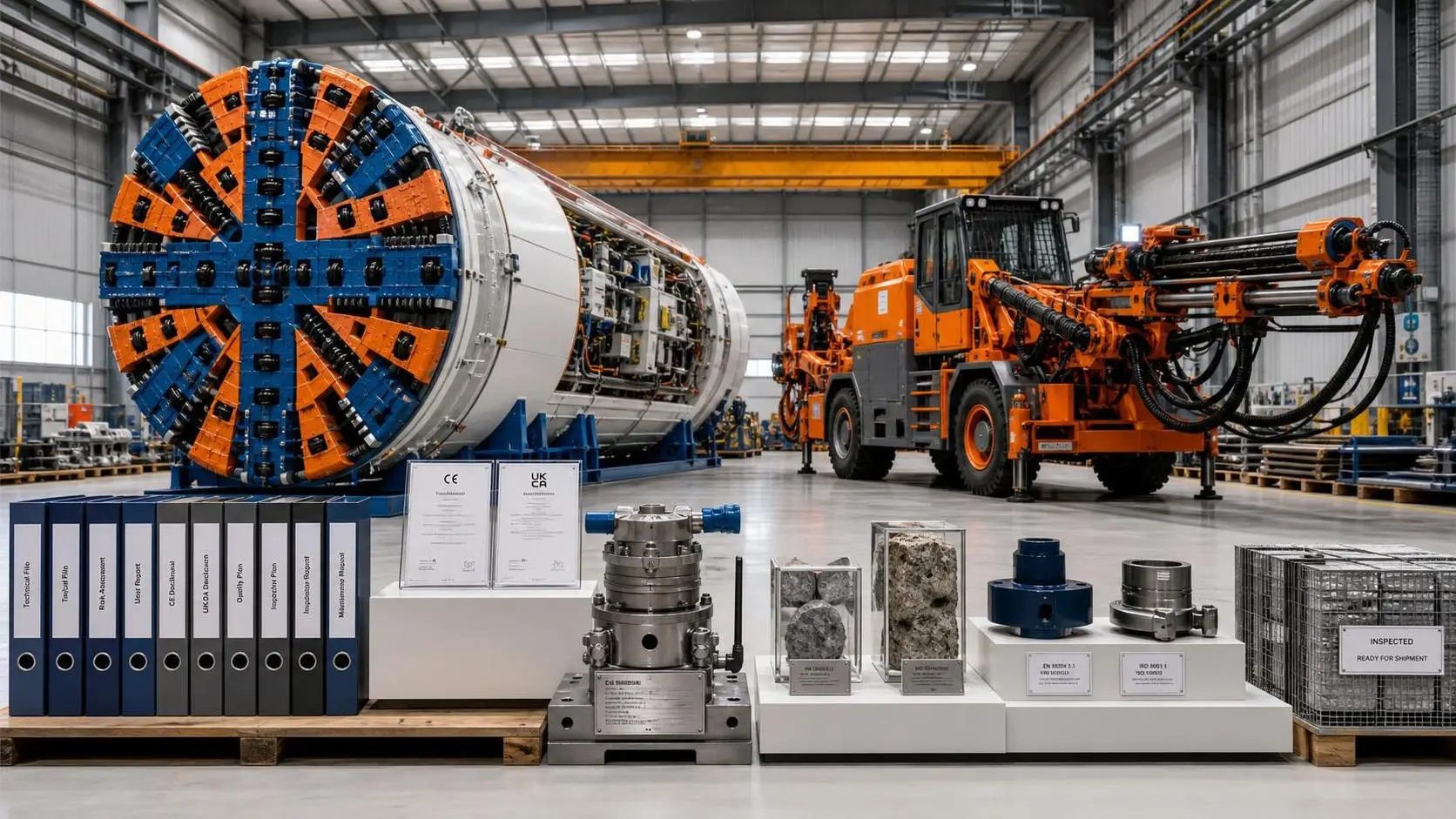
EU Eases Dual CE and UKCA Path for Chinese Tunnel Boring Equipment
EU eases CE and UKCA certification for Chinese tunnel boring equipment, cutting compliance time and helping importers move faster.
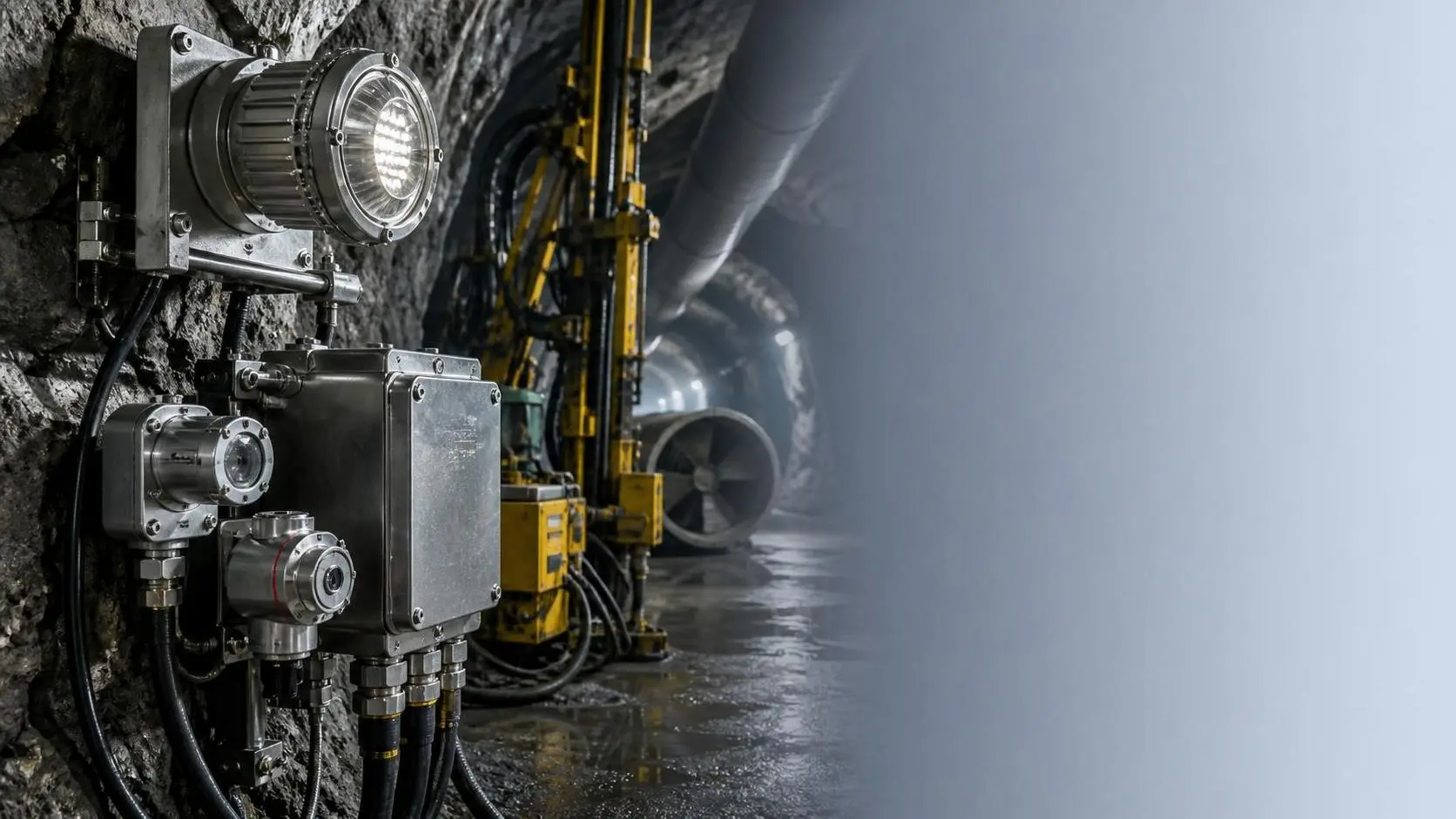
Flameproof Underground Safety Equipment: What Mine Teams Should Check Before Buying
Underground Safety Equipment flameproof buying guide: learn how mine teams should verify certification, durability, serviceability, and supplier support before purchase.
Related News
- 00
0000-00
How to Evaluate Underground Haulage Systems for Ore Output, Ramp Grade, and Ventilation Limits - 00
0000-00
How to Evaluate a Pipe Jacking Equipment Distributor for Project Support and Uptime - 00
0000-00
How to Build a Mining Decarbonization Strategy That Balances Emissions, Cost, and Fleet Reality - 00
0000-00
How to Evaluate Articulated Dump Trucks Payload for Haul Road Conditions and Cycle Efficiency - 00
0000-00
How Pipe Fittings Material and Pressure Class Affect Water Line Selection
Weekly Insights
Stay ahead with our curated technology reports delivered every Monday.