
PSA Clears First Non-European Bolting & Drilling Platform





On July 7, 2026, Norway’s Petroleum Safety Authority (PSA) approved the iBoltLink remote collaborative bolting and drilling system developed by a Chinese company under certification letter No. PSA-2026-BD-088. The decision draws attention from offshore equipment buyers, drilling and bolting service providers, industrial digitalization teams, and procurement functions because it combines a safety-regulatory approval with technologies such as 5G+TSN low-latency control and multi-terminal AR work guidance, and it also makes the platform immediately citable in global purchasing activity.

What Has Been Officially Confirmed
The confirmed facts are limited but clear. The PSA issued certification letter No. PSA-2026-BD-088 on July 7, 2026, formally approving the iBoltLink remote collaborative bolting and drilling system. According to the provided event summary, the system was developed by a Chinese company and supports 5G+TSN low-latency control as well as multi-end AR operational guidance.
The same summary states that iBoltLink is the first non-European intelligent Bolting & Drilling platform to obtain PSA certification. It also states that the approval immediately opens the system for reference in global procurement. Beyond these points, no further technical scope, deployment range, or commercial project details were provided in the input.
Where the Market May Feel the Impact First
Procurement teams may revise supplier screening
From an industry perspective, buyers and sourcing teams are among the first groups likely to be affected. A PSA-approved system can enter supplier comparison, tender reference, and qualification discussions more directly than a platform without such recognition. What deserves closer attention is whether purchasing criteria begin to place more weight on remote collaboration capability, low-latency control architecture, and AR-assisted field execution rather than treating them as optional add-ons.
Service operators may face new delivery expectations
For bolting and drilling service providers, the relevance lies in operational delivery. If clients start referencing this approval in procurement documents, service companies may need to assess whether their existing workflows can align with remote coordination models and digitally guided execution. The business impact would likely show up in bidding language, crew support models, and the way field tasks are documented and communicated.
Equipment and integration partners should watch interface requirements
For manufacturers and technical integrators, the practical question is less about headline visibility and more about compatibility. A platform described as supporting 5G+TSN low-latency control and multi-terminal AR guidance may influence expectations around control networks, device interoperability, and work-instruction interfaces. Analysis shows that this does not automatically change technical standards across the market, but it can change what partners are asked to demonstrate during qualification and integration discussions.
Supply chain coordinators may need tighter documentation readiness
Supply chain service firms and channel participants may also be affected at the documentation stage. Once a certified platform becomes citable in global procurement, supporting materials, compliance references, and product communication may receive closer scrutiny. Observably, the immediate pressure is less about volume and more about readiness: whether commercial teams can present accurate approval-related materials without overstating what the certification covers.
What Companies Should Track From Here
Separate certification language from broader market claims
Companies should pay close attention to how the PSA approval is described in future commercial and technical communication. The confirmed fact is that the system was approved and can be referenced in global procurement. That is not the same as automatic acceptance across every project, region, or operator requirement. Clear internal guidance on approved wording will matter for sales, procurement, and contract teams.
Check how tender documents begin to reference the approval
What deserves closer attention is whether future procurement documents cite the certification directly, cite the underlying capabilities, or simply use it as one qualification signal among many. This distinction will affect how suppliers prepare bid documents, evidence packs, and client responses. For many companies, the first operational impact may appear in prequalification paperwork rather than in immediate order conversion.
Review delivery readiness around remote collaboration features
Businesses connected to this segment should examine whether they can support workflows involving low-latency control environments and AR-based work guidance. The issue is not to assume a broad market shift has already happened, but to identify where current delivery models may need clearer interface definitions, operator training materials, or service response planning if customers begin asking more specific questions.
Maintain a watchlist for follow-up official clarification
Because the input provides the certification outcome but not the full scope of conditions, companies should continue tracking any later official wording, technical boundary descriptions, or related compliance references. This is especially relevant for teams handling supplier qualification, customer communication, and cross-border project support.
Why This Looks More Like a Signal Than a Finished Market Shift
Analysis shows that the strongest immediate meaning of this development is not a confirmed restructuring of the Bolting & Drilling market, but a regulatory and procurement signal. The PSA approval indicates that a non-European intelligent platform from China has crossed an important credibility threshold within the scope described in the event summary.
It is more appropriate to understand this as an early-stage marker with practical implications rather than a complete market outcome. The procurement reference effect is immediate in principle, yet the actual commercial impact will still depend on how buyers, operators, service providers, and integration partners interpret and apply the approval in real projects. That is why continued observation remains necessary.
How This News Is Best Read Right Now
At this stage, the news carries clear industry relevance because it links safety-regulatory approval, remote collaboration capability, and international procurement usability in a single event. For the Bolting & Drilling segment, the most rational reading is that a new benchmark for vendor consideration may be emerging, especially where digital operations and remote execution are under review.
That said, the available facts do not prove a broad market transition by themselves. The more balanced conclusion is that this is a meaningful signal with near-term implications for qualification, supplier communication, and procurement positioning, while its wider operational effect still needs to be observed through subsequent market adoption and official clarification.
Basis of This Article and Ongoing Verification
This article is based on the user-provided news title, event date, and event summary. In this type of industry update, commonly relevant source categories may include official regulator notices, company announcements, industry association releases, authoritative media coverage, and standards-related documents. No specific official source link was included in the input, so the underlying documentation should continue to be verified against subsequent official disclosure.
For ongoing tracking, the main areas to watch are any later PSA-related wording, how the approval is cited in procurement practice, and whether additional public clarification emerges regarding technical scope, usage boundaries, or qualification expectations.
Related News
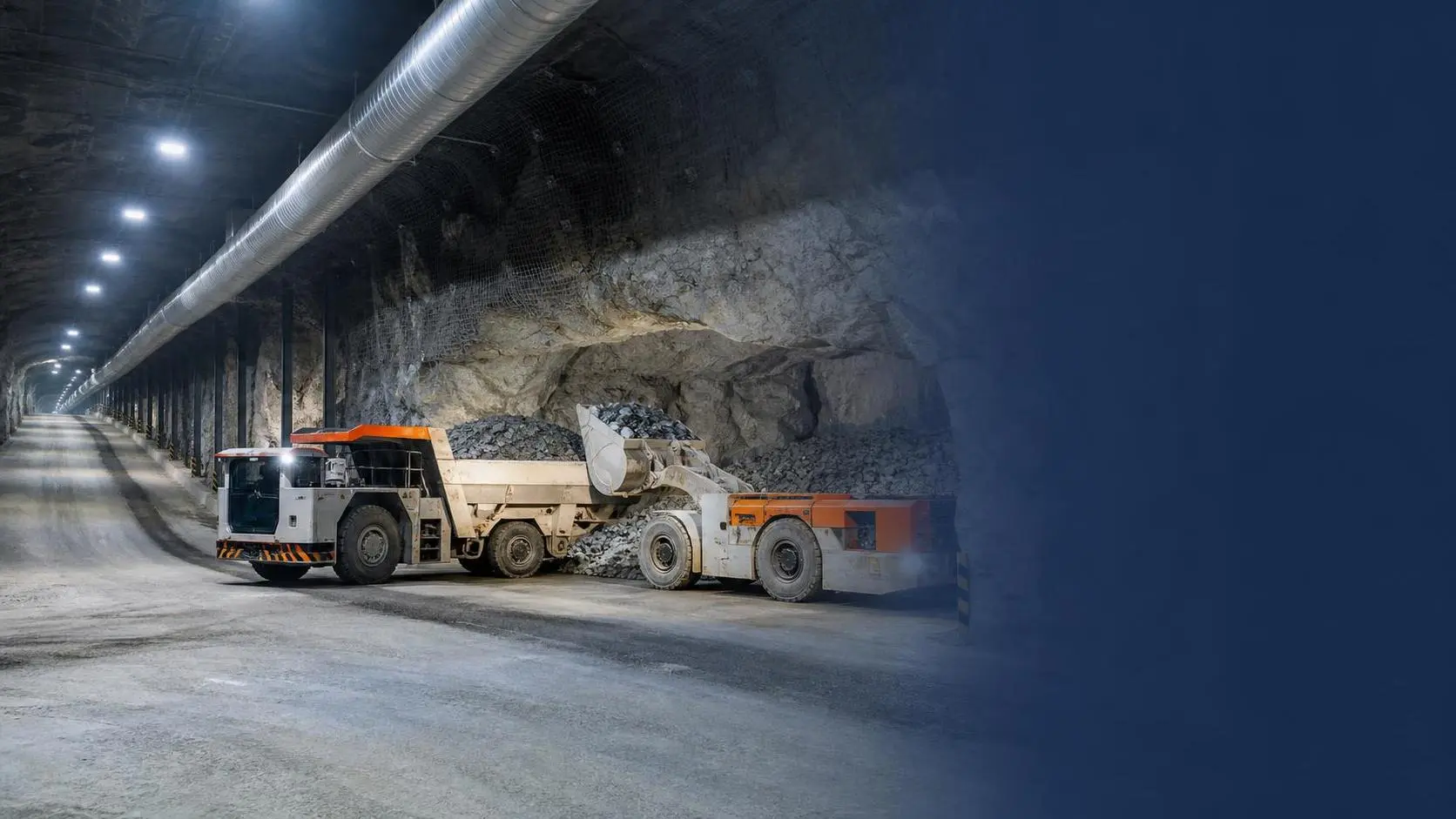
How to Evaluate Underground Haulage Systems for Ore Output, Ramp Grade, and Ventilation Limits
Underground haulage systems should be evaluated by ore output, ramp grade, and ventilation limits—not brochures. Learn how to compare trucks, LHDs, and electric options for smarter mine planning.
How to Evaluate a Pipe Jacking Equipment Distributor for Project Support and Uptime
Pipe jacking equipment distributor evaluation made practical: learn how to assess parts support, service response, training, and technical readiness to reduce downtime and protect project uptime.
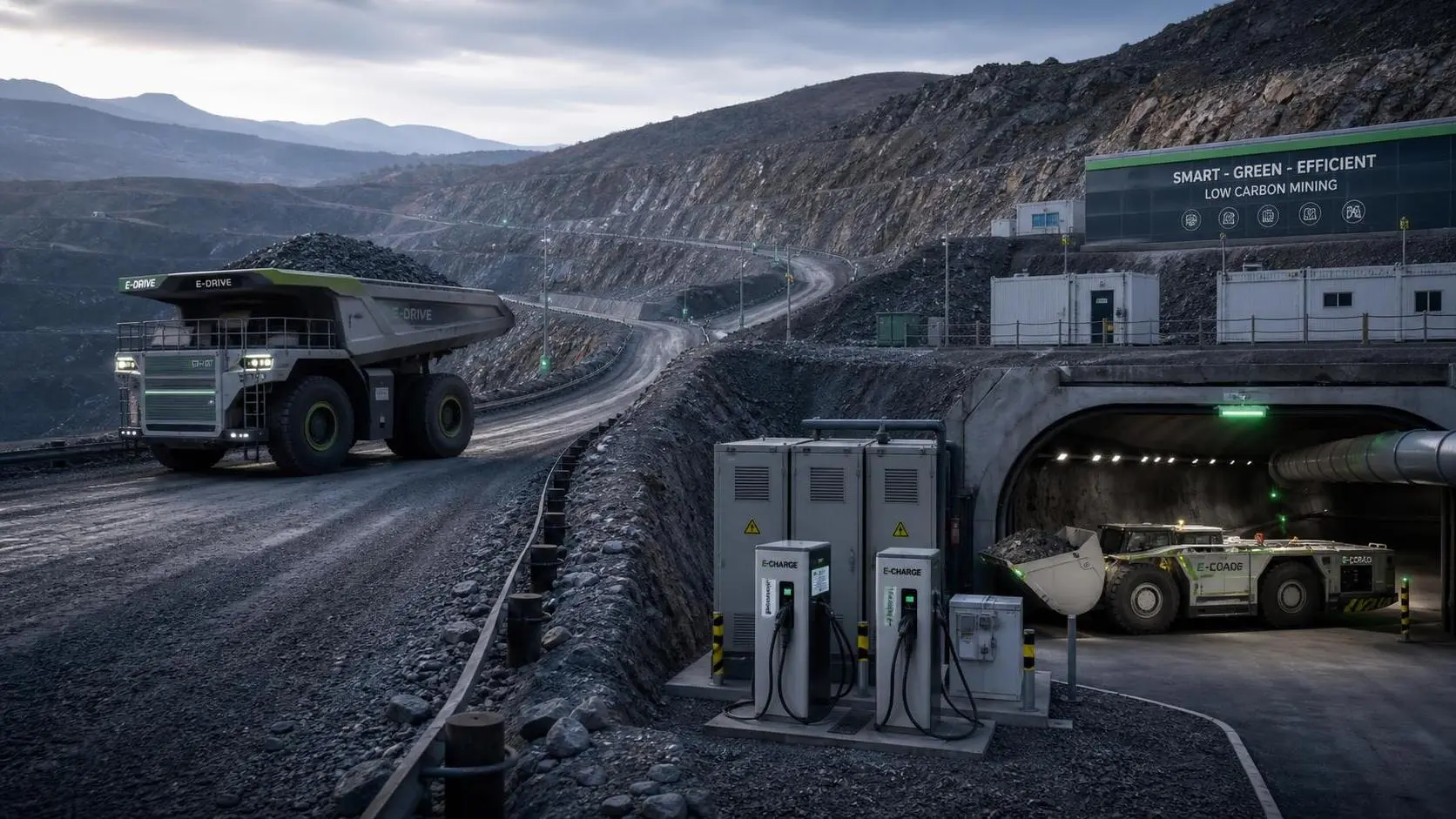
How to Build a Mining Decarbonization Strategy That Balances Emissions, Cost, and Fleet Reality
Mining decarbonization strategy starts with fleet reality. Learn how to cut emissions, control cost, and align power, ventilation, and production for a practical mine transition.
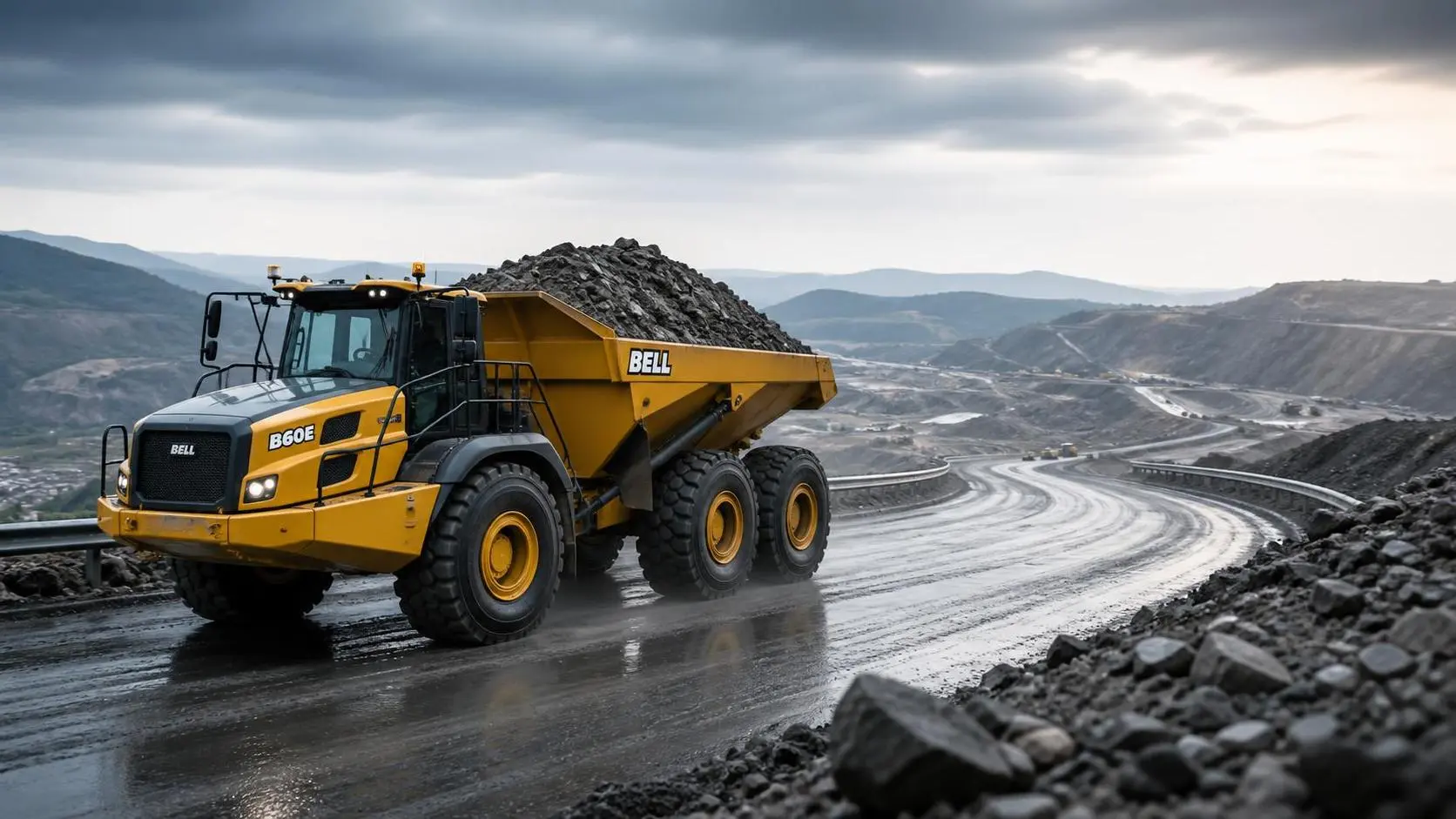
How to Evaluate Articulated Dump Trucks Payload for Haul Road Conditions and Cycle Efficiency
Articulated Dump Trucks payload evaluation starts with real haul road conditions, not brochure numbers. Learn how to balance payload, traction, grades, and cycle efficiency for safer, higher output.
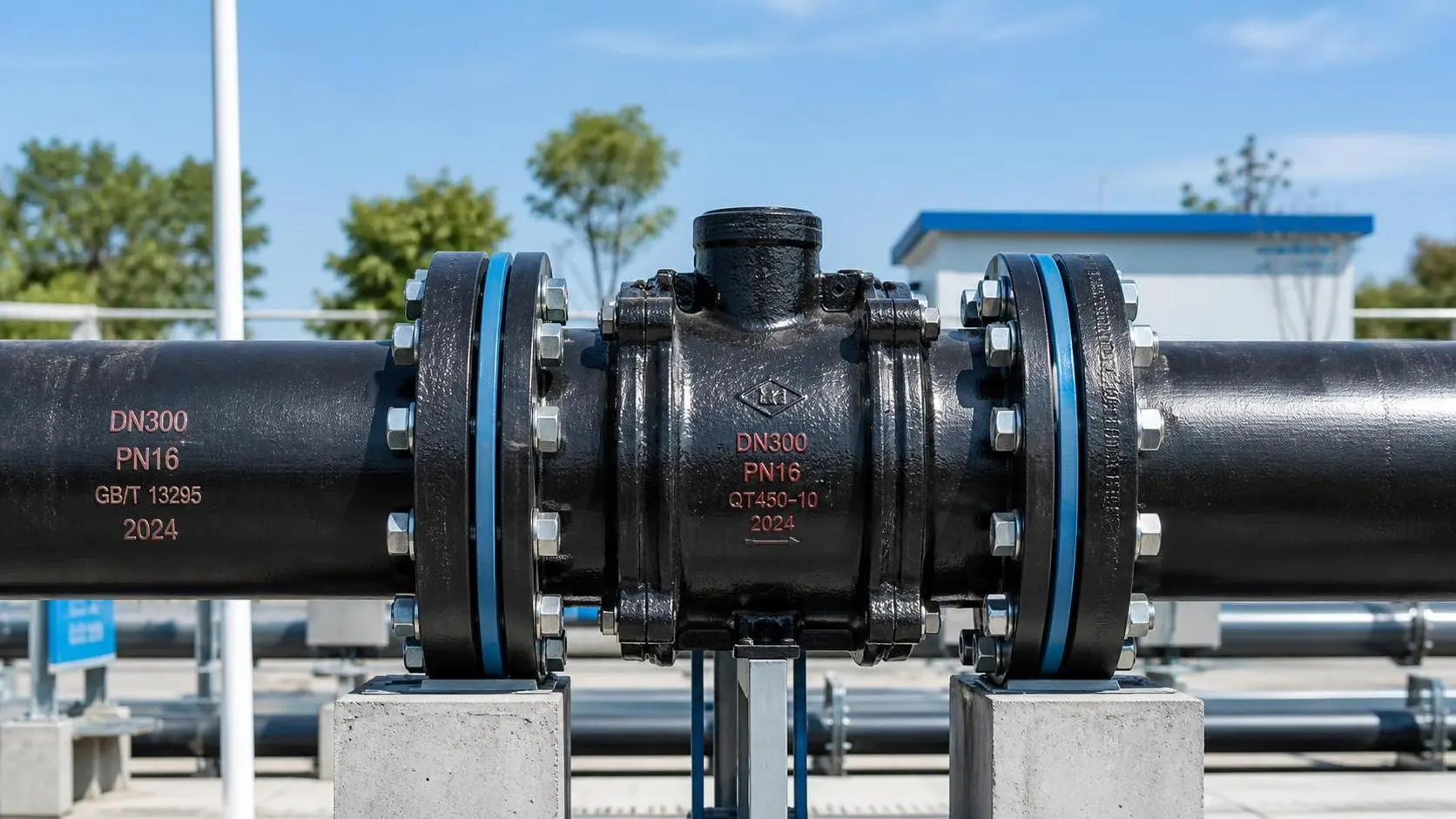
How Pipe Fittings Material and Pressure Class Affect Water Line Selection
Pipe fittings selection starts with material and pressure class. Learn how these factors affect water line reliability, corrosion resistance, installation, and long-term cost.

What Drives TBM Excavation Cost in Urban Tunneling Projects?
tbm excavation cost in urban tunneling depends on geology, shafts, segment lining, logistics, and risk. Discover the key cost drivers and compare bids with greater confidence.

What Does Energy Metals Mining in Australia Mean for Supply, Cost, and Project Risk?
Energy metals mining Australia is reshaping supply, cost, and project risk. Discover what it means for buyers, investors, and operators.

EU Eases Dual CE and UKCA Path for Chinese Tunnel Boring Equipment
EU eases CE and UKCA certification for Chinese tunnel boring equipment, cutting compliance time and helping importers move faster.
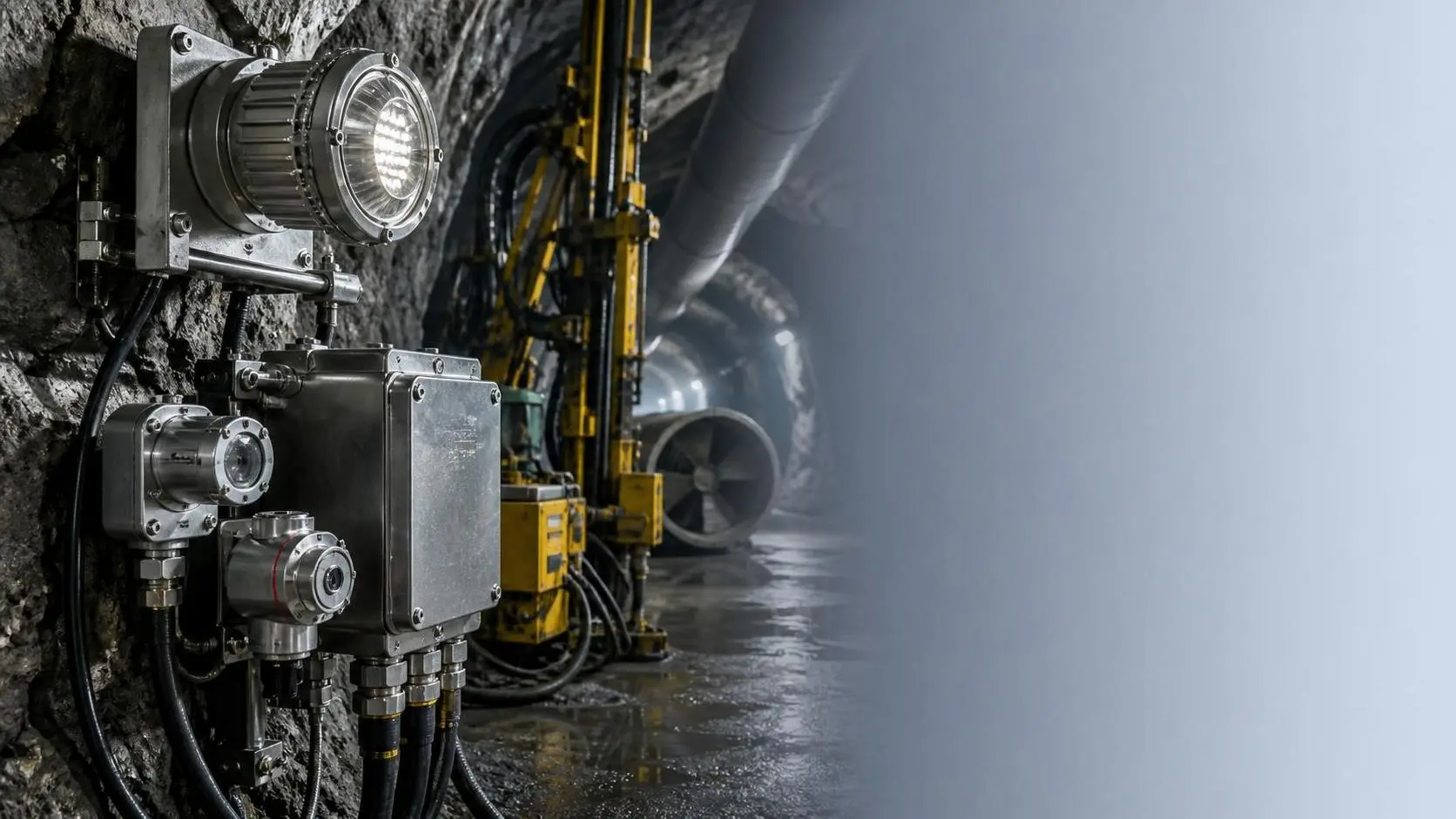
Flameproof Underground Safety Equipment: What Mine Teams Should Check Before Buying
Underground Safety Equipment flameproof buying guide: learn how mine teams should verify certification, durability, serviceability, and supplier support before purchase.
Related News
- 00
0000-00
How to Evaluate Underground Haulage Systems for Ore Output, Ramp Grade, and Ventilation Limits - 00
0000-00
How to Evaluate a Pipe Jacking Equipment Distributor for Project Support and Uptime - 00
0000-00
How to Build a Mining Decarbonization Strategy That Balances Emissions, Cost, and Fleet Reality - 00
0000-00
How to Evaluate Articulated Dump Trucks Payload for Haul Road Conditions and Cycle Efficiency - 00
0000-00
How Pipe Fittings Material and Pressure Class Affect Water Line Selection
Weekly Insights
Stay ahead with our curated technology reports delivered every Monday.