DIN EN ISO 21670:2026 Makes AI Weld Scanning Mandatory for Hard Rock TBMs





Effective July 7, 2026, Germany has made a new compliance condition central to Hard Rock TBM market access under DIN EN ISO 21670:2026. The change ties sales in Germany and participation in German infrastructure projects to mandatory AI-based visual inspection of main shield structural welds, with full digital reporting in a specified format. For manufacturers, exporters, inspection providers, procurement teams, and bid preparation units, this is not simply a technical update; it directly affects qualification, documentation, and delivery readiness for projects governed by German standards.
What the New Requirement Clearly Establishes
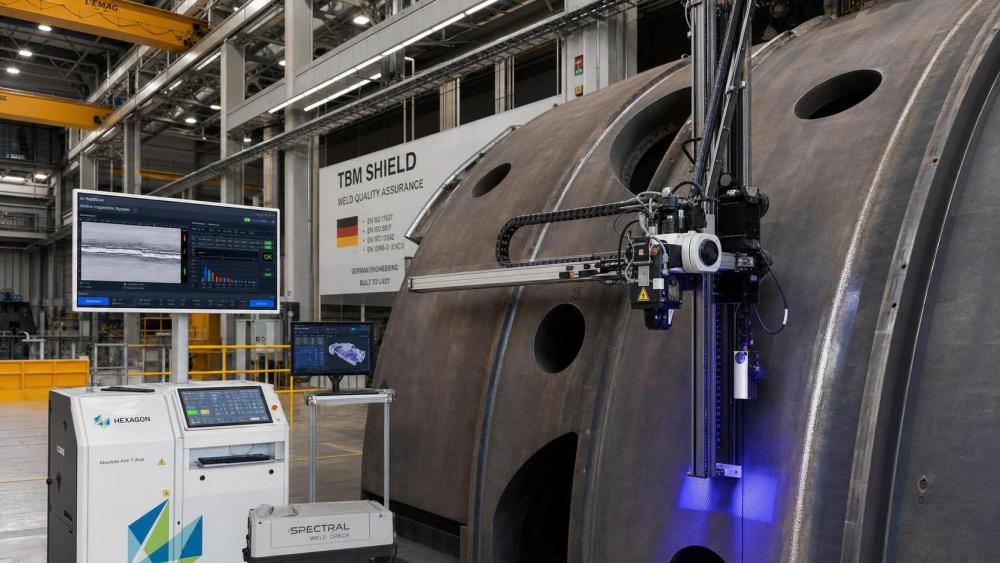
The confirmed information is limited but commercially significant. From July 7, 2026, the German Institute for Standardization (DIN) is enforcing DIN EN ISO 21670:2026 for Hard Rock TBMs sold in Germany or used in German infrastructure projects. Under this requirement, the main shield structural welds of those machines must undergo 100% online scanning by a DIN-certified AI visual inspection system. The inspection output must also be issued as a digital report that conforms to the ASME BPVC Section V Annex H format.
The event summary further indicates a direct market-access consequence for Chinese manufacturers: without a certified inspection chain, they will not be able to enter bidding for German-standard projects.
Where the Commercial Impact Is Likely to Appear First
Manufacturing qualification moves closer to bid eligibility
For TBM manufacturers, the rule change may affect more than factory inspection practice. Analysis shows that weld inspection capability now sits closer to the front end of market entry, because access to German-standard projects is tied to whether the inspection process is certified and whether the output documentation matches the required reporting format. This means compliance risk may appear during bid preparation, technical qualification review, and final acceptance planning rather than only during production.
Export and project delivery teams face tighter documentation demands
For exporters and delivery coordinators, the practical issue is not only whether welds are scanned, but whether the inspection chain can produce records in the required digital format. From an industry perspective, this raises attention around technical files, quality dossiers, bid attachments, and handover packages. If project documents or customer requirements align closely with the standard, missing or nonconforming records could become a barrier at the tender stage or later in delivery review.
Inspection and certification service providers gain a more formal gatekeeping role
Inspection-related businesses may see their role shift from supporting quality control to supporting formal compliance access. Observably, the requirement for a DIN-certified AI visual inspection system places certification status at the center of project participation. This may affect how manufacturers select service providers, how procurement teams assess inspection capability, and how quality records are structured for external review.
Buyers and procurement units may need to screen suppliers earlier
For project owners, EPC procurement teams, and buyers sourcing equipment for German infrastructure use, the new rule may change supplier screening criteria. What deserves closer attention is whether vendors can demonstrate a compliant inspection chain before contract award, especially where technical tender documents are expected to reflect German-standard requirements. In practice, this can affect vendor shortlisting, technical clarification, and delivery confidence.
What Companies Should Check Now
Review whether the inspection chain is actually certifiable
Analysis shows that companies selling into Germany or targeting German-standard projects should first confirm whether their existing weld inspection process can meet the requirement for a DIN-certified AI visual inspection system. The key issue is not general digitalization, but whether the inspection route matches the certification condition referenced in the event summary.
Check the reporting format against project documentation workflows
The required digital report format matters because compliance is tied to ASME BPVC Section V Annex H formatting. Companies involved in bidding, documentation control, and final delivery should review whether their current quality reporting workflow can produce records in that structure, and whether any gap could affect submission or acceptance.
Watch tender language and technical specifications closely
Because the confirmed information points directly to bidding access, exporters and bid teams should pay close attention to how future tender documents, technical specifications, and qualification requirements refer to DIN EN ISO 21670:2026, AI visual inspection, and digital weld reporting. The available information does not describe all execution details, so this remains an area that requires ongoing verification rather than assumption.
Assess schedule and supplier-readiness exposure
From an operational perspective, manufacturers and procurement teams should examine whether compliance preparation could affect lead times, subcontractor qualification, or document turnaround. The input does not provide detailed implementation timelines beyond the enforcement date, so companies should treat schedule effects as a risk area to monitor rather than a confirmed outcome.
Why This Looks Like an Execution Signal, Not Just a Technical Update
Observably, this development is better understood as a market-entry and execution rule for a defined product and project context, rather than as a narrow standards revision with limited commercial effect. The mandatory combination of 100% online AI scanning, DIN-certified inspection systems, and a specified digital reporting format signals that weld verification is being tied more directly to compliance evidence.
At the same time, analysis should remain disciplined. The provided information confirms the mandatory requirement and the stated bidding consequence for Chinese manufacturers without a certified inspection chain, but it does not describe broader enforcement mechanics, audit methods, or project-by-project implementation details. For that reason, the industry should read this as an active compliance signal with further execution details still worth tracking.
How This News Is Best Interpreted for the Market
The most reasonable reading at this stage is that DIN EN ISO 21670:2026 has moved weld inspection for Hard Rock TBM main shields from a quality-control activity into a formal access condition for German-standard business. That matters most for manufacturers and exporters whose sales pipeline depends on German projects or German-standard tendering. It is more appropriate to understand this as a rule already in force with immediate relevance for compliance preparation, while the detailed market response, tender wording, and execution practice still require close observation.
Source Note and What Still Needs Verification
This article is generated from the user-provided news title, event date, and event summary. For developments of this type, relevant source categories typically include official announcements, regulator publications, trade or customs authority notices, industry association information, standards organization documents, and reporting by established industry media. No specific official source link was provided in the input, so the underlying official link remains to be verified on an ongoing basis.
Further observation is still needed on detailed implementation language, certification interpretation, tender-document wording, market feedback, and how companies execute the requirement in practice. Any assessment beyond the confirmed facts above should therefore be treated as analysis rather than established fact.
Related News
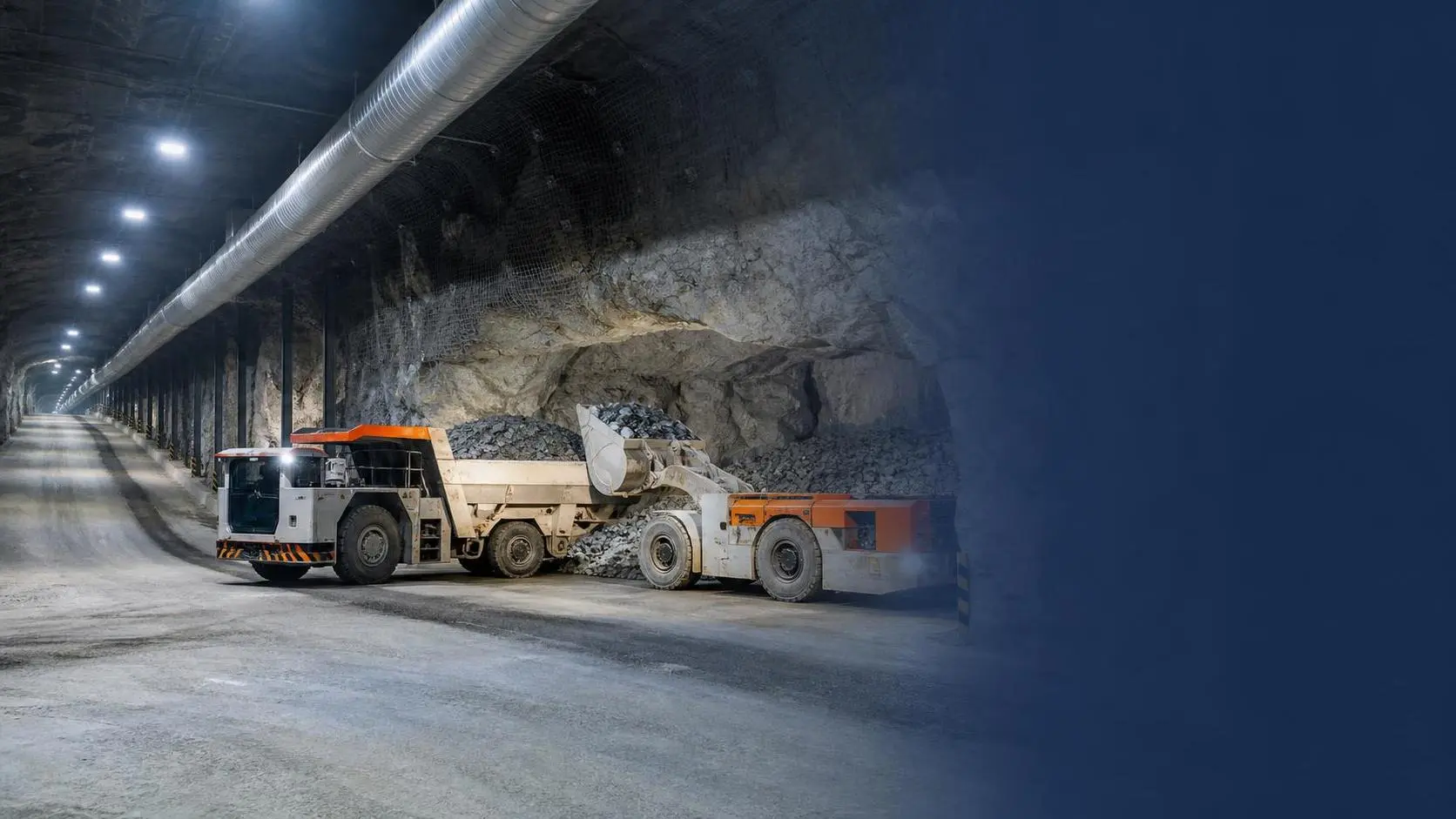
How to Evaluate Underground Haulage Systems for Ore Output, Ramp Grade, and Ventilation Limits
Underground haulage systems should be evaluated by ore output, ramp grade, and ventilation limits—not brochures. Learn how to compare trucks, LHDs, and electric options for smarter mine planning.
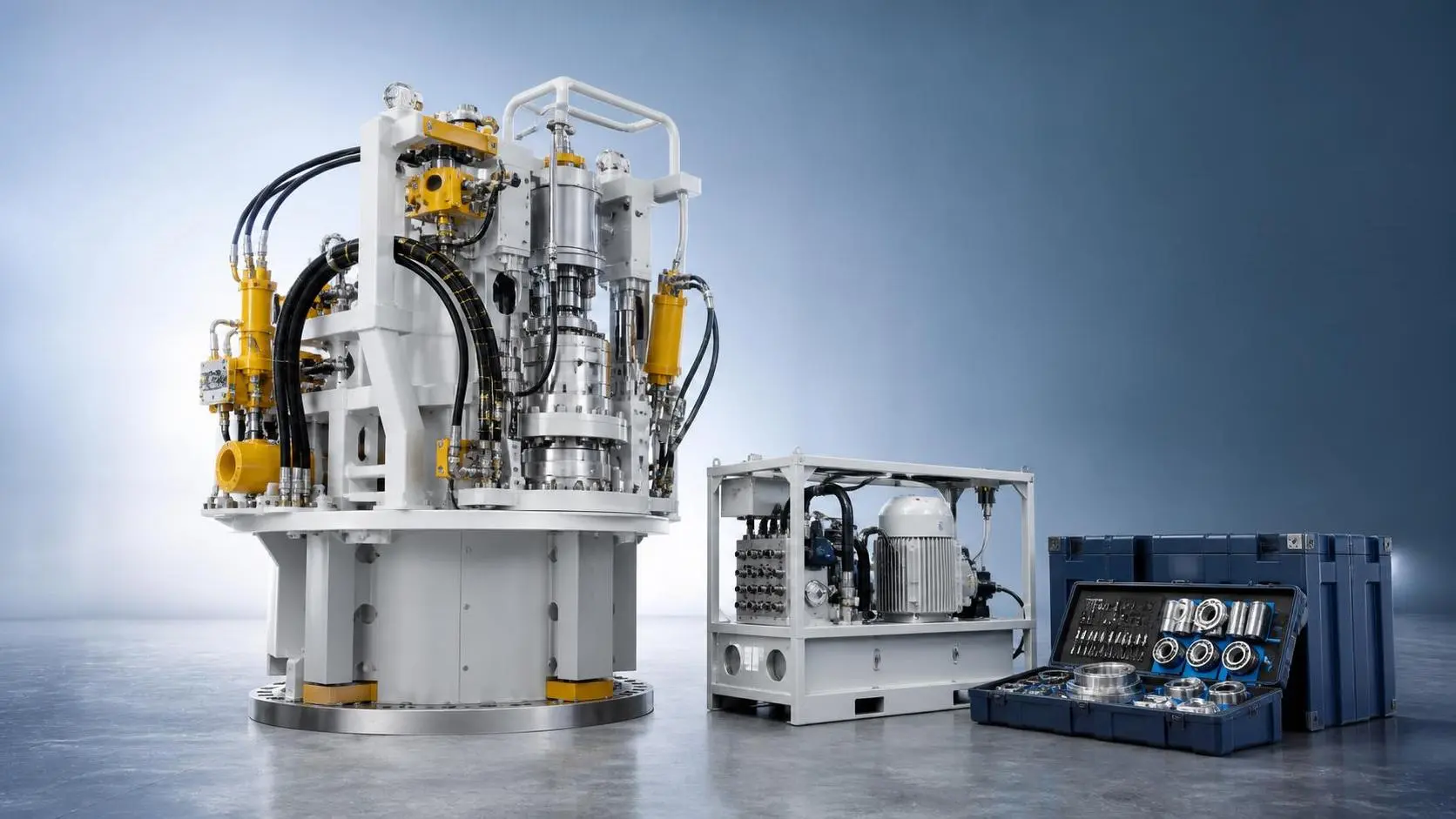
How to Evaluate a Pipe Jacking Equipment Distributor for Project Support and Uptime
Pipe jacking equipment distributor evaluation made practical: learn how to assess parts support, service response, training, and technical readiness to reduce downtime and protect project uptime.
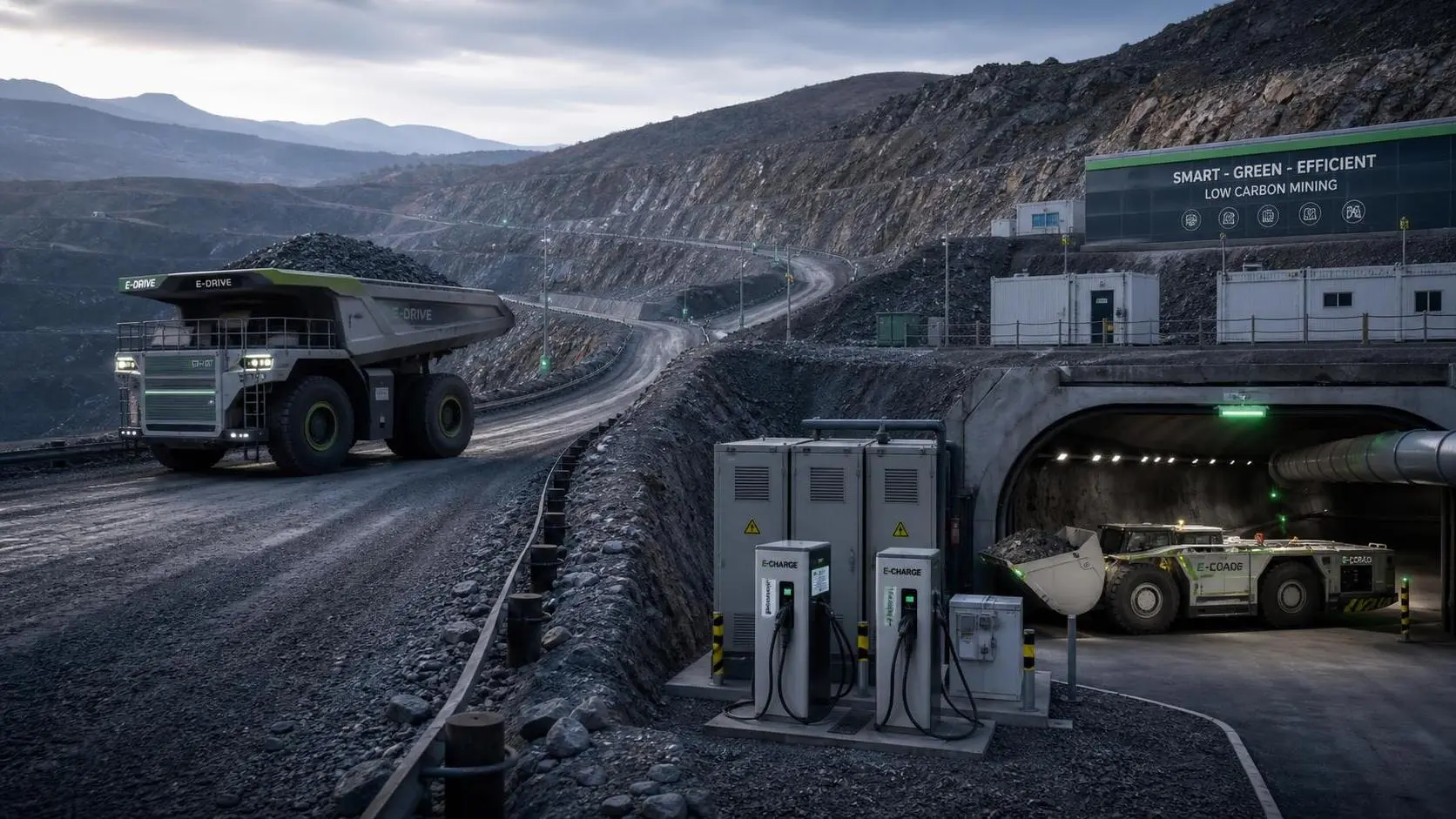
How to Build a Mining Decarbonization Strategy That Balances Emissions, Cost, and Fleet Reality
Mining decarbonization strategy starts with fleet reality. Learn how to cut emissions, control cost, and align power, ventilation, and production for a practical mine transition.
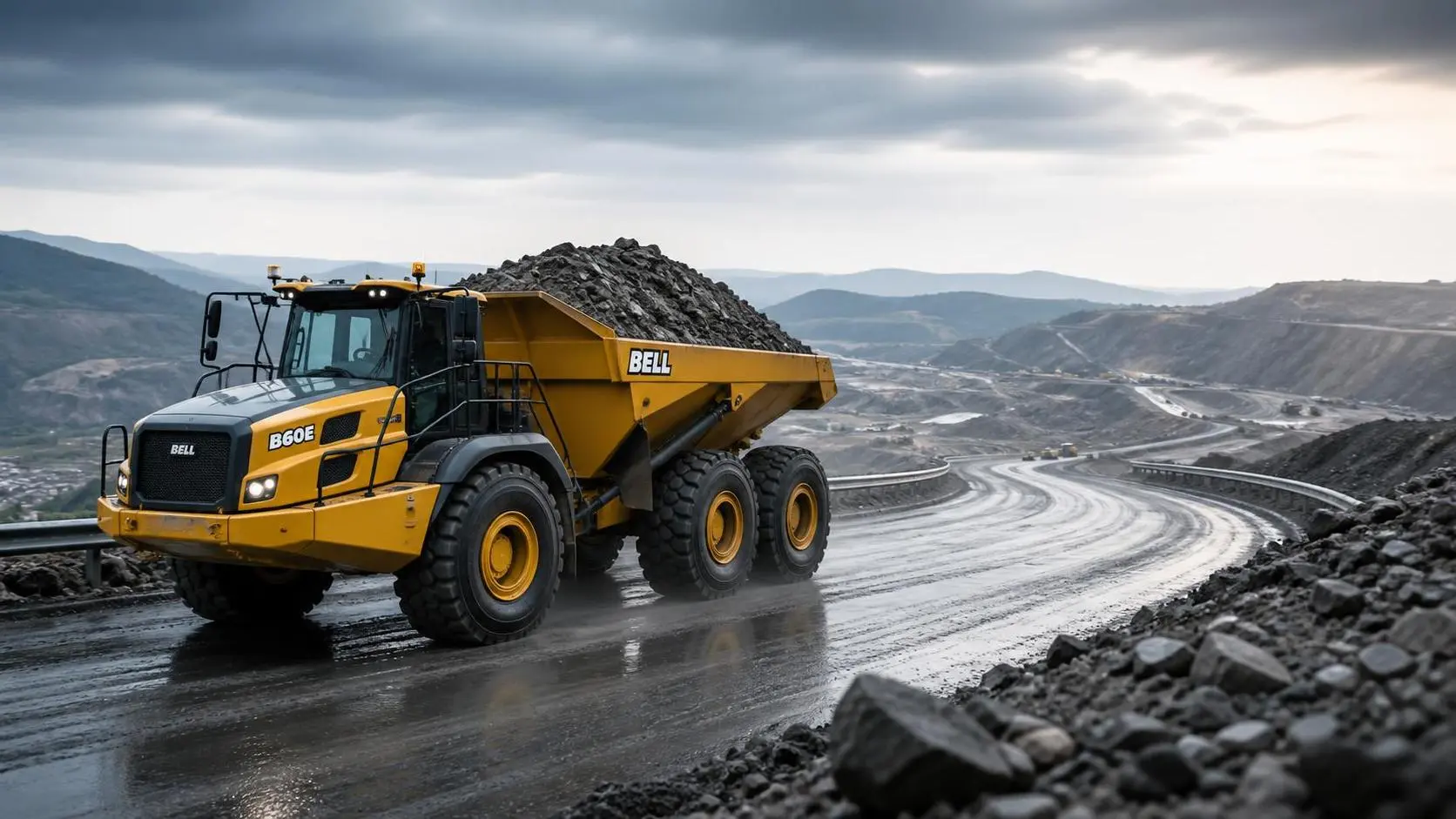
How to Evaluate Articulated Dump Trucks Payload for Haul Road Conditions and Cycle Efficiency
Articulated Dump Trucks payload evaluation starts with real haul road conditions, not brochure numbers. Learn how to balance payload, traction, grades, and cycle efficiency for safer, higher output.
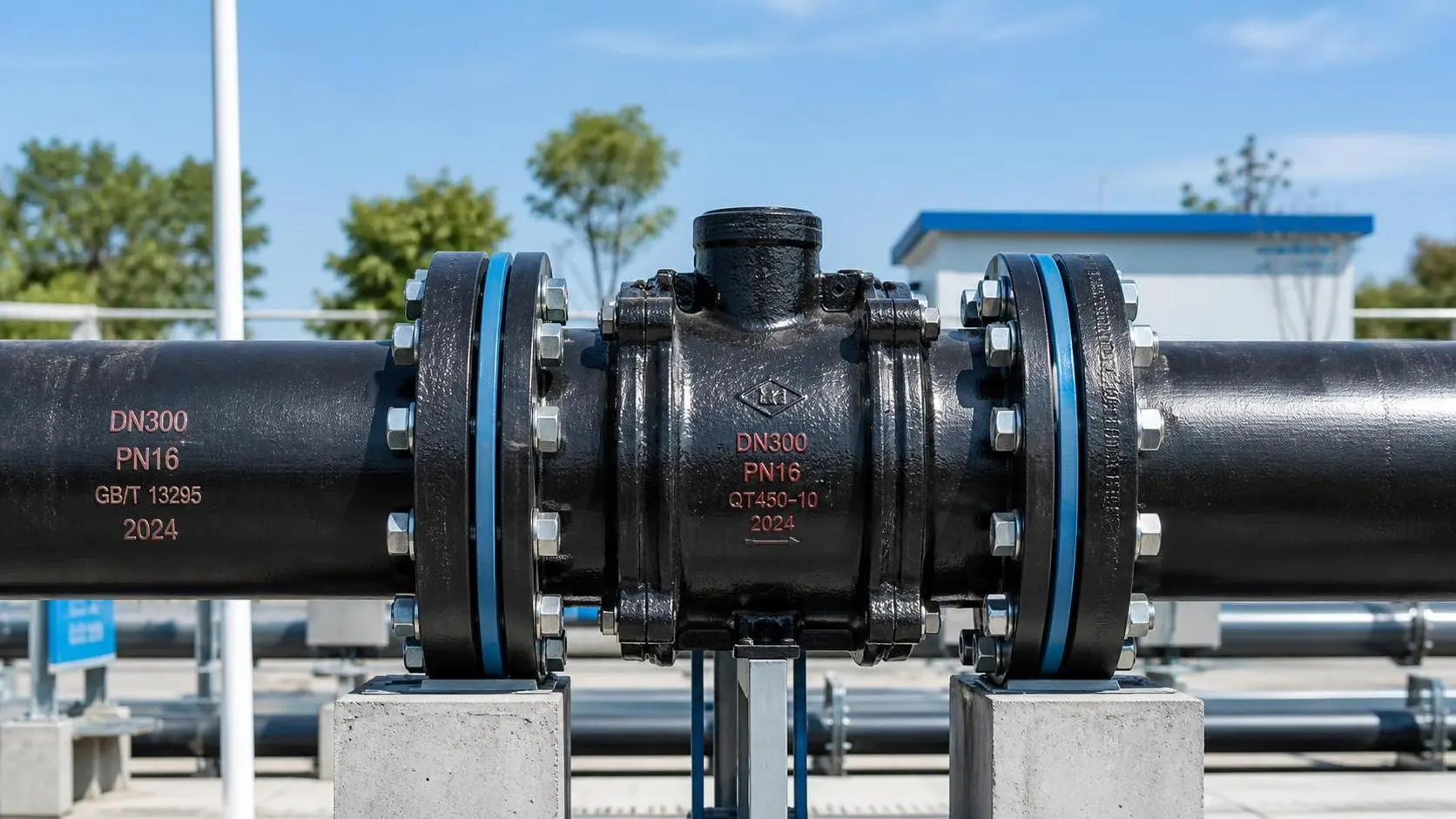
How Pipe Fittings Material and Pressure Class Affect Water Line Selection
Pipe fittings selection starts with material and pressure class. Learn how these factors affect water line reliability, corrosion resistance, installation, and long-term cost.
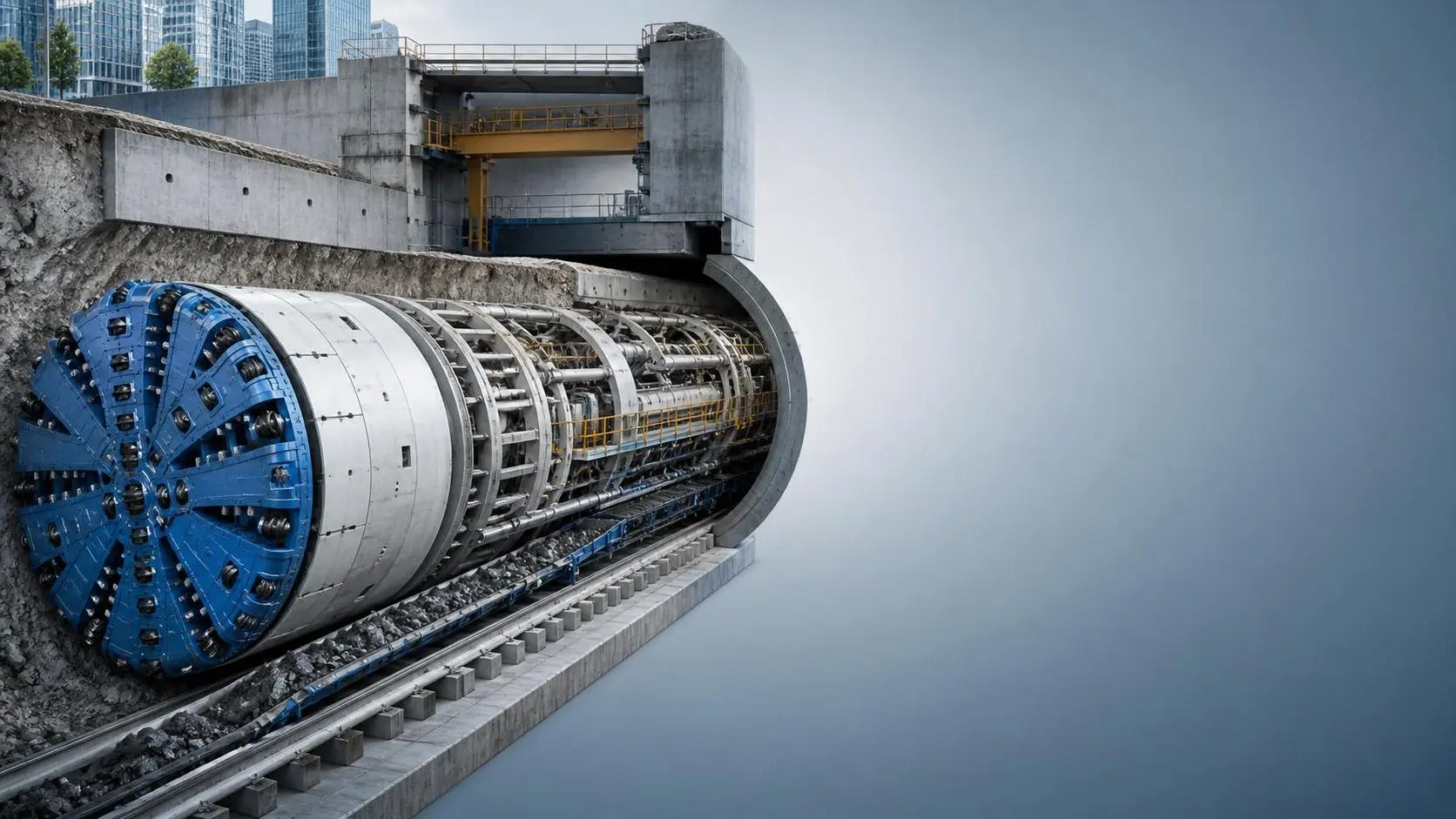
What Drives TBM Excavation Cost in Urban Tunneling Projects?
tbm excavation cost in urban tunneling depends on geology, shafts, segment lining, logistics, and risk. Discover the key cost drivers and compare bids with greater confidence.
What Does Energy Metals Mining in Australia Mean for Supply, Cost, and Project Risk?
Energy metals mining Australia is reshaping supply, cost, and project risk. Discover what it means for buyers, investors, and operators.
EU Eases Dual CE and UKCA Path for Chinese Tunnel Boring Equipment
EU eases CE and UKCA certification for Chinese tunnel boring equipment, cutting compliance time and helping importers move faster.
Flameproof Underground Safety Equipment: What Mine Teams Should Check Before Buying
Underground Safety Equipment flameproof buying guide: learn how mine teams should verify certification, durability, serviceability, and supplier support before purchase.
Related News
- 00
0000-00
How to Evaluate Underground Haulage Systems for Ore Output, Ramp Grade, and Ventilation Limits - 00
0000-00
How to Evaluate a Pipe Jacking Equipment Distributor for Project Support and Uptime - 00
0000-00
How to Build a Mining Decarbonization Strategy That Balances Emissions, Cost, and Fleet Reality - 00
0000-00
How to Evaluate Articulated Dump Trucks Payload for Haul Road Conditions and Cycle Efficiency - 00
0000-00
How Pipe Fittings Material and Pressure Class Affect Water Line Selection
Weekly Insights
Stay ahead with our curated technology reports delivered every Monday.