
Codelco Extends Battery LHD Lead Time to 18 Months





On July 7, 2026, Codelco updated its 2026–2030 Underground Fleet Procurement Framework, extending the delivery window for Battery LHDs from 12 months to 18 months and, for the first time, allowing a joint model combining a Chinese OEM with a Chilean local assembly partner. For underground mining equipment suppliers, procurement teams, localized manufacturing partners, and supply chain service providers, this is worth close attention because it signals a procurement response to port congestion in South America and a global shortage of battery modules, while also opening a compliant alternative route for Chinese suppliers.
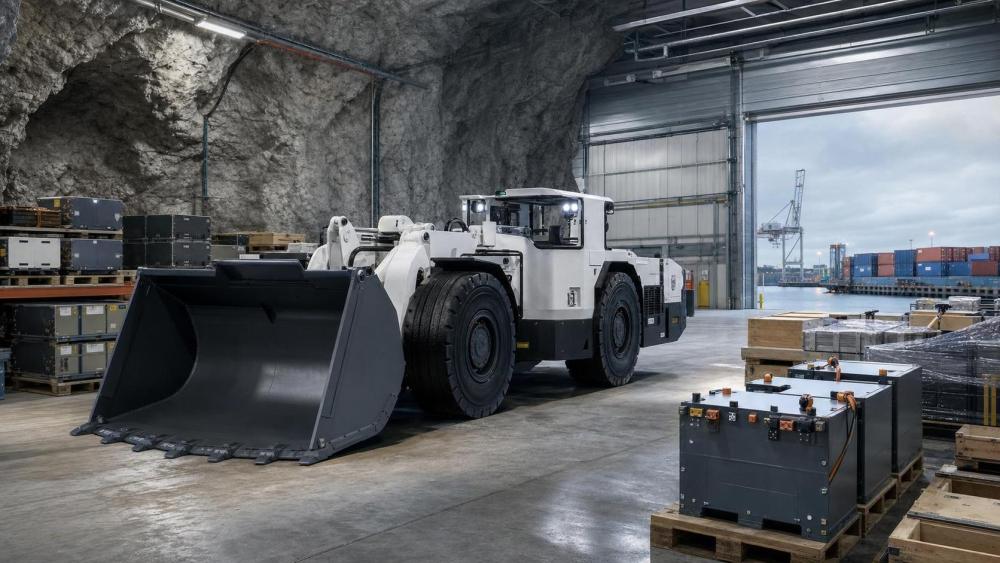
What Codelco Changed in the 2026–2030 Framework
The confirmed update concerns two points in Codelco’s underground fleet procurement framework. First, the delivery timeline for Battery LHDs was revised from the previous 12 months to 18 months. Second, the framework newly accepts a combined delivery model in which a Chinese main equipment manufacturer works with a Chilean local partner for assembly.
According to the provided event summary, this adjustment directly responds to two current constraints: port congestion in South America and the global shortage of battery modules. The same summary also indicates that the rule change creates a compliant alternative path for Chinese suppliers participating in this category.
Where the Immediate Impact May Be Felt
Procurement planning is becoming more schedule-sensitive
From an industry perspective, procurement teams may be affected first because the formal lead-time expectation has changed. The most direct business impact is on tender timing, delivery planning, and internal project coordination. What deserves closer attention is whether buyers and bidders now treat 18 months as the practical baseline for planning rather than as an exception case.
Chinese OEMs now have a clearer participation route
Analysis shows that Chinese equipment manufacturers may see the most visible opening from the acceptance of the joint assembly model. The impact is not only commercial but also procedural: qualification strategy, partner selection, delivery structure, and contract execution may all need to align with a model that includes Chilean local assembly rather than only direct finished-unit export.
Local assembly and supply chain partners gain a more defined role
For Chile-based partners and supply chain service providers, the change may shift attention toward assembly coordination, parts flow, customs handling, and delivery sequencing. Observably, the rule does not eliminate supply pressure, but it may redistribute where value is created and where execution risk is managed across the delivery chain.
Battery-related bottlenecks remain central to execution risk
The event summary explicitly links the framework revision to battery module shortages. That means manufacturers, sourcing teams, and project managers should watch battery-related availability as a practical constraint on fulfillment. Even with a more flexible procurement structure, the ability to secure critical modules remains tied to actual delivery performance.
What Companies Should Track Next
Watch for further official wording and implementation detail
Companies involved in Battery LHD bids should closely review how the revised framework describes eligibility, delivery expectations, and the role of local assembly partners. The current signal is important, but the practical meaning depends on how the updated rules are applied in documentation and tender execution.
Separate policy access from operational readiness
Analysis shows that acceptance of a localized assembly model does not automatically translate into easy market entry. Suppliers should distinguish between being allowed to use a joint model and being operationally ready to execute it, especially in areas such as partner coordination, documentation, and fulfillment responsibility.
Recheck delivery commitments and customer communication
With the lead time moving from 12 to 18 months, companies should reassess how they present schedules, milestones, and delivery risk to customers and internal stakeholders. What deserves closer attention is whether existing commercial assumptions, quotations, or negotiation positions still reflect the updated procurement reality.
Review compliance and partner structure early
For firms considering the China-plus-Chile assembly route, early review of supplier qualification, supporting documents, and local partner responsibilities is likely to matter. Observably, the framework opens a compliant pathway, but practical execution will depend on whether the participating parties can support that pathway with clear roles and credible delivery planning.
Why This Looks Like More Than a Routine Timing Adjustment
As an editorial observation, this update is better understood as a procurement-side adaptation to supply chain constraints rather than a simple administrative revision. The extension to 18 months acknowledges that earlier delivery assumptions may no longer match current logistics and battery supply conditions. At the same time, the acceptance of local assembly involving Chinese OEMs suggests a more flexible procurement posture under constrained supply conditions.
It is more appropriate to understand this as a meaningful short-term and medium-term signal, not yet as a final market outcome. The rule change indicates direction, but the actual effect on supplier participation, delivery performance, and competitive positioning still requires continued observation.
How the Market May Best Read This Update
In practical terms, this development points to two things at once: procurement expectations for Battery LHD delivery are being reset, and localized execution models are gaining formal space within an official framework. For the industry, the significance lies less in headline interpretation and more in how procurement, manufacturing, and local partnership structures adapt around it.
At this stage, the most balanced reading is that Codelco has recognized current supply chain constraints and adjusted its framework accordingly. The update should be treated as a concrete operating signal, while its wider market implications remain something the industry should continue to monitor.
Basis of This Article and What Still Needs Verification
This article is based on the user-provided news title, event date, and event summary concerning Codelco’s July 7, 2026 update to the 2026–2030 Underground Fleet Procurement Framework. For this type of industry development, commonly relevant source categories may include official procurement notices, company announcements, industry association updates, authoritative media reporting, and standard or framework documents.
A specific official source link was not provided in the input, so the exact wording and subsequent implementation details still need ongoing verification. Further attention should focus on any later official clarification, tender-level application of the revised rules, and whether the local assembly route develops into a repeatable procurement practice.
Related News
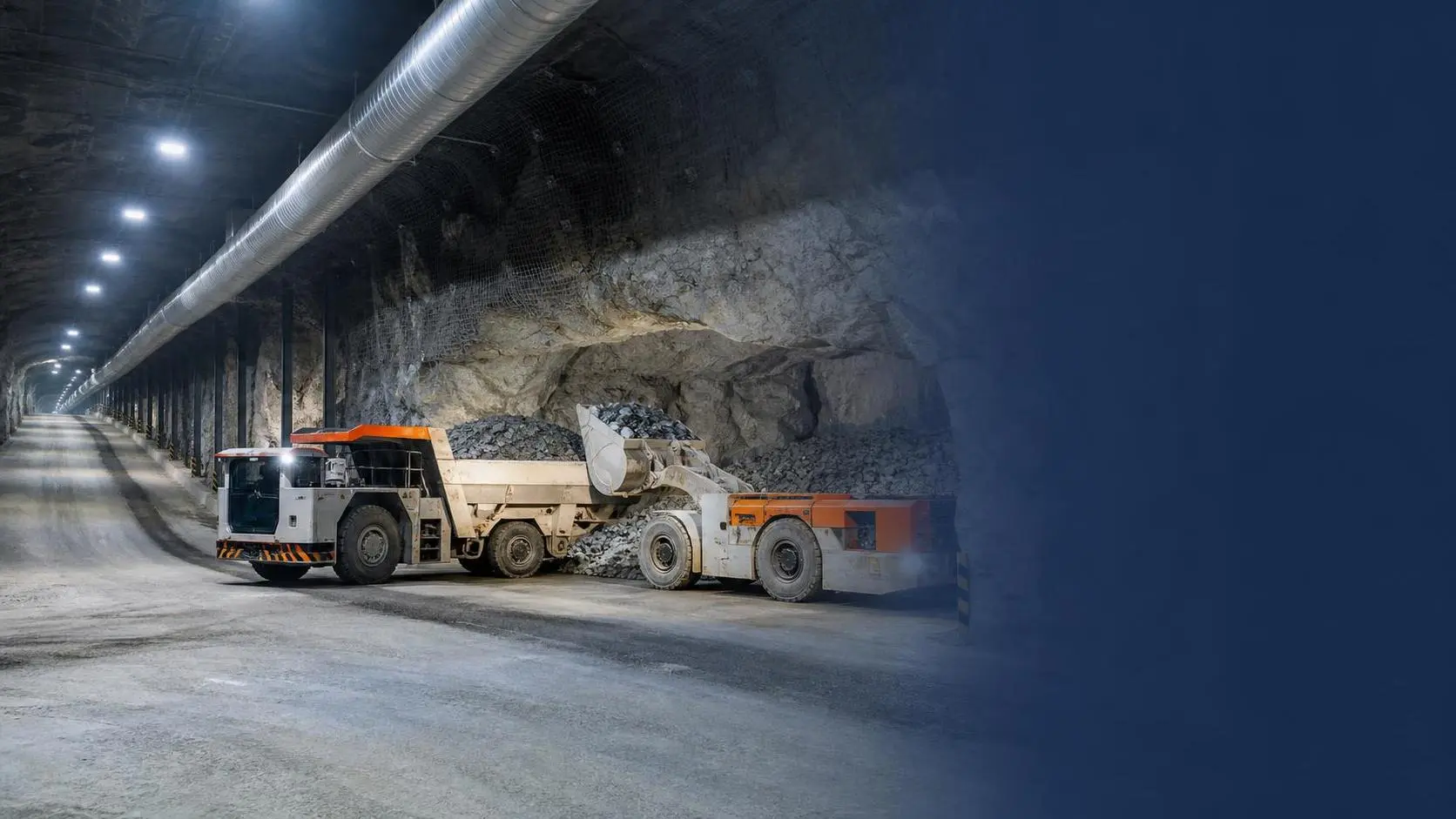
How to Evaluate Underground Haulage Systems for Ore Output, Ramp Grade, and Ventilation Limits
Underground haulage systems should be evaluated by ore output, ramp grade, and ventilation limits—not brochures. Learn how to compare trucks, LHDs, and electric options for smarter mine planning.
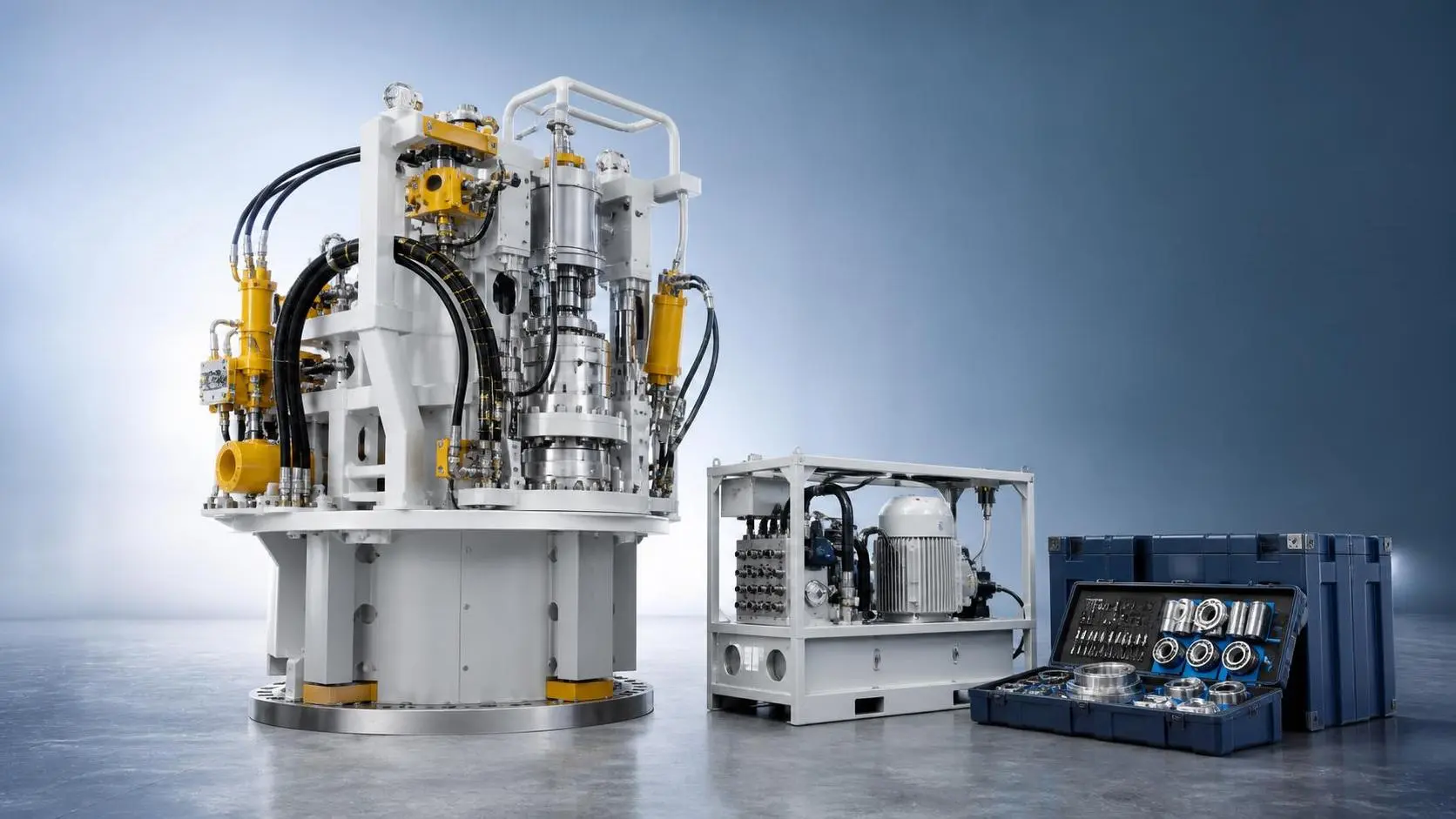
How to Evaluate a Pipe Jacking Equipment Distributor for Project Support and Uptime
Pipe jacking equipment distributor evaluation made practical: learn how to assess parts support, service response, training, and technical readiness to reduce downtime and protect project uptime.
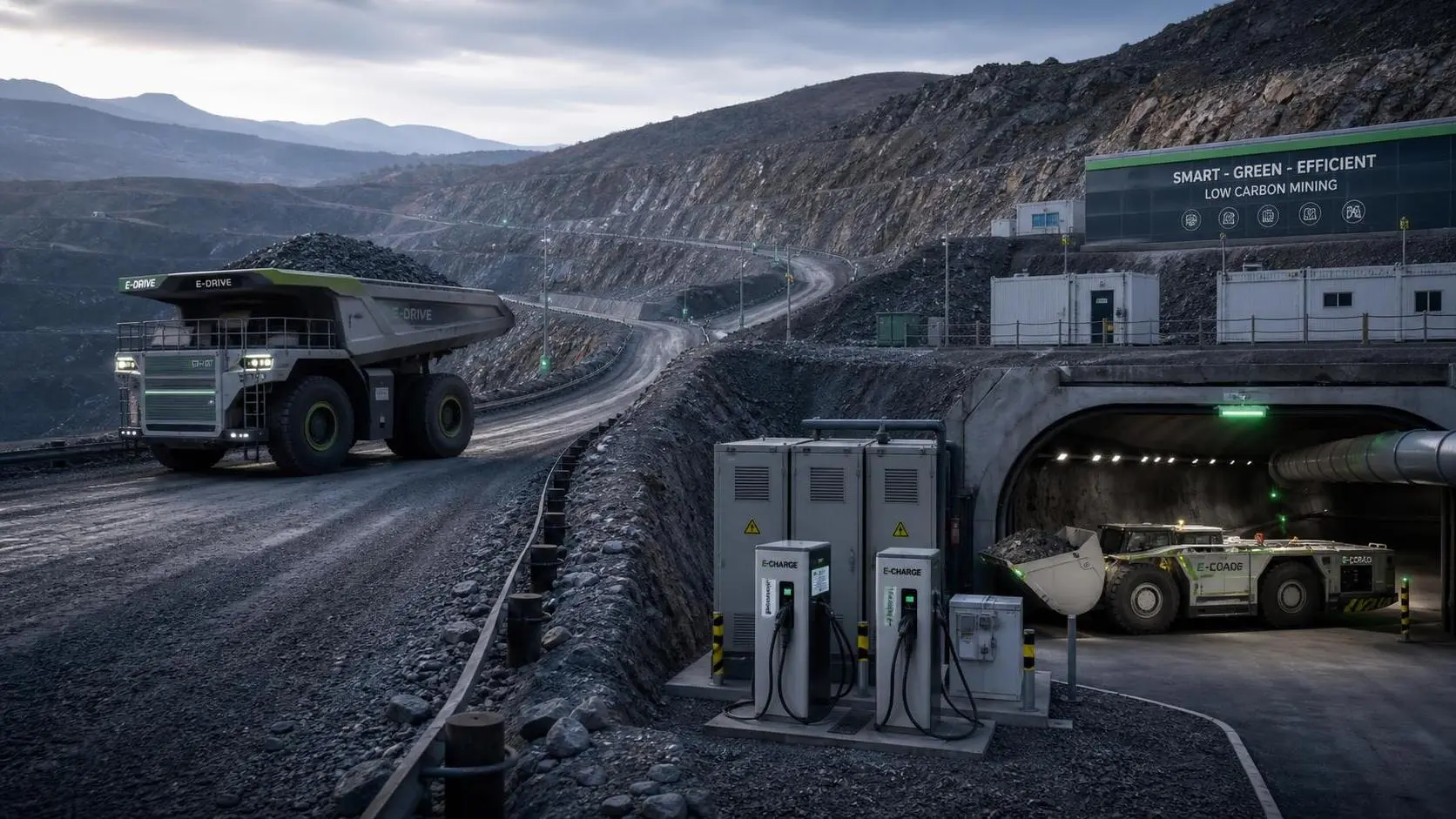
How to Build a Mining Decarbonization Strategy That Balances Emissions, Cost, and Fleet Reality
Mining decarbonization strategy starts with fleet reality. Learn how to cut emissions, control cost, and align power, ventilation, and production for a practical mine transition.
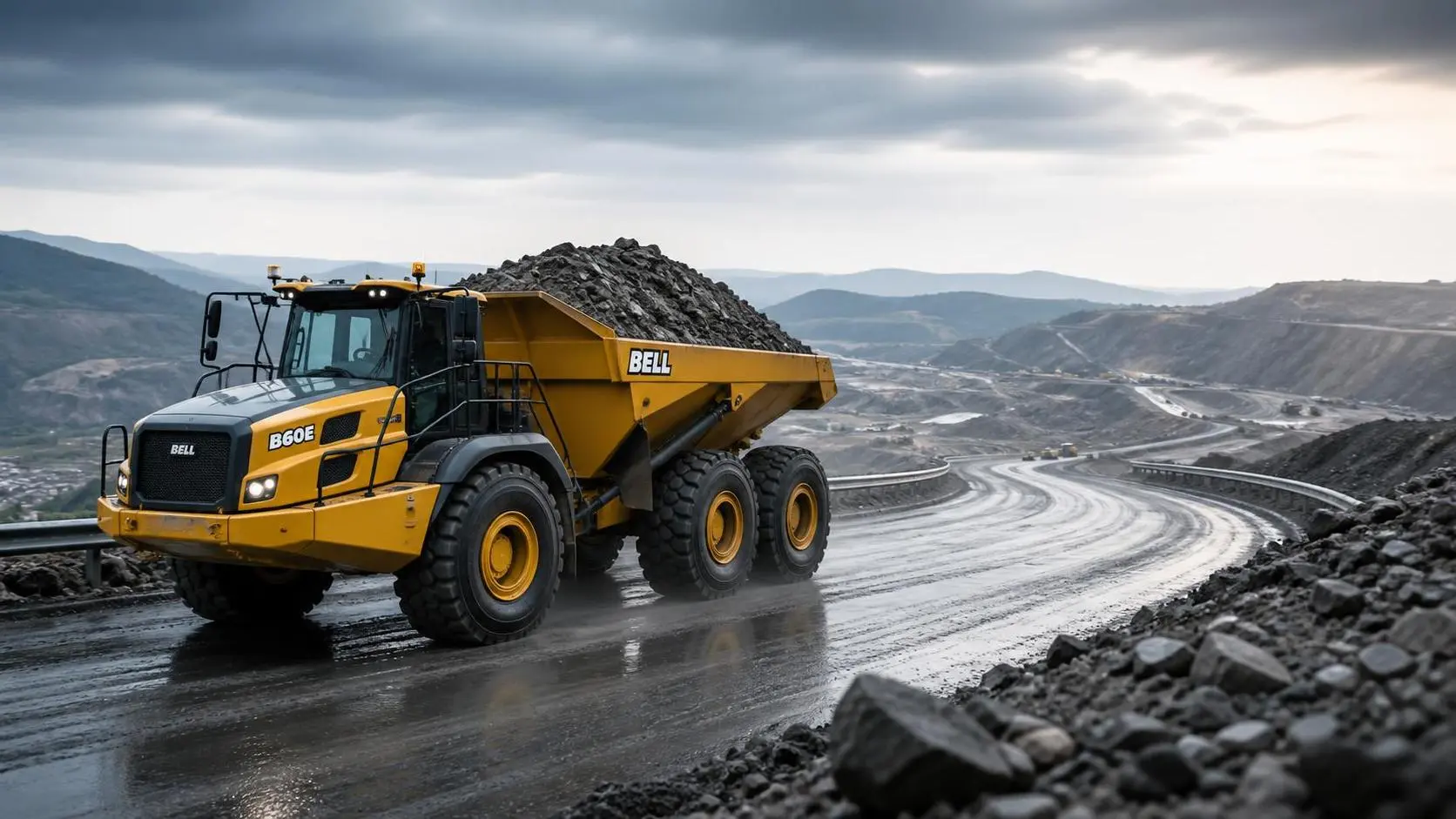
How to Evaluate Articulated Dump Trucks Payload for Haul Road Conditions and Cycle Efficiency
Articulated Dump Trucks payload evaluation starts with real haul road conditions, not brochure numbers. Learn how to balance payload, traction, grades, and cycle efficiency for safer, higher output.
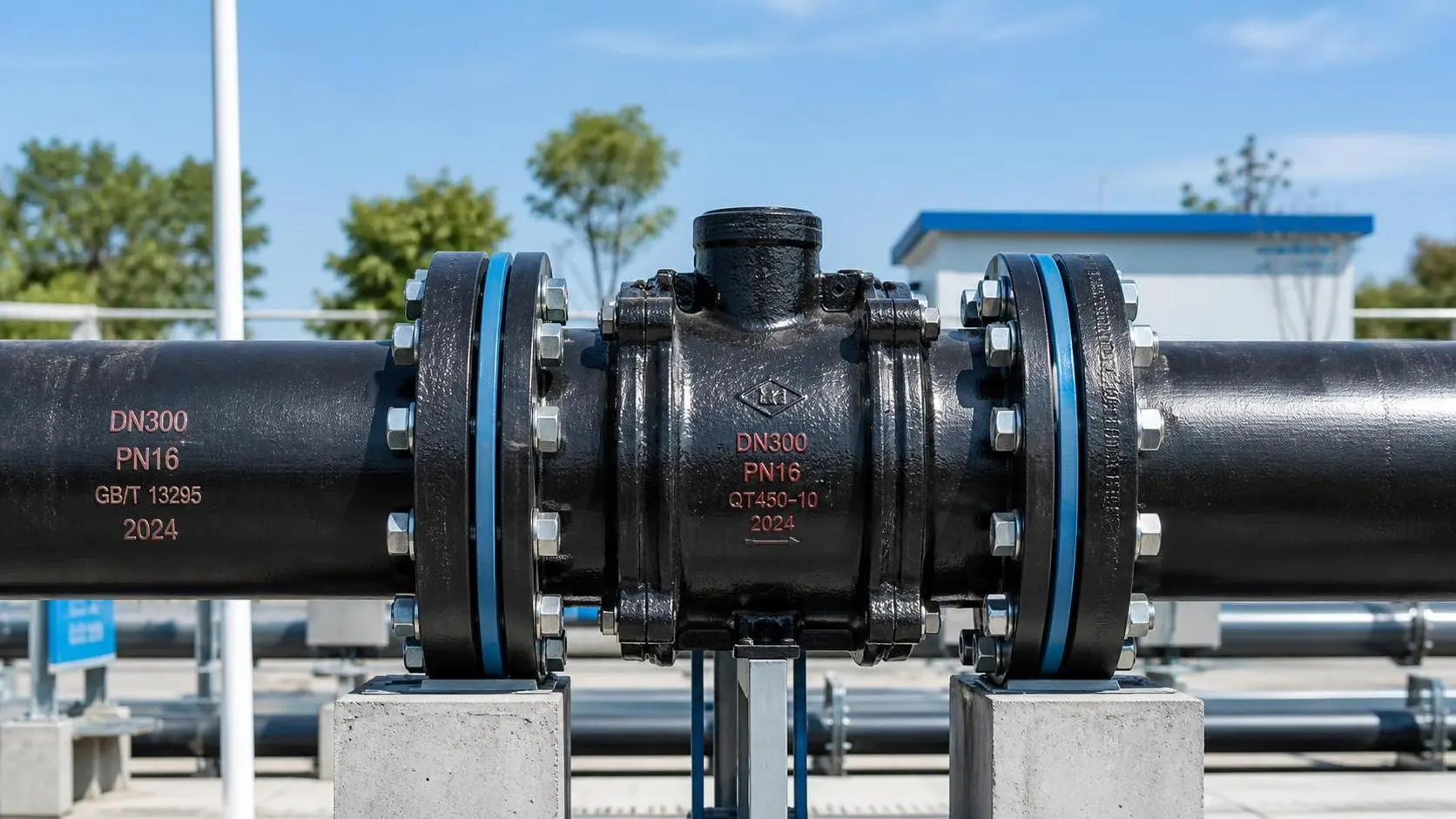
How Pipe Fittings Material and Pressure Class Affect Water Line Selection
Pipe fittings selection starts with material and pressure class. Learn how these factors affect water line reliability, corrosion resistance, installation, and long-term cost.
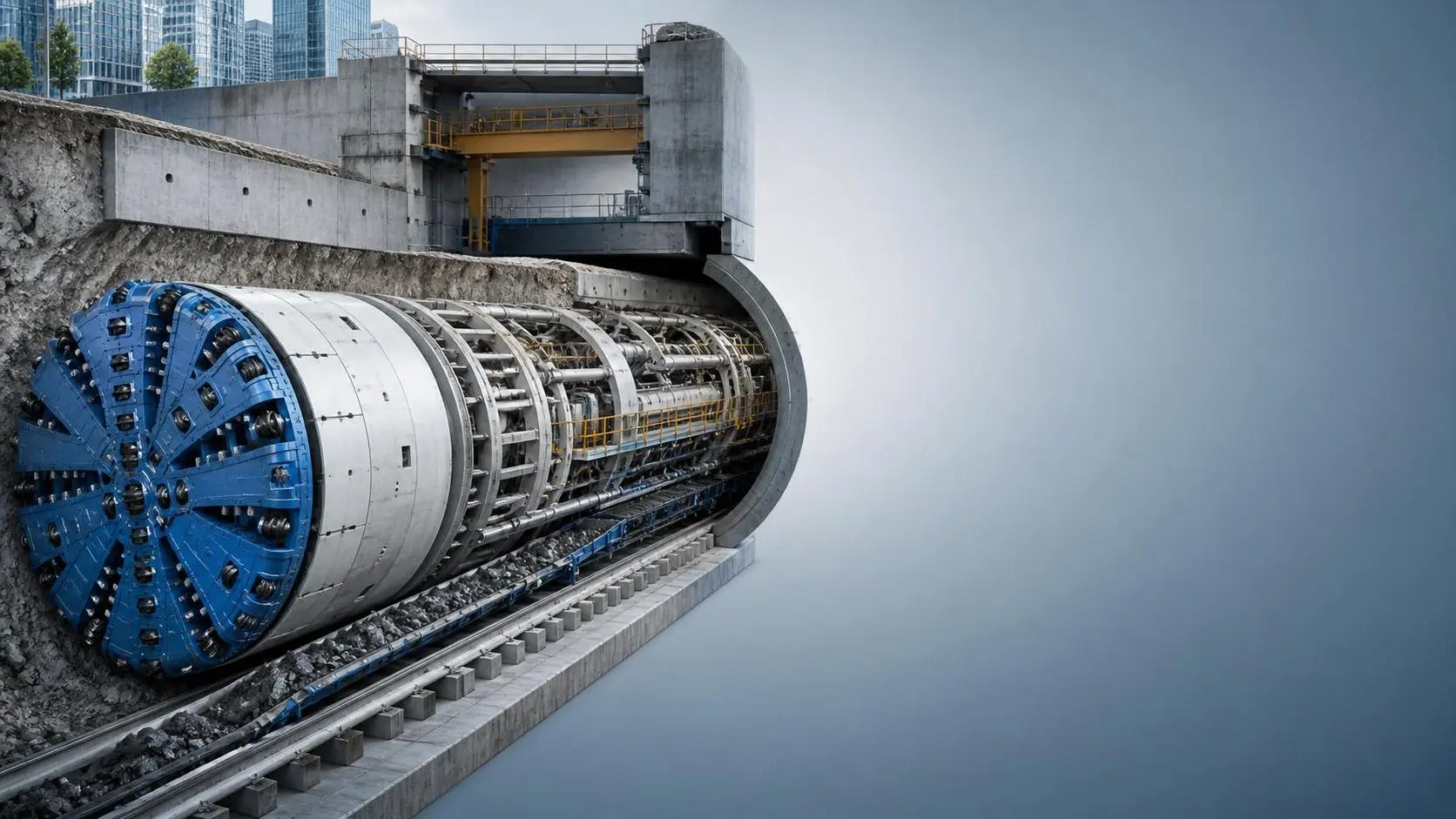
What Drives TBM Excavation Cost in Urban Tunneling Projects?
tbm excavation cost in urban tunneling depends on geology, shafts, segment lining, logistics, and risk. Discover the key cost drivers and compare bids with greater confidence.

What Does Energy Metals Mining in Australia Mean for Supply, Cost, and Project Risk?
Energy metals mining Australia is reshaping supply, cost, and project risk. Discover what it means for buyers, investors, and operators.
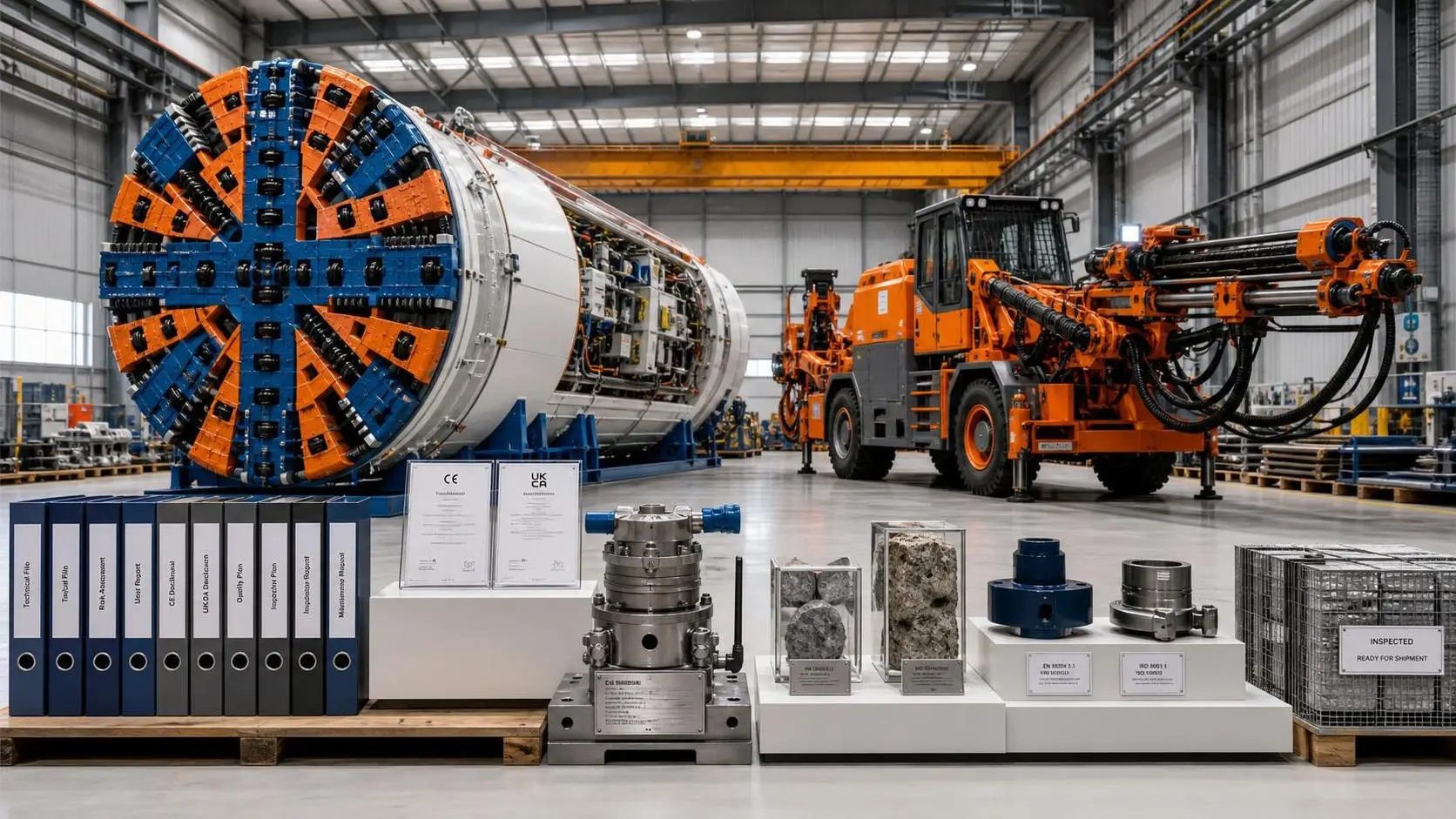
EU Eases Dual CE and UKCA Path for Chinese Tunnel Boring Equipment
EU eases CE and UKCA certification for Chinese tunnel boring equipment, cutting compliance time and helping importers move faster.
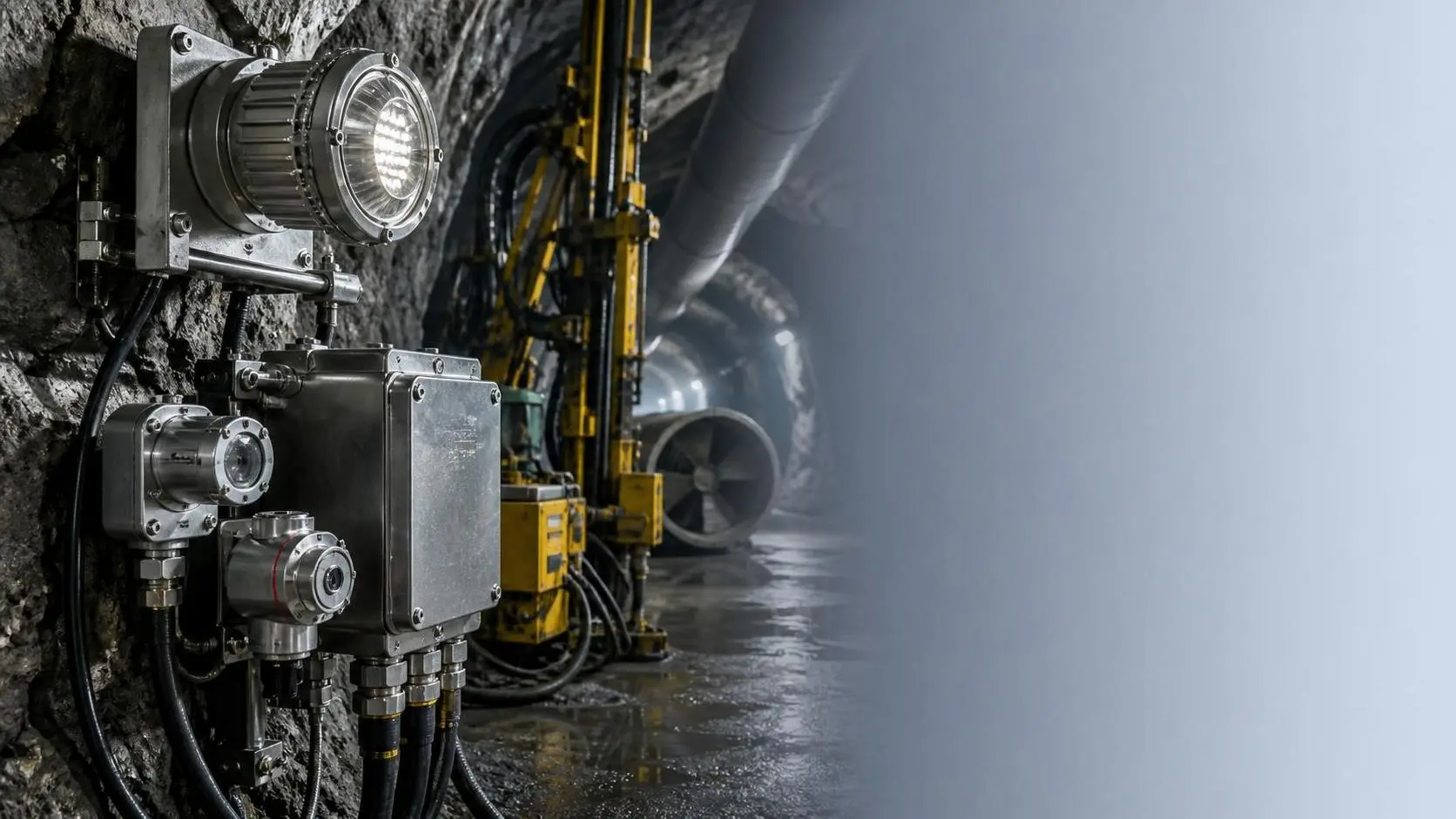
Flameproof Underground Safety Equipment: What Mine Teams Should Check Before Buying
Underground Safety Equipment flameproof buying guide: learn how mine teams should verify certification, durability, serviceability, and supplier support before purchase.
Related News
- 00
0000-00
How to Evaluate Underground Haulage Systems for Ore Output, Ramp Grade, and Ventilation Limits - 00
0000-00
How to Evaluate a Pipe Jacking Equipment Distributor for Project Support and Uptime - 00
0000-00
How to Build a Mining Decarbonization Strategy That Balances Emissions, Cost, and Fleet Reality - 00
0000-00
How to Evaluate Articulated Dump Trucks Payload for Haul Road Conditions and Cycle Efficiency - 00
0000-00
How Pipe Fittings Material and Pressure Class Affect Water Line Selection
Weekly Insights
Stay ahead with our curated technology reports delivered every Monday.