
Mining Dump Trucks Manufacturers: How to Compare Capacity, After-Sales Support, and TCO





Why do Mining Dump Trucks manufacturers need a deeper comparison now?
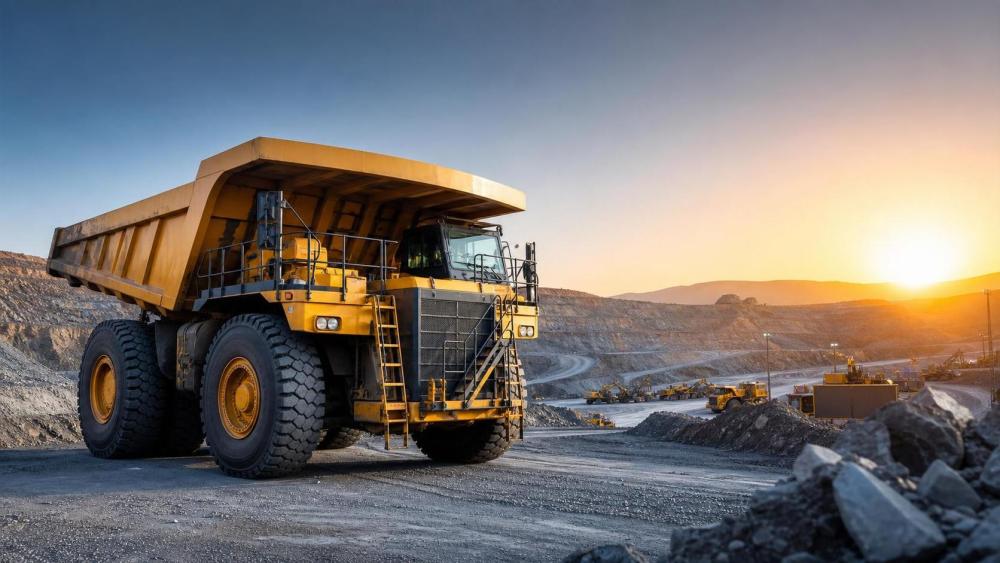
Comparing Mining Dump Trucks manufacturers used to start with payload and engine power. That is no longer enough for a sound buying decision.
In real mining operations, usable output depends on haul road grade, cycle time, tire life, service access, and operator behavior.
The stronger question is simple: which truck keeps material moving with fewer disruptions and lower lifetime cost?
That matters even more as electrification, automation, and ESG targets reshape equipment planning across large mines.
UTMD tracks this shift across underground transport, tunnel systems, and heavy haulage intelligence. The same pattern appears everywhere.
Buyers are moving from headline specifications toward lifecycle reliability, digital readiness, and operational fit in harsh environments.
So when reviewing Mining Dump Trucks manufacturers, the useful comparison is not brochure versus brochure. It is site reality versus promised performance.
Is rated payload the same as real capacity on site?
Usually, no. Rated payload is a reference point, but real capacity is the payload you can repeat safely across actual cycles.
A truck may look strong on paper and still underperform on steep ramps, poor haul roads, or high-altitude mines.
More useful checks include body volume, target material density, loading match with shovels, and braking confidence downhill.
For example, low-density overburden and dense copper ore create very different loading patterns, even with the same truck body.
A nominal 220-ton truck may reach target cycles in one mine and struggle in another because of rolling resistance.
When comparing Mining Dump Trucks manufacturers, ask for performance curves under site-specific conditions, not only catalog values.
It also helps to request simulation data covering loaded speed, empty return speed, gradeability, and fuel or energy draw.
That approach is consistent with how UTMD evaluates heavy equipment trends: mechanical capability must be tied to operating context.
A practical way to verify usable capacity
- Match truck body size to the loading tool and pass count.
- Check payload consistency across wet, loose, and fragmented material.
- Review braking and retarding performance on the longest downhill section.
- Measure tire wear sensitivity under full payload and cornering loads.
- Confirm whether derating appears in hot climate or high elevation conditions.
How should after-sales support be judged before signing?
After-sales support often decides whether an attractive quote becomes an expensive fleet problem six months later.
The key issue is response capability, not just warranty language. A broad service promise means little without local execution.
Mining Dump Trucks manufacturers vary widely in field technician coverage, diagnostic tools, and spare parts stocking discipline.
A realistic review should cover planned maintenance, emergency breakdown support, and component rebuild pathways.
This is especially important for hybrid, trolley-assist, or battery-electric truck programs, where software and power systems matter as much as hardware.
UTMD’s market tracking shows that digital service maturity is becoming a differentiator in both underground and surface fleets.
In practice, a supplier with better remote diagnostics may prevent hours of lost production before a mechanic arrives on site.
Questions worth asking during evaluation
The table is useful because support problems rarely begin with dramatic failures. More often, they start with small delays that compound into lost shifts.
What really drives TCO when comparing Mining Dump Trucks manufacturers?
Total cost of ownership is not the purchase price plus fuel. That shortcut usually leads to weak comparisons.
A better TCO model includes acquisition, financing, fuel or electricity, maintenance labor, tires, components, downtime, training, and resale or rebuild value.
For electric or trolley-ready trucks, infrastructure cost also needs a clear allocation method.
One supplier may quote a lower unit price, yet require more frequent tire replacement or consume more energy per ton-kilometer.
Another may cost more upfront but deliver stronger mechanical availability and lower unscheduled maintenance over five years.
This is where Mining Dump Trucks manufacturers should be compared using the same duty cycle assumptions, not mixed operating scenarios.
If the assumptions differ, the spreadsheet looks precise while the decision becomes less reliable.
TCO items that deserve closer attention
- Tire cost per operating hour under the actual haul profile.
- Brake and retarder wear on long descents.
- Hydraulic, drivetrain, and suspension component replacement intervals.
- Idle time caused by software, sensors, or communication faults.
- Energy recovery value for electric trucks on downhill routes.
- Residual value if fleet standardization changes later.
UTMD often highlights regenerative braking efficiency as more than a technical detail. In some haul profiles, it becomes a major cost lever.
Where do buyers make the biggest comparison mistakes?
The most common mistake is treating all Mining Dump Trucks manufacturers as comparable once payload class is matched.
That overlooks software architecture, axle loading behavior, maintenance access, and integration with autonomy or dispatch systems.
Another mistake is accepting generic references from unrelated mines. A coal haul road and a hard-rock copper mine can stress trucks very differently.
There is also a tendency to underestimate commissioning time. New fleets often require tuning, operator adaptation, and data calibration.
For low-emission fleets, charging strategy or trolley compatibility may become a hidden bottleneck if it was not modeled early.
A more disciplined comparison keeps technical claims tied to measurable site outcomes.
Quick warning signs during supplier review
- Performance data is offered without route, grade, or material assumptions.
- Service coverage depends heavily on third parties with unclear accountability.
- Autonomy readiness is claimed, but interfaces are not documented.
- TCO models exclude tires, downtime, or infrastructure.
- Pilot units are proposed without a defined measurement plan.
What is the smartest next step before choosing a supplier?
Start by building a comparison sheet around your actual mine profile, not around supplier brochure categories.
That means listing route lengths, gradients, material density, annual tonnage, maintenance structure, and decarbonization targets.
Then ask all Mining Dump Trucks manufacturers to respond against the same operating case and service scope.
A field validation phase is often worth the effort, especially where electrification or autonomous operation is under consideration.
UTMD’s broader heavy-equipment perspective is useful here. The best equipment choices usually come from combining mechanical, digital, and support intelligence.
In other words, compare what the truck does, how the supplier responds, and what the asset costs over time.
That three-part view is more reliable than chasing the biggest payload number or the lowest initial quote.
If the shortlist is still close, request a side-by-side scoring model covering capacity realism, after-sales depth, TCO, and future fleet compatibility.
The decision gets clearer when every claim is translated into uptime, cost per ton, and implementation risk.
Related News
How to Evaluate Underground Haulage Systems for Ore Output, Ramp Grade, and Ventilation Limits
Underground haulage systems should be evaluated by ore output, ramp grade, and ventilation limits—not brochures. Learn how to compare trucks, LHDs, and electric options for smarter mine planning.
How to Evaluate a Pipe Jacking Equipment Distributor for Project Support and Uptime
Pipe jacking equipment distributor evaluation made practical: learn how to assess parts support, service response, training, and technical readiness to reduce downtime and protect project uptime.
How to Build a Mining Decarbonization Strategy That Balances Emissions, Cost, and Fleet Reality
Mining decarbonization strategy starts with fleet reality. Learn how to cut emissions, control cost, and align power, ventilation, and production for a practical mine transition.
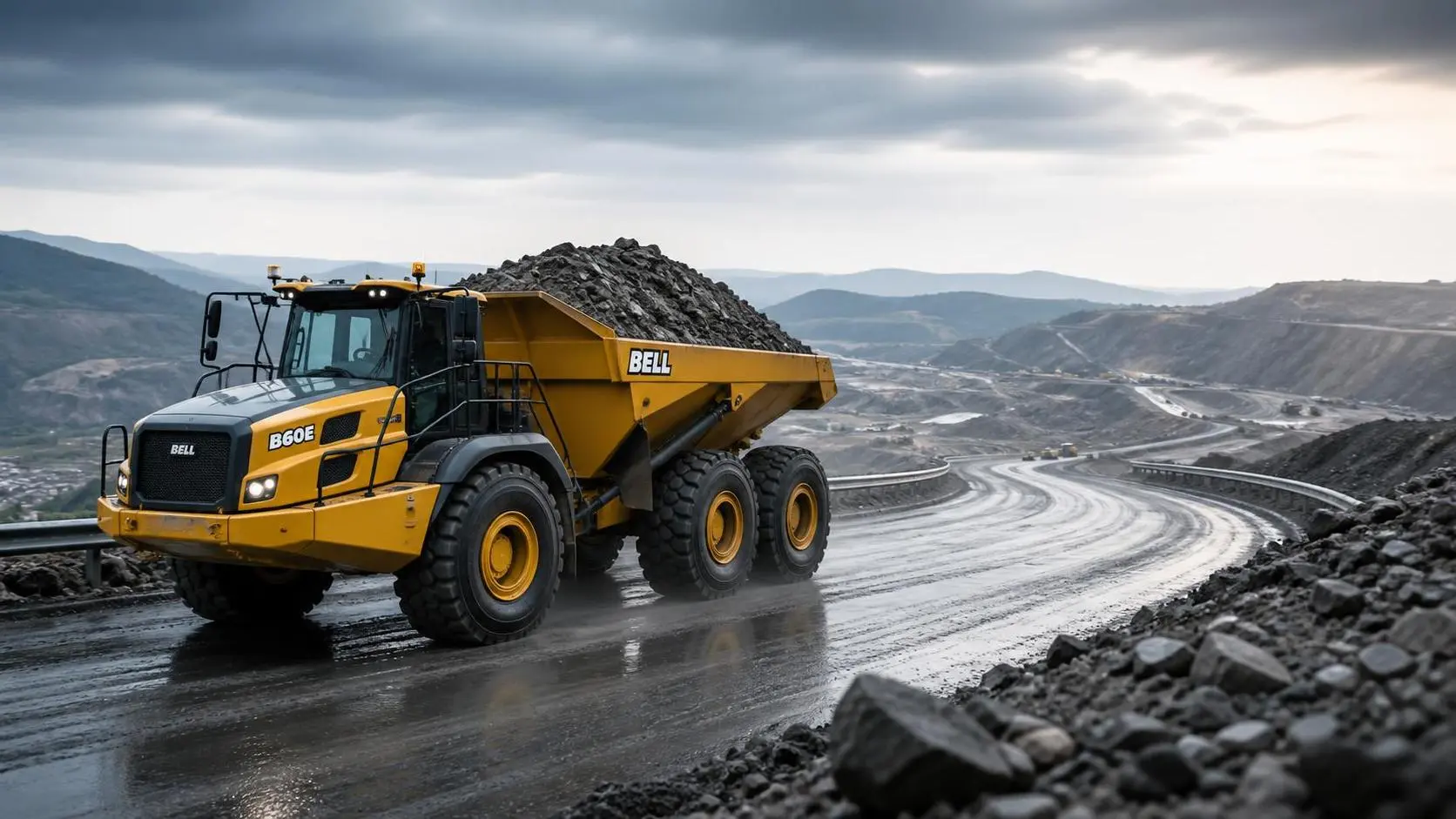
How to Evaluate Articulated Dump Trucks Payload for Haul Road Conditions and Cycle Efficiency
Articulated Dump Trucks payload evaluation starts with real haul road conditions, not brochure numbers. Learn how to balance payload, traction, grades, and cycle efficiency for safer, higher output.
How Pipe Fittings Material and Pressure Class Affect Water Line Selection
Pipe fittings selection starts with material and pressure class. Learn how these factors affect water line reliability, corrosion resistance, installation, and long-term cost.
What Drives TBM Excavation Cost in Urban Tunneling Projects?
tbm excavation cost in urban tunneling depends on geology, shafts, segment lining, logistics, and risk. Discover the key cost drivers and compare bids with greater confidence.
What Does Energy Metals Mining in Australia Mean for Supply, Cost, and Project Risk?
Energy metals mining Australia is reshaping supply, cost, and project risk. Discover what it means for buyers, investors, and operators.
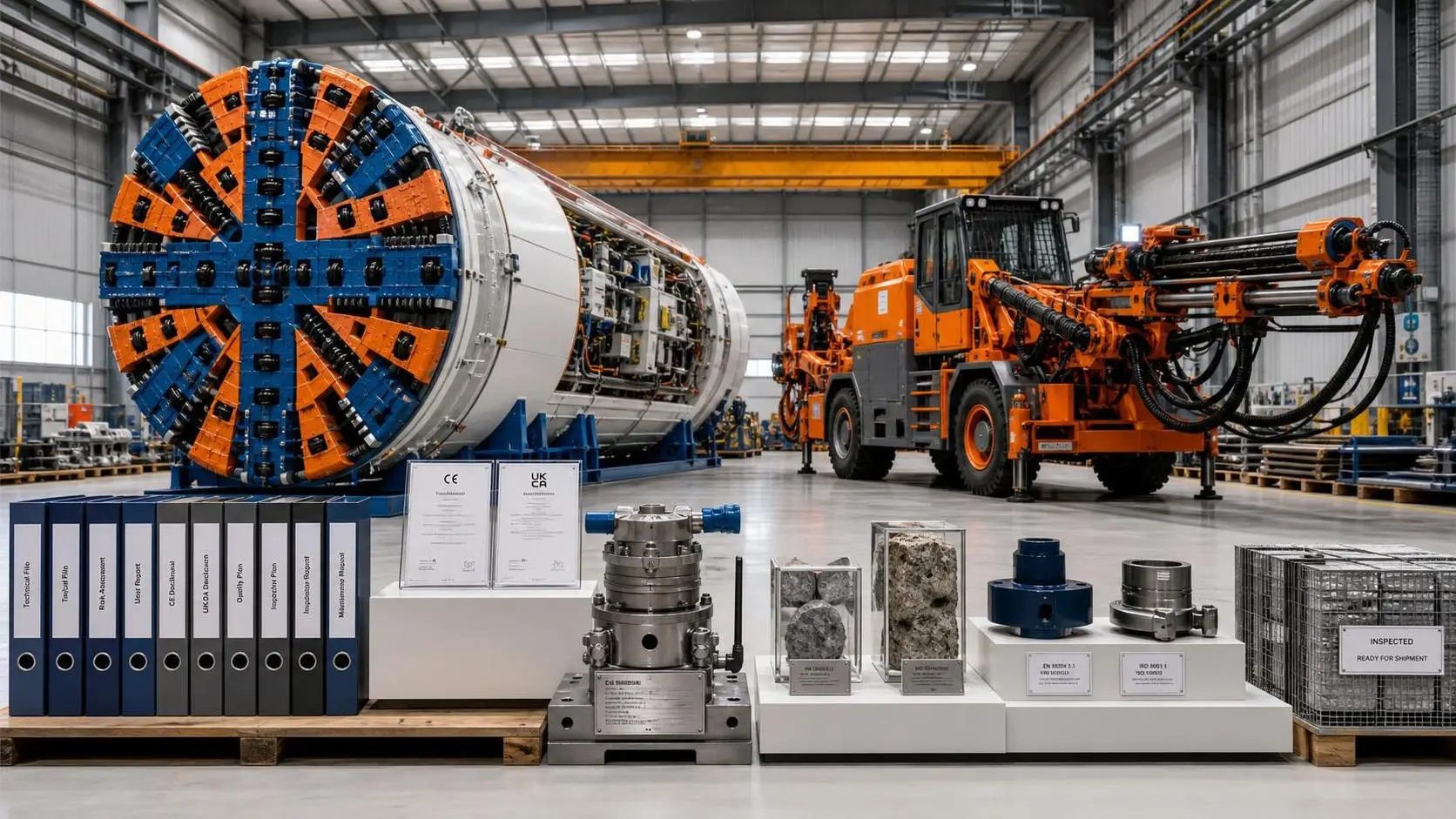
EU Eases Dual CE and UKCA Path for Chinese Tunnel Boring Equipment
EU eases CE and UKCA certification for Chinese tunnel boring equipment, cutting compliance time and helping importers move faster.
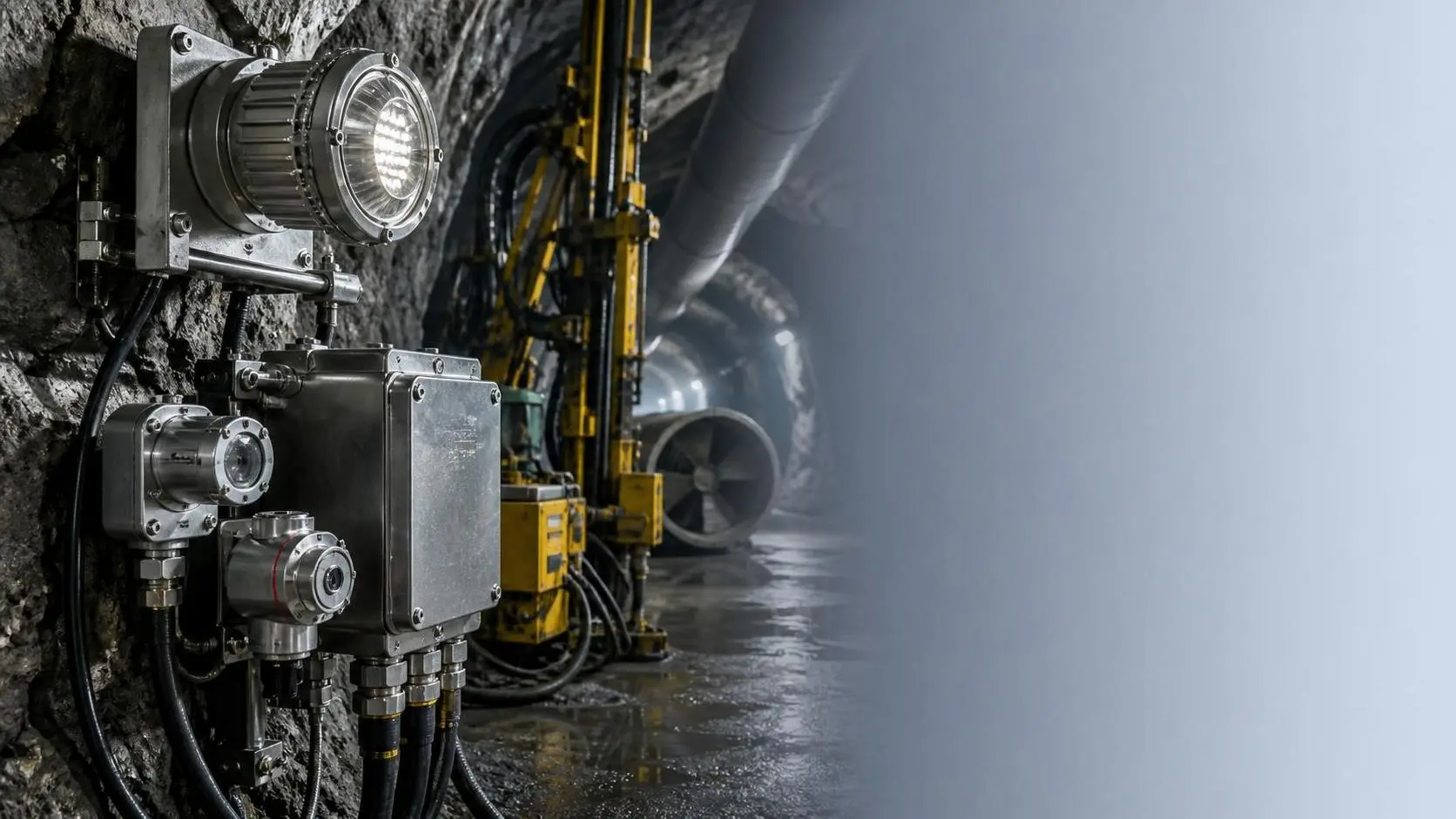
Flameproof Underground Safety Equipment: What Mine Teams Should Check Before Buying
Underground Safety Equipment flameproof buying guide: learn how mine teams should verify certification, durability, serviceability, and supplier support before purchase.
Related News
- 00
0000-00
How to Evaluate Underground Haulage Systems for Ore Output, Ramp Grade, and Ventilation Limits - 00
0000-00
How to Evaluate a Pipe Jacking Equipment Distributor for Project Support and Uptime - 00
0000-00
How to Build a Mining Decarbonization Strategy That Balances Emissions, Cost, and Fleet Reality - 00
0000-00
How to Evaluate Articulated Dump Trucks Payload for Haul Road Conditions and Cycle Efficiency - 00
0000-00
How Pipe Fittings Material and Pressure Class Affect Water Line Selection
Weekly Insights
Stay ahead with our curated technology reports delivered every Monday.