
Tunnel Boring Equipment for Tunnels: Key Machine Types and How to Choose by Ground Conditions





Choosing Tunnel Boring Equipment for tunnels begins with geology, not with machine size or brand preference. Ground conditions determine excavation stability, cutter wear, face support needs, water control, spoil handling, and the pace a project can realistically sustain.
That is why equipment selection has become a strategic decision across transport tunnels, utility corridors, metro expansion, water transfer works, and mining access development. A mismatch between machine and ground can turn schedule pressure into cost escalation very quickly.
In today’s underground market, the discussion is also broader than excavation alone. Reliability, automation, energy use in confined spaces, digital monitoring, and downstream logistics now shape how Tunnel Boring Equipment for tunnels is evaluated from the earliest planning stage.
Why ground conditions remain the first decision point
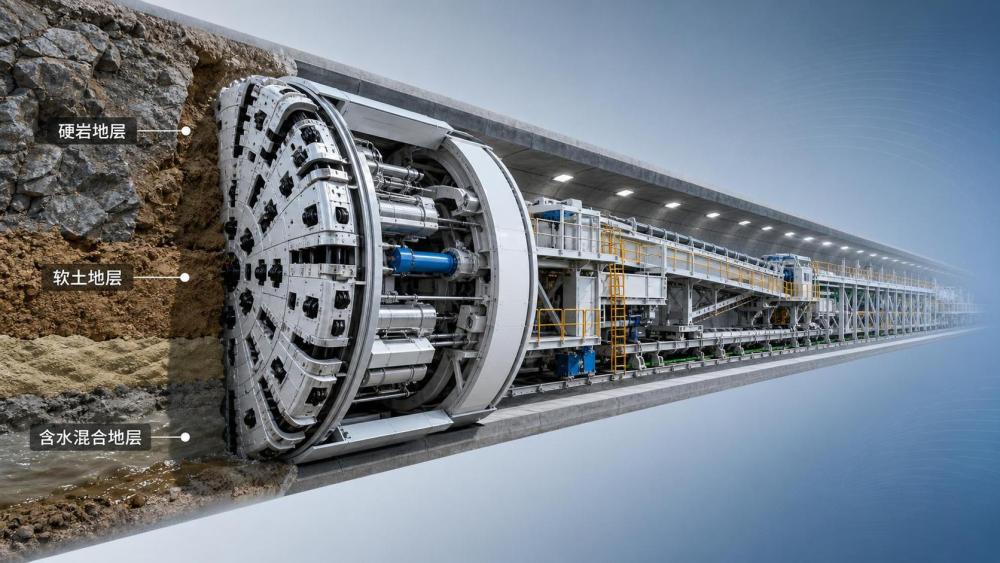
A tunnel boring machine works against the ground continuously. Unlike drill-and-blast methods, it cannot easily change excavation behavior every few meters without consequences for performance and risk.
Hard, massive rock demands strong cutterhead structure, high thrust, and disc cutters that tolerate impact and abrasion. Soft ground requires controlled face pressure, careful muck conditioning, and reliable sealing against inflow.
Mixed-face conditions are often the most difficult. Part of the cutterhead may encounter rock while another section cuts clay, sand, or weathered material. That imbalance can affect torque, alignment, settlement risk, and tool consumption.
For this reason, geotechnical interpretation matters as much as geotechnical data collection. Boreholes, lab tests, hydrogeology, fault mapping, and previous local tunnelling records should be read together, not separately.
The main machine families in Tunnel Boring Equipment for tunnels
The phrase Tunnel Boring Equipment for tunnels covers several machine concepts, each suited to different pressure regimes and material behavior. The key is understanding what each type is designed to control.
Hard rock TBMs
Hard rock machines use rolling disc cutters to fracture competent rock. They are common in mountain tunnels, hydropower schemes, and long infrastructure drives through stable formations.
Open gripper TBMs perform well where the surrounding rock can stand temporarily. Shielded hard rock TBMs are preferred when rock quality changes or segmental lining is needed sooner.
Earth Pressure Balance machines
EPB machines support the face using conditioned excavated material inside the chamber. They are widely used in clay, silt, sandy soils, and urban ground where settlement control is critical.
Their strength is pressure management close to the face. Their weakness appears when soils are too permeable, too coarse, or heavily water-bearing without suitable conditioning response.
Slurry shield machines
Slurry machines stabilize the face with pressurized slurry. They are effective in loose granular ground, under rivers or harbors, and in strata with high groundwater pressure.
They usually demand more complex separation plants and fluid management. However, that added surface system often buys stronger control where inflow risk is too high for simpler approaches.
Convertible and mixed-ground designs
Some projects justify convertible machines that shift between EPB and slurry modes, or hybrid shield designs built for variable geology. They cost more upfront but can reduce exposure on long mixed sections.
How ground conditions change the selection logic
Ground classification should go beyond simple labels such as hard rock or soft soil. The practical selection of Tunnel Boring Equipment for tunnels depends on several interacting variables.
- Rock strength and brittleness influence cutter type, thrust demand, and expected penetration rate.
- Abrasion potential affects disc consumption, maintenance intervals, and spare parts planning.
- Permeability and groundwater pressure determine whether face support must rely on earth pressure or slurry circuits.
- Boulder content and mixed face conditions can destabilize cutterhead loading and spoil extraction.
- Fault zones, squeezing ground, or swelling clay may reduce advance more than strength alone suggests.
Urban settings add another layer. Even if the geology is manageable, sensitivity of surface structures may push the choice toward machines with tighter pressure and settlement control.
Long tunnel alignment also matters. A short difficult section may be handled by local treatment measures. A long difficult section often justifies a different machine concept altogether.
What project performance really depends on
Many selection discussions focus only on excavation rate. In practice, total performance of Tunnel Boring Equipment for tunnels comes from the whole production chain.
Cutterhead design, backup layout, segment handling, ventilation, conveyor or slurry transport, grout systems, and maintenance access all influence actual utilization.
This broader view is increasingly visible across UTMD coverage. The machine is only one part of an underground system that now includes electrified support equipment, digital monitoring, and integrated logistics planning.
For example, highly abrasive rock may not stop a project because of cutting difficulty alone. It may instead reduce productivity through repeated interventions, slow tool changes, and uncertain inventory cycles.
Likewise, a soft-ground machine can look technically suitable on paper but struggle if spoil conditioning, separation, or segment supply is poorly matched to daily production targets.
Current industry signals shaping equipment decisions
The market for Tunnel Boring Equipment for tunnels is changing in ways that matter during early planning. Buyers are asking for more than excavation capability.
One shift is the demand for better data. Sensor-rich cutterheads, condition monitoring, and performance dashboards help teams detect abnormal wear, chamber instability, and alignment drift earlier.
Another shift is the push toward lower-emission underground operations. This aligns with the wider UTMD view of electrification and smarter transport across tunnelling and mining environments.
Digitalization also changes procurement thinking. A machine with stronger diagnostic visibility can support better maintenance planning, especially on remote or high-consequence projects.
There is also more attention on lifecycle reliability. Owners increasingly compare expected downtime, cutter intervention strategy, and supply chain resilience instead of focusing only on launch date.
A practical framework for choosing Tunnel Boring Equipment for tunnels
A useful evaluation process starts by narrowing uncertainty before narrowing vendors. The strongest machine choice usually comes from disciplined screening across technical and operational criteria.
Build the selection around these questions
- What ground conditions dominate the alignment, and where are the transitions?
- Which risk is harder to absorb: slow advance, settlement, inflow, or intervention delay?
- How often will tools need replacement, and can that be done safely under expected pressures?
- What support systems are required on the surface and in the backup train?
- How sensitive is the project to power demand, emissions, and underground ventilation constraints?
- What level of automation and remote diagnostics will reduce operational uncertainty?
Treat procurement as a risk allocation exercise
Selection should not end with machine type. Contract structure, geological baseline definition, cutter consumption assumptions, and spare strategy all shape commercial outcomes.
That is where intelligence platforms such as UTMD become useful. Comparative insight across TBMs, trenchless systems, and underground haulage gives context that a single equipment brochure cannot provide.
Where to look next before committing
Before finalizing Tunnel Boring Equipment for tunnels, review the alignment in sections rather than averages. The difficult ten percent often controls the design of the whole machine.
Compare candidate solutions against expected intervention frequency, face support margin, spoil management method, and logistics compatibility. That comparison is usually more revealing than headline advance rates.
It is also worth checking how the machine fits the broader underground ecosystem. Support equipment, power strategy, digital diagnostics, and maintenance access should reinforce the same operating model.
A grounded decision starts with geology, but it should end with a complete systems view. When the machine type, ground response, and project controls align, tunnel delivery becomes more predictable and more defensible.
Related News
Tunnel Boring Machine Costs: Budgeting for Purchase, Operation, and Project Risk
Tunnel Boring Machines cost more than purchase price. Learn how to budget lifecycle costs, downtime, logistics, wear, and project risk for smarter TBM decisions.
Open-Pit Haulage Cost Analysis: How Mine Managers Can Cut Cost per Tonne
Open pit haulage cost analysis: discover practical ways to reduce cost per tonne through payload control, cycle-time optimization, road performance, and smarter fleet decisions.
Tunnel Construction Innovations That Reduce Risk and Schedule Delays on Urban Projects
Tunnel construction innovation for urban projects: discover smarter TBMs, real-time monitoring, trenchless methods, and automation that reduce risk and protect schedules.
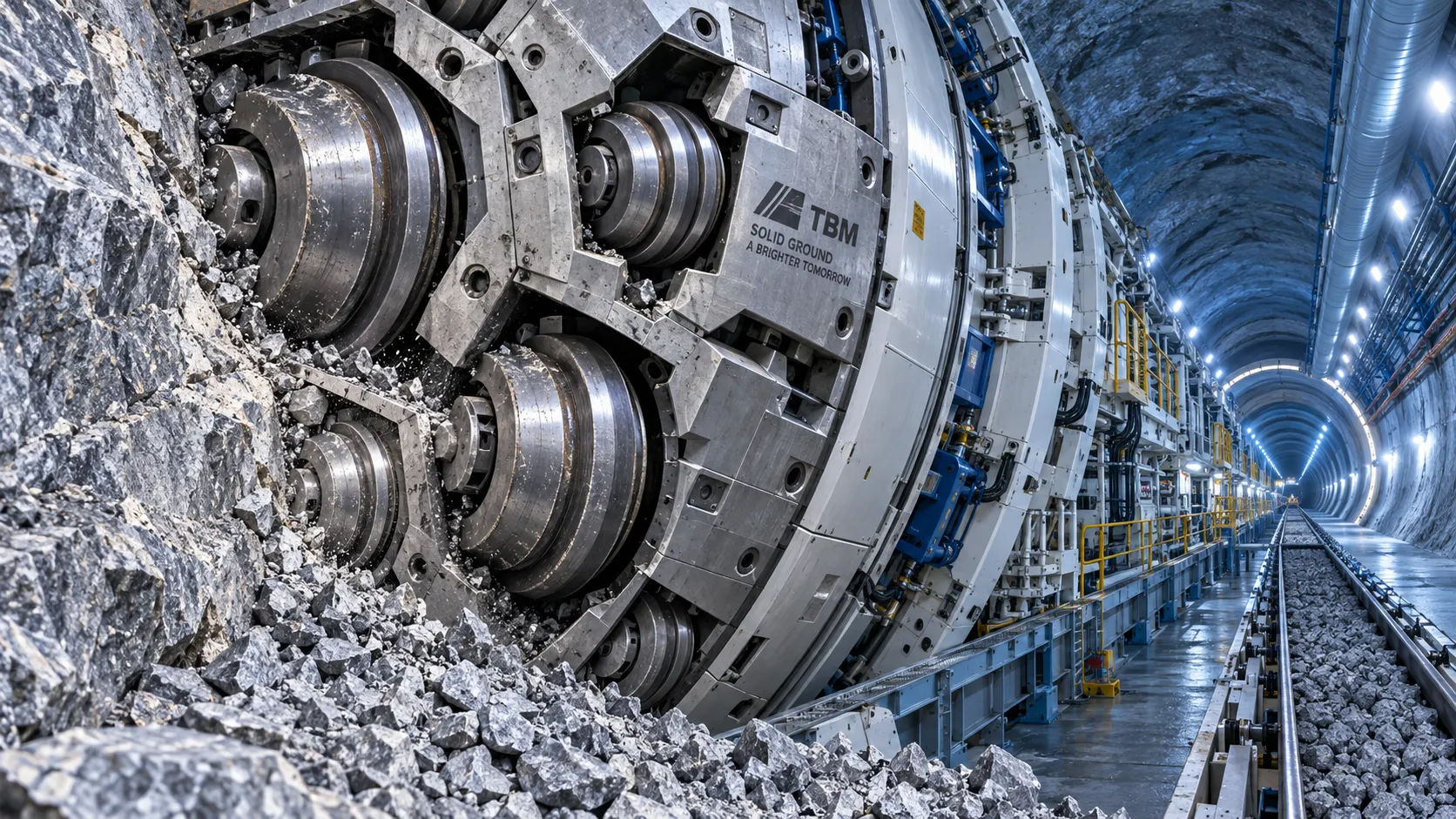
TBM Disc Cutter Design: Key Geometry and Load Factors for Hard Rock Tunnelling
TBM disc cutter design explained: explore geometry, spacing, load distribution and maintenance factors for reliable, efficient hard-rock tunnelling performance.
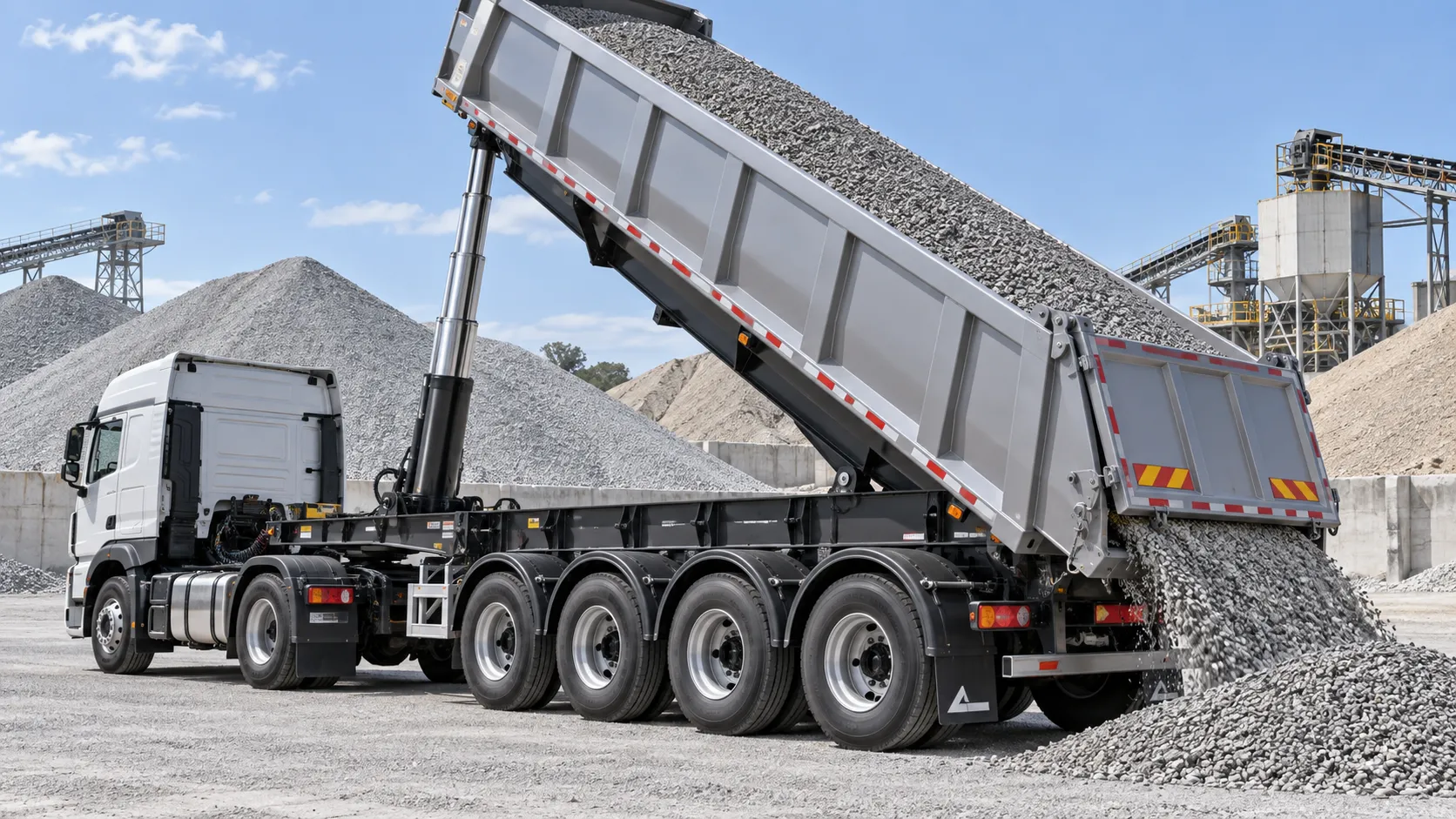
Hydraulic Tipping Stability Risks in Multi-Axle Dump Special Trailers
Dump special trailers: discover key hydraulic tipping stability risks, multi-axle load dynamics, and practical safety controls for safer, smarter bulk hauling.
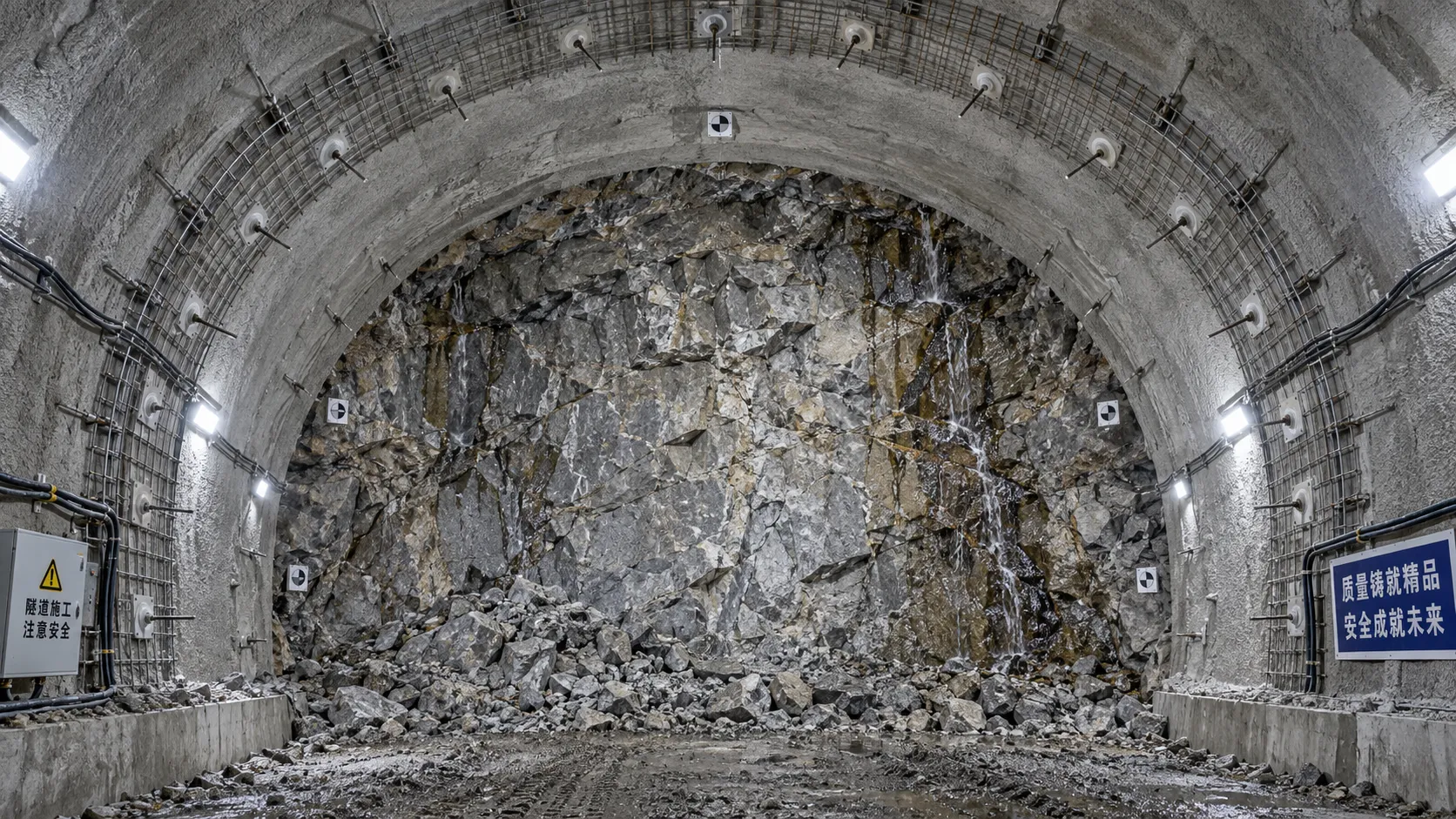
When rock reinforcement in tunnel construction must change after blasting
Rock reinforcement in tunnel construction must change when blasting reveals overbreak, weak joints, water inflow, or deformation. Discover key post-blast support decisions.
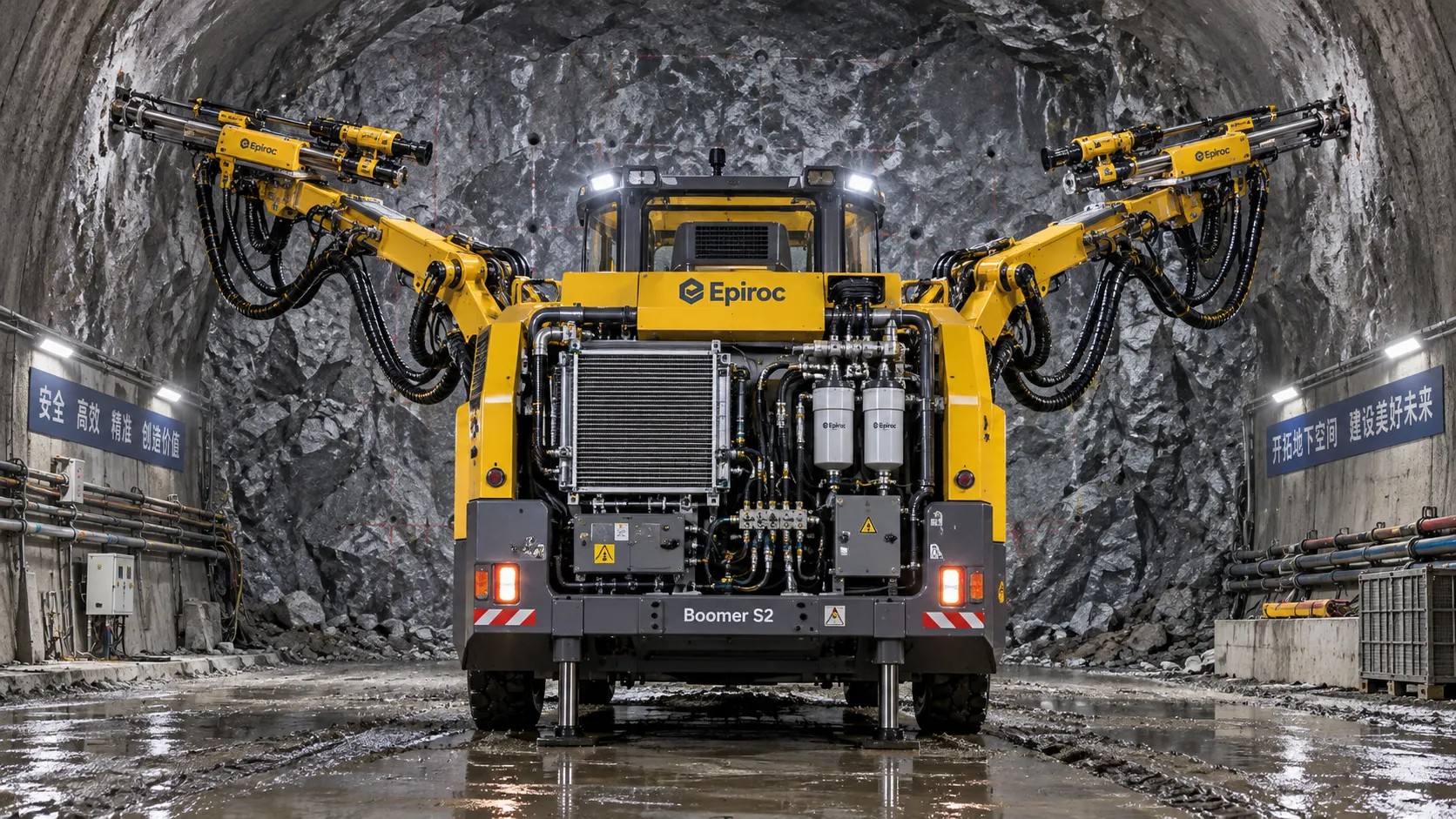
How tunnel hydraulic systems influence drill jumbo uptime underground
Tunnel hydraulic systems directly influence drill jumbo uptime. Explore how stable pressure, clean oil, cooling, and maintainable design reduce underground downtime.
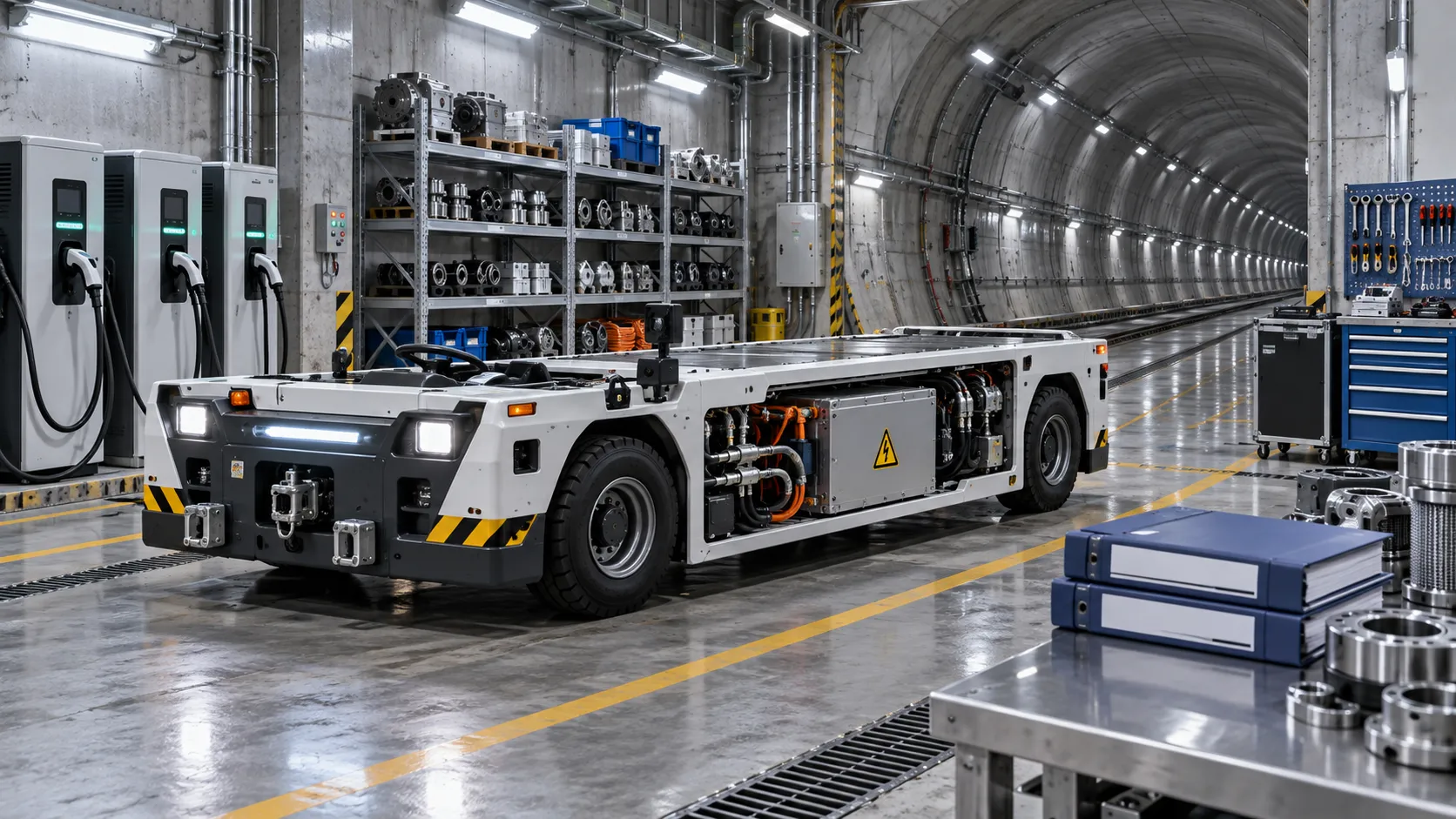
What to verify before appointing a tunneling vehicles manufacturer
Choosing a tunneling vehicles manufacturer? Verify application fit, reliability, compliance, parts support, training, and channel terms before appointing a partner.
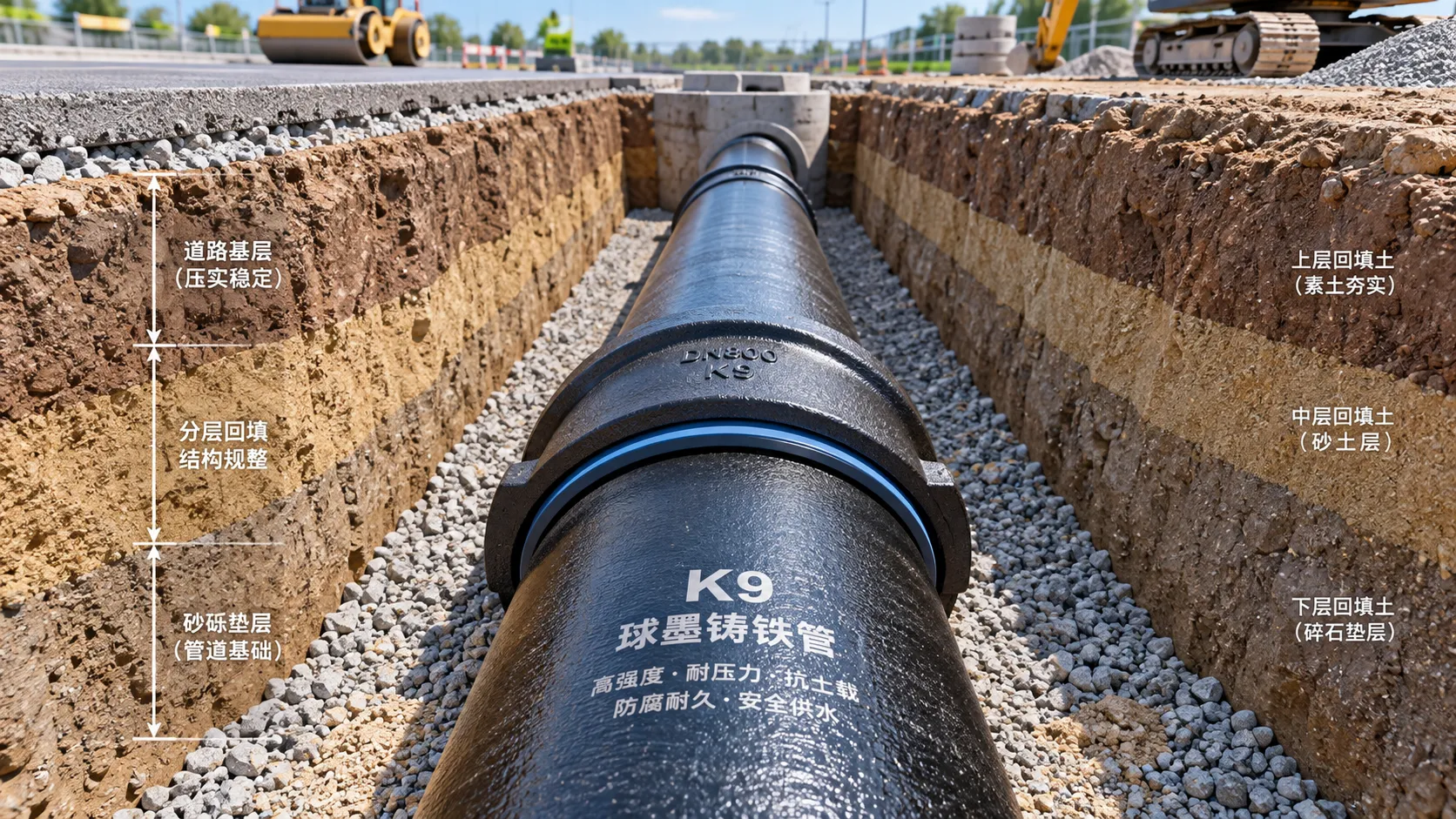
Selecting K9 Ductile Iron Pipe for Buried Water Pipeline Conditions
K9 ductile iron pipe selection for buried water pipelines: compare pressure duty, joints, soil loads, corrosion protection, and installation controls for reliable long-term performance.
Related News
- 00
0000-00
Tunnel Boring Machine Costs: Budgeting for Purchase, Operation, and Project Risk - 00
0000-00
Open-Pit Haulage Cost Analysis: How Mine Managers Can Cut Cost per Tonne - 00
0000-00
Tunnel Construction Innovations That Reduce Risk and Schedule Delays on Urban Projects - 00
0000-00
TBM Disc Cutter Design: Key Geometry and Load Factors for Hard Rock Tunnelling - 00
0000-00
Hydraulic Tipping Stability Risks in Multi-Axle Dump Special Trailers
Weekly Insights
Stay ahead with our curated technology reports delivered every Monday.