
Tunnel Excavation Systems Explained: Types, Ground Conditions, and Selection Criteria





Why do Tunnel Excavation Systems matter so much in underground construction?
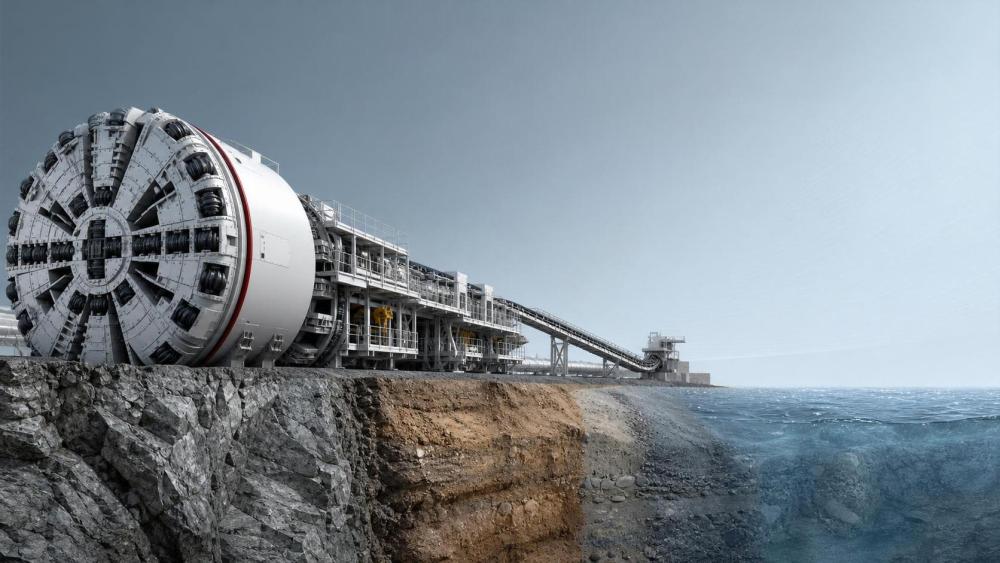
Tunnel Excavation Systems decide more than advance speed. They shape safety, surface settlement, energy use, lining strategy, and long-term operating cost.
That is why the topic attracts attention far beyond equipment catalogs. A tunnel is built inside uncertain geology, not inside a controlled factory.
In practical terms, the right system must match rock behavior, groundwater pressure, tunnel diameter, alignment, and site constraints.
A machine that performs well in competent granite may struggle in swelling clay. A method suited to greenfield rail work may fail under dense urban utilities.
This is also where industry intelligence becomes useful. Platforms such as UTMD track how TBMs, pipe jacking systems, drilling jumbos, and underground haulage technologies perform under real field conditions.
Instead of treating Tunnel Excavation Systems as a single category, it is more accurate to see them as a family of solutions shaped by geology and risk.
When people say Tunnel Excavation Systems, what types are usually included?
The term usually covers full-face mechanized excavation and conventional excavation methods. The most common choices differ by diameter, ground condition, and project objectives.
Full-face TBM systems
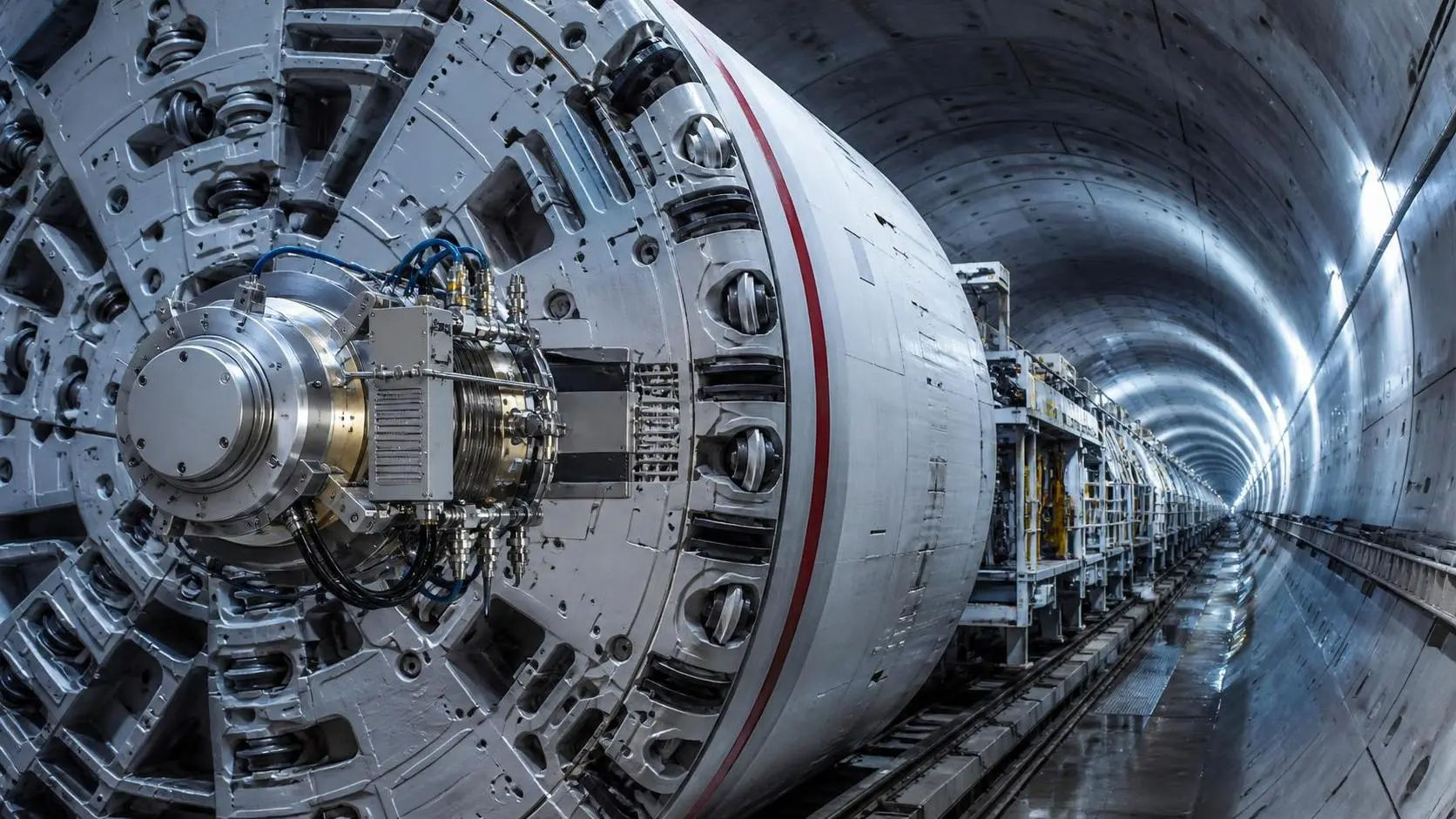
Tunnel Boring Machines are the best-known Tunnel Excavation Systems. They excavate the full face and often integrate muck removal, ground support, and segment installation.
Main TBM families include hard rock TBMs, Earth Pressure Balance machines, and slurry shield TBMs. Each one manages ground pressure differently.
Roadheaders and partial-face systems
Roadheaders use a cutting head on a boom. They are more flexible in variable shapes, cross passages, and weaker rock, but usually slower than full-face TBMs.
Drill-and-blast excavation
For very hard rock or irregular tunnel geometry, drill-and-blast remains a relevant option. Drilling jumbos, charging, blasting, scaling, and support follow in cycles.
It is still part of the wider Tunnel Excavation Systems discussion because selection often compares mechanized excavation with conventional cyclic methods.
Pipe jacking and microtunnelling
These systems are common for utility drives and municipal crossings. They minimize surface disruption and are highly relevant in congested cities.
UTMD often places these technologies beside TBMs because both depend on careful control of face stability, spoil transport, and guidance accuracy.
Which ground conditions change the selection most?
Ground conditions are usually the first filter. They determine cutting forces, face support needs, wear rates, inflow risk, and the likelihood of settlement or collapse.
In hard rock, the key questions are strength, abrasivity, fracture pattern, and squeezing potential. Disc cutter wear and machine thrust become central selection points.
In soft ground, grain size distribution, plasticity, permeability, and groundwater pressure matter more. Face support must stay stable from the first rotation onward.
Mixed-face ground is often the real challenge. One part of the cutterhead may meet rock, while another meets soil or water-bearing material.
That combination can trigger uneven wear, unstable torque, and pressure-control problems. Many Tunnel Excavation Systems look efficient on paper, then lose performance in mixed geology.
Urban projects add another layer. Existing foundations, utilities, vibration limits, and settlement tolerances can be as decisive as geology itself.
This kind of comparison is often more useful than asking which machine is simply better. The better question is which system stays predictable under the expected ground range.
How do engineers actually choose between different Tunnel Excavation Systems?
Selection usually starts with constraints, not preferences. Geotechnical baseline data, tunnel length, diameter, alignment, cover depth, and environmental limits set the frame.
After that, the decision becomes a balance between technical fit and operational practicality. A highly specialized TBM may deliver excellent performance, but only if logistics and maintenance support are realistic.
A practical screening process often includes the following points:
- Expected range of ground classes, not just the dominant layer.
- Groundwater pressure and dewatering restrictions.
- Need for continuous lining installation during advance.
- Access shaft size, power supply, spoil handling, and ventilation.
- Intervention frequency for cutter changes or maintenance.
- Schedule sensitivity to breakdowns or slow restart conditions.
In real projects, the most reliable choice is often the one with fewer hidden failure modes. That can matter more than the highest theoretical advance rate.
UTMD’s research lens is useful here because equipment choice increasingly connects with electrification, digital monitoring, predictive maintenance, and automated material flow underground.
What differences usually matter most: cost, speed, or risk?
All three matter, but they rarely point to the same answer. Tunnel Excavation Systems should be compared on total project effect, not headline machine price.
A TBM can require major upfront investment, factory lead time, backup systems, and segment logistics. Yet on long, repetitive drives, it may reduce unit cost and improve consistency.
Drill-and-blast can appear more flexible and cheaper at the start. However, cycle time, overbreak, ventilation, and support installation may extend the schedule.
For urban utility work, pipe jacking or microtunnelling often wins because traffic disruption and surface restoration costs stay lower, even when plant complexity increases.
Risk is where many comparisons sharpen. Consider these common judgment points:
- Can the system tolerate geology that is worse than the investigation suggests?
- How difficult is intervention under pressure or in unstable ground?
- Will wear parts, slurry treatment, or spoil handling become schedule bottlenecks?
- Are emissions, heat, and confined-space safety manageable on the planned cycle?
That last point is gaining weight. Zero-emission underground operations and smarter haulage support are no longer side topics in modern excavation planning.
What mistakes are common when evaluating Tunnel Excavation Systems?
One common mistake is selecting around average geology. Tunnels are affected by the difficult zones, transitions, and local anomalies that interrupt normal production.
Another mistake is treating the machine as the whole system. Excavation depends on cutters, conveyors, slurry circuits, segment supply, ventilation, mapping, and haulage.
There is also a tendency to underestimate maintenance access. In abrasive ground, cutter inspection strategy can change both schedule reliability and intervention safety.
For smaller drives, people sometimes overlook pipe jacking or microtunnelling because TBMs dominate public attention. In dense cities, trenchless systems may be the more rational answer.
A final blind spot is separating excavation from downstream mining or infrastructure logistics. Advanced Tunnel Excavation Systems increasingly connect with digital sensing, fleet coordination, and energy management.
That broader view is visible across UTMD’s coverage of TBMs, underground LHDs, electrified transport, and monitoring technologies. The excavation face is only one part of underground productivity.
So what is the smartest next step when comparing options?
Start by listing the non-negotiables: ground range, groundwater pressure, diameter, settlement limits, alignment geometry, and required completion window.
Then compare Tunnel Excavation Systems against those conditions, not against marketing claims. A shorter candidate list usually becomes clearer once difficult sections are examined first.
It also helps to build a simple decision sheet covering cutter wear risk, face support method, spoil logistics, energy demand, intervention complexity, and backup system needs.
For deeper understanding, follow field-based intelligence rather than generic descriptions. Performance trends in hard rock cutting, trenchless urban work, and electrified underground transport often reveal what standard brochures miss.
In the end, Tunnel Excavation Systems are selected well when geology, operations, and lifecycle risk are read together. That approach leads to choices that are safer, steadier, and more economically defensible.
Related News
How to Evaluate Articulated Dump Trucks Payload for Haul Road Conditions and Cycle Efficiency
Articulated Dump Trucks payload evaluation starts with real haul road conditions, not brochure numbers. Learn how to balance payload, traction, grades, and cycle efficiency for safer, higher output.
How Pipe Fittings Material and Pressure Class Affect Water Line Selection
Pipe fittings selection starts with material and pressure class. Learn how these factors affect water line reliability, corrosion resistance, installation, and long-term cost.
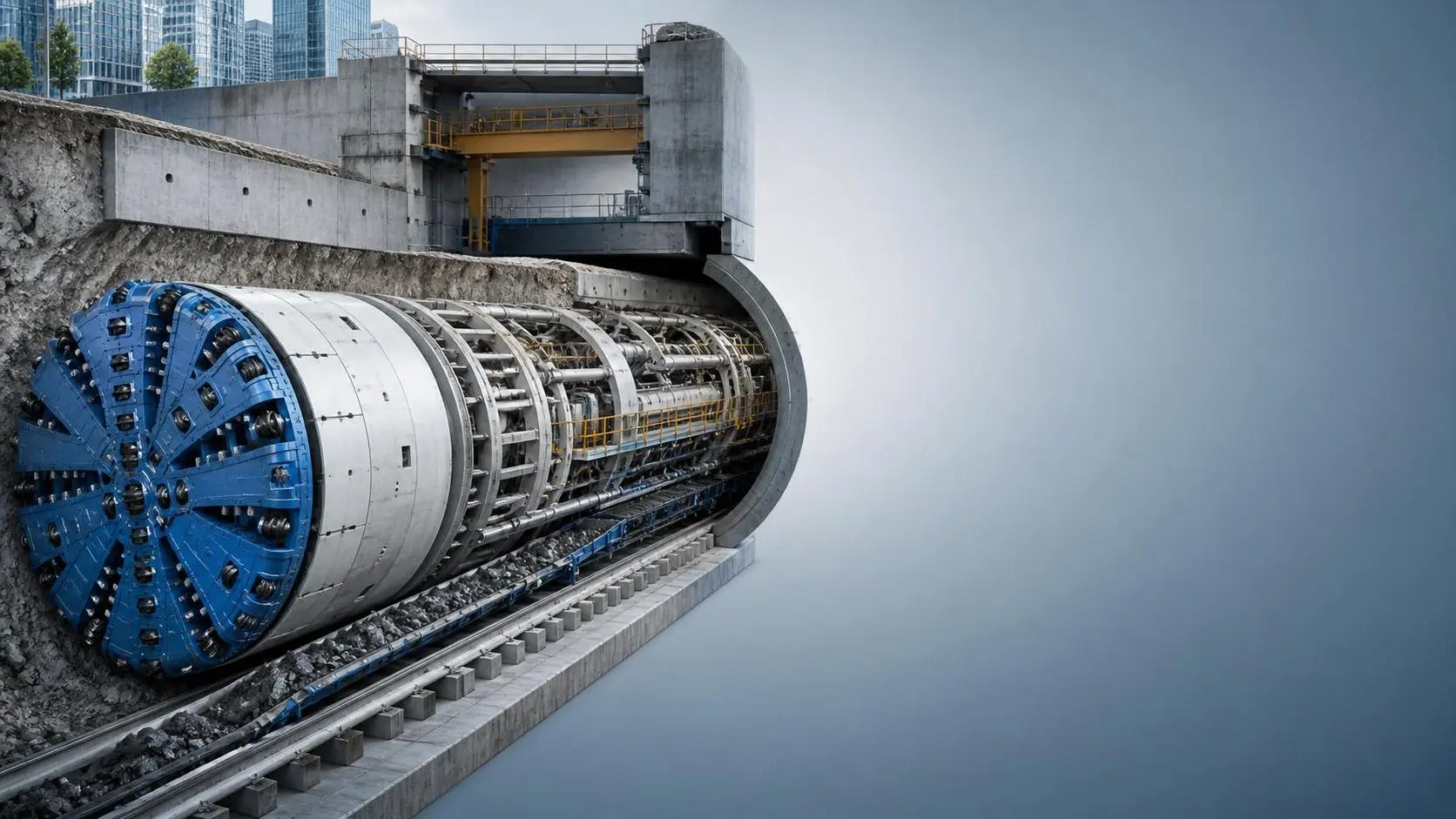
What Drives TBM Excavation Cost in Urban Tunneling Projects?
tbm excavation cost in urban tunneling depends on geology, shafts, segment lining, logistics, and risk. Discover the key cost drivers and compare bids with greater confidence.
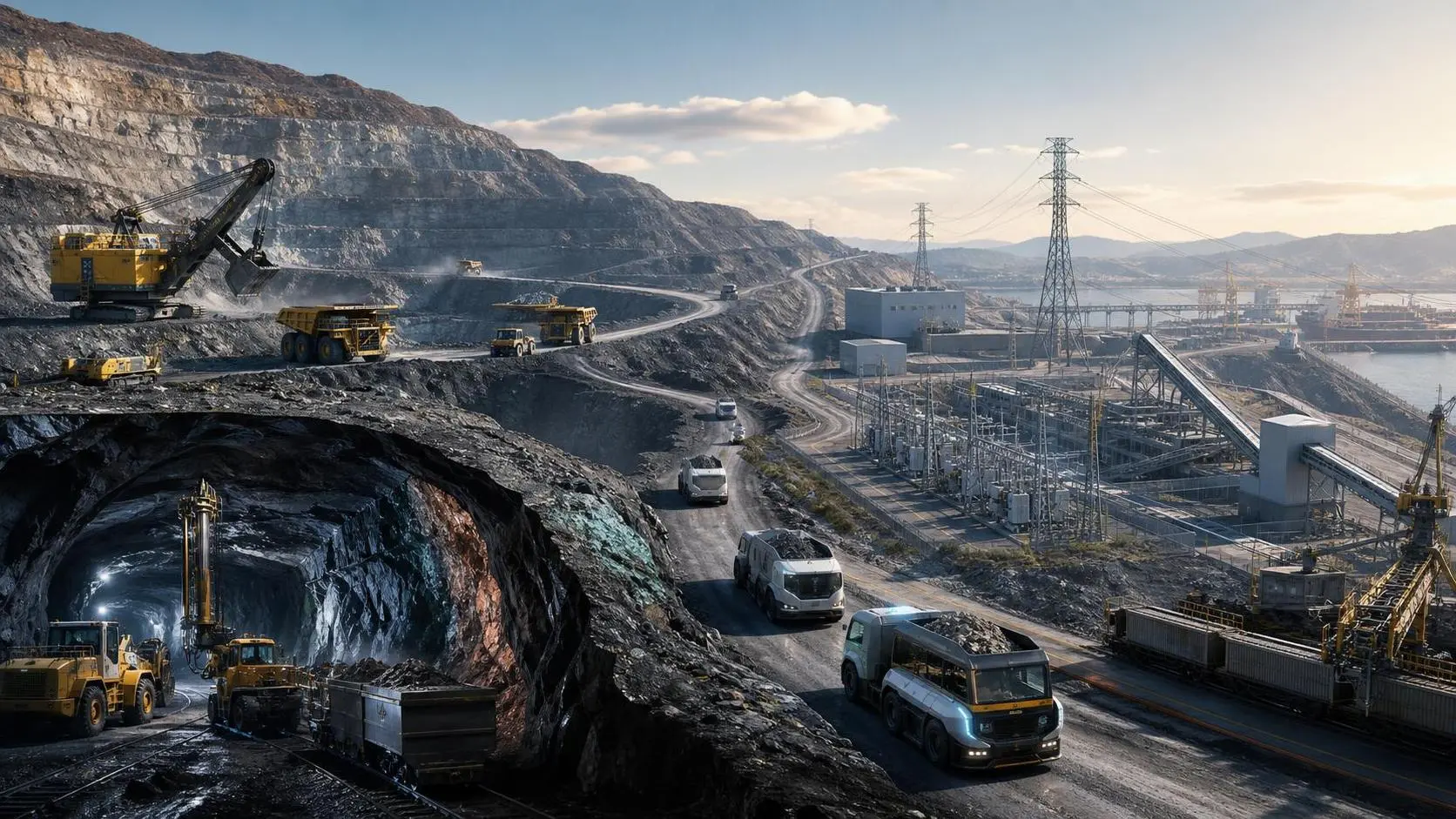
What Does Energy Metals Mining in Australia Mean for Supply, Cost, and Project Risk?
Energy metals mining Australia is reshaping supply, cost, and project risk. Discover what it means for buyers, investors, and operators.
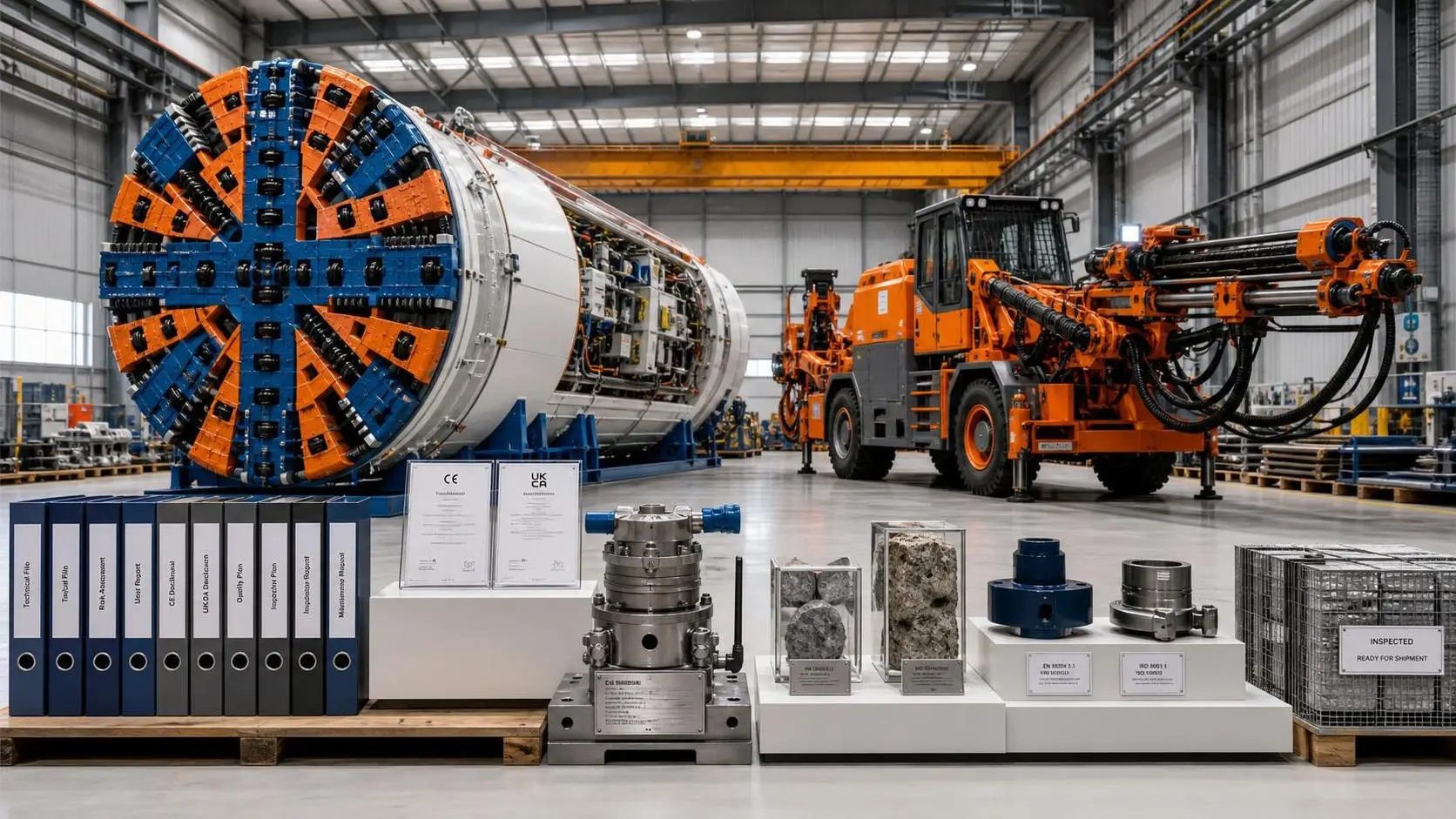
EU Eases Dual CE and UKCA Path for Chinese Tunnel Boring Equipment
EU eases CE and UKCA certification for Chinese tunnel boring equipment, cutting compliance time and helping importers move faster.
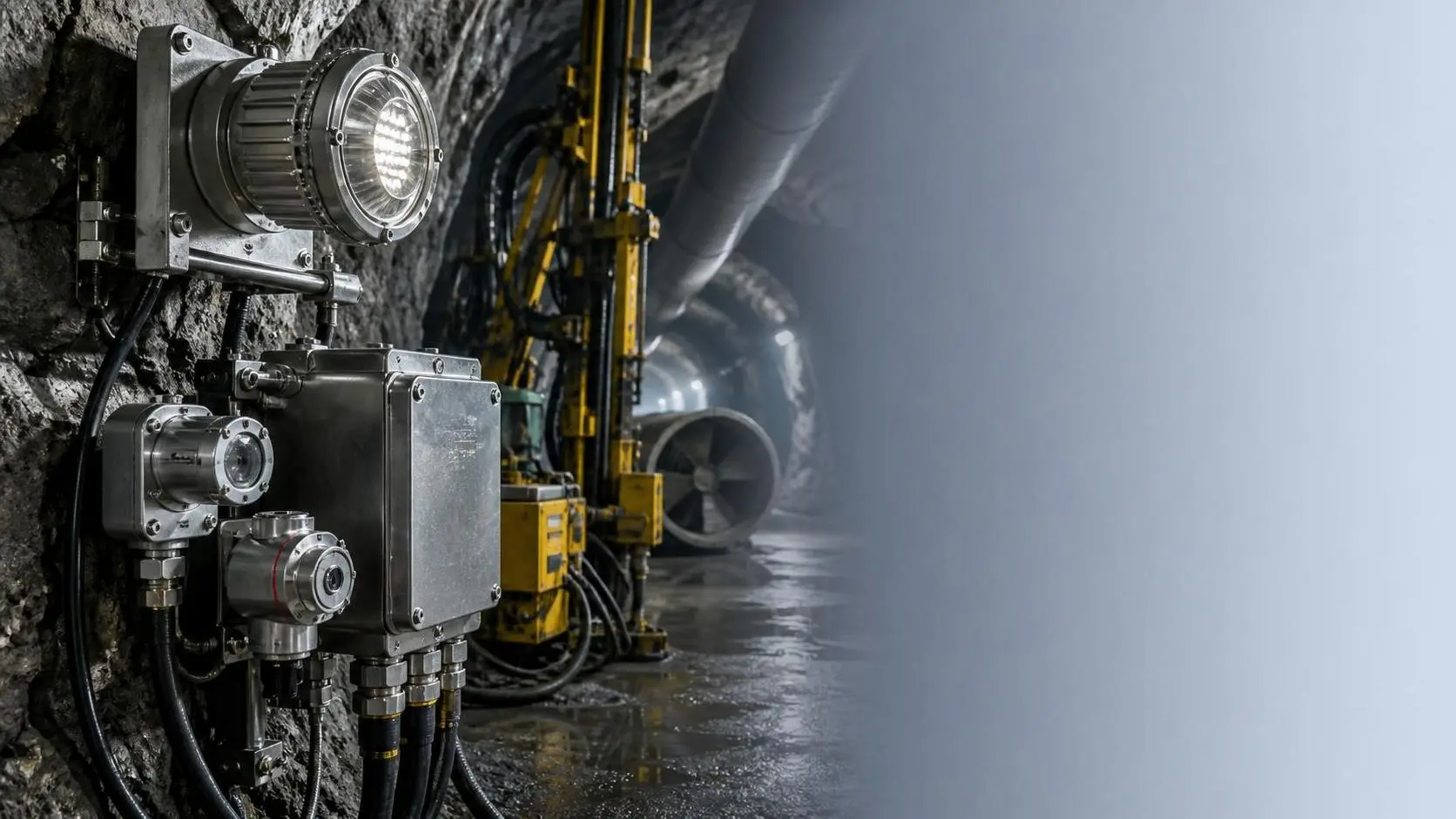
Flameproof Underground Safety Equipment: What Mine Teams Should Check Before Buying
Underground Safety Equipment flameproof buying guide: learn how mine teams should verify certification, durability, serviceability, and supplier support before purchase.
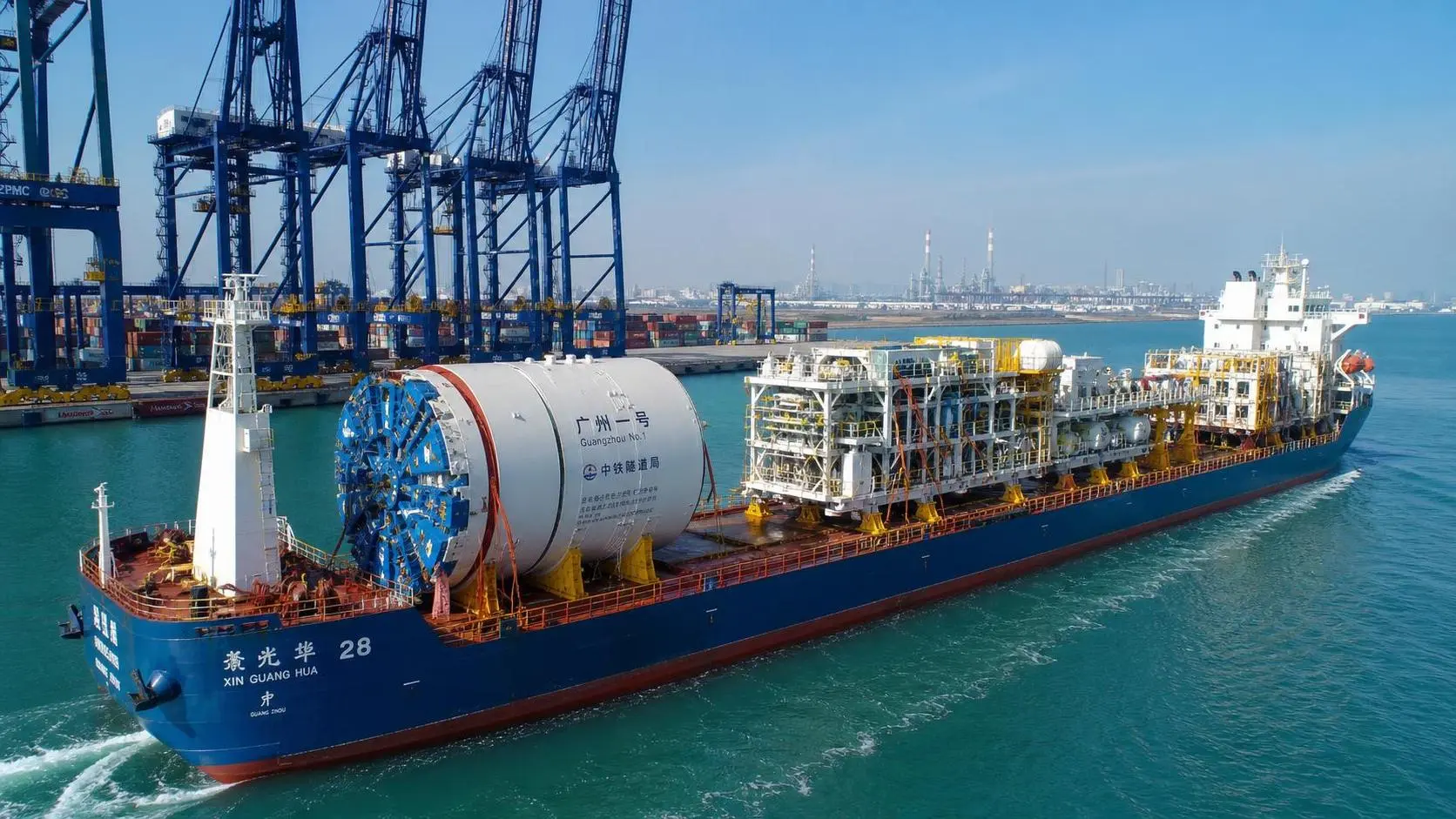
China-UAE Direct Sea Route Cuts TBM and Large Tunneling Equipment Lead Times
China-UAE direct sea route shortens TBM and large tunneling equipment lead times by 12–15 days, improving delivery predictability for major infrastructure projects. Read the full impact.
What Is a TBM Guidance System Gyroscope, and Why Does It Matter Underground?
TBM Guidance Systems gyroscope improves underground accuracy, reduces drift, and helps tunnel boring machines stay on line in harsh conditions.

China to Roll Out Nationwide Local and Foreign Currency Cash Pools for Multinationals on Sept. 14
China will roll out nationwide local and foreign currency cash pools for multinationals on Sept. 14, streamlining cross-border treasury management and boosting liquidity efficiency.
Related News
- 00
0000-00
How to Evaluate Articulated Dump Trucks Payload for Haul Road Conditions and Cycle Efficiency - 00
0000-00
How Pipe Fittings Material and Pressure Class Affect Water Line Selection - 00
0000-00
What Drives TBM Excavation Cost in Urban Tunneling Projects? - 00
0000-00
What Does Energy Metals Mining in Australia Mean for Supply, Cost, and Project Risk? - 00
0000-00
EU Eases Dual CE and UKCA Path for Chinese Tunnel Boring Equipment
Weekly Insights
Stay ahead with our curated technology reports delivered every Monday.