
EPB or Slurry Shield? Selecting Soft-Ground Tunnelling Equipment by Soil Conditions





Selecting between an Earth Pressure Balance (EPB) tunnel boring machine and a slurry shield is one of the decisions that can define a soft-ground project long before the cutterhead starts turning. It affects face stability, settlement exposure, spoil logistics, plant layout, energy demand, crew capability, and the margin available when geology changes. For project leaders, the question is not which machine is “better.” It is which support system can maintain controlled excavation pressure through the actual ground and groundwater conditions along the alignment.
Both machines are designed for pressurised-face tunnelling. Both can install segmental linings under difficult urban or subaqueous conditions. Yet they control the excavation chamber in different ways. An EPB machine uses conditioned excavated soil as the pressure-transmitting medium. A slurry shield uses a pressurised slurry circuit to support the face and transport excavated material to a separation plant. That difference becomes decisive when permeability, fines content, groundwater pressure, boulders, and mixed-face transitions are assessed together rather than in isolation.
The selection starts with the ground model, not the machine catalogue
A geotechnical baseline should be treated as an operating model, not merely a tender attachment. Boreholes, laboratory results, groundwater readings, historical records, contamination findings, and inferred interfaces all need to be translated into questions the TBM team can answer: Can the excavated material form a low-permeability plug? How rapidly might water flow toward the face? Is the anticipated pressure range compatible with the lining, seals, and intervention strategy? Where could the machine encounter a sudden shift from clay to sand, gravel, weathered rock, or man-made obstruction?
It is tempting to classify a route as simply “soft ground.” That label is too broad for equipment selection. Stiff clay, silty sand, loose saturated sand, coarse gravel, and mixed alluvial deposits may all sit within a short drive, but they do not behave alike in a pressurised excavation chamber. The central issue is whether the face-support medium remains stable, controllable, and recoverable throughout the drive.
Where an EPB TBM is usually the stronger fit
An EPB TBM generally performs well where soils contain enough fine material to create a plastic, relatively impermeable conditioned muck mass. Clays, silts, and many fine-grained sandy soils can be managed effectively when the machine’s cutterhead, mixing tools, screw conveyor, and conditioning system are matched to the anticipated range of material. The excavated soil is not just spoil in this arrangement; it is part of the face-support system.
For many metro, utility, and urban transport schemes, EPB technology can offer a practical balance between controlled face pressure and comparatively straightforward spoil handling. Material passes through a screw conveyor rather than a full slurry transport and separation circuit. Depending on the project, this can reduce the surface footprint and simplify logistics. It may also be attractive where disposal routes are already established for conditioned excavated soil.
The advantage is conditional. EPB operation relies on the ability to maintain a stable plug in the screw conveyor and a workable soil consistency in the chamber. In very permeable granular deposits, especially under substantial groundwater pressure, conditioned soil can lose its sealing ability. Water inflow, uncontrolled pressure loss, running ground, or difficulty regulating extraction may follow. Foam, polymers, and other conditioning agents can widen the operating envelope, but they do not eliminate the need to understand how the native soil will respond.
EPB selection also needs a realistic view of cutterhead access and clogging. Highly plastic clay can adhere to openings and tools; sticky soils may reduce material flow. Conversely, coarse abrasive particles can accelerate wear in the cutterhead, screw conveyor, and downstream handling system. The question is not whether conditioning exists, but whether the proposed conditioning regime has been tested against representative material and can be adjusted quickly as the drive changes.
When a slurry shield provides more reliable control
A slurry shield is commonly favoured in water-bearing, highly permeable ground: loose sands, gravels, and mixed granular deposits where maintaining pressure with an earth paste would be uncertain. The machine circulates slurry through the excavation chamber, and the slurry pressure supports the face. A filter cake may develop at the ground interface, helping reduce infiltration where soil characteristics allow it. Excavated material is transported hydraulically to a separation plant, where solids are removed and slurry is conditioned for recirculation.
This approach can offer a broader margin of control where groundwater ingress is a dominant risk. It is particularly relevant for crossings beneath rivers, ports, coastal zones, or dense urban districts with high water tables and granular alluvium. A slurry system does not make settlement impossible, but stable management of chamber pressure and volume balance can be more dependable in these conditions than trying to force an EPB regime beyond its practical limits.
The trade-off is a more complex project ecosystem. Slurry transport pipelines, pumps, separation equipment, slurry storage, treatment capacity, and discharge or disposal arrangements become critical-path considerations. Separation performance must suit the particle-size distribution and abrasiveness of the excavated ground. Fine clays can complicate separation, while oversized cobbles, debris, or obstructions may challenge the crusher and primary screening arrangement. A slurry shield is not selected only at the launch shaft; it is selected together with the surface plant, material-management plan, and maintenance strategy.
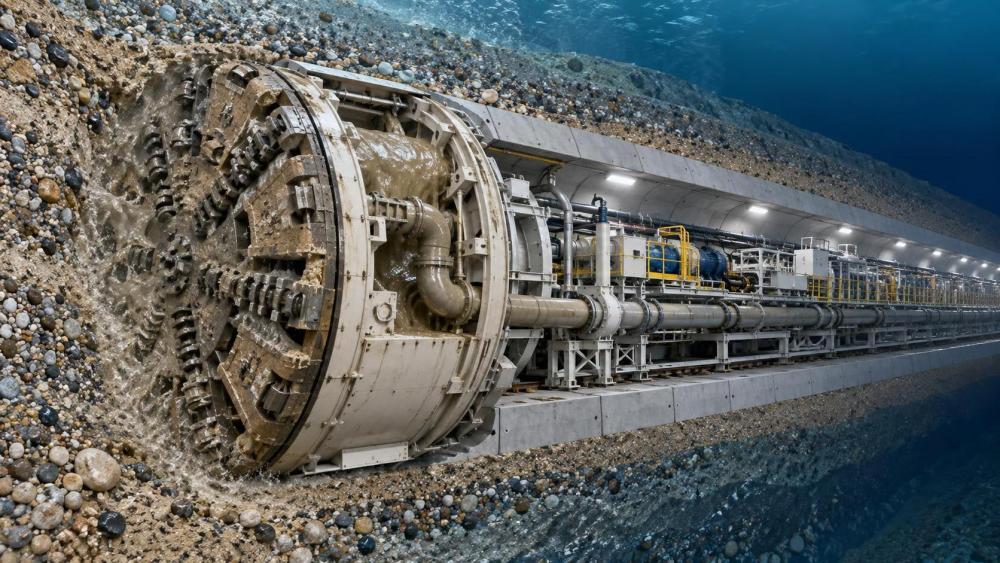
The soil-condition questions that should drive the decision
A useful review does not begin with a binary EPB-versus-slurry vote. It tests the alignment against the conditions most likely to undermine pressure control.
Mixed ground deserves special attention because it defeats simplistic selection rules. A route that is predominantly clay may still cross isolated gravel channels or weathered rock lenses. A predominantly granular alignment may contain cohesive seams that alter slurry behaviour and separation efficiency. The selected machine should be evaluated not only for its best operating condition but also for its least forgiving transition. Project teams should ask the manufacturer to explain how chamber pressure, cutterhead torque, tool wear, extraction, and conditioning or slurry parameters will be managed during those transitions.
Settlement control is an operating discipline, not a machine label
Both EPB and slurry machines can achieve controlled tunnelling when they are appropriately designed and operated. Neither label guarantees low settlement. Excessive face pressure can heave the ground; insufficient pressure can permit loss of ground. Unstable excavation volume, poor annulus grouting, delayed ring build, steering corrections, worn tools, and inadequate response to changing geology can all affect the outcome.
For sensitive alignments below buildings, rail corridors, utilities, or water bodies, the equipment decision should be tied to an instrumentation and response plan. Define what will be monitored, how baseline conditions will be established, who can alter pressure setpoints, and what thresholds trigger investigation or a controlled stop. The plan should connect field observations to TBM data: chamber pressure, advance rate, cutterhead torque, screw-conveyor or slurry-flow behaviour, thrust, articulation, and grout volume. A flood of data is not the same as control; crews need clear correlations and authority to act.
Lifecycle cost is often hidden in the support system
Capital cost alone can distort the choice of Tunnel Excavation Equipment for soft ground. EPB projects may carry different costs for conditioning agents, screw wear, muck treatment, and disposal. Slurry projects must account for the separation plant, pumping power, slurry management, maintenance, water treatment where required, and the practical implications of handling separated fines. Availability of consumables, local disposal rules, shaft size, power supply, and haulage routes can change the balance.
Intervention risk deserves equal weight. If geotechnical conditions are likely to cause frequent cutterhead inspection, the project must examine the anticipated pressure regime, access arrangements, hyperbaric requirements where applicable, tooling layout, and the competence available to execute interventions safely. This is a schedule and safety issue before it becomes a maintenance issue.
Procurement documents should therefore request an operating-envelope narrative, not just performance claims. It should state the expected soil ranges, groundwater assumptions, proposed conditioning or slurry specification, separation capacity basis, anticipated wear zones, exclusion conditions, and contingency measures for abnormal inflow or changing face conditions. A supplier’s willingness to identify boundaries is usually more useful than an overly broad claim of suitability.
A practical decision path for project leaders
If the route is dominated by cohesive or fine-grained material, groundwater pressure is manageable, and excavated soil can be conditioned into a stable plug, an EPB TBM may be the efficient and proportionate choice. If the route includes saturated, permeable sands or gravels under demanding groundwater conditions, a slurry shield often provides a more robust pressure-control approach, provided the project can support the necessary separation and slurry-handling infrastructure.
Where the evidence is mixed, do not resolve uncertainty by selecting the machine with the lowest apparent initial cost. Close the geotechnical gaps where possible, revisit the alignment’s critical zones, and test the proposed operating assumptions with the contractor, TBM supplier, and independent ground specialists. The strongest decision is usually the one that makes difficult conditions visible early and assigns a credible response to each of them.
UTMD follows this intersection of ground behaviour, machine design, and delivery risk across full-face TBMs, trenchless systems, and increasingly digital underground operations. Its Strategic Intelligence Center examines the practical mechanics behind equipment choices rather than treating tunnelling machines as interchangeable assets. For teams preparing a soft-ground procurement or reviewing a contractor’s proposal, the next useful step is to compare the ground model with the proposed pressure-control method, material-handling chain, intervention plan, and monitoring regime—section by section, not just machine by machine.
Related News
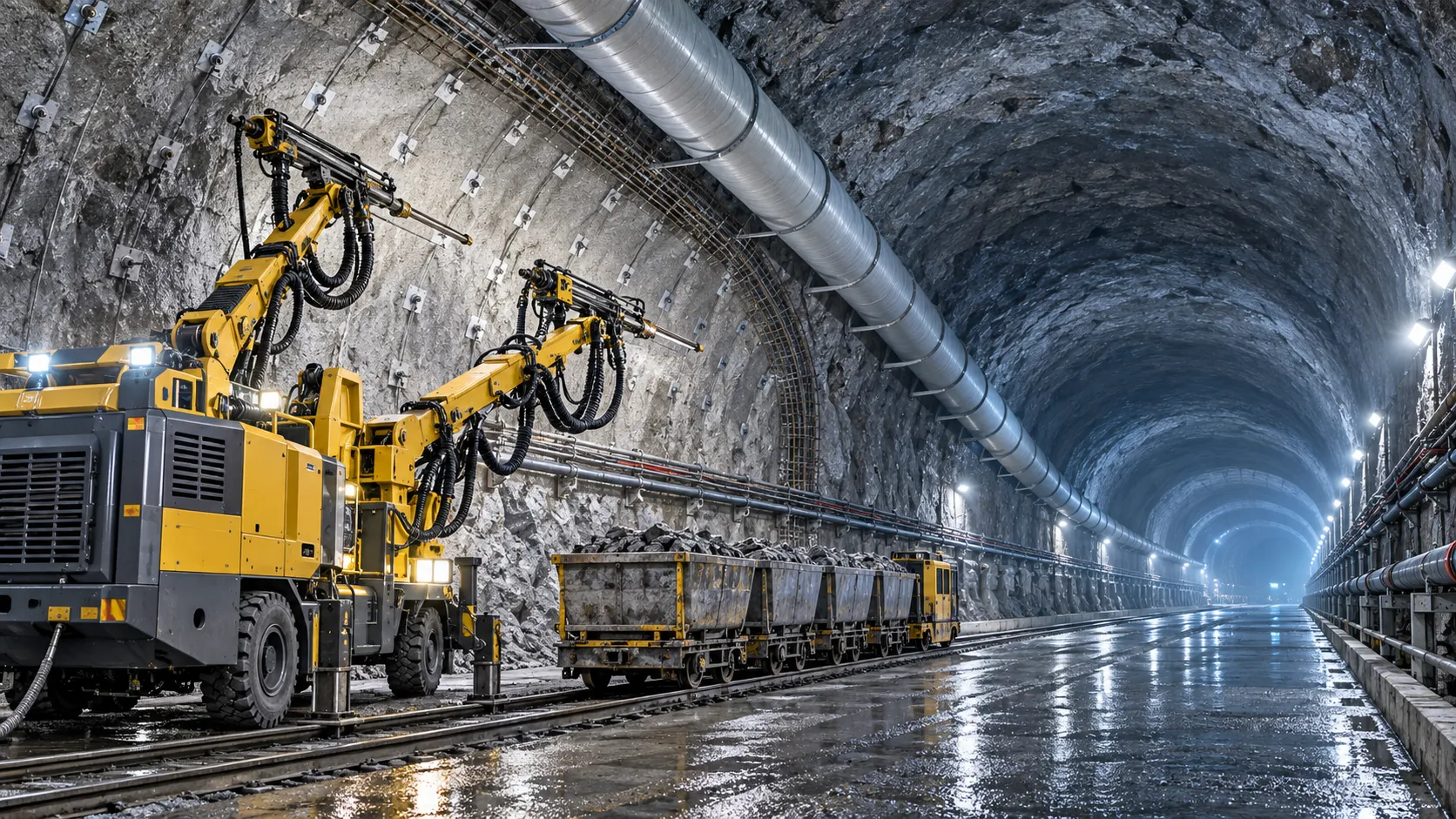
How to Evaluate European Drill-and-Blast Tunnelling Contractors for Complex Projects
Drill and blast tunnelling contractors Europe: learn how to assess geology expertise, blast control, equipment reliability, safety, and programme resilience for complex projects.
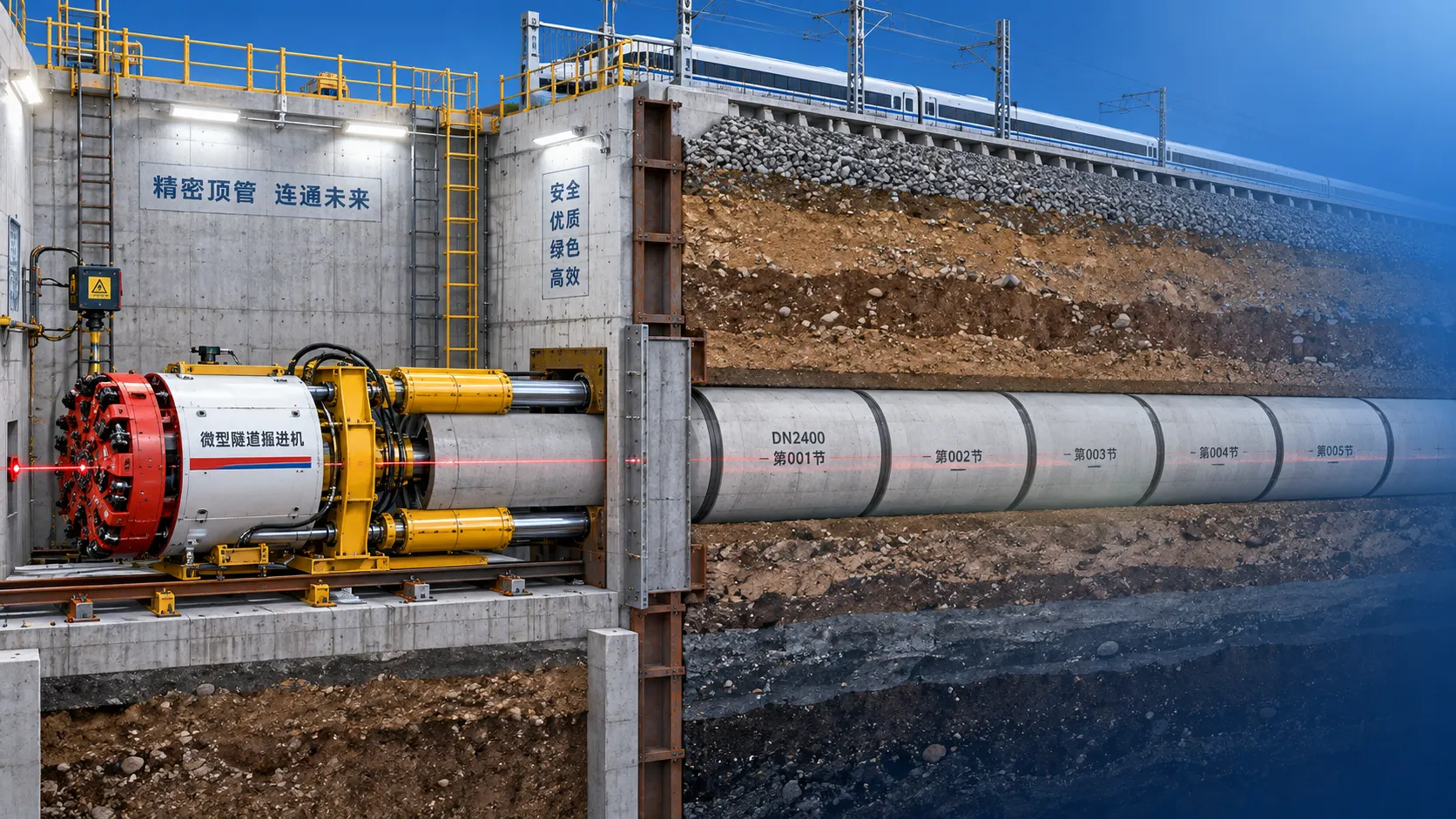
Which Trenchless Construction Technique Fits Your Utility Crossing Conditions?
Trenchless construction techniques compared for utility crossings: choose HDD, microtunnelling, pipe jacking, or auger boring based on ground, accuracy, access, and risk.
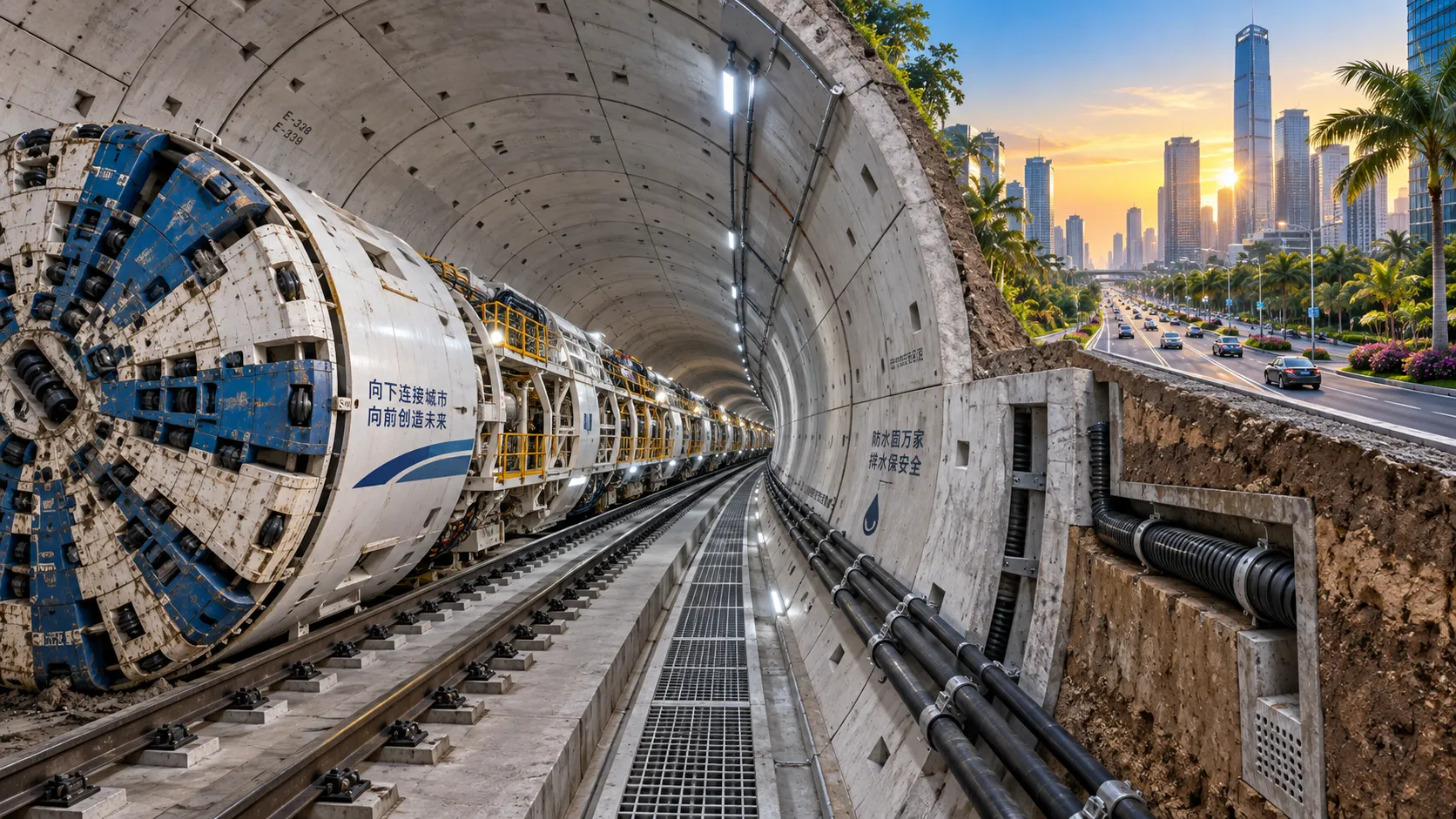
What Is Driving Metro Tunnelling Demand Across Southeast Asia’s Major Cities?
Metro tunnelling Southeast Asia is accelerating as major cities tackle congestion, flooding, and connectivity. Explore the market forces, technical risks, and opportunities shaping demand.
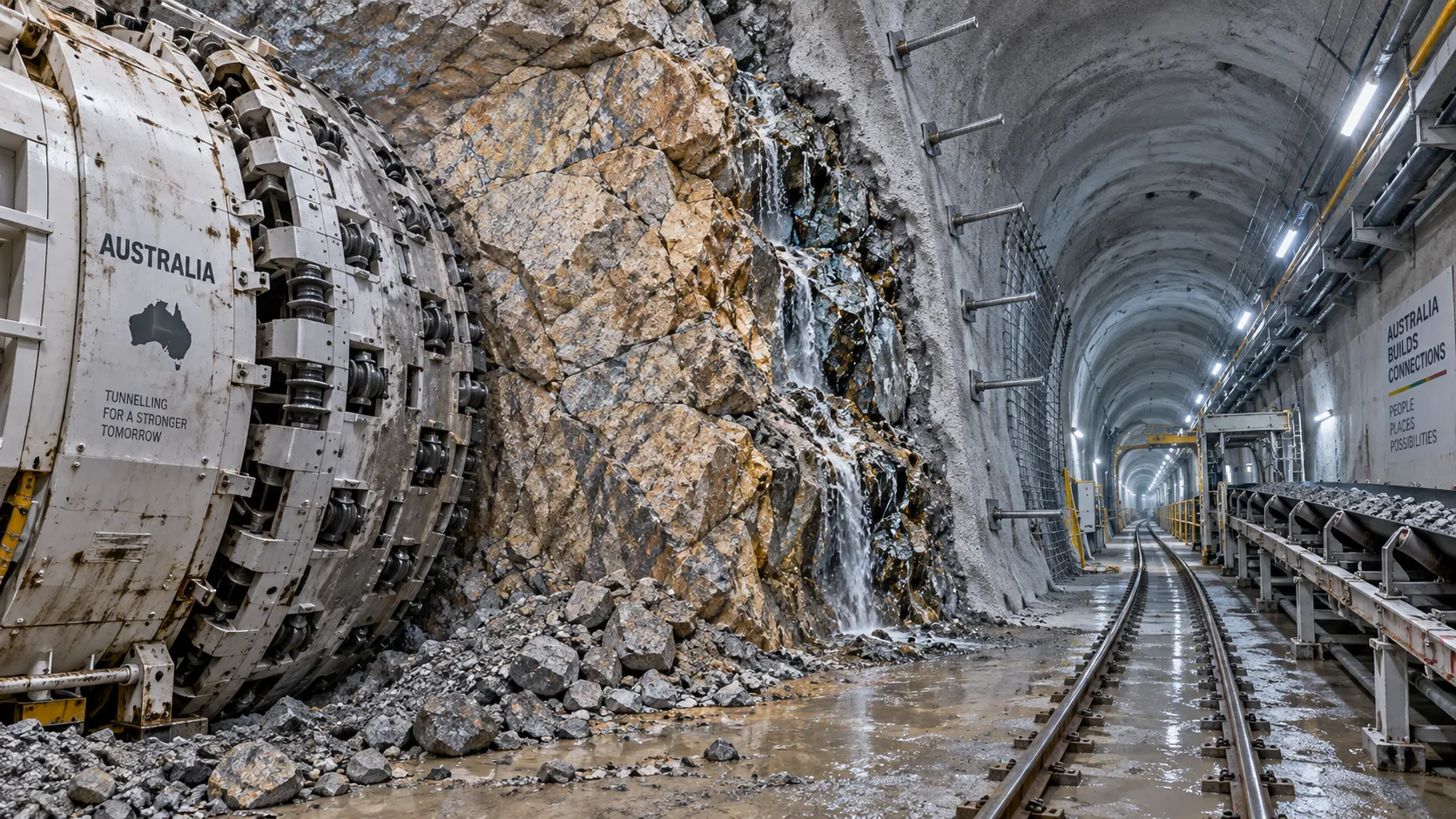
Hard Rock Tunnelling in Australia: Selecting Methods for Variable Ground Conditions
Hard rock tunnelling in Australia: compare TBM, drill-and-blast and hybrid methods to manage variable ground, reduce risk and protect project costs.
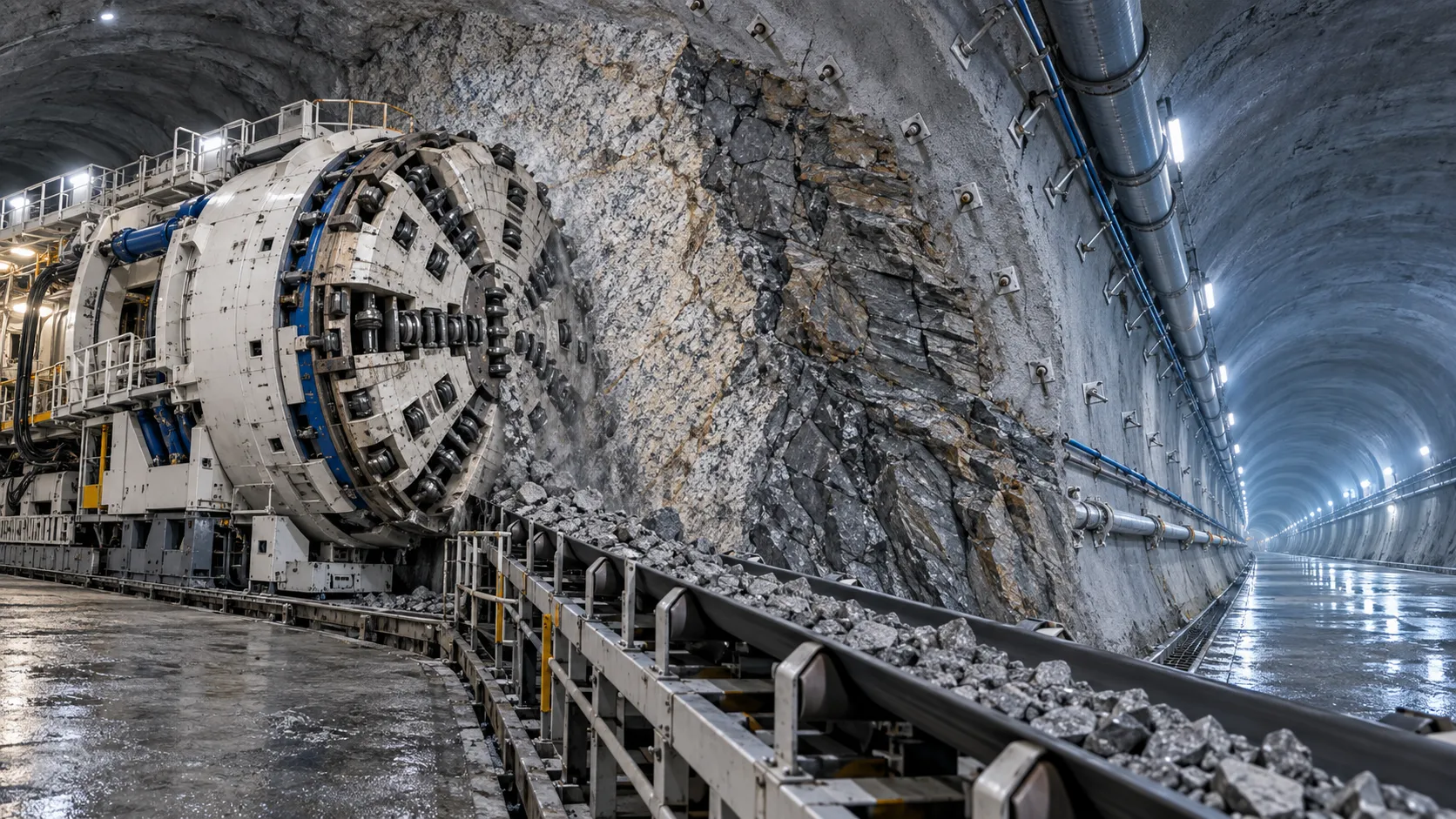
Hydropower Tunnel Excavation: Selecting Methods for Variable Rock Conditions
Hydropower tunnel excavation methods for variable rock conditions: compare TBM, drill-and-blast, and hybrid strategies to improve safety, progress, and project control.
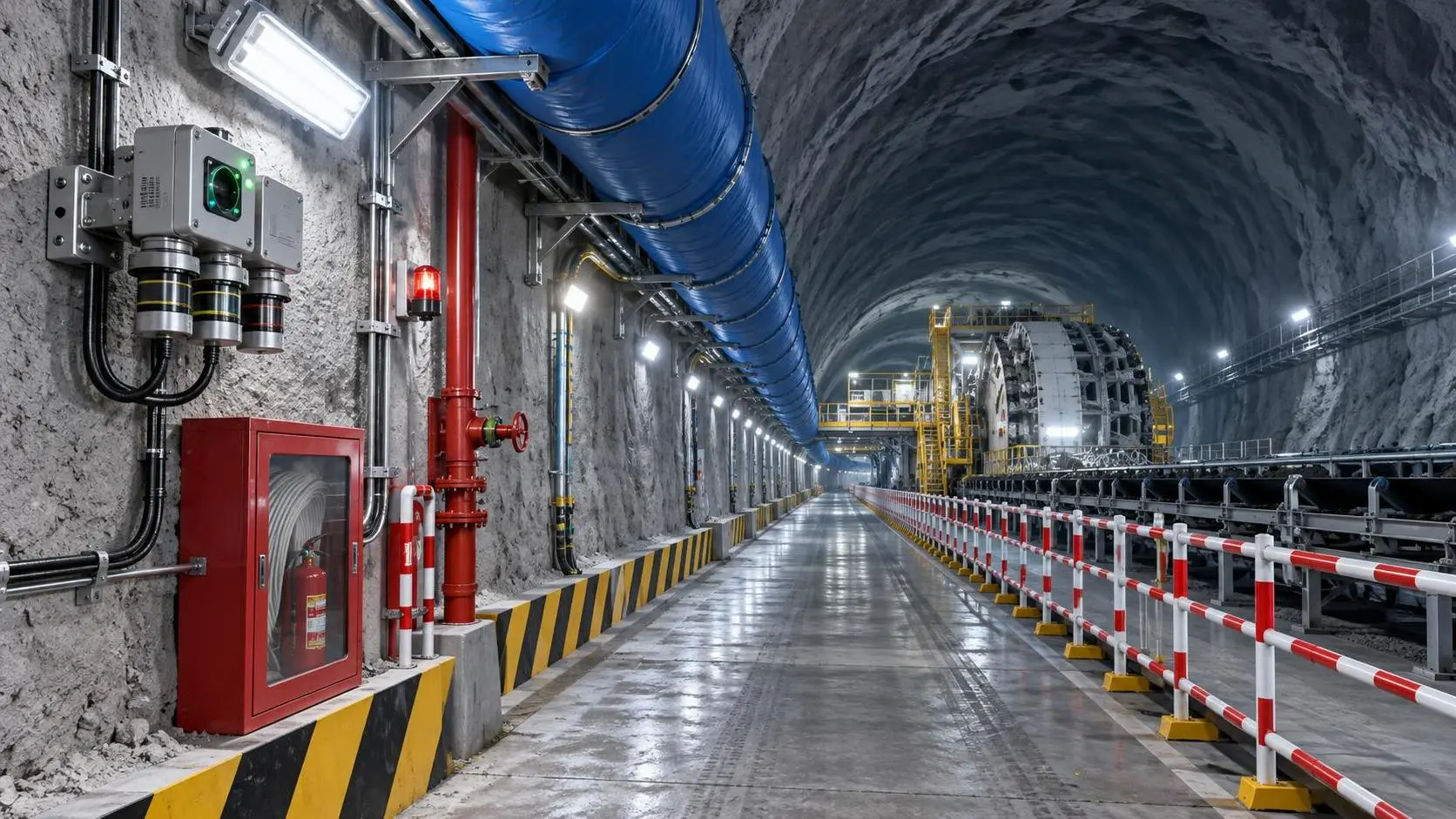
How to Select Underground Safety Equipment for Tunnelling by Hazard and Work Zone
Underground Safety Equipment for tunnelling: match protection to hazards, work zones, compliance, and emergency needs with this practical selection guide.
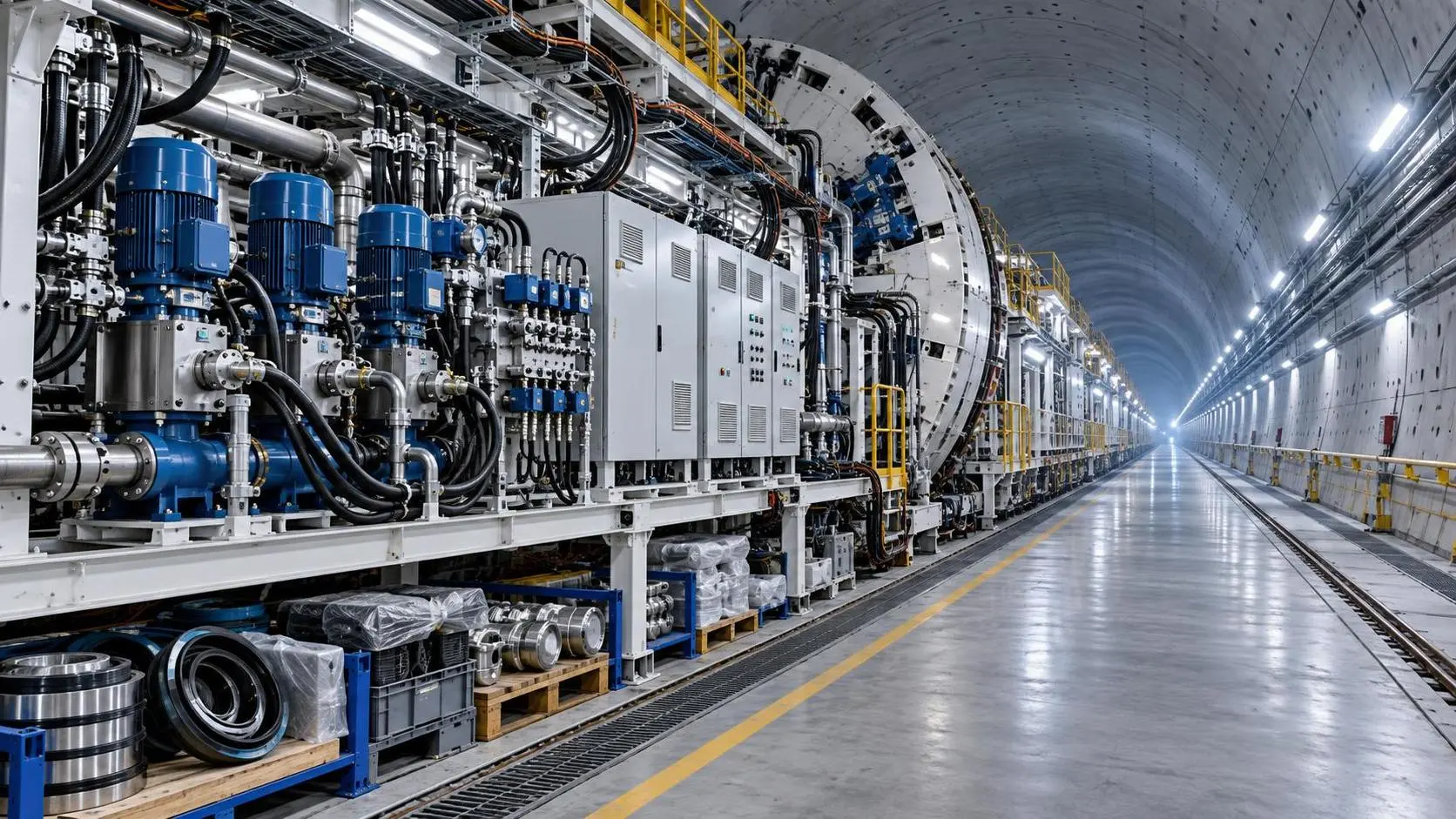
How to Specify TBM Backup System Parts for Reliable Long-Distance Tunnelling
TBM backup system parts: learn how to specify reliable spares for long-distance tunnelling, reduce downtime, ensure compatibility, and speed underground recovery.
How to Size Open Pit Mining Trucks for Haul Distance, Grade, and Payload?
Open Pit Mining Trucks: learn how to match payload, haul distance, grade, road resistance, and loading capacity for safer, lower-cost mine operations.
Evaluating Structural Durability and Maintenance Frequency in Heavy-Duty Concrete Mixer Trailers Under Frequent Dump Cycles
Discover how dump special trailers withstand 12–18 daily dump cycles — structural durability, maintenance optimization & real-world fleet insights revealed.
Related News
- 00
0000-00
How to Evaluate European Drill-and-Blast Tunnelling Contractors for Complex Projects - 00
0000-00
Which Trenchless Construction Technique Fits Your Utility Crossing Conditions? - 00
0000-00
What Is Driving Metro Tunnelling Demand Across Southeast Asia’s Major Cities? - 00
0000-00
Hard Rock Tunnelling in Australia: Selecting Methods for Variable Ground Conditions - 00
0000-00
Hydropower Tunnel Excavation: Selecting Methods for Variable Rock Conditions
Weekly Insights
Stay ahead with our curated technology reports delivered every Monday.