
How to Select a Metro TBM for Mixed Ground and High Groundwater Pressure





How to Select a Metro TBM for Mixed Ground and High Groundwater Pressure
Selecting tunnel boring machines for metro projects in mixed ground and high groundwater pressure is not a matter of choosing the largest machine, the highest installed power, or the cutterhead with the longest feature list. It is a risk-allocation decision made long before the TBM reaches the launch shaft. The wrong configuration can turn ordinary geological transitions into face instability, excessive settlement, cutterhead blockage, water inflow, damaged segments, and prolonged intervention stops.
For project leaders, the central question is straightforward but demanding: can the selected machine maintain controlled excavation when the ground changes faster than the operating plan? A metro alignment may move from clay to sand, weathered rock, gravel lenses, boulders, or partially decomposed rock within a short drive. Under a dense city, those changes occur beneath utilities, foundations, rail corridors, and roads that tolerate little movement. High groundwater pressure makes every loss of face control more consequential.
A sound selection process therefore connects ground investigation, machine concept, operating parameters, segmental lining, logistics, and contractual readiness. It should not begin with a manufacturer’s standard machine specification.
Start with the ground model, not the TBM category
“Mixed ground” is often used too broadly in tender documents. For TBM selection, it needs to be broken into operationally meaningful conditions. A face with stiff clay and saturated sand behaves differently from a face with competent rock in the crown and loose granular material at the invert. A machine that handles soft ground well may struggle when rock fragments cause tool wear and poor muck conditioning. Conversely, a machine designed around rock-cutting capacity may not control a highly permeable, pressurized sandy face with sufficient precision.
The geological baseline should be reviewed as a chain of anticipated face conditions rather than as isolated borehole logs. Key questions include the expected proportion of cohesive and granular soils, particle-size distribution, permeability, fines content, boulder probability, rock strength and abrasivity, groundwater regime, and the likely frequency of transitions. The project team should also identify locations where geological uncertainty overlaps with sensitive surface assets. A difficult ground interval below open land is not the same risk as the same interval below a historic structure or a live interchange.
Groundwater needs the same discipline. The relevant condition is not merely the observed water table. Teams need a defensible view of hydrostatic pressure at tunnel level, potential perched aquifers, recharge paths, local dewatering restrictions, and the consequences of a pressure loss at the face or around the tail seal. These inputs affect the pressure rating of the excavation chamber, bulkhead arrangement, screw conveyor or slurry circuit, sealing systems, and intervention strategy.
Choose the face-support principle before comparing machine details
For many urban metro drives in soft, mixed, and water-bearing ground, the core choice is between an earth pressure balance machine (EPB), a slurry shield, and a more adaptable hybrid or Mixshield-type concept. There is no universal winner. The appropriate choice depends on whether the excavated material can be conditioned into a stable, plastic plug, whether pressure can be held reliably at the face, and whether the project can support the required spoil-handling system.
An EPB machine can be highly effective in the right ground, but it should not be selected simply because it appears operationally simpler. Its performance depends heavily on conditioning chemistry, foam and polymer availability, screw conveyor design, chamber management, and the crew’s ability to interpret pressure, torque, advance rate, and extracted volume together. In heterogeneous ground, a stable-looking chamber pressure alone does not prove that the face is stable.
Slurry support is often attractive where water pressure and permeability are dominant concerns. Yet it shifts risk into the slurry circuit and separation plant. If the treatment plant cannot manage the expected fines, coarse particles, variable geology, and design production rate, the TBM can become constrained by surface processing rather than excavation. The selection review should include the entire slurry system, not only the shield.
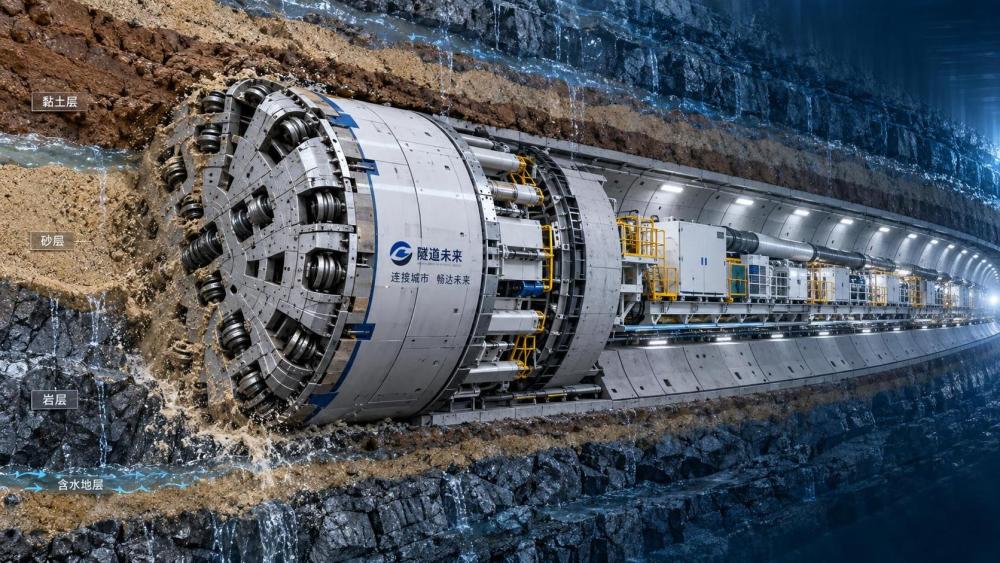
Cutterhead design must reflect transitions, not just the hardest material
In mixed ground, the cutterhead is asked to do contradictory things: excavate soil efficiently, break weathered or competent rock, avoid excessive disturbance, resist abrasion, and maintain material flow into the chamber. That is why the cutterhead review should go beyond opening ratio and installed cutter count.
Project teams should examine cutterhead openings, spoke geometry, wear protection, cutter and scraper arrangement, mixing tools, crushing capability, and access provisions for inspection or tool changes. Where boulders or strong rock bands are plausible, the question is not only whether disc cutters can be fitted. It is whether the cutterhead, drive system, chamber, and muck-removal path can deal with the resulting fragments without repeated blockage or unacceptable intervention exposure.
Tool-change planning deserves early attention. High groundwater pressure can make pressurized interventions technically demanding and schedule-sensitive. The available intervention methods, cutterhead access layout, hyperbaric working arrangements where applicable, inspection frequency, and provision for worn-tool detection should be aligned with the expected geology. A machine with excellent nominal cutting capability can still be a poor project choice if routine maintenance requires an intervention strategy the contractor cannot practically execute.
Pressure control is a system, not a single design pressure
High groundwater pressure is frequently reduced to a specification line: the machine must withstand a stated pressure. That requirement is necessary, but it is not sufficient. Safe excavation depends on how pressure is generated, measured, maintained, and adjusted during stopping, restarting, steering, ring building, and transitions between soil types.
Review the rated pressure envelope of the shield and associated systems, including seals, bulkheads, pipelines, valves, screw conveyor arrangements, and any intervention locks. Then ask how the machine responds to disturbances. Can the operator distinguish a true face-pressure change from a sensor issue? Is there enough redundancy in critical sensing? How are chamber pressure, advance rate, cutterhead torque, thrust, articulation, and spoil extraction reconciled in the control room?
For metro work, the machine also needs enough controllability to limit settlement rather than merely avoid collapse. This places importance on closed-loop monitoring, real-time volume balance, guidance accuracy, and practical alarm management. Too many poorly prioritized alarms can be almost as dangerous as too few, particularly during unstable ground transitions or shifts with changing crew experience.
Do not separate the TBM from the lining and backfill plan
Metro tunnels are usually built as a combined excavation-and-lining system. The segment erector, ring-build sequence, tail seal arrangement, annular gap grouting method, and segment geometry all influence ground response. A TBM selection that ignores the lining package can overlook a major source of leakage, settlement, and ring damage.
The machine must accommodate the chosen segment dimensions, weight, joint configuration, gasket system, and required ring tolerances. In high-pressure conditions, the relationship between segment waterproofing, tail seal performance, and grout pressure needs careful coordination. Excessive or poorly controlled grout pressure can disturb the ground or affect lining position; inadequate filling leaves voids that may later contribute to settlement.
Check whether the planned grout materials and delivery system remain workable through expected stoppages and temperature conditions. Also assess the practical ring-build time. A technically capable TBM loses its advantage if the lining cycle consistently interrupts face-control discipline or drives the machine into prolonged stationary periods in sensitive ground.
Compare suppliers through operating readiness, not brochure features
When comparing tunnel boring machines for metro schemes, project leaders should ask suppliers to demonstrate how their proposal addresses the project’s specific adverse scenarios. Generic statements about mixed-ground capability are not enough. The technical submission should explain the intended operating modes, anticipated conditioning or slurry-management approach, pressure-control philosophy, cutterhead tooling, wear monitoring, and response to likely blockages or water-bearing granular zones.
The commercial review should be equally practical. Examine the scope of commissioning support, operator training, critical spares, cutter and scraper supply, remote diagnostics, local service capacity, and lead times for components that cannot be substituted easily. For a long metro drive, availability is shaped less by the nameplate specification than by how quickly the project can identify, diagnose, and resolve a developing problem.
Acceptance criteria should also be written with care. Excessively simple targets can encourage behavior that looks productive while increasing ground risk. Advance performance should be considered alongside settlement controls, pressure stability, tool consumption, ring quality, intervention requirements, and spoil or slurry handling limits. The contract should leave room for structured adjustments when verified ground conditions differ materially from the baseline.
Build a decision record before procurement is locked
A useful final deliverable is a decision record that links each major geological hazard to a machine feature, operating control, monitoring method, and contingency action. This makes assumptions visible to the owner, designer, contractor, and TBM supplier. It also prevents a familiar failure mode: discovering after launch that the selected configuration is technically possible but operationally awkward for the actual alignment.
The record should identify unresolved items, such as uncertain boulder frequency, limited groundwater data, disposal constraints, restricted intervention access, or segment supply risk. These are not reasons to delay every decision. They are reasons to specify adaptability where it matters and to reserve time for trials, training, and response planning.
At UTMD, the analysis of full-face TBMs sits alongside trenchless equipment and smart underground mining systems because the same principle applies across underground work: equipment selection succeeds when mechanical capability, ground behavior, operational data, and maintenance reality are considered as one system. For metro projects facing mixed ground and high water pressure, the most defensible TBM is usually the one whose limits are clearly understood, whose controls are usable by the site team, and whose supporting infrastructure is ready before the first ring is installed.
Before issuing a final procurement package, confirm the ground model, pressure envelope, spoil-handling route, lining interface, intervention philosophy, and critical-spares plan in a joint technical review. That exercise often reveals whether a proposed machine is genuinely suited to the drive—or merely capable of excavating part of it.
Related News
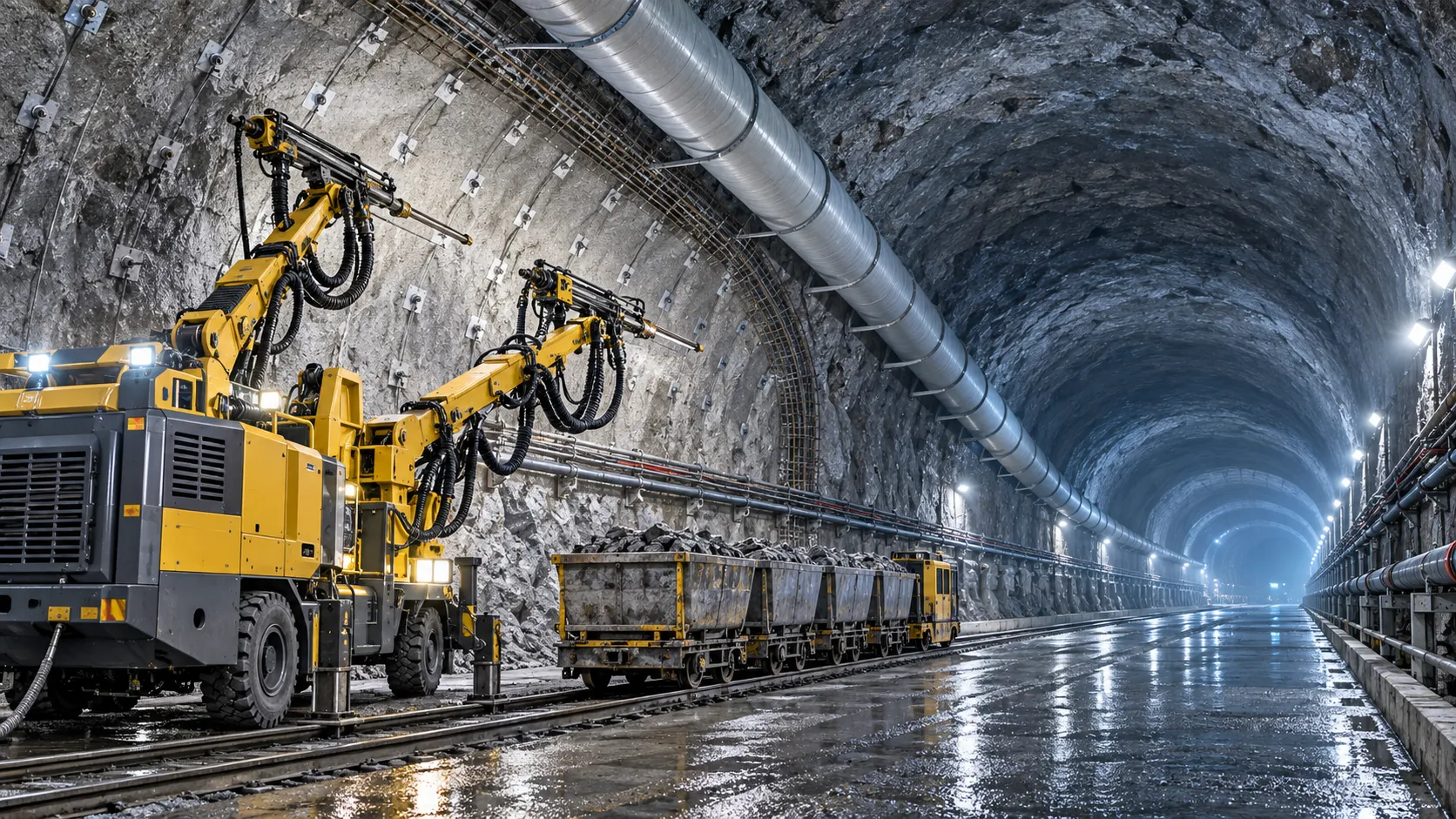
How to Evaluate European Drill-and-Blast Tunnelling Contractors for Complex Projects
Drill and blast tunnelling contractors Europe: learn how to assess geology expertise, blast control, equipment reliability, safety, and programme resilience for complex projects.
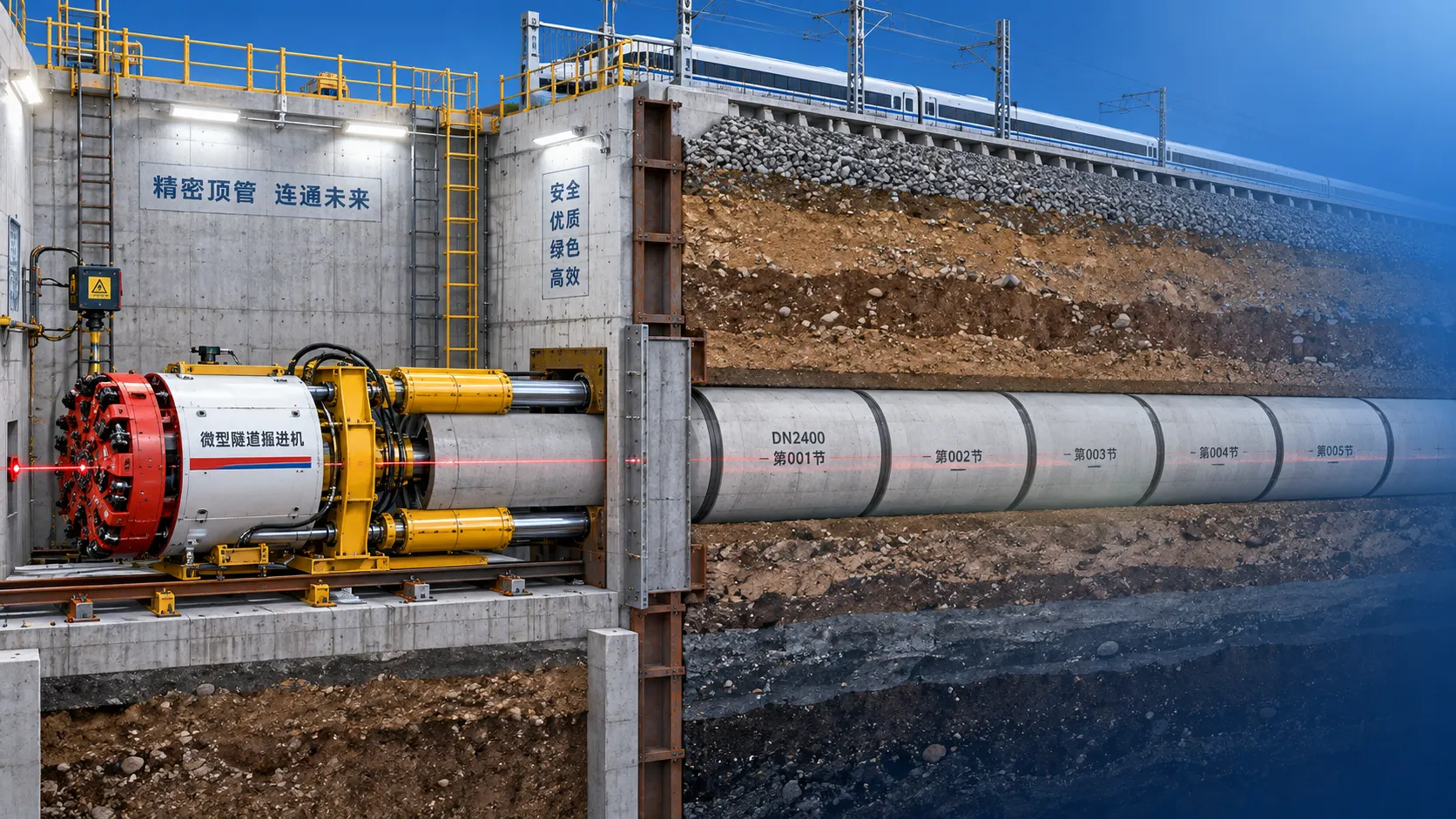
Which Trenchless Construction Technique Fits Your Utility Crossing Conditions?
Trenchless construction techniques compared for utility crossings: choose HDD, microtunnelling, pipe jacking, or auger boring based on ground, accuracy, access, and risk.
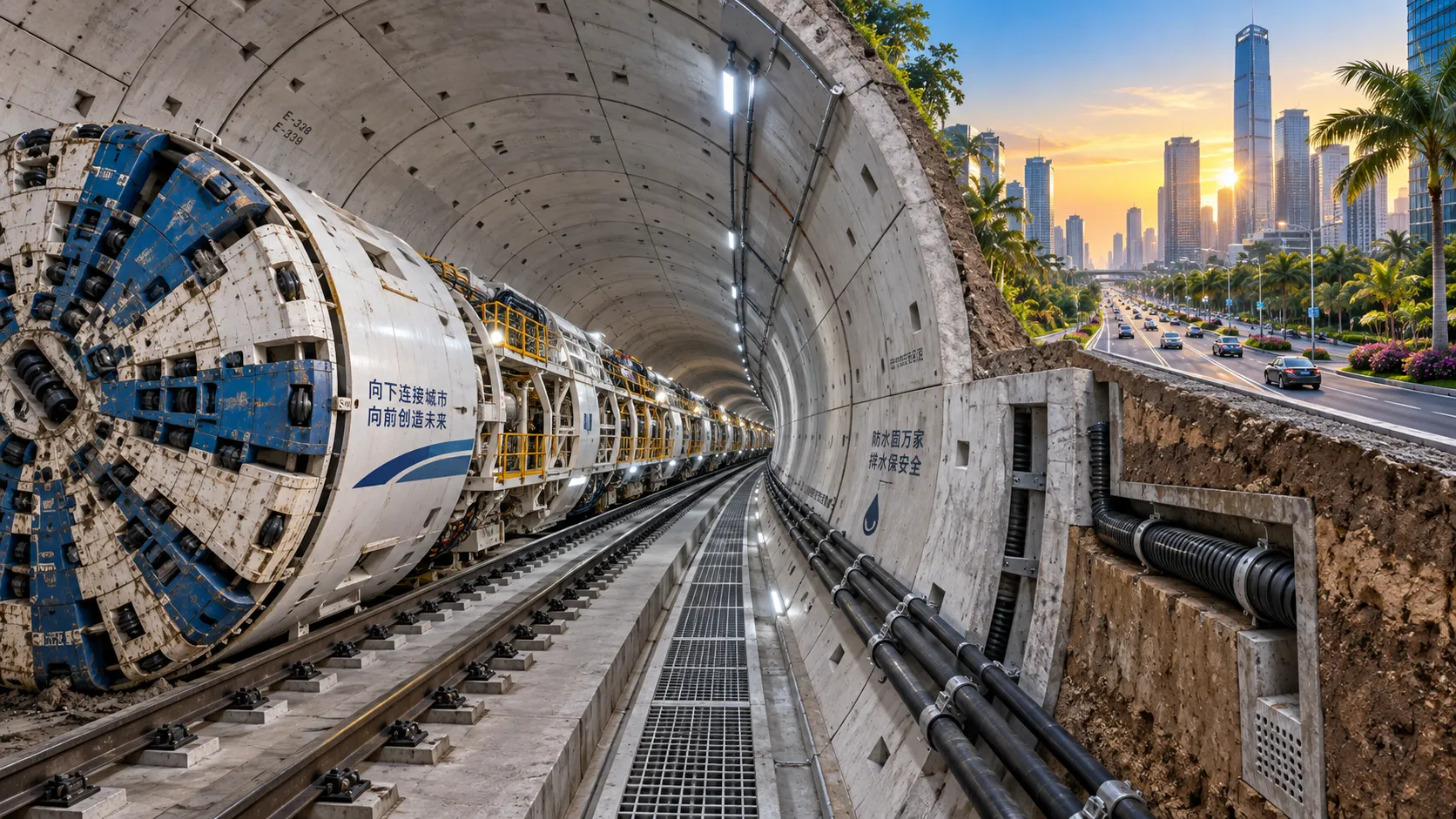
What Is Driving Metro Tunnelling Demand Across Southeast Asia’s Major Cities?
Metro tunnelling Southeast Asia is accelerating as major cities tackle congestion, flooding, and connectivity. Explore the market forces, technical risks, and opportunities shaping demand.
Hard Rock Tunnelling in Australia: Selecting Methods for Variable Ground Conditions
Hard rock tunnelling in Australia: compare TBM, drill-and-blast and hybrid methods to manage variable ground, reduce risk and protect project costs.
Hydropower Tunnel Excavation: Selecting Methods for Variable Rock Conditions
Hydropower tunnel excavation methods for variable rock conditions: compare TBM, drill-and-blast, and hybrid strategies to improve safety, progress, and project control.
How to Select Underground Safety Equipment for Tunnelling by Hazard and Work Zone
Underground Safety Equipment for tunnelling: match protection to hazards, work zones, compliance, and emergency needs with this practical selection guide.
EPB or Slurry Shield? Selecting Soft-Ground Tunnelling Equipment by Soil Conditions
Tunnel Excavation Equipment for soft ground: compare EPB and slurry shields by soil, groundwater, settlement risk, and project logistics to choose confidently.
How to Specify TBM Backup System Parts for Reliable Long-Distance Tunnelling
TBM backup system parts: learn how to specify reliable spares for long-distance tunnelling, reduce downtime, ensure compatibility, and speed underground recovery.
How to Size Open Pit Mining Trucks for Haul Distance, Grade, and Payload?
Open Pit Mining Trucks: learn how to match payload, haul distance, grade, road resistance, and loading capacity for safer, lower-cost mine operations.
Related News
- 00
0000-00
How to Evaluate European Drill-and-Blast Tunnelling Contractors for Complex Projects - 00
0000-00
Which Trenchless Construction Technique Fits Your Utility Crossing Conditions? - 00
0000-00
What Is Driving Metro Tunnelling Demand Across Southeast Asia’s Major Cities? - 00
0000-00
Hard Rock Tunnelling in Australia: Selecting Methods for Variable Ground Conditions - 00
0000-00
Hydropower Tunnel Excavation: Selecting Methods for Variable Rock Conditions
Weekly Insights
Stay ahead with our curated technology reports delivered every Monday.